
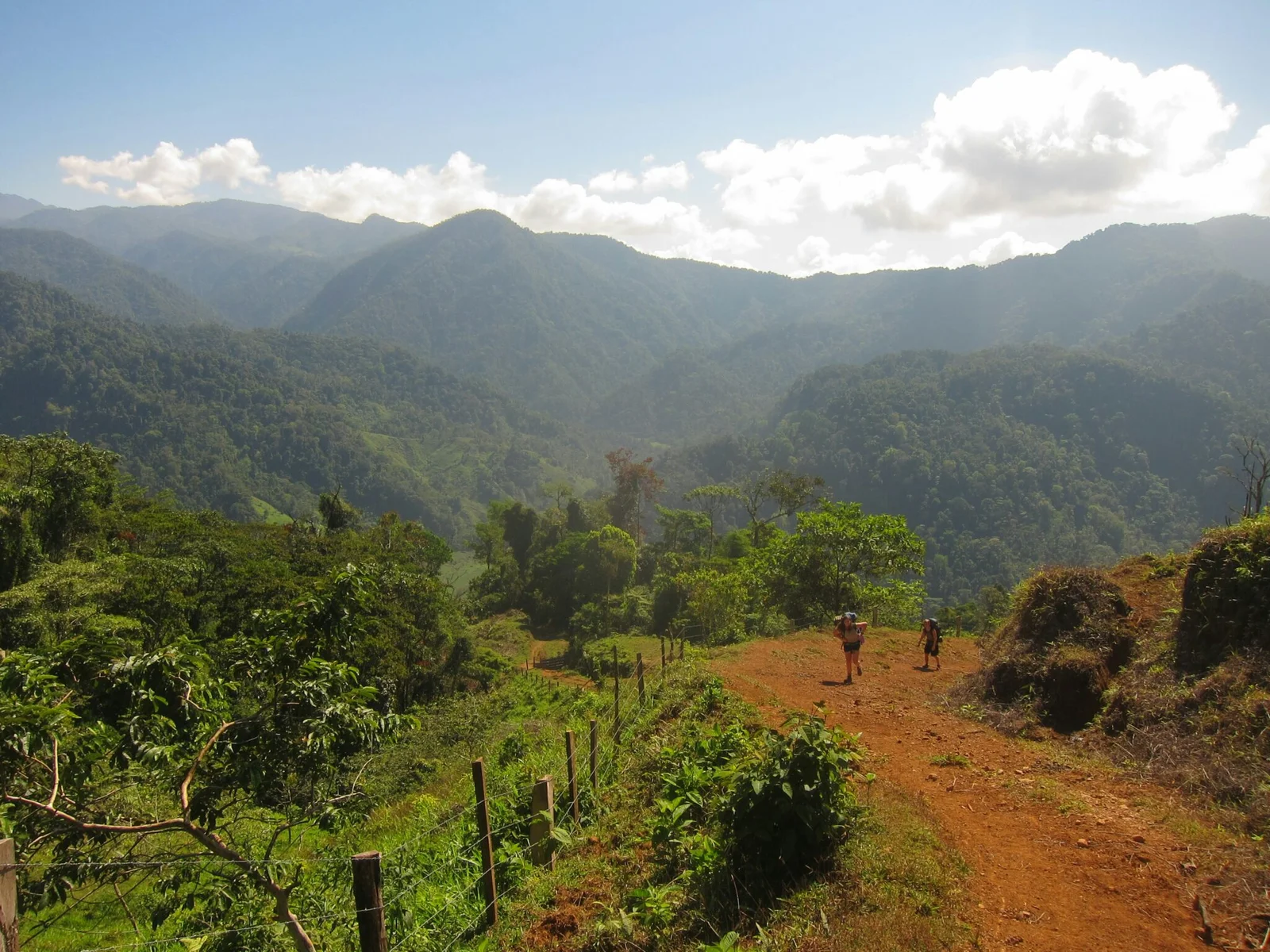
May in Costa Rica is when the green season begins and the prices drop. The Pacific coast receives its first serious rains of the season — the afternoon showers that transform the landscape from dry season brown to the intense green that the country is famous for. The tourist volume falls sharply after the April school holidays. And the retreat centres that stay open through the green season are running their most focused and their most affordable programmes of the year. A yoga retreat in Costa Rica in May is specifically for those who know what the rainy season actually offers.


The green season that begins in May is the version of Costa Rica that most repeat visitors prefer. The landscape is extraordinary — the forests at their most vivid, the waterfalls at their first full volume, and the wildlife responding to the rain with a biological activity that the dry season suppresses. Prices drop by 30-40% from January peaks. The retreat infrastructure is fully operational but running for the committed rather than the casual. And the afternoon rain pattern — clear mornings, showers from 2-4pm, clear evenings — is actually well-suited to the retreat schedule if you design around it honestly.
Browse our full yoga retreats in Costa Rica guide for the complete picture of what the country offers year-round. For the global context of May retreat travel, our yoga retreats in May guide covers every destination worth considering this month.

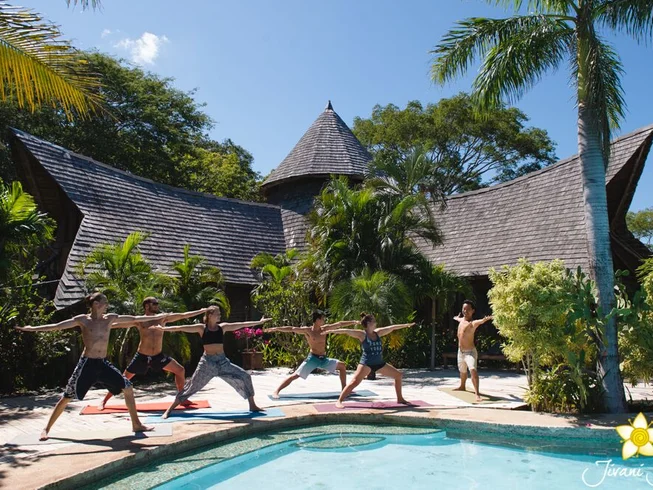
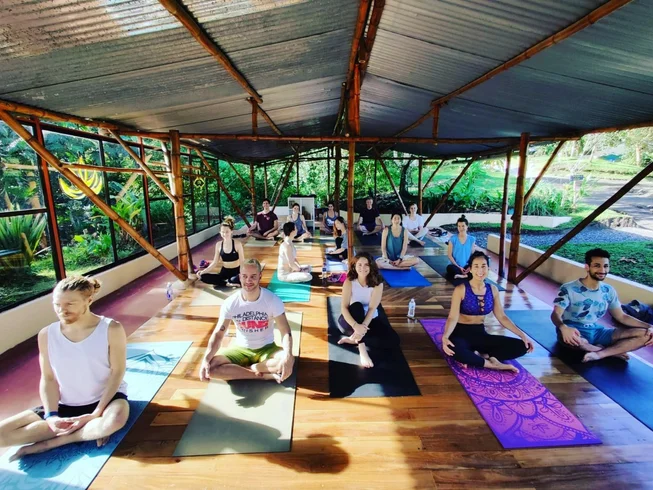


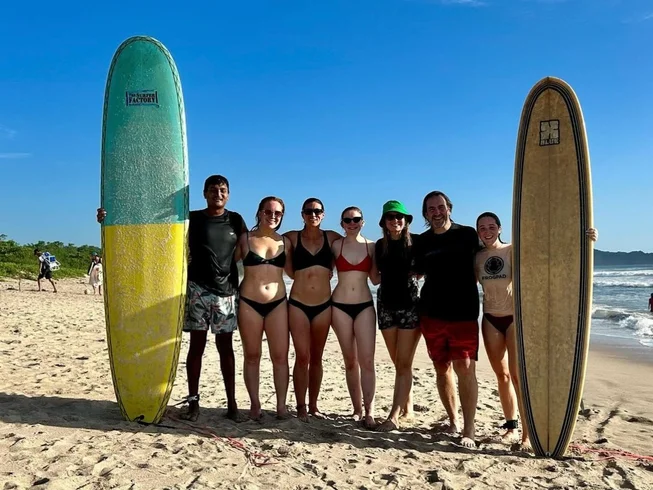
Santa Teresa in May has the specific quality of a surf and yoga community that has shed its dry season tourist volume and is operating for its own year-round residents. The prices are 30-35% below January, the surf is producing the first significant south swells of the season — typically larger and more powerful than the dry season waves — and the jungle behind the beach is in May responding to the first rains with the most rapid greening of the year. The spider monkey families that move through the canopy above the road between Santa Teresa and Playa Carmen are in May at their most active as the new season fruit begins.
The May surf at Santa Teresa is specifically good for intermediate to advanced surfers — the south swell that the rainy season generates on the Pacific coast producing the powerful beach break conditions that the dry season’s northwest swell does not replicate. The retreat centres that combine yoga with surf instruction are in May running their programmes for the practitioners who specifically chose the green season for the swell quality.
Monteverde — the cloud forest reserve community in the Tilaran Mountains, the most internationally known of the Costa Rican cloud forest destinations — is in May beginning its cloud forest wet season, which means the Monteverde Cloud Forest Reserve is at its most specific: the permanent cloud that gives the ecosystem its name is at its fullest development, the forest dripping with moisture, and the epiphyte diversity (the orchids, bromeliads, and ferns that grow on every available surface) at its most lush and most visible.
The quetzal sightings at Monteverde are most reliable from February through April during the breeding season, but the May cloud forest has the specific quality of the wet season beginning: the birds at the fruiting trees, the three-wattled bellbird calling from the cloud forest canopy (the most distinctive and loudest bird call in Costa Rica — a single metallic bonk audible from several hundred metres), and the forest floor alive with the frogs and insects that the wet season specifically activates. The Monteverde Butterfly Garden and the Serpentarium provide the indoor cultural programme for the afternoon rain periods that the cloud forest schedule requires.
The Osa Peninsula and the Ballena Marine Park south of Dominical are in May receiving the first southern hemisphere humpback whales of the season. The southern hemisphere humpback population (different from the northern hemisphere population that winters in the Pacific from December through April) begins arriving in Costa Rican waters from July through October, but the advance scouts appear in late May — and the whale watching boats from Drake Bay and Uvita are in May beginning their southern hemisphere whale season operations alongside the last northern hemisphere whale departures.
The Corcovado National Park in May is at the beginning of its wet season — the trails muddy in the afternoon but the wildlife responding to the first rains with extraordinary activity. The peccary herds move through the forest in larger groups as the season changes, the scarlet macaw family groups are feeding at the coastal almond trees, and the tapir is more frequently visible at the lowland water holes that the dry season concentrated them around. The Drake Bay to San Pedrillo trail along the coastal rainforest edge is in May accessible in the mornings before the afternoon rains make the river crossings uncertain.
Arenal in May is at the first full volume of its wet season — the La Fortuna waterfall at its most powerful flow since the previous November, the Río Fortuna running full, and the hot springs most rewarding in the cooler wet season evenings. The rainy season around Arenal arrives slightly earlier than on the coast and by May the afternoon rains are well established — making the morning programme (the early yoga session, the pre-rain waterfall hike, the volcano trail walk) and the afternoon programme (the hot springs, the indoor treatments, the evening session) the natural structure for the retreat week.
The Arenal Hanging Bridges — the network of suspension bridges through the primary rainforest adjacent to Lake Arenal — are in May at their most biologically active. The May morning walk through the hanging bridges produces the wet season wildlife encounters: the poison dart frogs at the forest floor level, the morpho butterflies on the forest path, and the howler monkey family groups in the canopy above the bridges visible from the suspension platforms.
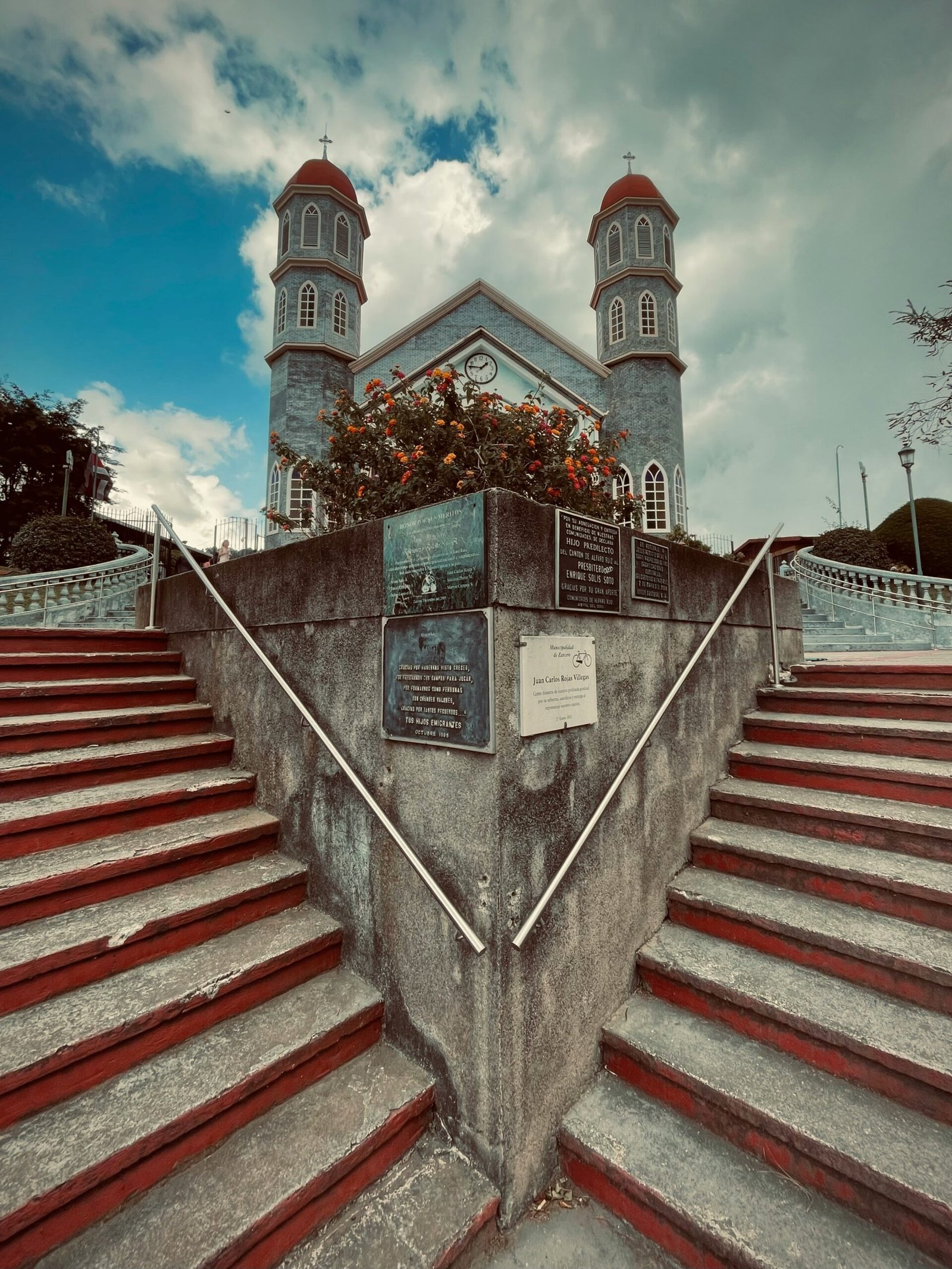
Día del Trabajo — International Workers’ Day — is a national holiday in Costa Rica, with the traditional labor union parades through San José and the regional capitals. The day is specifically relevant for retreat planning as many local services (markets, transport) operate on holiday schedules.
Corpus Christi — the Catholic feast that falls 60 days after Easter, in May or June depending on the year — is celebrated in the Costa Rican highland towns with the flower carpet tradition: the elaborate carpet patterns made from flowers, colored sawdust, and natural materials laid on the street surfaces for the eucharistic procession. The Cartago flower carpets are the most elaborate in Costa Rica, and the Corpus Christi procession in Cartago (the former colonial capital, 20 kilometres east of San José) produces the most specifically Costa Rican version of this tradition.
May marks the beginning of the green sea turtle nesting season at Tortuguero (July through October, but the first arrivals in late May). The southern humpback whale advance scouts begin appearing at the Osa Peninsula. The poison dart frog breeding activity increases dramatically with the first rains. And the sea turtle hatchlings from the leatherback nesting that occurred in January-February at Las Baulas are emerging from their nests in May — the 65-70 day incubation period placing the hatching from the February nesting in the April-May window.
The May market at the Nicoya Peninsula sodas and the highland farmers markets undergoes its seasonal transformation — the dry season citrus and root vegetables giving way to the first wet season produce. The chayote squash appears in abundance, the fresh herbs from the newly watered gardens become more aromatic and more available, and the guanábana (soursop) begins its wet season season — the large spiny fruit with the white fibrous flesh used in the refresco de guanábana (the soursop water drink) that the May heat makes immediately appealing.
Olla de carne — the Costa Rican beef and vegetable soup, considered the national dish by many Ticos — is at its most specific in May when the wet season vegetables provide the full range of the traditional recipe: the yuca (cassava), the ñame (tropical yam), the tiquisque (taro), the elote (fresh corn), and the plátano (plantain) simmered with the beef shank in the broth that the long cooking produces. The olla de carne is specifically a wet season kitchen dish — the variety of root vegetables and the cooking style more appropriate to a rainy cool evening than a dry season afternoon.
The La Fortuna waterfall — the 70-metre cascade accessible by the steep 500-step descent from the trailhead above La Fortuna town — is in May at its first full rainy season volume: the fall significantly more powerful than the dry season trickle of March, the pool at the base swimmable (with care — the current is strong), and the rainforest around the trail at its most vivid green. The May morning descent to the waterfall, before the afternoon rains make the return trail slippery, is the Arenal retreat excursion at its most dramatic.
The night walk through the Monteverde Cloud Forest Reserve — guided by the reserve naturalists with headlamps and red-light torches — is in May at its most productive: the wet season beginning activates the nocturnal wildlife that the dry season suppresses. The glass frogs on the underside of the leaves above the streams, the kinkajou in the canopy, and the giant silk moths at the forest edge are the May night walk encounters that the dry season morning walk cannot produce.
The Mistico Arenal Hanging Bridges — the 16 bridges through the 250-hectare primary rainforest reserve adjacent to Lake Arenal — are in May at the beginning of their wet season biological activity peak. The 3-kilometre circuit through the bridges, with the lake and the volcano visible from the higher suspension platforms on clear mornings, produces the May encounter with the wet season forest: the morpho butterflies, the poison dart frogs, and the coati families that use the forest floor below the bridges as their daily territory.
Your email address will not be published. Required fields are marked *