
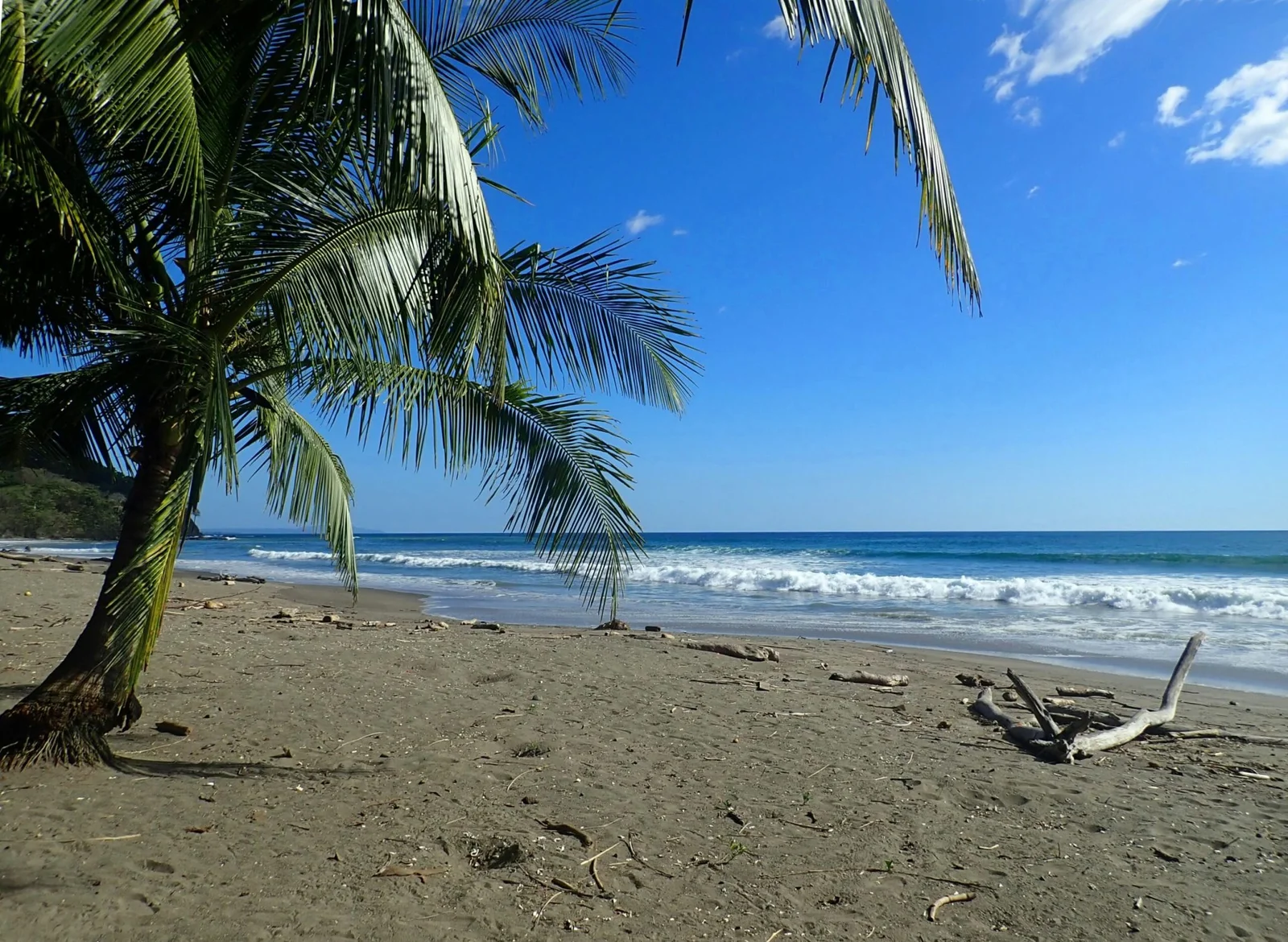
February in Costa Rica is the dry season at full depth — the Pacific coast consistently sunny, the surf reliable, and the retreat infrastructure running at peak capacity. The post-January energy has settled and the spring break crowds of March have not yet arrived. A yoga retreat in Costa Rica in February gets near-identical conditions to January with a fraction less competition for retreat places.


February is the month the Nicoya Peninsula yoga community operates most smoothly — the January arrivals have established their routines, the teachers are present and focused, and the retreat centres are running their programmes without the logistical pressure of the December-January peak. The wildlife calendar is still active: the quetzal breeding season is in its February display period, the humpback whales are present in the Pacific, and the olive ridley turtle season continues at Ostional.
Browse our full yoga retreats in Costa Rica guide for the complete picture of what the country offers year-round. For the global context of February retreat travel, our yoga retreats in February guide covers every destination worth considering this month.

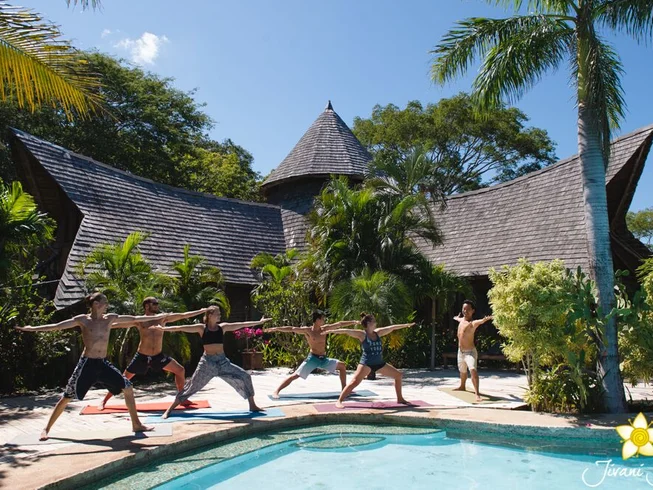
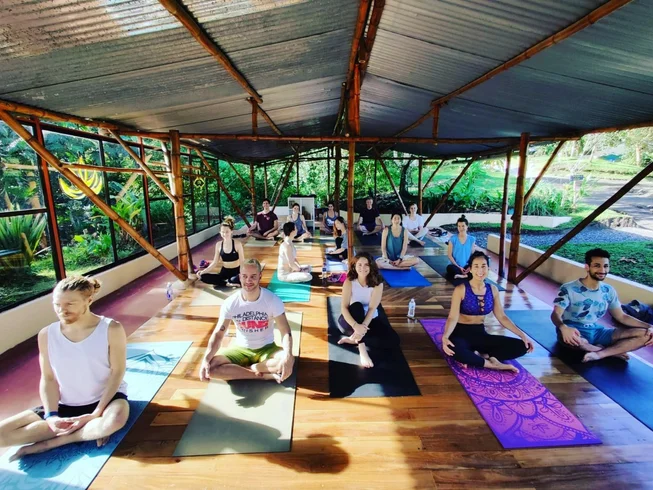
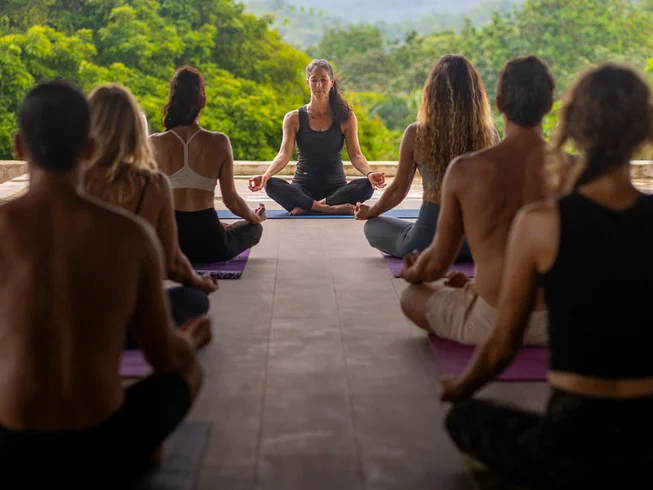
Tamarindo — the surf town on the northern Nicoya Peninsula in Guanacaste, the most developed of the Costa Rican beach destinations — is in February in its dry season rhythm. The Playa Tamarindo beach break is producing the consistent swells that the February trades generate, the Playa Langosta estuary to the south has the leatherback sea turtle nesting beginning from February through July, and the town’s retreat and wellness infrastructure — more commercial than Nosara but more developed for the first-time visitor — is at full capacity.
The leatherback sea turtle (Dermochelys coriacea — the world’s largest sea turtle, reaching 2 metres in length and 700 kilograms) nests at Playa Langosta and the nearby Playa Grande (within the Las Baulas Marine National Park) from October through March, with February producing some of the most active nesting nights of the season. The guided night nesting tours from the park station at Playa Grande are in February running their most attended programmes — the combination of the large turtle size and the darkness of the February night beach producing the most specifically dramatic of the Costa Rican turtle encounters.
The Tamarindo estuary — the mangrove estuary separating Tamarindo from Langosta, accessible by kayak or stand-up paddleboard from the Tamarindo beach — is in February at its dry season clarity, the crocodile population in the tidal channels most visible in the February warmth, and the bird diversity of the mangrove edge (the roseate spoonbills, the boat-billed herons, and the mangrove swallows) at their February activity level.
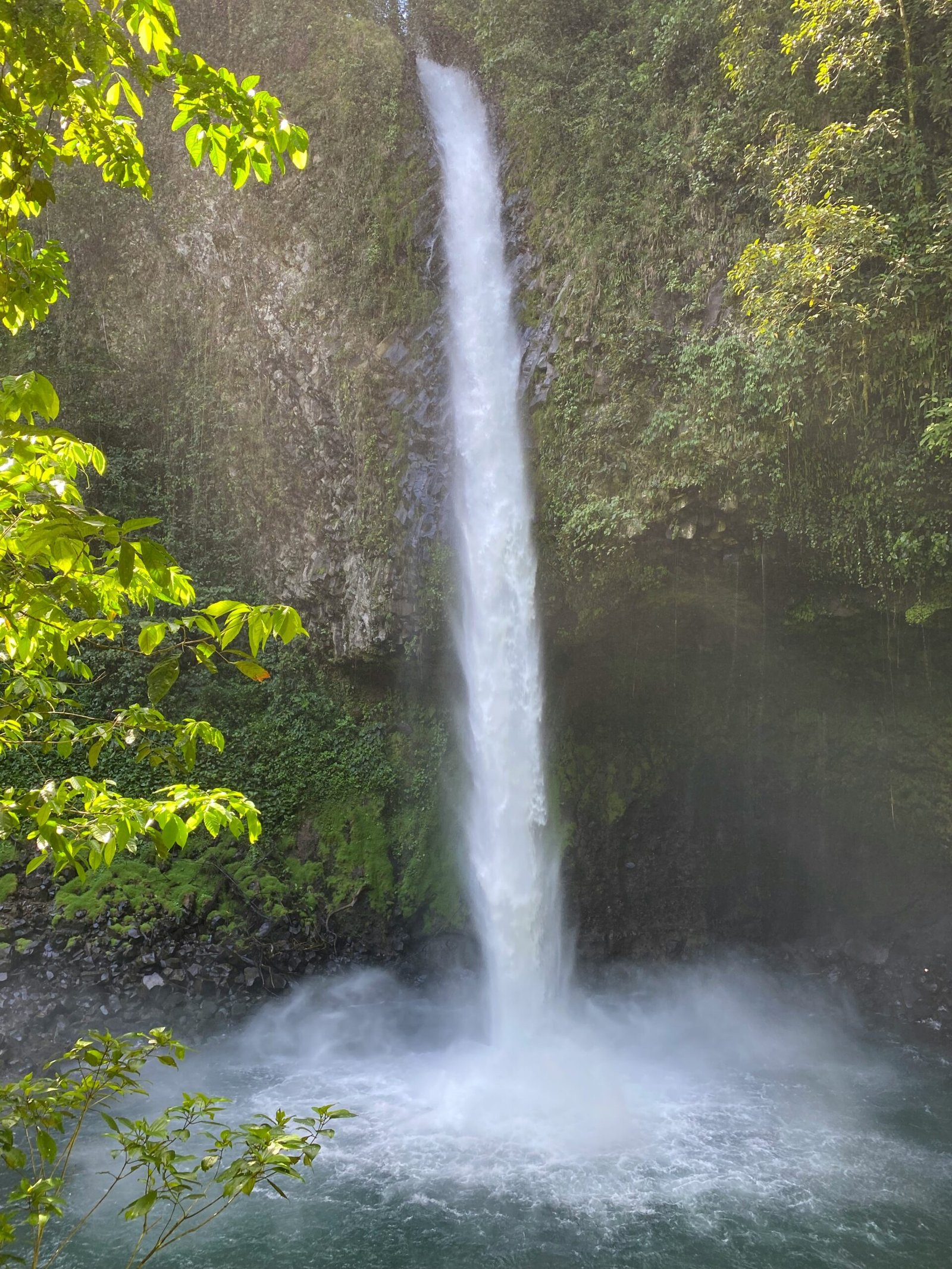
Montezuma — the hippie village at the southern tip of the Nicoya Peninsula, with the Montezuma waterfalls cascading into pools above the town and the Cabo Blanco Absolute Nature Reserve accessible by the coastal trail — is in February in its dry season character. The waterfalls, which are fed by the highland springs above the Nicoya hills, run year-round — in February the flow is reduced from the wet season maximum but the pools are swimmable and the trail to the upper falls accessible without the mudslide risk that the rainy season produces.
The Montezuma retreat community is smaller and more alternative than Nosara or Santa Teresa — the town has the specific quality of a destination that developed its yoga and wellness scene from the backpacker culture of the 1980s and 1990s rather than from the international wellness industry. The retreat centres and healing practitioners here offer a more eclectic range than the mainstream yoga retreat format: the acro yoga, the contact improvisation, the cacao ceremony tradition that the February Valentine’s period amplifies at the centres that acknowledge it.
Manuel Antonio — the national park on the central Pacific coast, two hours south of San José, with the most visited and most accessible wildlife viewing in Costa Rica — is in February in its dry season best. The Manuel Antonio National Park — the smallest national park in Costa Rica but one of the most biodiverse, with the white-faced capuchin monkeys that come to the beach at the park’s coastal edge, the three-toed sloths in the treetops above the park trails, and the brown pelicans diving off the park beaches — is in February accessible without the rainy season trail closures and with the lower tourist volume that January and February provide before the March-April school holiday peak.
The luxury retreat infrastructure of the Manuel Antonio hillside — the boutique hotels and wellness resorts on the forested ridge above the park, with the Pacific visible below — is in February running its most focused programmes of the year. The combination of the park wildlife, the Pacific ocean views from the retreat terrace, and the proximity to the Quepos fishing town with its marina and sport fishing culture produces a February Manuel Antonio retreat experience that the more remote Nicoya Peninsula destinations cannot replicate in terms of accessibility and comfort.
Dominical — the surf town on the southern Pacific coast, three hours south of Manuel Antonio — is in February at the specific point where the dry season is established but the tourist density of the northern Nicoya has not followed. The Dominical beach break is one of the most powerful in Costa Rica — the beach is specifically for intermediate to advanced surfers — and the retreat centres in the hills above the beach use the combination of the surf and the jungle biodiversity of the Hacienda Barú wildlife refuge adjacent to the town.
The road south from Dominical to Uvita and the Marino Ballena National Park — the humpback whale watching area where two populations of humpback whales (one from the northern hemisphere, one from the southern) overlap in the Costa Rican Pacific — is in February one of the most accessible whale watching opportunities in the Americas. The humpback whale presence from December through April (northern hemisphere population) and from July through October (southern hemisphere population) makes the Ballena area the only place in the world with whale watching possibilities in almost every month of the year, and February catches the northern hemisphere population at the midpoint of its Costa Rican residency.
The Valentine’s Day period in the Nicoya Peninsula retreat community produces the couples’ yoga workshops, partner practices, and cacao ceremony evenings that the international yoga culture associates with the date. The Montezuma and Santa Teresa retreat centres are most specifically oriented toward this programming in February. For solo practitioners, the Valentine’s dimension is concentrated at specific venues rather than pervasive — choosing a retreat centre with a standard non-couples programme in the second week of February avoids it entirely.
The leatherback sea turtle nesting at Playa Grande within the Las Baulas Marine National Park is in February at its most active. The leatherback is the largest reptile on earth and one of the most endangered — the Costa Rican Pacific population has declined by over 90% since the 1980s, and the park’s nesting programme is among the most intensively managed sea turtle conservation efforts in the Western hemisphere. The guided night tours from the park station (limited to small groups, available by reservation only) produce encounters with individual nesting females — 2-metre animals arriving from the ocean, excavating the nest, laying the eggs, and returning to the sea over a 2-3 hour process — that the retreat context makes more absorbing than the tourist-excursion version.
The casado — the Costa Rican midday meal composed of rice, black beans, a protein (fish, chicken, or the vegetarian palmito and plátano versions), ensalada (the simple shredded cabbage, tomato, and carrot salad), and maduros or patacones (the fried sweet or green plantain) — is the February lunch culture at the sodas (the small family-run Costa Rican restaurants) of the Nicoya Peninsula at its most specific. The casado at a local soda in February — served on the standard tray with the habitual generous proportions and the refresco natural (fresh fruit water) — is the most direct Costa Rican food experience available to retreat guests who engage with the local restaurant culture rather than the international retreat kitchen.
Palmito (hearts of palm) from the pejibaye palm — the most specifically Costa Rican of the local vegetables, harvested from the palm trunk and available fresh or canned — is in February at the market stalls in its fresh form, the white cylindrical segments eaten raw in salads or cooked in the palmito soup and the palmito relleno (stuffed hearts of palm) that the Costa Rican kitchen produces in its most specific regional versions. The fresh palmito — as opposed to the canned version that international markets sell — has a delicate flavour and a specific texture that the retreat kitchen sourcing locally in February can use in preparations that no imported ingredient can approximate.
Pejibaye (Bactris gasipaes) — the orange-red fruit of the same palm, boiled in salted water and served with mayonnaise at the Costa Rican street stalls — is in February at the Nicoya Peninsula markets in their dry season availability. The pejibaye has a starchy, slightly sweet flavour with a dense texture similar to cooked chestnuts. It is the most specifically pre-Columbian of the Costa Rican foods — cultivated by the indigenous communities of the Pacific lowlands for thousands of years before the Spanish arrived — and the pejibaye cream soup at the better Costa Rican restaurants is among the most specifically national dishes available.
The leatherback sea turtle night nesting tour at Playa Grande — booked through the Las Baulas National Park station — is the February Costa Rica wildlife activity that has no equivalent in any other month. The leatherback’s size (up to 700 kilograms), the darkness of the February night beach, and the specific intimacy of watching a critically endangered animal complete its nesting process within metres of the observation group produce the most specifically extraordinary Costa Rican wildlife encounter of the dry season.
The humpback whale watching from the Marino Ballena National Park — the whale-tail shaped peninsula south of Uvita that the park takes its name from — is in February producing the encounters with the northern hemisphere humpback population that winters in the Costa Rican Pacific from December through April. The boat tours from the Uvita dock, operating in the calm February Pacific, produce sightings of the adults, their calves (born in the December-January period and now weeks old), and the occasional competitive groups of males competing for mating access.
The kayak tour of the Tamarindo estuary — paddling through the mangrove channels in the early morning before the wind picks up, with the crocodiles visible on the tidal banks and the bird diversity of the mangrove edge at its February activity level — is the February Tamarindo retreat activity that uses the dry season calm to maximum advantage. The two-hour kayak tour from the Tamarindo beach access point through the estuary and back produces the wildlife encounter (the crocodiles, the spoonbills, the kingfishers) in the most accessible form available on the northern Nicoya.
Is February better than January for a yoga retreat in Costa Rica? Comparable conditions with slightly different character. February has the leatherback turtle nesting at its most active on the northern Nicoya, the humpback whale calves growing more active at Marino Ballena, and slightly less tourist pressure than January’s post-holiday peak. For most retreat guests the difference is marginal — both are excellent months.
Is Manuel Antonio too touristy for a retreat? The national park itself is the most visited in Costa Rica and is crowded on weekends and in peak season. The retreat centres on the hillside above the park are sufficiently separated from the tourist infrastructure to maintain their own atmosphere. February — before the March-April school holiday peak — is the best month for Manuel Antonio as a retreat base: the park accessible without the full summer density, the hillside retreat centres at full programme capacity.
Is the leatherback turtle tour at Las Baulas worth booking? Yes — the leatherback is the largest sea turtle species and one of the most endangered in the world, and the February nesting at Playa Grande is conducted under strict conservation protocols that make the encounter both ethically sound and genuinely extraordinary. Book directly through the Las Baulas National Park station rather than through tour aggregators — the park limits group sizes and the direct booking ensures the most intimate experience.
What comes after February for yoga retreats in Costa Rica? March brings the end of the leatherback season, the continuation of the dry season on the Pacific coast, and the approach of the Holy Week school holidays that transform the most popular destinations in the last weeks of March and the first weeks of April. See our yoga retreats in Costa Rica in March for the full picture.
Your email address will not be published. Required fields are marked *