
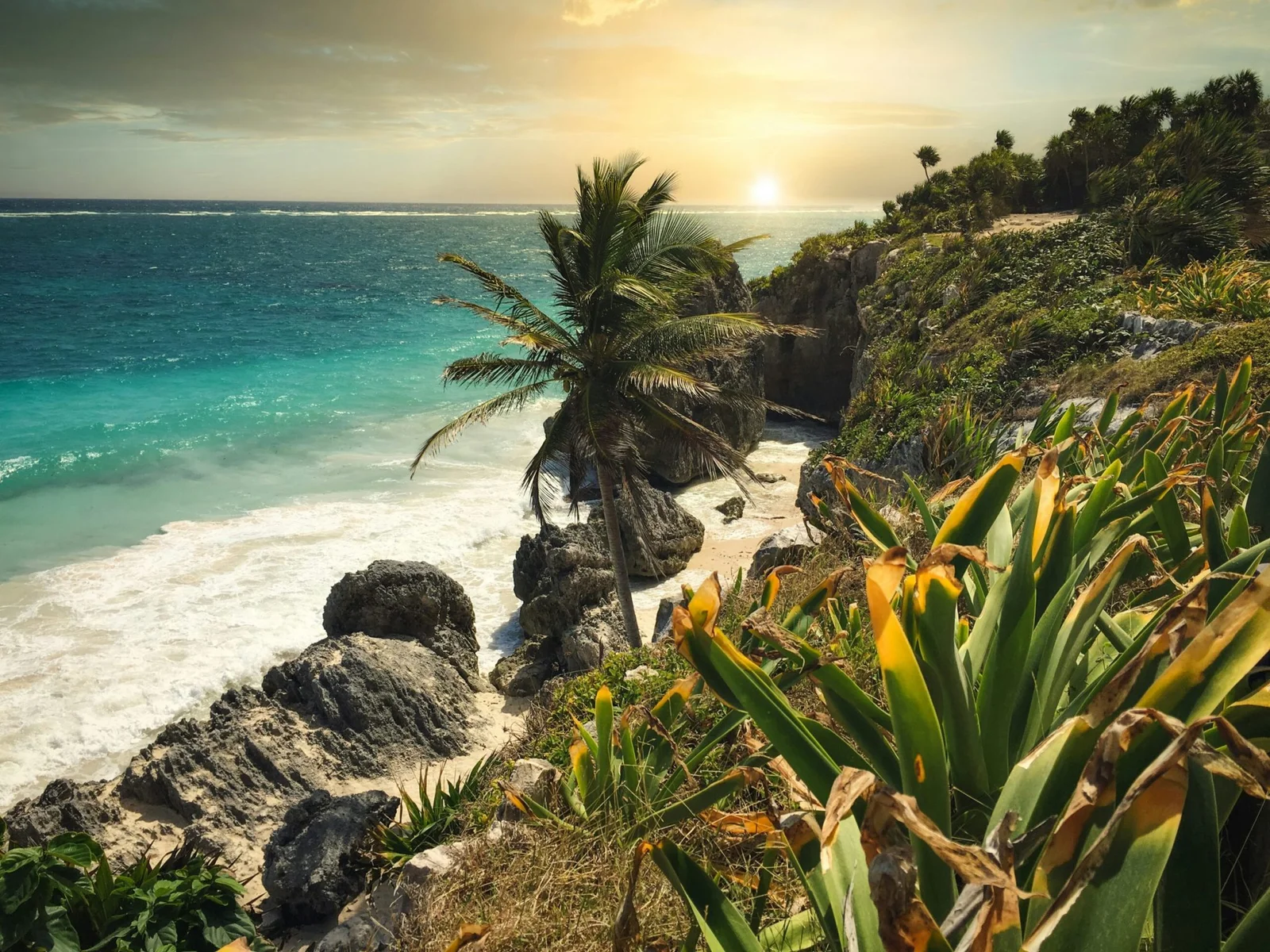
January in Mexico is the dry season at full depth — warm without being overwhelming, the Pacific coast producing its biggest surf of the year, and the Caribbean beaches clear and calm. The holiday rush of December has dissipated and the spring break crowds have not yet arrived. A yoga retreat in Mexico in January catches the country at its most accessible and its most itself.


January is one of the two or three best months for a yoga retreat in Mexico. The dry season is fully established across the Pacific coast, the Yucatán, and the central highlands. The cultural calendar is active — the celebrations of the Three Kings on January 6th, the Día de la Candelaria preparations visible in the markets, and the highland towns operating for their own communities rather than for international tourism. The retreat infrastructure across the country is at full capacity.
Browse our full yoga retreats in Mexico guide for the complete picture of what the country offers year-round. For the global context of January retreat travel, our yoga retreats in January guide covers every destination worth considering this month.

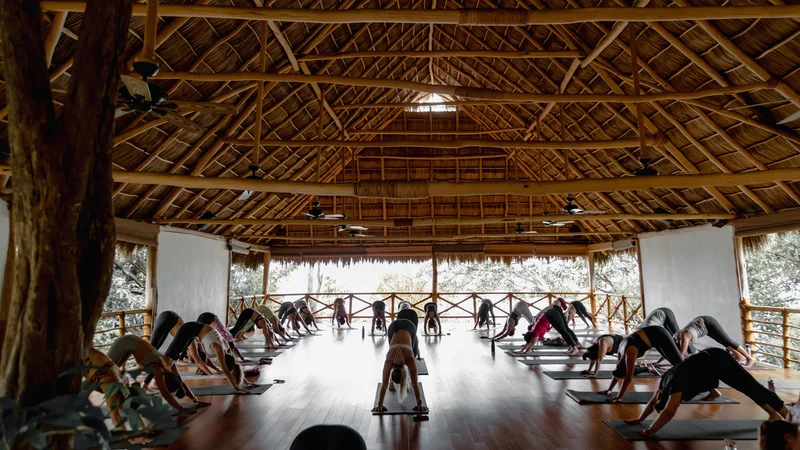
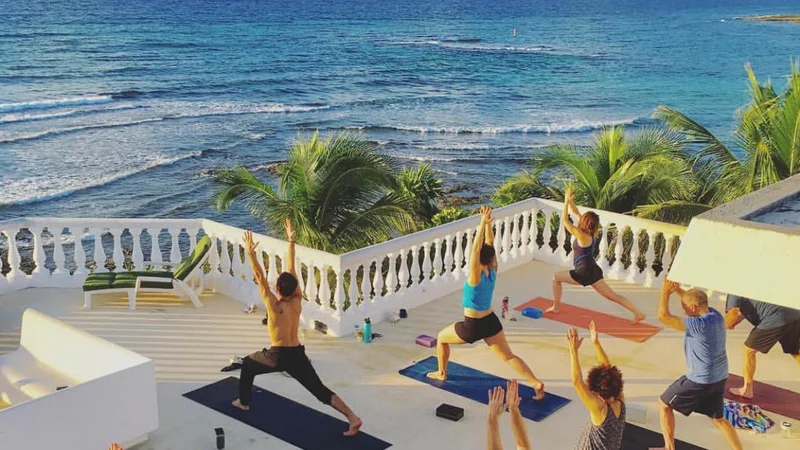
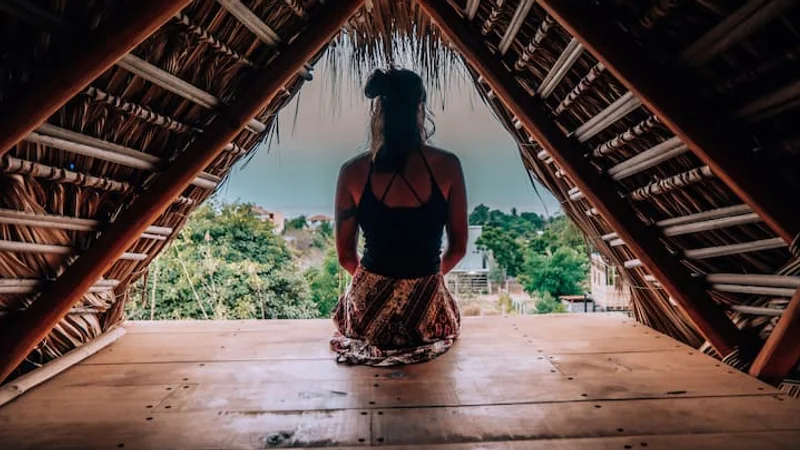
Tulum in January is in the middle of its dry season — the Caribbean coast at 26-28°C, the sea at 26-27°C, and the cenotes (the sinkholes in the limestone karst that give the Yucatán its specific freshwater swimming culture) at their clearest January water level. The Tulum retreat scene has developed over the past decade into one of the most concentrated yoga and wellness communities in Latin America — the beachfront shala culture, the raw and plant-based food infrastructure, and the accumulation of teachers and practitioners who base themselves here through the dry season producing a community that retreats plug into rather than create from scratch.
The cenotes that surround Tulum — Gran Cenote, Dos Ojos, Cenote Calavera, Cenote Cristalino — are in January at their most accessible. The freshwater visibility in January is at its annual maximum as the dry season prevents the algae growth that the summer rains produce. The Dos Ojos system — one of the longest underwater cave systems in the world, with the open cenote pools accessible by snorkel and the cave passages accessible by dive — is in January producing visibility of 40-60 metres in the open sections. A retreat that incorporates a morning cenote swim before the practice is using the specifically January Tulum landscape in its most complete form.
The Tulum archaeological zone — the only major Maya site positioned directly above the Caribbean Sea — is in January accessible without the summer tourist compression. The January light on the white limestone temple walls above the turquoise water is the most specific visual quality of the site, and the sunrise visit (the park opens at 8am) before the tour buses arrive is the January Tulum cultural experience at its best.
Puerto Escondido on the Oaxacan Pacific coast is in January at the peak of its big wave season. The Zicatela beach — the Mexican Pipeline, one of the most powerful beach breaks in the world — is in January producing the swells that the international surf community comes specifically for. The combination of the powerful Pacific swell, the warm water (26-27°C), and the specific quality of a town that is simultaneously a serious surf destination and a genuinely Mexican coastal community makes Puerto Escondido in January the most specific surf-and-yoga retreat destination in Mexico.
The retreat scene in Puerto Escondido is built around the surf — the morning yoga session that prepares the body for the afternoon session in the water, the evening restorative practice that recovers it afterward. The La Punta neighbourhood at the southern end of town, where the gentler Zicatela Point break produces manageable conditions for intermediate surfers while Zicatela’s main beach handles the serious swell, is where the retreat centres and yoga shalas have concentrated. The food culture of La Punta — the fish tacos, the tlayudas (the large Oaxacan flatbread with beans, Oaxacan cheese, and meat or vegetables), and the mezcal from the Oaxacan valley distilleries — is in January at its most locally authentic.
The Bahía de Puerto Ángel and the Mazunte coastline south of Puerto Escondido — accessible by the coastal road through the Barra de la Cruz surf break — are in January producing the most specific turtle season of the year: the olive ridley sea turtles nesting at Playa Escobilla (one of the world’s largest nesting beaches) in the January arribada that brings tens of thousands of turtles to the beach simultaneously.
Oaxaca city — the colonial capital of the state, three hours from Puerto Escondido by the mountain road through the Sierra Sur — is in January doing what it does between the Day of the Dead tourism of November and the summer influx: operating as the cultural capital of southern Mexico for its own community. The Zócalo (the main square), the Mercado Benito Juárez, and the markets of Etla and Tlacolula are in January accessible without tourist competition, and the specific January quality of a Mexican highland city at 20-22°C in the day and 8-12°C at night produces the retreat context that the coastal heat cannot offer.
The Monte Albán archaeological site — the pre-Columbian Zapotec capital on the flattened hilltop above the Oaxaca valley — is in January visible without the summer haze and without the weekend crowds that the highway from the city produces on Saturdays and Sundays. The January morning visit, arriving before 10am when the light is still low on the stone platforms and the valley below is still in morning mist, is the Monte Albán experience at its most specific.
The mezcal culture of Oaxaca in January is at its most accessible — the palenques (small mezcal distilleries) in the villages of Matatlán, Miahuatlán, and the Santa Catarina Minas area are operating their production cycles in January, and the mezcal tasting trails that the retreat centres incorporate into their programme give participants access to the production process at its most transparent: the agave hearts roasting in the earth pits, the tahona wheel crushing them, and the distillate emerging from the copper alembic stills in its raw form before aging.
San Cristóbal de las Casas in the Chiapas highlands — at 2,200 metres above sea level, the colonial Spanish city surrounded by the Tzotzil and Tzeltal Maya communities of the Chiapas plateau — is in January at its coolest and most culturally specific. The highland temperatures of 18-22°C in the day and 5-8°C at night produce a quality of January Mexico that the coastal retreats cannot offer: the wool-wrapped Tzotzil women in the markets, the Templo de Santo Domingo and its adjoining textile cooperative in the morning light, and the specific quality of a colonial Mexican city at altitude that the lowland heat entirely changes.
The retreat centres in San Cristóbal use the highland Maya culture as the cultural programme alongside the practice: visits to the Tzotzil weaving cooperatives of San Juan Chamula, the shamanic healing traditions of the highland communities that have maintained their pre-Columbian practices alongside the nominally Catholic ritual, and the Cañón del Sumidero boat trip through the 1,000-metre canyon that the Grijalva river carved through the Chiapas plateau. January in San Cristóbal is cold enough at night for the wool blankets that the local market sells and warm enough in the day for the outdoor morning practice that the colonial courtyard of the retreat centre provides.

Día de Reyes — the Epiphany, January 6th — is the most important gift-giving occasion in the traditional Mexican calendar, more culturally significant than Christmas Day in many Mexican families. The day is marked by the rosca de reyes (the ring-shaped sweet bread decorated with dried fruit, with a small ceramic baby Jesus hidden inside — the person who finds it is obligated to host a party on Día de la Candelaria, February 2nd). The rosca appears at the bakeries from early January, the aroma of the orange blossom water and the cinnamon filling the markets from December 26th onward. For retreat guests in Mexico on January 6th, the Día de Reyes celebrations at the local market — the children with their new toys, the families sharing the rosca at the table — is one of those specifically Mexican domestic cultural moments that the retreat context makes genuinely accessible rather than performed for visitors.
Día de la Candelaria (February 2nd) — the celebration of the purification of the Virgin Mary and the presentation of the infant Jesus, one of the most important religious and agricultural festivals in rural Mexico — is in January in its preparation phase: the seed blessing ceremonies beginning in the highland communities, the Candlemas processions being organised at the local level, and the specific quality of a culture preparing for one of its most deeply rooted ritual occasions. In Oaxaca and Chiapas, the January preparations for Candelaria are visible at the markets and in the temple courtyards.
The gray whale calving season in the San Ignacio Lagoon and the Laguna Ojo de Liebre of Baja California Sur — the most important gray whale nursery in the world, where the whales swim from the Arctic to give birth in the warm, protected lagoons — opens in January. The whale watching tours from the small pangas at the lagoon edge, where the gray whale mothers bring their calves to the surface within touching distance of the boats, are one of the most extraordinary wildlife encounters available in Mexico. For retreat guests combining a Baja California retreat with a whale watching excursion in January, the combination of the Pacific coastal landscape and the whale calving is a specifically January experience.
The rosca de reyes — the Three Kings ring bread — appears at every Mexican bakery from December 26th through January 6th. At a retreat kitchen sourcing from the local bakery, the rosca at breakfast on January 6th is the most specifically Mexican seasonal food moment available in January. The orange blossom water, the cinnamon, and the dried fruit (the higos, the acitrón, the piloncillo) that the traditional rosca uses are the flavours of the Mexican January table.
Oaxacan chocolate — ground from the cacao beans of the Oaxacan valleys on the traditional metate stone, mixed with cinnamon and sugar to produce the coarse-textured paste that is dissolved in hot water for champurrado (the thick hot chocolate drink of the Mexican kitchen) — is in January at the most specific form of its tradition in the city markets. The Mercado Benito Juárez in Oaxaca has the chocolate grinders running visibly at the stalls, the noise of the grinder and the smell of the cacao filling the market lanes. At a retreat kitchen in Oaxaca sourcing from the local grinder, the morning champurrado is the most direct engagement with the chocolate culture that the city’s history is built on.
The seven moles of Oaxaca — the negro, the coloradito, the amarillo, the chichilo, the verde, the rojo, and the manchamanteles — are at their most accessible in January at the market comedores of Oaxaca city and the village comedores of the central valleys. The mole negro, the darkest and most complex (using the chilhuacle negro and the mulato chile alongside the chocolate, the charred tortilla, and the tomato in a preparation that takes days to complete), is the specifically Oaxacan contribution to Mexican cuisine and the January retreat kitchen ingredient worth seeking from the traditional market stalls.
The tlayuda — the large, semi-crispy Oaxacan flatbread of corn masa, spread with black bean paste (pasta de frijol), Oaxacan cheese (quesillo), and the protein of choice (tasajo, the air-dried beef of the Oaxacan tradition, or chapulines, the toasted grasshoppers of the pre-Columbian food culture) — is the January Oaxacan street food at its most available and most local. At Puerto Escondido, the fish tacos of the morning market, the ceviche of the beachfront restaurants, and the shrimp quesadillas at the La Punta food stalls are the January Pacific coast food culture at its most direct.

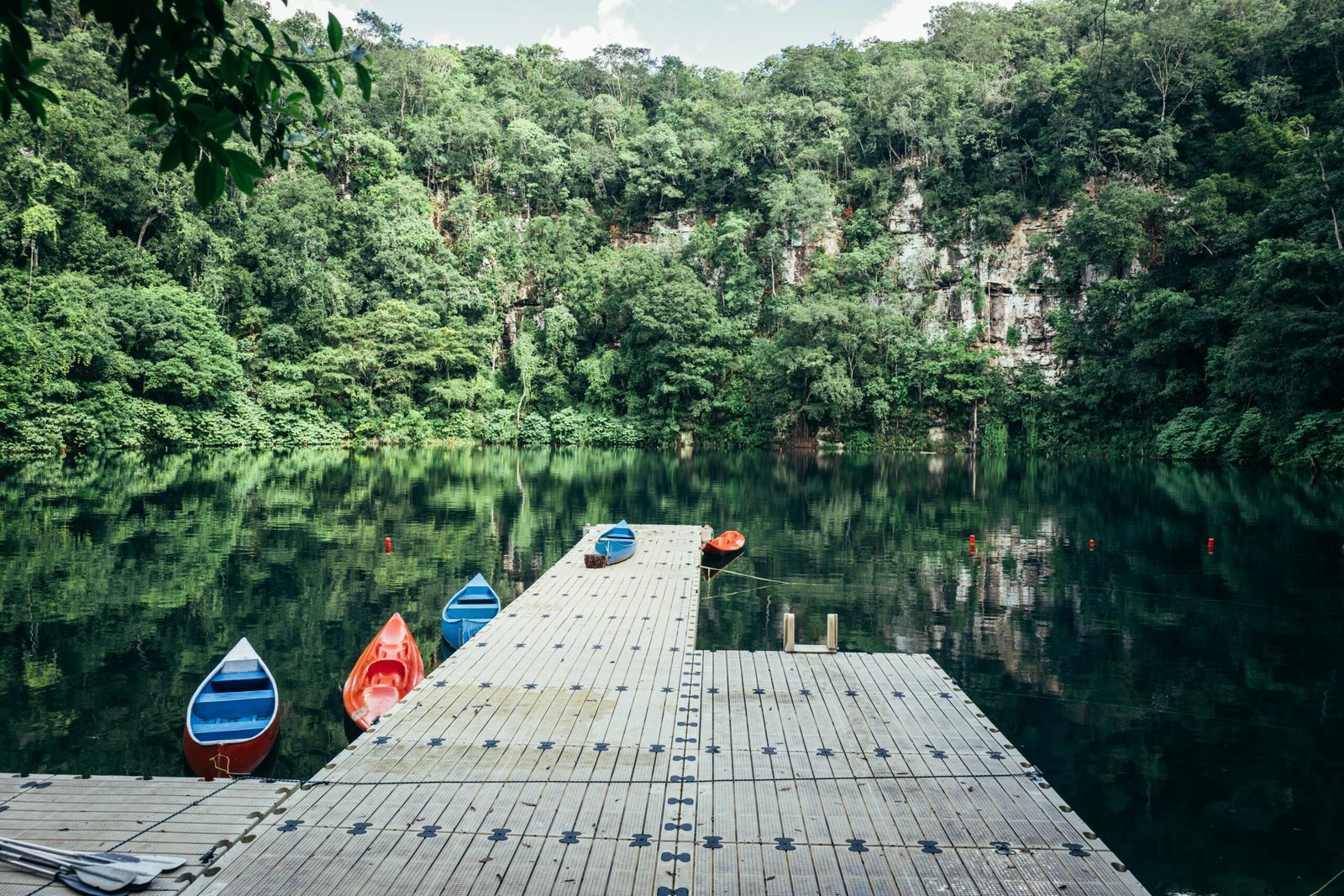
The cenote circuit around Tulum — Gran Cenote, Dos Ojos, Cristalino, Azul — is in January at the clearest visibility of the year. The morning cenote swim before the yoga practice is the January Tulum retreat activity that most specifically uses the landscape: the cool freshwater (24-25°C, consistently cool regardless of surface temperature) in the underground karst chambers, the stalactites visible through the water in the cave sections, and the specific quality of floating in water that fell as rain decades ago and has been filtered through the limestone ever since.
The Monte Albán sunrise visit — arriving at the archaeological park gate at opening time (8am) and walking the main plaza before the tour groups arrive — is the January Oaxaca retreat excursion that uses the site at its most specific. The January morning light on the Danzantes reliefs (the carved stone figures of the earliest construction phase), the view across the three converging valleys from the South Platform, and the temple alignments that the Zapotec astronomers built into the site’s geometry are all most accessible in the January morning quiet.
For retreat guests willing to combine a Oaxaca or Pacific coast retreat with a Baja excursion: the San Ignacio Lagoon whale watching in January is one of the most specific wildlife encounters available anywhere in the world. The gray whale mothers, who have swum 8,000 kilometres from the Arctic to give birth here, bring their calves to the surface alongside the small observation pangas with a curiosity that researchers have been trying to explain for forty years. The January calving season is the earliest window — the first calves of the year, the mothers most active in the sheltered lagoon.
Your email address will not be published. Required fields are marked *