
January in Bali is the wet season at its most committed — the afternoon rains arrive daily, the rice terraces are flooded and intensely green, and the island is operating for its own population rather than for the international yoga community that peaks from June through August.
A yoga retreat in Bali in January gets the greenest landscape of the year, the lowest prices, the most authentic version of the Balinese cultural calendar, and — for surfers — the best waves of the year at Uluwatu and Padang Padang.


January is the deepest point of the Balinese wet season — the rains that began in November have been building for two months, the landscape is at its most dramatically green, and the waterfalls that the dry season reduces to trickles are in January at their full volume. The retreat infrastructure is fully operational and running for the practitioners who specifically chose the wet season for its lower prices and its more contemplative atmosphere. Ubud in January has the quality of the most genuine version of itself — the artists, healers, and long-term practitioners who define the town at their most visible, without the July competition for studio space and restaurant tables.
Browse our full yoga retreats in Bali guide for the complete picture of what the island offers year-round. For the global context of January retreat travel, our yoga retreats in January guide covers every destination worth considering this month.
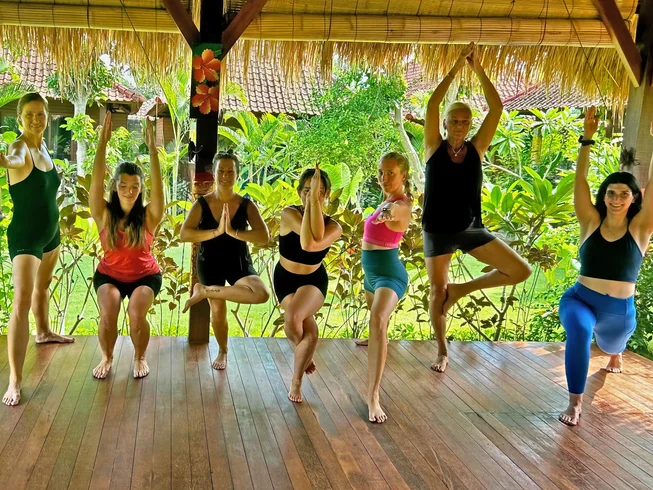
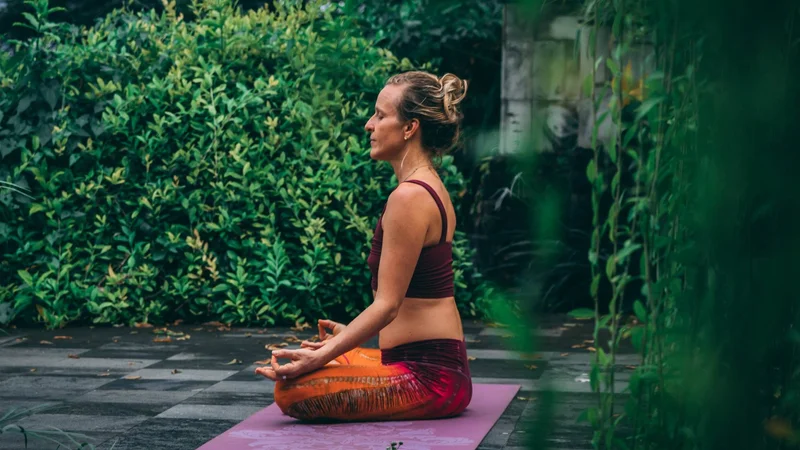
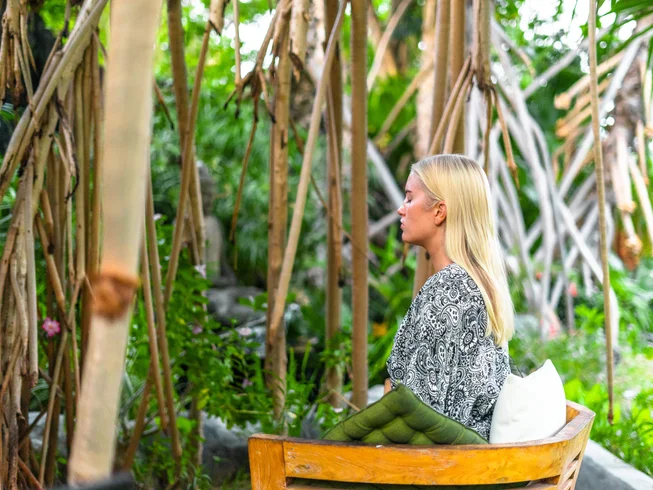

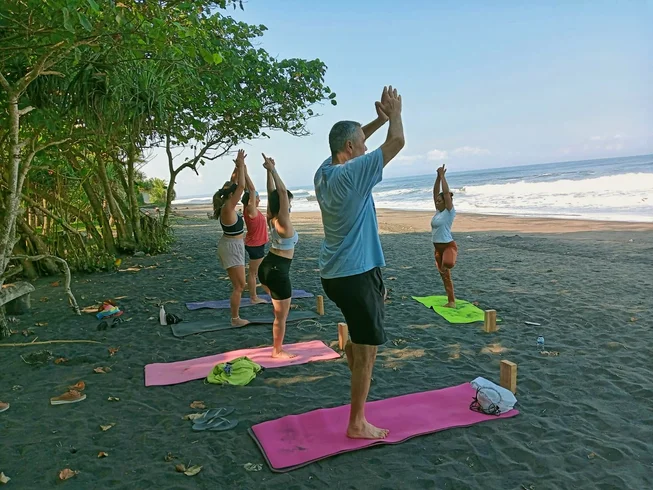
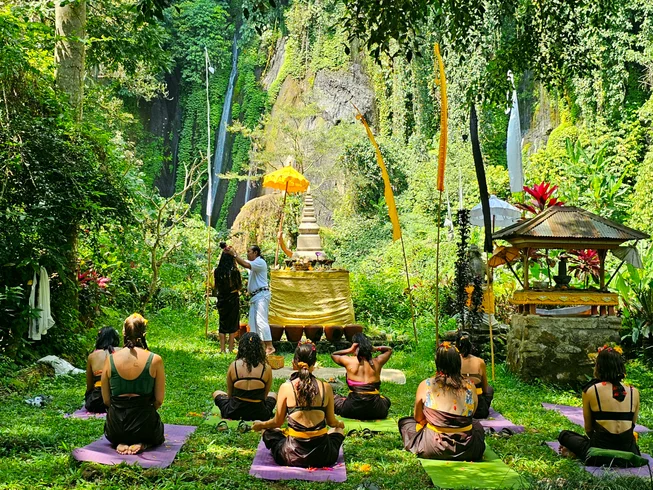
Ubud in January is at its most contemplative — the Monkey Forest Road and the Tjampuhan ridge walk dripping with rain-fed vegetation, the rice terraces of Tegalalang and Jatiluwih flooded and reflecting the January sky, and the yoga community that makes Ubud the most concentrated healing culture in Southeast Asia operating in its low-season form. The Yoga Barn, Radiantly Alive, and the smaller independent studios of the Penestanan and Nyuh Kuning areas are in January running their most focused programmes — smaller classes, more teacher availability, and the specific quality of a community that has shed its tourist demographic.
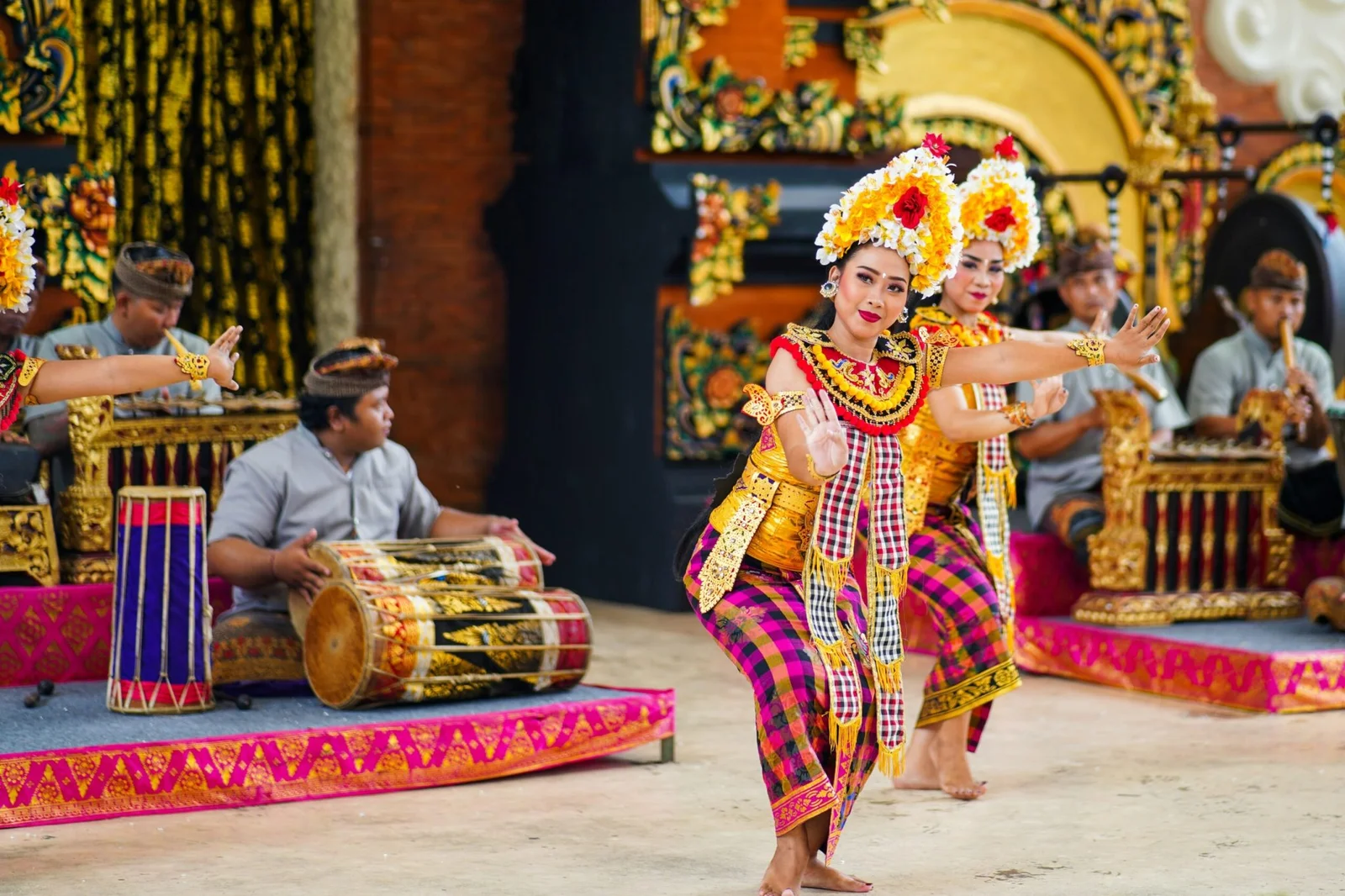
The Campuhan Ridge Walk in January morning — before the afternoon rains arrive, the ridge track between the Wos and Cebok rivers at their wet-season fullest — is the Ubud morning activity that the dry season cannot produce in the same lush form. The Ubud Palace (Puri Saren Agung) has its evening Kecak and Legong dance performances year-round, and January is the month to attend with the smallest audience and the most intimate performance atmosphere. The Ubud market at the main square before 8am in January has the wet-season produce at its most varied — the rambutan, the salak, the mangosteen from the Kintamani highland orchards.
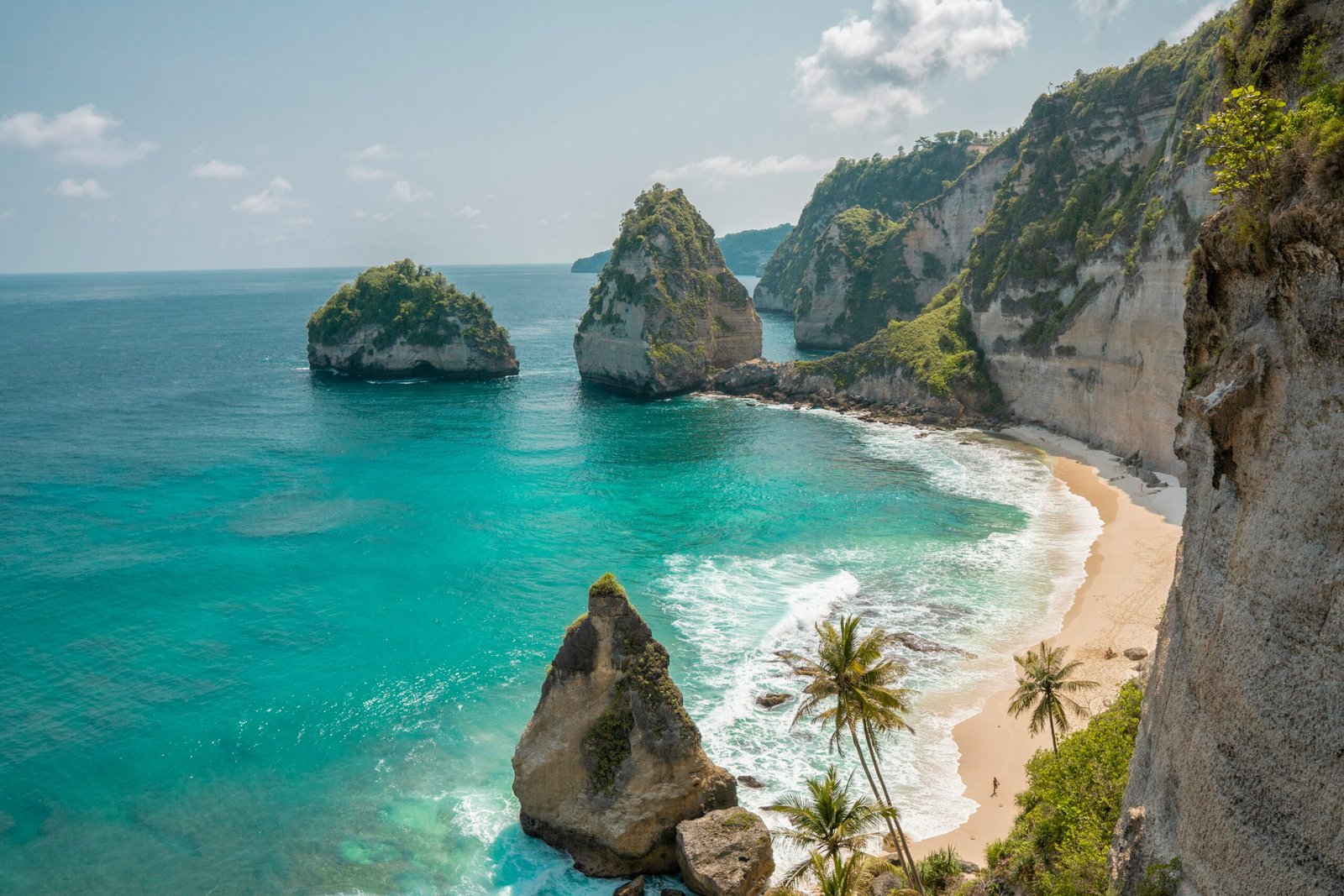
The Bukit Peninsula — the limestone plateau at the southern tip of Bali, with the Uluwatu surf break at its base — is in January producing the best waves of the Balinese year. The southwest swell that the Indian Ocean generates in January hits the Uluwatu reef at its most powerful and most consistent, and the Uluwatu cave temple perched on the clifftop 70 metres above the break is in January accessible without the July tourist compression that makes the sunset visit at this site genuinely difficult.
Uluwatu in January for retreat guests is the surf-and-yoga format at its most complete: the morning yoga session in the clifftop shala with the Indian Ocean visible in three directions, the afternoon surf at Uluwatu or the more beginner-appropriate Dreamland and Balangan beaches accessible by the cliffside paths, and the evening practice as the sun drops into the Indian Ocean horizon. The Padang Padang beach — the small, cave-accessed beach at the base of the Bukit cliff that the Eat Pray Love film used — is in January accessible in the morning low tide, the Indian Ocean swell making it the most specifically dramatic January beach on the peninsula.
The yoga and wellness infrastructure of the Bukit in January has grown significantly in the past decade — the retreat centres of Bingin, Impossibles, and the Uluwatu clifftop hotels offering programmes that the Ubud infrastructure has in more developed form but in a completely different coastal context. The retreat guest who wants the surf culture alongside the yoga practice, and who wants it in its January peak swell form, chooses the Bukit over Ubud without hesitation.
Sidemen — the valley in eastern Bali, between Ubud and Karangasem, with the Gunung Agung volcano visible above the rice terraces on clear mornings — is in January at its most vividly green. The village is one of the least developed of the Balinese retreat destinations and specifically good in January: the tourist volume at its lowest, the farming families at work in the flooded terraces, and the retreat centres that use the valley context running at their most intimate.
The January Sidemen morning — the Agung visible above the mist at dawn before the clouds build, the sound of the irrigation water in the rice terraces below the villa terrace, and the practice space with the volcano framed in the open wall — is the specifically Balinese retreat morning that Ubud’s more developed infrastructure cannot replicate. The weaving culture of Sidemen — the village is known for its endek (Balinese ikat) textile tradition, the women weaving the ceremonial cloth on the backstrap looms under the house pavilions — is in January at its daily rhythm, the cloth production visible from the road.
Amed — the fishing village community on the northeastern coast of Bali, with the black sand beaches and the most accessible diving in Bali — is in January significantly drier than Ubud and the south. The northeast coast follows a different microclimate from the rest of the island, and the January rain is less frequent here. The diving in the Amed underwater canyon and at the USAT Liberty wreck at Tulamben (20 minutes south) is in January at its January clarity — visibility of 15-25 metres on the good days, and the wreck accessible without the July and August dive boat density.
The USAT Liberty — the American cargo ship torpedoed in 1942 and now lying at 3-29 metres depth on a black sand slope 30 metres from the Tulamben beach — is one of the most accessible advanced wreck dives in Southeast Asia. The wreck in January, covered in coral and populated by humphead parrotfish, bumphead parrotfish, and the Napoleon wrasse that uses the wreck as a cleaning station, is the January diving experience that the July crowds make significantly more difficult to appreciate in its full detail.
The Amed salt farming — the traditional salt production using the bamboo and palm leaf infrastructure that the Amed fishing community has maintained for generations — is in January active in the morning before the rain arrives. The salt farmers raking the evaporation pans in the early Amed morning, with the Agung volcano visible behind the black sand beach, is a specifically January Amed visual that the retreat morning walk encounters without planning.
Nusa Lembongan — the small island 30 minutes by fast boat from Sanur — is in January in the wet season with the rougher seas that the swell generates. The island is less developed than the Bali mainland and in January at its most locally rooted — the seaweed farming families harvesting their crop from the shallow water frames visible from the beach, and the mangrove forest of the island’s eastern side in January at its fullest green.
The yoga and wellness scene of Nusa Lembongan is concentrated at the northern beachside accommodations above Jungutbatu beach. In January the island has the specific quality of a retreat destination operating for its committed visitors rather than its summer tourist market — the yoga classes in the open-air shalas are smaller, the teachers more available, and the island’s scale (30 minutes by bicycle end to end) allowing the full January landscape to be experienced within the retreat programme.
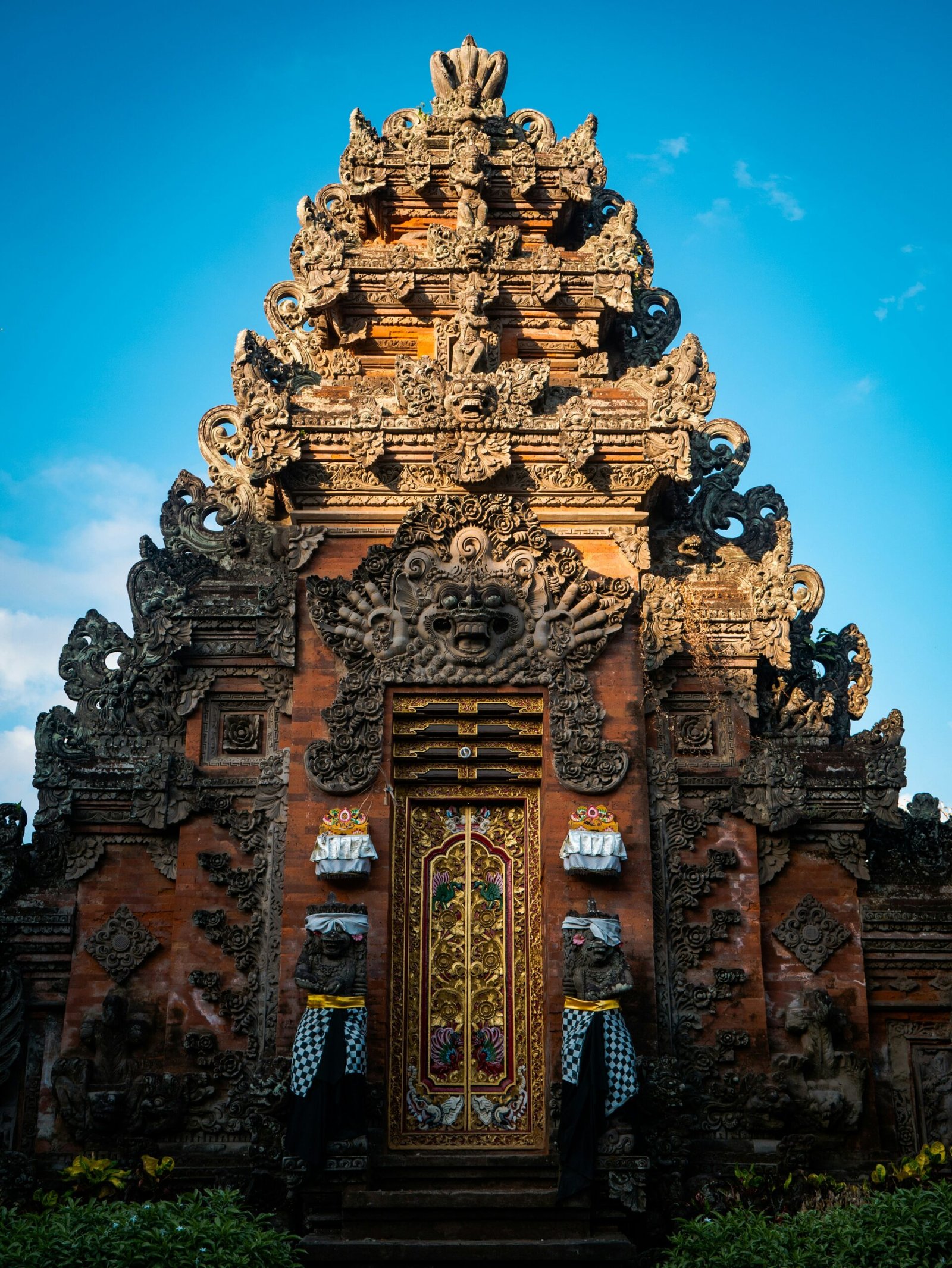
The Odalan — the temple anniversary ceremony that each of Bali’s estimated 20,000 temples celebrates every 210 days on the Balinese Pawukon calendar — means that in January, as in every month, multiple temples in the Ubud area are simultaneously at their Odalan week. The preparations (the gebogan — the towering fruit and flower offering that the women carry on their heads to the temple), the gamelan orchestras playing through the night, and the Legong and Barong dance performances at the temple courtyard are all visible from the road and respectfully observable from the outer courtyard. Ask the retreat centre which temple Odalans are occurring during the programme week — this is the most consistently present of all the Balinese cultural events.
Saraswati Day — the celebration of the Hindu goddess of knowledge, wisdom, and the arts, occurring every 210 days on the Balinese Pawukon calendar — may fall in January depending on the current cycle. Books, lontar manuscripts, and musical instruments are decorated with flowers and offered at the household and temple shrines. For retreat guests staying in Ubud, the Pura Saraswati water temple adjacent to the Ubud Palace has its specific Saraswati ceremony on this day — the lotus pond illuminated with candles, the priests performing the water blessing, and the community gathered in the traditional dress. Check the current year Pawukon calendar for the January date.
Nyepi — the Balinese Day of Silence — falls on the Saka New Year, typically in March but occasionally in late February depending on the lunar calculation. The Ogoh-Ogoh parade the night before Nyepi — when enormous papier-mâché demon figures constructed over months by the village banjar communities are paraded through the streets before being burned — is the most spectacular public event in the Balinese cultural calendar. If the Nyepi date is in early March, the Ogoh-Ogoh construction is visible in the banjars from January onward.
January 1st in Bali carries a specific festive energy — the international and Balinese communities celebrating simultaneously, and the retreat centres that programme specifically for the New Year intention-setting period run their most attended programmes of the January month. The first week of January has the specific quality of a community that has just collectively celebrated and is now returning to its practice.
Nasi goreng (fried rice) — the Indonesian breakfast staple made from the previous day’s rice fried with kecap manis (sweet soy sauce), shallots, garlic, and chilli, topped with a fried egg and accompanied by kerupuk (prawn crackers) and pickled cucumber — is the January Bali retreat breakfast at its most specific when sourced from the local warung rather than the international retreat kitchen interpretation. The warung nasi goreng opening before 7am at the Ubud main street is the most affordable and most direct version. The addition of ayam suwir (shredded chicken in the Balinese spice paste) to the standard nasi goreng is the specifically Balinese version that the tourist warung often replaces with the generic pan-Indonesian one.
Lawar — the traditional Balinese ceremonial dish of finely chopped vegetables, grated coconut, and minced meat (or the lawar putih vegetarian version with young jackfruit or banana blossom) mixed with the base genep (the complete Balinese spice paste of galangal, turmeric, ginger, shallots, garlic, chilli, and trassi, the fermented shrimp paste) — is most available and most authentic in January at the family compounds preparing for their Odalan ceremonies. The lawar at a community ceremony is categorically different from the restaurant version — the specific ratio of the grated coconut to the herb paste, and the freshness of the banana blossom from the January harvest, produce the dish in its most living form.
Jamu — the Indonesian herbal medicine drink tradition — is in January at its most restorative and its most seasonally specific. The wet season body benefits from the specific January jamu combinations: the kunyit asam (fresh turmeric and tamarind — the turmeric rhizome at its wet-season freshest, the tamarind providing the acidity that the turmeric’s earthiness balances), the beras kencur (rice water and aromatic kencur ginger, the restorative preparation for wet-season fatigue), and the jahe merah (red ginger steeped with palm sugar and lemongrass — specifically warming for the wet season evenings when the temperature drops to 22-23°C). The jamu seller at the Ubud morning market with her bamboo basket of ground spices and her stone mortar produces the most directly traditional version — the jamu made to order from the morning’s fresh ingredients.
January is the peak of the Balinese wet season fruit calendar. The salak (snake fruit) from the Sibetan village orchards in east Bali — the indigenous variety with its scaly brown skin and its crunchy, astringent-sweet flesh — is at its January best. The rambutan from the north Bali orchards around Lovina is in January at its peak sweetness and its most abundant market supply. The mangosteen from the Kintamani highland orchards — the thick-skinned purple fruit that the Thai tradition calls the queen of fruits — is in January available at the Ubud market at prices that make it a daily breakfast item rather than a luxury. The durian from the East Java orchards arrives at the Bali markets in January in its peak season — the smell from the roadside vendors in Ubud’s market lanes unmistakable, the fruit itself available in the freshly opened form that the packaged version cannot approach.

The Bali waterfall circuit is in January at its annual maximum — the falls at their full wet-season power. The Sekumpul waterfall in the northern Buleleng district — seven cascades from a single ridge, accessible by a 45-minute jungle trek through the most lush January vegetation — is at full January volume, the sound audible from the rice terrace path above long before the falls are visible. The Nungnung waterfall in the central Badung highlands — a 120-metre single cascade at the bottom of 500 steps into the jungle gorge — is in January producing the spray and the noise that the dry season trickle entirely fails to approximate. The Gitgit twin waterfall near Singaraja in north Bali is the most accessible of the three (30 minutes from the car park, paved path) and in January at the full roar that makes the twin-cascade formation specifically dramatic.
The Jatiluwih UNESCO rice terraces — the most extensive terrace landscape in Bali, at 600 metres altitude in the Tabanan regency, part of the Subak irrigation system that UNESCO listed for its integration of water management and Hindu-Balinese cosmology — are in January at their most vivid: the terraces flooded and reflecting the January sky, the rice plants at their January growth stage, and the Batukaru volcano occasionally visible above the terrace horizon. The 5-kilometre terrace walk from the upper entrance through the working fields to the lower village is in January at its most specific — the irrigation channels full, the frogs audible in the flooded paddies, and the landscape entirely operating for its agricultural rather than its tourism purpose.
The traditional Balinese cooking class in Ubud — visiting the Ubud morning market before 8am to select the wet-season vegetables, the fresh turmeric, the galangal, and the banana blossom, then preparing the base genep spice paste on the stone mortar and using it in the lawar, the sate lilit (minced fish satay on lemongrass skewers), and the nasi campur plate — is the January Bali retreat activity that uses the wet-season produce directly. The cooking classes in January have the smaller group sizes that the low season produces and the most locally sourced market ingredients of the year.
The Uluwatu Pura Luhur — one of the six directional temples of Bali, perched on the southwest cliff edge at 70 metres above the Indian Ocean — is in January accessible for the sunset Kecak performance without the July and August tourist compression that fills the cliff-top theatre to its maximum. The January sunset at Uluwatu — the sun dropping into the Indian Ocean to the west, the macaque monkeys of the temple forest at their evening activity, and the Kecak chorus audible from the cliff path below — is the specifically Balinese January sunset experience.
The Balian — the Balinese traditional healer, combining herbal medicine, spiritual diagnosis, and energy work in a tradition that predates the Sanskrit Hindu influence on the island — is in January at the community healing role that the Odalan season activates. The retreat that facilitates a Balian visit for interested participants — typically in the Ubud area villages of Peliatan, Mas, or Nyuh Kuning, by appointment through the local contact — is providing access to the most specifically Balinese of the healing traditions that the international wellness market simultaneously appropriates and fails to genuinely understand.
Your email address will not be published. Required fields are marked *