

December is the year made quiet. The darkness peaks, the cold settles in without apology, and the world — stripped of leaves, of long days, of the forward momentum that carries most people through the other eleven months — finally stops and breathes.
A yoga retreat in December asks something that the rest of the year rarely does: not to optimise, not to reflect productively, not even to grow in any measurable sense, but simply to be present inside the fullest darkness of the year and find that it is enough.
This is not the introspective urgency of November or the hopeful stillness of January — it is something older and quieter than either. December, at its core, is about light found not by waiting for it to return but by generating it from within. A retreat this month is, in the most literal sense, a practice in doing exactly that.


December divides into two distinct retreat experiences. Early December — roughly the first three weeks — shares November’s quietness, its low prices, and its particular quality of a year winding down without yet being over. This is the window before Christmas travel transforms prices and availability.
Then Christmas week arrives and the calculus changes entirely: prices increase, availability tightens, and the retreat experience takes on the festive energy of the season — which, in the right destination, is not a problem but a specific offering.
Not sure where to go? Our full yoga retreat guide covers every destination. The destinations below are specifically good in December. Not as fallback options but as choices made deliberately for what December brings out in them.
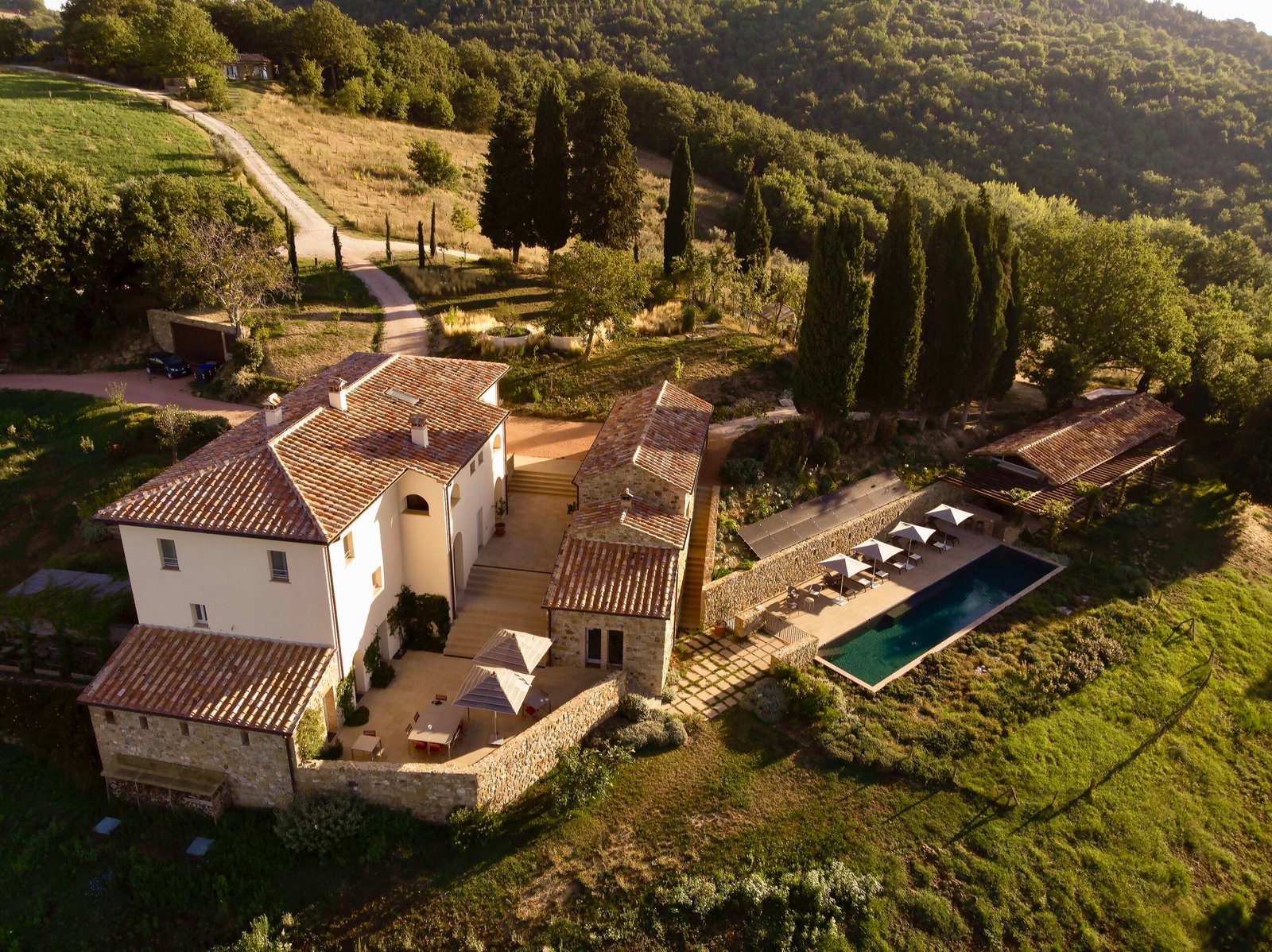
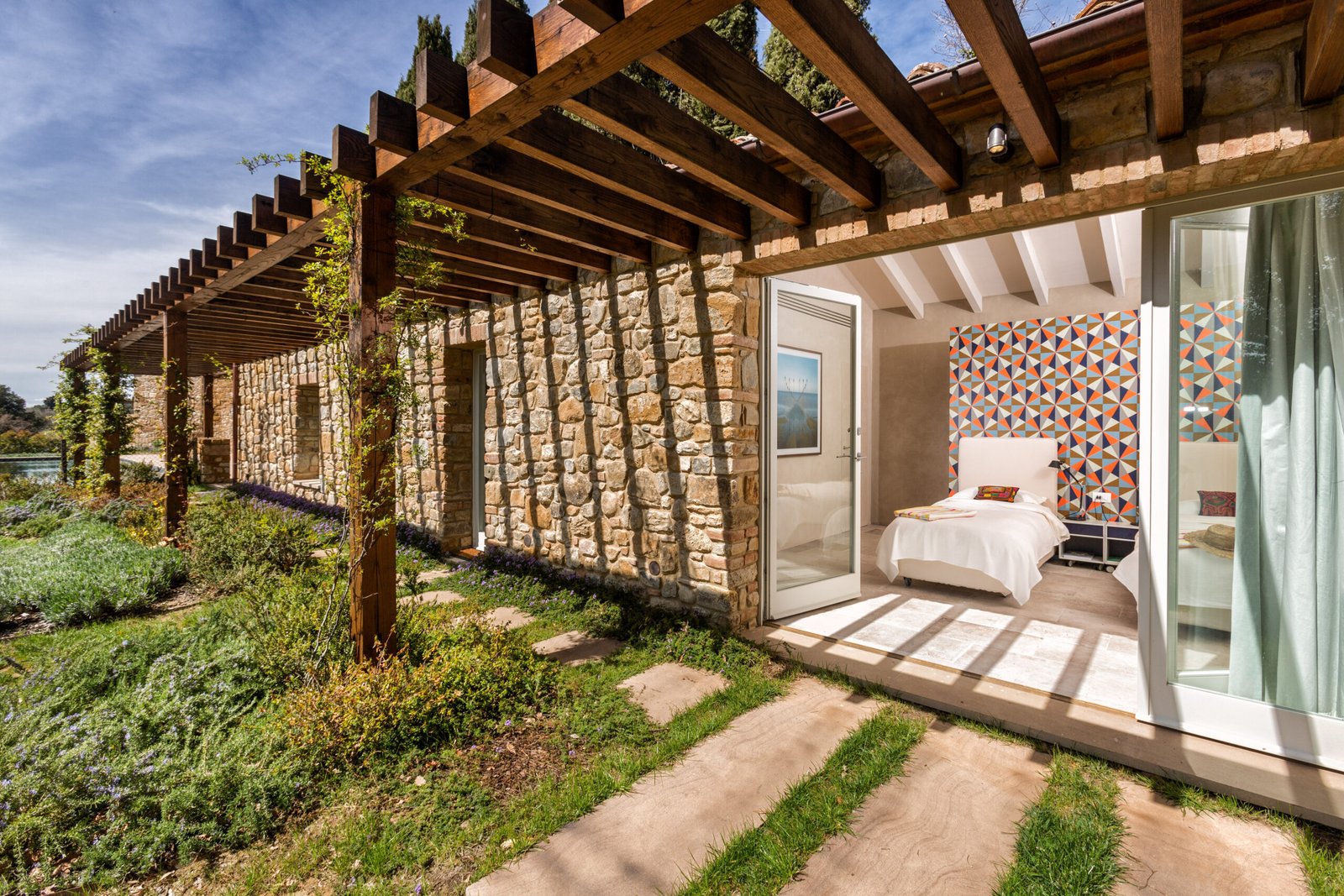
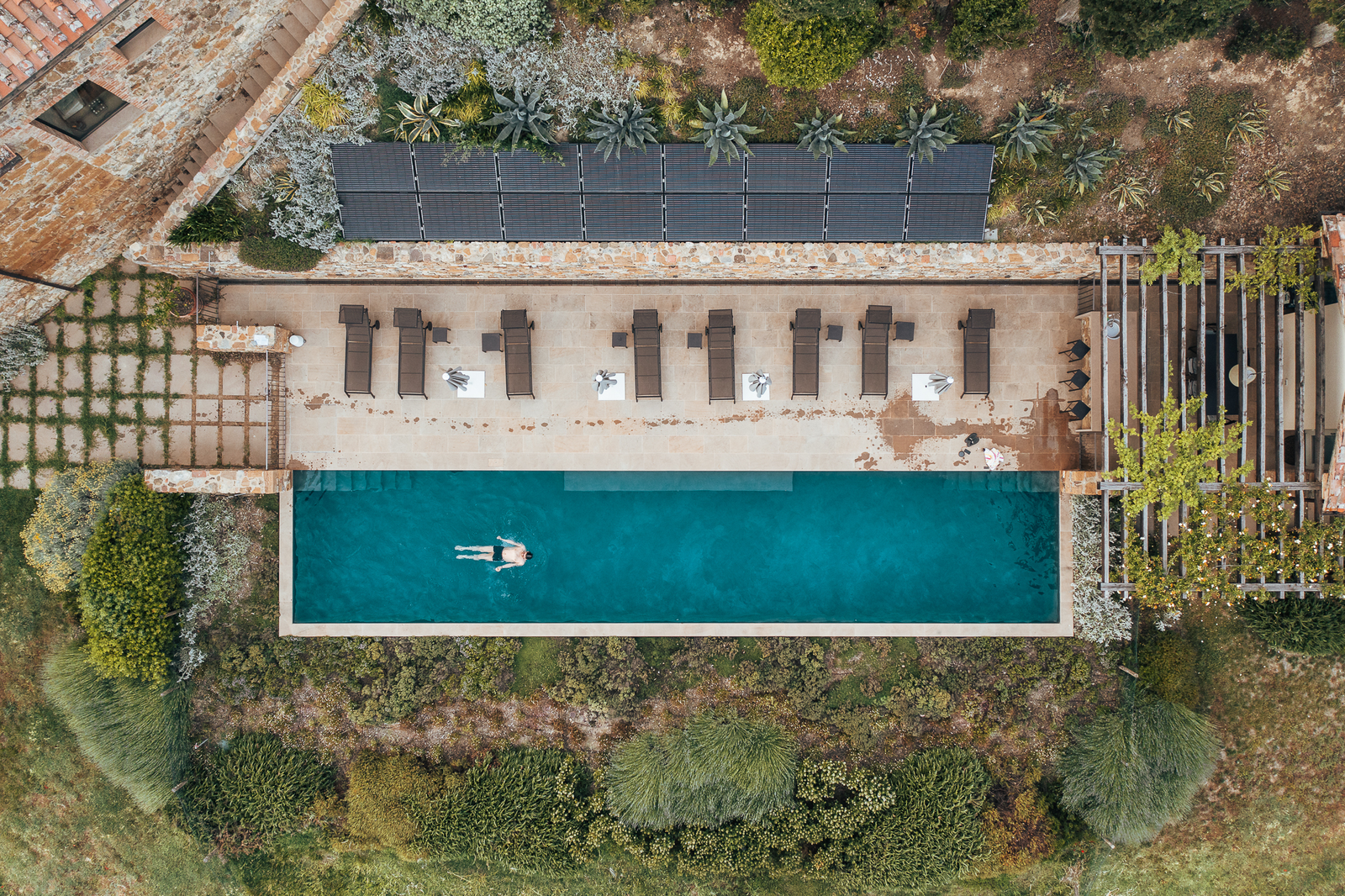
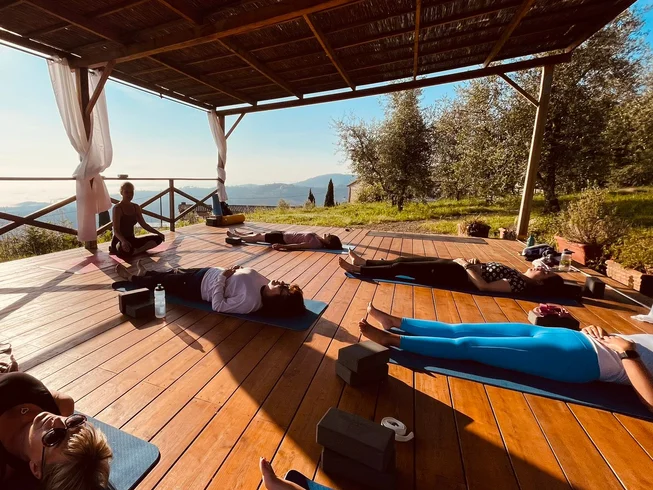
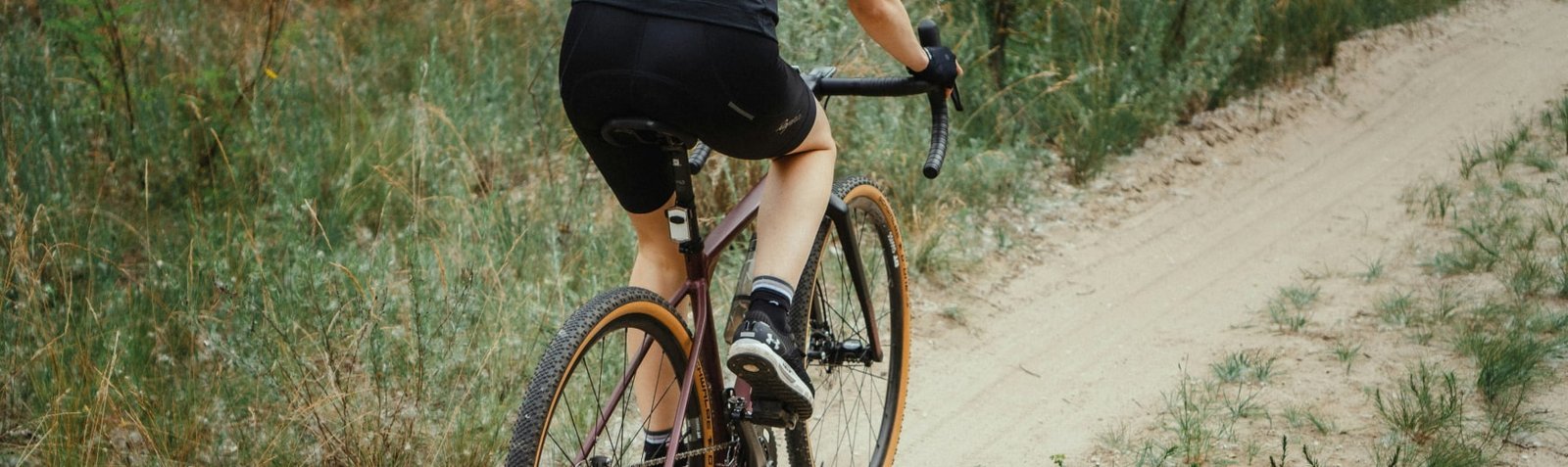
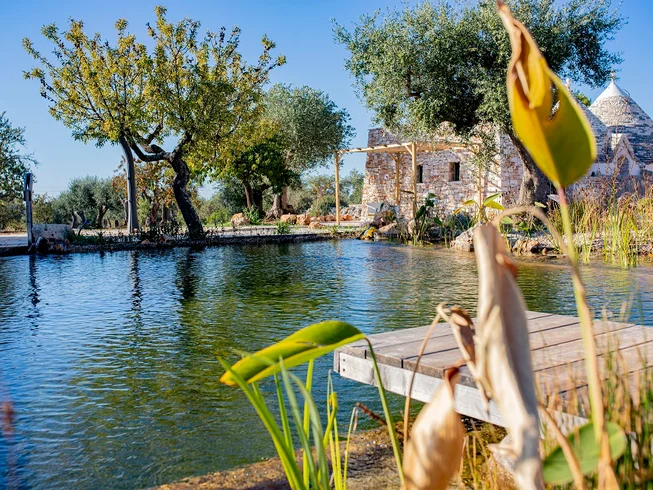
December is when Morocco’s retreat season is in full operation and when the country is at its most specifically rewarding for those who have planned around it. Marrakech in December is 14-18°C in the day and cold at night — cool enough that the city’s famous gardens and rooftop terraces require a layer in the early morning, warm enough that outdoor afternoon practice is possible on sheltered terraces. The riads are fully heated, the hammam culture is at its most immediately appealing, and the city in December has the quality of a place that has returned to itself after the tourist season.
The Atlas Mountains above Marrakech are in December at their most dramatic — snow on the peaks above 2,500 metres, the Berber villages in the foothills operating entirely for their own communities, and the specific quality of winter light on the red earth that the summer’s harsh sun obscures. Retreat centres that use the Atlas as an afternoon excursion from Marrakech in December are giving participants an experience that requires the season specifically.
The south — the Draa Valley, the Sahara routes toward Zagora and Merzouga — is in December at its most elemental: the desert nights cold (5-8°C), the days warm (18-22°C), and the stargazing from the desert camps at its annual best. For retreat guests who extend a Marrakech programme with a two-night desert excursion, December provides the most complete version of this experience available in the Moroccan calendar. Our yoga retreats in Morocco in December guide covers the full December picture.
Crete is one of very few Mediterranean destinations where a yoga retreat in December makes straightforward logistical and experiential sense. The south coast of the island — the villages above the Libyan Sea, the area around Plakias and Agia Galini — is 14-18°C in December, the retreat centres fully operational, and the island operating without any tourist overlay whatsoever. The olive harvest that began in October is in December finishing its mountain grove run — the last pressing of the season, the oil slightly more settled in character than November’s intense green, available at farm gates before it enters the distribution chain.
The archaeological sites that summer crowds make difficult — Knossos, Phaistos, the Minoan palace of Akrotiri — are in December accessible with no management of queues or tour groups. The Cretan food culture in December has the new oil, the citrus beginning, and the Christmas preparations specific to the island: the melomakarona and kourabiedes that Cretan bakeries produce from early December, the vasilopita that appears at New Year. A retreat that spans Christmas Eve on Crete — the kalanda sung by children through the village streets, the candlelit midnight service at the village church — is experiencing the Greek festive season in its most community-rooted form. Our yoga retreats in Greece in December guide covers Crete and the other Greek options.
December is one of the two or three best months of the year for a yoga retreat in Thailand. The dry season on the Gulf coast is fully established — Koh Phangan, Koh Samui, and the surrounding archipelago have clear skies, 28-30°C temperatures, and the sea at 27-28°C. The retreat infrastructure that has been building since November’s dry season return is in December at full operation, with the Christmas and New Year period bringing an energy to the island communities that is specifically worth being present for if the festive context is part of what you are looking for.
Koh Phangan’s retreat community in December has a different character from July’s peak — the combination of the dry season conditions and the end-of-year energy brings a specific kind of international practitioner who has deliberately chosen this month and this location as the place to mark the year’s end. The retreat centres that programme specifically for this — solstice practices, year-end reflection sessions, New Year’s meditation — produce December weeks that feel specifically intentional rather than simply seasonal.
Chiang Mai in December is the northern Thailand option for those who want cooler temperatures (20-24°C in the day, 10-14°C at night), the cultural depth of the ancient city, and the specific quality of a Thai winter that the coast doesn’t produce. The morning mist on the Ping River, the temples in the old city operating for their own festival calendar, and the yoga and meditation centres that have made Chiang Mai one of Asia’s most established retreat destinations are all in December at full capacity. Our yoga retreats in Thailand in December guide covers the full December picture.
The first three weeks of December in Portugal are an extension of November — quiet, affordable, and specifically good for those who want the year’s most contemplative retreat window without the January cold that follows. The Alentejo in early December has the olive harvest finishing, the plains in their winter quiet, and the farmhouse retreat centres running their most intimate programmes of the year.
The Algarve in early December is 14-16°C — cool for beach culture but specifically good for the coastal walks, the surf, and the morning practice on the terrace with the Atlantic visible below. The tourist infrastructure is fully operational but completely unoccupied. A retreat in the western Algarve in the first two weeks of December, at prices that are 40-50% below August, is doing the year’s best value retreat travel in Europe.
Christmas week in Portugal is a different proposition — the domestic travel that fills Lisbon and Porto for the festive season changes the atmosphere noticeably. Early December is the window. Our yoga retreats in Portugal in December guide covers the timing and options in full.
December practice operates at the far end of the seasonal spectrum from summer, and the distance between the two is felt in every warm-up, every breath, every moment of stillness on the mat. The body in December is at its most contracted, most inward, and most genuinely in need of care — not the performance of self-care that passes for rest in busier months, but the real thing: slow movement, sustained warmth, and the kind of unhurried attention to each transition and each breath that only the year’s most stripped-back month makes feel truly appropriate rather than simply indulgent.
Warm-ups in December are not a preliminary to practice — they are practice. The fifteen or twenty minutes spent carefully, deliberately bringing heat to a body that the season has tightened and contracted are as valuable as anything that follows, and a retreat that treats them as such produces practitioners who arrive at their peak poses genuinely ready rather than prematurely pushed. Standing sequences generate the internal fire that December withholds; long holds in seated and supine poses access depths of connective tissue that the body, softened by accumulated warmth, finally releases with a willingness that feels disproportionate to the effort required. December practice rewards patience in the most immediate and tangible way — what is rushed through produces little; what is waited for arrives completely.

The subtler dimensions of practice deepen most in December of all the winter months. Meditation in the darkest weeks of the year has a quality that is difficult to describe to someone who hasn’t experienced it — a density, a stillness, a sense of having arrived at the very bottom of the year’s interior and finding it unexpectedly spacious. The mind, with nowhere left to go, stops looking for an exit and begins, slowly and without drama, to simply be where it is. This is not comfortable in any conventional sense, and it is not always pleasant. But it is real in a way that matters, and the insights that surface in December meditation tend to be the ones that have been waiting all year for sufficient quiet to make themselves heard.
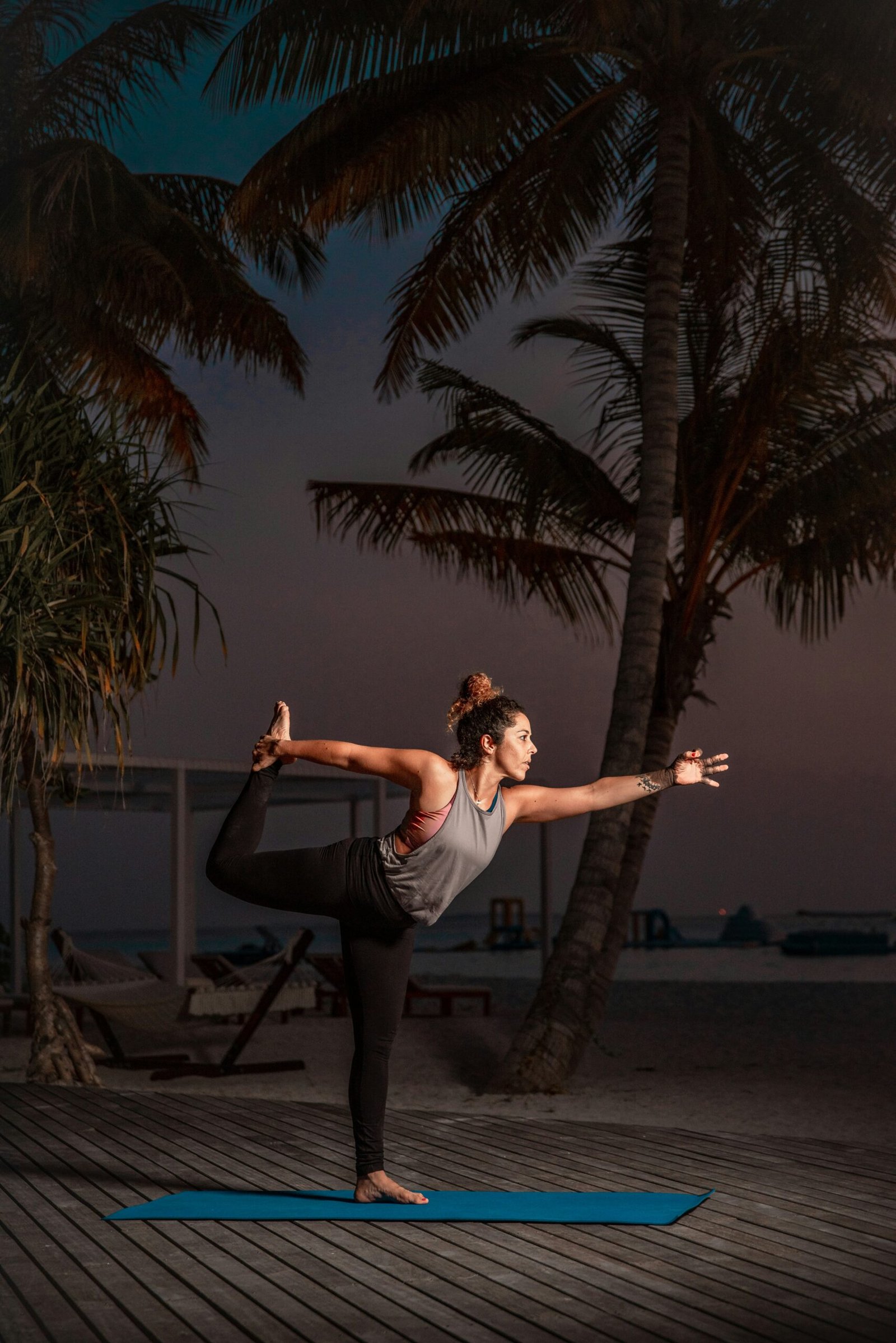
December carries more ritual weight than any other month, and a retreat that acknowledges this rather than treating it as irrelevant does something important. The human impulse to mark the winter solstice — to gather, to make light in darkness, to honour the turning of the year — is older than any tradition and deeper than any belief system. Yoga, in its oldest forms, understood the solstice as a threshold: the moment when the light begins its return, when the year pivots on its axis, and when the practitioner has an opportunity to pivot with it. A solstice practice in December is not a themed class or a seasonal gesture — it is an alignment with something genuinely significant, and it tends to feel that way.
The ceremonies that December retreat life generates naturally — candlelit evening practices, dawn meditation on the solstice morning, the shared ritual of meals prepared with care and eaten without rush — carry a weight and a meaning that the same activities in other months don’t quite replicate.
There is something about doing these things inside the deepest darkness of the year, in the company of people who have chosen to be present rather than distracted, that produces a quality of experience that is hard to manufacture and impossible to replicate through individual practice alone. December retreats, more than those of any other month, tend to be described by participants not as something they did but as something that happened to them — a distinction that says something important about the depth of the season’s particular medicine.

December eating is, without apology, the most indulgent of the year — and a retreat is the ideal place to experience that indulgence in its most nourishing rather than most depleting form. The foods that the season produces and that the body genuinely wants in December are rich, warming, and deeply satisfying: slow-cooked stews and braises built on the last of the root vegetables, warming spiced drinks that fill a cold room with the smell of cinnamon and clove, dark leafy greens that provide mineral density and brightness against the heaviness of winter cooking, and the particular pleasure of bread baked in a warm kitchen while the temperature drops outside.
The distinction worth making at a December retreat — and one that the season’s cultural noise makes easy to lose — is between nourishing richness and depleting excess. The body in December genuinely needs more fat, more warmth, and more caloric density than it does in June, and providing these things is not indulgence in any problematic sense but basic seasonal intelligence. What the body does not need, and what a retreat can usefully provide a break from, is the specific excess of the holiday season: the alcohol that disrupts sleep, the sugar that destabilises energy and mood, the relentless social eating that leaves most people feeling simultaneously overfed and undernourished.
A December retreat kitchen that cooks generously, seasonally, and with real care produces meals that leave practitioners feeling genuinely satisfied — not stuffed, not deprived, but nourished in the fullest sense of the word, which is rarer in December than it should be.
Hydration in December demands the same conscious management as November, but with an additional layer of complexity introduced by the social context many people are navigating even on retreat: the cultural gravitational pull toward alcohol, caffeine, and sugar-laden drinks that the festive season exerts even in the quietest environments. Warm herbal teas — spiced chai without the sugar, ginger and lemon in hot water, nourishing adaptogenic blends — provide both the warmth and the ritual that December drinking occasions require, without the sleep disruption and dehydration that their seasonal alternatives reliably produce.
A thermos of something genuinely good, kept warm throughout the day, is a small but meaningful act of care that the month rewards disproportionately.
1. Is a December retreat practical given the demands of the holiday season? For many people, the holiday season is precisely why a December retreat makes sense. The cultural pressure of December — the social obligations, the family dynamics, the relentless commercial noise — is one of the most effective generators of stress and depletion that the calendar year contains. A retreat carves out a protected space inside that noise, not by ignoring the season but by experiencing it on entirely different terms. People who attend December retreats frequently report that the weeks following feel more manageable and more genuinely enjoyable than any December they can remember — not because the external circumstances changed, but because they arrived at them with a quality of groundedness and clarity that the season normally prevents.
2. Which yoga styles are most suited to December? The morning practice in December benefits from styles that build heat with patience and intention — a slow, progressive Hatha or Vinyasa flow that treats the warm-up as an integral part of the session rather than a formality to be completed. Ashtanga practiced with full attention to breath and bandha, rather than pace, suits December’s demand for precision and internal focus. Afternoon and evening sessions suit restorative practice, Yoga Nidra, and extended pranayama sequences that work with the darkness rather than against it. Yin practice in December reaches its annual peak of relevance — the body’s contracted state makes long-held poses more necessary and, paradoxically, more accessible than at any other time of year, provided the body has been adequately warmed first.
3. What is the significance of the winter solstice for yoga practice? The winter solstice — typically falling around December 21st — is the year’s shortest day and longest night, the astronomical moment at which the sun reaches its furthest point from the earth’s equator and begins its return. In yoga’s oldest traditions, the solstice was understood as a moment of profound threshold energy: the turning of a great cycle, the death of one phase and the birth of another, and an opportunity for the practitioner to align their own internal turning with the rhythm of the natural world. Solstice practices traditionally involve both the acknowledgment of darkness — sitting with it fully rather than rushing past it — and the conscious generation of inner light through pranayama, meditation, and the gathering of community. A retreat that marks the solstice deliberately, rather than simply noting it in passing, provides an experience that participants tend to remember as the most significant moment of the entire week.
4. How should a December retreat address the complexity of the festive season? Honestly, and without either celebrating or dismissing it. December’s cultural context is not neutral — for many people it carries the weight of family complexity, grief, financial pressure, and the particular loneliness that collective celebration can produce in those for whom it doesn’t map onto comfortable reality. A retreat that acknowledges this, that creates space for the full range of what December actually means rather than projecting a simplified version of seasonal joy, tends to be one where participants feel genuinely held rather than simply managed. The practices most useful for this work are those that emphasise non-judgment, self-compassion, and the capacity to be present with difficulty without needing to resolve it — qualities that December, of all months, most directly calls for.
5. How does December darkness affect sleep, and how should a retreat manage it? December sleep has a different character from the disrupted sleep of summer — rather than being shortened by light and heat, it risks being too long, too heavy, and insufficiently restorative, particularly in people prone to seasonal low mood. The goal is not maximum hours but quality and consistency: regular sleep and wake times that anchor the nervous system, a wind-down practice that begins well before bed and involves warmth, dim light, and the deliberate reduction of stimulation, and morning practices timed to coincide with whatever light the day offers rather than beginning before it. A December retreat that prioritises sleep as seriously as it does asana tends to produce practitioners who feel more genuinely rested than they have in months.
6. Can a December retreat help with the specific stress of the holiday period? Directly and measurably. The physiological stress response that December’s social and financial demands activate — elevated cortisol, disrupted sleep, poor nutrition, reduced movement, and the chronic low-grade anxiety of managing competing obligations — is addressed comprehensively by even a few days of consistent practice, adequate sleep, and nourishing food in a quiet environment. The psychological benefit is equally significant: the distance that a retreat creates from the noise of the holiday season allows participants to identify which parts of December they actually value and want to return to, and which they have been enduring out of habit or obligation. That clarity, brought back into ordinary life, tends to produce a December that feels meaningfully different from previous years.
7. What should I pack for a December yoga retreat? Everything November required, and then a considered edit of what the specific December context adds. The warmest base layers you own, multiple mid-layers, one genuinely substantial outer layer for any outdoor time. Warm socks in abundance — the single most underestimated item in any winter retreat pack. A heavy shawl or blanket for meditation and Savasana, without which December practice is unnecessarily uncomfortable. A quality thermos. Vitamin D and magnesium as a minimum supplement baseline for the darkest month. A journal — December generates a particular quality of end-of-year thought that deserves to be caught rather than lost. And something small that represents the light you intend to carry into the new year: a candle, a word written on a piece of paper, a stone from somewhere meaningful. December is the year’s most honest month. Pack accordingly, and arrive ready to meet it on its own terms.
Your email address will not be published. Required fields are marked *