

Décembre est l'année du silence. L'obscurité atteint son paroxysme, le froid s'installe sans ménagement, et le monde — dépouillé de ses feuilles, de ses longues journées, de l'élan qui anime la plupart des gens durant les onze autres mois — s'arrête enfin et respire.
Une retraite de yoga en décembre demande quelque chose que le reste de l'année demande rarement : non pas d'optimisation, non pas de réflexion productive, non pas même de croissance mesurable, mais simplement d'être présent au cœur même des ténèbres les plus profondes de l'année et de constater que cela suffit.
Il ne s'agit ni de l'urgence introspective de novembre, ni de la quiétude pleine d'espoir de janvier ; il s'agit de quelque chose de plus ancien et de plus paisible. Décembre, au fond, est une question de lumière trouvée non pas en attendant son retour, mais en la faisant naître de l'intérieur. Une retraite ce mois-ci est, au sens le plus littéral, un exercice visant précisément à cela.


Décembre se divise en deux périodes de retraite bien distinctes. Début décembre — les trois premières semaines environ — offre le même calme qu'en novembre : des prix avantageux et cette atmosphère particulière de fin d'année qui se termine sans être encore terminée. C'est la période idéale avant que les prix et les disponibilités ne s'envolent pour les voyages de Noël.
Puis arrive la semaine de Noël et la donne change complètement : les prix augmentent, les disponibilités se raréfient et l’expérience de retraite s’imprègne de l’énergie festive des fêtes – ce qui, dans la bonne destination, n’est pas un problème mais une offre spécifique.
Vous ne savez pas où aller ? guide complet de retraite de yoga Ce guide couvre toutes les destinations. Celles ci-dessous sont particulièrement recommandées en décembre. Il ne s'agit pas de solutions de repli, mais de choix délibérés, séduits par ce que ce mois de décembre leur offre.
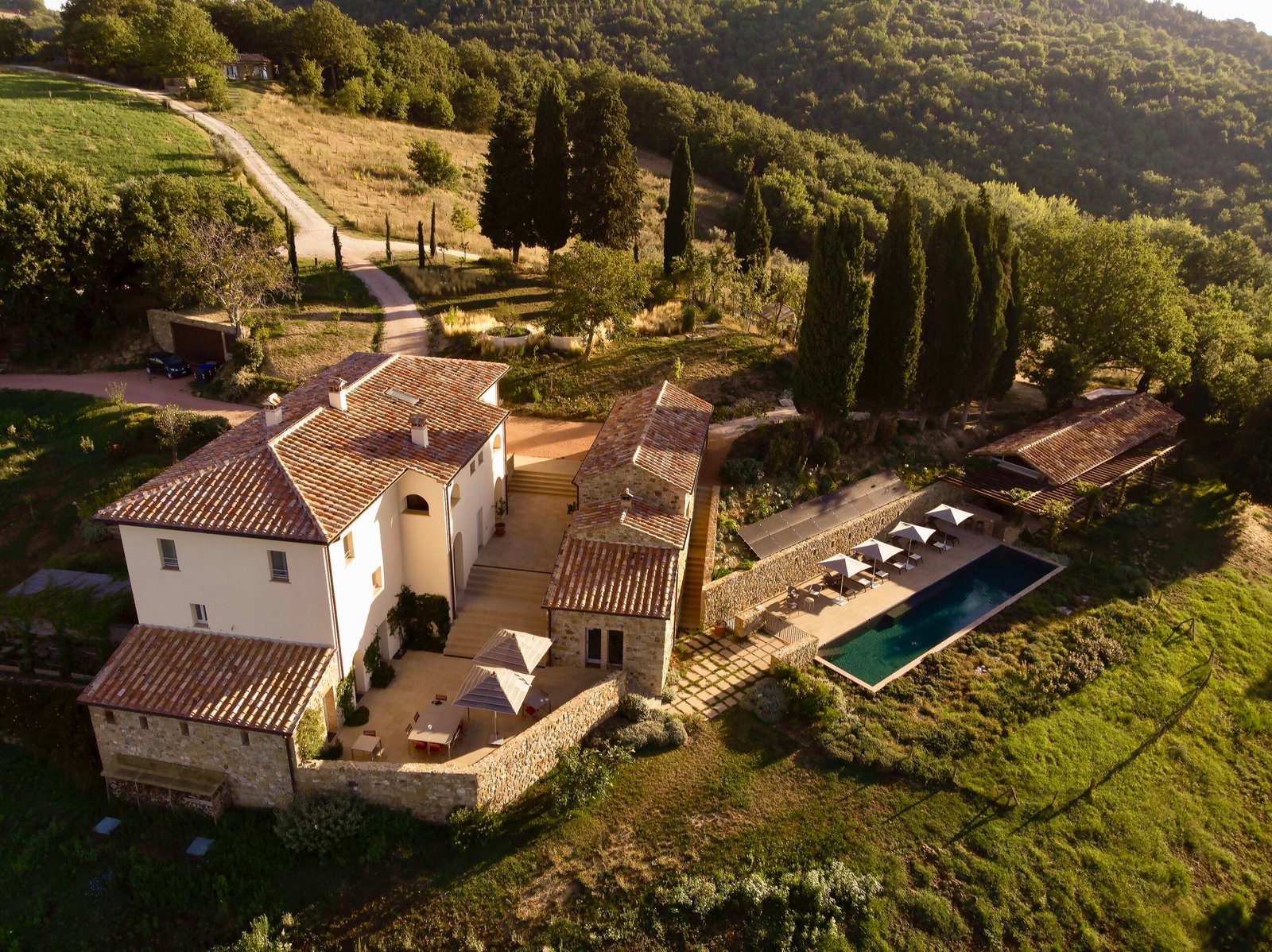
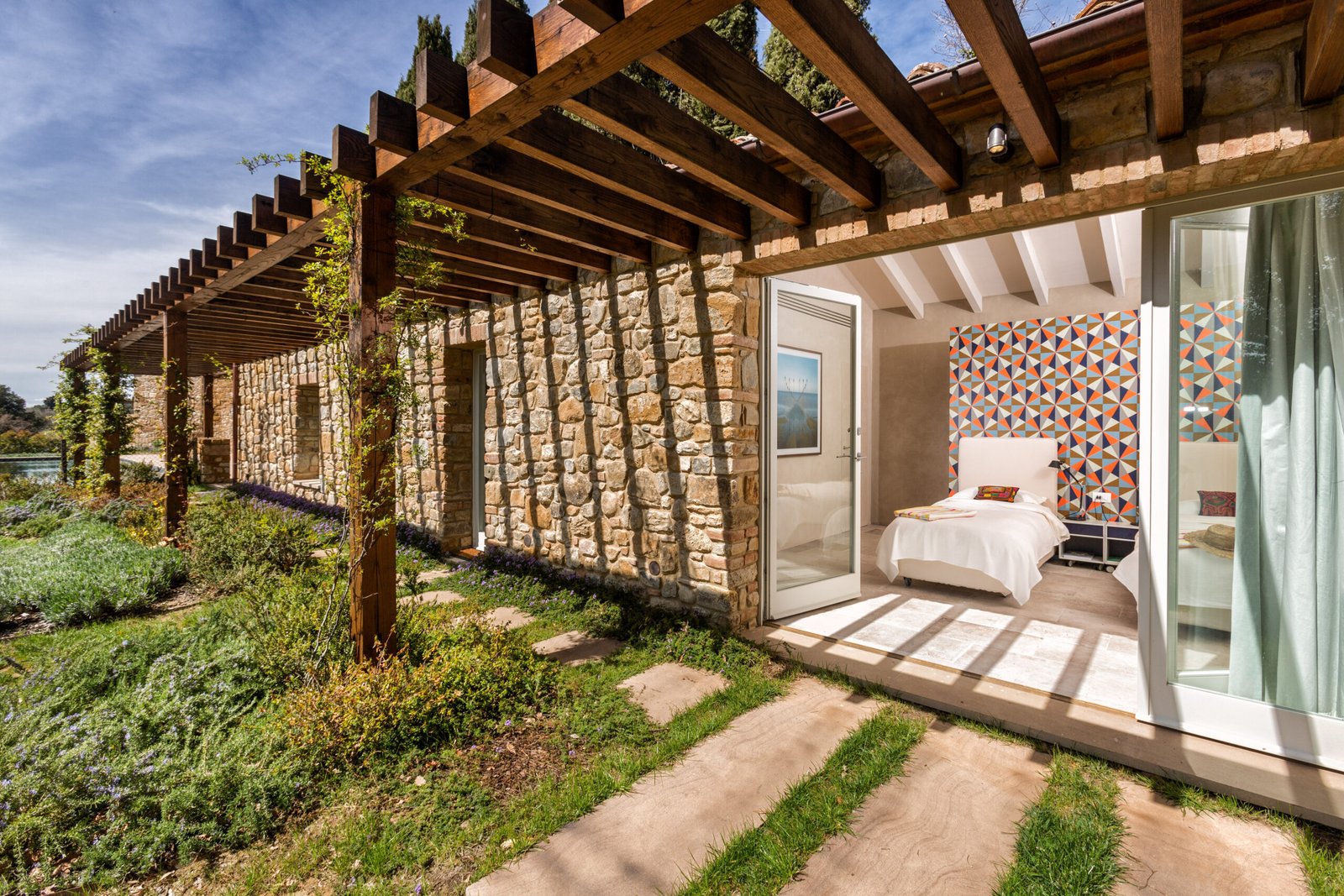

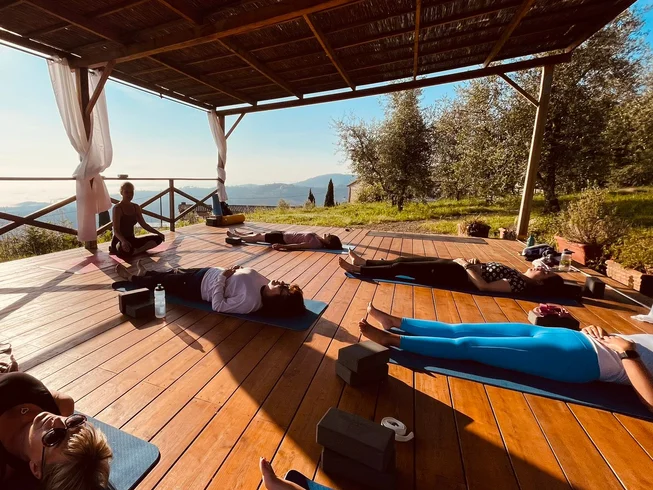
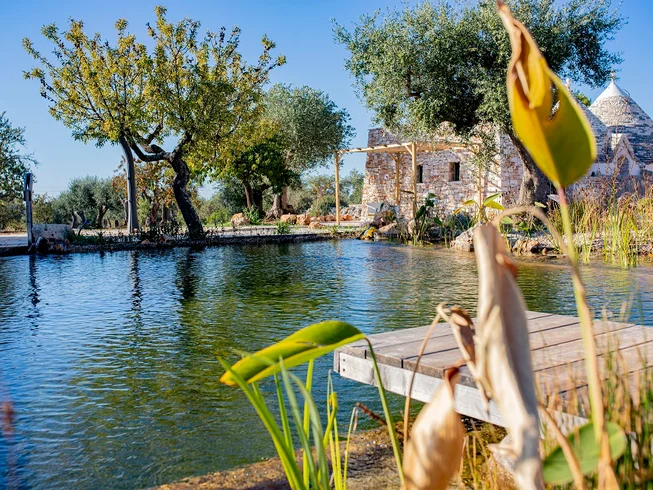
Décembre marque le début de la haute saison touristique au Maroc, période où le pays offre des expériences particulièrement enrichissantes à ceux qui ont planifié leur séjour en conséquence. À Marrakech, en décembre, les températures oscillent entre 14 et 18 °C le jour et sont froides la nuit – suffisamment fraîches pour qu'une couche de vêtements soit nécessaire le matin dans les célèbres jardins et terrasses sur les toits, mais suffisamment douces pour profiter de la pratique sportive en extérieur l'après-midi sur des terrasses abritées. Les riads sont chauffés à plein régime, la culture du hammam est particulièrement attrayante et la ville, en décembre, retrouve son authenticité après la saison touristique.
Les montagnes de l'Atlas, au-dessus de Marrakech, offrent un spectacle saisissant en décembre : la neige recouvre les sommets à plus de 2 500 mètres, les villages berbères nichés au pied des montagnes vivent au rythme de leurs communautés, et la lumière hivernale, si particulière, se reflète sur la terre rouge, obscurcie par le soleil ardent de l'été. Les centres de retraite qui proposent une excursion d'une après-midi dans l'Atlas au départ de Marrakech en décembre offrent à leurs participants une expérience unique, intimement liée à cette saison.
Le sud – la vallée du Drâa, les routes sahariennes vers Zagora et Merzouga – se révèle en décembre dans toute sa splendeur : les nuits désertiques sont fraîches (5-8 °C), les journées chaudes (18-22 °C) et l'observation des étoiles depuis les camps du désert est à son apogée. Pour les participants à nos retraites qui prolongent leur séjour à Marrakech par une excursion de deux nuits dans le désert, décembre offre la version la plus complète de cette expérience au cours du calendrier marocain. retraites de yoga au Maroc en décembre Ce guide offre un aperçu complet de la situation en décembre.
La Crète est l'une des rares destinations méditerranéennes où une retraite de yoga en décembre est parfaitement logique, tant sur le plan logistique qu'expérientiel. La côte sud de l'île – les villages surplombant la mer de Libye, les environs de Plakias et d'Agia Galini – bénéficie de températures de 14 à 18 °C en décembre, les centres de retraite sont pleinement opérationnels et l'île est préservée du tourisme de masse. La récolte des olives, commencée en octobre, s'achève en décembre après la récolte en montagne. La dernière pression de la saison donne une huile légèrement plus stable que celle, d'un vert intense, de novembre, disponible directement à la ferme avant sa distribution.
Les sites archéologiques que les foules estivales rendent difficiles d'accès — Knossos, Phaistos, le palais minoen d'Akrotiri — sont accessibles en décembre sans file d'attente ni groupes de touristes. La gastronomie crétoise de décembre est marquée par l'arrivée de l'huile nouvelle, le début de la saison des agrumes et les préparatifs de Noël typiques de l'île : les melomakarona et les kourabiedes que les boulangeries crétoises confectionnent dès le début du mois, et les vasilopita qui font leur apparition au Nouvel An. Une retraite qui s'étend jusqu'à la veille de Noël en Crète — les kalanda chantées par les enfants dans les rues du village, la messe de minuit aux chandelles à l'église — permet de vivre les fêtes de fin d'année grecques dans leur expression la plus authentique et communautaire. retraites de yoga en Grèce en décembre Ce guide aborde la Crète et les autres destinations grecques.
Décembre compte parmi les deux ou trois meilleurs mois de l'année pour une retraite de yoga en Thaïlande. La saison sèche bat son plein sur la côte du Golfe : Koh Phangan, Koh Samui et l'archipel environnant bénéficient d'un ciel dégagé, de températures oscillant entre 28 et 30 °C et d'une mer à 27-28 °C. Les infrastructures dédiées aux retraites, mises en place depuis le retour de la saison sèche en novembre, sont pleinement opérationnelles en décembre. La période de Noël et du Nouvel An insuffle une énergie particulière aux communautés insulaires, une expérience à vivre absolument si l'ambiance festive fait partie de vos attentes.
La communauté de retraite de Koh Phangan en décembre offre une atmosphère différente de celle de juillet, période de forte affluence. La combinaison de la saison sèche et de l'énergie de fin d'année attire un type particulier de pratiquants internationaux qui ont délibérément choisi ce mois et ce lieu pour célébrer la fin de l'année. Les centres de retraite qui proposent des programmes spécifiques – pratiques du solstice, séances de réflexion de fin d'année, méditation du Nouvel An – offrent des semaines de décembre empreintes d'une intention particulière, bien au-delà des simples célébrations saisonnières.
Chiang Mai en décembre est la destination idéale dans le nord de la Thaïlande pour ceux qui recherchent des températures plus fraîches (20-24 °C le jour, 10-14 °C la nuit), la richesse culturelle de la vieille ville et l'atmosphère si particulière d'un hiver thaïlandais, différente de celle de la côte. La brume matinale sur la rivière Ping, les temples de la vieille ville animés par leur propre calendrier de festivals et les centres de yoga et de méditation qui ont fait de Chiang Mai l'une des destinations de retraite les plus réputées d'Asie sont tous très fréquentés en décembre. retraites de yoga en Thaïlande en décembre Ce guide offre un aperçu complet de la situation en décembre.
Les trois premières semaines de décembre au Portugal prolongent le mois de novembre : calme, abordable et idéal pour ceux qui recherchent une retraite propice à la contemplation, loin du froid de janvier. Début décembre, dans l’Alentejo, la récolte des olives s’achève, les plaines retrouvent leur quiétude hivernale et les centres de retraite à la ferme proposent leurs programmes les plus intimistes.
Début décembre, en Algarve, les températures oscillent entre 14 et 16 °C : idéal pour profiter de la plage, mais parfait pour les promenades côtières, le surf et les séances de natation matinales en terrasse avec vue sur l’Atlantique. L’infrastructure touristique est pleinement opérationnelle, mais les plages sont encore désertes. Un séjour dans l’ouest de l’Algarve durant les deux premières semaines de décembre, à des prix 40 à 50 % inférieurs à ceux du mois d’août, représente l’offre de vacances la plus avantageuse de l’année en Europe.
La semaine de Noël au Portugal, c'est une autre histoire : les déplacements intérieurs qui envahissent Lisbonne et Porto pendant les fêtes changent sensiblement l'atmosphère. Début décembre est le moment idéal. retraites de yoga au Portugal en décembre Ce guide détaille le calendrier et les options disponibles.
La pratique en décembre se situe à l'opposé de l'été, et cette différence se ressent à chaque échauffement, à chaque respiration, à chaque instant d'immobilité sur le tapis. En décembre, le corps est plus contracté, plus replié sur lui-même et a plus que jamais besoin d'attention – non pas une simple mise en scène qui passe pour du repos durant les mois plus chargés, mais une véritable attention : des mouvements lents, une chaleur constante et cette attention sereine portée à chaque transition et à chaque respiration, une attention que seul le mois le plus épuré de l'année rend vraiment appropriée, et non pas un simple luxe.
Les échauffements en décembre ne sont pas une simple préparation à la pratique : ils constituent la pratique elle-même. Les quinze ou vingt minutes consacrées avec soin et intention à réchauffer un corps que la saison a crispé et contracté sont aussi précieuses que tout ce qui suit. Une retraite qui les considère comme telles permet aux pratiquants d'aborder leurs postures optimales pleinement préparés, sans être poussés prématurément. Les enchaînements debout génèrent l'énergie intérieure que décembre retient ; les postures tenues longtemps en position assise et allongée permettent d'accéder aux profondeurs des tissus conjonctifs que le corps, assoupli par la chaleur accumulée, libère enfin avec une aisance qui semble disproportionnée par rapport à l'effort requis. La pratique en décembre récompense la patience de la manière la plus immédiate et tangible : ce qui est bâclé ne produit que peu de résultats ; ce qui est attendu arrive pleinement.

Les dimensions les plus subtiles de la pratique s'approfondissent le plus en décembre, parmi tous les mois d'hiver. Méditer durant les semaines les plus sombres de l'année possède une qualité difficile à décrire pour qui ne l'a pas vécue : une densité, une quiétude, le sentiment d'avoir atteint le fond de l'intériorité et d'y trouver un espace insoupçonnément vaste. L'esprit, n'ayant plus d'issue, cesse de chercher une sortie et commence, lentement et sans drame, à simplement être là où il est. Ce n'est confortable au sens conventionnel du terme, et ce n'est pas toujours agréable. Mais c'est authentique, d'une manière essentielle, et les intuitions qui émergent lors de la méditation de décembre sont souvent celles qui attendaient toute l'année le calme nécessaire pour se faire entendre.
Décembre revêt une importance rituelle plus grande que tout autre mois, et une retraite qui en tient compte au lieu de la considérer comme insignifiante accomplit quelque chose d'essentiel. L'impulsion humaine de célébrer le solstice d'hiver — de se rassembler, de faire jaillir la lumière des ténèbres, d'honorer le passage à la nouvelle année — est plus ancienne que toute tradition et plus profonde que tout système de croyances. Le yoga, dans ses formes les plus anciennes, percevait le solstice comme un seuil : le moment où la lumière amorce son retour, où l'année pivote sur son axe, et où le pratiquant a l'opportunité de pivoter avec elle. Une pratique du solstice en décembre n'est pas un cours thématique ni un geste saisonnier — c'est un alignement avec quelque chose de véritablement significatif, et cela se ressent généralement.
Les cérémonies que la retraite de décembre engendre naturellement — les pratiques du soir à la lueur des bougies, la méditation à l'aube le matin du solstice, le rituel partagé des repas préparés avec soin et dégustés sans précipitation — revêtent un poids et une signification que les mêmes activités pratiquées durant les autres mois ne parviennent pas tout à fait à reproduire.
Il y a quelque chose de particulier à vivre ces expériences au cœur même de l'hiver, en compagnie de personnes pleinement présentes plutôt que distraites, qui crée une qualité d'expérience difficile à reproduire et impossible à recréer par la seule pratique individuelle. Les retraites de décembre, plus que celles de tout autre mois, sont souvent décrites par les participants non comme une action, mais comme un événement vécu – une nuance qui en dit long sur la profondeur de la magie propre à cette saison.

Les plaisirs culinaires de décembre sont, sans conteste, les plus gourmands de l'année – et une retraite est l'endroit idéal pour savourer ces délices de la manière la plus nourrissante qui soit. Les aliments de saison, dont le corps a véritablement besoin en décembre, sont riches, réconfortants et profondément satisfaisants : des ragoûts et des braisés mijotés à base des derniers légumes racines, des boissons épicées et chaudes qui embaument une pièce froide de leurs arômes de cannelle et de clou de girofle, des légumes verts à feuilles foncées qui apportent minéraux et fraîcheur, contrastant avec la lourdeur de la cuisine hivernale, et le plaisir particulier du pain cuit dans une cuisine chaleureuse tandis que les températures chutent à l'extérieur.
Lors d'une retraite en décembre, il est essentiel de faire la distinction entre une alimentation riche et nourrissante et un excès néfaste. En décembre, le corps a réellement besoin de plus de lipides, de chaleur et d'un apport calorique plus important qu'en juin, et lui fournir ces éléments n'est pas un excès problématique, mais une simple question de bon sens. Ce dont le corps n'a pas besoin, et dont une retraite permet de se défaire, ce sont les excès spécifiques des fêtes de fin d'année : l'alcool qui perturbe le sommeil, le sucre qui déstabilise l'énergie et l'humeur, et les repas sociaux incessants qui laissent la plupart des gens à la fois repus et appauvris.
Une cuisine de retraite en décembre qui cuisine généreusement, avec des produits de saison et un véritable soin, prépare des repas qui laissent les participants pleinement satisfaits — ni repus, ni privés, mais nourris au sens le plus complet du terme, ce qui est plus rare en décembre qu'il n'y paraît.
S'hydrater en décembre exige la même attention qu'en novembre, mais avec une complexité supplémentaire liée au contexte social auquel beaucoup sont confrontés, même en retraite : l'attrait culturel pour l'alcool, la caféine et les boissons sucrées qui se fait sentir pendant les fêtes, même dans les moments les plus calmes. Les tisanes chaudes – chai épicé sans sucre, infusions de gingembre et de citron, mélanges adaptogènes nourrissants – offrent à la fois la chaleur et le rituel nécessaires aux moments de détente de décembre, sans les troubles du sommeil et la déshydratation souvent associés aux boissons saisonnières.
Un thermos rempli d'une boisson vraiment délicieuse, maintenue au chaud toute la journée, est un petit geste d'attention significatif que le mois récompense de façon disproportionnée.
1. Une retraite en décembre est-elle envisageable compte tenu des exigences de la période des fêtes ? Pour beaucoup, la période des fêtes est précisément la raison pour laquelle une retraite en décembre prend tout son sens. La pression culturelle de décembre – les obligations sociales, les dynamiques familiales, le brouhaha commercial incessant – est l'une des sources les plus efficaces de stress et d'épuisement que l'année puisse offrir. Une retraite permet de se ménager un espace de sérénité au sein de ce tumulte, non pas en ignorant les fêtes, mais en les vivant sous un angle totalement différent. Les participants aux retraites de décembre témoignent souvent que les semaines suivantes leur paraissent plus faciles à gérer et plus agréables que n'importe quel autre mois de décembre dont ils se souviennent – non pas parce que les circonstances extérieures ont changé, mais parce qu'ils les abordent avec un ancrage et une clarté que les fêtes de fin d'année ont généralement tendance à altérer.
2. Quels styles de yoga sont les plus adaptés au mois de décembre ? La pratique matinale en décembre est idéale pour les styles qui développent la chaleur progressivement et avec intention : un enchaînement lent et progressif de Hatha ou de Vinyasa, où l’échauffement est considéré comme une partie intégrante de la séance et non comme une simple formalité. L’Ashtanga, pratiqué en se concentrant sur la respiration et les bandhas plutôt que sur le rythme, répond aux exigences de précision et de concentration intérieure de décembre. Les séances de l’après-midi et du soir sont propices à une pratique restaurative, au Yoga Nidra et à des séquences de pranayama prolongées qui s’harmonisent avec l’obscurité. La pratique du Yin atteint son apogée annuelle en décembre : la contraction corporelle rend les postures tenues longtemps plus nécessaires et, paradoxalement, plus accessibles qu’à tout autre moment de l’année, à condition d’avoir préalablement bien échauffé le corps.
3. Quelle est la signification du solstice d'hiver pour la pratique du yoga ? Le solstice d'hiver, qui a généralement lieu autour du 21 décembre, correspond au jour le plus court et à la nuit la plus longue de l'année, moment astronomique où le soleil atteint son point le plus éloigné de l'équateur terrestre et entame son retour. Dans les traditions les plus anciennes du yoga, le solstice était perçu comme un moment de profonde énergie charnière : le tournant d'un grand cycle, la fin d'une phase et la naissance d'une autre, et une occasion pour le pratiquant d'harmoniser son propre cycle intérieur avec le rythme du monde naturel. Les pratiques du solstice impliquent traditionnellement à la fois la reconnaissance de l'obscurité – l'accueillir pleinement plutôt que de la traverser précipitamment – et la production consciente de lumière intérieure par le pranayama, la méditation et le partage en communauté. Une retraite qui célèbre le solstice de manière intentionnelle, plutôt que de simplement le mentionner brièvement, offre une expérience dont les participants se souviennent généralement comme du moment le plus marquant de toute la semaine.
4. Comment une retraite en décembre devrait-elle aborder la complexité de la période des fêtes ? Honnêtement, sans l'encenser ni le rejeter, le contexte culturel de décembre n'est pas neutre. Pour beaucoup, il est chargé de complexités familiales, de deuil, de difficultés financières et d'une solitude particulière que les festivités collectives peuvent engendrer chez ceux pour qui elles ne correspondent pas à une réalité rassurante. Une retraite qui prend en compte cette réalité, qui offre un espace pour toute la palette des significations de décembre plutôt que de projeter une version simplifiée de la joie des fêtes, est généralement un lieu où les participants se sentent véritablement soutenus plutôt que simplement contrôlés. Les pratiques les plus utiles pour ce travail sont celles qui mettent l'accent sur le non-jugement, la bienveillance envers soi-même et la capacité d'être présent face à la difficulté sans chercher à la résoudre – des qualités que décembre, plus que tout autre mois, appelle de ses vœux.
5. Comment l'obscurité de décembre affecte-t-elle le sommeil, et comment un lieu de retraite devrait-il gérer cela ? Le sommeil en décembre se distingue du sommeil perturbé de l'été : au lieu d'être raccourci par la lumière et la chaleur, il risque d'être trop long, trop lourd et insuffisamment réparateur, surtout chez les personnes sujettes à la baisse de moral saisonnière. L'objectif n'est pas la quantité d'heures de sommeil, mais la qualité et la régularité : des horaires de coucher et de lever réguliers pour stabiliser le système nerveux, une routine de relaxation avant le coucher privilégiant la chaleur, une lumière tamisée et une réduction volontaire des stimulations, et des pratiques matinales adaptées à la lumière naturelle du jour, plutôt que de commencer avant. Une retraite en décembre qui accorde autant d'importance au sommeil qu'à la pratique des asanas permet généralement aux participants de se sentir plus reposés qu'ils ne l'ont été depuis des mois.
6. Une retraite en décembre peut-elle aider à gérer le stress spécifique des fêtes de fin d'année ? Directement et de façon mesurable. La réponse physiologique au stress déclenchée par les exigences sociales et financières de décembre — augmentation du cortisol, troubles du sommeil, mauvaise alimentation, diminution de l'activité physique et anxiété chronique liée à la gestion de multiples obligations — est efficacement prise en charge par quelques jours de pratique régulière, un sommeil réparateur et une alimentation saine dans un environnement calme. Le bénéfice psychologique est tout aussi important : la distance qu'offre une retraite par rapport au tumulte des fêtes permet aux participants d'identifier les aspects de décembre qu'ils apprécient réellement et auxquels ils souhaitent revenir, et ceux qu'ils subissent par habitude ou par obligation. Cette clarté, réintégrée au quotidien, tend à transformer le mois de décembre en un mois sensiblement différent des années précédentes.
7. Que dois-je emporter pour une retraite de yoga en décembre ? Tout ce qu'il faut pour novembre, et une version adaptée au contexte spécifique de décembre. Vos sous-vêtements thermiques les plus chauds, plusieurs couches intermédiaires, et une veste ou un manteau vraiment épais pour les activités en extérieur. Des chaussettes chaudes en quantité – l'élément le plus souvent sous-estimé dans un sac pour une retraite hivernale. Un châle ou une couverture épaisse pour la méditation et le Savasana, sans lesquels la pratique en décembre est inutilement inconfortable. Un thermos de qualité. De la vitamine D et du magnésium comme compléments alimentaires de base pour le mois le plus sombre. Un journal – décembre favorise une réflexion particulière sur la fin d'année, qu'il faut saisir plutôt que perdre. Et un petit objet symbolisant la lumière que vous souhaitez emporter avec vous dans la nouvelle année : une bougie, un mot écrit sur un bout de papier, une pierre rapportée d'un lieu symbolique. Décembre est le mois le plus authentique de l'année. Préparez-vous en conséquence et arrivez prêt à l'accueillir tel qu'il est.
Votre adresse e-mail ne sera pas publiée. Les champs obligatoires sont indiqués par un *