
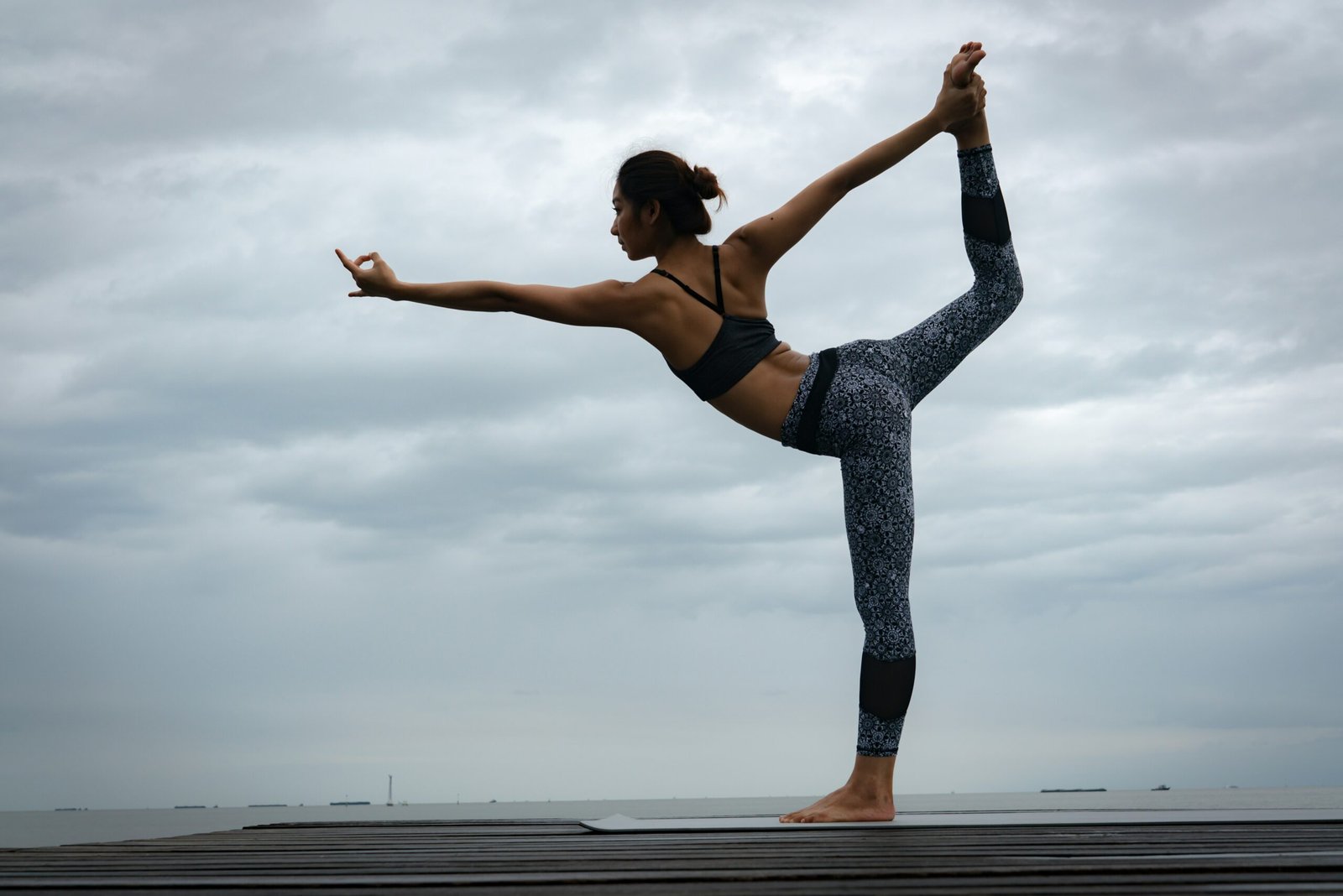
March is the month that finally makes good on winter’s promise. The light returns with intention, temperatures begin to shift, and the natural world starts to move again after months of stillness. If you have been waiting for the right moment to book a yoga retreat in March, this is it — the season itself is doing half the work.


A yoga retreat in March catches you at one of the most energetically alive moments of the year: the transition from contraction to expansion, from rest to renewal, from the long interior work of winter to the first genuine impulse to grow. This is not January’s careful optimism or February’s quiet depth — March is something more visceral, more physical, more awake. The practice this month doesn’t ask you to go inward. It asks you to come out.
Across the retreat world, March marks the beginning of the outdoor season in Europe, the final weeks of dry season in Central America, and the opening of the spring trekking calendar in Nepal. Portugal and Greece are at their wildflower peak. The Cyclades are reopening after winter. Costa Rica’s Pacific coast is producing its best surf of the year. The destinations below are specifically good in March — not coincidentally available, but genuinely at their best.
Our worldwide yoga retreat collection covers every destination and format — the options below are the ones worth considering specifically in March.
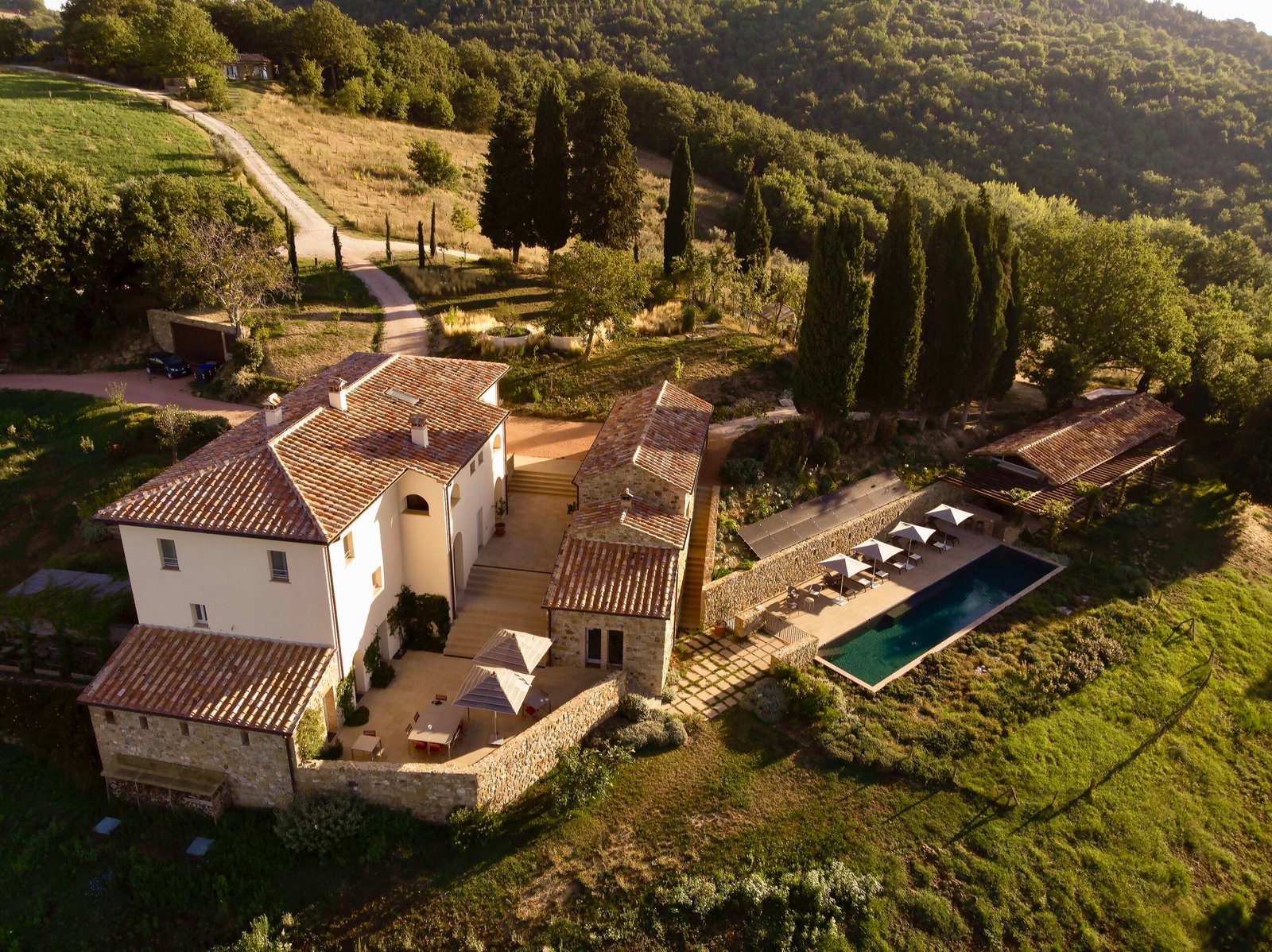
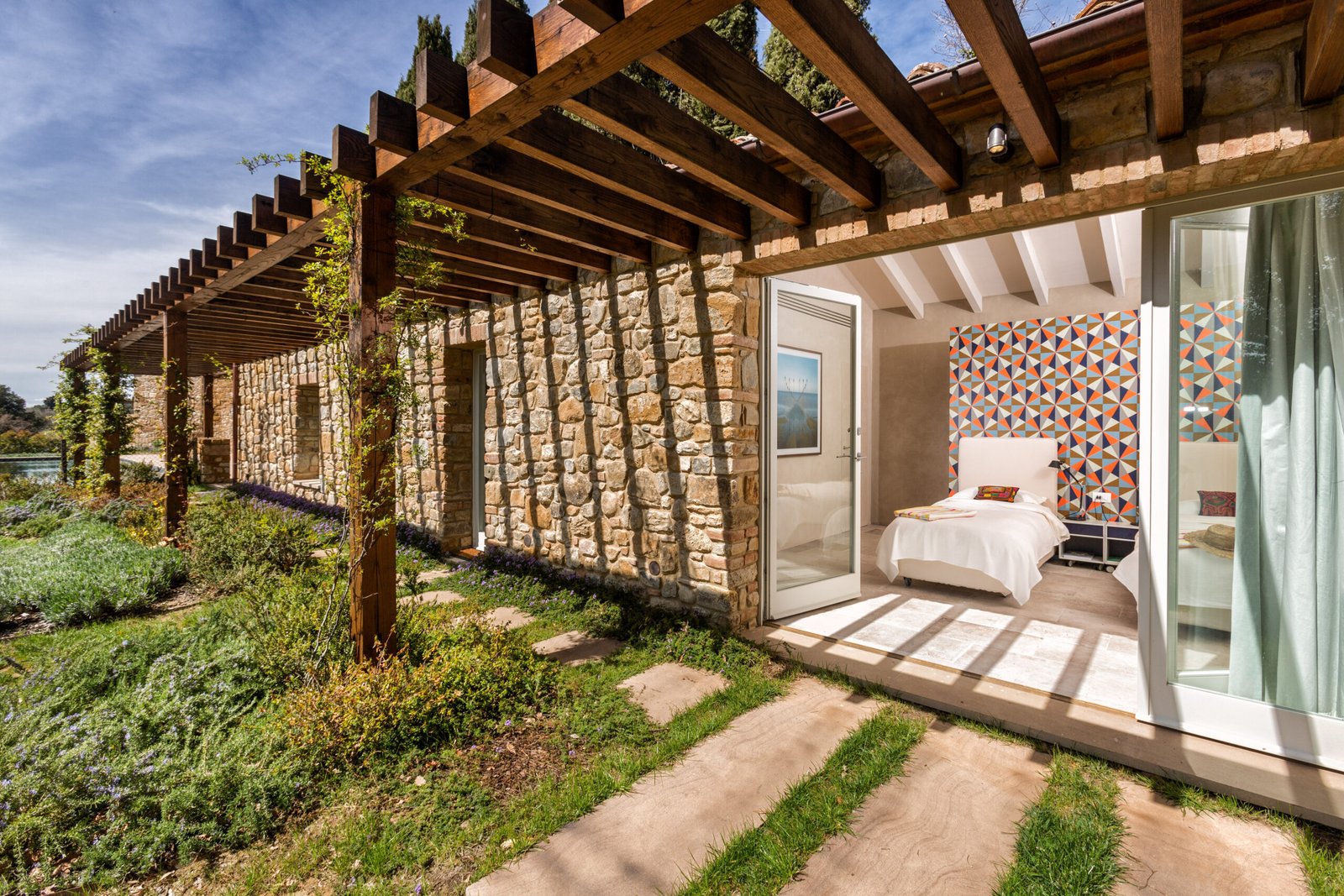
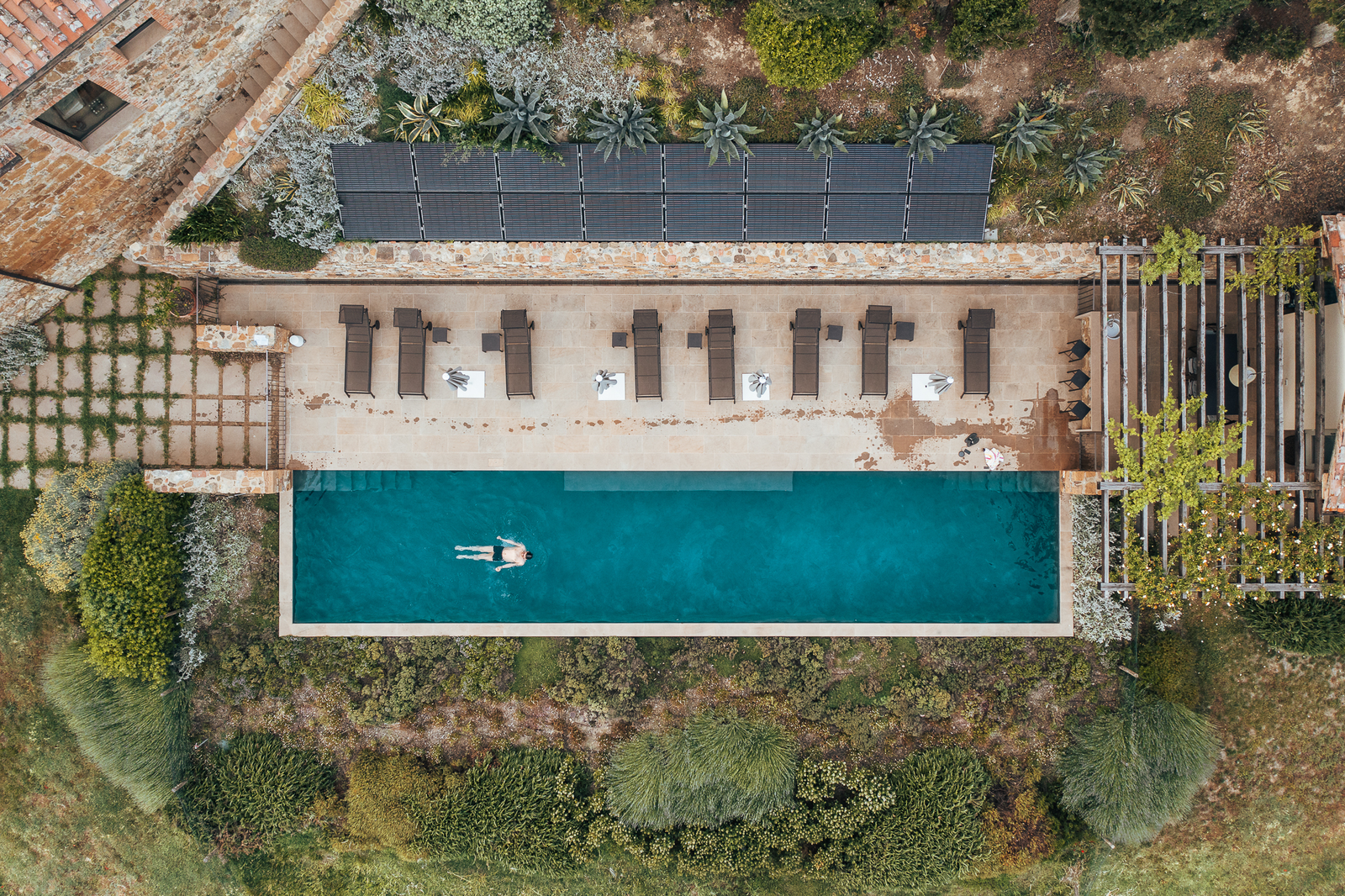
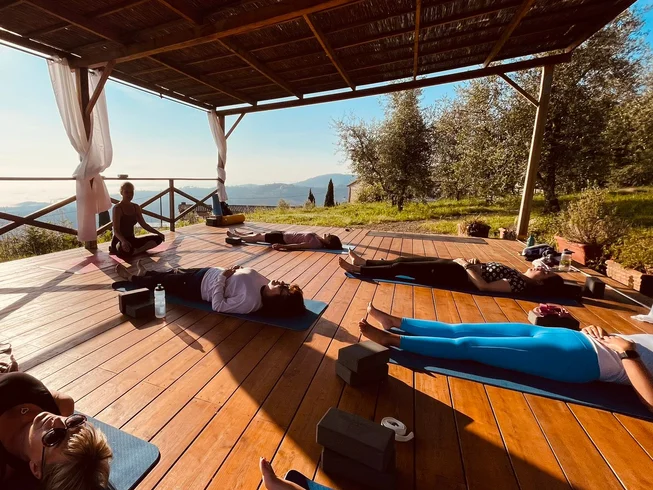
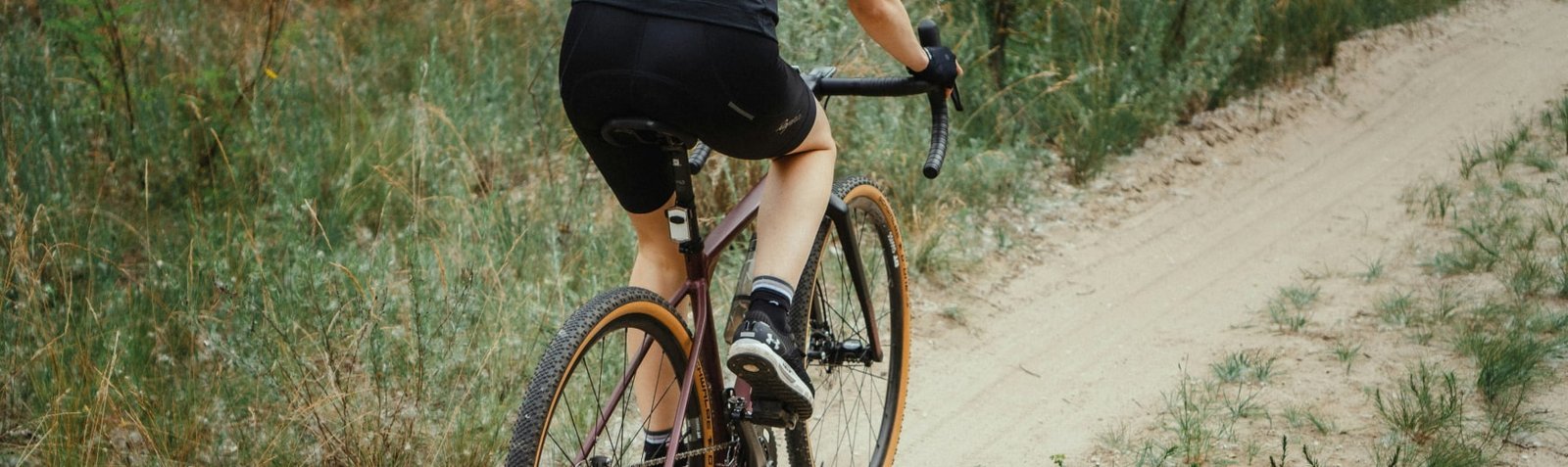
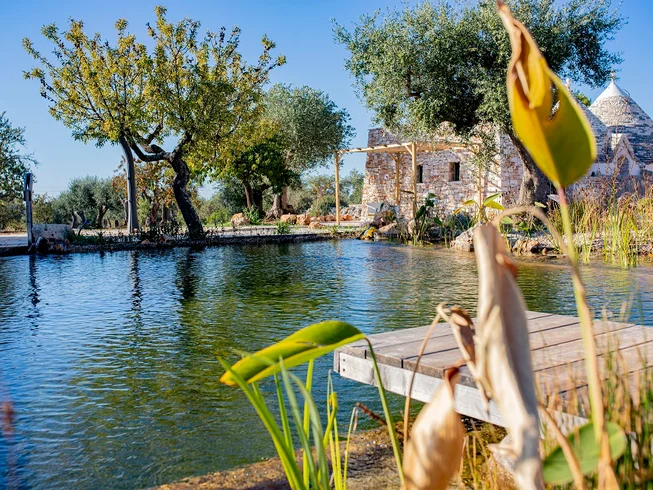
March is one of the two best months to be in Portugal, and the wildflower season is the reason. The hillsides of the Alentejo, the Serra da Arrábida south of Lisbon, and the limestone hills of the Algarve interior are in March covered in the most varied wildflower display in the country: the yellow of the cistus and the crown daisy, the deep blue of the rosemary and the lavender on the warmer slopes, the pale pink of the early rockrose, and in the Algarve the last of the almond blossom giving way to the first orange blossom in the coastal groves. The Serra da Monchique — the highland behind the western Algarve, rising to 900 metres — is in March a specific destination for the wildflower walks that the retreat centres in the area incorporate: the cork oak forest with the orchids on the hillsides, the streams running from the winter rains, and the temperatures of 16-20°C that make a full day’s walking genuinely comfortable.
The Atlantic surf on the western coast is in March at the peak of the swells that the North Atlantic winter produces — the wave season that runs from October through April hitting its March combination of consistent groundswell and warming air temperature. The surf break at Praia do Amado in the Algarve, Sagres at the southwestern tip of the continent, and the reef breaks of Ericeira north of Lisbon are all producing their spring conditions. Retreat centres that combine morning yoga with afternoon surf instruction are in March delivering the combination in its most complete form: the surf big enough to challenge, the air warm enough for the session to be pleasurable, and the evening restorative practice doing the recovery work that a day in the Atlantic demands.
Lisbon in March has the quality of a city emerging from winter with genuine energy. The feiras and markets operate at their spring frequency, the Alfama neighbourhood has the February rains finished and the spring light on the azulejo tiles, and the cultural programme of the city is running without the summer tourist compression. A retreat based in the Setúbal peninsula south of Lisbon with a Lisbon cultural day built into the programme is using March Portugal correctly. For the full March picture across the country, our yoga retreats in Portugal in March guide covers every region.
March is when Greece begins to open, and the combination of the wildflower season, the archaeological sites without summer crowds, and the retreat centres coming alive after winter produces a specific quality of early-spring Greek travel that June and July cannot replicate.
Crete in March is the island at its most green and most varied. The winter rains have produced the wildflower display that the island is famous for: wild orchids on the limestone hillsides, poppies in the valley floors, and anemones on the south-facing slopes above the Libyan Sea. The Samaria Gorge has its southern approach accessible from Agia Roumeli, and the coastal path from Agia Roumeli to the car-free village of Loutro — accessible only on foot or by the ferry that starts running in March — is the March walk that uses the south coast specifically and that the summer crowds never quite reach in peace.
The Peloponnese in March is the archaeological landscape at its spring best. The sites that were quiet in January and February — Mycenae, Epidaurus, the Byzantine city of Mystras on the Taygetos slopes — are in March accessible with the first spring visitors but before the summer tour group density. The Taygetos coastal paths above Stoupa and Kardamyli are in March lined with the wildflowers that the winter rains produced, and the specific combination of ancient landscape, coastal light, and spring flowers is the March Peloponnese at its most complete.
The Cyclades begin to open from late March. Paros, Naxos, and Syros — the first islands to reopen after the winter closure — have a March character that is specifically worth seeking: the tourist infrastructure becoming operational without yet being populated, the ferries running without being full, and the Cycladic landscape in its spring clarity without the August haze. For the full March Greece picture, our yoga retreats in Greece in March guide covers what the month offers from Crete to the Cyclades.
March is the final month of Costa Rica’s Pacific dry season, and the retreat scene on the Nicoya Peninsula responds accordingly — running its most complete programmes of the year in the window between the January-February peak and the May rains that begin the green season. Santa Teresa, Nosara, and Tamarindo are all in March at the combination of consistent surf, warm dry air (28-32°C), and retreat infrastructure at full capacity that makes this stretch of Pacific coast one of the most compelling yoga retreat environments in the world.
Santa Teresa specifically has developed one of the most concentrated yoga communities outside of Bali and Rishikesh — the combination of the left-hand beach break that produces consistent surf for all levels, the jungle behind the beach with the howler monkeys audible from morning practice, and the accumulation of teachers and practitioners who chose Santa Teresa as a permanent base produces a community that retreats plug into rather than create from scratch. In March, this community is at its most active and most visible.
Nosara is the quieter and more established of the two — the surf break at Playa Guiones more consistent and more manageable for beginners, the retreat centres more permanently rooted, and the community more intentionally focused on the long-term wellness lifestyle. The Nosara Yoga Institute has been training teachers here since 1994, and the depth of instruction available in March, when the annual training programmes are in full operation, is exceptional. The howler monkeys, the scarlet macaws on the beach at low tide, and the bioluminescent plankton in the breaking waves at night are the specifically Costa Rican natural dimension that March conditions make fully available. Our yoga retreats in Costa Rica in March guide covers the full Nicoya Peninsula and beyond.
March is the beginning of Nepal’s spring trekking season, and the combination of the first rhododendron forests in bloom on the Annapurna approaches and the improving visibility after the winter haze produces a specific Himalayan spring experience that October cannot replicate. The rhododendron forests of the Annapurna sanctuary trail, the Ghorepani-Poon Hill circuit, and the approaches to the Langtang valley are in March covered in the crimson and pink of the flowering rhododendron trees — the national flower of Nepal, blooming from the foothills at 2,000 metres to the tree line at 4,000 metres in a progression that follows the warming temperature through March and April.
Pokhara in March has the Annapurna range visible above the Phewa Lake with a clarity that the summer haze removes entirely. The lakeside retreat centres are in March at their spring energy: the gardens in flower, the temperature of 18-24°C making outdoor morning practice comfortable, and the trails above the city accessible for the afternoon hikes that balance the retreat schedule. Yoga retreats in the Pokhara valley combine daily practice with the Sarangkot sunrise hike — the viewpoint where the Annapurna range appears in the first light — and the shorter treks toward the World Peace Pagoda or the Australian Camp, each producing views of the range in the March morning light.
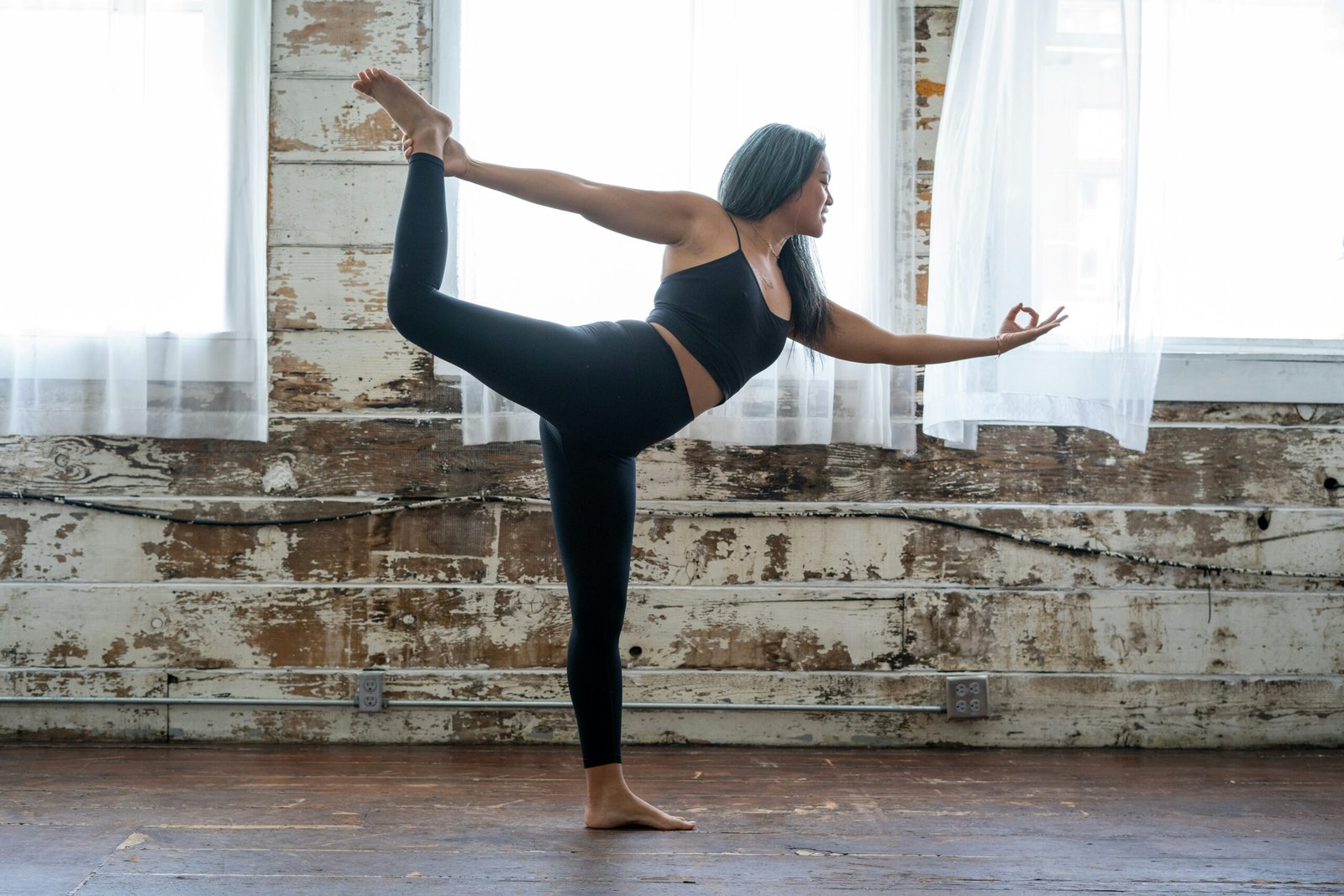
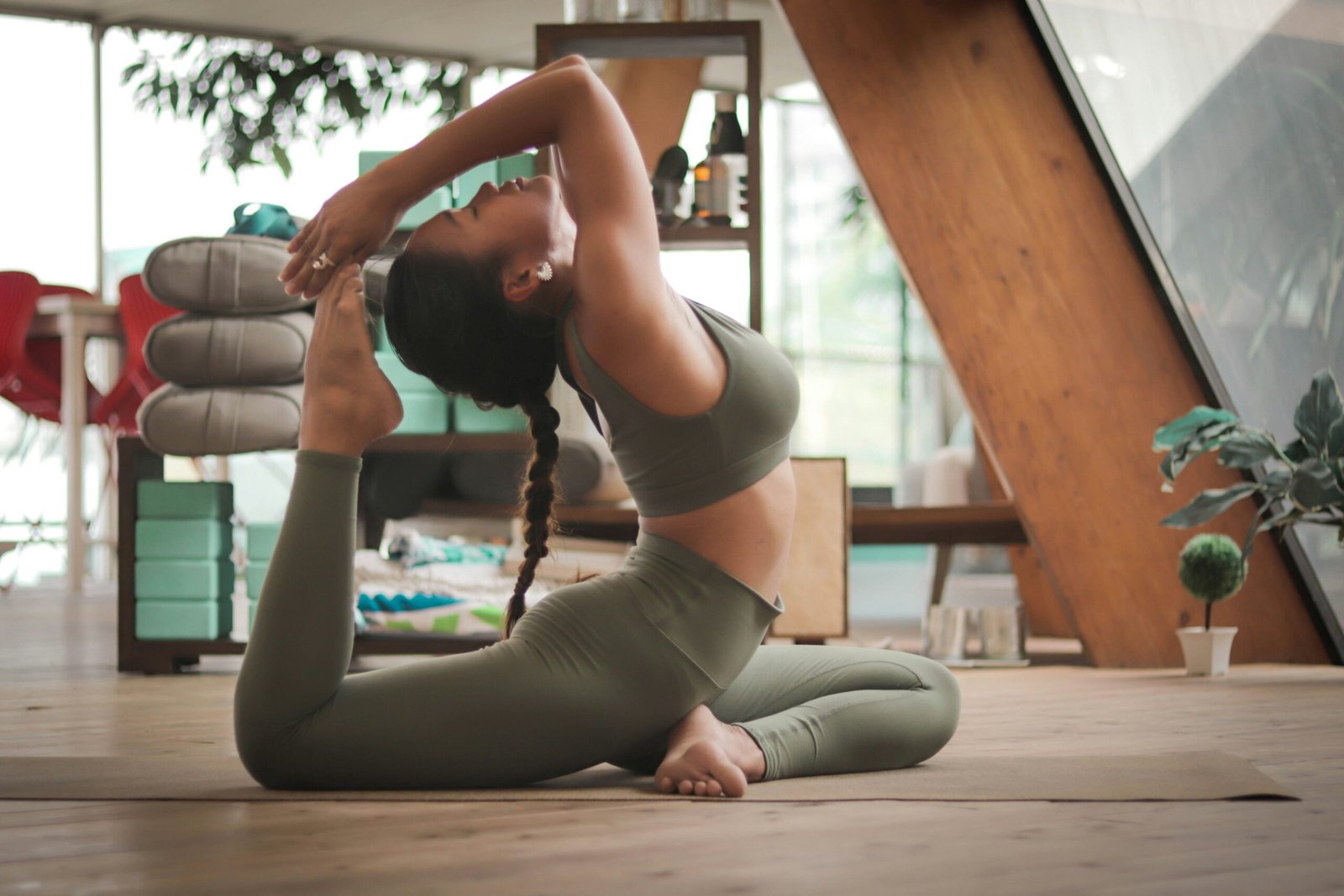
Something shifts in the body in March that no amount of winter practice can fully prepare you for. After months of slow, inward movement, the system suddenly wants more — more range, more breath, more challenge. Muscles that have been carefully warmed and gently stretched through the cold months are now genuinely ready to open, and the difference is palpable on the mat. Standing sequences feel more grounded, backbends feel more accessible, and the breath moves with a freedom that deep winter, for all its gifts, tends to muffle. March practice has an aliveness to it that is its own reward.
This is the moment to reintroduce more dynamic styles with intention. Vinyasa flows that felt excessive in January now feel appropriate and energising. Sun salutations practised in the early morning light — which in March finally arrives at a civilised hour — take on a different quality entirely, less ritual and more genuine celebration of the body’s returning capacity. The key is not to rush the transition or demand summer-level performance from a system that is still in the process of waking up, but to meet the body’s emerging energy with practices that match it: progressively more challenging, progressively more joyful, and progressively more connected to the world outside rather than the world within.
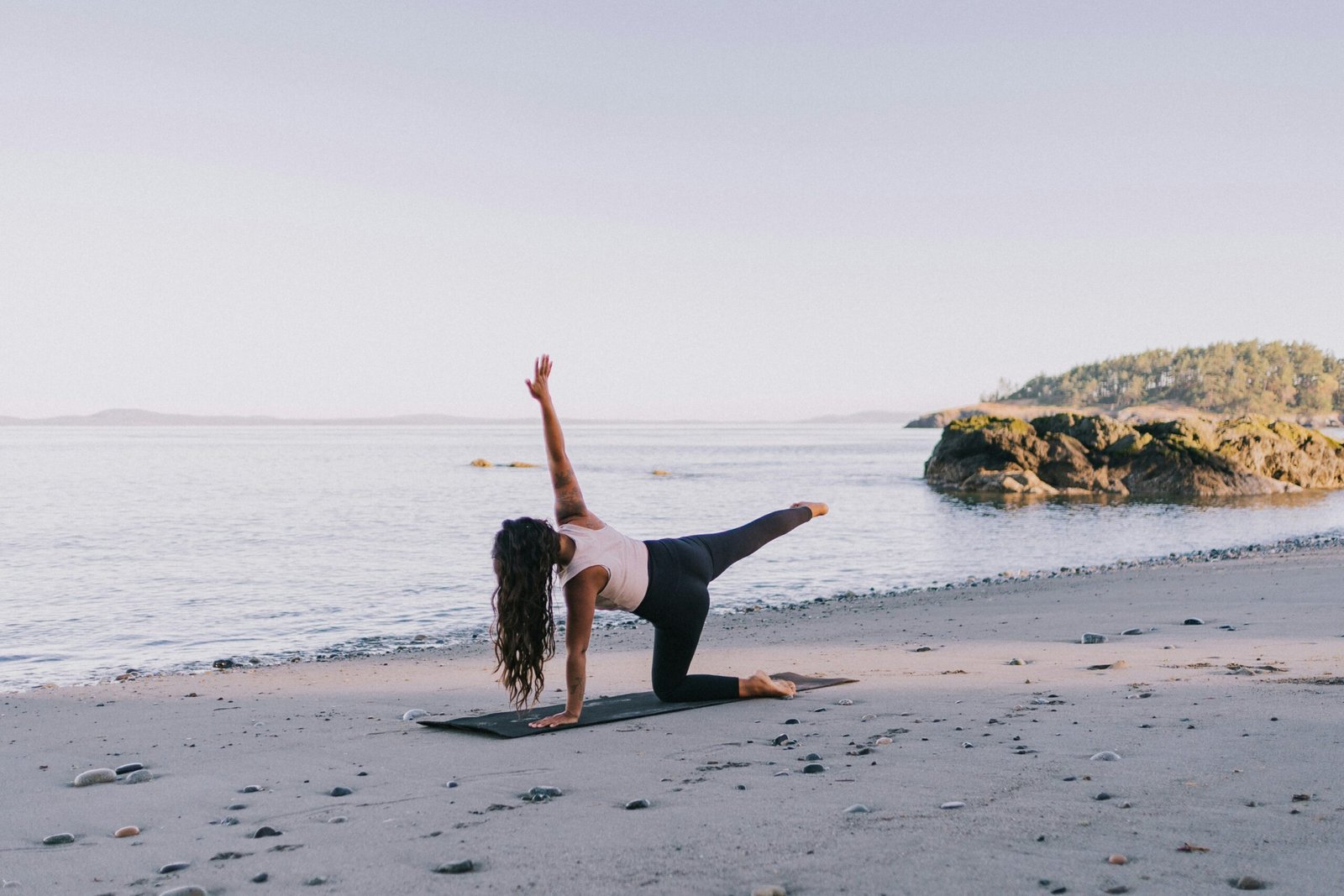
The outdoor practice that January and February allowed only in the warmest destinations becomes in March available across most of the retreat world. The shift from the indoor studio to the terrace, the garden, or the beach changes the practice in ways that are difficult to anticipate and impossible to replicate inside. The quality of natural light, the sound of wind or birds or sea, and the subtle physical demand of practising on an uneven surface all add dimensions to the same poses that the controlled studio environment removes. March outdoor practice is not easier than indoor practice — it is more alive.
March brings with it a psychological shift that is as significant as the physical one. The introspection of winter — valuable, necessary, and often genuinely transformative — begins to feel like a coat that no longer fits. The questions that occupied the long dark months have either found their answers or revealed themselves as the wrong questions entirely. A March retreat creates space to process what winter actually produced: the insights, the shifts in perspective, the things that were let go of and the things that were quietly decided. This is integration work, and it matters as much as the original inquiry.
There is also something to be said for the simple psychological relief of March. The return of light affects mood, cognition, and motivation in ways that are well-documented and deeply felt. Serotonin production increases, energy becomes more consistent throughout the day, and the social impulse — suppressed through the colder months — begins to reassert itself. A retreat in March catches this process at its beginning: the shift is happening, but it has not yet accelerated into the full spring energy that April and May produce. This makes March uniquely useful for setting the direction of the year’s next chapter rather than simply riding the wave of seasonal energy.
The practice of sankalpa — the Sanskrit concept of heartfelt intention, different from the resolution in that it describes what already exists in potential rather than what needs to be forced into being — finds its most natural home in March. The ground has been prepared through winter. The seed has been planted through the introspection of January and February. March is the moment the first shoot breaks the surface, and the retreat that supports this emergence rather than rushing it creates conditions for the most durable kind of change.
March is the month to decisively change how you eat, and a retreat provides the ideal context for making that shift consciously rather than haphazardly. Ayurveda is unambiguous on this point: as Kapha season peaks in late winter and early spring, the heaviest, most grounding foods of the cold months begin to work against the body rather than for it.
Dense grains, heavy dairy, and rich slow-cooked dishes that were genuinely nourishing in December now contribute to the sluggishness, congestion, and low motivation that many people experience in March without quite understanding why. The dietary prescription is clear: lighter, warmer, more bitter, more pungent.
In practice, this means moving toward steamed and lightly sautéed vegetables, legume-based dishes that are warming but not heavy, bitter greens like rocket and dandelion that actively support the liver’s spring clearing work, and pungent spices — ginger, black pepper, turmeric, mustard seed — that stimulate digestion and metabolism after months of winter slowdown.
Raw food can begin to make a cautious return, particularly at midday when digestive fire is strongest, but the full raw salads of summer are still a few weeks away. Hydration shifts too: while warm teas remain valuable, the body in March begins to tolerate and even welcome room-temperature water again, a small but telling sign that the seasonal transition is genuinely underway.
Your email address will not be published. Required fields are marked *