
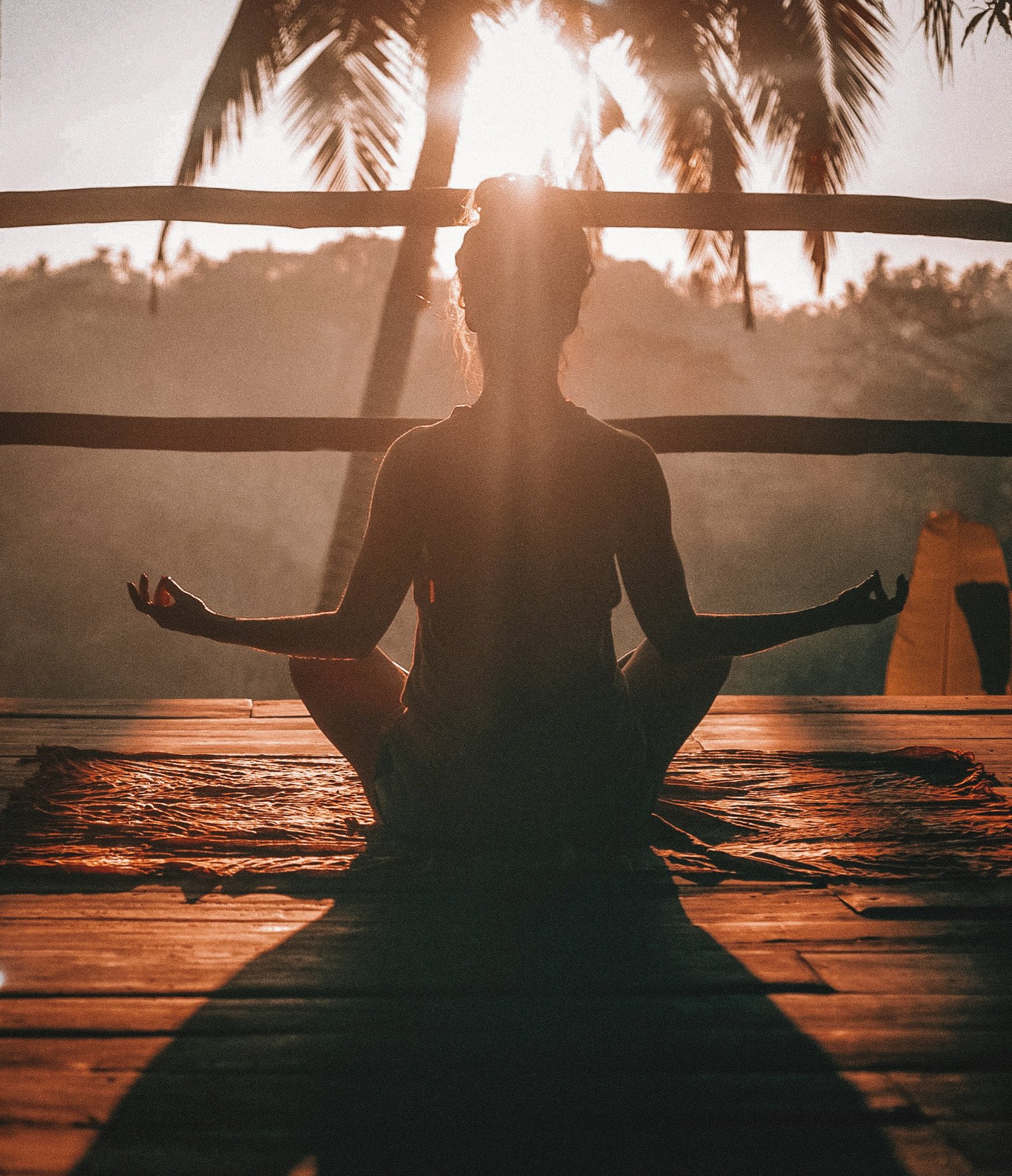
The format of a retreat shapes the experience more than the destination or the teacher. Here’s an honest breakdown of boutique versus group retreats — and how to know which one you actually need.


A boutique retreat is typically defined by small numbers — usually between six and twelve participants — and a level of intentionality about the space, the programme, and the food that larger retreats can’t sustain at scale. The term has been diluted by overuse in wellness marketing, so it’s worth being specific about what it actually means in practice.
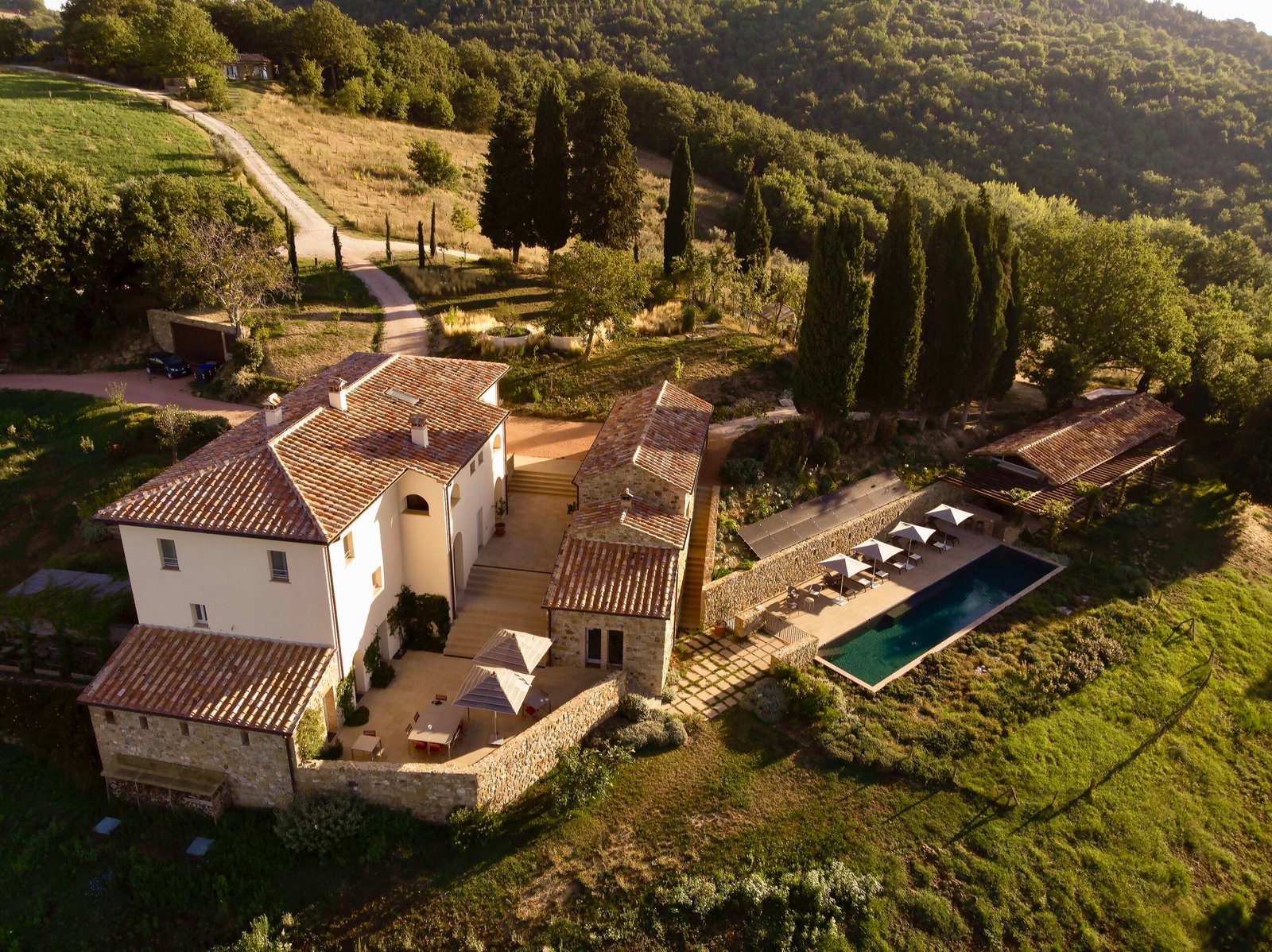
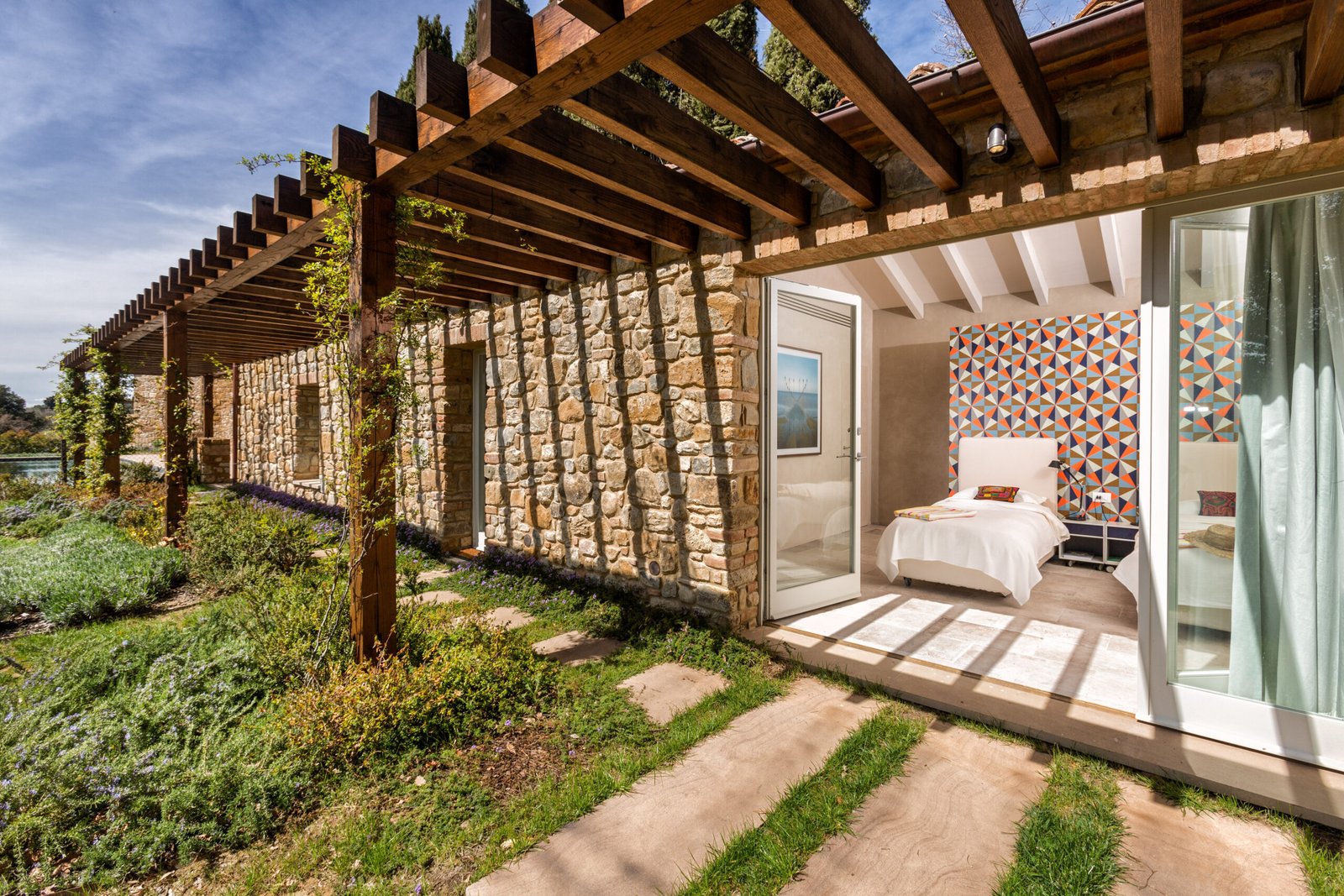
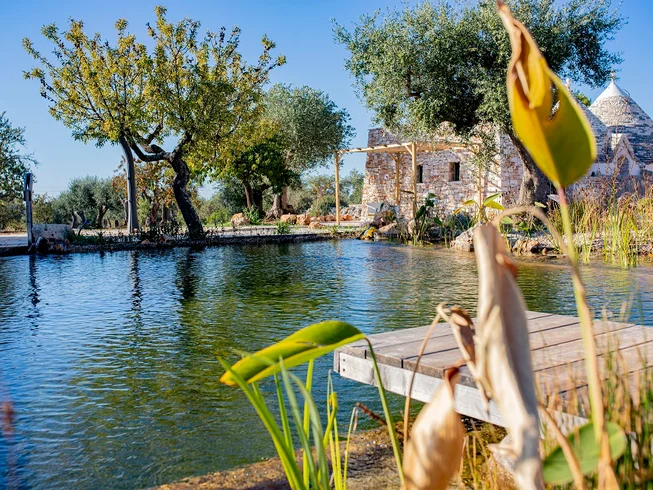
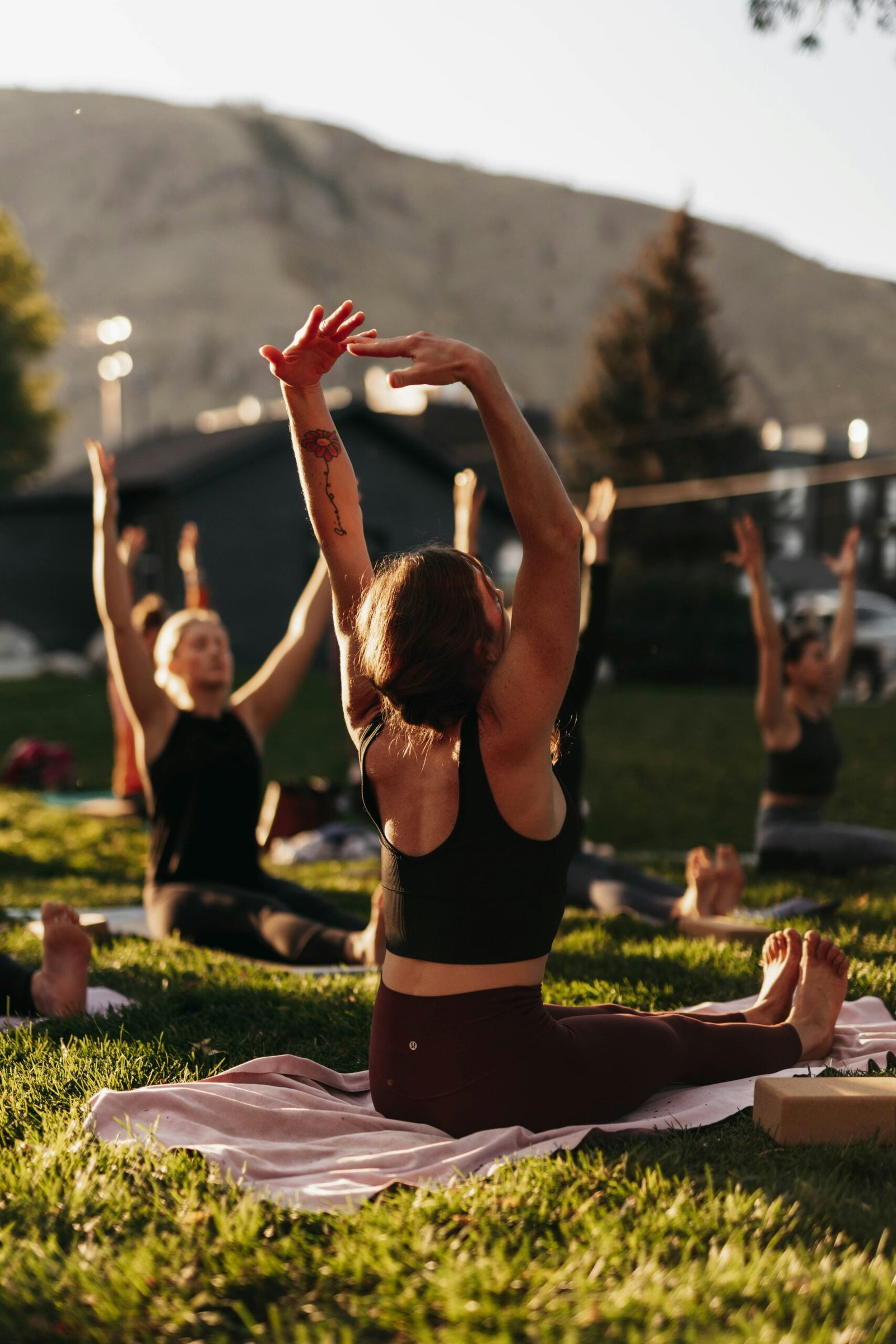
In a genuine boutique retreat, the teacher knows your name and your physical limitations by the second session. Meals are prepared with attention to the group rather than produced for volume. The schedule has enough flexibility to respond to what the group actually needs rather than following a fixed template. The space itself tends to be chosen for atmosphere and character rather than capacity — a farmhouse, a private villa, a restored masseria — rather than a purpose-built wellness resort.
The experience is inherently more personal, which means both more supported and more exposed. There’s less room to disappear into the crowd, which is either exactly what you need or something you’d prefer to avoid.

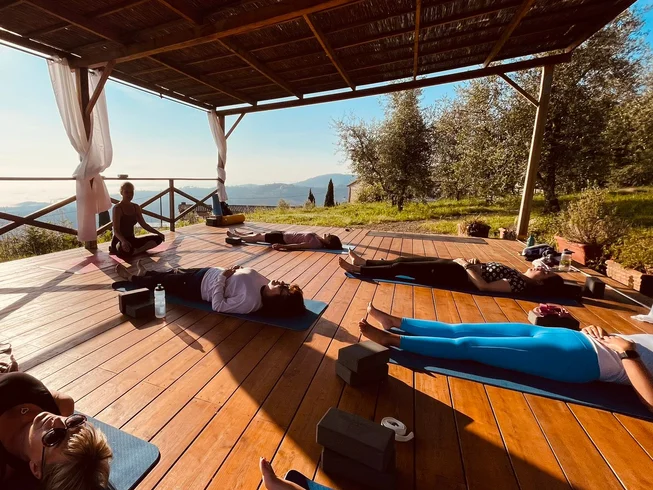

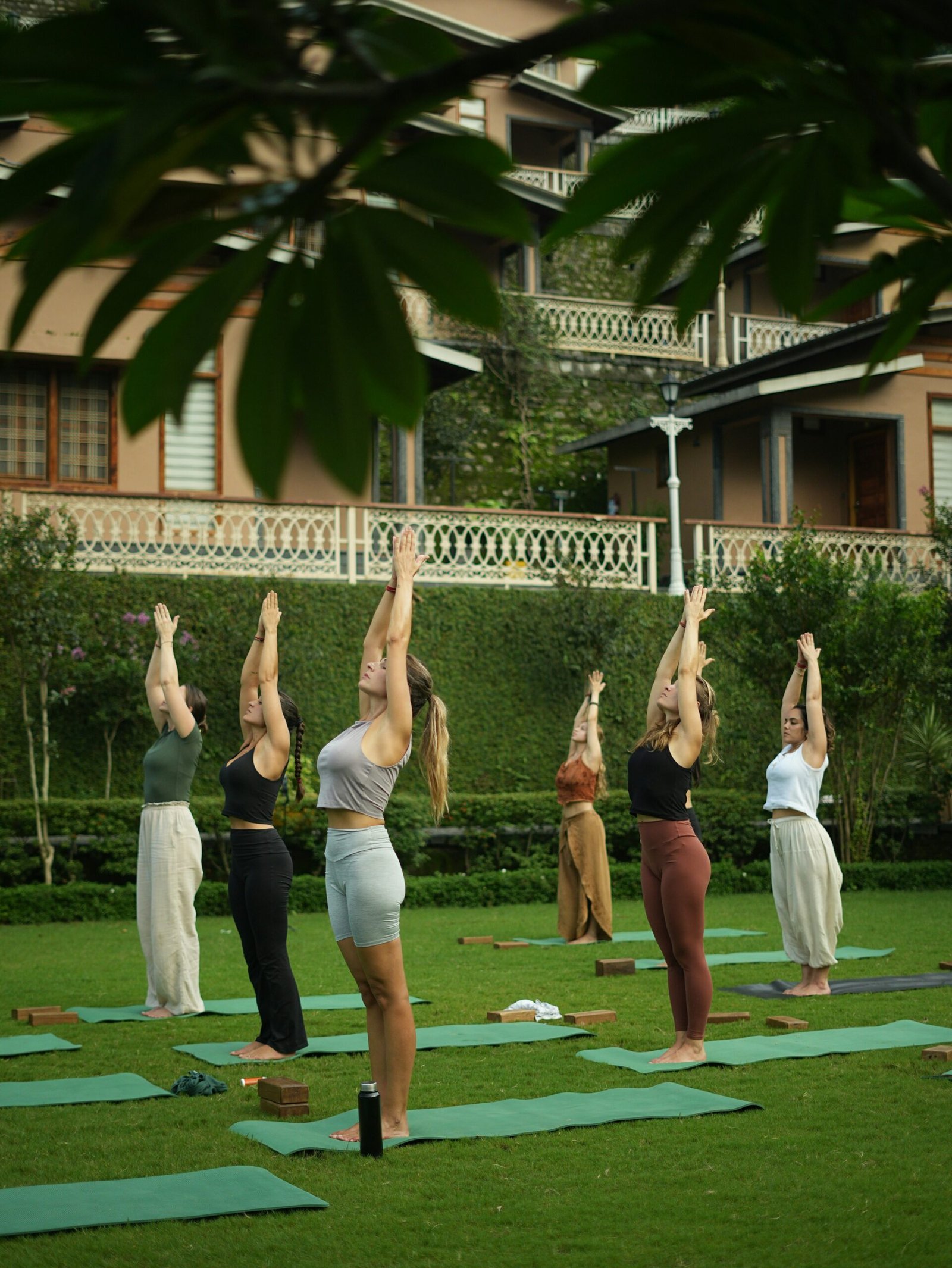
Group retreats — typically 20 or more participants — operate on different dynamics. The energy is more outward, the schedule more fixed, the social environment more varied and potentially more stimulating.
The practical advantages are real. Costs are shared across more participants, making group retreats significantly more accessible at the lower end of the price range. The infrastructure tends to be more developed — larger venues with pools, multiple treatment rooms, a range of classes running simultaneously. The social environment means that solo travellers are almost always surrounded by other people, which removes the potential isolation of a very small group where social chemistry matters more.
The trade-off is individual attention. In a group of 25, a teacher cannot meaningfully track each person’s physical or psychological experience. The programme is necessarily designed for the group’s average needs rather than each individual’s specific ones. If you blend in easily and find the collective energy motivating, this is a minor limitation. If you’re dealing with something specific — physical injury, deep exhaustion, emotional difficulty — the group format may simply not have the bandwidth to meet you where you are.
For boutique options specifically, yoga retreats in the Peloponnese and yoga retreats in Portugal consistently offer the smaller-group formats that suit those looking for more individual attention.
Beyond the practical differences, boutique and group retreats tend to produce genuinely different psychological experiences.
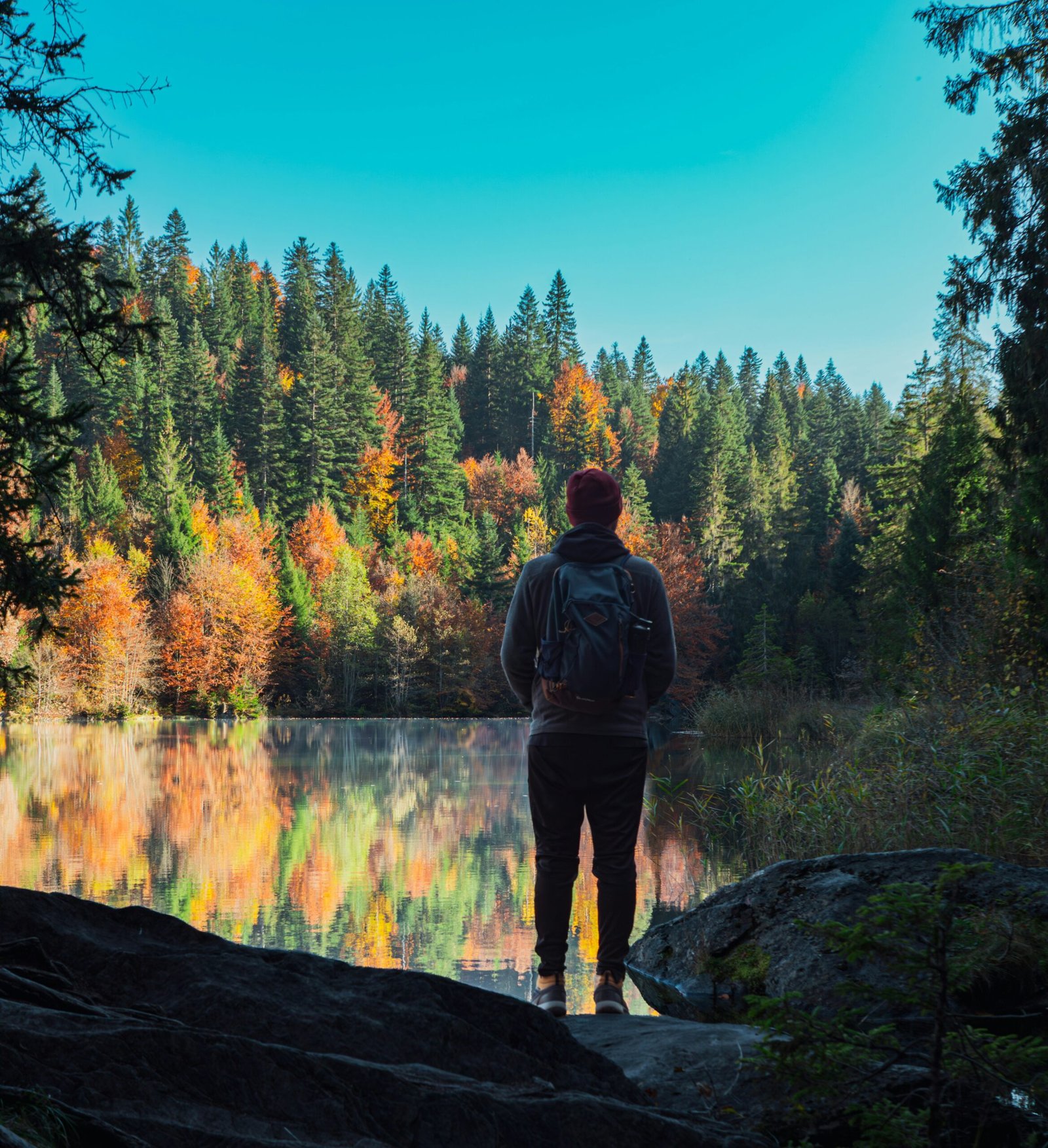
Small group settings create conditions for introspection that larger groups don’t. With fewer social inputs, the nervous system downregulates more quickly. There’s less performance pressure — less of the unconscious calibration to others that happens automatically in any social environment, and more quickly in unfamiliar ones. Days feel slower and more spacious. Internal experience becomes more accessible.
This is particularly significant for people coming from high-stimulation environments — demanding jobs, urban living, constant connectivity — where the nervous system has been running on alert for an extended period. The fewer the external inputs, the faster and deeper the shift tends to be.
Group retreats produce a different effect. Being in a larger community of people working toward similar things creates a kind of shared momentum that some people find genuinely therapeutic. Seeing yourself reflected in others — recognising your own patterns in someone else’s experience, finding unexpected connection across different backgrounds — can be profoundly reassuring. For people who feel isolated or disconnected in ordinary life, the community itself is part of what they need, not just the yoga.
Neither experience is superior. They address different needs, and sometimes the same person needs different things at different moments in their life.
Rather than trying to determine which format is objectively better, the more useful question is what you actually need right now.
If you are coming from a period of sustained exhaustion or burnout, a boutique or small-group setting will almost certainly serve you better. The reduced social load, the greater individual attention, and the slower pace of a smaller group allow for the depth of rest and the degree of personal support that serious depletion requires. A large group retreat risks adding social stimulation to a nervous system that needs the opposite.
If you are new to retreat experiences and uncertain whether you’ll feel comfortable, a group setting can be reassuring. The larger social environment means less pressure on any individual relationship within the group, and the structured schedule removes the uncertainty of what to do with unstructured time — which beginners often find more anxiety-provoking than they expect.
If you’re specifically looking for community — for connection with people who share your interests and values, for the experience of shared practice as its own form of restoration — a group retreat delivers this in a way that a six-person boutique experience simply can’t.
If you have specific physical requirements, a significant injury, or are working through something emotionally complex, a boutique or private setting gives teachers and facilitators the capacity to actually meet those needs. In a group of 25, this is genuinely difficult.
Consider also your social temperament honestly. If you find large groups energising, the social dimension of a group retreat will enhance the experience. If you find them depleting — if parties leave you more tired than you arrived, if you do your best thinking alone — a boutique setting will give your nervous system what it needs.
Over the last decade, the boutique retreat model has grown significantly, and the reasons are worth understanding.
Part of it is a reaction to the commodification of wellness. As large resort chains have moved into the retreat market, the experience they offer has become recognisably standardised — the same green smoothies, the same vinyasa sequences, the same morning meditation bell, regardless of location or teacher. Travellers who have been through this experience once tend to look, the second time, for something that feels more real.
Boutique retreats tend to be hosted by people who live in or are deeply connected to the region — local teachers, families who have converted their properties, small operators who personally curate the programme and the guest list. That rootedness adds a cultural dimension and an authenticity that larger operations struggle to replicate.
There’s also the quality question. Maintaining high-quality food, genuinely attentive teaching, and a physically beautiful environment is substantially easier with eight guests than with 40. The boutique model isn’t just a marketing position — it’s a structural advantage when quality is the priority.
Your email address will not be published. Required fields are marked *