
Das Format eines Retreats prägt das Erlebnis mehr als das Reiseziel oder der/die Kursleiter/in. Hier finden Sie einen ehrlichen Vergleich von Boutique- und Gruppen-Retreats – und wie Sie herausfinden, welches Retreat wirklich zu Ihnen passt.


Ein Boutique-Retreat zeichnet sich typischerweise durch kleine Gruppen – meist sechs bis zwölf Teilnehmer – und eine besondere Sorgfalt bei der Gestaltung von Raum, Programm und Verpflegung aus, die größere Retreats in diesem Umfang nicht gewährleisten können. Der Begriff wurde durch inflationären Gebrauch im Wellness-Marketing verwässert, daher ist es wichtig, seine praktische Bedeutung genauer zu definieren.
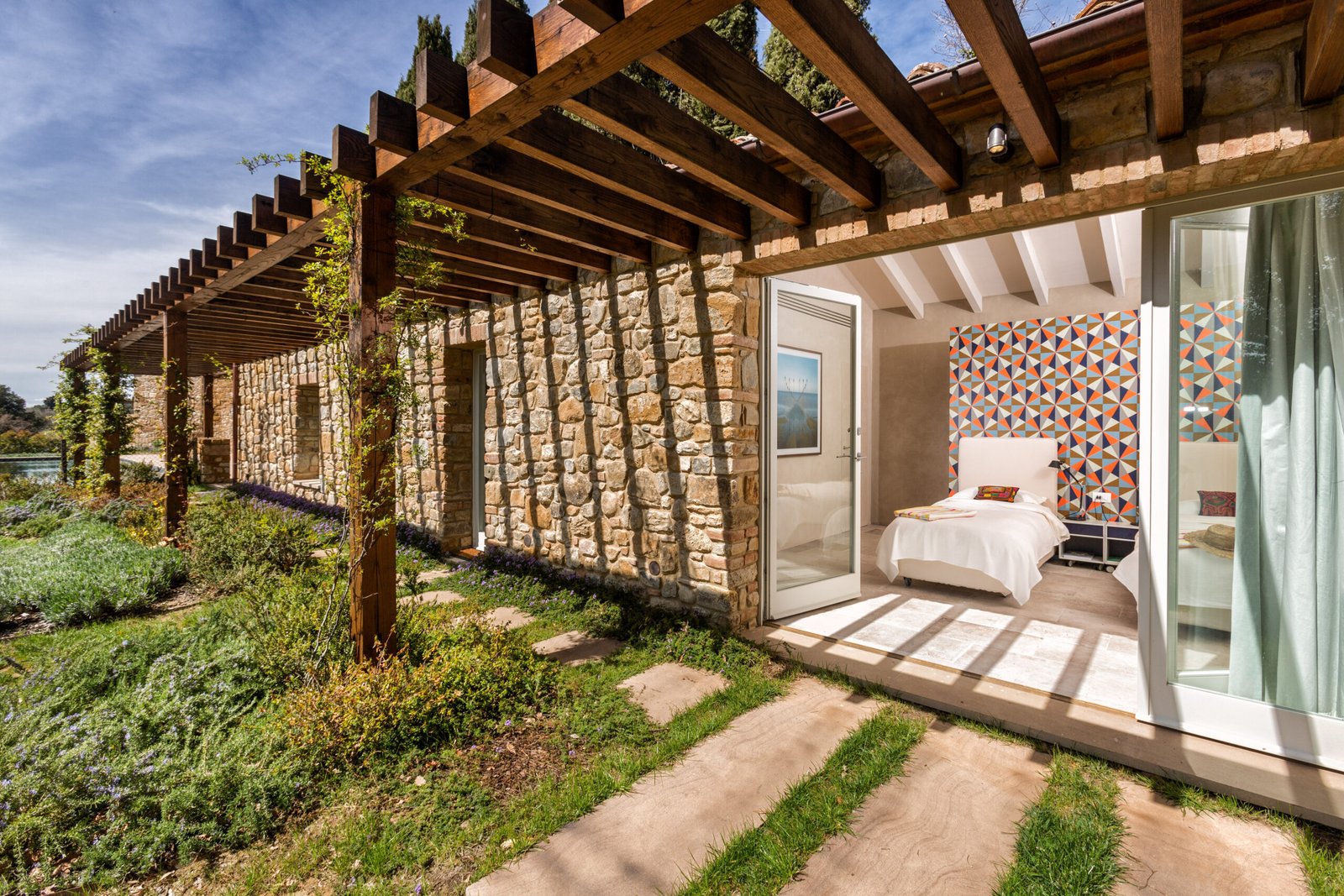
In einem authentischen Boutique-Retreat kennt der Lehrer bereits nach der zweiten Einheit Ihren Namen und Ihre körperlichen Grenzen. Die Mahlzeiten werden individuell auf die Gruppe abgestimmt zubereitet, nicht nach Massenproduktion. Der Tagesablauf ist flexibel genug, um auf die Bedürfnisse der Gruppe einzugehen, anstatt einem starren Schema zu folgen. Die Räumlichkeiten selbst werden eher nach Atmosphäre und Charakter als nach Größe ausgewählt – ein Bauernhaus, eine private Villa, eine restaurierte Masseria – und nicht nach einem eigens dafür errichteten Wellness-Resort.
Das Erlebnis ist naturgemäß persönlicher, was sowohl mehr Unterstützung als auch mehr Offenheit bedeutet. Man hat weniger Raum, in der Menge unterzugehen, was entweder genau das ist, was man braucht, oder etwas, das man lieber vermeiden möchte.


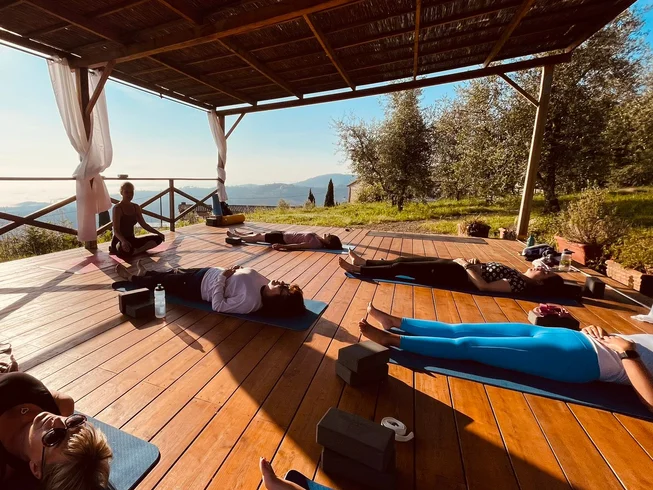

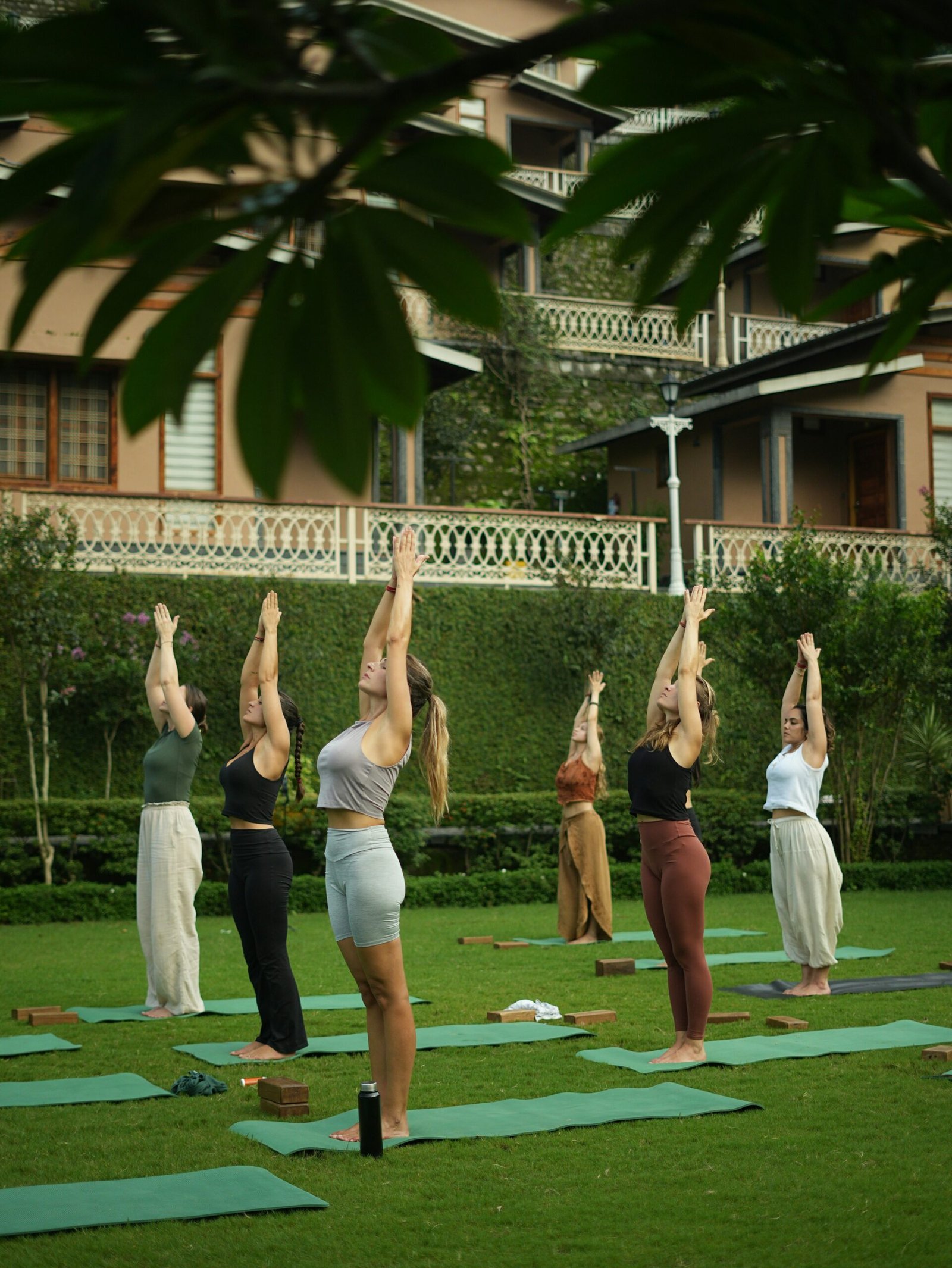
Gruppenausflüge Gruppen mit in der Regel 20 oder mehr Teilnehmern agieren nach einer anderen Dynamik. Die Energie ist stärker nach außen gerichtet, der Zeitplan ist festgelegter, das soziale Umfeld abwechslungsreicher und potenziell anregender.
Die praktischen Vorteile liegen auf der Hand. Die Kosten verteilen sich auf mehr Teilnehmer, wodurch Gruppenreisen auch im unteren Preissegment deutlich erschwinglicher werden. Die Infrastruktur ist in der Regel besser ausgebaut – größere Veranstaltungsorte mit Pools, mehreren Behandlungsräumen und einem vielfältigen Kursangebot. Dank des sozialen Umfelds sind Alleinreisende fast immer von anderen Menschen umgeben, wodurch die potenzielle Isolation einer sehr kleinen Gruppe, in der die soziale Chemie eine größere Rolle spielt, vermieden wird.
Der Nachteil liegt in der individuellen Betreuung. In einer Gruppe von 25 Personen kann ein Kursleiter die körperlichen und psychischen Bedürfnisse jedes Einzelnen nicht ausreichend berücksichtigen. Das Programm ist daher zwangsläufig auf die durchschnittlichen Bedürfnisse der Gruppe und nicht auf die individuellen Bedürfnisse jedes Teilnehmers ausgerichtet. Wenn Sie sich gut einfügen und die Gruppendynamik als motivierend empfinden, ist dies eine geringfügige Einschränkung. Sollten Sie jedoch mit spezifischen Problemen zu kämpfen haben – wie einer körperlichen Verletzung, tiefer Erschöpfung oder emotionalen Schwierigkeiten –, bietet das Gruppenformat möglicherweise nicht die nötige Unterstützung, um Sie dort abzuholen, wo Sie stehen.

Speziell für Boutique-Angebote, Yoga-Retreats auf dem Peloponnes und Yoga Retreats in Portugal Wir bieten durchgehend kleinere Gruppenformate an, die sich für diejenigen eignen, die eine individuellere Betreuung wünschen.
Abgesehen von den praktischen Unterschieden erzeugen Boutique- und Gruppen-Retreats tendenziell ganz unterschiedliche psychologische Erfahrungen.
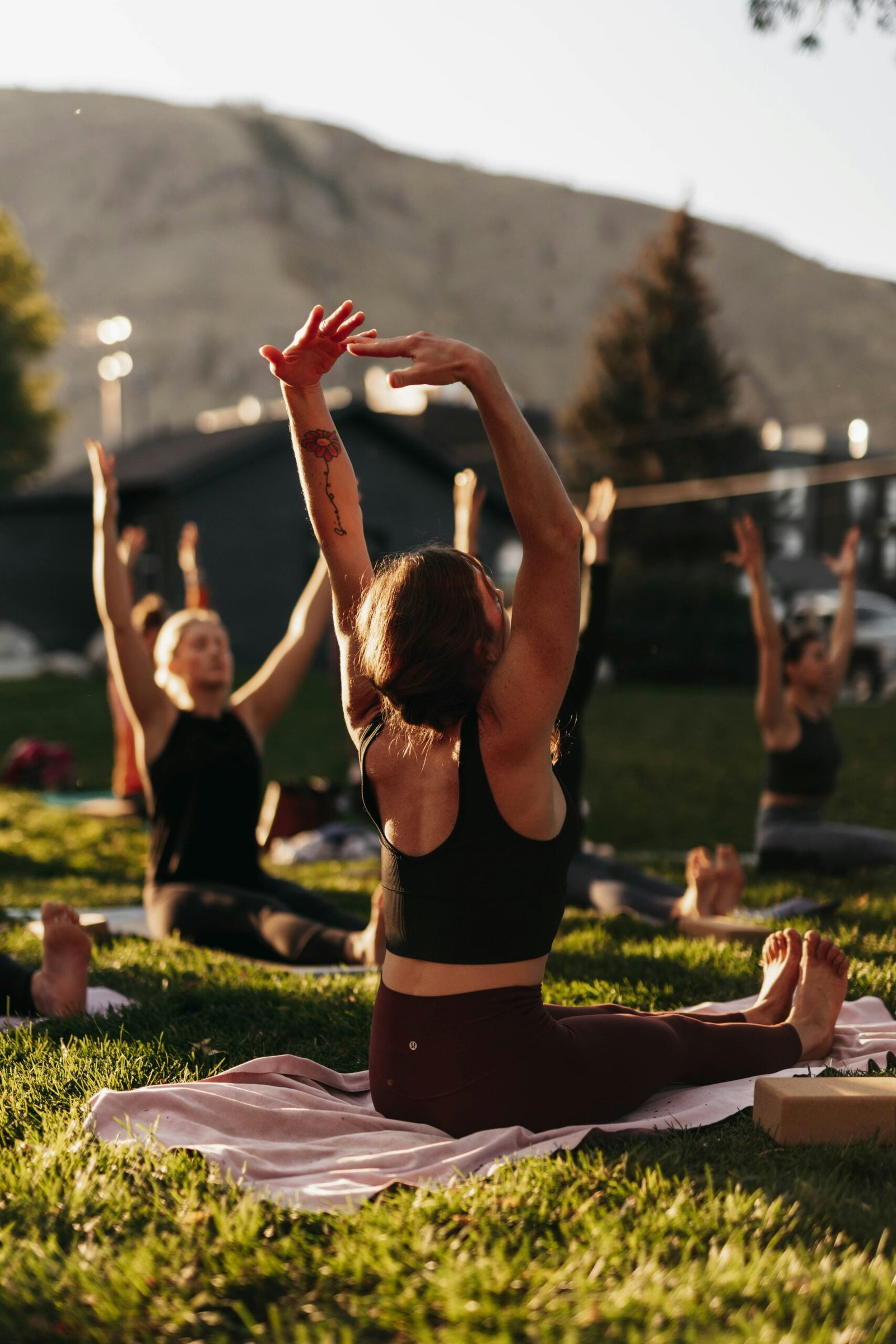
Kleingruppen schaffen Bedingungen für Selbstreflexion, die größere Gruppen nicht bieten. Durch weniger soziale Reize beruhigt sich das Nervensystem schneller. Der Leistungsdruck nimmt ab – die unbewusste Anpassung an andere, die in jeder sozialen Umgebung automatisch und in ungewohnten Umgebungen besonders schnell erfolgt, findet seltener statt. Die Tage erscheinen langsamer und weitläufiger. Innere Erfahrungen werden zugänglicher.
Dies ist besonders bedeutsam für Menschen aus reizüberfluteten Umgebungen – anspruchsvolle Berufe, urbanes Leben, ständige Erreichbarkeit –, deren Nervensystem über einen längeren Zeitraum im Alarmzustand war. Je weniger äußere Reize vorhanden sind, desto schneller und tiefgreifender vollzieht sich die Veränderung in der Regel.
Gruppenretreats haben eine andere Wirkung. Die Zugehörigkeit zu einer größeren Gemeinschaft von Menschen, die ähnliche Ziele verfolgen, erzeugt eine Art gemeinsame Dynamik, die manche als wahrhaft heilsam empfinden. Sich selbst in anderen wiederzuerkennen – die eigenen Muster in den Erfahrungen anderer zu erkennen, unerwartete Verbindungen über verschiedene Hintergründe hinweg zu knüpfen – kann zutiefst beruhigend wirken. Für Menschen, die sich im Alltag isoliert oder abgekoppelt fühlen, ist die Gemeinschaft selbst ein wichtiger Bestandteil dessen, was sie brauchen, nicht nur das Yoga.
Keine der beiden Erfahrungen ist überlegen. Sie befriedigen unterschiedliche Bedürfnisse, und manchmal braucht ein und dieselbe Person in verschiedenen Lebensphasen unterschiedliche Dinge.
Anstatt zu versuchen, objektiv zu bestimmen, welches Format besser ist, ist die sinnvollere Frage, was Sie im Moment tatsächlich brauchen.
Wenn Sie sich nach einer Phase anhaltender Erschöpfung oder eines Burnouts erholen, ist ein Boutique- oder Kleingruppen-Retreat mit ziemlicher Sicherheit die bessere Wahl. Die geringere soziale Belastung, die intensivere individuelle Betreuung und das langsamere Tempo einer kleineren Gruppe ermöglichen die tiefe Erholung und die persönliche Unterstützung, die bei starker Erschöpfung notwendig sind. Ein Retreat in einer großen Gruppe birgt hingegen das Risiko, ein Nervensystem, das Ruhe und Entspannung benötigt, zusätzlich zu stimulieren.
Wenn Sie noch keine Erfahrung mit Retreats haben und sich unsicher sind, ob Sie sich wohlfühlen werden, kann die Gruppensituation beruhigend wirken. Das größere soziale Umfeld reduziert den Druck auf die einzelnen Beziehungen innerhalb der Gruppe, und der strukturierte Ablauf nimmt die Unsicherheit darüber, wie man die freie Zeit gestaltet – was Anfänger oft als angstauslösender empfinden als erwartet.
Wenn Sie gezielt nach Gemeinschaft suchen – nach Kontakt zu Menschen, die Ihre Interessen und Werte teilen, nach der Erfahrung gemeinsamer Übungen als einer Form der Erholung –, dann bietet Ihnen ein Gruppenretreat genau das, was ein Boutique-Erlebnis für sechs Personen einfach nicht leisten kann.
Wenn Sie besondere körperliche Bedürfnisse haben, eine schwerwiegende Verletzung erlitten haben oder sich in einer emotional schwierigen Situation befinden, bietet ein kleineres oder privates Umfeld den Lehrkräften und Kursleitern die Möglichkeit, diesen Bedürfnissen wirklich gerecht zu werden. In einer Gruppe von 25 Personen ist dies tatsächlich schwierig.
Berücksichtigen Sie auch Ihr soziales Temperament. Wenn Sie große Gruppen als anregend empfinden, wird die soziale Komponente eines Gruppenretreats die Erfahrung bereichern. Wenn Sie sie hingegen als erschöpfend empfinden – wenn Sie nach Partys müder sind als vorher, wenn Sie am besten allein nachdenken können – bietet Ihnen ein kleineres, exklusives Umfeld die nötige Ruhe und Entspannung.
Das Boutique-Retreat-Modell hat im letzten Jahrzehnt einen deutlichen Aufschwung erlebt, und die Gründe dafür sind es wert, verstanden zu werden.
Teilweise ist dies eine Reaktion auf die Kommerzialisierung von Wellness. Seitdem große Hotelketten in den Retreat-Markt eingestiegen sind, ist das angebotene Erlebnis erkennbar standardisiert – dieselben grünen Smoothies, dieselben Vinyasa-Sequenzen, dieselbe morgendliche Meditationsglocke, unabhängig von Ort oder Lehrer. Reisende, die diese Erfahrung bereits gemacht haben, suchen beim zweiten Mal eher nach etwas, das sich authentischer anfühlt.
Boutique-Retreats werden meist von Menschen veranstaltet, die in der Region leben oder eng mit ihr verbunden sind – von lokalen Lehrern, Familien, die ihre Häuser umgebaut haben, oder kleinen Anbietern, die das Programm und die Gästeliste persönlich zusammenstellen. Diese Verwurzelung verleiht den Retreats eine kulturelle Dimension und Authentizität, die größere Veranstalter nur schwer erreichen können.
Hinzu kommt die Frage der Qualität. Hochwertige Speisen, aufmerksamen Unterricht und ein ansprechendes Ambiente zu gewährleisten, ist mit acht Gästen deutlich einfacher als mit 40. Das Boutique-Konzept ist nicht nur ein Marketinginstrument, sondern ein struktureller Vorteil, wenn Qualität an erster Stelle steht.
Ihre E-Mail-Adresse wird nicht veröffentlicht. Erforderliche Felder sind mit * markiert