Yoga Retreats in Mexico in March

Slow Living: Why Stillness Has Become the Ultimate Modern Luxury

There’s a particular kind of exhaustion that doesn’t show up on a blood test.

It’s the fatigue of being permanently available — always responsive, always optimising, always half-distracted by the next notification. You’re functioning fine on paper. But somewhere along the way, you stopped feeling like yourself.

This is the defining condition of high-performing modern life. And it’s exactly why stillness — real, deliberate, unapologetic stillness — has become the most coveted luxury of our time.

AUTHOR

Om Away

DATE PUBLISHED

January 12, 2026

Share This Article

What Is Slow Living, Really?

Slow living isn’t about doing less for the sake of it. It’s not a productivity hack, a weekend detox, or a romanticised version of doing nothing.

It’s a conscious decision to stop letting speed dictate the terms of your life.

The slow living movement emerged in the 1980s as a direct response to the cult of busyness — first in food (the Slow Food movement in Italy), then spreading into travel, work, and everyday life. At its core, it asks a simple but radical question: what if how you do things matters more than how many things you do?

For burnt-out professionals, this isn’t philosophy. It’s survival.

under the tuscan sun_3

The Sanctuary for the Soul – the VIP Experience – Italy, Tuscany

the sweet earth retreat_4

The Sweet Earth Retreat – Italy, Tuscany

under the tuscan sun_1

Explore Tuscany: Retorno a Calma

7 Day Yoga, Relaxation, Wine Tasting and Olive Oil Tasting in the Heart of Tuscany, Italy

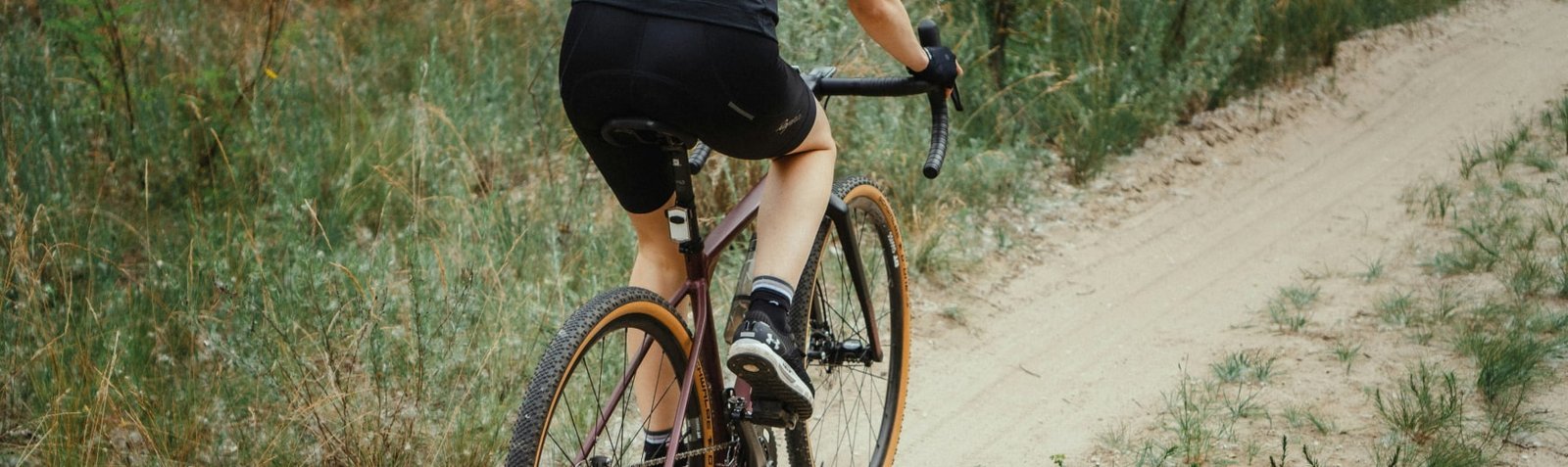
Bicycle

5 Day Private Couples Retreat The Art of Connection in Sardinia, Italy

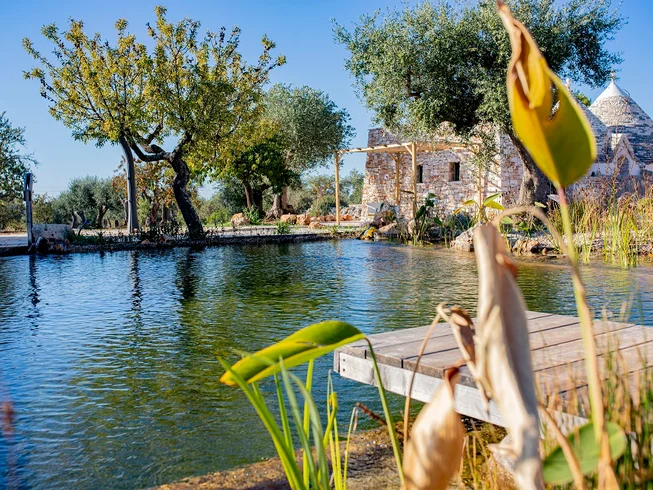
7 Day Italian Cooking, Tour and Yoga Holiday in Puglia, Italy

The Science of Slowing Down

The case for stillness isn’t just intuitive — it’s physiological.

Chronic stress keeps the body locked in a low-grade fight-or-flight state, flooding the system with cortisol. Over time, elevated cortisol suppresses immune function, disrupts sleep architecture, impairs memory consolidation, and increases the risk of cardiovascular disease. You feel it as brain fog, irritability, poor sleep, and a creeping sense that nothing is quite enjoyable anymore.

When you genuinely slow down — not just take a lazy Sunday, but shift your nervous system out of survival mode — the body begins to repair. Cortisol drops. The parasympathetic nervous system (your rest-and-digest mode) reactivates. Sleep deepens. Digestion improves. Cognitive clarity returns.

Research from the American Psychological Association consistently links nature exposure and reduced pace of life with measurable drops in anxiety and improved executive function. One study found that just three days in a natural environment significantly restored attention capacity in people with high mental fatigue.

Three days. That’s not a long time. But it has to be the right three days.

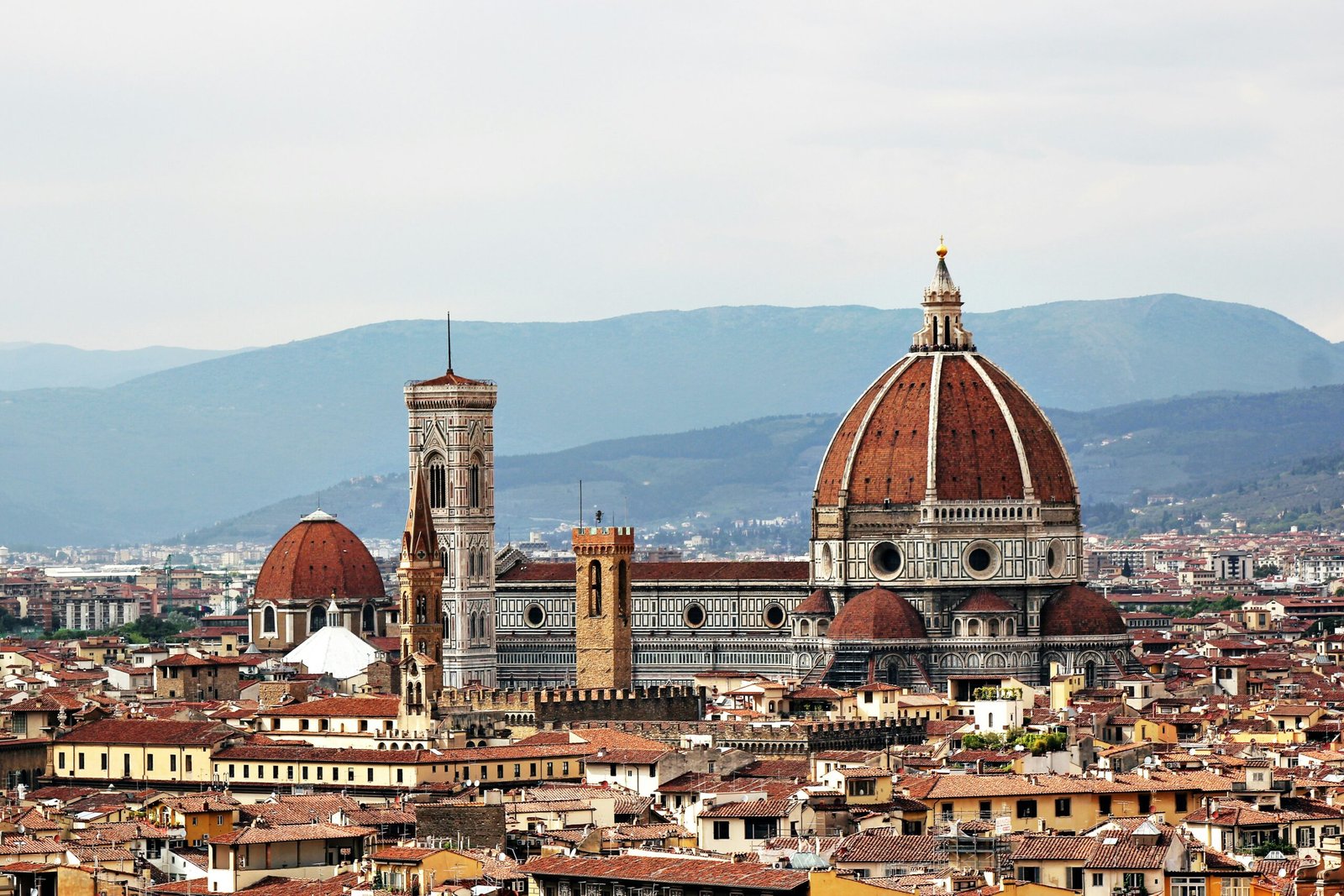
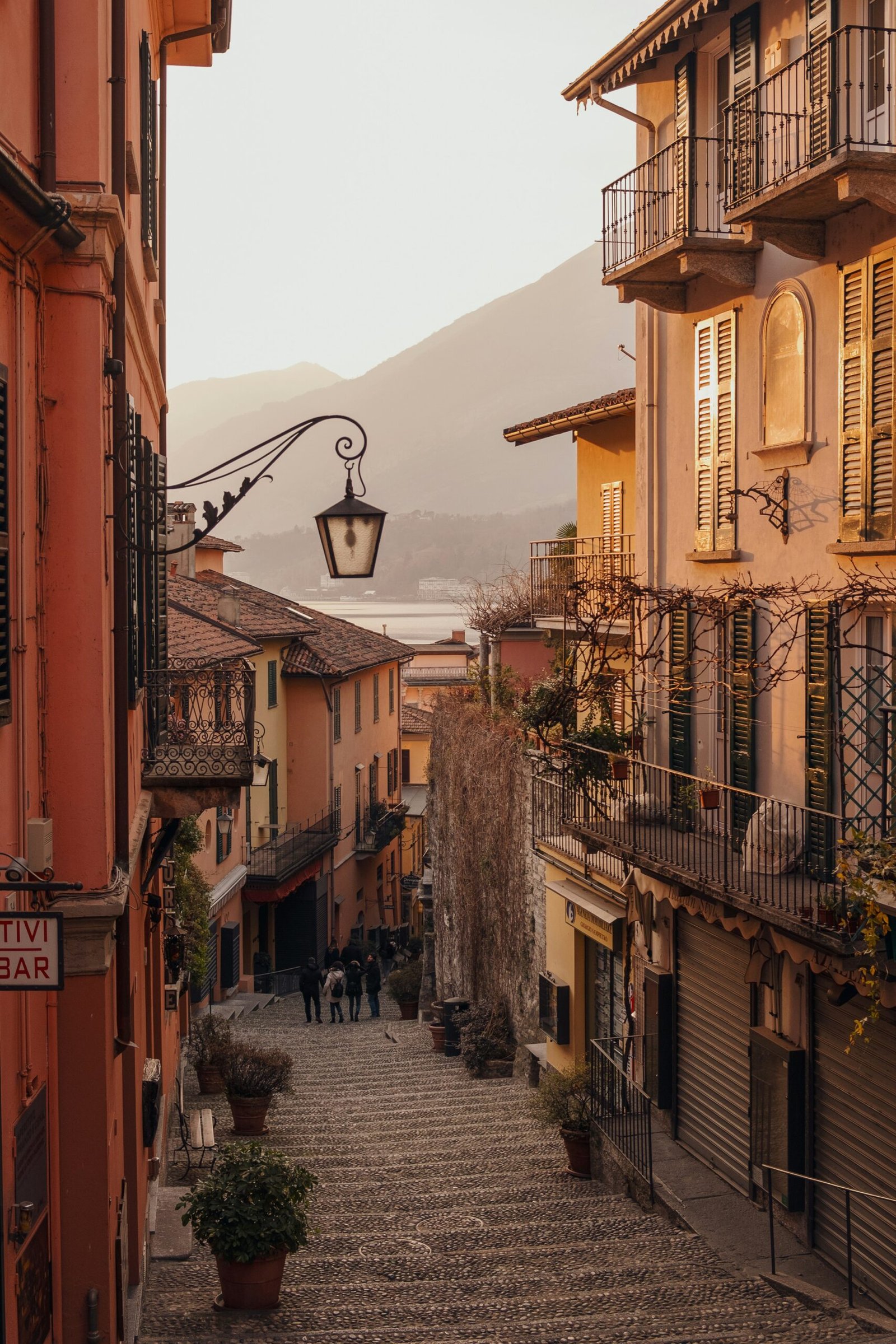
Finding stillness in historic Florence, exploring why a slower pace of travel is the ultimate modern luxury.

Why a Change of Place Accelerates the Process

Willpower alone rarely works. You can commit to slowing down at home — until the laptop opens, the emails arrive, and the old patterns reassert themselves. Your environment is full of cues that keep you in work mode.

This is why location matters so much. A genuinely different environment — especially one without the visual and auditory noise of city life — helps the nervous system shift more quickly than any mindfulness app.

This isn’t just anecdotal. Environmental psychology research shows that natural settings, reduced sensory stimulation, and the removal of performance pressure create conditions where psychological restoration happens faster and more completely.

The hills of Tuscany. A quiet bay in Portugal. Olive groves at dusk. These aren’t just pretty backdrops — they’re physiologically different inputs for an overstimulated brain.

What You Actually Gain When You Stop

Most people expect rest. What they don’t expect is what comes with it.

Clarity. When the noise subsides, you start hearing yourself again — your actual priorities, not the ones your calendar imposed.

Creativity. The brain’s default mode network — the part responsible for insight, imagination, and self-reflection — is suppressed under chronic stress. Stillness reactivates it. Many people report their best ideas arriving on retreat, not in the office.

Presence. Not the concept of it, but the actual felt experience of being somewhere fully, without the urge to document or optimise it.

Perspective. Distance from your normal life makes it easier to see which parts of it are working and which parts you’ve simply been too busy to question.

These aren’t soft benefits. For professionals who rely on strategic thinking, creative problem-solving, and sustained decision-making, they’re directly relevant to performance — just arrived at by going in the opposite direction.

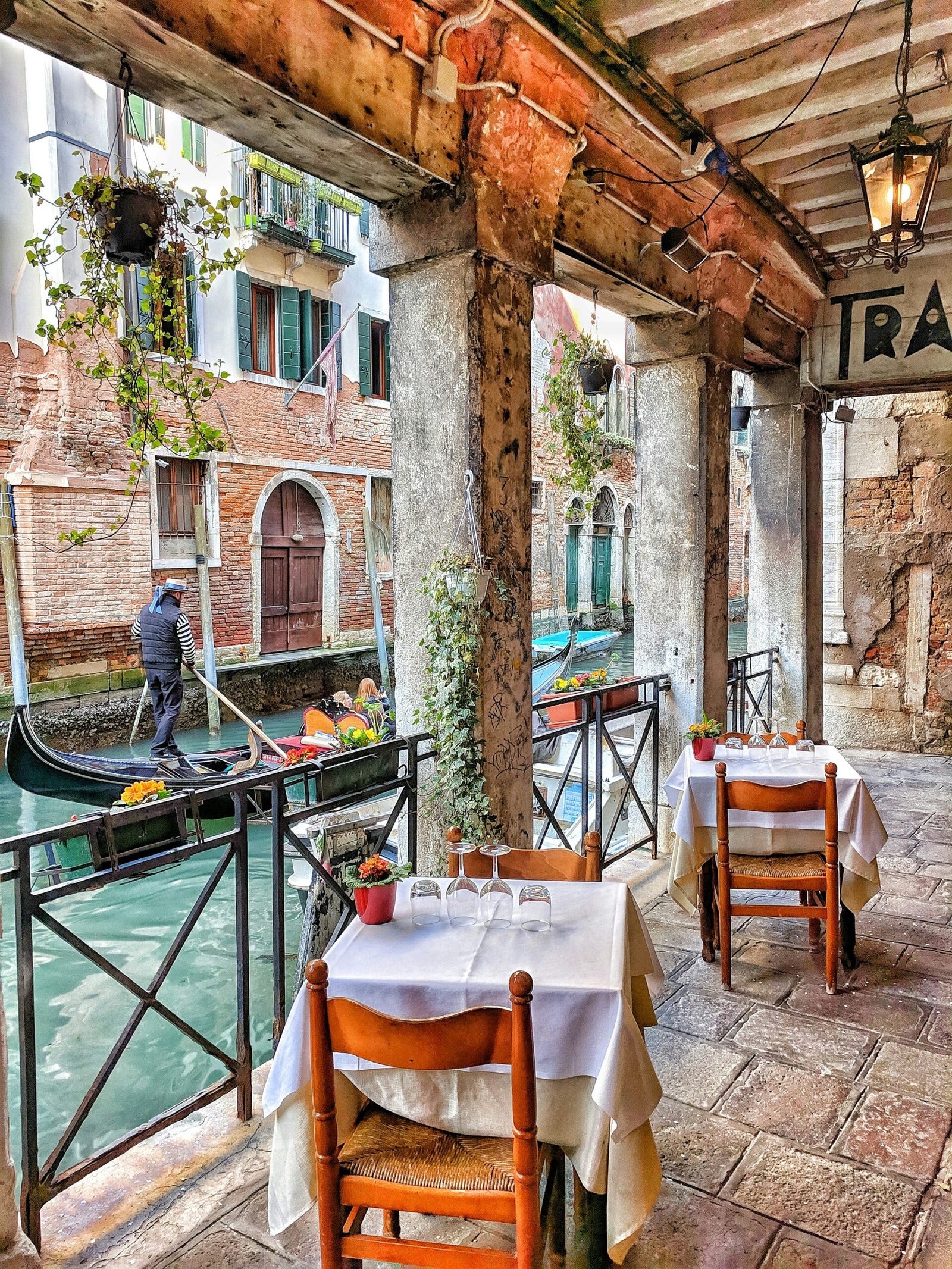
Serene waterside dining experience in Venice, perfect for finding stillness away from the crowds.

How to Start: Small Practices, Real Results

You don’t need to book a flight to begin. Slow living can be practised in increments:

Start with one unscheduled hour per week. No agenda, no productivity. Walk, sit, observe. Resist filling it.

Eat one meal a day without a screen. The quality of your attention at a meal is a good proxy for the quality of your attention everywhere.

Build a morning that belongs to you. Even 20 minutes before the demands begin — without your phone — changes the baseline of your whole day.

Spend time in nature deliberately. Not as exercise, not as a commute. Just being in it.

These practices work. But there’s a ceiling to what you can access within your existing environment and routine. At some point, the environment itself needs to change.

When a Retreat Makes Sense

A retreat isn’t an indulgence. It’s an intervention — a structured break from the conditions that are burning you out, designed to give your system the depth of rest it can’t access piecemeal.

The best retreats for burnt-out professionals combine:

  • Physical stillness — yoga, breathwork, slow movement that reconnects you to your body rather than depleting it further
  • Natural environments — away from cities, screens, and the visual noise of modern life
  • Small groups or private settings — so the social dynamic itself doesn’t become another performance
  • Time that’s genuinely unstructured — not just a different kind of schedule

Om Away curates exactly this kind of experience — boutique yoga retreats or wellness retreats in Tuscany, Portugal, Greece, and beyond, designed for people who need more than a holiday. Not more stimulation. More space.


FAQs: The Art of Slowing Down

  • What is slow living and where did it start? Slow living is a lifestyle philosophy centred on intentional, unhurried engagement with daily life. It grew from the Slow Food movement founded in Italy in 1989 and has since expanded into travel, work, and personal wellbeing practices worldwide.
  • How long does it take to feel the benefits of slowing down? Research suggests measurable physiological changes — reduced cortisol, improved sleep, restored attention — can begin within 48–72 hours of genuine rest in a low-stimulation environment. Deeper psychological shifts typically take longer, especially for people with high baseline stress levels.
  • Is slow living compatible with a demanding career? Yes, and it’s arguably most valuable for people in demanding careers. Slowing down periodically isn’t the opposite of high performance — it’s what makes sustained high performance possible. Recovery is part of the cycle, not a departure from it.
  • What’s the difference between a wellness retreat and a holiday? A holiday changes your location. A wellness retreat changes your state. The programming, environment, and pace are designed specifically to support restoration — not just relaxation.
  • Who are Om Away retreats designed for? Om Away retreats are designed for people who want to genuinely disconnect and reconnect — with themselves, their bodies, and a slower rhythm. Most guests are professionals, often at a point of transition or exhaustion, looking for something more substantive than a typical holiday.
  • Do I need prior yoga experience to attend a retreat? No. Most Om Away retreats welcome all levels. The focus is on presence and restoration, not performance or achievement.
If the signs are already there, our guide to recognising when a yoga retreat is the right call is a useful next step.

Share Your Thoughts

Your email address will not be published. Required fields are marked *

Leave a Reply

Your email address will not be published. Required fields are marked *