
September in Sri Lanka is the quietest month of the year — the Esala Perahera behind, the peak season not yet returned, and the island at its annual price low. The east coast is still in its dry season window, the Arugam Bay surf season winding toward its October conclusion. The southwest coast is in the green season. And the island’s highland destinations — Ella, Nuwara Eliya, Kandy — are at the post-monsoon transition that produces the most specifically atmospheric of the annual highland conditions.


September is the most underrated month in the Sri Lanka retreat calendar. The east coast is still operating, the highland temperatures are comfortable, and the entire island is at its annual minimum tourist pressure. The retreat centres that remain open through September — and most do — are running their most focused and their most intimate programmes of the year, the September community self-selected by the willingness to be in Sri Lanka in the quietest month.
Browse our full yoga retreats in Sri Lanka guide for the complete picture of what the country offers year-round. For the global context of September retreat travel, our yoga retreats in September guide covers every destination worth considering this month.



Arugam Bay in September is in the final weeks of its surf season — the southwest swell beginning to ease as the Indian Ocean’s seasonal wind patterns shift, but the point break still producing good conditions in the first two weeks of the month. The September Arugam Bay has the quietest crowd levels of the season — the August peak having passed — and the long-stay community is at its most locally rooted September rhythm before the October northeast monsoon begins to affect the east coast.
The Arugam Bay lagoon in September — the Pottuvil Lagoon behind the beach, with the water birds and the monitor lizards visible from the flat-bottomed boat — is at the dry season level that makes the lagoon safari most specific. The Crocodile Rock area of the lagoon and the bird sanctuary at the lagoon’s northern end are in September at their pre-northeast-monsoon bird diversity.
Nuwara Eliya in September is at the transition from the wet season to the October-November dry window — the temperature at 14-20°C, the tea estates at the post-monsoon flush that produces the most specific of the Ceylon tea flavour profiles. The second flush and the autumnal flush are both associated with the September-October period at Nuwara Eliya and the surrounding estates, and the tea factory visits in September catch the estates in the most productive transition of their year.
The Nuwara Eliya highland landscape in September — after the monsoon green at maximum — has the specific quality of a highland that is drying from its wettest point: the tea bushes at their most vivid, the streams running at high volume, and the mountain landscape visible on the clearest September mornings with the clarity that the washed post-monsoon air produces.
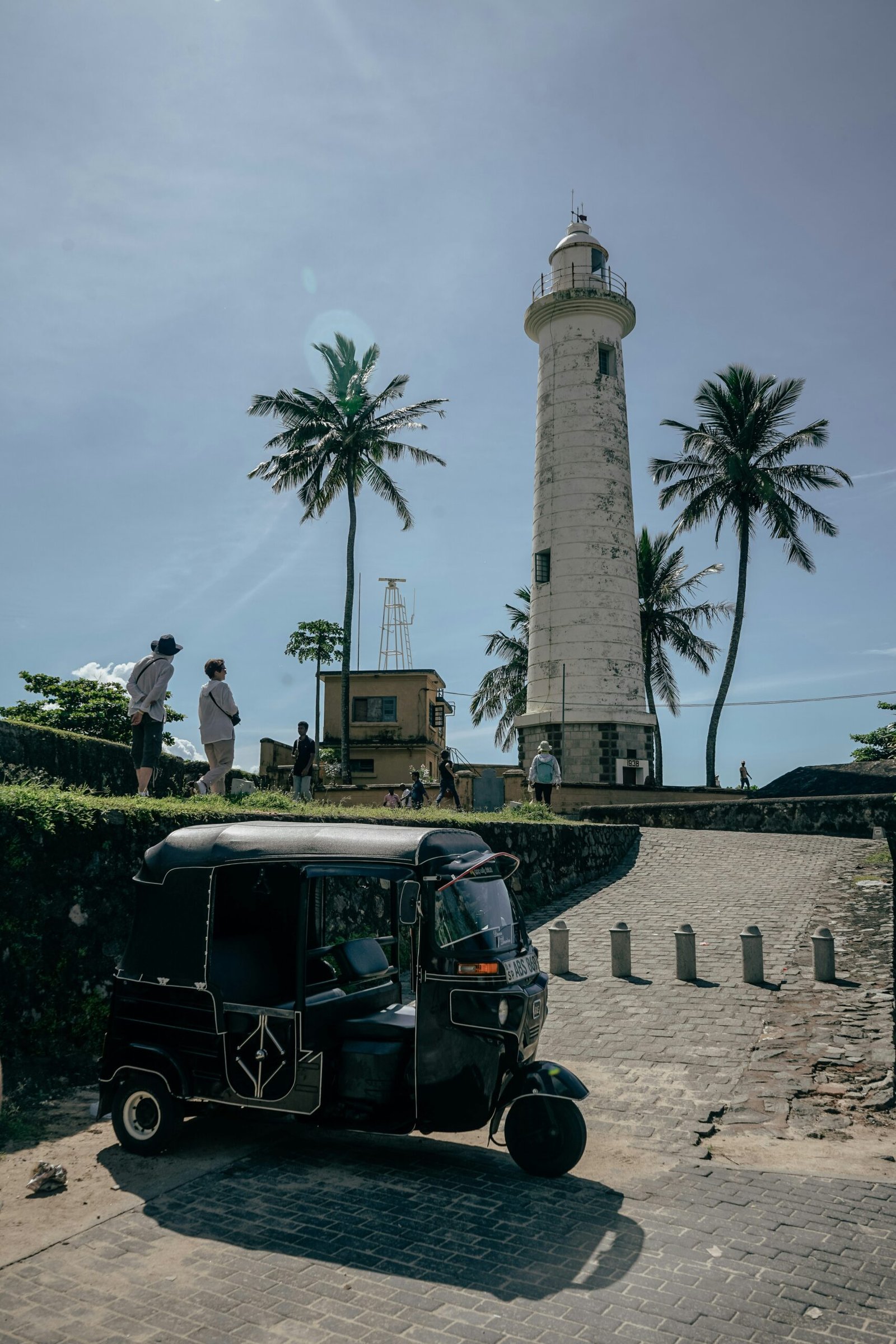
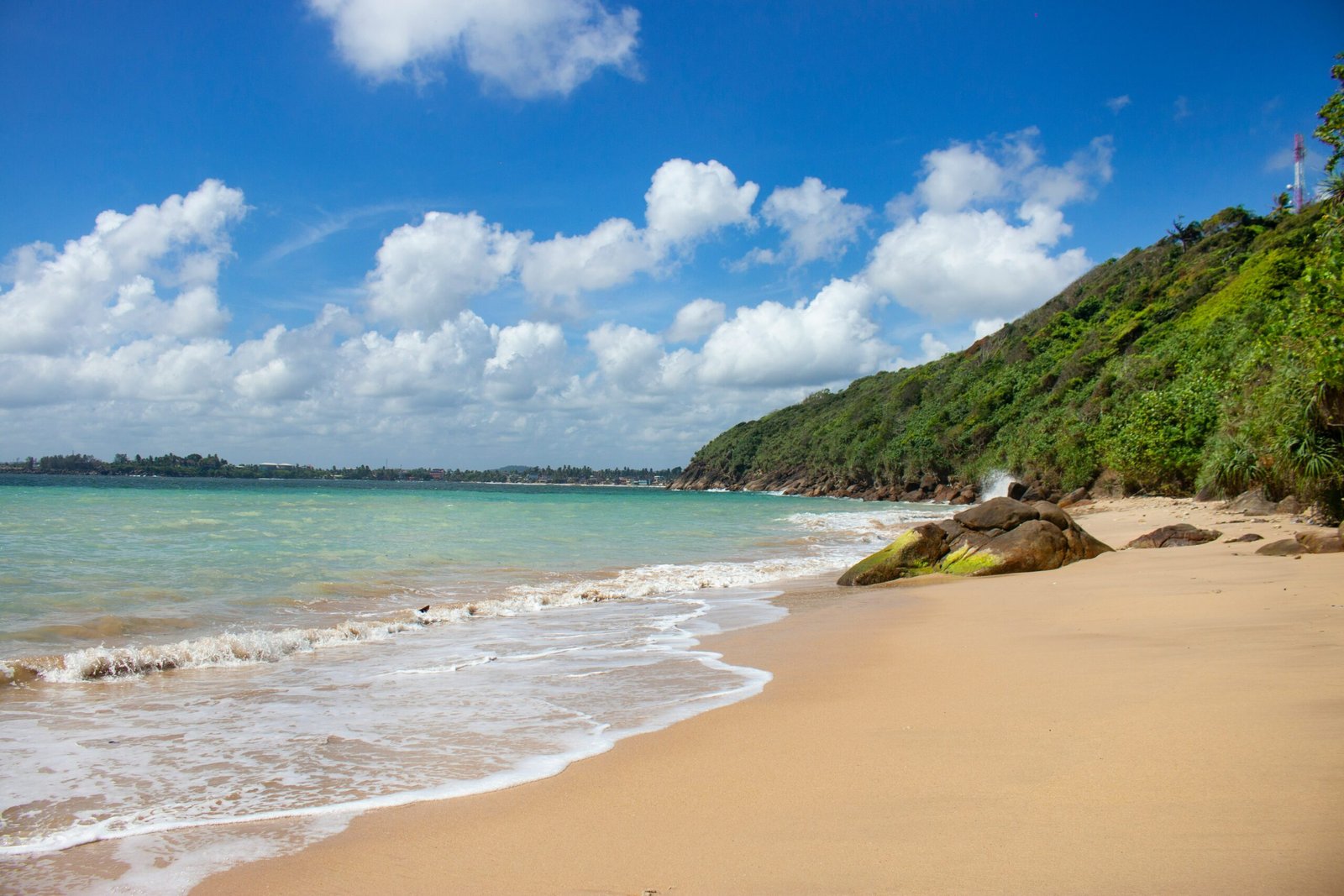
Galle in September is at the transition from the green season to the pre-peak — the first signs of the October season return visible in the opening of the boutique hotel restaurants and the retreat centres beginning their October programme preparations. The September Galle is the green season at its final expression: the prices still at the monsoon low, the fort still without the January crowd, and the Indian Ocean beginning to calm from the southwest monsoon.
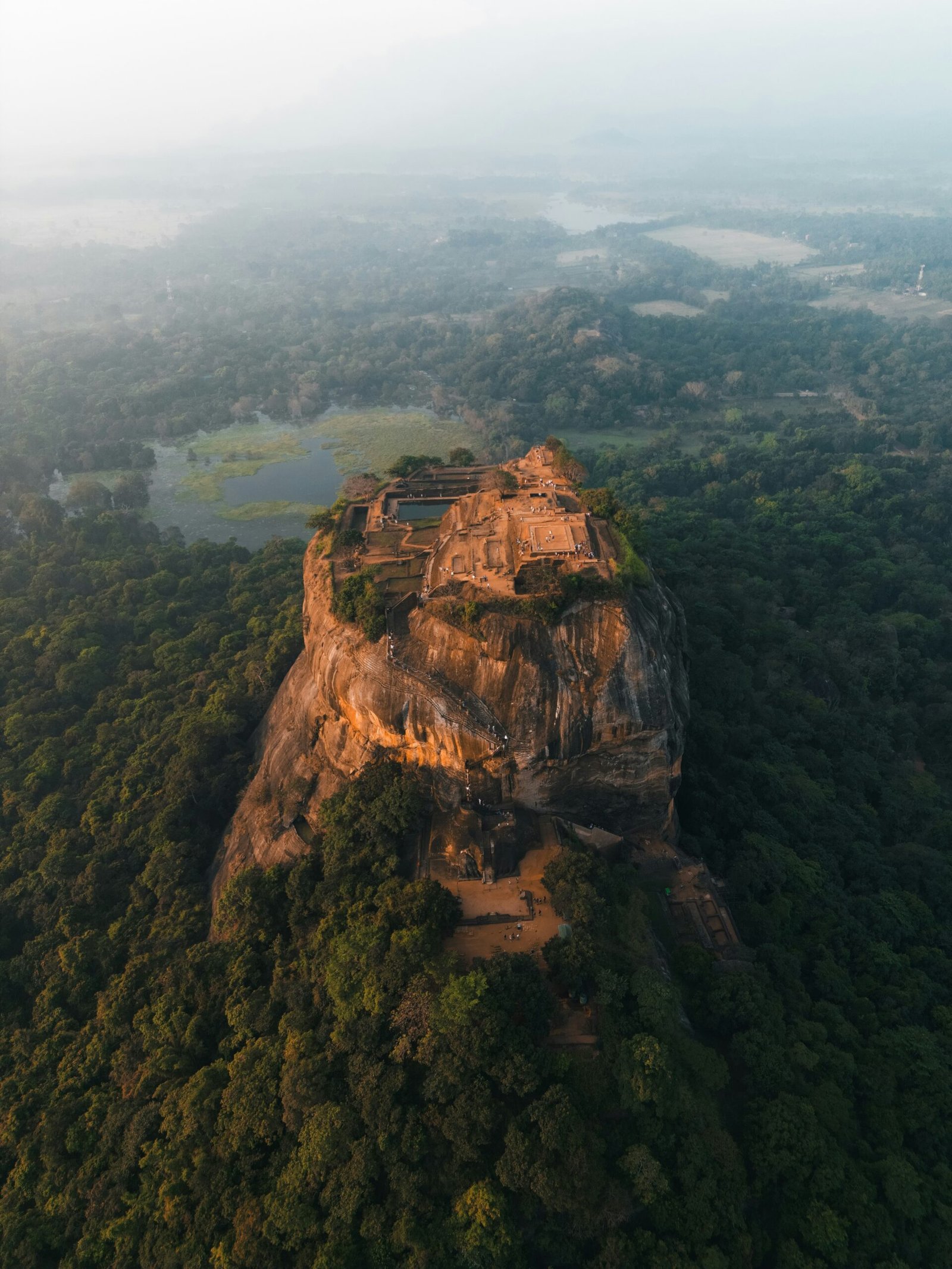
Sigiriya in September is at the Cultural Triangle’s quietest window — the tourist density at its annual minimum, the temperature at 28-32°C but manageable in the early morning, and the rock fortress accessible with the most intimate encounter of any month. The September morning at Sigiriya — arriving at the 7am opening, ascending in the pre-crowd quiet, and reaching the summit plateau before the organised tour groups arrive from their Dambulla hotels — is the most contemplatively specific of the Sigiriya annual experiences.
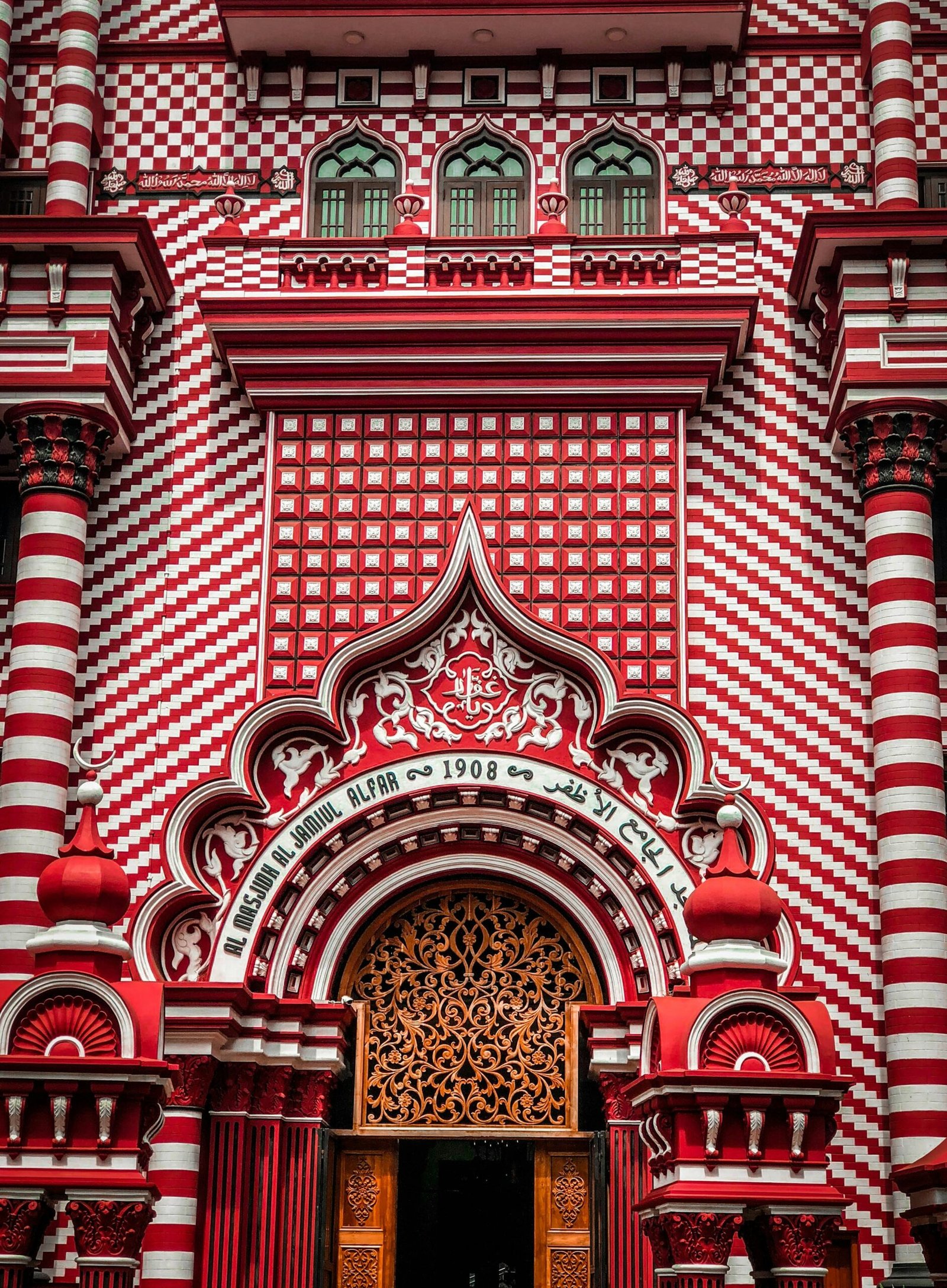
The Binara Poya — the September full moon, commemorating the Buddha’s descent from the Tushita heaven after teaching his mother — is a poya day (public holiday) with the usual full moon temple observances at the island’s Buddhist sites. The September Binara Poya is less attended than the Vesak, Poson, or Esala Poya dates and is the most contemplative of the monthly poya observances — the temple at its regular community attendance rather than the festival crowd.
The Binara Poya — the September full moon, commemorating the Buddha’s descent from the Tushita heaven after teaching his mother — is a poya day (public holiday) with the usual full moon temple observances at the island’s Buddhist sites. The September Binara Poya is less attended than the Vesak, Poson, or Esala Poya dates and is the most contemplative of the monthly poya observances — the temple at its regular community attendance rather than the festival crowd.
The ripe jackfruit (kos) — the sweet, golden-yellow pods of the mature jackfruit, eaten fresh or used in the jackfruit payasam (the milk-based dessert) and the jackfruit jam — is in September at the September harvest in the coastal lowland gardens. The ripe jackfruit at the Galle south coast market in September — the cut fruit revealing the glistening yellow pods, the specific sweet fermented-tropical aroma — is the most specifically September of the Sri Lankan fruit calendar.
The southwest coast fish market in September is at the green season catch — the skipjack tuna (balaya) and the yellowfin tuna (kelawalla) from the offshore waters accessible despite the monsoon swell. The Sri Lankan tuna tradition — the dried Maldive fish (umbalakada) that flavours the sambols and the curries — is sourced from the skipjack catch, and the September market has the most affordable of the annual tuna pricing. The tuna curry at the Galle south coast restaurant in September, using the morning’s catch from the Galle harbour fishing boats, is the most specifically available of the September fish preparations.
The Pottuvil Lagoon safari from Arugam Bay — the flat-bottomed motorboat tour through the lagoon channels, the monitor lizard visible on the bank, the painted stork and the little cormorant at the water’s edge, and the saltwater crocodile in the deeper sections — is in September at the dry season low-water level that concentrates the wildlife at the remaining water areas. The September lagoon safari in the early morning is the Arugam Bay activity that specifically rewards the retreat guest who is not a surfer — the lagoon wildlife at its most visible, the boat tour most intimate at the season’s quietest point.
The Nuwara Eliya tea estate walk — the circuit through the Pedro Estate or the Bluefield Estate above the town, the tea bushes in their post-monsoon flush, the pluckers working the rows in the morning before the afternoon cloud builds, and the estate factory visible from the path — is in September at the most biologically active of the tea estate conditions. The post-monsoon tea flush produces the tenderest shoots of the year, and the September walker on the estate path is seeing the harvest in progress at the most productive of the estate’s seasonal cycles.
The Sigiriya dawn circuit — arriving at the site entrance at 7am, climbing the rock in the pre-crowd quiet, reaching the mirror wall (the polished plaster wall with the 5th-century graffiti poems by visitors, the oldest poetry in Sri Lanka) before the tour groups, and ascending to the summit plateau with the central plain visible in every direction — is in September at its most specifically contemplative version. The September morning at Sigiriya, with the mist still in the valleys below the rock and the site operating at minimum capacity, is the most specifically extraordinary of the Sigiriya seasonal conditions.
The east coast — Arugam Bay — is in the final weeks of the dry season. The northeast monsoon begins to affect the area in October-November. Temperatures at 28-32°C and the surf still viable in the first two weeks.
Nuwara Eliya and the central highlands are at 14-20°C — the post-monsoon transition. Some rain still possible but the afternoons are increasingly clear.
The southwest coast — Galle, Mirissa — is in the late green season, beginning to transition toward the October pre-dry-season. Temperatures at 26-29°C.
The Cultural Triangle — Sigiriya, Anuradhapura — is at 28-32°C with intermittent rain. The archaeological sites are at minimum tourist pressure.
Your email address will not be published. Required fields are marked *