
Something shifts in Morocco in September. The heat eases by a degree a day, the European summer crowd melts away, and the country seems to exhale. Marrakech becomes navigable again. The Atlas takes on an early autumn quality. The Sahara cools to exactly the right temperature. The date harvest begins in the south. September is when the whole country opens back up — and experienced Morocco travellers know it is the best-kept secret in the calendar.


September might be the single best month for a Morocco yoga retreat when you weight all the factors: excellent weather across all regions, thinning crowds, prices falling from the August peak, the date harvest in the south, the surf building on the Atlantic, and the country in a mood of returning to normal after summer. The heat that made Marrakech brutal in July and August drops to a very manageable 28-32°C — warm enough for outdoor practice at any hour, cool enough not to require heat management. Our full Morocco retreat guide covers every region for those still deciding where to base themselves.
Marrakech in September is the city restored. The temperature drops from August’s 42-46°C to a September average of 28-32°C — still warm, but the kind of warm that makes outdoor practice at any hour of the day possible rather than heroic. The riad gardens recover from the summer heat: the orange trees re-green, the bougainvillea makes one last effort before autumn, and the evening temperature drops to a genuinely comfortable 20-22°C that makes dinner on a terrace at 9pm one of the great simple pleasures of the Moroccan year.
The medinas in September return to their natural rhythm. The August Moroccan family summer crowd has gone home, the European visitor numbers are dropping, and the souks function at the pace the people who work in them actually prefer. The Rahba Kedima spice market in September has the first autumn arrivals — freshly dried herbs from the Atlas hillsides, the new saffron from Taliouine beginning to appear. Jardin Majorelle in September, without the August queue, is worth two hours of genuine attention rather than a hurried circuit.
For the full Marrakech retreat experience, our yoga retreats in Marrakech guide covers the city in depth.
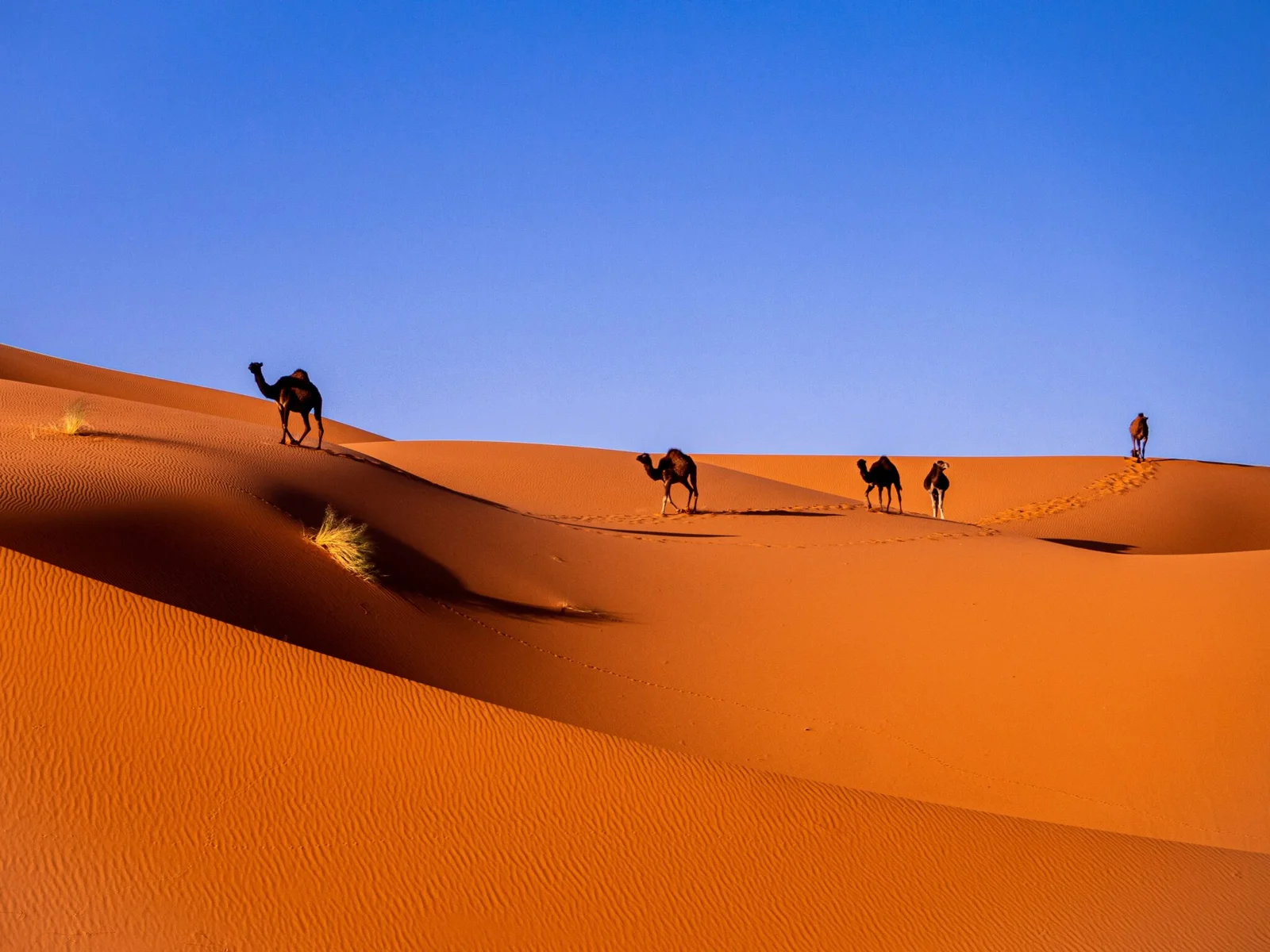
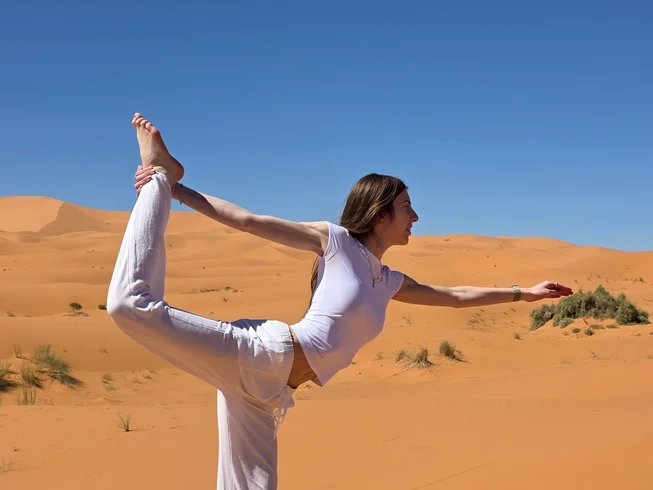
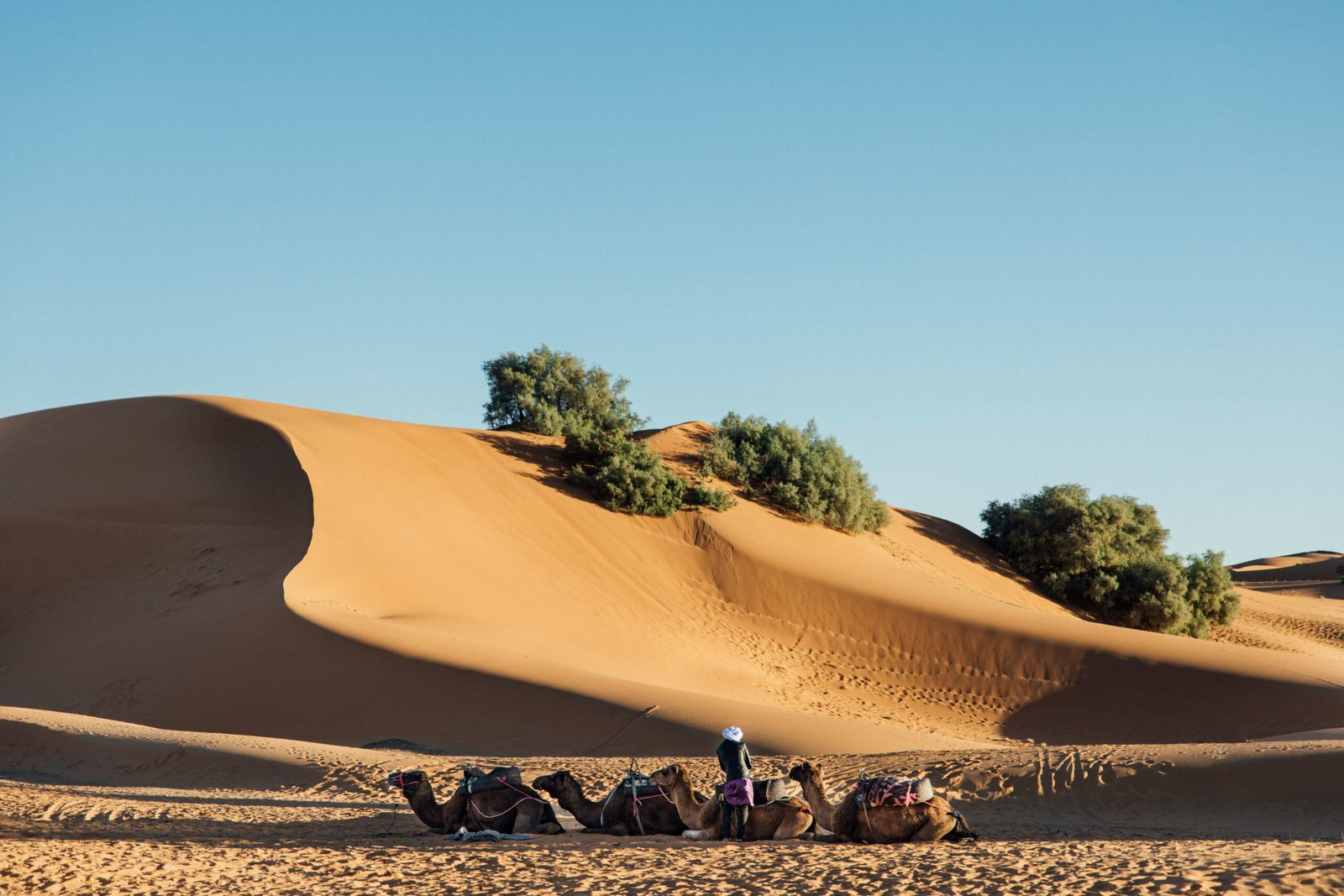
The Sahara in September is outstanding — one of the two peak months for desert retreats alongside April. Days reach 28-32°C, warm enough for morning practice on the dunes with no layers needed. Nights are cool enough for a blanket and a fire, which means the full desert camp experience functions perfectly. And the date harvest in the oases surrounding Erg Chebbi transforms the experience.
The Tafilalt oasis near Merzouga — Morocco’s largest date-palm oasis, historically one of the most important trading centres in the Sahara — begins its harvest in September. The varieties available: Medjool (large, caramel-sweet, the international benchmark), Boufeggous (smaller, drier, with a complexity that connoisseurs prefer), Aziza Brahim (honey-coloured, almost liquid at peak ripeness), and a dozen regional varieties that never reach export markets. Buying fresh dates from a farm at the edge of the oasis in September, eating them warm from the tree, is one of the most specific sensory experiences Morocco offers in any month.
September is the best month for Fez. The city that was oppressively hot in July and August — the tightly packed Fès el-Bali medina trapping heat in its narrow lanes — becomes genuinely pleasurable in September as temperatures drop to 28-32°C by day and 18-20°C in the evenings. The oldest continuously inhabited medina in the world (Fès el-Bali was founded in 789 AD) rewards the time and attention that August heat makes impossible.
The tanneries — the Chouara, Ain Azliten, and Sidi Moussa tanneries where leather has been processed using the same techniques since the eleventh century — are best visited in September when the smell is present but not the summer peak that August produces. The Al-Attarine Madrasa, the Bou Inania Madrasa, the Kairaouine mosque (the oldest university in the world, founded 859 AD) — these are September Fez at its most accessible. Retreat programming in Fez in September increasingly includes guided medina deep-dives alongside daily yoga, recognising that the city is a retreat environment in itself.
The Imilchil Marriage Moussem — the annual gathering of the Aït Hadiddou Berber tribe in the High Atlas, where young people traditionally meet and choose partners — falls in September (exact dates vary, usually the second or third week). The Plateau des Lacs around Imilchil, at 2,200 metres altitude, is one of Morocco’s most spectacular landscapes: high plateau, mountain lakes (Isli and Tislit — “the Groom” and “the Bride”), and the austere beauty of the High Atlas in early autumn. The moussem itself combines genuine tribal ceremony with the music, food, and collective energy of a community gathering that has happened here for generations.
Retreat centres in the Atlas that include the Imilchil excursion in their September programming are offering an experience that is genuinely ethnographically significant rather than staged for tourism. The drive from Marrakech to the plateau (about 4 hours via Kelaat M’Gouna) passes through the Dadès and Todra gorges — themselves worth stopping for.
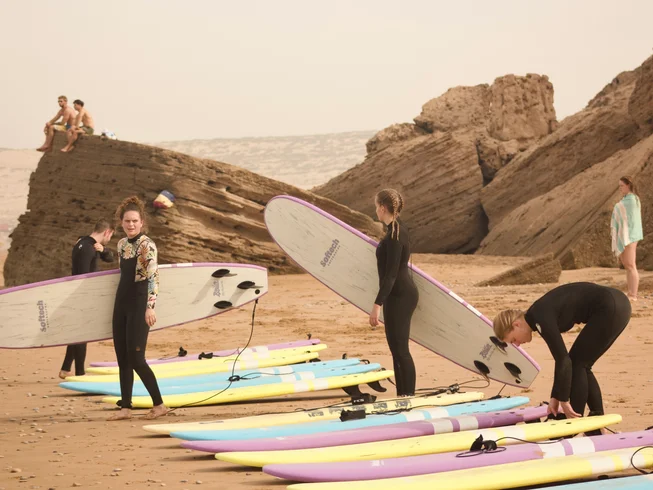
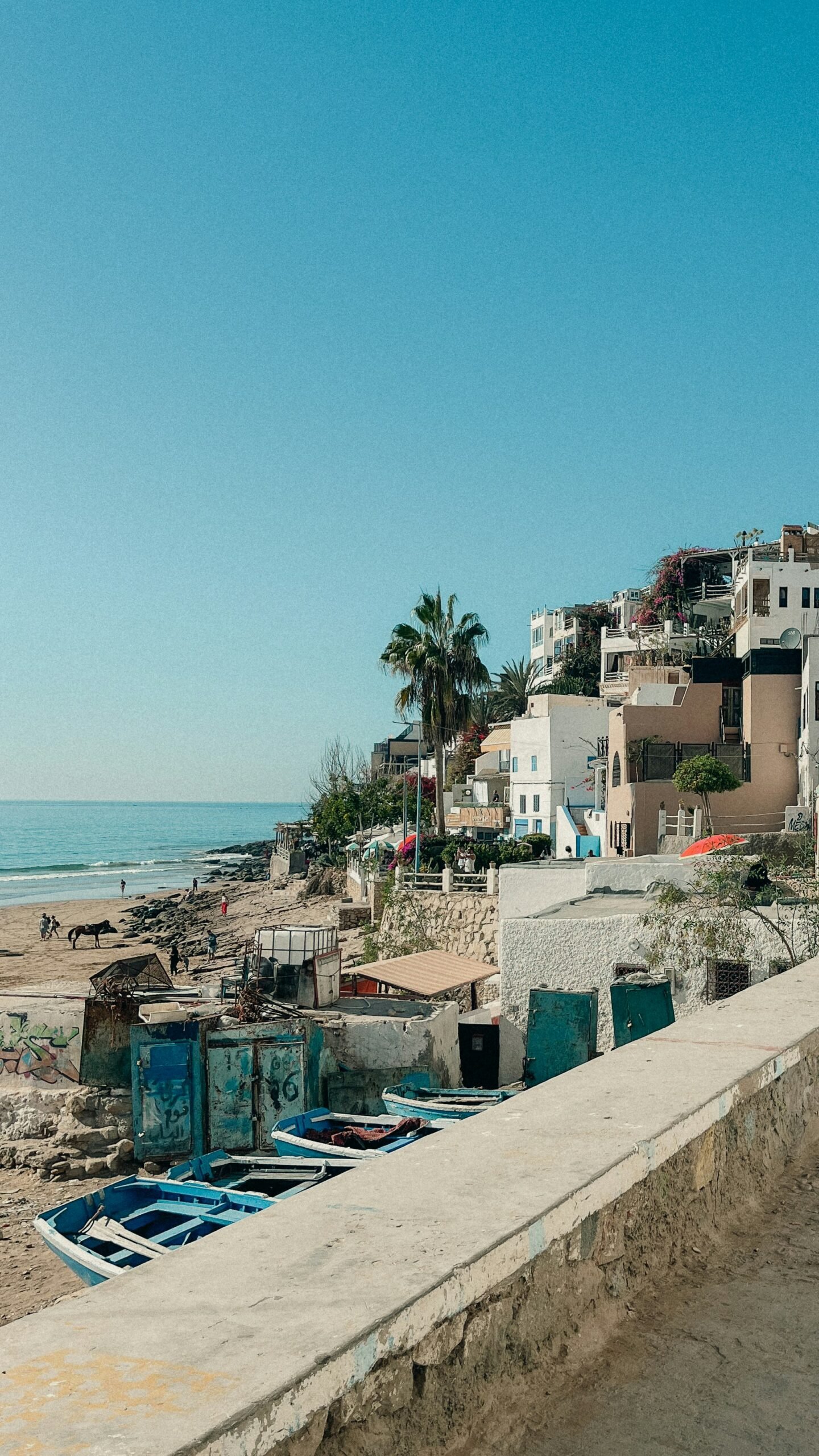
September marks the beginning of the serious Atlantic surf season. The first North Atlantic storm systems of autumn begin generating swells in September, and by mid-month the breaks around Taghazout and Anchor Point are waking up after their summer quiet. The water temperature in September is at its annual warmest — 21-22°C — having absorbed the full summer heat, which means surfing in September requires the least wetsuit of any month in the surf season.
Retreat centres on the coast in September are transitioning from the yoga-heavy summer programming to the surf-and-yoga combination that defines the coast October through April. September surf is excellent for intermediates who want improving conditions without the full power of the November-March peak. The beach communities in Taghazout and Tamraght in September have a returning energy — the serious surf community filtering back from wherever they spent the summer, the retreat centres reopening their surf programmes, and a social atmosphere of people genuinely pleased to be back.
Harvest Season
September is date harvest in Morocco—thousands of palms in oases and valleys heavy with fruit. Markets overflow with fresh dates. Some retreats incorporate date harvest experiences or visits to oases during picking season.
Figs ripen in September. Pomegranates appear. Late summer vegetables reach peak flavor. Retreat meals benefit from this seasonal abundance—the food becomes celebration rather than just fuel.
Wine regions (yes, Morocco has wineries despite being Muslim-majority) see harvest in September. Some retreats near Meknès or other wine regions offer vineyard visits during this active season.
Fresh Medjool and Boufeggous dates from the Tafilalt harvest are the September food and they are extraordinary. The fresh Medjool — large, soft, caramel-coloured, and with a sweetness that dried dates cannot replicate — appears at Marrakech markets from mid-September in small quantities at high prices that are still far cheaper than anything equivalent exported to Europe. The Boufeggous is the variety that Moroccan connoisseurs consider superior: smaller, drier, more complex, with a flavour that has notes of honey and dried apricot. Buying both at the Erfoud market in September and tasting them side by side is an education.
Quince (sfarjal) arrives in September and appears immediately in the Moroccan kitchen in a combination that is specifically autumnal and specifically Moroccan: lamb tagine with quince, the fruit slow-cooked alongside the meat until it collapses into something caramel-sweet and aromatic, balanced by preserved lemon and warm spice. The quince eaten raw is harsh and astringent; slow-cooked with lamb for three hours it becomes one of the great supporting ingredients in North African cuisine. Order it wherever it appears on a September menu.
Pomegranates appear at Moroccan markets from mid-September, bright red and heavy, and the juice pressed fresh at market stalls has an intensity and tartness that commercial pomegranate juice never achieves. In Marrakech, the pomegranate juice sellers set up alongside the orange juice carts and the fresh-pressed combination — half orange, half pomegranate — is one of those specifically Moroccan September pleasures that exist for six weeks and then are gone.
The first pressing of the olive harvest begins in some parts of the Souss and the Haouz plain in late September, producing oil so fresh it is bright green and peppery in ways that mature oil is not. The new season oil drizzled over fresh bread with a pinch of cumin and sea salt is one of Morocco’s great simple combinations, and in September, in the areas where the harvest begins early, it is available at farm gates and weekly souks before it reaches the bottling and distribution chain.
Bluefin and yellowfin tuna migrate south along the Atlantic coast in September, and the coastal restaurants in Essaouira and Agadir reflect this with fresh tuna on menus that it does not appear on in other months. Grilled over charcoal with chermoula, served with bread and a salad of roasted peppers and preserved lemon, fresh Atlantic tuna in September is a different proposition from the canned version and worth ordering wherever it is offered as a daily catch.
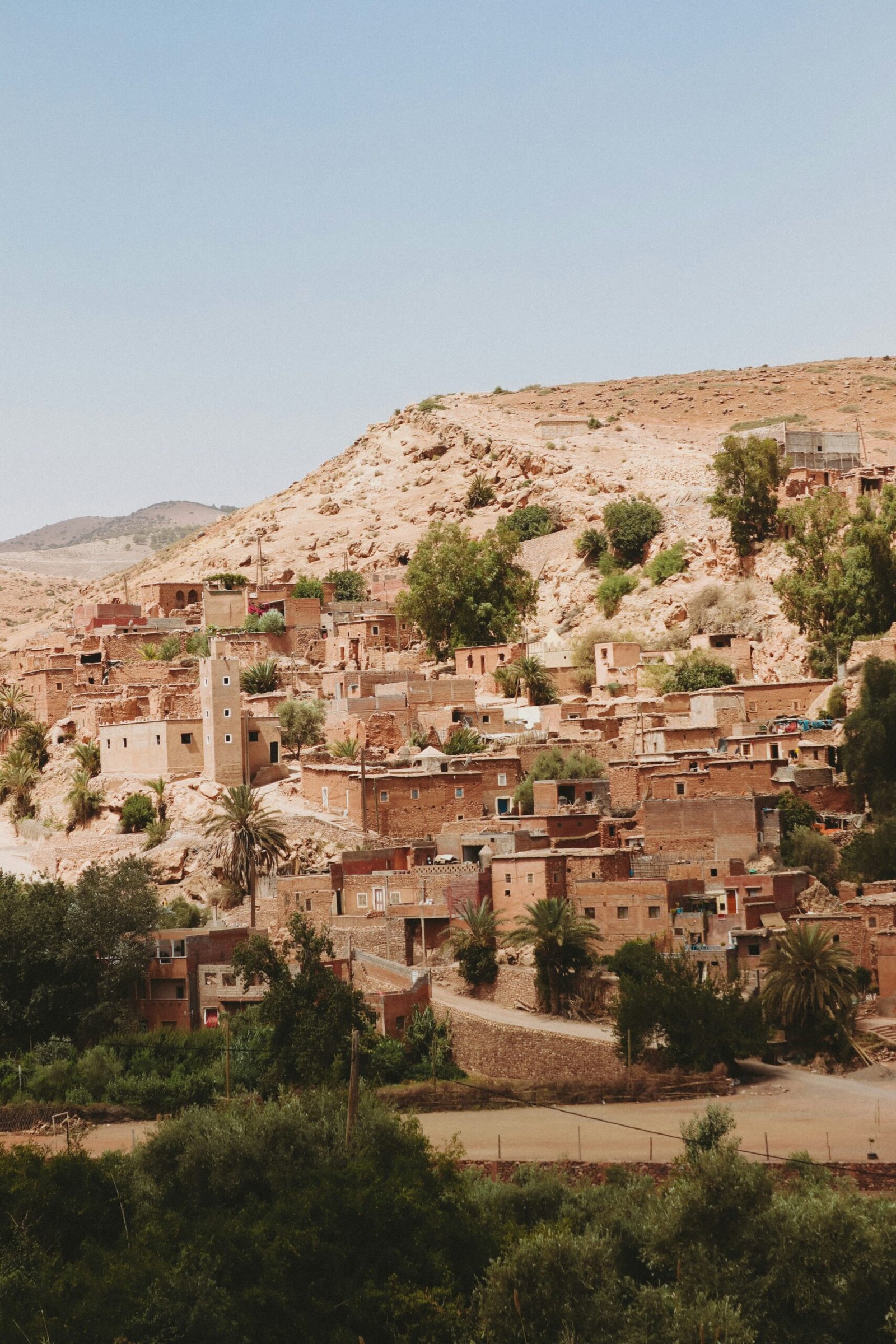
Second or third week of September, dates vary annually. The annual gathering of the Aït Hadiddou tribe at the Plateau des Lacs around Imilchil. Three days of ceremony, music, trading, and the traditional partner-selection process that has defined this community for generations. One of Morocco’s most photographed and most genuinely local cultural events. Accessible from Marrakech in about four hours via the Dadès and Todra gorges.
Mid-September sees the first significant Atlantic swells of the autumn arriving at the Morocco coast. Not the full power of November-March yet, but enough to signal that the season has begun and to bring the international surf community back to Taghazout.
The Erfoud Date Festival in the Tafilalt oasis usually falls in October but its preparation begins in September, with the harvest market in Erfoud and Rissani running through late September. A range of local activities around the harvest — cooperative visits, date tastings, artisan markets — make the Tafilalt region in late September one of the most rewarding day-trip destinations from any Sahara retreat base.
September is the month when Morocco retreat programming finds its ideal form. The outdoor practice that was heat-constrained in July and August becomes fully available: rooftop yoga at any hour, beach practice with the warm September Atlantic as backdrop, Atlas hiking without the need for the pre-dawn start that summer requires. The evening sessions that were truncated by the August heat extend naturally into the cooler September evenings.
The quality of attention in September retreats is different from peak summer. Participants who chose September have typically made a deliberate decision — they know what they want, they have planned rather than defaulted to August availability, and the retreat centres reflect this in programming that assumes a more engaged guest. The teachers tend to be more experienced (the best ones know the September calendar books out first), the group dynamics more intentional, and the pace of the week more spacious without the August energy that can make even a yoga retreat feel rushed.
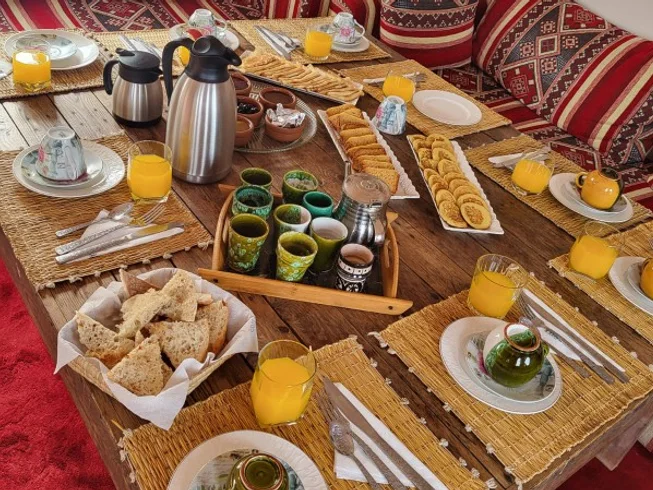
For Sahara retreats in September, the combination of the date harvest, the cooling temperatures, and the beginning of the desert’s best season creates a week that would be difficult to replicate in any other month. Practice at dawn on the dunes as the sun rises over Erg Chebbi, breakfast with fresh dates from the harvest, a 4×4 excursion into the hammada in the afternoon, stargazing in the cooling evening — this is the September Sahara programme at its most complete.
Your email address will not be published. Required fields are marked *