
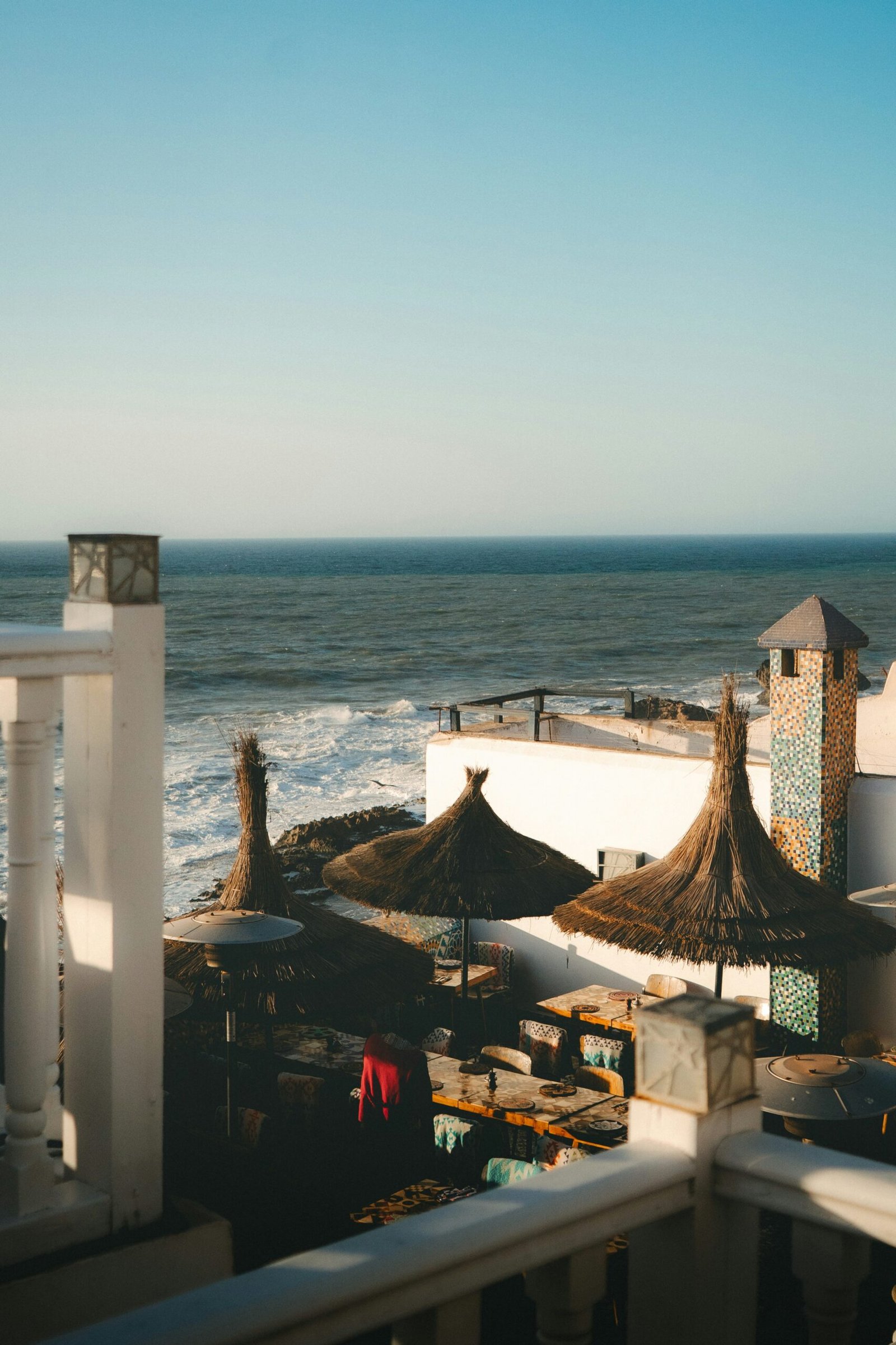
October is Morocco at its most settled. The summer drama is over. The harvest is happening simultaneously across the country — olives in the Atlas foothills, saffron in Taliouine, pomegranates in the Dadès, the last dates in the Tafilalt. The light is doing something specific and golden. And every retreat centre has space, quality attention, and the particular atmosphere of a country that has exhaled after its busiest season. This is the month for those who have been before and know to come back in autumn.


October conditions are ideal across every region simultaneously — a claim that only April can also make. Marrakech at 24-28°C, the Atlas at 18-22°C, the Sahara at a perfect 28-32°C by day with cool evenings. The agricultural calendar is at its most active: olive harvest beginning in the Atlas foothills and Souss plain, saffron harvest in Taliouine, date harvest finishing in the south, pomegranates at peak across the country. Every retreat kitchen in October has access to ingredients that are specifically of this moment, and the meals reflect it. Our full Morocco retreat guide covers every region for those deciding where to go.
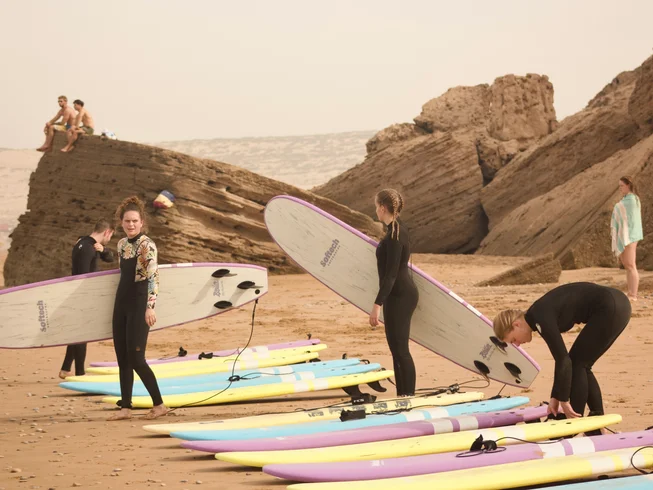
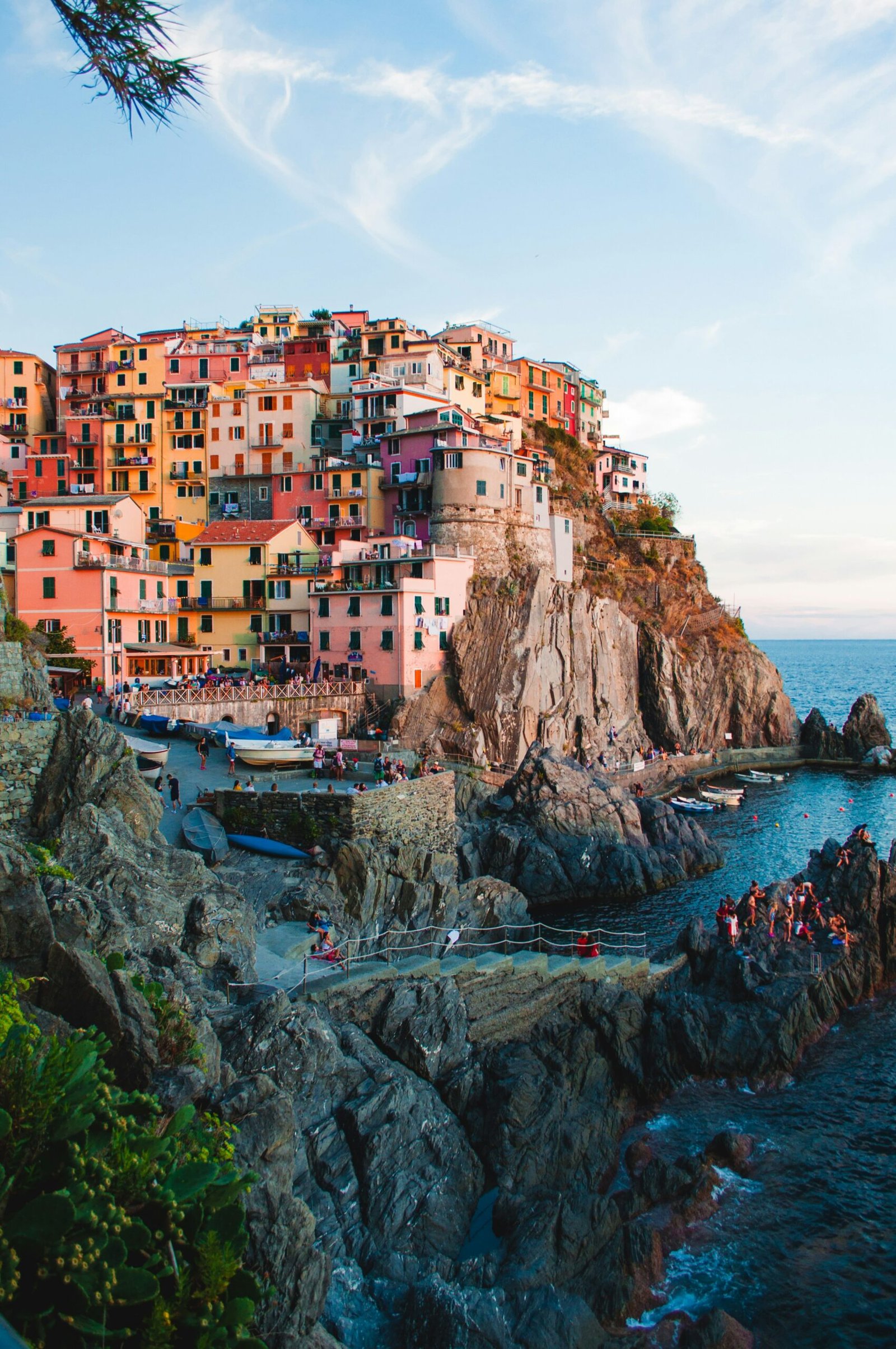
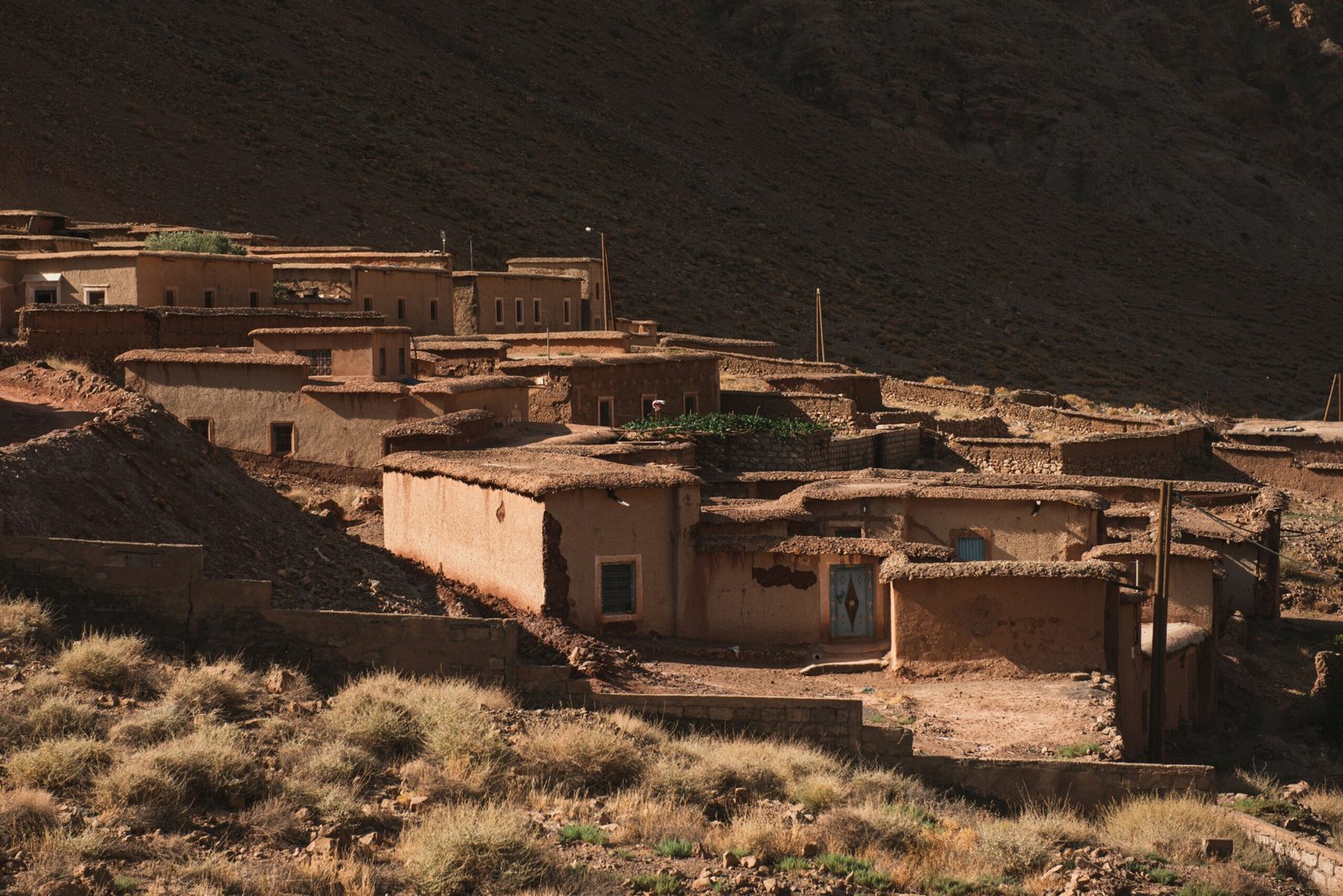
Taliouine is the least-visited destination on this list and the one most worth going to specifically in October. This small town in the Anti-Atlas, between Taroudant and Ouarzazate, sits at 1,200 metres in the world’s most productive saffron-growing region. The Moroccan saffron harvest happens in October and lasts approximately three weeks: the Crocus sativus flowers open at dawn and must be picked the same morning before the petals open fully, the three red stigmas extracted by hand from each flower. A single kilogram of saffron requires approximately 200,000 flowers picked by hand before sunrise.
The Taliouine Saffron Festival (usually late October, dates vary) celebrates the harvest with cooking demonstrations, spice market stalls where growers sell direct to buyers, and the specific atmosphere of a producing community proud of what it makes. The saffron sold direct from growers in Taliouine in October is the real article at prices that reflect production rather than the markup applied by the time it reaches European spice markets. A retreat based in Taroudant (45 minutes from Taliouine) with an excursion to the saffron fields at dawn during harvest week is one of the most specific and memorable October Morocco experiences available.
October is the Atlas at its most agricultural. The olive harvest begins in the Haouz plain south of Marrakech and in the Atlas foothills from early October, continuing through November. In the villages around Imlil and throughout the Ourika Valley, families beat the olive trees with long poles, spreading nets below to catch the falling fruit, filling crates that are then taken to the communal olive press that runs day and night for weeks.
The smell of freshly pressed olive oil from the village mills — green, peppery, intensely alive — is one of the most specific sensory experiences the Atlas offers in any month. Retreat centres in the Ourika Valley and around Imlil that incorporate olive harvest participation into their October programming are giving guests access to an agricultural tradition unchanged for centuries. Walking a harvest trail through the terraced olive groves of the lower Atlas in October afternoon light, with the Atlas peaks visible above and the valley villages below, is the kind of experience that stays with people.
For everything the Atlas offers as a retreat destination, our Atlas Mountains retreat guide covers accommodation, hiking, and what to expect.
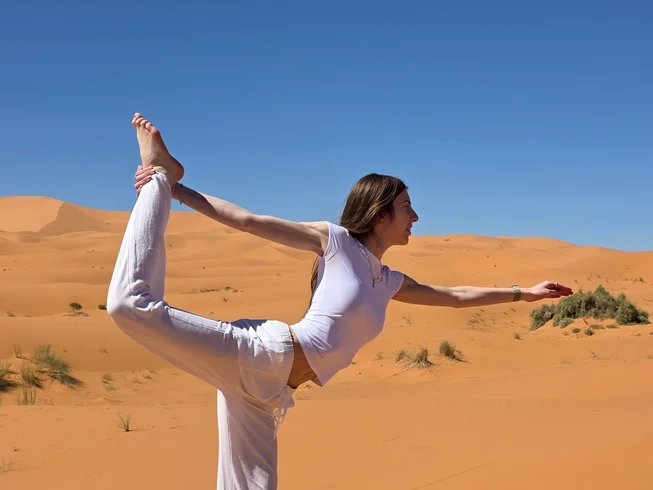
The Sahara in October is at its absolute best — one of the two peak months alongside April, and arguably superior because October has slightly lower visitor numbers. Days at Erg Chebbi reach 28-32°C: warm enough for morning practice on the dunes without any cold management, cool enough that afternoon practice is comfortable rather than merely survivable. Evenings drop to 15-18°C — a fire and a blanket, the stars emerging in a sky that has none of the summer atmospheric haze.
The date harvest is finishing in the Tafilalt oasis in early October, which means the fresh dates that September delivered are still available at the Erfoud and Rissani markets, and the dried varieties — the ones that will sustain communities through winter — are being spread on rooftops and in shaded courtyards to complete their drying. The Erg Chebbi dunes in October light — the sun lower in the sky than in summer, the shadows longer and the colours deeper — are photographically at their most extraordinary. Guided dawn practice on the dunes in October, with the light shifting from dark blue to purple to orange over the erg, is the Sahara retreat experience at its most complete.
Taroudant — sometimes called “the grandmother of Marrakech” — is a walled medina city in the Souss Valley, 80 kilometres east of Agadir, that most Morocco visitors drive through without stopping. In October it is worth stopping. The city has intact ochre ramparts surrounding a medina that functions as a genuine local market town rather than a tourist destination: souks selling agricultural produce from the surrounding Souss plain, a Wednesday and Sunday market that draws farmers from across the valley, and the particular atmosphere of a Moroccan city that has not been reorientated toward outside visitors.
The argan forest that covers the slopes of the Anti-Atlas above Taroudant is one of the most distinctive landscapes in Morocco — the trees gnarled, thorny, and ancient, the goats that climb into them to eat the fruit creating one of the most photographed scenes in North African travel. In October the argan harvest from the previous season’s fruit is processed in the women’s cooperatives in the surrounding countryside. A retreat based in Taroudant in October, with excursions to the cooperatives, the Taliouine saffron fields, and the souk, provides a version of the western Moroccan agricultural autumn that the more visited destinations cannot replicate.
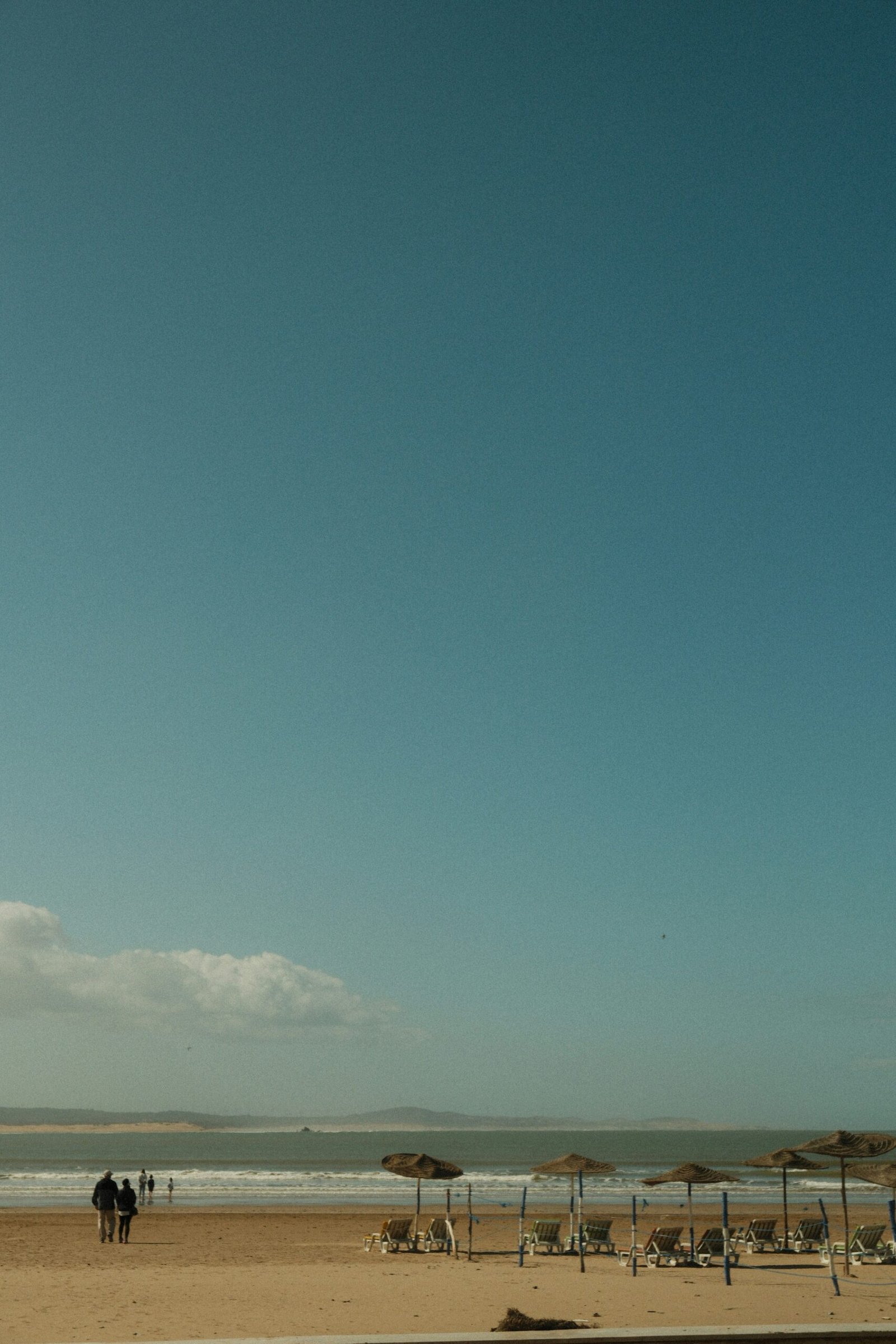
Essaouira in October is the town settling back into its authentic self after the summer’s Gnawa Festival crowds. The Alizé wind eases from its August-September peak to a more manageable level, making outdoor practice and beach walks comfortable rather than requiring a windproof layer at all times. The water temperature at 19-20°C is still warm enough for swimming. The surf is building as the October Atlantic storm systems begin generating the swells that will peak in December and January — intermediate surfers find October conditions excellent.
The medina craft workshops in October are at full production, preparing stock for the November-December sales season before the December Christmas crowd arrives. Visiting thuya wood workshops, textile weavers, and leather artisans in October means engaging with craftspeople who have time for conversation rather than the transactional efficiency of summer peak season.
Cultural Richness
October is harvest season for many crops. Olives begin to ripen. Saffron harvest happens in certain regions. Pomegranates and late figs fill markets. The agricultural calendar adds depth to retreat experiences—you’re not just visiting, you’re witnessing the annual cycle.
Traditional festivals increase in October. Each region has celebrations tied to local harvests or saints’ days. Some retreats incorporate these into programming, others maintain separation. Either way, you feel the cultural richness.
The souks are vibrant in October. With comfortable weather, market life flourishes. Shopping becomes pleasure rather than endurance test. The sensory experience—spices, textiles, crafts, food—feels overwhelming in the best way.
Freshly pressed olive oil from the first October pressing is one of the great seasonal ingredients of the Moroccan year. The oil produced in the first weeks of harvest — before it has been filtered, settled, and bottled — is bright green, intensely peppery, and has a freshness that commercial olive oil loses within weeks of pressing. In the Atlas villages where the communal olive presses run through October, this oil is available directly from the press: poured over fresh bread with a pinch of cumin and sea salt, it requires nothing else. Retreat kitchens in the Atlas in October that source from local presses are serving something genuinely specific to this week and this place.
Taliouine saffron purchased direct from growers during the October harvest is the most intensely flavoured saffron available anywhere. Unlike the commercially processed saffron sold year-round in spice shops (which is often adulterated or old), fresh harvest saffron has a depth of colour and aroma that makes it immediately recognisable as a different ingredient. It appears in October retreat kitchens in saffron tea (a warming, slightly medicinal drink that Moroccan women use for everything from digestion to celebration), in tagine sauces that turn a specific shade of gold, and in the saffron-infused milk that is a traditional Moroccan hospitality offering.
Pomegranates peak in October — deeper red, heavier, and more intensely flavoured than the September arrivals. The fresh juice pressed at market stalls has an almost wine-like complexity in October. Pomegranate molasses, made from the reduced juice, appears in the better Marrakech restaurant kitchens in autumn tagines: lamb with pomegranate and walnut, a Persian-influenced preparation that arrived in Morocco via Andalusian cooking and never left.
October tagines across Morocco shift to reflect the harvest. Lamb with quince and cinnamon continues from September. Chicken tagine with fresh walnuts from the Atlas orchards, the nuts cracked open the morning of cooking, has a bitterness and richness that the dried walnuts of winter cannot replicate. Vegetable tagines in October use the full abundance of the pre-winter market: sweet peppers roasting alongside courgette, butternut squash from the Souss plain making its first appearance, and the wild mushrooms that the Atlas rains produce in October in the forest clearings around Azrou and Ifrane.
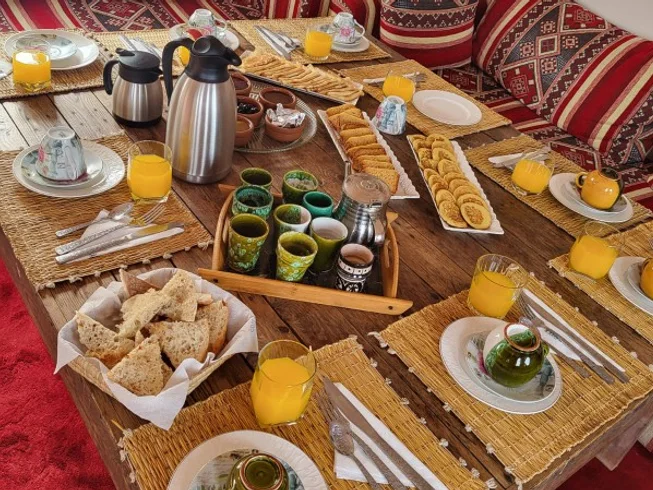
October honey from the Atlas hives — the final harvest before the bees slow for winter — is at its most complex: the summer wildflowers and thyme that produced the spring honey replaced by autumn herbs and mountain heather that give October honey a darker, more resinous character. Eaten with msemen (the flaky Moroccan griddle bread) and argan oil at a mountain guesthouse breakfast in October, with the olive harvest visible through the window, it is the kind of meal that stays in the memory as a complete sensory moment.
Late October, dates vary annually. The harvest celebration in the world’s most productive saffron region. Cooking demonstrations, direct-from-grower spice markets, music, and the extraordinary spectacle of the saffron fields in harvest — purple Crocus flowers covering hillsides that were bare the week before. One of Morocco’s most specific and least touristy festivals.
Throughout October and into November across the Atlas foothills and Souss plain. Not a festival but an agricultural event worth engaging with: the olive presses running, families in the groves, the specific smell of new-season oil filling the villages. Retreat centres in the Ourika Valley and around Imlil that incorporate harvest participation offer something with no calendar equivalent outside this six-week window.
The Marathon des Sables — the world’s most famous ultramarathon, six days across the Sahara — takes place in April, but its preparation season is October and November. The trails around Ouarzazate and Merzouga are active with training groups in October, and several retreat centres in the pre-Saharan region offer trail running and yoga combinations specifically calibrated for the MdS preparation period. For those not running it, watching groups training across the hammada at dawn from a Sahara camp is a motivating and oddly moving experience.
October retreat programming is the most complete version of what Morocco offers. Every element is available without compromise: rooftop yoga at dawn with the Atlas visible from Marrakech, outdoor hiking all day in the Atlas without heat concern, evening practice as the temperature settles into the perfect range of 18-22°C, and the week structured around the harvest rather than around heat management.
The olive harvest excursion is the October programming event with no equivalent in other months. Retreat centres in the Atlas foothills that take guests to the groves for a morning of harvest participation — beating the trees, collecting the olives, watching the press at work — are connecting practice to landscape in the most literal possible way. The physicality of the harvest, the smell of the oil, and the community labour of a village working together create conditions for a kind of presence that the yoga mat cannot always produce.
Sahara retreat programmes in October are running their best weeks of the year. The temperature combination, the light quality on the dunes in October (lower sun angle, longer shadows, deeper colours), and the finishing date harvest in the nearby oases create a week that desert retreat guests consistently describe as among the most powerful experiences of their lives. Sunrise practice on the dunes in October, with your breath visible in the cool air and the sand still cold from the night, is the desert at its most elemental.
Your email address will not be published. Required fields are marked *