
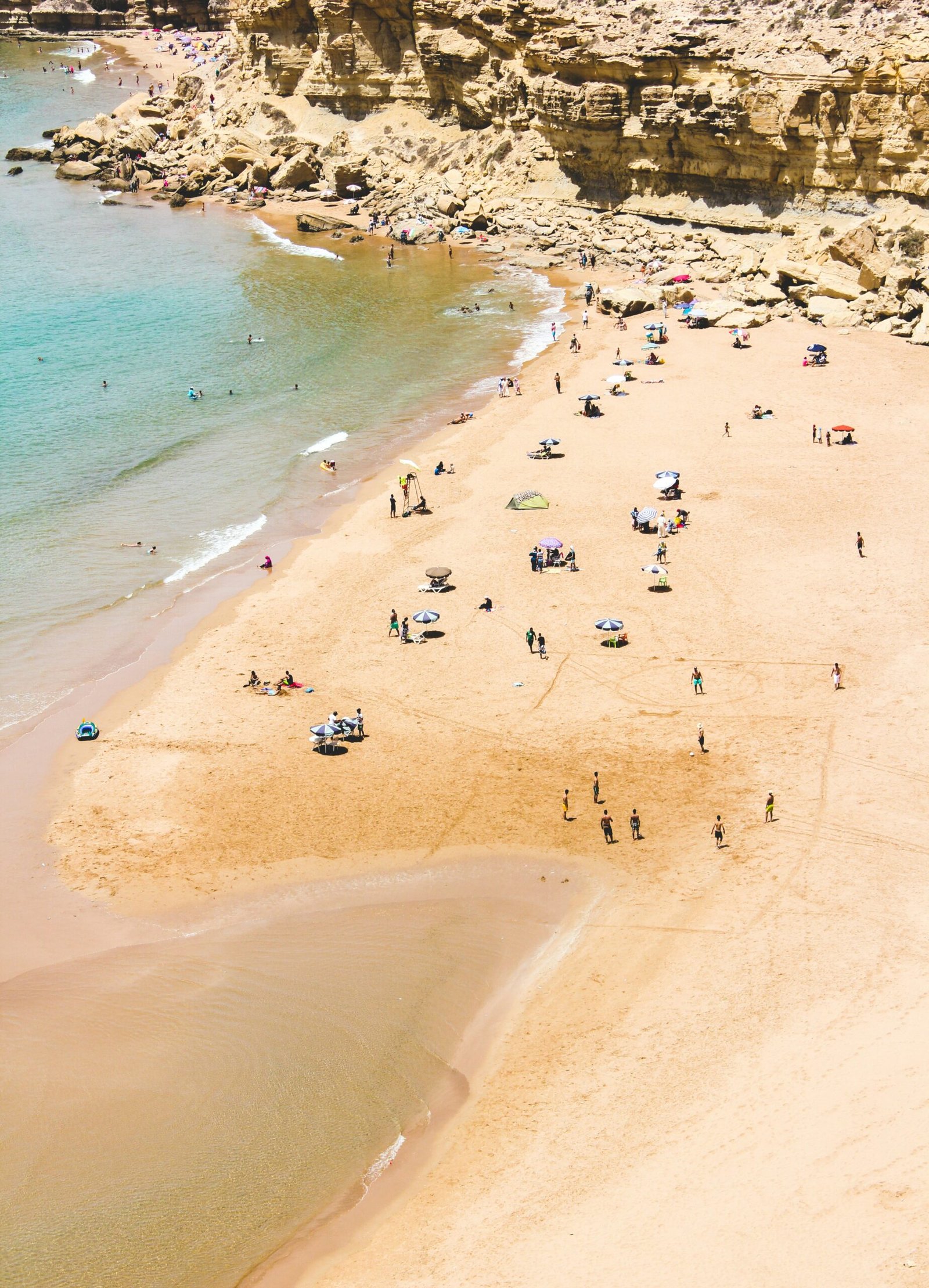
Agadir: year-round sunshine, Atlantic waves, and the gateway to Morocco’s surf-and-yoga coast. Unlike Marrakech’s heat or the Atlas Mountains’ isolation, Agadir offers mild winters (20°C+), warm summers cooled by ocean breezes, and easy access to laid-back villages like Taghazout and Tamraght. Surf, stretch, and reset — all within an hour of the airport.


Agadir is a different Morocco from any other city in the country. Rebuilt entirely after a devastating 1960 earthquake that killed 15,000 people in 15 seconds, it has none of the medieval medinas or winding souks of Marrakech or Fès — instead, wide boulevards, a long seafront promenade, modern hotels, and a beach that stretches for ten uninterrupted kilometres. It is Morocco’s most accessible city, its most resort-oriented, and for yoga retreats, that accessibility is the whole point.
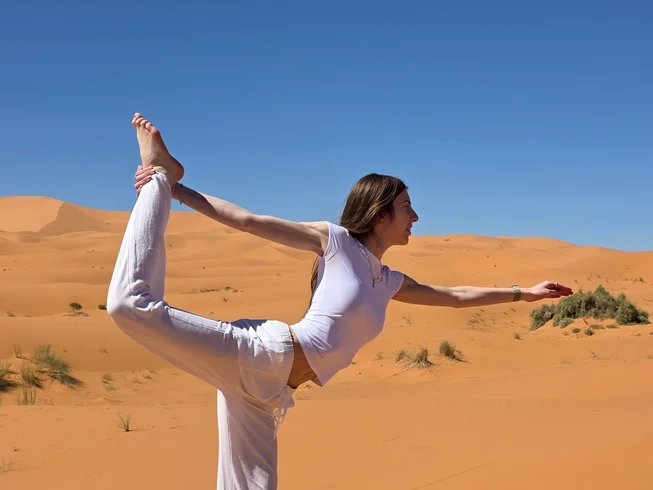
Most retreat programmes in the region are not in Agadir city itself but in the coastal villages of Taghazout and Tamraght, fifteen to twenty minutes north along the coast road. These small, formerly fishing communities have become one of the world’s great surf-and-yoga destinations — rooftop shalas with panoramic Atlantic views, yoga classes timed around surf sessions, and a laid-back international community that has been building here for over a decade. The infrastructure is now genuinely good: proper retreat centres, experienced teachers, varied accommodation, and the kind of community that forms when people with similar values end up in the same place repeatedly.
For the full picture of what Morocco’s Atlantic coast offers — from Agadir north to Essaouira — our Morocco yoga retreats guide covers the range.
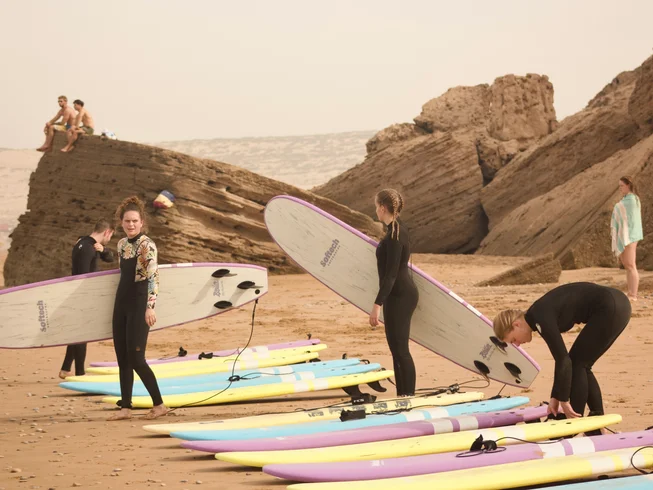
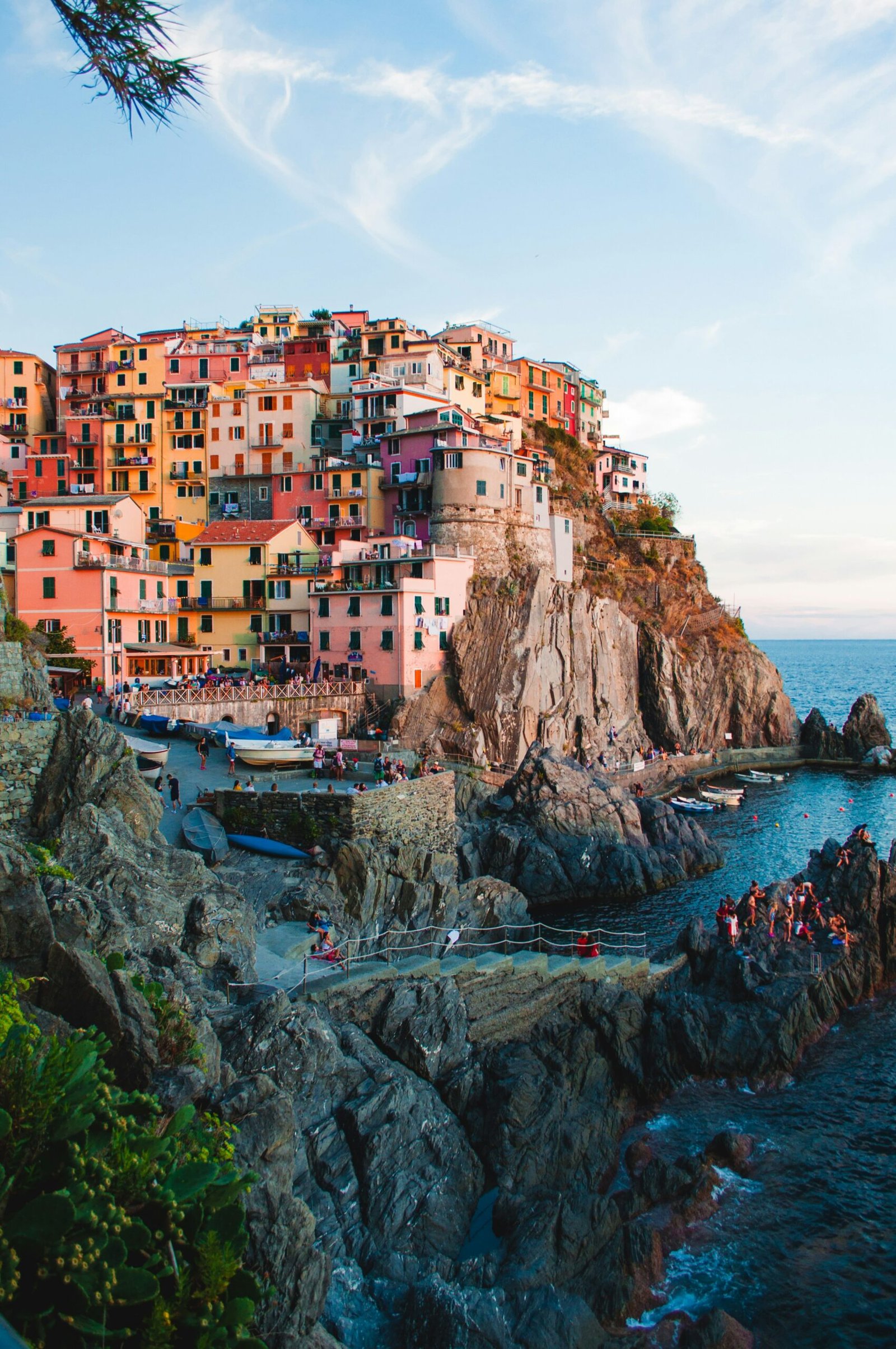
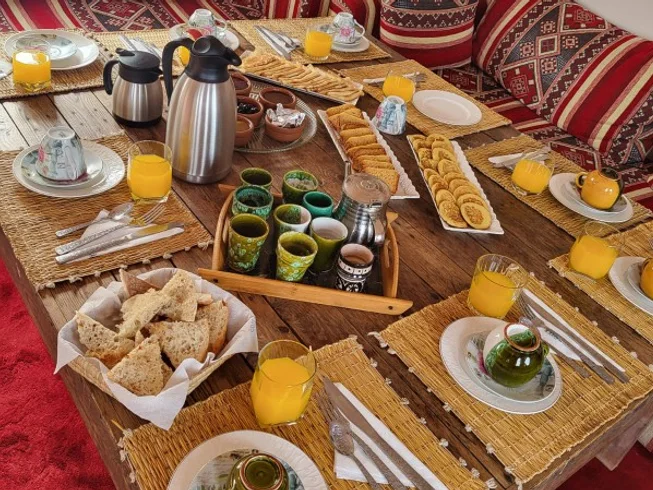
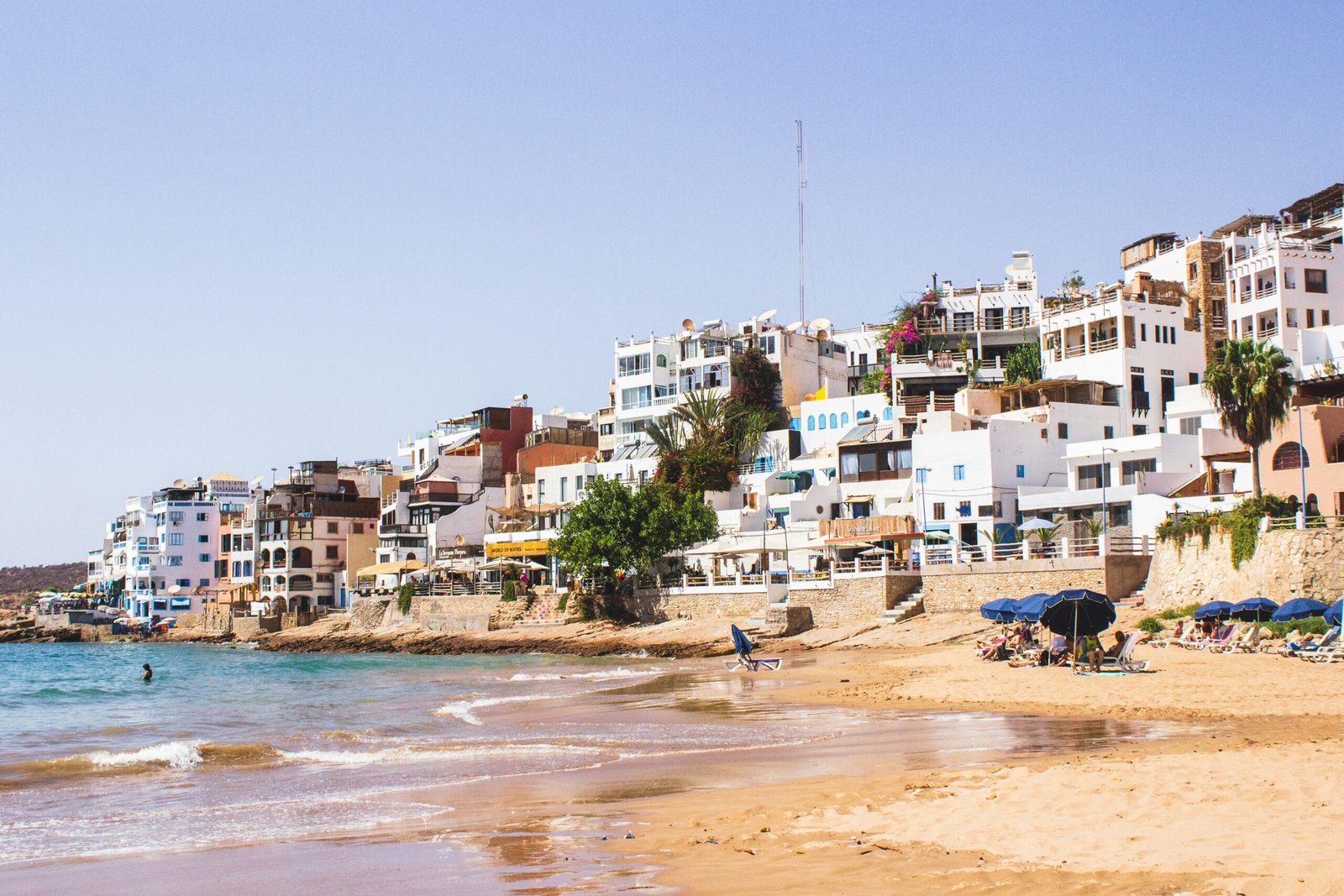
Taghazout — The surf village Fifteen kilometres north of Agadir, Taghazout sits on a headland above one of Morocco’s most consistent surf breaks. The village was a fishing community until surfers discovered it in the 1970s; by the 2010s, yoga had followed. Today it is a genuine international wellness hub — small enough to walk everywhere, with rooftop cafes, yoga shalas overlooking the sea, and a social scene built around shared meals and surf reports. The vibe is barefoot, international, and easy. Retreat centres here range from basic surf houses to well-equipped boutique properties.
Tamraght — Quieter and more local Two kilometres south of Taghazout, Tamraght has a slightly more local character — less polished, more affordable, and increasingly popular with retreaters who want the same surf access without the Taghazout price premium. The beach here is wider and less crowded. A good choice if you want a genuine Moroccan village feel alongside your practice.
Agadir city — Comfort and facilities The city itself has the best hotel infrastructure, the widest range of restaurants, and the easiest logistics. Yoga retreat centres in Agadir proper tend to be larger, more resort-style, often with pools and spa facilities. If you are travelling with family, combining business with retreat, or simply need reliable air conditioning and consistent WiFi, Agadir city makes sense. The beach is excellent and the ten-kilometre seafront promenade is one of the best urban walks in Morocco.
Paradis Plage — Luxury eco-resort Between Agadir and Taghazout, Paradis Plage is the most established luxury retreat centre on this coast — a purpose-built eco-resort with multiple yoga studios, direct beach access, an excellent spa, and a programme of international teachers. It anchors the upper end of what this coastline offers.
Agadir’s food scene reflects its dual character — genuinely Moroccan in the traditional markets and local restaurants, and comfortably international along the seafront and in the resort zone.
Seafood is exceptional and central. Agadir is one of Morocco’s most important fishing ports — the harbour processes enormous quantities of sardines, anchovies, sea bass, sole, and shellfish daily. The fish souks along the port are worth visiting for the spectacle alone: trawlers unloading, cats navigating the docks, auction prices being called in rapid Arabic. Restaurant fish here is as fresh as anywhere in Morocco.
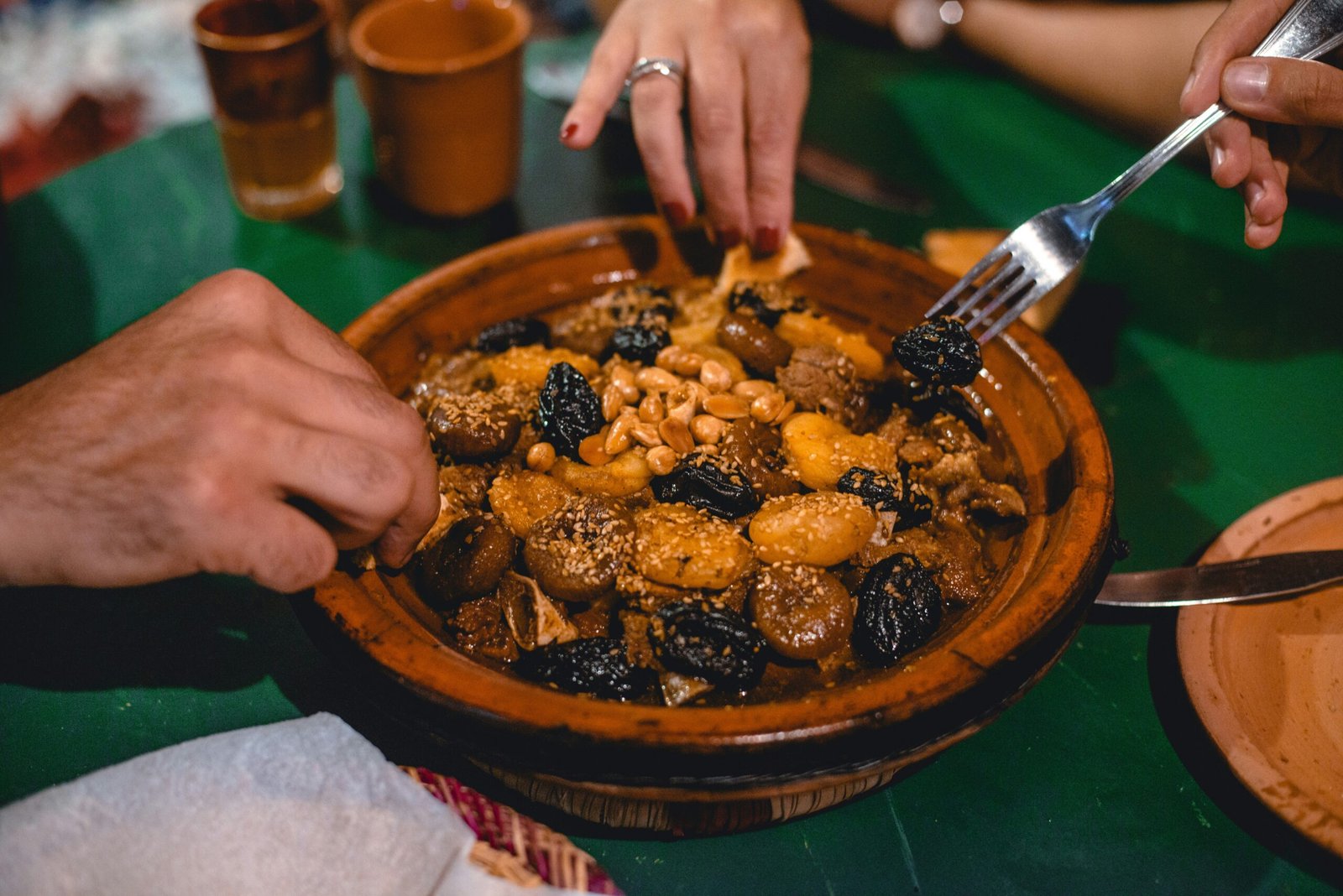
Tagine is the cornerstone of local cooking — lamb with prunes and almonds, chicken with preserved lemon and olives, fish tagine with chermoula. In the local cafes away from the tourist seafront, a tagine with bread and olives costs almost nothing and tastes like it was cooked by someone who has been making this dish for forty years. Because it was.
Argan oil products are produced in the Souss plain surrounding Agadir — the argan trees that grow here produce an oil found almost nowhere else on earth. Amlou — a paste of argan oil, ground almonds, and honey — appears at every traditional breakfast table. Buying argan oil direct from women’s cooperatives in the region (ask your retreat centre to organise a visit) is the most ethically sound option and produces the best quality.
Souss cuisine — the traditional cooking of the Souss-Massa region around Agadir — has its own specifics: mechoui (whole slow-roasted lamb), rfissa (a rich chicken and lentil dish served on a bed of msemen flatbread), and pastilla with almonds. Less well-known than Marrakchi cuisine but worth seeking out in restaurants that serve it.
Fruit grown in the Souss plain is some of Morocco’s finest — citrus, avocado, tomatoes, and increasingly exotic varieties make their way to the local markets in quantities and at prices that make the UK supermarket experience seem like a cruel joke. The weekly souk in Inezgane (just outside Agadir) is the best market on this stretch of coast for produce.
For restaurants: the seafront marina area has the widest selection of international options. For authentic Moroccan food away from the tourist circuit, the Talborjt and Yachts Club neighbourhoods have local restaurants that serve the city’s residents rather than its visitors.
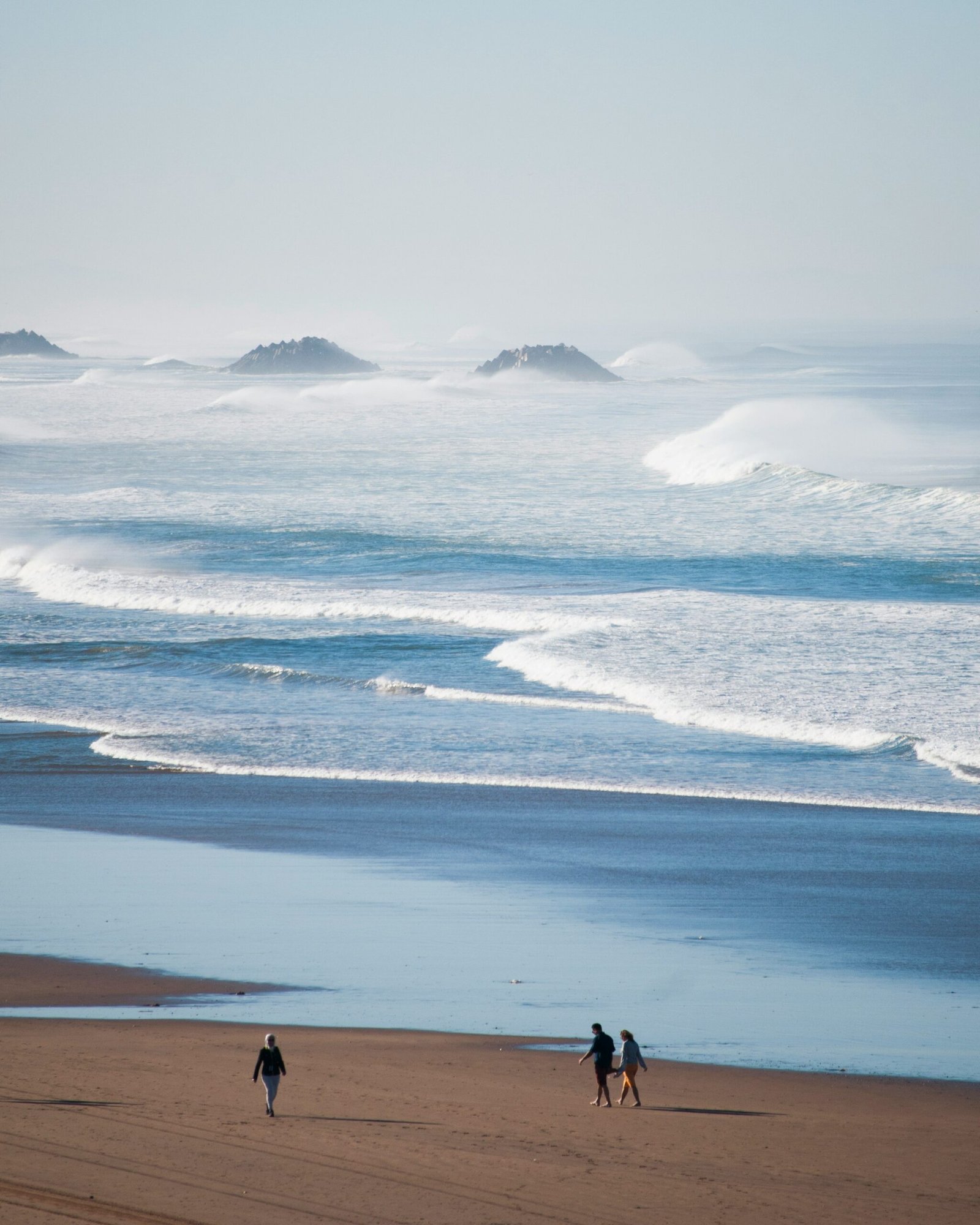
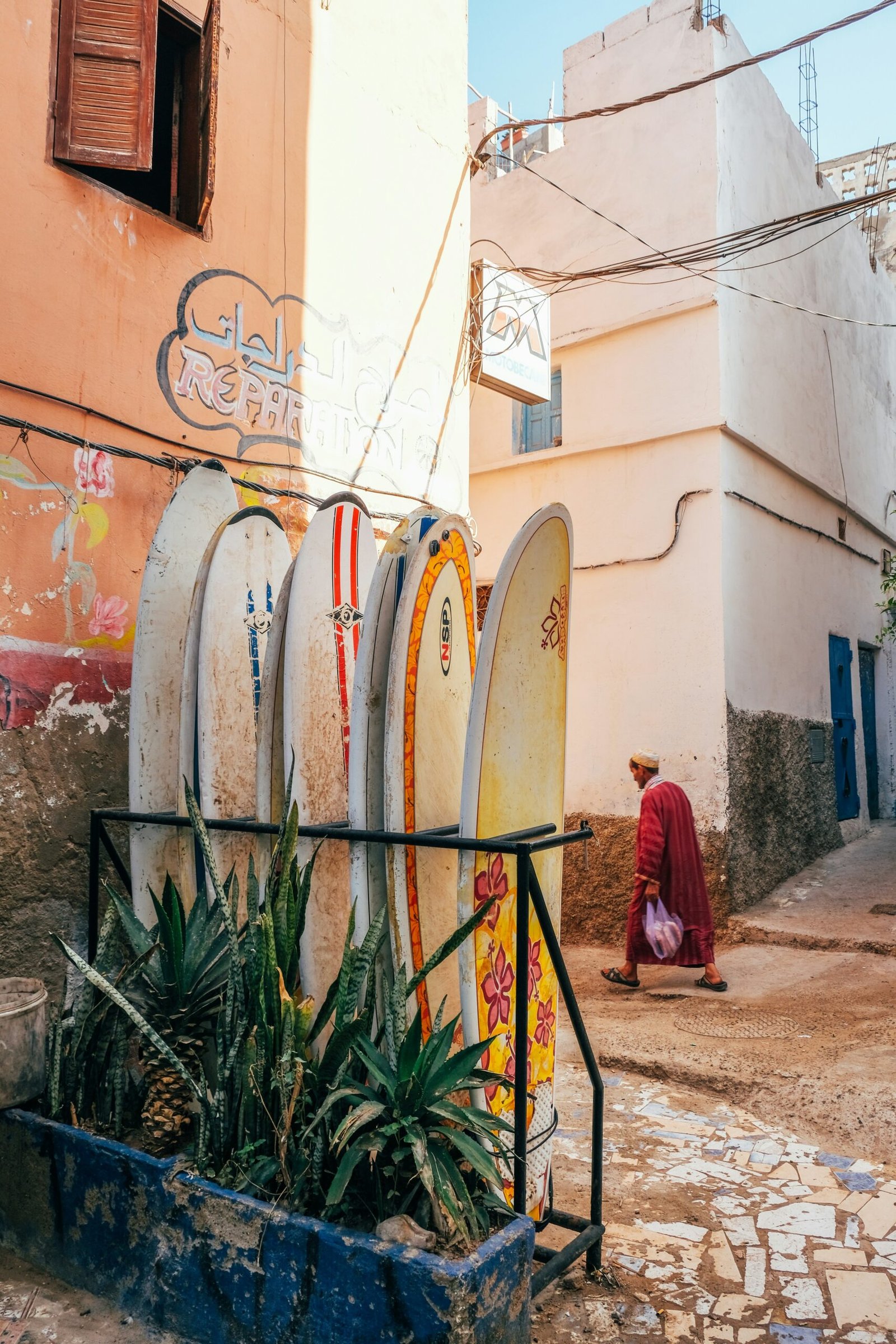
Surfing The stretch of coast from Agadir north to Taghazout contains some of the most consistent surf breaks in Africa — Anchor Point (a long right-hander considered one of the best point breaks on the continent), Hash Point, Panoramas, Killer Point, and Mysteries. Wave quality ranges from beginner-friendly beach breaks to experienced-only reef breaks. Most yoga retreats in the area include surf lessons or surf-and-yoga combinations; if yours does not, independent instruction is widely available and inexpensive. The surf season runs year-round, with the biggest swells arriving November through March.
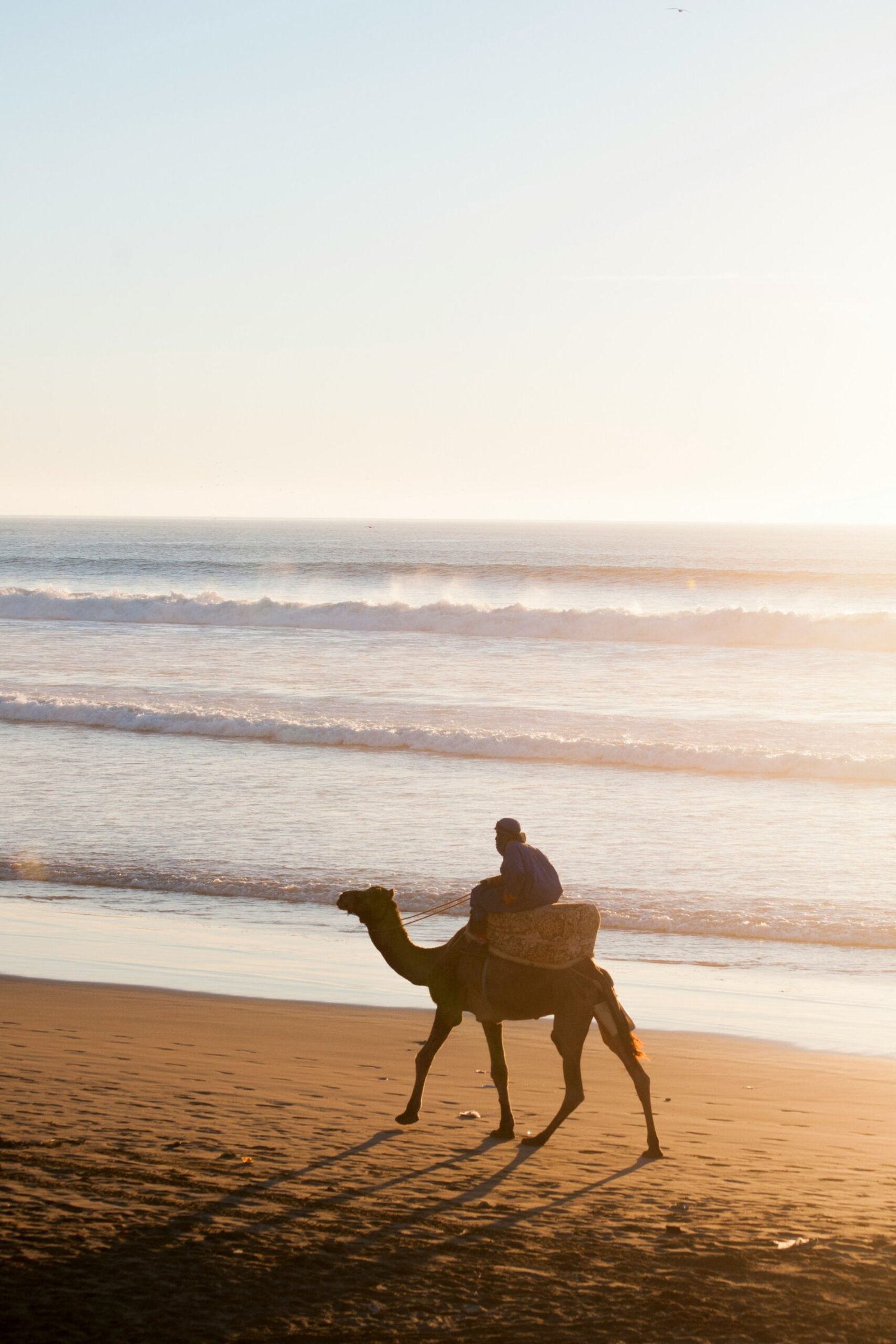
Camel Trekking on the Beach Less kitsch than it sounds — a slow camel ride along the southern stretch of Agadir beach at sunset, with the Atlas foothills visible inland and the Atlantic stretching west, is genuinely beautiful. An hour is enough; book through your retreat centre rather than from beach vendors to ensure the animals are properly treated.
Paradise Valley Sixty kilometres northeast of Agadir in the Anti-Atlas foothills, Paradise Valley is a palm-filled gorge with natural swimming pools carved by the Tamraght river. The water is clear and cold, the palms provide shade, and the drive through argan forest is worthwhile in itself. Easily done as a half-day excursion from any Agadir or Taghazout retreat. Go early morning to have the pools to yourself.
Souss-Massa National Park Thirty kilometres south of Agadir, the national park protects 340 km² of coastal wetlands, argan forest, and Atlantic cliff habitat. Northern bald ibis — one of the world’s rarest birds, with fewer than 500 individuals left — nest here alongside flamingoes, herons, and raptors. A guided birdwatching walk at dawn is an unexpected pleasure on a yoga retreat and a useful reminder that Morocco’s wildlife is extraordinary and largely unknown.
The Argan Forest and Women’s Cooperatives The Souss plain around Agadir is covered in argan trees — gnarled, thorny, long-lived trees found almost exclusively in this corner of Morocco. Women’s cooperatives throughout the region process the nuts by hand into oil, and many welcome visitors to watch the process (cracking the hard shells, grinding the kernels, pressing the oil) and buy directly. It is one of the most honest and interesting food production experiences available in Morocco, and the cooperatives provide genuine economic independence to the women who run them.
Agadir Oufella Ruins On the hilltop above the city, the ruins of the old kasbah (destroyed in the 1960 earthquake) offer the best views of Agadir — the bay, the beach, the Atlas foothills to the east, and the coastline north toward Taghazout. An inscription on the remaining wall reads “Love, Honour, Country” — all that is left of a city that no longer exists. Thirty minutes, no charge, worth it.
Day Trip to Taroudant Eighty kilometres east through the Souss Valley, Taroudant is sometimes called “the grandmother of Marrakech” — a genuine walled medina city with souks, ramparts, a weekly market, and a pace that makes Marrakech feel frantic. Far less visited, genuinely authentic, and easily done as a full day trip. Good food and a hammam before the drive back.
Surf Watching at Anchor Point Even if you never get in the water, watching experienced surfers work the long right-hand waves at Anchor Point (just north of Taghazout) for an hour is a meditation in itself — the patience of waiting for the right wave, the explosive commitment of taking off, the long ride that follows. Pack a coffee and sit on the clifftop.
Agadir is the most season-proof destination in Morocco — the Atlantic climate keeps temperatures moderate year-round. But each season has its character.
October to April is the surf season — the best swells arrive from Atlantic storms, waves are consistent and powerful, and temperatures are ideal for practice (20–25°C days, 15–18°C evenings). This is peak season for retreat centres, and the international community on this coast is at its most active.
November to February is the sweet spot for those escaping European winter — genuinely warm by day (18–22°C), cool by night, rarely raining, and the surf at its most powerful. Agadir in January while the rest of Europe shivers is one of Morocco’s most compelling propositions.
May to September is summer — warmer (25–32°C), drier, and with smaller surf. Better for swimming and beach practice than surfing. Agadir attracts more Moroccan and French tourists in peak summer. The ocean keeps temperatures manageable when the rest of Morocco swelters.
By air: Agadir Al Massira Airport (AGA) has excellent direct connections from across Europe — London, Paris, Amsterdam, Brussels, Madrid, and many others — on carriers including Ryanair, easyJet, Transavia, and Royal Air Maroc. Flight time from London is around 3.5 hours. Importantly, Agadir has better direct winter sun connections than Marrakech, making it easier to reach in the low season without a connection.
Airport to resort area: Around 30 minutes by taxi to Agadir city, 45 minutes to Taghazout. Grand taxis are the most practical option. Most retreat centres offer airport transfers — worth arranging in advance, especially for first-time visitors.
From Marrakech: Three hours by road — a pleasant drive through the Tizi n’Test mountain pass if you have flexibility, or the faster N10 through Taroudant.
Is Agadir or Taghazout better for a yoga retreat? They offer different experiences. Taghazout has more character, a stronger surf-and-yoga community feel, and a more intimate village scale — the right choice if you want atmosphere and don’t need luxury. Agadir has better facilities, more accommodation options, and easier logistics — the right choice if you are travelling with family, need reliable infrastructure, or prefer a resort-style environment. Many retreats are based in Taghazout and use Agadir for excursions and the airport.
Do I need surfing experience to join a retreat near Agadir? No. Most surf-and-yoga retreats are designed for complete beginners and provide instruction from the first session. The breaks near Taghazout include genuinely beginner-friendly waves, and the combination of yoga body awareness and surf instruction tends to accelerate learning. If you have no interest in surfing, yoga-only retreats are also available in the area.
How does Agadir compare to Essaouira for a yoga retreat? Agadir is warmer, sunnier, more modern, and more resort-oriented. Essaouira is cooler, windier, more characterful, and more bohemian. Agadir suits those who want reliable sunshine, surf, and easy infrastructure. Essaouira suits those who want Atlantic atmosphere, a UNESCO medina, and a more culturally embedded experience. Both are excellent — the choice depends on what you are looking for. If you want to compare them directly, our yoga retreats in Essaouira guide covers the Essaouira experience in detail.
What yoga styles are available in Agadir retreat centres? The surf-and-yoga culture that dominates Taghazout tends toward dynamic, movement-based styles — Vinyasa, Ashtanga, Power yoga — that complement the physical demands of surfing. Yin yoga and Restorative yoga appear on most programmes as balance. Hatha and mixed-level classes are standard. Less common are meditation-only or deeply traditional programmes — for those, the Atlas Mountains or Marrakech riads tend to be better suited.
Is Agadir safe for solo travellers? Yes. Agadir is one of Morocco’s safest and most tourist-friendly cities, with a well-established visitor infrastructure and a local culture accustomed to international travellers. Solo women travellers report feeling comfortable, particularly in the beach and resort areas. The Taghazout and Tamraght villages are small enough that everyone knows everyone, creating a natural safety. Normal urban awareness applies in the city itself.
Your email address will not be published. Required fields are marked *