
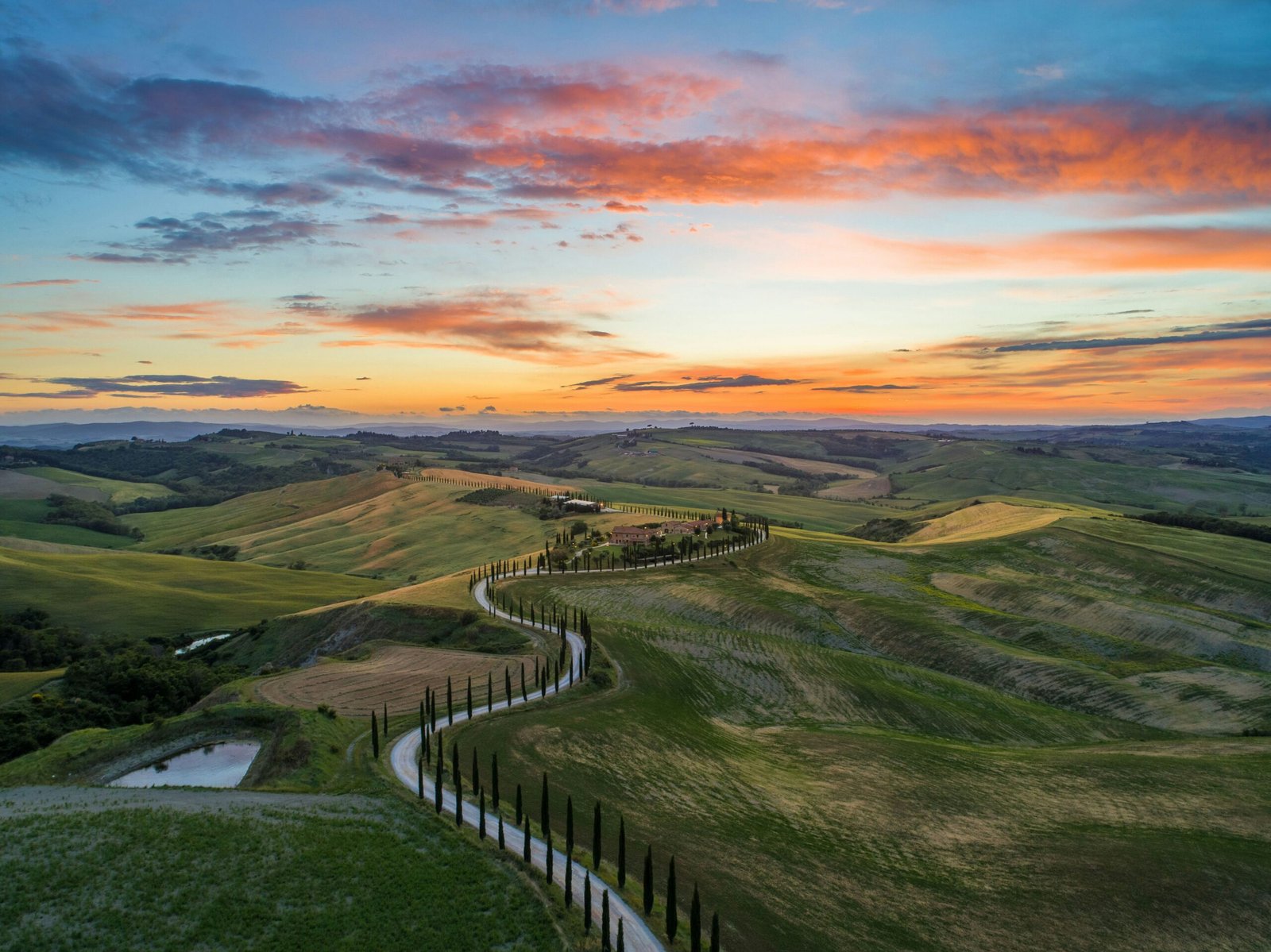
February in Italy has two things that January lacks: the almond blossom and Carnival. The almond trees flower across Sicily in the first three weeks of the month, producing one of those seasonal landscape events that exists for a narrow window and then is gone.
And Venice in Carnival is the city doing something it has been doing since the twelfth century — masks, processions, and the particular collective pleasure of a city that knows how to celebrate in extraordinary spaces. Combined with the continued winter quiet of the thermal retreat centres, February makes a specific and rewarding case for itself.


February shares January’s advantages — low prices, small retreat groups, a country operating at its own pace — and adds the almond blossom in Sicily and the Carnival season that peaks in the last week before Lent. The wellness infrastructure in South Tyrol, Tuscany, Umbria, and Sicily stays fully operational. Our wellness retreats in Italy guide covers the full range of programmes across the country.

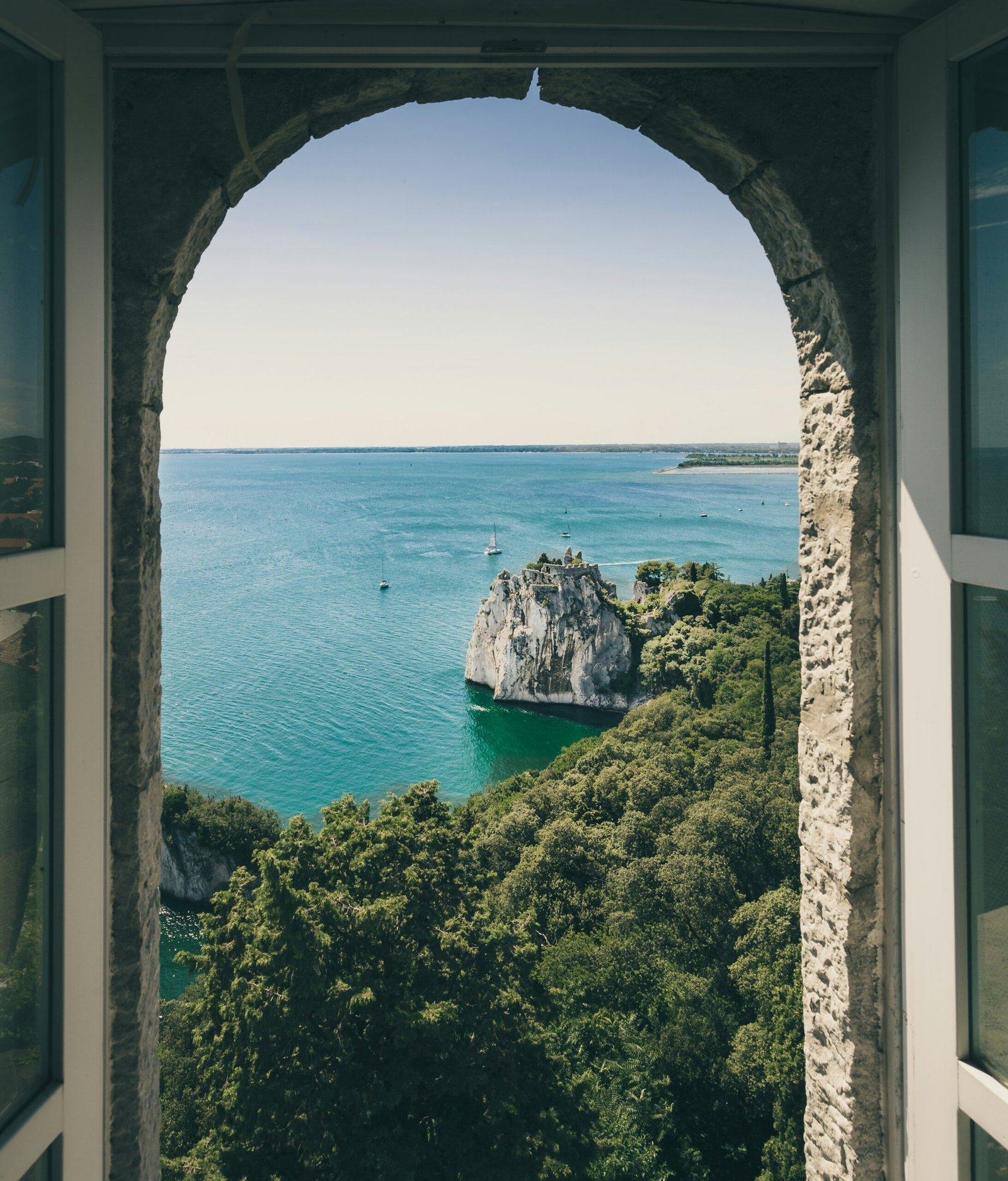
February is the month Sicily does something extraordinary. The almond orchards of the Agrigento hinterland, the hills above Sciacca, and the slopes around Caltabellotta flower in the first three weeks of February — white blossom on bare branches against red volcanic earth and blue sky, a combination so specific to this island and this month that the town of Agrigento holds its annual Almond Blossom Festival (Sagra del Mandorlo in Fiore) in the first week of February.
The Valley of the Temples in Agrigento — the most intact collection of ancient Greek temples outside of Greece itself — has the almond orchards flowering within the archaeological park in February, producing a combination of ancient stone and white blossom that is genuinely one of the most specific seasonal landscapes in Italy. Wellness retreat programmes in the Agrigento area in February build an excursion to the valley during blossom peak as a core activity.
Beyond the blossom, February Sicily has the Terme di Sciacca still accessible without the summer visitors, temperatures of 14-18°C on the southern coast, and the specific quality of winter Mediterranean light that the summer’s overhead sun obscures. The blood oranges from the Etna foothills are at their February peak — the Moro variety at its deepest red and its most intensely flavoured in the cold of February specifically.
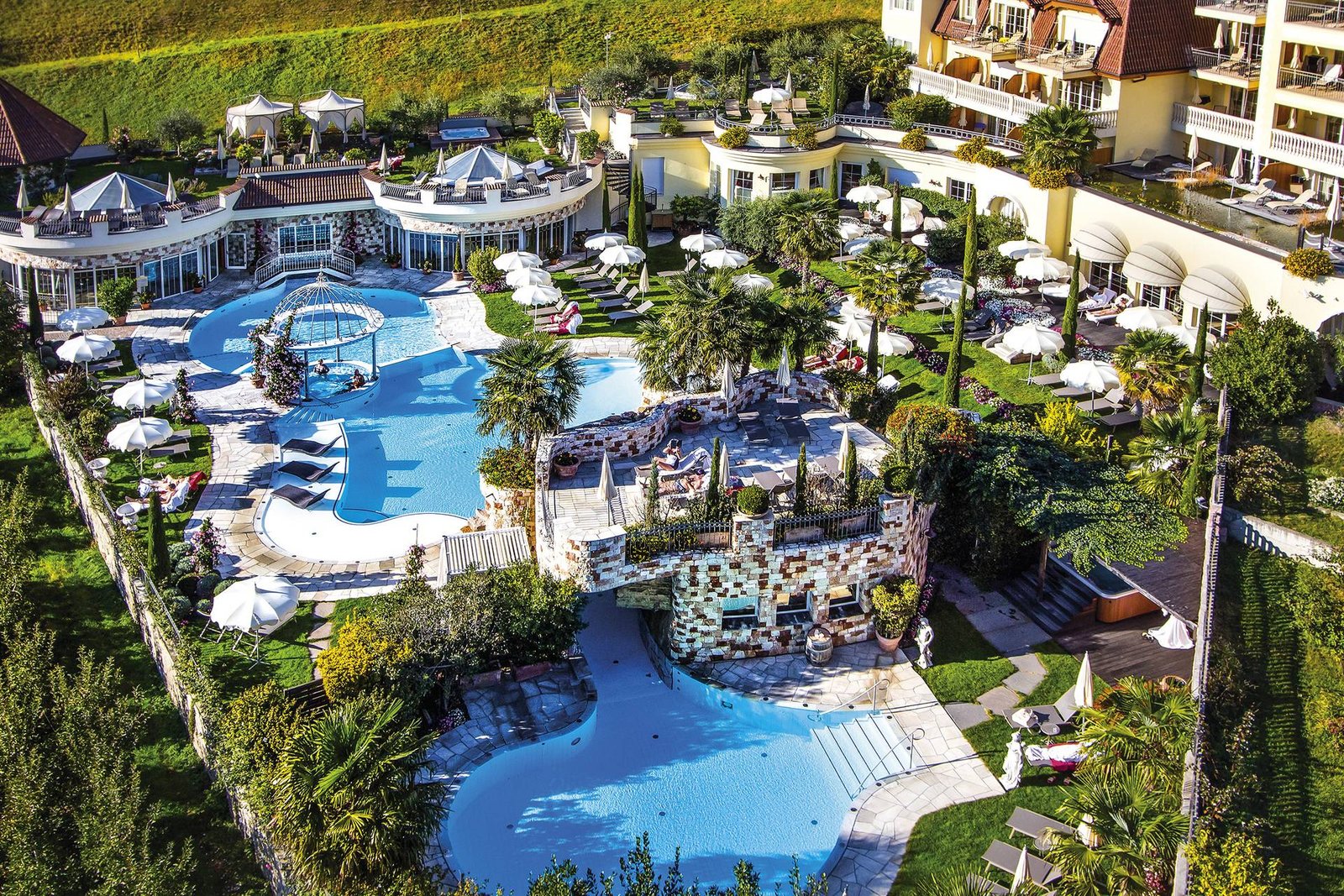
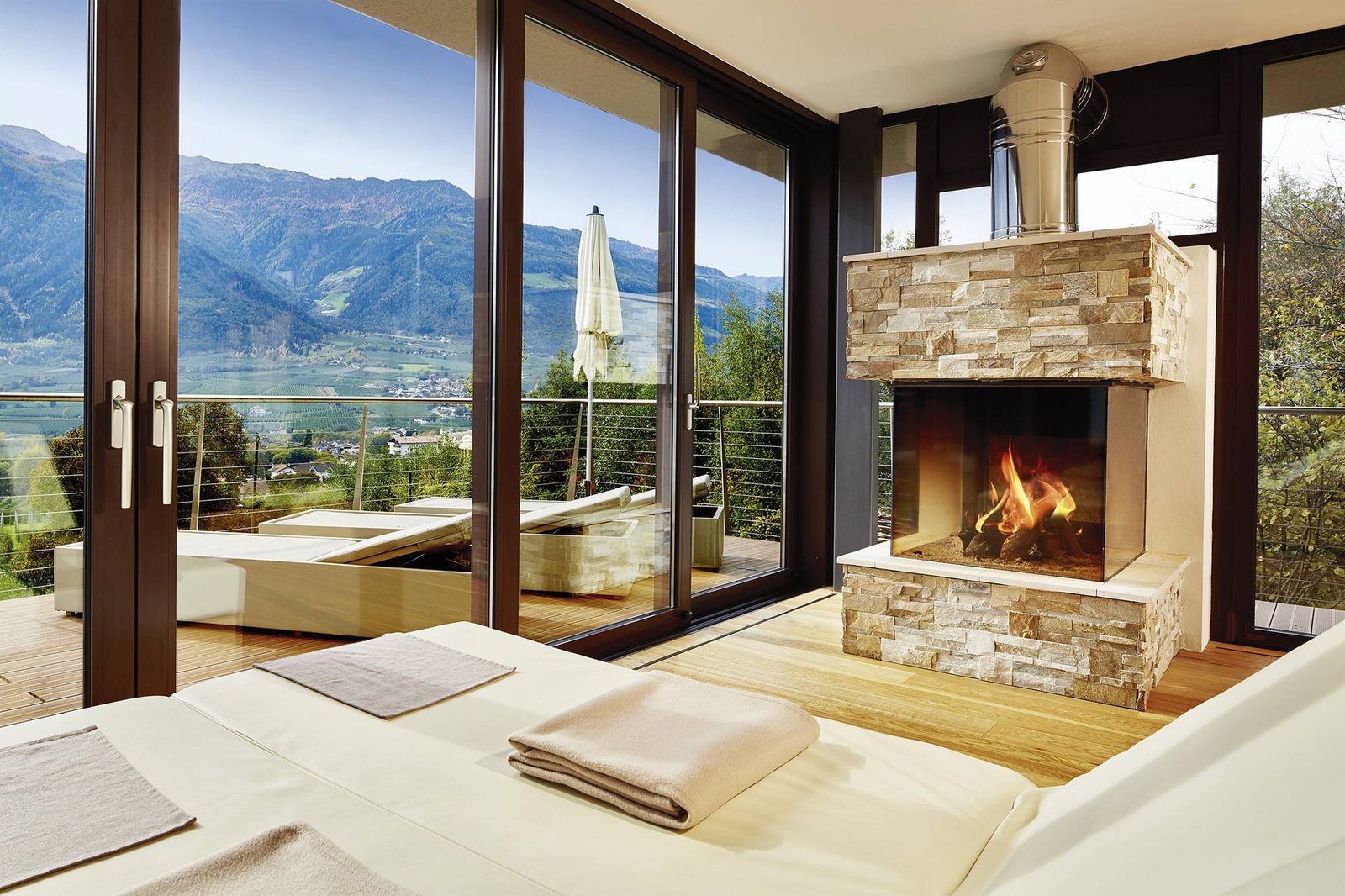
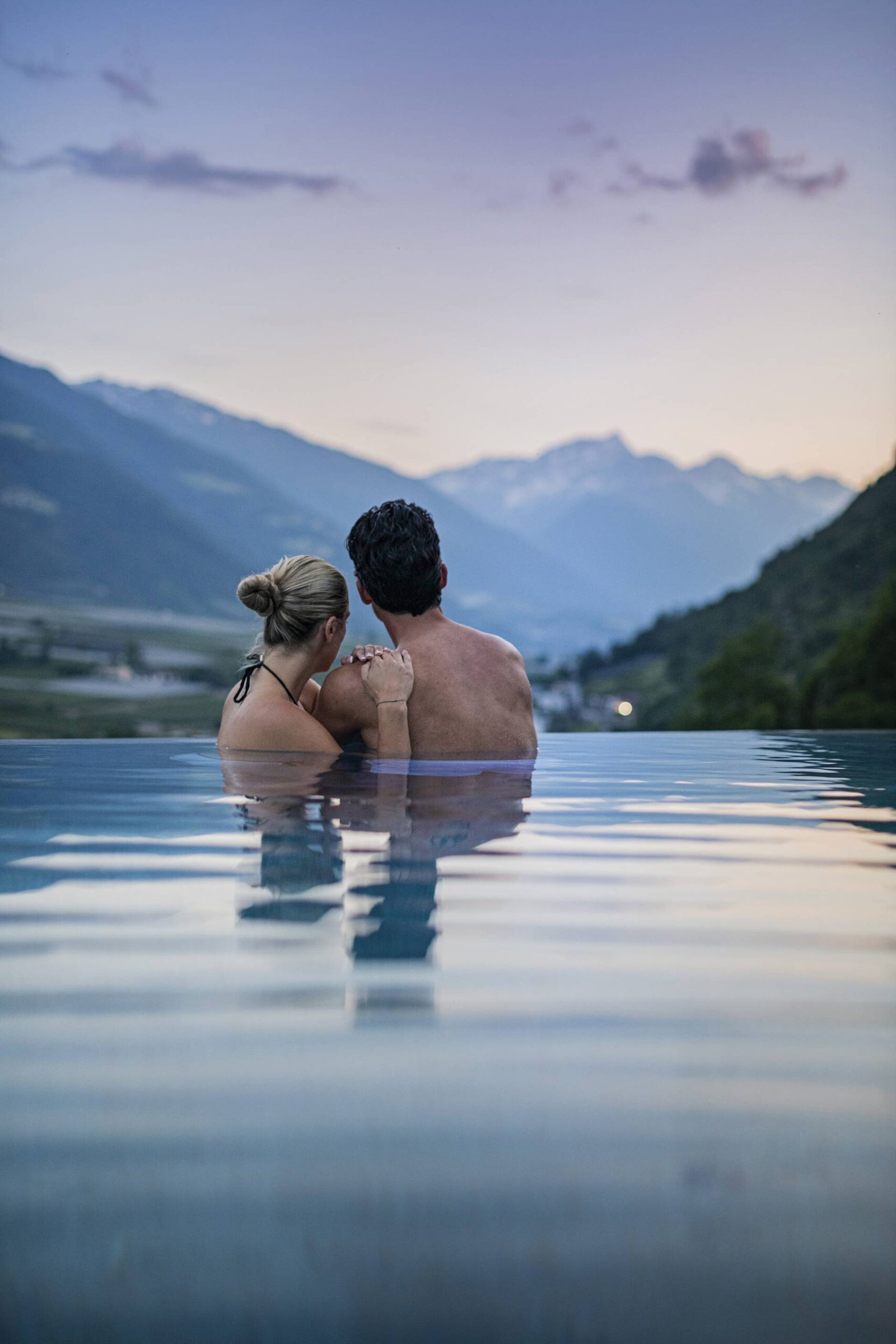
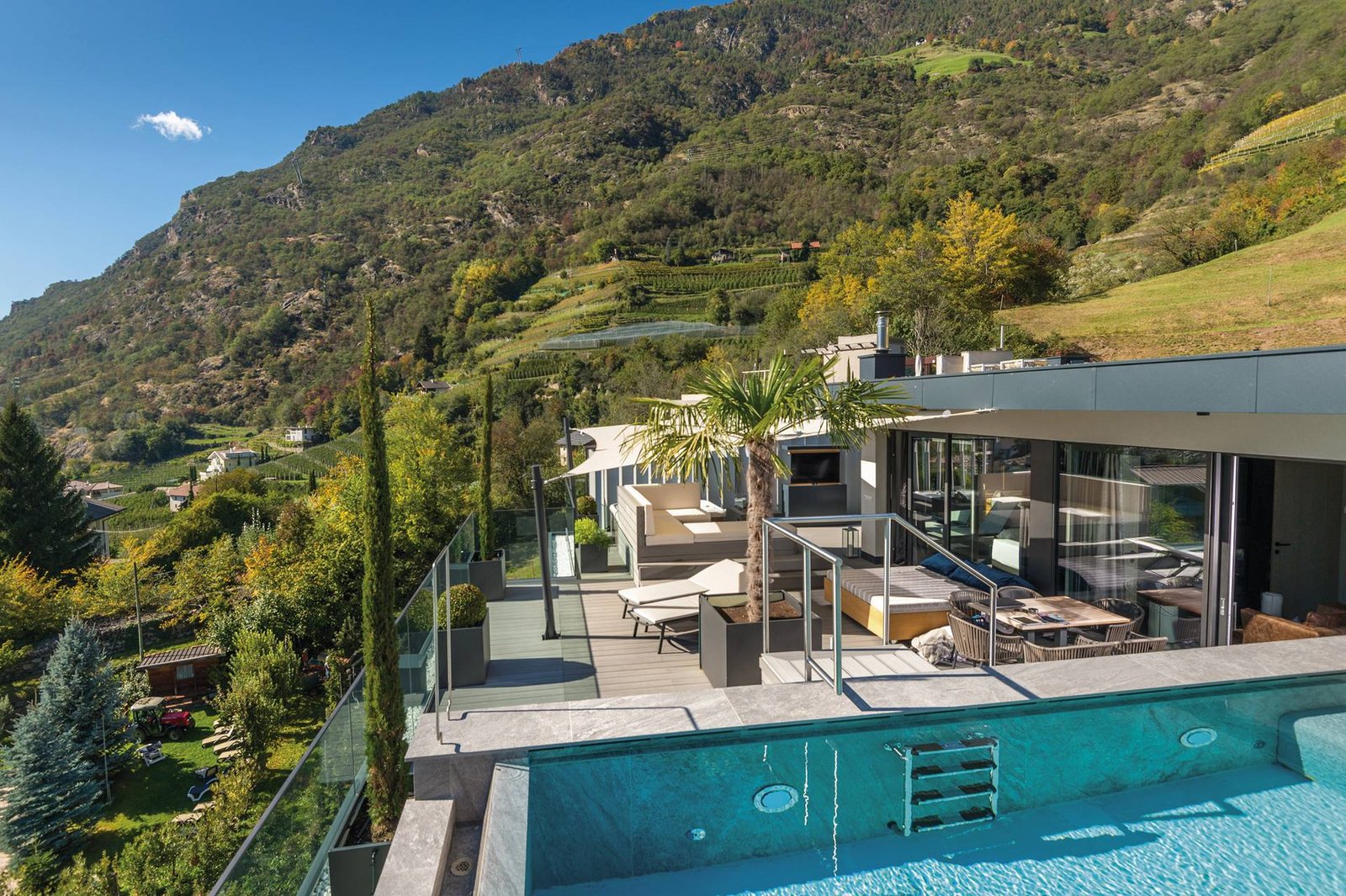
February is the peak month of the alpine wellness season in South Tyrol. The snow is guaranteed, the thermal and sauna facilities are at full operation, and the hay bath treatments — the dried summer herbs packed around the body, the heat produced by fermentation — are available in their most complete form. The contrast between the -5°C outdoor temperature and the 38°C thermal pool is at its February maximum, producing the cardiovascular and neurological benefits that the thermotherapy research has documented.
The Carnival period in the Dolomites has a specifically South Tyrolean character: the traditional Tyrolean masks and processions through the village streets, the bonfires that mark the end of Carnival on Shrove Tuesday, and the particular festive energy of a mountain community celebrating before the Lenten season. For retreat guests based in the South Tyrol valleys, the local Carnival adds a cultural dimension to the February wellness week that the summer programme cannot offer.
Venice in February is the city at its most extraordinary. The Carnival of Venice — running for the ten days before Ash Wednesday — is the most visually spectacular festival in Italy: the masks, the elaborate historical costumes, the processions on the water, and the parties in the palazzo courtyards. For wellness retreat guests, Venice in Carnival is not a distraction from the retreat but a specifically Italian cultural experience that the retreat context makes more absorbing.
The Veneto thermal circuit — the Euganean Hills thermal spa town of Abano Terme and Montegrotto Terme, 45 minutes from Venice — produces the most medically developed thermal wellness offering in Italy. The Euganean mud (fango) therapy, used for musculoskeletal conditions since Roman times and now supported by a substantial clinical literature, is at its most accessible in February when the summer spa tourism has not yet arrived.
A retreat structure that combines two nights in Venice during Carnival with five nights at an Euganean Hills spa property produces a February that is simultaneously culturally rich and physically restorative in a way that no other month or region in Italy can quite replicate.
Tuscany in February continues from January with the thermal springs — Saturnia still accessible without summer crowds, Bagno Vignoni still producing its medieval piazza-pool of thermal water — and adds the Carnival celebrations of Viareggio, one of the most elaborate in Italy after Venice.
Viareggio Carnival on the Tuscan coast — famous for its enormous satirical floats, the largest in Italy — runs through February and is specifically worth attending for the scale and quality of the craftsmanship. The floats, built over the preceding year by teams of artisans, satirise political figures and current events in a tradition that goes back to 1873. A thermal retreat in the Tuscan Maremma or the Val d’Orcia with a Viareggio Carnival evening as a cultural excursion is doing February Tuscany correctly.
The South Tyrol thermal circuit in February runs at maximum capacity and with the full range of treatments. The hay bath — dried alpine herbs from the previous summer’s harvest packed around the body in a linen sheet, the fermentation heat building to 40°C over 20 minutes before a cool shower and rest — is the most specifically Tyrolean treatment and the one most worth booking in advance. The outdoor thermal pool at -5°C ambient temperature produces a contrast experience that the same pool at 20°C in August simply cannot — the steam, the cold air on the face above the warm water, and the specific quality of a snow-covered mountain landscape visible from the pool are specifically February.
The Euganean mud (fango) therapy at Abano Terme and Montegrotto Terme is the most medically researched thermal treatment in Italy. The volcanic mud is matured in the thermal water for months before application, producing a mineral-rich paste that is applied to the body at 37-39°C and left for 15-20 minutes. Clinical research has documented its effectiveness for inflammatory joint conditions, and the thermal pools that follow the mud application — the highly mineralised water of the Euganean Hills springs at 37°C — complete a treatment sequence that the Romans used on this site two thousand years ago.
Sicily’s wellness culture in February uses the almond harvest in ways that go beyond the plate. The best Sicilian spa treatments in February incorporate the new-season almond oil — cold-pressed from the February harvest, intensely nourishing, and with a specific fatty acid profile that makes it one of the finest massage oils produced in Italy — in body treatments that are specifically of this month and this island.
February detox programming in Italian wellness retreats bridges the deep winter reset of January with the lighter spring approach that March begins to allow. The February detox at a Tuscan or Umbrian retreat centre has slightly more variety than January — the first spring vegetables beginning to appear in the warmer spots, the citrus still at peak, and the bitter winter greens (radicchio, cicoria, catalogna) that the Italian detox tradition has always used for their liver-supporting properties.
Fresh almonds from the Sicilian orchards appear at Agrigento market stalls in late February — still soft and milky inside, with a sweetness that the dried versions cannot preserve. Eaten out of hand with a pinch of salt or combined with the local ricotta and honey, they taste specifically of this season and this island. The Sagra del Mandorlo in Agrigento in early February produces a food market with the regional almond products: almond paste (pasta di mandorle), almond biscuits (amaretti di Agrigento), and the torrone siciliano made with the February harvest.
Radicchio di Treviso — the elongated, intensely bitter red chicory grown in the Veneto — is at its February peak. The Tardivo variety (the most prized, with curled tips and white ribs) is harvested from January through March and appears at the best Veneto restaurants and retreat kitchens in February. Its bitterness is not a flaw but a feature: the bitter compounds (inulin, lactucopicrin) support digestive and liver function in ways that the Italian traditional medicine has always understood and that nutritional research has increasingly documented.
Carnival pastries appear in every Italian bakery from late January through Shrove Tuesday. Frittelle veneziane — the Venetian fried dough balls with raisins and pine nuts, dusted with icing sugar — are the Carnival food of Venice. Chiacchiere (also called cenci, frappe, or bugie depending on the region) — thin, crispy fried pastry strips dusted with icing sugar — are the national Carnival pastry, eaten across Italy from February through Mardi Gras. These are not wellness foods in the narrow sense but they are seasonal foods in the cultural sense — the retreat that includes them at the Carnival dinner is acknowledging the season rather than fighting it.
Puntarelle — the Roman chicory prepared by slicing the inner stalks into curls that are soaked in cold water until they spiral, then dressed with anchovy, garlic, and olive oil — is a February vegetable dish specific to Lazio and increasingly available across central Italy in winter. It appears at farm-to-table retreat kitchens in Tuscany and Umbria in February as the most distinctively Italian of the winter salad preparations.
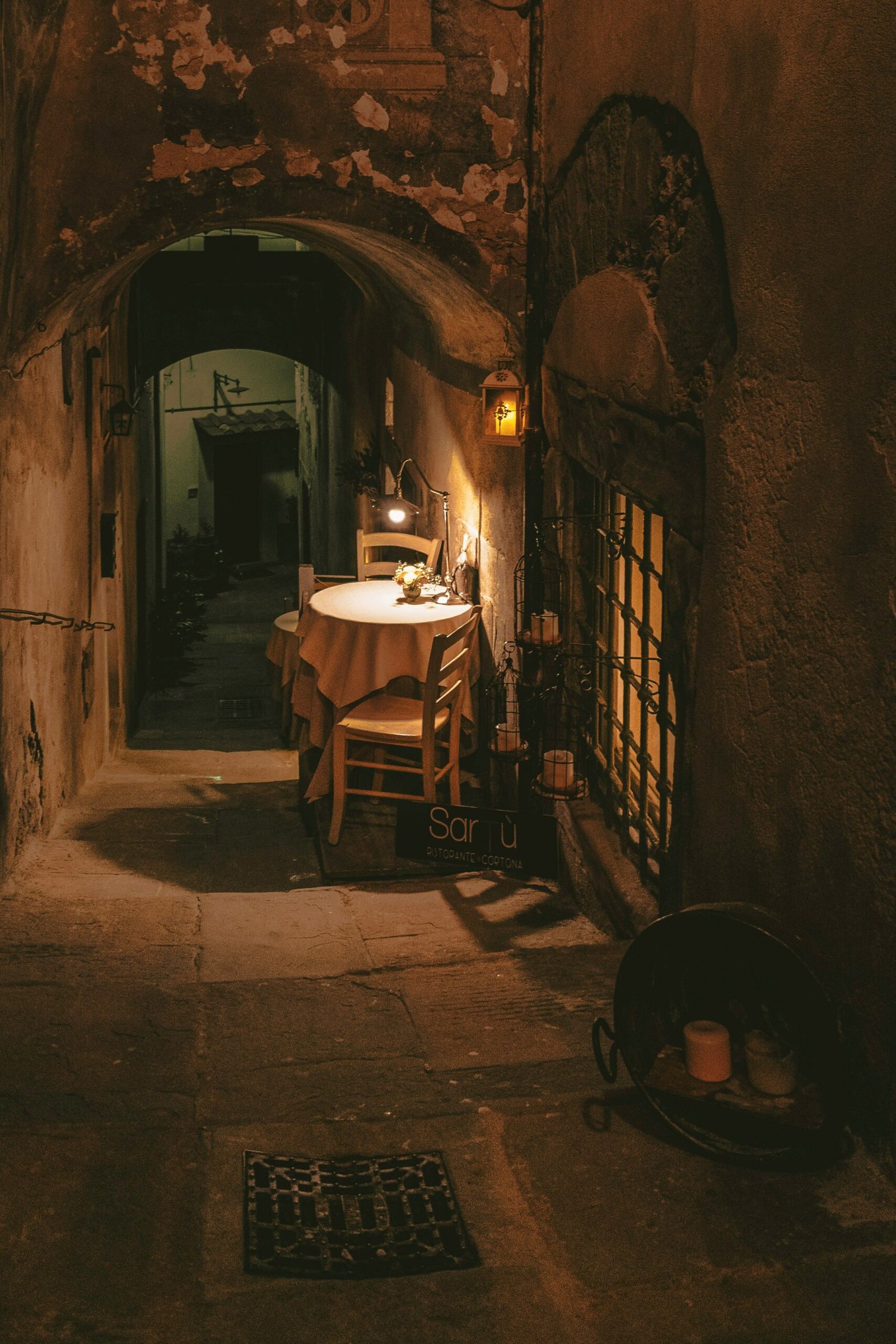
The ten days before Ash Wednesday, exact dates vary annually. The most visually extraordinary festival in Italy, and one of the oldest in Europe — the Venetian Carnival tradition dates to the twelfth century. The Flight of the Angel (Volo dell’Angelo) on the Sunday before Shrove Tuesday — a person in historical costume descending on a wire from the campanile of San Marco to the Piazza — is the set-piece event. The masked balls in the historic palazzi are ticketed and expensive; the free events in the Piazza San Marco and the surrounding squares are the better experience for retreat guests combining Venice with a Veneto wellness programme.
The Almond Blossom Festival in Agrigento — held in the first week of February, exact dates vary — celebrates the flowering of the almond orchards with folk music, traditional costumes, and food markets in the Valley of the Temples. International folk dance groups participate alongside Sicilian traditions. Worth attending for the combination of the archaeological landscape and the blossom timing.
The Viareggio Carnival on the Tuscan coast — famous for its enormous satirical floats, the largest in Italy — runs through February with the main parades on the four Sundays before Shrove Tuesday. The floats are built over the preceding year by artisan workshops and reach heights of 15-20 metres. Free to watch from the seafront promenade; grandstand tickets available for the best view.
February programming sits between January’s deep winter mode and the more outdoor-oriented spring approach that March begins to allow. The thermal circuit remains the daily anchor in the Dolomites and Tuscany. The almond blossom excursion in Sicily changes the week mid-point — a half-day drive to the Valley of the Temples during blossom peak, with a picnic lunch among the flowering orchards, is consistently the moment that February retreat participants describe as the highlight of the week.
The Carnival evening for retreats based near Venice, Viareggio, or in the South Tyrol changes the week’s social character in a way that January cannot produce. The communal retreat dinner on Shrove Tuesday with the traditional Carnival pastries, or the Viareggio float parade as an afternoon excursion — these are programming events that acknowledge the season rather than treating the retreat as separate from it.
Evening programming in February is still restorative: the Yin sessions, the extended savasana, the journalling time in front of the wood fire. But the blossom season and the Carnival energy introduce a note of lightness into the February retreat week that is specifically transitional — winter still present, spring already signalling its arrival.
Your email address will not be published. Required fields are marked *