Prioritise group size
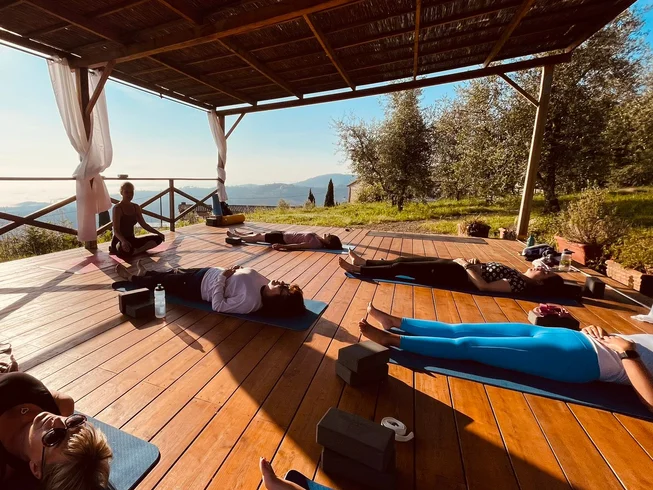
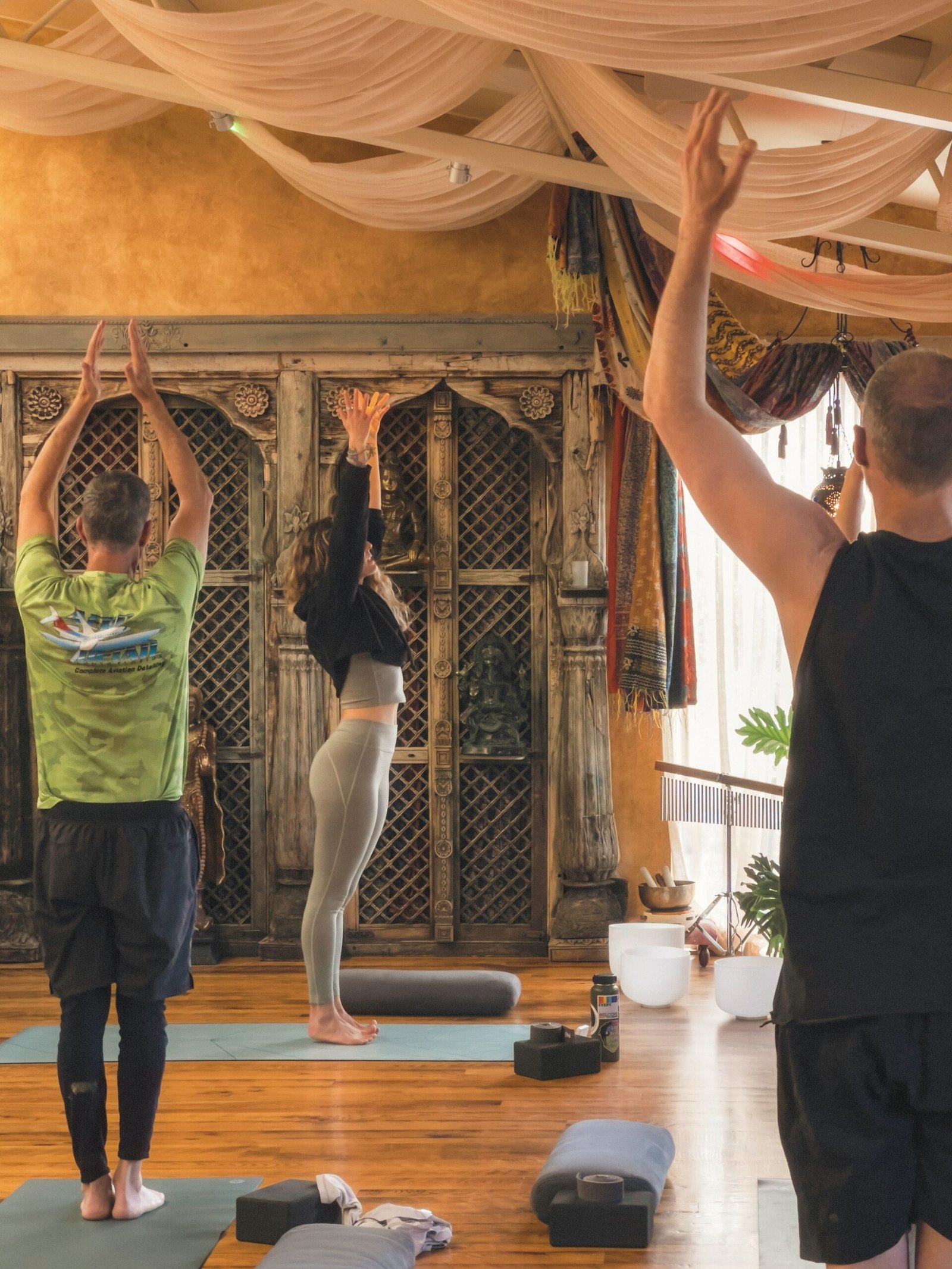
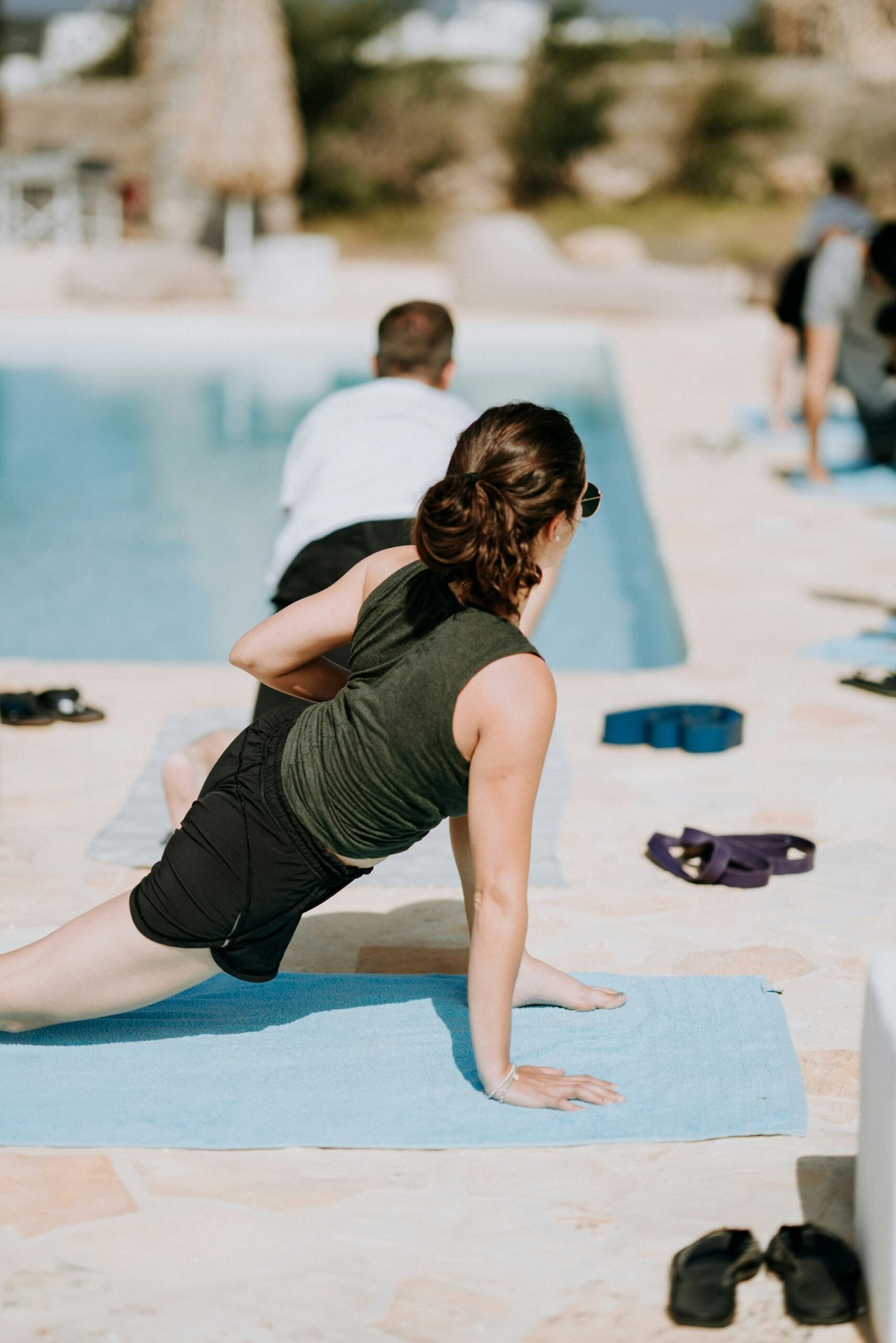
Small groups (8–14 people) are significantly better for solo travellers than large programmes. The connections are more natural, the teacher can give individual attention, and the rhythm of the day feels less institutional. Any retreat with more than 20 participants will feel more like a conference than a contained experience.
Look at the daily schedule carefully
A programme that fills every hour from 6am to 9pm is not a retreat — it’s a schedule. You need unstructured time built into the day: free afternoons, optional activities, space to sit and do nothing. That unstructured time is where much of the actual processing happens.
Check whether single rooms are available
Most people going solo want their own room, and most good retreats offer them. Confirm this before booking, and clarify whether a single supplement applies. Some retreats offer a “room share” option that matches solo participants together — useful if budget is a priority, but worth knowing about in advance rather than discovering on arrival.
Read the retreat description for social assumptions
Some programmes are implicitly designed around couples or existing friend groups — the language will reflect this. Look for retreats that explicitly reference solo travellers, or that describe their community as a mix of backgrounds and arrival situations. That’s a reliable indicator that the host has thought about the solo experience.
Send a message before booking
As with choosing any retreat teacher or host, a short message before booking tells you a great deal. Ask how they accommodate solo travellers, what the group dynamic typically looks like, and whether there are any free periods in the schedule. The quality of the reply will tell you more than the website.