

Portugal has one of the most developed yoga retreat scenes in Europe, which is both an advantage and a complication. The range of options — coastal, inland, eco, luxury, surf-and-yoga, silent, week-long, weekend — means there is almost certainly a retreat that fits precisely what you need. The challenge is finding it without getting lost in the noise of beautiful photography and identical-sounding descriptions.
This guide gives you a practical framework for making the decision: what questions to start with, what criteria actually matter, and what to verify before you book.


The most common mistake when choosing a yoga retreat is starting with the destination or the price rather than the intention. A retreat in a stunning location that doesn’t match what you need will be a beautiful disappointment. The clearer you are about why you’re going, the faster the right option becomes obvious.
There are broadly four things people are looking for when they book a retreat, and these map reasonably well to different formats:
Most retreats serve more than one of these, but they’re usually weighted toward one. Reading the daily schedule is more reliable than reading the marketing copy for figuring out which.
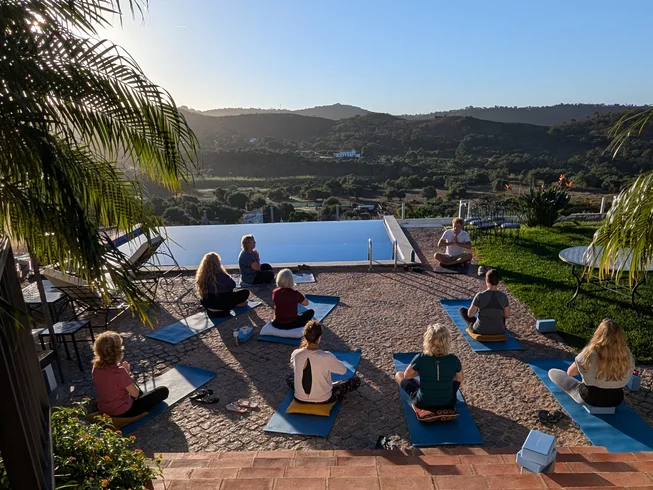
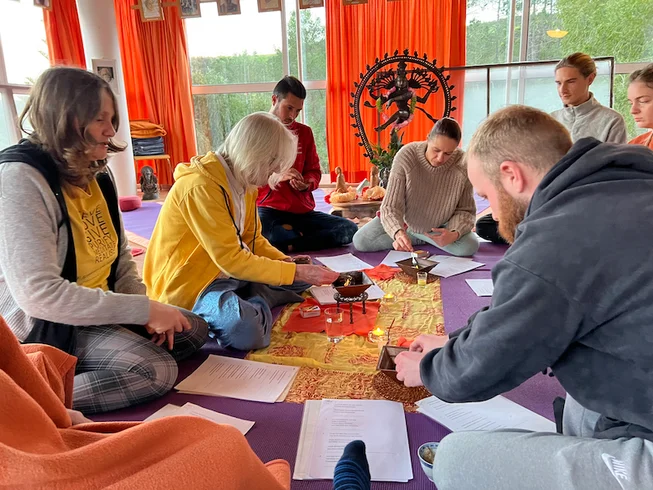
Yoga style is a more important filter than most people apply at the booking stage. A week of Ashtanga when your body needs restoration, or a week of Yin when you came to build strength, will both leave you feeling the week was wasted. The main styles you’ll encounter in Portugal’s retreat scene:
Physically demanding and energising. Two sessions a day of these is genuinely tiring, which can be exactly right or completely wrong depending on what you’re looking for. Suited to people with an existing practice who want to build strength, improve technique, or simply move. Not well-suited to burnout recovery or beginners who haven’t yet established a foundation.
The most widely accessible style. Slower pace, held postures, emphasis on alignment. Works across a wide range of levels and intentions. A good default if you’re unsure, or if the retreat blends multiple styles and Hatha is listed as the base.
Specifically designed to activate the parasympathetic nervous system — the rest-and-digest mode. Postures held for several minutes, props used to support the body, minimal muscular effort. The right choice for recovery, stress-related depletion, or injury. Often combined with meditation or breathwork in retreat programmes.
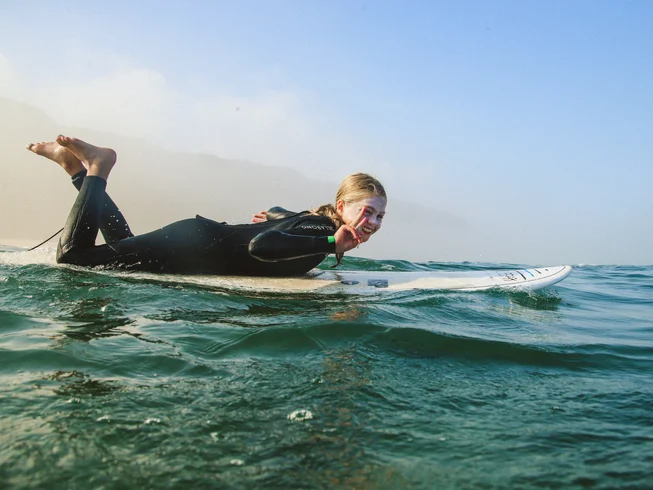
Many Portugal retreats mix yoga with sound healing, breathwork, journalling, hiking, or surf. These work well if you want variety and a broader wellness experience. Check that the yoga component is genuinely substantive — sometimes in mixed programmes it becomes secondary to the add-ons.

Group size affects the experience more than most people account for when booking. The practical differences are real:
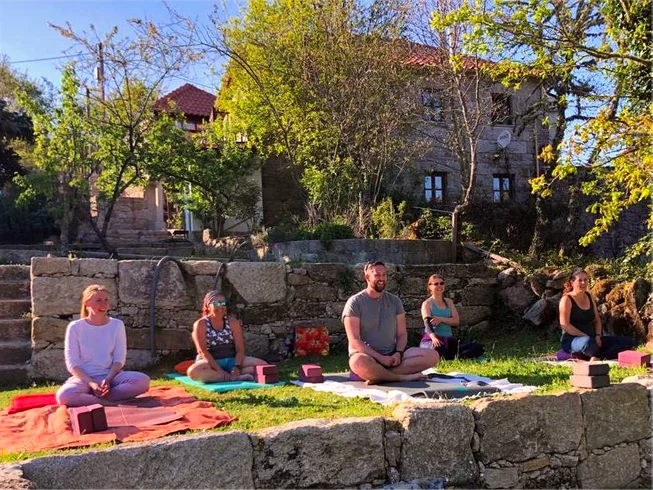
Small groups of 6–12 people create conditions where the teacher can give individual attention, the dynamics between participants are manageable, and the overall atmosphere stays personal. Meals feel like conversations rather than canteen queues. These retreats are better for introverts, for solo travellers who want genuine connection without the pressure of a large social group, and for anyone doing deeper emotional or psychological work.
Larger groups of 16–25 bring more social energy, often at a lower per-person price, and work well for people who recharge in company. The trade-off is reduced individual attention and a less intimate overall feel. Beyond 25, the retreat character shifts noticeably — it starts to feel more like a festival or conference than a contained experience.
Setting matters alongside group size. An eco-lodge in the Alentejo with 10 people has a fundamentally different feel from a boutique hotel in Lagos with 20, even if both describe themselves as yoga retreats. Read the accommodation description carefully: shared rooms, private rooms, en-suite or communal bathrooms — these details affect your ability to rest and integrate.
Most yoga retreats in Portugal include all meals, and food quality varies considerably. At the better end, you’re eating organic, locally sourced, seasonal food that’s been thoughtfully prepared — which is genuinely part of the programme, not a logistical necessity. At the worse end, it’s functional vegetarian food that gets the job done and no more.
Worth asking or checking before booking: Is food sourced locally or on-site? Are all meals included or just some? Can dietary requirements be accommodated, and how? Is there flexibility around meal times or is everything strictly scheduled?
On accommodation, the question isn’t luxury versus basic — it’s whether the setting supports what you need. A simple room in a quiet farmhouse with good natural light and a comfortable bed will serve a recovery-focused retreat better than a stylish boutique hotel with a noisy bar downstairs. Match the accommodation character to the purpose of the trip.
Check the inclusions list carefully. “From €1,200” can mean very different things depending on what’s inside it. Confirm: are airport transfers included? Are all yoga sessions included or are some optional extras? Are treatments and spa access part of the price? Is there a single room supplement?


Portugal sits at a more accessible price point than equivalent retreat destinations in France, Switzerland, or Scandinavia. The range is genuine:
The price difference reflects real differences in accommodation standard, food quality, teacher experience, venue infrastructure, and group size — but not necessarily in depth of experience or quality of teaching. Some of the most effective retreat weeks happen in the mid-range. The most expensive option is not automatically the right one.
The variables most worth spending on, in order of actual impact: quality and experience of the teacher, food sourcing and preparation, and group size. The variables least correlated with experience quality: infinity pools, brand recognition of the venue, and how the marketing photography looks.
Once you have a shortlist, the following checks are worth doing on every option before you pay a deposit:
Once you have a shortlist, the following checks are worth doing on every option before you pay a deposit:
A direct message before booking is one of the most reliable evaluation tools available. Most hosts welcome it, and the ones who don’t are telling you something. Useful questions:
A host who answers these with patience and specificity is operating a well-run programme. A host who responds with sales pressure or deflects the questions has answered them indirectly.
After the research, you’ll usually have two or three options that pass the practical filters. At that point, the remaining differences are often about feel — which teacher’s communication style resonates, which landscape suits what you need, which schedule leaves the right amount of breathing room.
That’s a legitimate basis for a decision. The practical work is to make sure you’re choosing between genuinely good options, rather than being drawn in by photography before you’ve verified the substance behind it.
Browse Om Away’s curated yoga retreats in Portugal — reviewed for quality of teaching, programme structure, and environment, across all regions and price points.
Your email address will not be published. Required fields are marked *