
May in Sri Lanka pivots on Vesak — the full moon of May, when the island celebrates the birth, enlightenment, and death of the Buddha with the most visually extraordinary of all Sri Lankan festivals: every city and village illuminated with paper lanterns, the pandals (the lit scenes from the Buddha’s life) on every main road, and the dansals (the free food and drink stalls) at every junction offering refreshments to the passing pilgrims. The southwest coast is entering the southwest monsoon, and the east coast — Arugam Bay, Trincomalee — is now fully in its dry season peak.


May is the month Sri Lanka most clearly expresses its Buddhist identity. The Vesak full moon illumination — the paper lanterns at every house and temple, the pandal tableaux of the Jataka stories lit in coloured bulbs on the roadside — is the most universally observed of the Sri Lankan Buddhist traditions and the one that makes the island most specifically itself. Simultaneously, the geography of the monsoon is doing its annual rotation — the southwest coast entering its green season and the east coast reaching the peak of its dry window.
Browse our full yoga retreats in Sri Lanka guide for the complete picture of what the country offers year-round. For the global context of May retreat travel, our yoga retreats in May guide covers every destination worth considering this month.

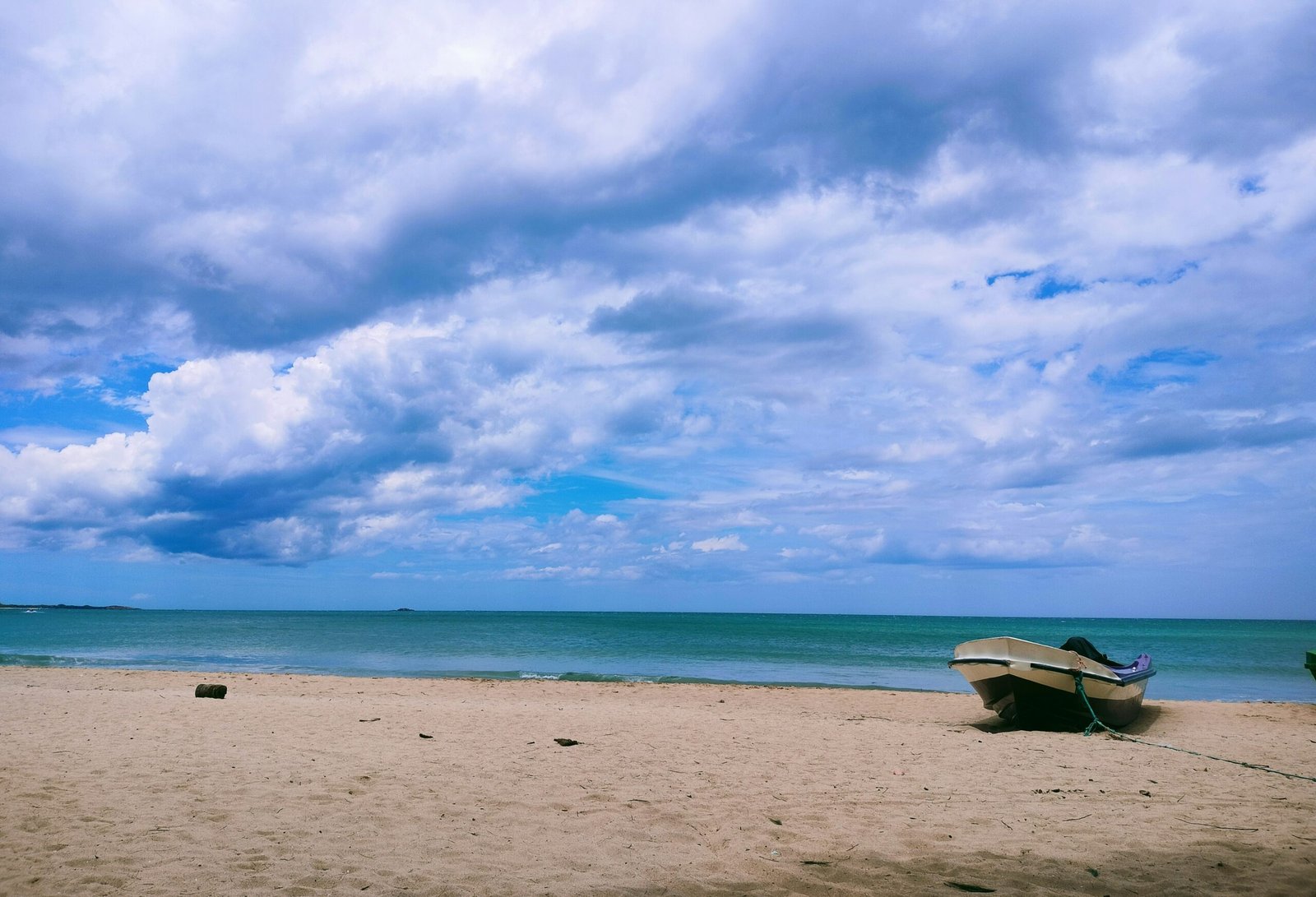
Arugam Bay in May is at the beginning of its best season — the surf at the point break building toward the June-August peak, the east coast dry season fully established, and the long-stay surf community assembling for the May opening of what they consider the most specifically rewarding of the Arugam Bay months. The Main Point break is in May producing the 300-metre right-hand rides that make Arugam Bay consistently ranked in the top surf destinations globally, and the Pottuvil Point to the north and the Elephant Rock to the south are in May at the early season swell that the peak months accelerate.
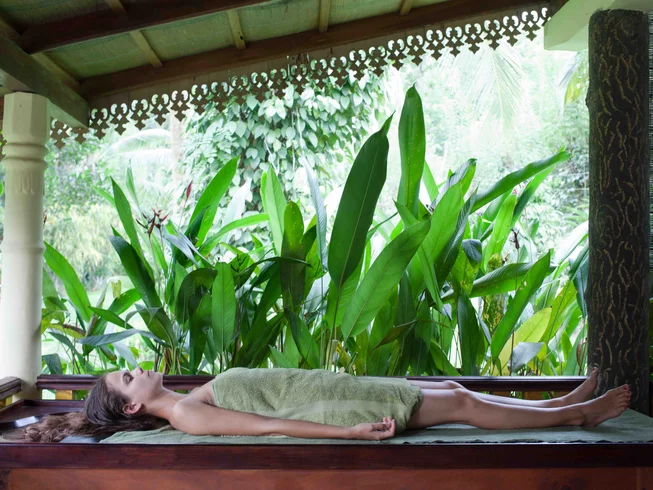
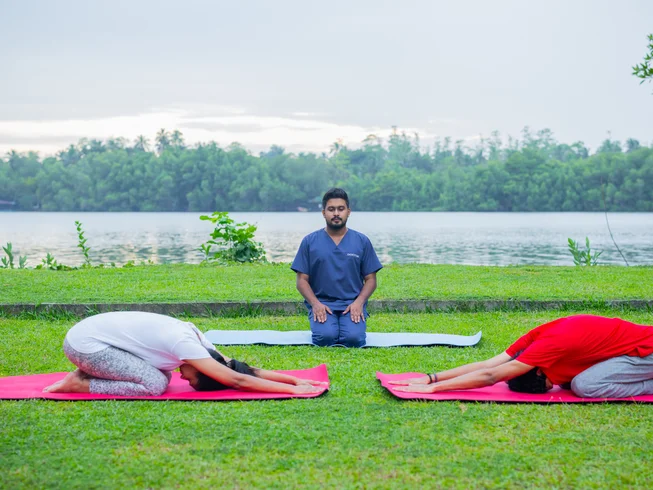
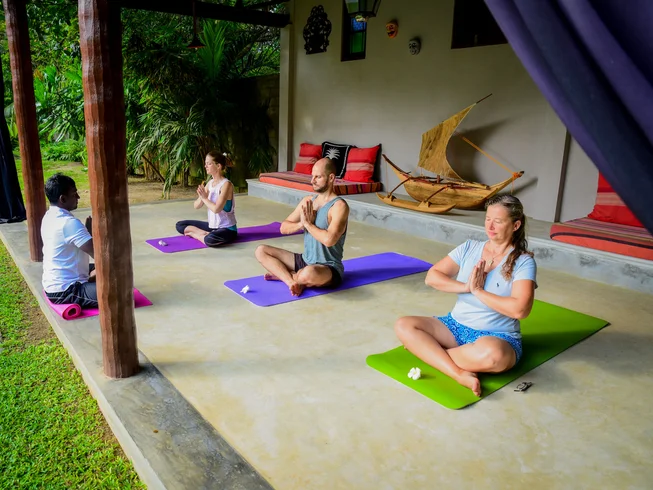
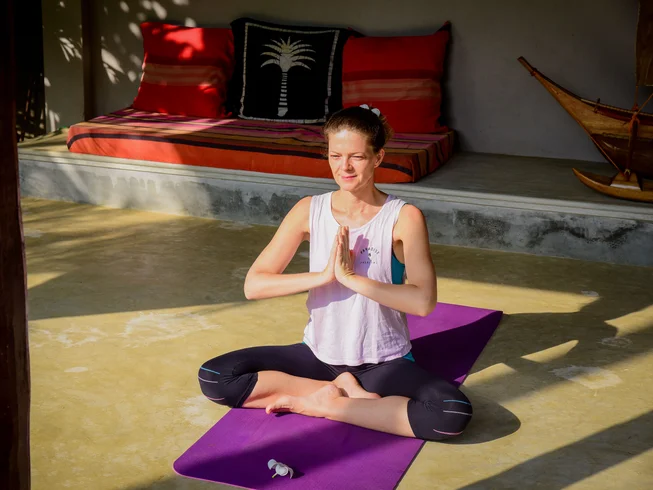
The yoga community of Arugam Bay is in May at its early season establishment — the teachers and retreat facilitators who base themselves here through the dry season arriving in May and running their first programmes of the year. The May Arugam Bay retreat has the specific quality of a community at its most intentional beginning.
Trincomalee in May is in its dry season peak — the Indian Ocean on the northeast coast at its calmest and clearest, the Pigeon Island coral reef at its maximum visibility, and the whale shark encounters possible in the deep water off the harbour. The Trincomalee harbour itself — the most spectacular natural harbour in Asia, described by Lord Nelson as the finest in the world — is in May accessible for the boat trip that the northeast monsoon makes difficult from November through March.
The Fort Frederick on the Swami Rock — the Portuguese-built, Dutch-rebuilt, and British-extended fortress at the Trincomalee harbour entrance, with the Koneswaram Temple at its tip — is in May accessible without the heat that July and August produce. The May morning at the Koneswaram Temple — the Shiva temple on the clifftop above the Bay of Bengal, the May ocean visible on three sides — is the most specifically dramatic of the Trincomalee cultural experiences.
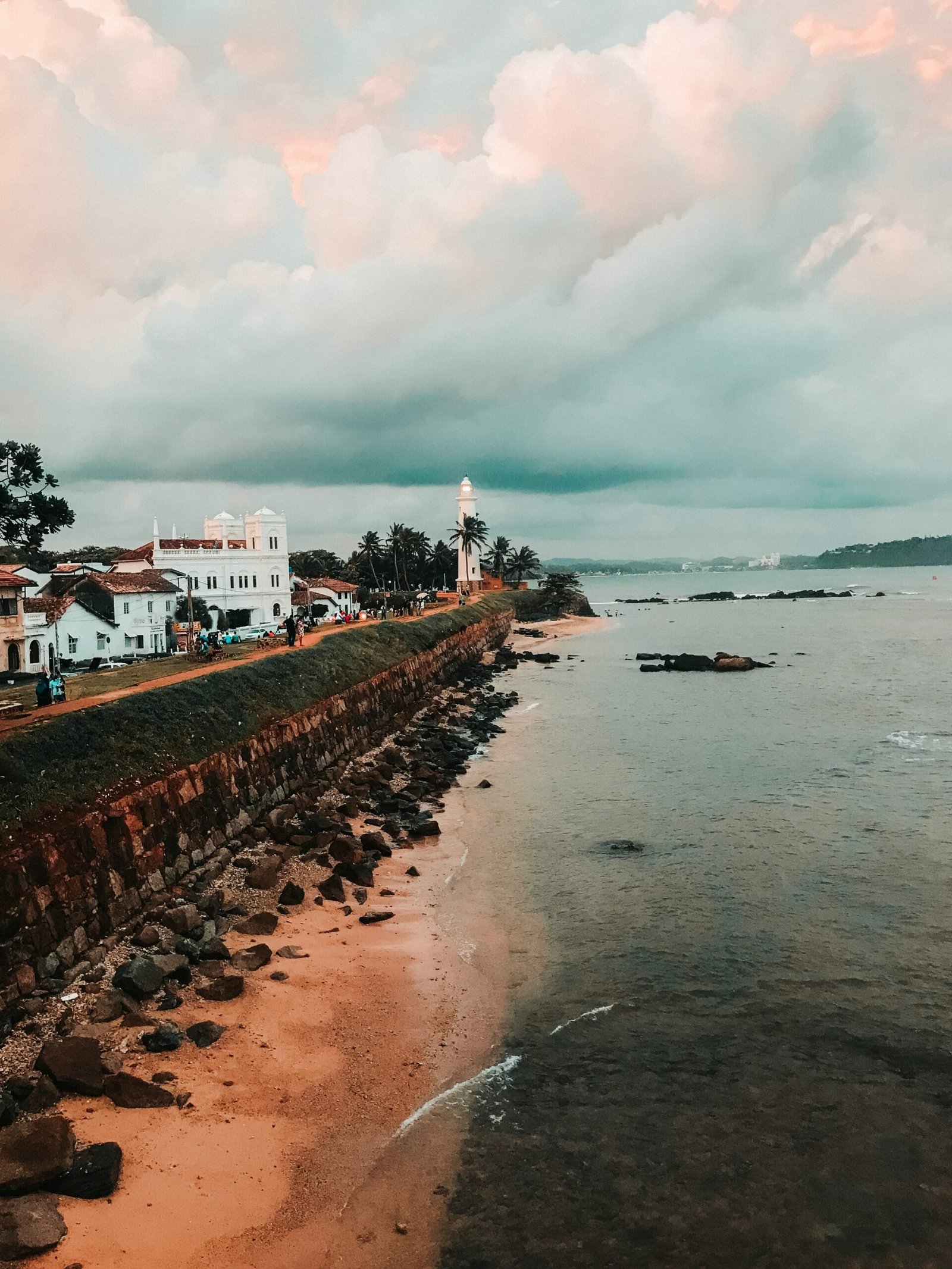
Galle in May is at the transition from the peak season to the green season — the first southwest monsoon rains arriving, the tourist volume reducing sharply, and the Dutch fort city returning to its own rhythm for the May through September quiet. The green season Galle is specifically good for the retreat guest who wants the fort’s colonial architecture without the peak season pricing and the boutique hotel competition: the January rate for the same room is frequently 30-40% higher than the May rate.
The Galle fort in the May monsoon has a specifically atmospheric quality — the whitewashed colonial facades in the rain, the rampart walk in the southwest wind, and the fort’s lanes empty of the January tour groups. The yoga retreat in Galle in May has the most intimate of any annual version of the fort retreat experience.
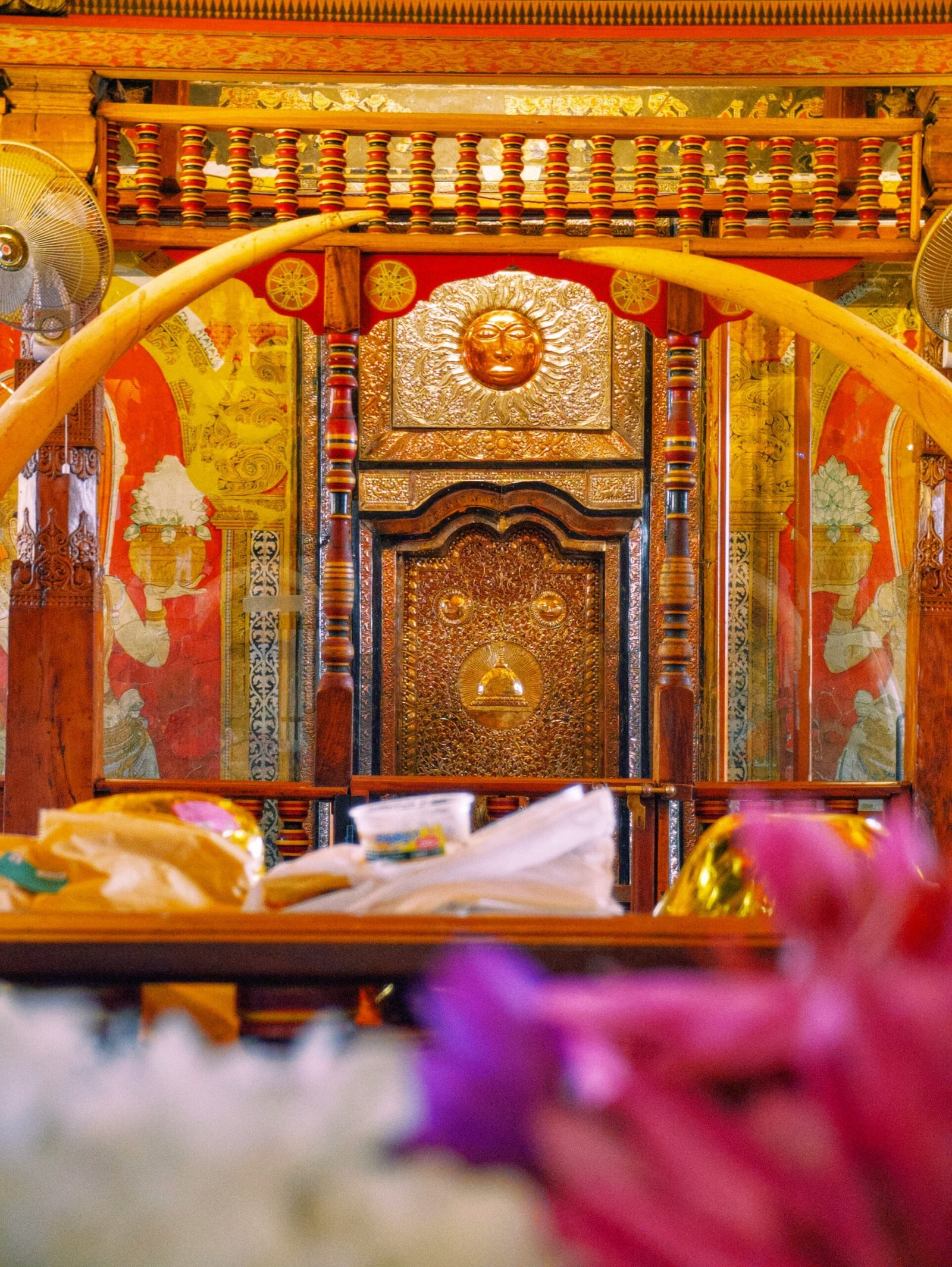
Kandy in May has the most specifically significant of the Vesak observances — the Dalada Maligawa (Temple of the Tooth) illuminated with the lanterns and the Vesak dekum (the lantern decorations) for the full moon period, the Esala Perahera preparations visible in the form of the perahera committee beginning its planning activity, and the Kandy Vesak procession on the full moon evening producing the most specifically Buddhist of the May cultural events. The Kandy Vesak full moon at the Dalada Maligawa — the temple illuminated, the devotees with the jasmine and the lotus offerings at the entrance, and the Vesak lanterns in the surrounding streets — is the most concentrated Buddhist cultural evening accessible from the central highlands.
Vesak — the most sacred Buddhist full moon of the year, commemorating the birth, enlightenment, and death of the Buddha simultaneously — transforms the entire island on the full moon evening and the following day. The Vesak lanterns (paper and bamboo constructions in the forms of the lotus, the elephant, the dagoba, and the more elaborate illuminated panels) are hung at every household from the week before the full moon. The pandals (the roadside illuminated tableaux of the Jataka stories — the 547 past-life stories of the Buddha) are the most elaborate of the public Vesak decorations, built on bamboo frames reaching 10-15 metres in height and lit with thousands of coloured bulbs depicting the story scenes.
The dansala tradition — the free food and drink stalls operated by community groups and businesses along the main roads, providing kiribath, herbal drinks, rice and curry, and fruit without charge to all passers-by — is the most specifically Sri Lankan expression of dana (the Buddhist practice of giving) and the one that makes the Vesak night most directly communal for the retreat guest.
The approach of Poson Poya (the June full moon, commemorating the arrival of Buddhism in Sri Lanka) is visible in May in the preparations at Mihintale (the sacred hill where the missionary Mahinda first preached Buddhism in Sri Lanka) near Anuradhapura. The May Mihintale preparations for the June full moon pilgrimage are the beginning of the sacred mountain’s most specifically Buddhist season.
The dansala food of Vesak — the kiribath (milk rice), the herbal drinks (the beli male — wood apple sherbet — and the ranawara tea of the Cassia auriculata flower), and the traditional Sri Lankan sweets offered freely at the community dansala stalls — is the most specifically communal food experience in the Sri Lankan annual calendar. The retreat kitchen that prepares the Vesak dansala for the local community — opening the retreat centre gate on the Vesak full moon evening and offering food to the passing community — is participating in the most directly Buddhist of the Sri Lankan culinary traditions.
The Arugam Bay lagoon prawns — the freshwater and brackish prawns from the Pottuvil Lagoon behind the Arugam Bay beach, harvested by the local fishing community and available at the beach restaurants from the May season opening — are in May at their first-of-season freshness. The prawn curry at the Arugam Bay beach restaurant in May, made from the morning’s lagoon catch in the Sri Lankan coconut milk curry base, is the most specifically east coast Sri Lankan of the May food experiences.

The Vesak night lantern walk — the evening of the full moon, walking the main streets of Kandy, Colombo, or any Sri Lankan town with the Vesak lanterns overhead, the pandal tableaux lit on the roadside, and the dansala stalls providing the free food and drink at every junction — is the most universally accessible of the Sri Lankan cultural activities and the one that requires no planning, no booking, and no cultural preparation beyond the willingness to be present. The Vesak night in Kandy, with the Dalada Maligawa illuminated at the city centre, is the most specifically significant. In Colombo, the Gangaramaya Temple area and the Marine Drive pandal circuit are the most elaborate.
The Pigeon Island diving in May — the east coast dry season at its full clarity, the blacktip reef shark population at the hard coral garden, and the hawksbill turtle at the resident feeding areas — is in May at the peak dive conditions of the east coast season. The dive visibility of 20-25 metres at Pigeon Island in May is the clearest of the year and makes the dive specifically rewarding for those who have dived at Pigeon Island in the reduced-visibility northeast monsoon season.
The Arugam Bay Main Point surf in May — the 300-metre right-hand ride, the point break producing the consistent wall that the longboard and the shortboard community both use, and the early morning glass before the sea breeze disturbs the surface — is in May at its early season quality. The May swell is smaller than the July-August maximum but the fewer surfers in the water and the fresh energy of the season opening produce the most specifically enjoyable of the Arugam Bay surf experiences for those who specifically want the uncrowded version.
The southwest coast — Galle, Mirissa, Hikkaduwa — is entering the southwest monsoon in May. The rain becomes more frequent through the month, and by late May the monsoon is fully established. Temperatures at 27-30°C but humidity rising.
The east coast — Arugam Bay, Trincomalee — is in its dry season peak in May. The Indian Ocean on the eastern side is calm and clear, temperatures at 28-32°C, and the surf at Arugam Bay building.
Kandy and the highlands are at 22-28°C — the Vesak full moon on the most attended of the temple evenings. Some afternoon rain possible from the approaching southwest monsoon.
Colombo is transitioning to the monsoon — 27-31°C, humidity rising, and the first serious rains of the southwest monsoon arriving by late May.
Your email address will not be published. Required fields are marked *