
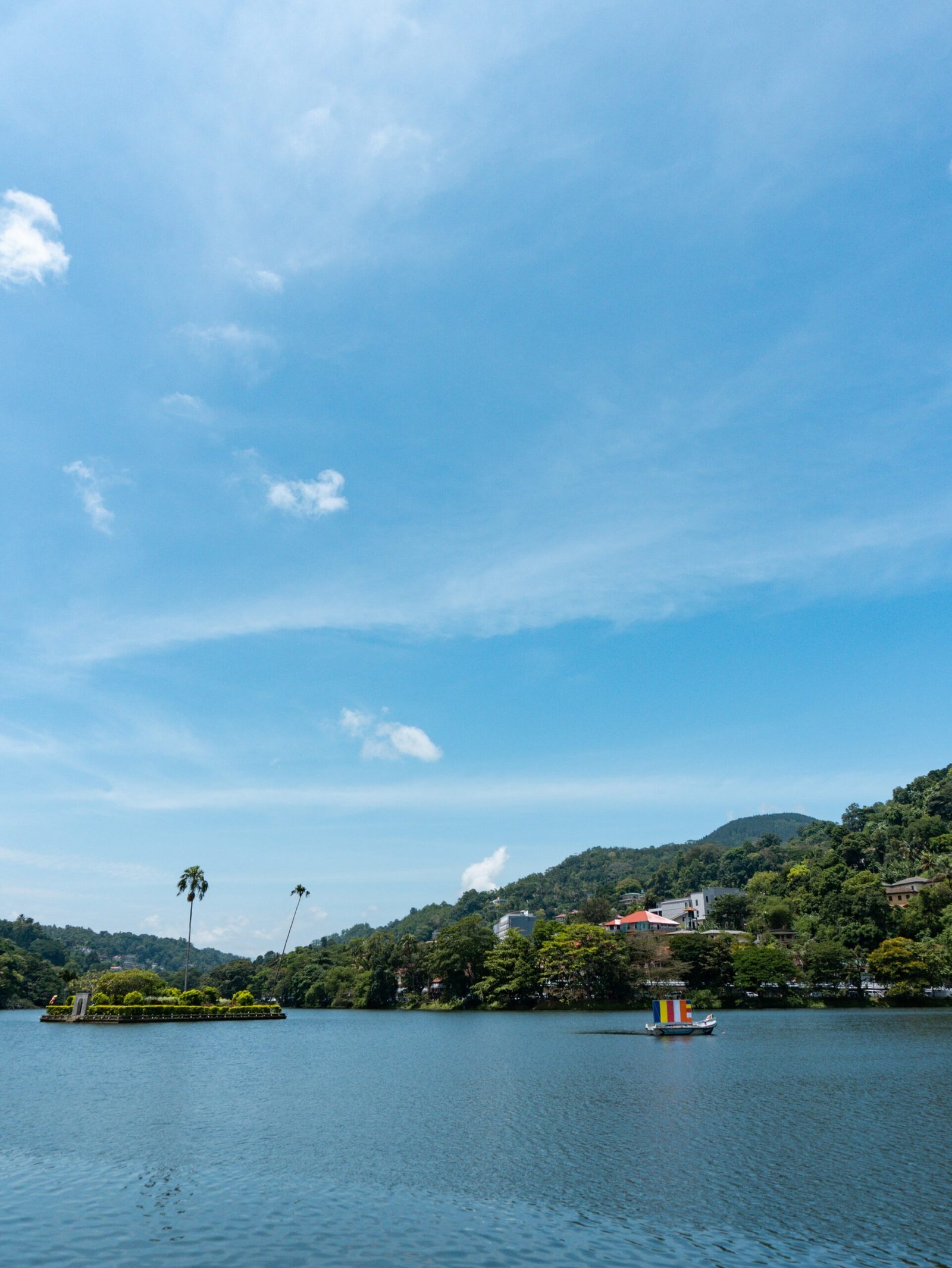
March in Sri Lanka is the peak season’s final full month on the southwest coast before the April pre-monsoon heat and the May-June monsoon transition change the island’s character. The whale watching season at Mirissa continues. The ancient cities of the Cultural Triangle are at their most comfortable for the early morning visits. And the island’s Hindu and Buddhist communities are in March building toward the April and May festival seasons that follow. A yoga retreat in Sri Lanka in March gets the peak season conditions with slightly reducing tourist pressure as the European school holiday season approaches.


March is the last month the southwest coast retreat market operates without the heat and the pre-monsoon conditions that April begins to introduce. The Galle and Mirissa retreat infrastructure is at full operation, the whale watching season in its final reliable weeks, and the highland retreats still in their comfortable dry season. The Cultural Triangle — Sigiriya, Dambulla, Polonnaruwa, Anuradhapura — is in March at the last comfortable window before the April heat makes the midday site visits genuinely difficult.
Browse our full yoga retreats in Sri Lanka guide for the complete picture of what the country offers year-round. For the global context of March retreat travel, our yoga retreats in March guide covers every destination worth considering this month.

Hikkaduwa — the beach town on the southwest coast between Galle and Colombo, with the most established of the Sri Lankan surf breaks (Benny’s and the Hikkaduwa reef break) and the Hikkaduwa National Park coral sanctuary accessible by snorkelling from the beach — is in March at the dry season conditions that make the reef most accessible. The Hikkaduwa coral sanctuary — one of the most accessible and most diverse of the Sri Lankan reef systems, with the green sea turtles that feed in the reef shallows visible from the snorkelling surface — is in March at the dry season visibility.
The surf at Hikkaduwa in March is in the transition between the dry season’s northeast swell and the approaching southwest monsoon swell — variable but occasionally producing the beach break conditions that make Hikkaduwa specifically good for the intermediate surfer. The surf school culture of Hikkaduwa is the most developed on the southwest coast, with the surf schools at the Benny’s break providing instruction in the conditions that March specifically produces.
Anuradhapura — the ancient capital of Sri Lanka from the 4th century BCE through the 11th century CE, with the Ruwanwelisaya Dagoba (the great white stupa, one of the largest stupas in the world), the Sacred Bodhi Tree (the oldest historical tree in the world, grown from a cutting of the original Bodh Gaya tree under which the Buddha attained enlightenment, planted in 288 BCE), and the Jetavanaramaya (the largest stupa in Sri Lanka and historically the third-largest structure in the ancient world) — is in March at the dry zone dry season that makes the morning site circuit most comfortable.
The Anuradhapura Sacred City in March at 6am — the pilgrims arriving at the Sacred Bodhi Tree for the dawn puja, the monks in saffron circling the Ruwanwelisaya on the white pradakshina path, and the morning light on the white stupa surfaces — is the most directly Buddhist of the Sri Lankan archaeological experiences. The retreat guest who arrives at Anuradhapura before dawn and spends the morning at the Sacred City before the midday heat arrives is using the March window correctly.
The Knuckles Mountain Range — the UNESCO World Heritage mountain range northeast of Kandy, with the most biologically diverse of Sri Lanka’s protected forest areas and the highest peak outside the central massif (Gombaniya, 1,906 metres) — is in March at the dry season trekking conditions that make the highland trails most accessible. The Knuckles range takes its name from the fist-like silhouette of the peaks visible from the Kandy plain, and the interior trails through the cloud forest, the grasslands, and the Dumbara valley rice paddy produce the most remote and most specifically wild of the Sri Lankan highland experiences.
The Mini World’s End viewpoint in the Knuckles range — the cliff-edge view across the Dumbara valley with the Knuckles peaks visible to the north — is in March accessible without the cloud that the May-August monsoon brings. The guided trek from the Riverston estate to the Mini World’s End and back is a 6-hour circuit that the March conditions make the most comfortable of the year.
Colombo in March is in the dry season transition — 28-32°C and comfortable enough for the city programme that the August humidity makes more challenging. The urban yoga culture of Colombo — the Yoga Quarter in Colombo 7, the Breathe studio in Colombo 3, and the growing wellness infrastructure of the Fort, Pettah, and Cinnamon Gardens neighbourhoods — is in March at its full operation, the city’s working population at their practice routines before the April Sinhala and Tamil New Year holidays change the city’s rhythm.
The Pettah bazaar in March — the most specifically working-class and most specifically South Asian of the Colombo street markets, with the textile, spice, and dry goods wholesalers of the Main Street and the Sea Street Hindu temple lane — is in March accessible in the morning cool without the full April humidity.
Maha Shivaratri may fall in March depending on the lunar calendar. The Koneswaram Temple in Trincomalee and the Kataragama complex are the most significant of the Sri Lankan Hindu observances. See February guide for full description.
The Medin Perahera at the Dalada Maligawa in Kandy — the March full moon Buddhist procession of the temple of the tooth — is smaller than the August Esala Perahera but follows the same procession format: the elephants, the Kandyan dancers, and the drummers processing through the Kandy streets from the temple to the Natha Devale and back. The March perahera is accessible without the advance planning that the August event requires.
Hoppers (appa) — the bowl-shaped crispy rice flour pancakes cooked in the small rounded iron pan, available plain (plain hoppers), with an egg cracked into the centre (egg hoppers), or with the sweetened coconut milk centre (milk hoppers) — are the most universally available of the Sri Lankan breakfast preparations and the one that most directly identifies the island’s food culture. The egg hopper at the Hikkaduwa beach road kade in March morning — the crispy edges of the bowl, the soft egg centre, and the coconut sambol on the side — is the most specifically Sri Lankan of the March retreat breakfast experiences.
The jackfruit (kos) — the enormous green-spined fruit of the Sri Lankan homestead garden, used in its young form as the polos curry (the young jackfruit curry that is the most important of the Sri Lankan vegetable preparations) and in its ripe form as a sweet fruit — is in March beginning its season in the lowland coastal areas. The polos curry at a Sri Lankan home kitchen in March, made from the young jackfruit sliced and cooked in the coconut milk curry with the goraka (the souring agent made from the dried rind of the Garcinia cambogia), is the most specifically Sri Lankan of the March vegetable preparations.
The Sri Lankan jaggery sweets — the kokis (the crispy, lacy fried rice flour and coconut milk cookie of the Sri Lankan Burgher and Christian community, made for the Christmas and New Year season but available at the traditional sweet shops year-round), the kavum (the oil cake of the Sinhala New Year tradition, approaching in April), and the aluwa (the rice flour and jaggery fudge) — are in March at the pre-Sinhala New Year production in the traditional sweet shops of the south coast towns.
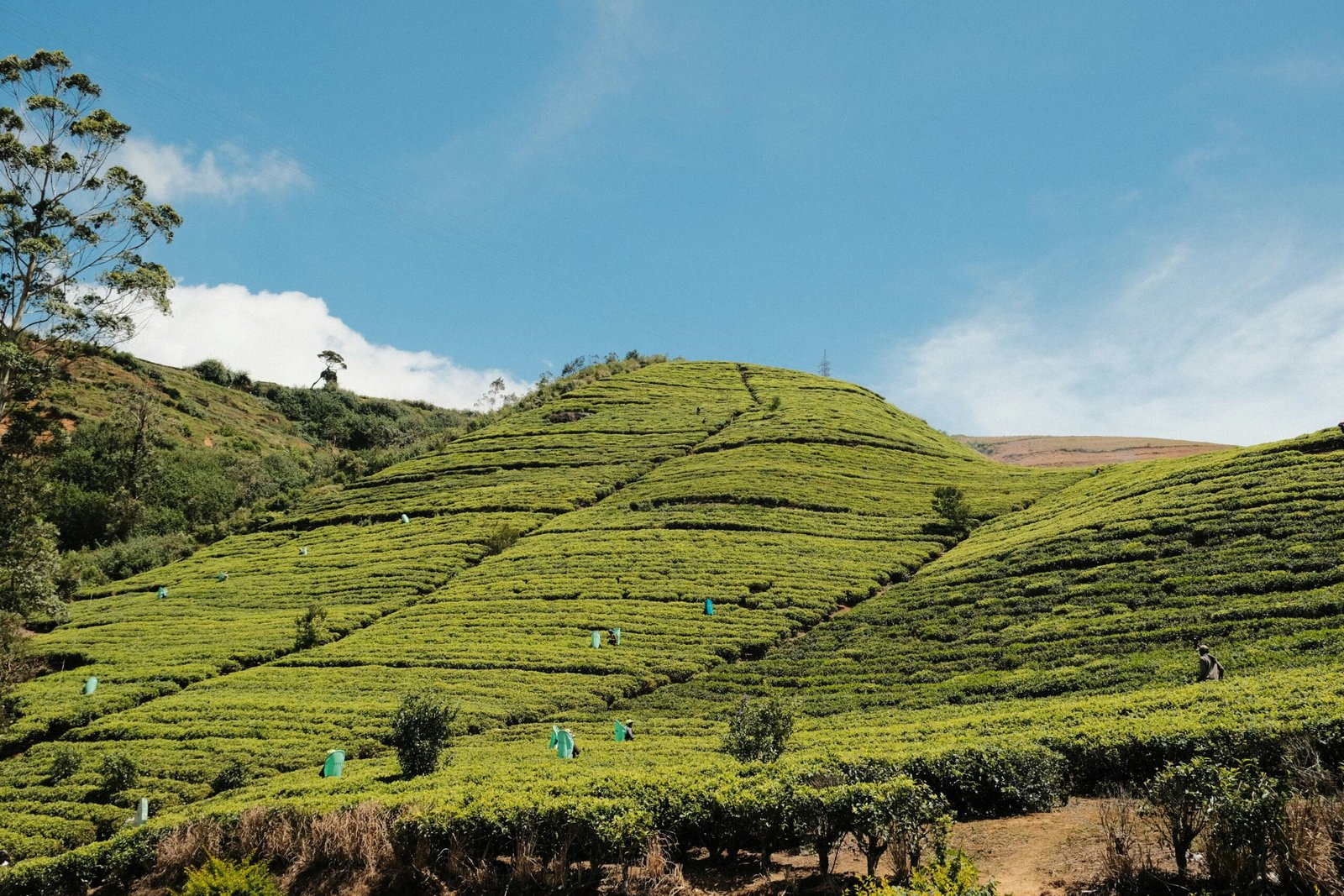
The Anuradhapura dawn circuit — arriving at the Sacred City entrance at 5:30am, walking the predawn pradakshina (circumambulation) of the Ruwanwelisaya with the Sri Lankan pilgrims before the archaeological site officially opens to tourists at 6am, and proceeding to the Sacred Bodhi Tree for the dawn puja — is the March Sri Lanka cultural activity that requires the early departure from the coastal retreat base (Anuradhapura is 2.5 hours north of Kandy by road) but produces the most directly Buddhist of any Sri Lankan cultural experience. The March conditions at the Sacred City in the early morning are specifically conducive to the contemplative engagement that the pilgrimage tradition requires.
The Knuckles Range guided trek from Riverston to the Mini World’s End viewpoint and back — the 6-hour circuit through the cloud forest and the Dumbara valley grassland, with the March visibility producing the most dramatic of the valley views — is the March Sri Lanka highland trekking experience at its most accessible. The guided trek requires the advance booking through the Kandy-based trekking operators and the morning departure before 7am for the coolest conditions.
The Hikkaduwa coral sanctuary snorkel — the 30-minute glass-bottom boat ride to the reef edge, the mask and snorkel in the water above the coral garden, and the green sea turtle encounter at 3-5 metres depth in the reef shallows — is in March at the dry season visibility that makes the turtle encounter most reliable and most clear. The Hikkaduwa turtles are resident in the reef feeding area year-round, but the March clarity (visibility 10-15 metres) makes the underwater encounter most specific.
The southwest coast — Hikkaduwa, Galle, Mirissa — is in the final weeks of its dry season peak. Temperatures reach 28-33°C and the Indian Ocean remains calm. By late March the first pre-monsoon cloud begins to build in the afternoons, but the mornings are still the clearest of the year.
Anuradhapura and the northern dry zone are at 30-36°C in March — warm and dry, the early morning visit essential before the midday heat makes the archaeological circuit genuinely uncomfortable.
Kandy and the central highlands are at 22-28°C — the Medin Perahera on the full moon evening. Still in the comfortable pre-monsoon dry season.
The Knuckles Range is at 16-24°C depending on altitude — the March dry season making the trekking trails clear and the highland views most open.
Your email address will not be published. Required fields are marked *