
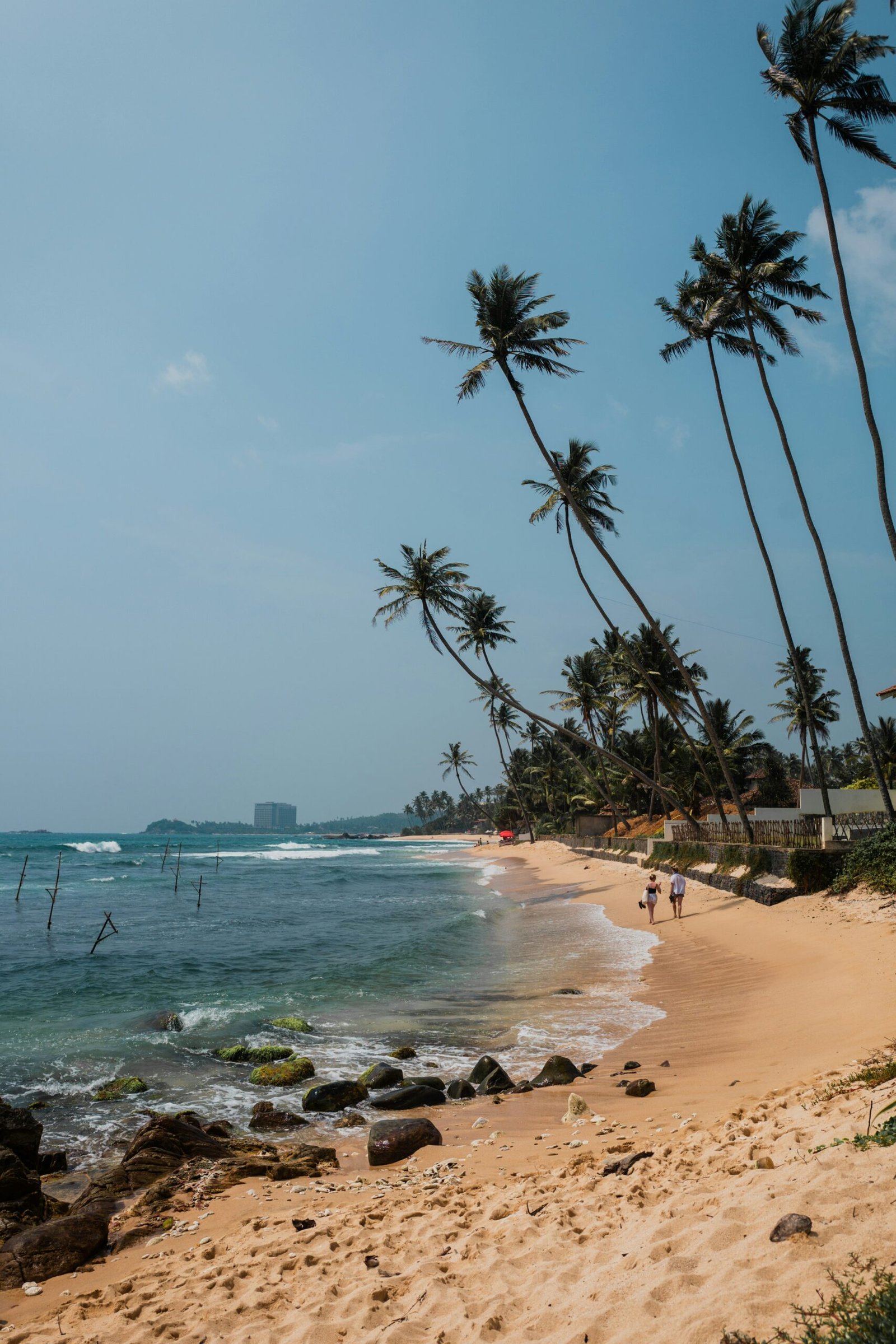
November in Sri Lanka is the month the southwest coast returns to its dry season character — the retreat centres reopening at full capacity, the beach culture returning to Galle and Mirissa, and the international retreat community beginning its pre-Christmas influx. The northeast monsoon is simultaneously delivering rain to the north and east coasts, making them the off-season while the south comes into its best form. A yoga retreat in Sri Lanka in November catches the southwest coast at the season’s freshest opening moment — and at the last pre-December pricing before the peak season premium takes effect.


November is the month the Sri Lanka retreat calendar comes back to life on the southwest coast. The retreats that have been running in reduced mode through the green season reopen their full programmes, the boutique hotels complete their post-monsoon renovations, and the first wave of the international retreat community arrives for the November pre-season. The Deepavali festival is at its November peak. And the island’s food culture is at the November abundance that the first dry season market produces.
Browse our full yoga retreats in Sri Lanka guide for the complete picture of what the country offers year-round. For the global context of November retreat travel, our yoga retreats in November guide covers every destination worth considering this month.
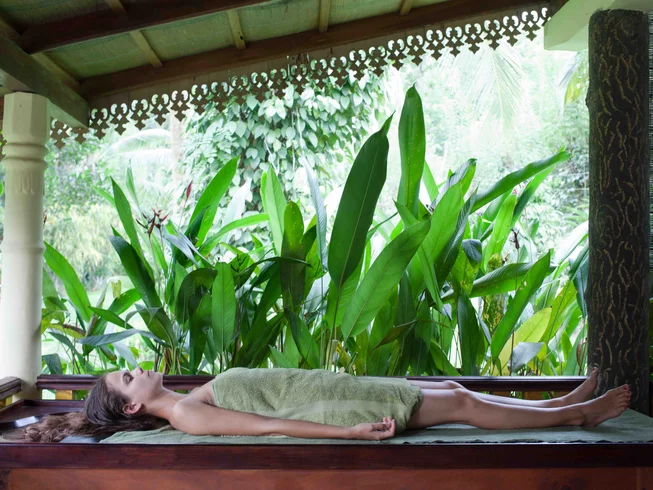
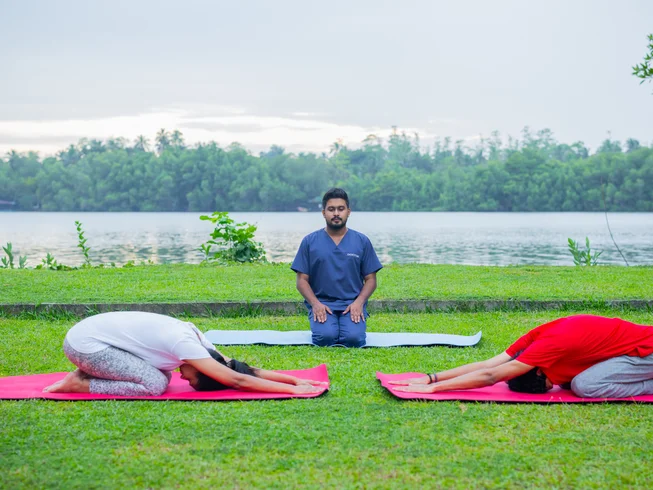
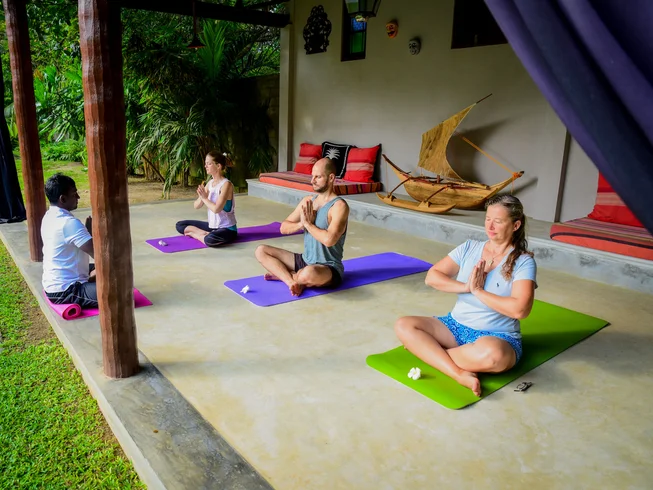
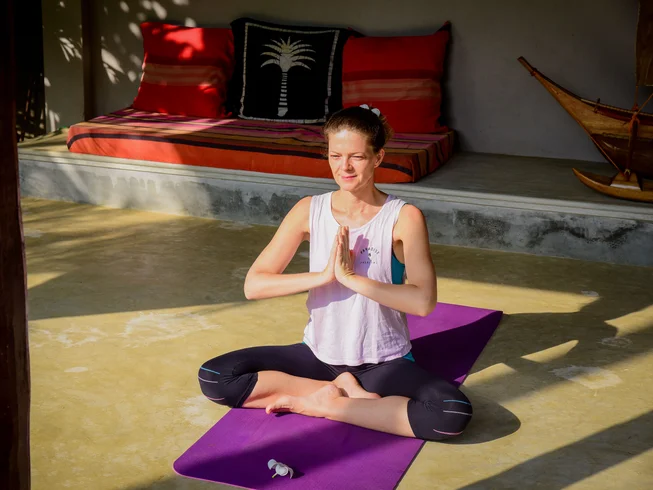
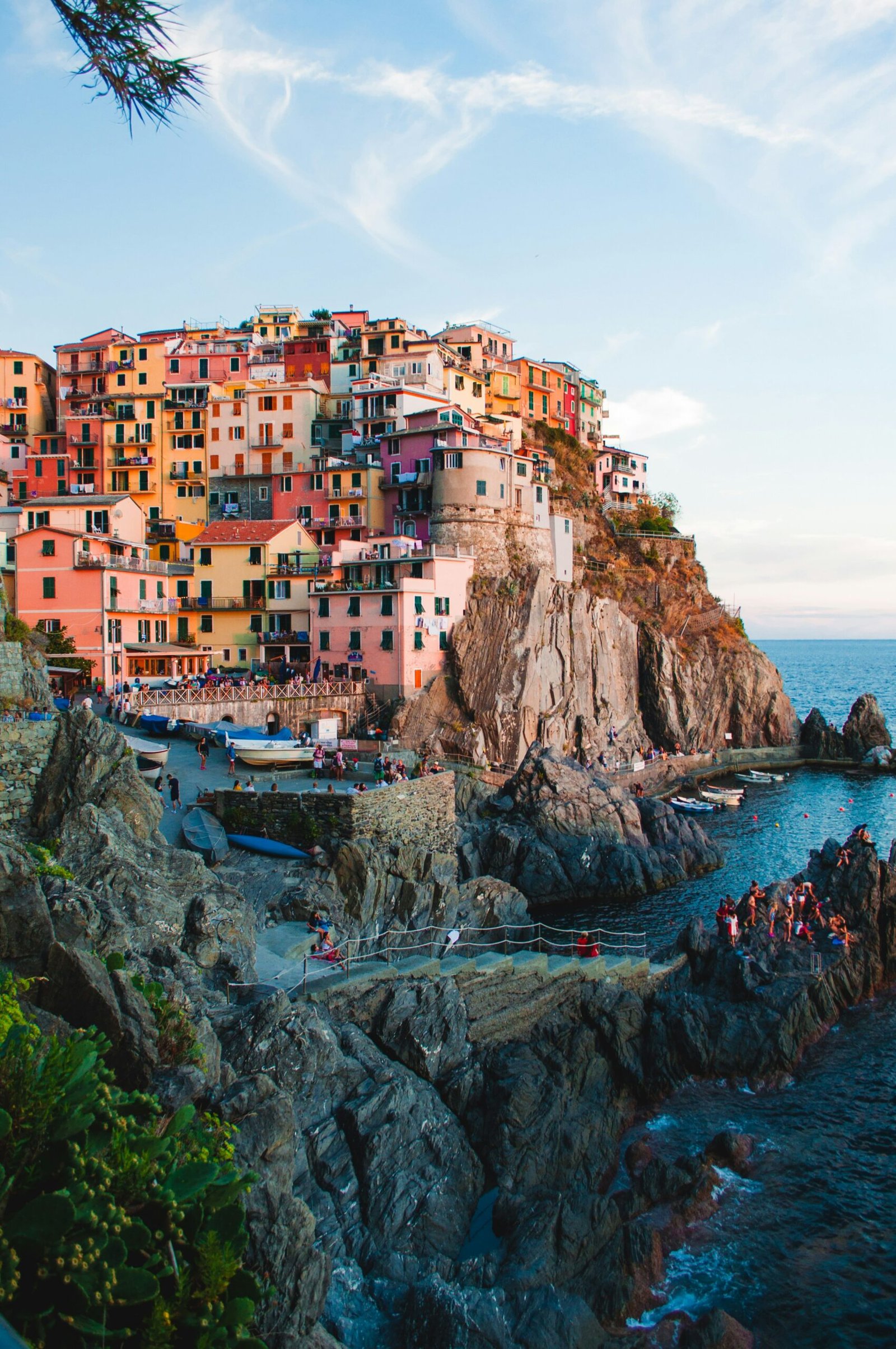

Galle in November is at the most specifically optimistic of the annual moments — the dry season returning, the fort’s boutique hotels reopening their beach and outdoor programmes, and the November retreat community arriving at the pre-December pricing that makes the first month of the season the most accessible. The Indian Ocean on the southwest coast in November is calming from the monsoon swell — the sea swimmable from the first weeks, the diving and snorkelling visibility returning to the dry season clarity.
The Galle Fort in November has the specific quality of a heritage area returning to its most used season: the gate shops reopening, the restaurants at full menu, and the rampart walks populated by the first wave of the international retreat community rather than the local residents who maintained the fort through the green season months.
Mirissa in November is preparing for the blue whale season — the first whale sightings of the new season are typically reported from late November, and the whale watching boats are in November returning to their daily departure schedule after the monsoon reduction. The November Mirissa — the beach at the dry season opening, the coconut palms above the restored sand, and the first whale watching boats of the season preparing — is the most specifically optimistic of the annual Mirissa moments.
The Mirissa harbour fishing culture in November is at its season-opening activity — the overnight fishing boats returning from the deep-water catch in the early morning, the catch displayed at the harbour wall before the trucks arrive, and the November fish prices at the most affordable before the Christmas season demand elevates them.
Jaffna — the northern peninsula city of the Tamil cultural heartland, with the Nallur Kandaswamy Temple (the most important Hindu temple in Sri Lanka), the Jaffna Dutch Fort, and the most specifically Tamil Sri Lankan of any urban culture — is in November in the northeast monsoon, receiving the rain that the northeast coast collects from October through December. But the Jaffna experience — the Tamil Hindu culture, the palmyra palm landscape of the northern peninsula, and the most specifically ancient of the Sri Lankan urban traditions — is accessible despite the November rain and is in November at the Deepavali preparations that make the northern Tamil culture most visibly itself.
The Jaffna market — the most varied Tamil produce market in the country, with the Jaffna red onion, the palmyra products (the thatch, the toddy, the jaggery, and the palmyra sprout that the palmyra palm of the Jaffna landscape produces uniquely) and the dried fish culture of the northern coast — is in November at the Deepavali season production.
Tangalle in November is at the dry season reopening — the most remote of the southern coast beach areas at the first dry season conditions, the beach shacks assembling, and the Rekawa turtle nesting season beginning as the green and leatherback turtles return to the nesting beaches. The November Tangalle has the quality of the most remote of the south coast areas at its season’s freshest opening: affordable, available, and at the transition moment that makes the retreat specifically rewarding for those who arrive before the December tourist influx.
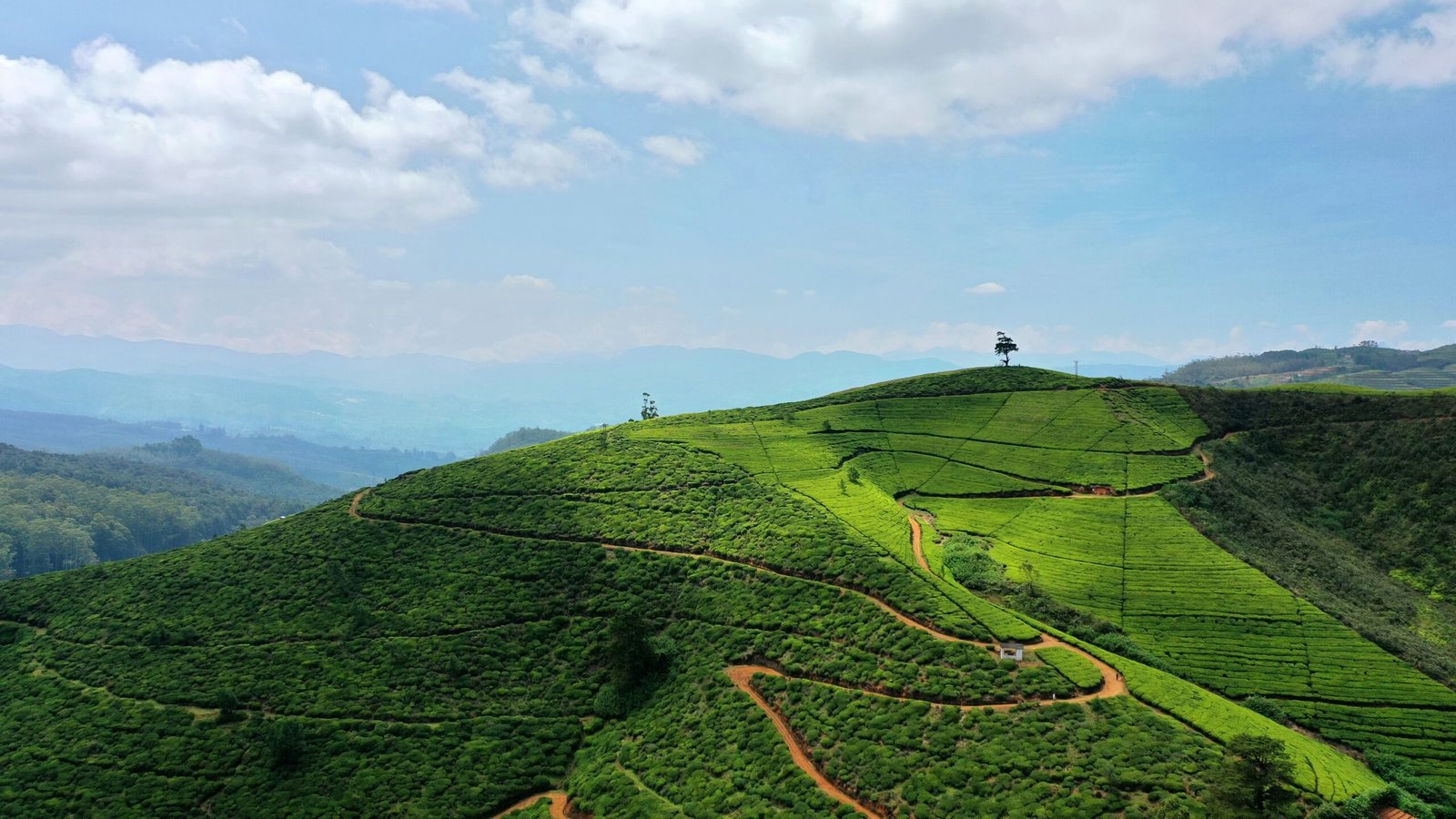
Deepavali — the Festival of Lights of the Sri Lankan Tamil Hindu community — is in November at its most fully visible when the festival falls in this month. The Tamil cultural areas of Jaffna and the northern peninsula, Colombo’s Wellawatta and Kotahena neighbourhoods, and the hill country Tamil tea estate communities around Nuwara Eliya, Hatton, and Dimbula observe the festival with the oil bath at dawn, the new clothes, the kolam at the doorstep, and the oil lamps from dusk.
The hill country Tamil Deepavali — observed by the Tamil community whose ancestors were brought from South India to work the tea estates in the 19th century — is the most specifically remote and the most specifically agricultural of the Sri Lankan versions. The estate lines (the long rows of workers’ housing on the tea estate plantations) lit with the clay diyas on the Deepavali evening, with the tea garden visible above and the estate temple decorated with the banana stalks and the mango leaves of the auspicious Tamil tradition, produce the most visually dramatic of the Sri Lankan Deepavali contexts.
The Nallur Kandaswamy Kovil in Jaffna — the most important Hindu temple in Sri Lanka, with the golden gopuram (tower) and the pre-colonial Tamil architectural tradition — is on the Deepavali morning at its most ceremonially active: the dawn abhishekam (the ritual bathing of the deity), the flower offerings piled at the temple entrance, and the Jaffna Tamil community in their new Deepavali clothes filling the temple courtyard from before 5am.
The Il Poya — the November full moon, commemorating the ordination of sixty of the Buddha’s first disciples to spread the Dhamma in all directions — is one of the four most significant poya days in the Theravada Buddhist calendar. The Kathina season continues through November, with the remaining Kathina ceremonies at the monasteries that have not yet received their robe-cloth offerings completing their observances in the weeks before the Il Poya.
The Il Poya full moon at the Gangaramaya Temple in Colombo — the most internationally known of the Colombo Buddhist temples, founded in the late 19th century and housing the eclectic collection of donated Buddhist objects from across Asia — produces the illuminated evening ceremony that the temple’s location on the Beira Lake makes the most visually specific of the Colombo poya nights. The Seema Malaka floating temple (designed by Geoffrey Bawa) illuminated on the lake at the Il Poya full moon, with the Colombo city lights reflected in the water below, is the most dramatically architectural of the monthly poya observances.
The preparations for Unduvap Poya (the December full moon, the most important of the post-Vesak Buddhist full moons) are visible in November at the Anuradhapura Sacred City and at Mihintale — the two sites most closely associated with the December pilgrimage. The Sri Maha Bodhi (the Sacred Bodhi Tree) in Anuradhapura is in November being decorated with the pilgrimage-season flags and the offering infrastructure that the December crowd requires, and the Mihintale stone steps are being white-washed and the lamp holders cleaned for the full moon illumination.
The November visit to Anuradhapura specifically to observe the preparations — the pilgrimage infrastructure being assembled, the monks at the Sri Maha Bodhi in their November ceremonial routine before the December peak arrives — is the most contemplative version of the Sacred City available in the year.
In some years, the Vel Festival — the Hindu chariot procession of Lord Murugan’s golden lance from the Pettah to the Bambalapitiya kovil along Galle Road — is scheduled in late October or November if the July date is moved. Check the current year schedule at the Sri Muthumariamman Temple in Pettah.
The November south coast seafood — the first day-boat catch of the dry season returning to the Galle and Mirissa fish markets — is in November at the first dry season pricing and the most abundant catch of the transition period. The yellowfin tuna, the skipjack, and the Spanish mackerel from the offshore waters accessible in the dry season’s calmer Indian Ocean are in November at the November market at their freshest of the new season. The tuna curry at the Galle fort restaurant or the Mirissa beach shack in November, using the day’s catch, is the most specifically dry-season-opening of the Sri Lankan seafood preparations.
The palmyra palm (Borassus flabellifer) — the defining tree of the Jaffna Peninsula landscape, with the most economic and cultural importance of any single plant in the northern Sri Lanka tradition — produces in November the palmyra toddy (the fermented sap, sweet and slightly alcoholic in the fresh form), the palmyra jaggery (the concentrated sugar from the sap, with a more complex flavour than the coconut jaggery), and the palmyra sprout (the young seedling of the palmyra, cooked as a vegetable in the northern Tamil kitchen). The Jaffna palmyra products at the Jaffna market or the specialist Tamil grocery in Colombo in November are the most specifically northern Sri Lankan of the food experiences.
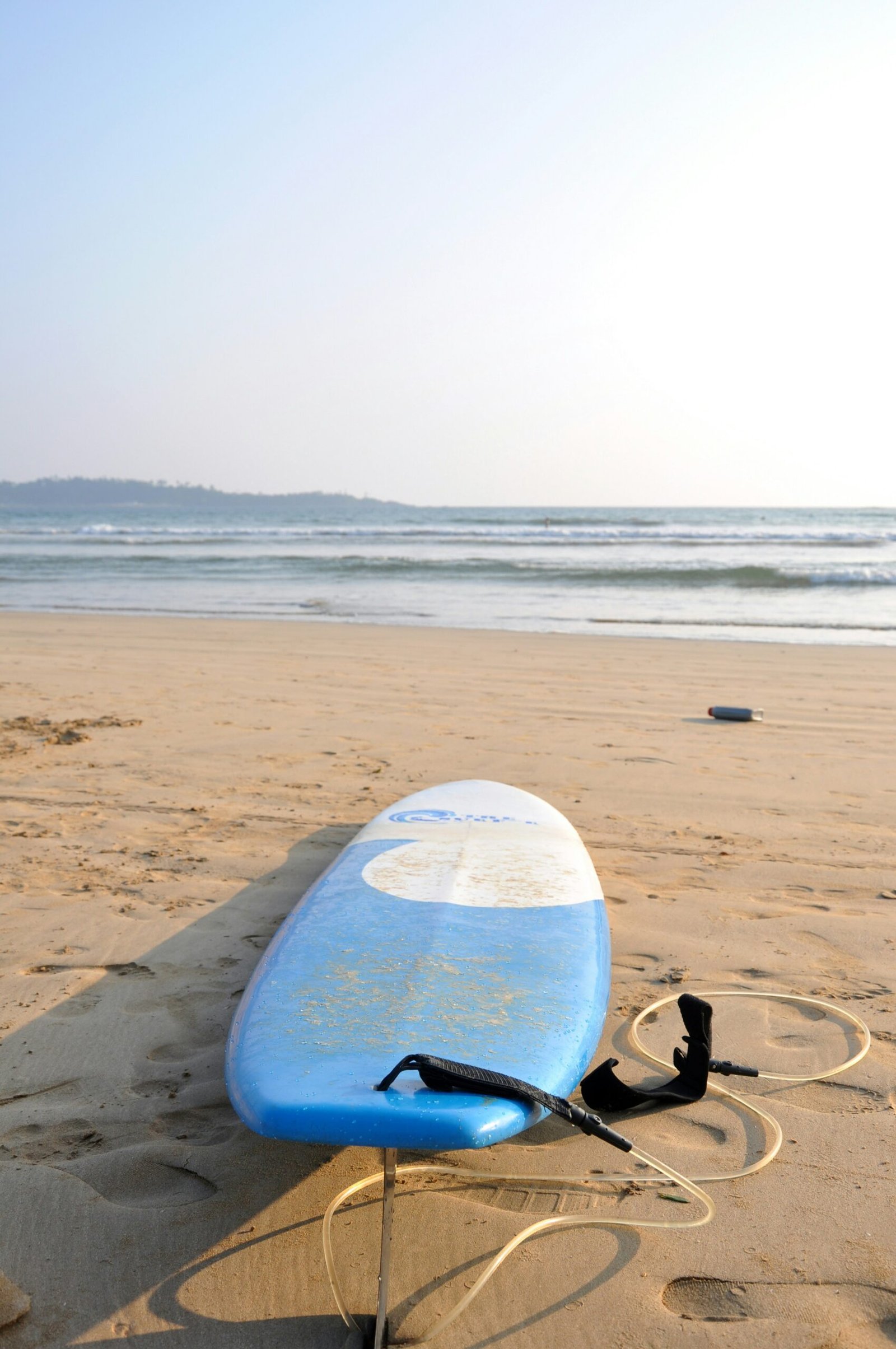
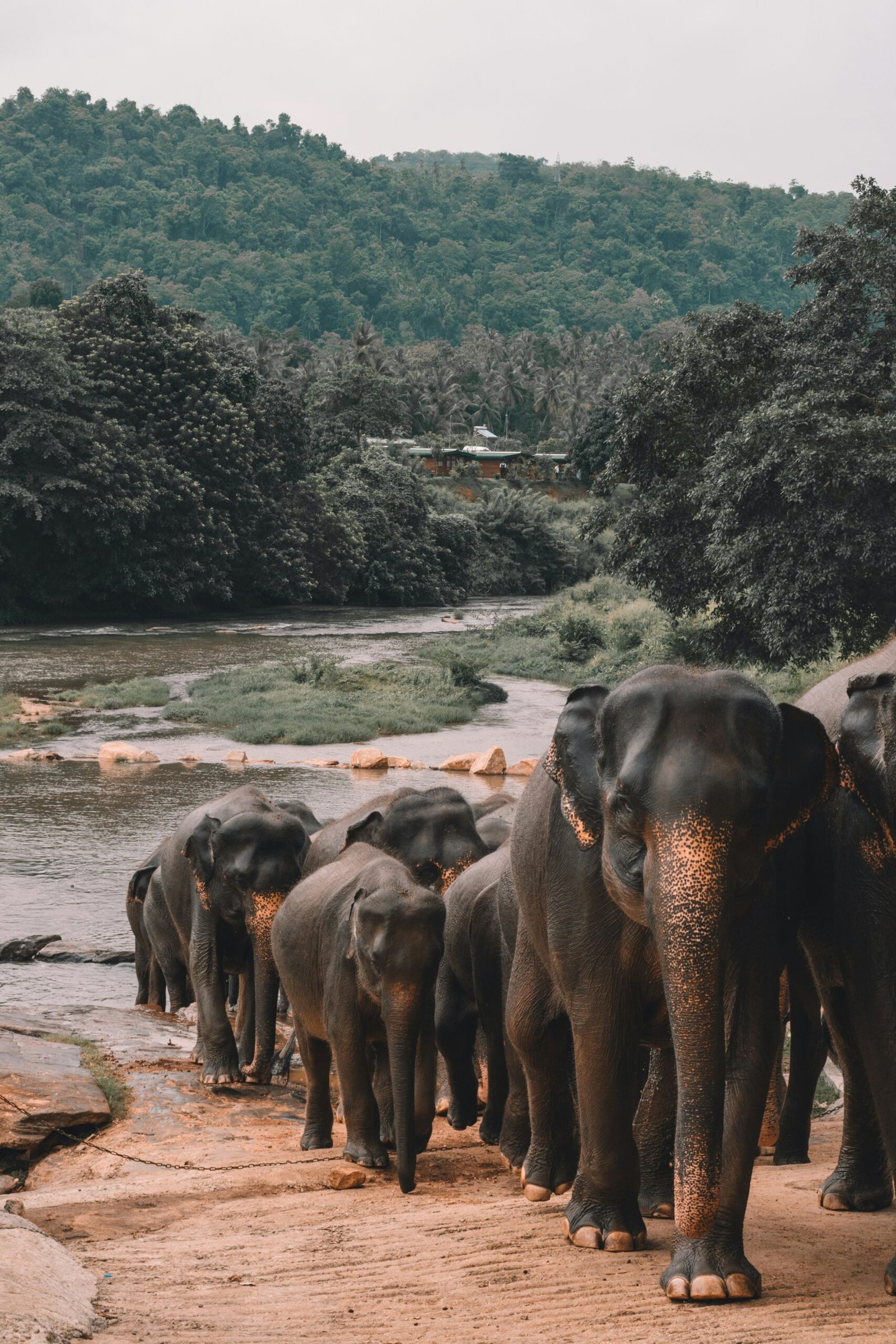
The Rekawa beach turtle nesting — the community-run conservation programme at the Rekawa beach east of Tangalle, with the guided tours to watch the nesting green and leatherback turtles from November through May — is at the opening of its season in November. The November Rekawa tours have the early-season intimacy: the nesting turtles present at the beginning of their cycle, the groups small (the tour operators limit the group to 6-10 people per nesting event), and the community guide who manages the beach protection programme at its most communicative at the season’s beginning.
The first blue whale sightings of the season at Mirissa in late November — when the Mirissa whale watching operators report the first encounters of the new dry season with the blue whales returning to the southern Sri Lanka feeding grounds — are the November Mirissa activity with the most specifically season-opening energy. The late November whale watching boat is operating with the early-season intimacy that January’s reliability replaces with the certainty of encounter.
The Jaffna old town walk — the circuit from the Dutch Fort (the most intact of the Sri Lankan Dutch colonial military structures, with the rampart walks above the Jaffna lagoon) through the Clock Tower junction to the Nallur Temple and the Jaffna Public Library (rebuilt after the 1981 burning and the most symbolically important of the Tamil cultural institutions) — is in November at the Deepavali period when the Tamil city is at its most festively decorated and its most culturally specific. The Jaffna old town in November Deepavali has the kolam at every doorstep and the Deepavali lamps at every window — the most specifically Tamil Sri Lankan of the November urban experiences.
The southwest coast — Galle, Mirissa, Tangalle — is transitioning out of the monsoon through November. The first two weeks may still have some rain, but by mid-November the dry season is establishing. Temperatures at 27-31°C.
Jaffna and the north are in the northeast monsoon — 26-30°C with significant rain through November. Accessible but wet.
Kandy and the central highlands are at 20-26°C — the inter-monsoon transition settling. Some rain possible but the afternoons increasingly dry.
The east coast — Arugam Bay, Trincomalee — is entering the northeast monsoon. The east coast retreat season is ending for the year.
Is November a good month for the southwest coast? Yes — specifically for those who want the dry season conditions at the pre-December pricing and the early-season energy. The first two weeks of November may still have occasional rain, but by mid-November the southwest coast is firmly in the dry season and the retreat infrastructure is at full programme. Book for the second half of November to maximise the dry season reliability.
Is Jaffna accessible to non-Tamil visitors? Yes — the Jaffna Tamil Hindu community is accustomed to respectful visitors and the cultural sites (the Nallur Temple, the Dutch Fort, the market) are accessible to all. The Nallur Temple has a modest dress code (covered shoulders and legs, shoes removed at the entrance) and the temple is open for visitor observation during the non-puja hours. The Jaffna bus from Colombo takes 7-8 hours; the Intercity Express train is faster at 5-6 hours.
Is the Rekawa turtle tour ethical? The Rekawa community turtle conservation programme is one of the most cited examples of community-based conservation replacing egg harvesting in Sri Lanka — the same families who previously harvested turtle eggs now earn income from guiding the conservation-oriented tours. The programme limits group sizes, requires approach distance protocols, and the tour operators are certified by the Sri Lanka Tourism Development Authority. It is a specifically ethical model within the Sri Lankan context.
See our yoga retreats in Sri Lanka in December for the full picture of the following month.
Your email address will not be published. Required fields are marked *