

July in Sri Lanka is the month the Kandy Esala Perahera preparations become visible — the most spectacular procession in Asia building toward its August climax with the nightly practice runs visible from the second week of July. The east coast is at the surf season peak. The northwest coast around Kalpitiya is in July at the peak of the kitesurfing season. And the green season southwest coast is at its most affordable and its most specifically Sri Lankan.


July in Sri Lanka divides its attention between the building energy of the Kandy Esala Perahera — the most elaborate Buddhist festival procession in Asia, with the preliminary randoli perahera processions beginning in the second week of July — and the east coast surf and kitesurfing peak. The island in July is operating simultaneously at the highest cultural ceremony and the most internationally sports-oriented of its annual activities. The retreat that chooses one or the other has the most specifically Sri Lankan of the July formats.
Browse our full yoga retreats in Sri Lanka guide for the complete picture of what the country offers year-round. For the global context of July retreat travel, our yoga retreats in July guide covers every destination worth considering this month.
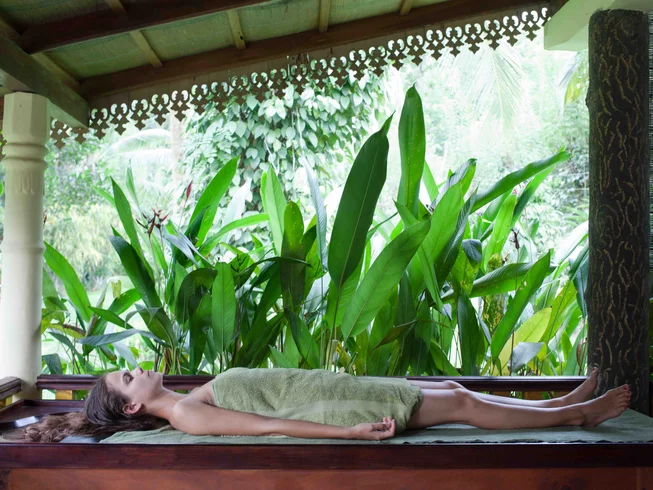
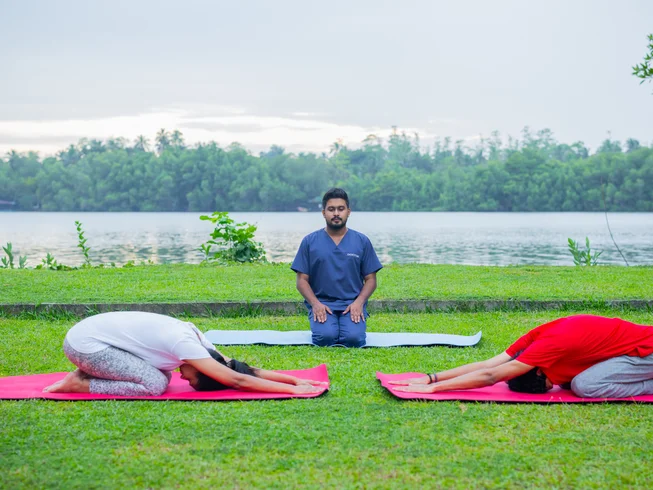
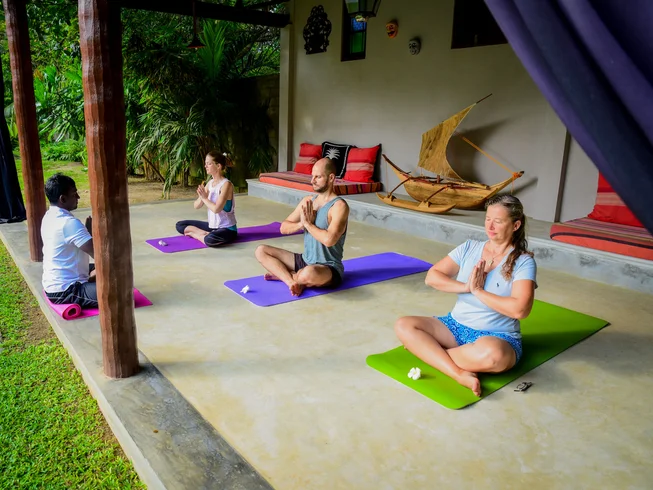
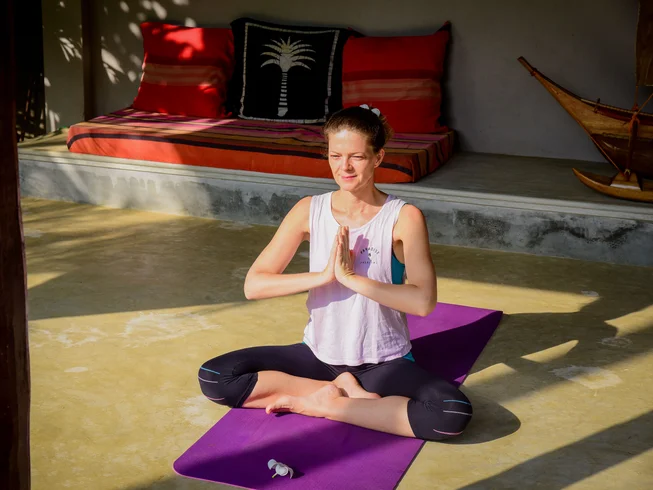

Kandy in July is building toward the most spectacular of the Sri Lankan annual events — the Esala Perahera at the Dalada Maligawa begins with the Kap ceremony (the planting of the Jackwood post at the four devales) and proceeds with the Kumbal Perahera (the preliminary five-night procession) before the Randoli Perahera (the main procession with the full complement of elephants and performers) takes over in the final five nights, climaxing on the Nikini full moon — typically in August but the July preliminary processions are the most accessible and the least crowded.
The Kandy July retreat uses the preliminary perahera evenings as the cultural programme — the night processions through the Kandy streets, the Kandyan drummers and dancers visible from the roadside viewing areas, and the Maligawa Tusker (the elephant who carries the sacred casket containing the relic) present in the procession from the first night. The July perahera has the specific quality of a spectacle at its building stage: more intimate than the August climax, accessible without the advance ticket requirement that the final nights demand.
Kalpitiya — the peninsula on the northwest coast, between the Indian Ocean and the Puttalam Lagoon — is in July at the peak of the kitesurfing season. The consistent southwest winds that the Sri Lankan northwest coast receives from May through October produce the ideal kitesurfing conditions: the 15-25 knot steady wind, the flat lagoon water on the eastern side of the peninsula, and the ocean swell on the western side for the advanced riders. Kalpitiya is in July the most internationally concentrated kitesurfing destination in Asia, with the schools and the equipment rental infrastructure operating at full season capacity.
The yoga retreat combined with kitesurfing at Kalpitiya — the morning practice on the lagoon edge, the afternoon session in the consistent wind — is a specifically July format. The beach bungalow and eco-lodge infrastructure of Kalpitiya is simpler than the south coast’s boutique hotels, but the combination of the yoga, the kitesurfing, and the lagoon environment is the most specifically west coast July retreat available.
Arugam Bay in July continues its surf season at maximum intensity — the southwest swell at its most powerful, the Main Point most consistent, and the international surf community at its July concentration. The July Arugam Bay has more surfers than May or June but the wave quality is at its annual maximum and the retreat programmes are at their fullest development.
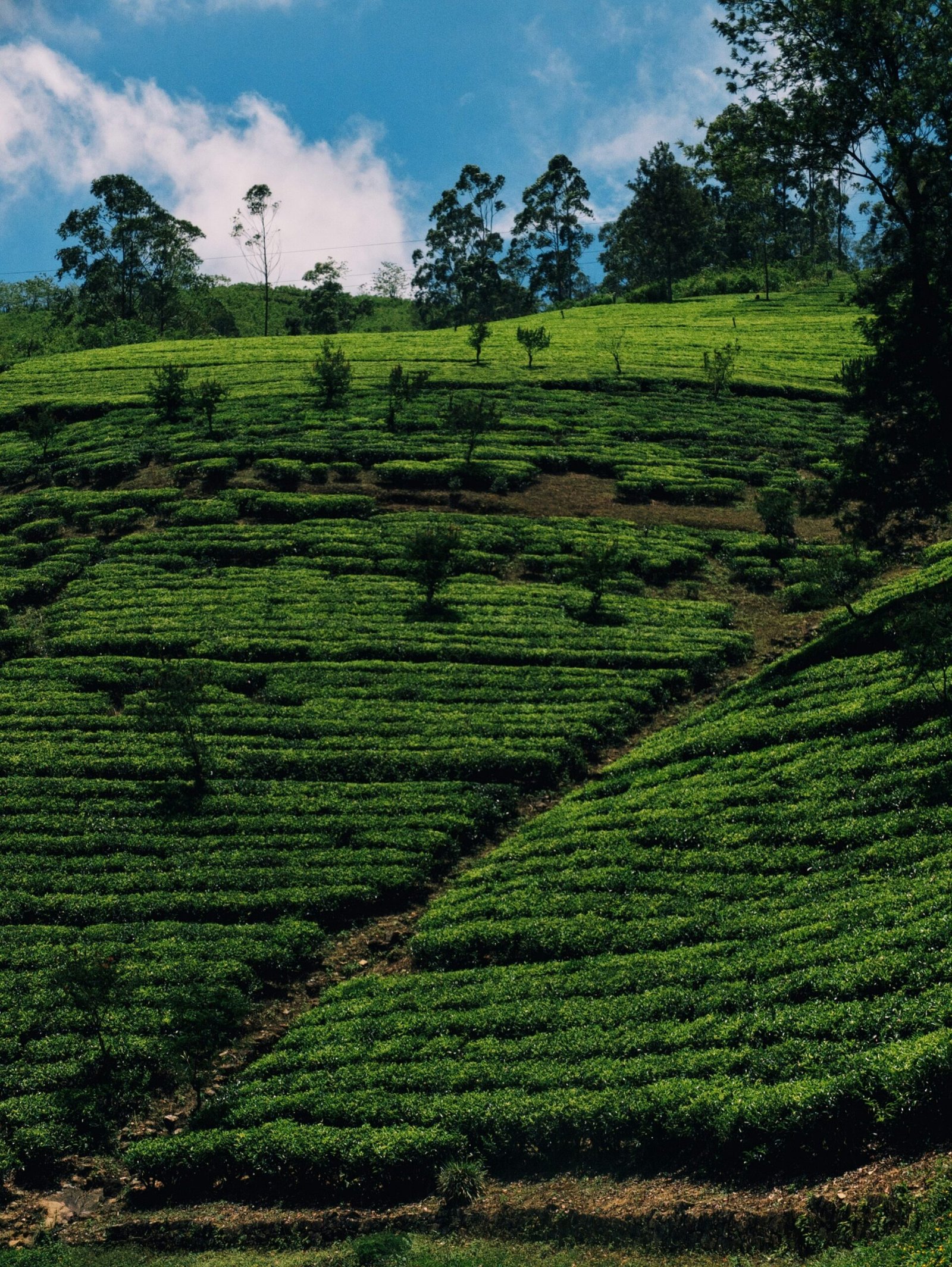
Ella in July is at the highland monsoon season — the rain more frequent than the January dry season but the temperatures at 16-22°C making the highland cool the most comfortable of the island in what is the hottest month on the coast. The Nine Arches Bridge in July is surrounded by the most intensely green of the tea estate vegetation, and the Little Adam’s Peak hike (the 3-kilometre trail above Ella village with the valley view on clear mornings) is in July producing the monsoon mist that makes the highland landscape most atmospheric.
The Kumbal Perahera — the first five nights of the Kandy Esala Perahera, with the smaller procession of the elephants, the Kandyan dancers, and the drummers — begins in the second half of July. The exact dates depend on the lunar calendar (check current year). The Kumbal Perahera nights are more accessible than the August Randoli Perahera climax — fewer crowds, no advance ticket requirement for the roadside viewing, and the procession proceeding at the less compressed pace of the preliminary nights.
The Vel Festival — the Hindu chariot procession of the Vel (Lord Murugan’s golden lance) from the Pettah Kovil (Sri Muthumariamman Temple) to the Bambalapitiya Kovil (Sri Balaselva Vinayakar Temple) along Galle Road in Colombo — is one of the most spectacular Hindu processions in Sri Lanka, with the golden chariot of Murugan pulled by the devotees through the Colombo streets. The July Vel festival in Colombo is the most accessible of the Hindu perahera events and the one most directly visible from the main coastal road.
The Kandy municipal market in July — the most varied fresh produce market in Sri Lanka, with the highland vegetables from the Nuwara Eliya farms (the leeks, carrots, beetroot, cabbage, and the avocado from the highland gardens) arriving alongside the lowland tropical produce — is in July at its most active session, the highland monsoon producing the most abundant of the vegetable supply. The July market at the Kandy municipal hall, with the wholesale stalls at their 5am morning activity and the retail stalls from 7am, is the most specifically Central Province food culture experience available.
Del rice — the breadfruit (del in Sinhala) preparation of the Sri Lankan kitchen, where the starchy breadfruit is cooked in the coconut milk curry in the same way as the young jackfruit and served as a rice substitute in the traditional meal — is in July at the Sri Lankan breadfruit season. The breadfruit trees (Artocarpus altilis) of the Sri Lankan coastal homesteads are in July producing their fruit, and the del curry at the village restaurant in the southwest coast’s green season or the Kandy highland area is the most specifically seasonal of the July vegetable preparations.
The Kumbal Perahera evening in Kandy — the roadside viewing of the preliminary procession from the Dalada Maligawa along the Perahera route through the Kandy streets — is in July the most accessible version of the most spectacular Buddhist festival procession in Asia. The roadside viewing requires arriving at the route by 6:30pm to secure a position, the procession passing approximately 8pm-10pm. The July Kumbal Perahera has the full complement of the ceremonial elephants, the Kandyan dancers, and the Maligawa Tusker, at the less compressed crowd levels of the preliminary nights.
The kitesurfing beginner lesson at the Kalpitiya lagoon — the 3-5 hour introduction on the flat lagoon water in the consistent July wind, with the kitesurfing school’s certified instructor — is the July northwest coast activity specifically available in no other Sri Lankan month at this quality. The flat lagoon, the steady 15-20 knot southwest wind, and the warm 28°C water make Kalpitiya the most specifically ideal of any beginner kitesurfing environment in Asia.
The Ravana Falls trek from Ella — the 30-minute walk from the main road to the base of the Ravana Falls (the 25-metre cascade near the Ella-Wellawaya road, associated with the Ramayana mythology), which in July is at its monsoon volume maximum — is the July Ella outdoor activity at its most dramatically wet. The Ravana Falls in July are at their most powerful — the cascade visible from the approach path and the sound audible from 200 metres — producing the most dramatically specific version of the highland waterfall experience available from the Ella retreat base.
The east coast — Arugam Bay — is at the surf season peak. Temperatures at 28-32°C, the Indian Ocean on the eastern side calm and the surf from the southwest swell producing the most powerful conditions of the year.
Kalpitiya (northwest coast) is at the kitesurfing season peak. Temperatures at 28-32°C and the southwest wind at its most consistent.
Kandy and the central highlands are in the monsoon — 20-26°C, frequent rain, and the Esala Perahera preliminary processions beginning in the second half of the month.
The southwest coast — Galle, Mirissa — is in the established southwest monsoon. The green season conditions continue.
Your email address will not be published. Required fields are marked *