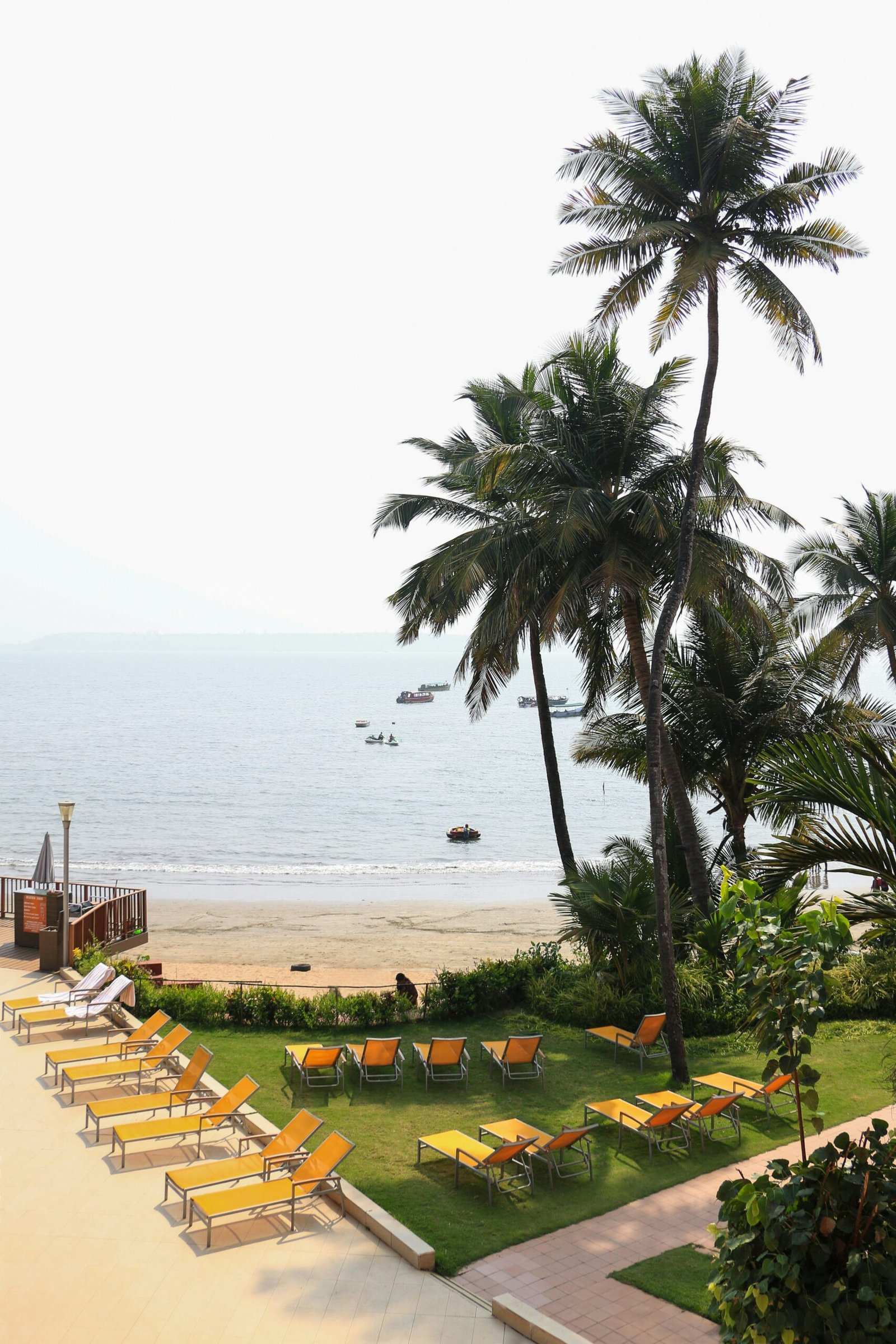
Yoga Retreats in India in September: Palm-lined Goa beach with open sea views, reflecting the lighter and more spacious feel of a September retreat by the coast.

Yoga Retreats in India in September

September in India is the monsoon easing — the rains reducing in frequency, the landscape still at its full green, and the cultural calendar producing Ganesh Chaturthi in Maharashtra and Onam in Kerala.

The post-monsoon September has the quality of a country emerging from its most intimate season — the retreat infrastructure returning to full operation, the outdoor programme re-extending, and the first hints of the approaching peak season visible in the October preparations.

AUTHOR

Om Away

DATE PUBLISHED

January 19, 2026

CATEGORY

Share This Article

India in September: The Monsoon Eases

September is the transition month in the Indian retreat calendar — the southwest monsoon beginning its September retreat from the subcontinent (withdrawing from the northwest Rajasthan first and from the Kerala coast last, in the reverse sequence of its June arrival). The result is a month of improving conditions across the country, with the best landscape of the year (still maximum green, increasingly accessible) and the best cultural events of the monsoon period — Ganesh Chaturthi and Onam — as the seasonal anchors.


Browse our full yoga retreats in India guide for the complete picture of what the country offers year-round. For the global context of September retreat travel, our yoga retreats in September guide covers every destination worth considering this month.

Where to Go for a Yoga Retreat in India in September

Mumbai: Ganesh Chaturthi Capital

Mumbai in September is at the most communally animated of any city in India during the Ganesh Chaturthi festival — the 10-day celebration that transforms the entire city. The neighbourhood Ganesh pandals (the temporary mandaps housing the Ganesh idol) at every street corner of Mumbai, from the massive public installations of Lalbaug and Girgaum to the intimate neighbourhood idols of the residential streets, produce the most collectively animated of any Indian urban festival experience. The visarjan (the immersion of the Ganesh idol in the sea) on the final day — the processions moving from every neighbourhood toward the Chowpatty Beach and the Juhu Beach simultaneously, the crowd density at the immersion points reaching tens of thousands per beach — is the most dramatic single day of the Mumbai festival calendar.

The yoga retreat in Mumbai in September uses the Ganesh Chaturthi as the cultural evening programme — the neighbourhood pandal visits in the evenings alongside the morning and afternoon practice schedule. The Bandra, Andheri, and Versova studio communities in Mumbai are in September returning to their full programme after the monsoon retreat season.


Kerala: Onam Season

Kerala in September is at the Onam season — the harvest festival (see August guide for the full Onam description if it falls in August) most commonly falls in the last week of August or the first week of September depending on the current year. The Vallam Kali (snake boat races) at Alappuzha and the pookkalam flower carpet competitions in the villages are the most specifically September of the Kerala cultural events when Onam falls in the first September week.

The post-monsoon September Kerala — from approximately September 15th onward — has the specific quality of the landscape at its maximum green while the rains are easing. The Ayurveda treatment season continues through September, the therapeutic conditions still optimal in the post-monsoon humidity. The sea is beginning to calm toward the October pre-dry-season conditions.


Rajasthan: The First Comfortable Month

Rajasthan in September is at the turning point — the monsoon withdrawal from the northwest beginning in the second half of the month, and the temperatures dropping from the brutal pre-monsoon maximum toward the October-November ideal. Jaipur in September is at 28-34°C — still warm but the worst of the summer heat behind, and the September green of the Aravallis from the monsoon rain producing the most unexpected of the Rajasthani landscape variations. The desert in September, after the brief monsoon, has a green carpet that January visitors never see.

The Pushkar lake in September is at its monsoon-replenished maximum level — the ghats descending to the full lake, the pilgrimage activity returning after the monsoon reduction, and the September afternoon light on the white temple facades above the blue lake producing the most specifically photographic of the Pushkar seasonal conditions.


Rishikesh: Post-Monsoon Retreat

Rishikesh in September is at the post-monsoon transition — the Ganges at its September high from the accumulated monsoon and snowmelt, the surrounding forest at maximum green, and the ashram community returning to its full programme as the rains ease. The September Rishikesh retreat has the most specifically atmospheric of any month — the river at high water, the sal forest above the town at its most vivid, and the evening aarti with the September light on the Ganges producing the most dramatically lit of the annual aarti season.
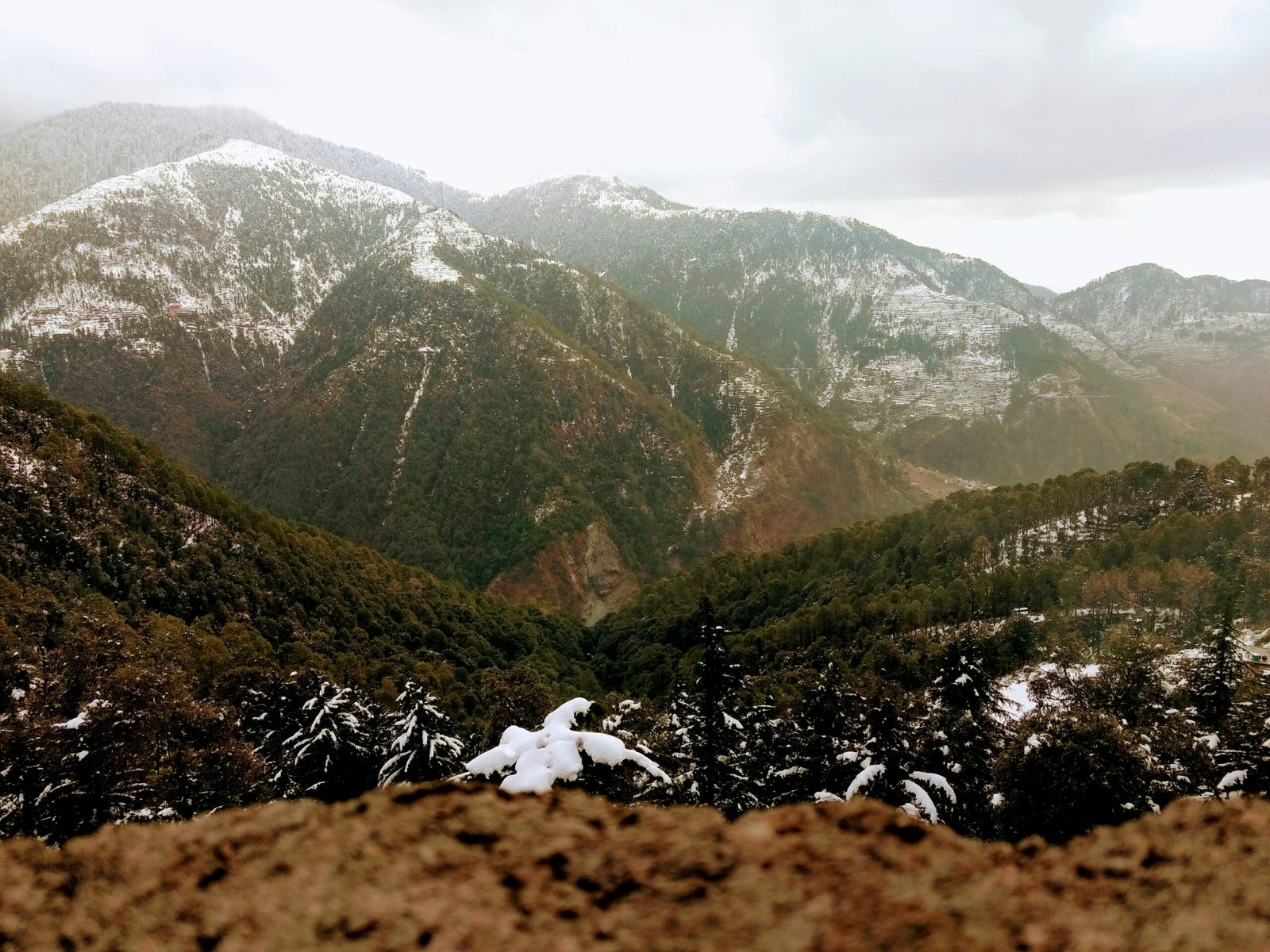
Mountain landscape near Dharamshala, suited to the crisp Himalayan side of a post-monsoon yoga retreat in India.

Festivals and Events in India in September

Ganesh Chaturthi (Late August or September — Check Current Year)

Ganesh Chaturthi — the birthday of Lord Ganesha, celebrated over 10 days — is the most exuberantly public of the Maharashtrian festivals and the one that involves the largest number of people in the most direct communal activity. The festival begins with the installation of the Ganesh idol at the neighbourhood pandal, continues with the daily aarti and the community gathering, and climaxes with the Anant Chaturdashi visarjan on the 10th day. In Mumbai, the Lalbaug Cha Raja pandal is the most visited in the city — the queue for darshan (the audience with the deity) on festival days can reach 24 hours; the neighbourhood idols are accessible without the queue and are the most specifically community-centred of the experience.

Onam (August-September — Check Current Year)

See August guide. If Onam falls in September, the Vallam Kali (snake boat races) and the pookkalam competitions are the September Kerala cultural events.

Navratri Preparations (September-October)

Navratri — the nine nights of the goddess, the most widely observed of the autumn festivals — typically begins in late September or early October (check current year). The September preparations at the Durga and Devi temples, the garba practice visible in the Gujarat and Rajasthan communities from mid-September, and the installation of the Navratri pandals in the last days of September produce the transition from the monsoon festival season to the autumn festival season that September specifically manages.

What to Eat on a Yoga Retreat in India in September

Maharashtra Modak: Ganesh’s Favourite

Modak — the steamed sweet dumpling of rice flour stuffed with the coconut-jaggery-cardamom filling that is Lord Ganesha’s specific offering — is in September at the Ganesh Chaturthi period the most universally prepared sweet in Maharashtra. The ukadiche modak (the steamed version, made from rice flour and shaped by hand with the pleated top) is the traditional form; the fried modak is the festival version. The modak at the Mumbai street stall during Chaturthi, made fresh and served warm with the ghee, is the most specifically September of all the Maharashtra festival foods.

Kerala Banana Varieties: September Harvest

The Kerala banana cultivar diversity — the island has over 60 named varieties of banana in cultivation, compared to the single Cavendish variety that the international market standardises on — is in September at the post-monsoon harvest stage, with the nendran (the starchy cooking banana used in the Kerala plantain chips, the upperi, and the payasam), the kadali (the small, intensely sweet banana of the sadya fruit arrangement), and the red banana (the Musa acuminata with the pink-red skin and the sweeter flavour) all available from the Kerala September market. The retreat kitchen that sources the seasonal Kerala banana variety from the September market is engaging with the most specifically diverse of India’s fruit cultures.

Post-Monsoon Rishikesh Kitchen: Singodi

Singodi — the Kumaoni sweet of the Uttarakhand hill kitchen, made from the mawa (reduced milk solid) with the coconut, cardamom, and saffron filling, wrapped in the maalu (colocasia leaf) and the banana leaf, and the specific flavour of the leaf-wrapping absorbed into the sweet — is in September at the Rishikesh market in its post-monsoon availability, the autumn markets bringing the Kumaoni hill produce down to the Ganges town. The singodi is specifically a Kumaoni product and not available in the Rishikesh commercial sweet shops except during the October-November festive production, making the September Rishikesh market the most accessible window for the genuine article.

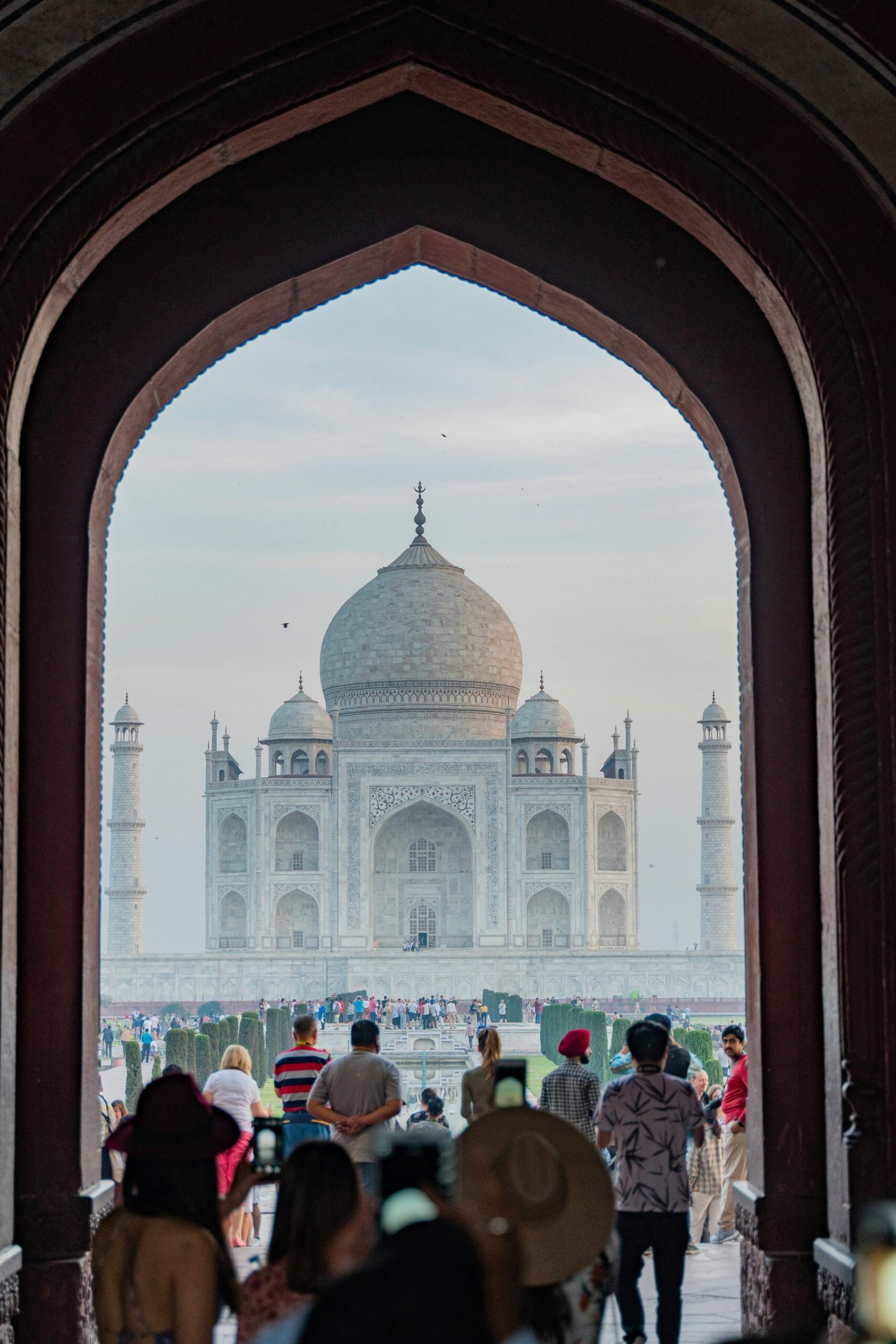
People walking toward the Taj Mahal in Agra, reflecting the cultural depth and reflective travel experience that can enrich a retreat in India.
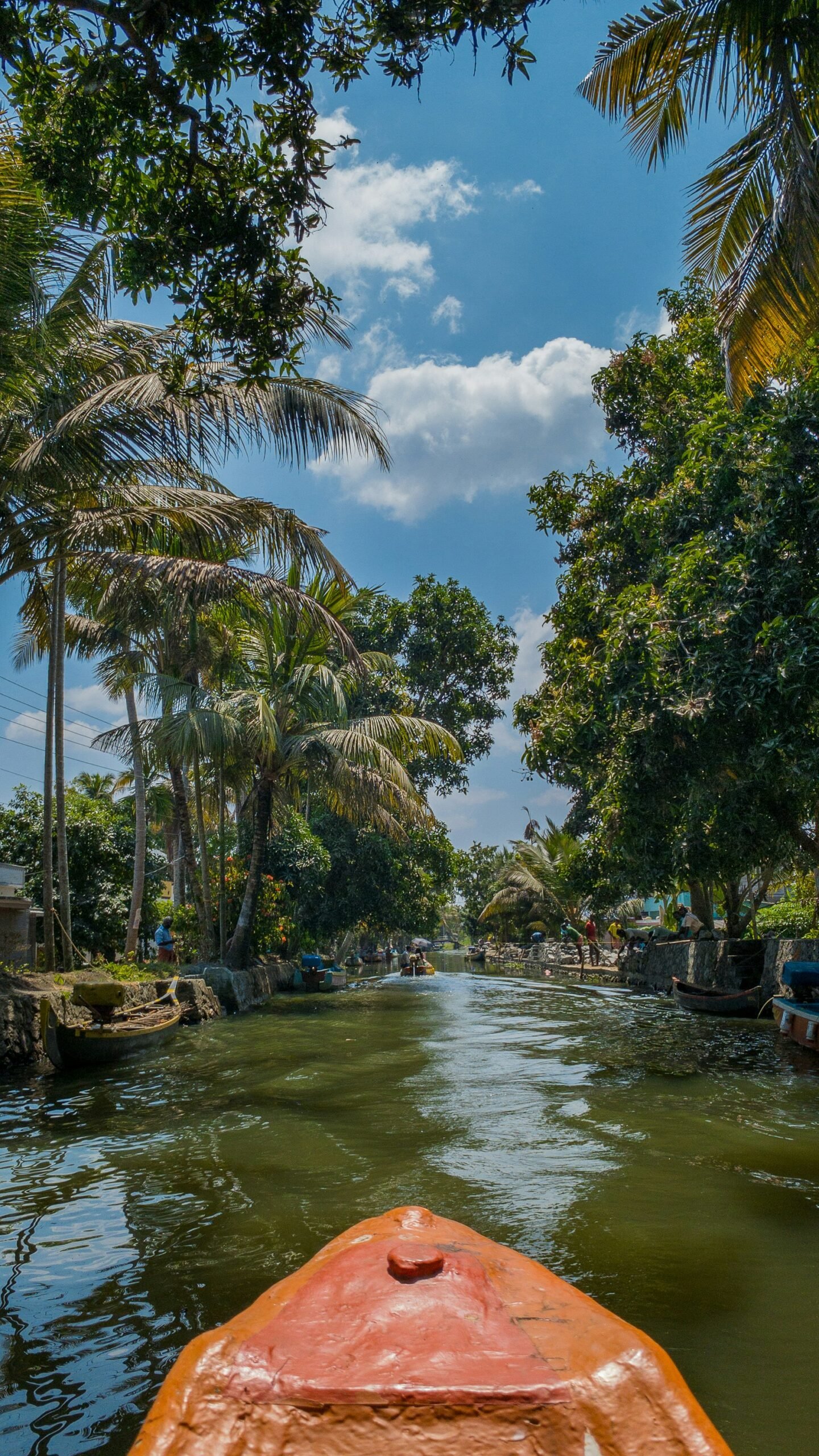
Boat moving through the Alappuzha backwaters, evoking the calm and restorative rhythm of a September retreat in Kerala.

What to Do Alongside a Yoga Retreat in India in September

Ganesh Chaturthi Neighbourhood Pandal Circuit, Mumbai

The Mumbai Ganesh Chaturthi neighbourhood pandal circuit — the evening walk through a Mumbai residential neighbourhood (Bandra, Dadar, Girgaum, or the residential areas of Lower Parel) visiting the succession of neighbourhood idols from 7pm through 11pm — is the most specifically intimate version of the Chaturthi experience, more genuinely community-centred than the famous public pandals and accessible without the queue management. Each neighbourhood idol has its specific character: the industrial pandals of the mill district, the traditional household shrines of the older residential neighbourhoods, and the creative theme pandals of the younger community associations produce a succession of devotional and artistic experiences within a 2-kilometre walk.

White Water Rafting on the Ganges, Rishikesh

The Rishikesh Ganges white water rafting — the most popular outdoor activity in the Uttarakhand Himalayas, with the Grade 2-4 rapids of the Shivpuri to Rishikesh section (16 kilometres) — is in September at the post-monsoon high water that produces the most powerful of the annual rafting conditions. The September Ganges is still at the high water that the August monsoon produced, and the Marine Drive, Three Blind Mice, and Golf Course rapids are in September at their maximum Grade 3-4 classification. The Rishikesh rafting operators run the September programme at the highest water level of the year.

Pushkar Evening at the Lake

The Pushkar ghats at sunset in September — the lake at its September full monsoon-replenished level, the white temple facades reflected in the water, and the community of sadhus and pilgrims at the ghats for the September sunset puja — is the most specifically atmospheric of the Pushkar seasonal conditions. The September Pushkar pre-Camel Fair quiet (the fair is in November) has the pilgrimage town at its most genuinely religious and its least touristy — the ghats active with the September pilgrimage season returning after the monsoon reduction.

September Climate in India

Mumbai is at 26-30°C with the monsoon easing through the month — the first two weeks still rainy, the last two weeks increasingly dry. The Ganesh Chaturthi festival brings the outdoor celebrations that the full monsoon weeks cannot support as easily.

Kerala is at 25-29°C with the monsoon easing from mid-September — the sea beginning to calm, the Onam festival in the first week of September (if it falls then), and the Ayurveda season continuing.

Rajasthan (Jaipur, Pushkar) is at 26-34°C — the heat easing from the June-August maximum, the September evenings becoming comfortable for the outdoor programme again.

Rishikesh is at 22-30°C — the monsoon easing, the Ganges at its seasonal high from the accumulated rain. The post-monsoon forest at maximum green.

FAQs: September Yoga Retreats in India

  1. Is the Ganesh Chaturthi festival worth planning a retreat around? Yes for those who want the most communally animated of the Indian festivals in the most urban of the Indian contexts. The Mumbai Chaturthi is unlike any other Indian festival experience — the sheer density of the community participation, the neighbourhood-level devotional intensity, and the scale of the visarjan procession produce an experience that cannot be approximated by the more accessible single-temple festivals of the peak season.
  2. Is September a good time for a Kerala retreat? Yes — the Ayurveda season is still optimal in September (the monsoon humidity still present for the oil treatment penetration), the landscape is at its maximum green, and the Onam festival (if it falls in September) is the most specifically Kerala of all cultural events. The sea swimming is not viable until October, but the backwater and the Ayurveda programme do not require it.
  3. Is the Rishikesh Ganges rafting safe? The established rafting operators in Rishikesh (those with the Uttarakhand Tourism certification) run the programme with the safety briefing, the helmet and life jacket requirement, and the trained guide on each raft. The September high water produces the most powerful conditions and is classified as suitable for those with no rafting experience on the lower-grade Brahmapuri section and for those with some experience on the Shivpuri section. The severe accident record in Rishikesh rafting is associated with unlicensed operators and the post-monsoon flash flood conditions of June-July rather than the September managed-high-water conditions.
  4. See our yoga retreats in India in October for the full picture of the following month.

Share Your Thoughts

Your email address will not be published. Required fields are marked *

Leave a Reply

Your email address will not be published. Required fields are marked *