
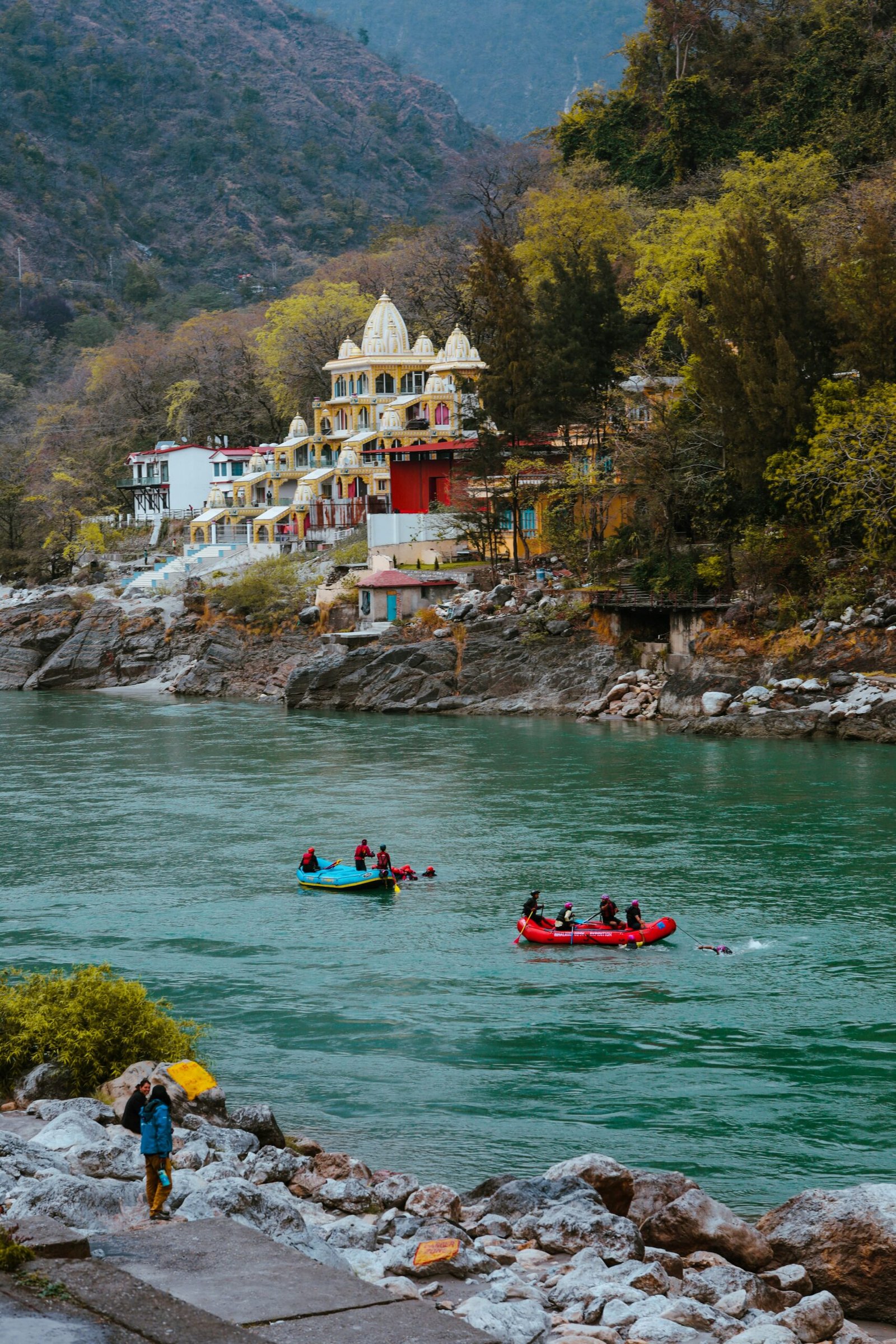
June in India is the southwest monsoon arriving — the most dramatic seasonal event in South Asia, when the cloud system that builds over the Arabian Sea breaks over the Kerala coast around June 1st and sweeps northward across the subcontinent over the following six weeks. For the retreat traveller, June divides India into two worlds: the rain-drenched coast and plains where the monsoon transforms the landscape into its most vivid green, and the rain-shadow areas — Ladakh, Spiti, the Rajasthan desert — where the monsoon’s moisture never arrives and the dry highland season continues. A yoga retreat in India in June requires knowing which world you want to be in.


The southwest monsoon is not the obstacle it appears to be from the outside. The India that the monsoon transforms — Kerala, Goa, the Western Ghats, the eastern coast — is in June at its most biologically vivid, its most dramatically atmospheric, and its most affordable. The retreat infrastructure remains fully operational. The Ayurveda tradition specifically identifies the early monsoon as the optimal season for Panchakarma — the body’s pores open in the humidity, the oil treatments penetrate most deeply, and the Kerala Ayurvedic system’s seasonal calendar begins with the monsoon. And for those who want to stay dry, Ladakh and the trans-Himalayan valleys are in June at their most beautiful.
Browse our full yoga retreats in India guide for the complete picture of what the country offers year-round. For the global context of June retreat travel, our yoga retreats in June guide covers every destination worth considering this month.
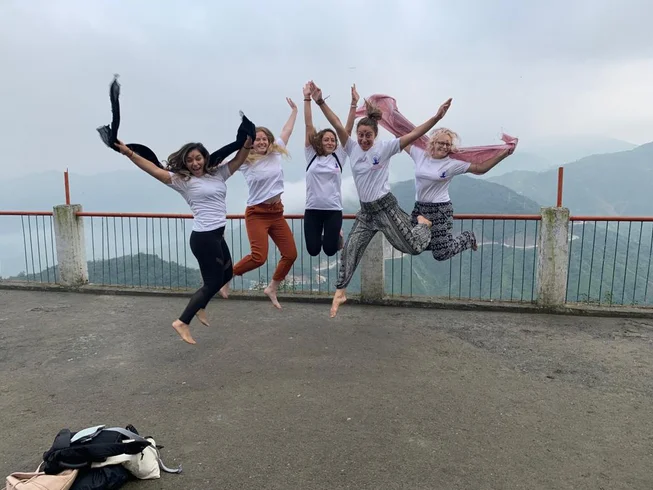
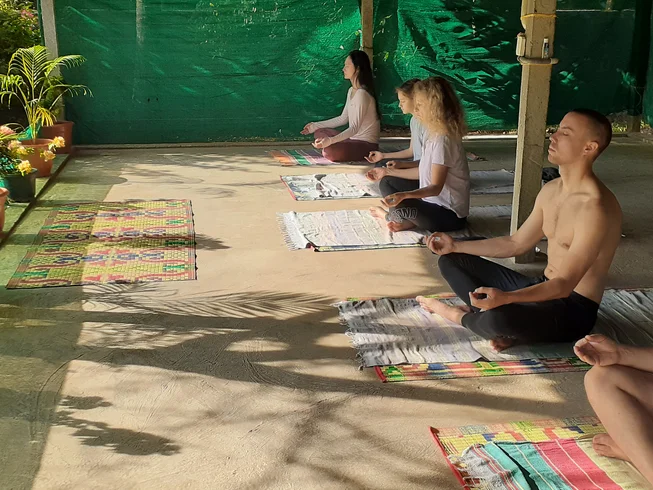

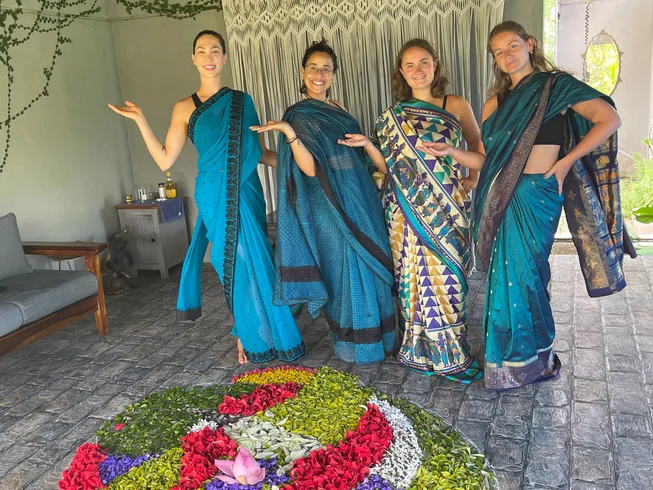
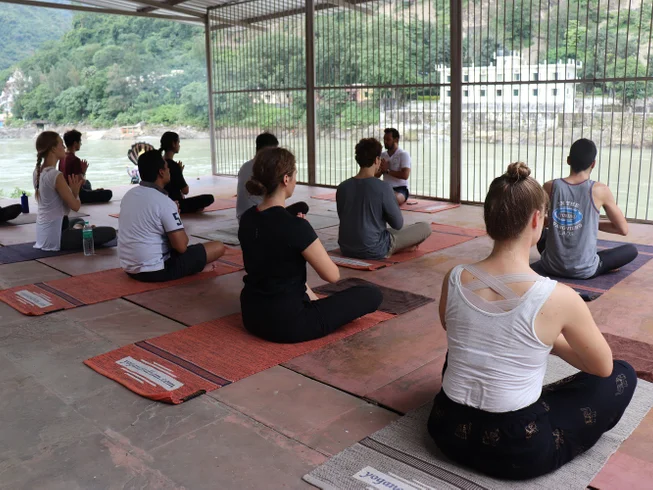
Kerala in the monsoon — the Karkidaka Masam (the Malayalam month of July-August in the traditional calendar, but beginning in the late June rains) — is in the traditional Ayurvedic system the optimal season for Panchakarma. The classical texts specify the monsoon as the period when the body’s metabolism slows, the doshas are most receptive to treatment, and the Ayurvedic oil therapies penetrate most effectively. The Kerala Ayurveda centres that follow the traditional seasonal calendar specifically run their most intensive Panchakarma programmes from June through August.
Varkala in the June monsoon has the most dramatically atmospheric of the Kerala cliff atmospheres — the red laterite cliffs above the Arabian Sea with the monsoon surf below, the palm trees streaming in the southwest wind, and the cliff path between the Ayurveda centres and the beach restaurants producing the most specifically Kerala of the monsoon retreat environments. The sea is not swimmable in the monsoon (the surf is powerful and the currents unpredictable), but the cliff setting, the rain, and the Ayurveda programme produce a combination that the dry season’s beach-and-pool format does not approach in depth.
Ladakh in June is in its most glorious window — the Rohtang Pass open, the Manali-Leh highway fully operational, and the high-altitude landscape at the pre-summer wildflower stage. While the rest of India is managing the monsoon, the Ladakh rain shadow keeps the plateau dry and clear, the Indus and Zanskar rivers running at their snowmelt volume and the sky at the high-altitude blue that the plateau’s low moisture produces.
The Markha Valley trek — the 7-day circuit through the Stok Kangri range, past the Nimaling plateau and the Kang Yatse peak, and returning through the Indus valley — is in June at its optimal trekking conditions: the snow on the passes melted, the river crossings at manageable levels, and the villages at their summer agricultural activity. The Hemis Festival (check current year — typically late June or July) at the Hemis Monastery provides the cultural anchor for the June Ladakh retreat.
Goa in the monsoon has a different character from its beach-season self — the international retreat community has largely departed, the village life has returned to its local rhythm, and the landscape is in June at its most dramatically green. The Dudhsagar waterfall — the four-tier, 310-metre cascade on the Goa-Karnataka border, dry in the summer and accessible only in the monsoon — begins flowing in June and is by mid-month at its first full power. The monsoon Goa is specifically for retreat guests who want the Indian coastal experience without the tourist infrastructure — the local fish markets, the rice paddy planting visible from the village roads, and the specific quality of the Konkani coast in the rain.
The yoga retreat scene in Goa in June is smaller and more specifically committed than the January peak — the teachers and retreat centres that stay open through the monsoon are those with the deepest connection to the practice community rather than the tourist infrastructure. The June Goa retreat has the intimate quality that the January version’s popularity removes.
The Andaman Islands — the remote archipelago in the Bay of Bengal, 1,400 kilometres from the Indian mainland — are in June at the very end of their accessible dry season before the June-September monsoon closes many of the outer island dive sites. The Havelock Island (now officially Swaraj Dweep) and the Neil Island (Shaheed Dweep) diving and snorkelling at the Elephant Beach and the Lighthouse reef are in the first two weeks of June at the pre-monsoon clarity — the coral gardens most vivid, the sea turtle encounters at the island nesting beaches most frequent, and the accommodation at the post-season pricing that the dry season crowd has ended.
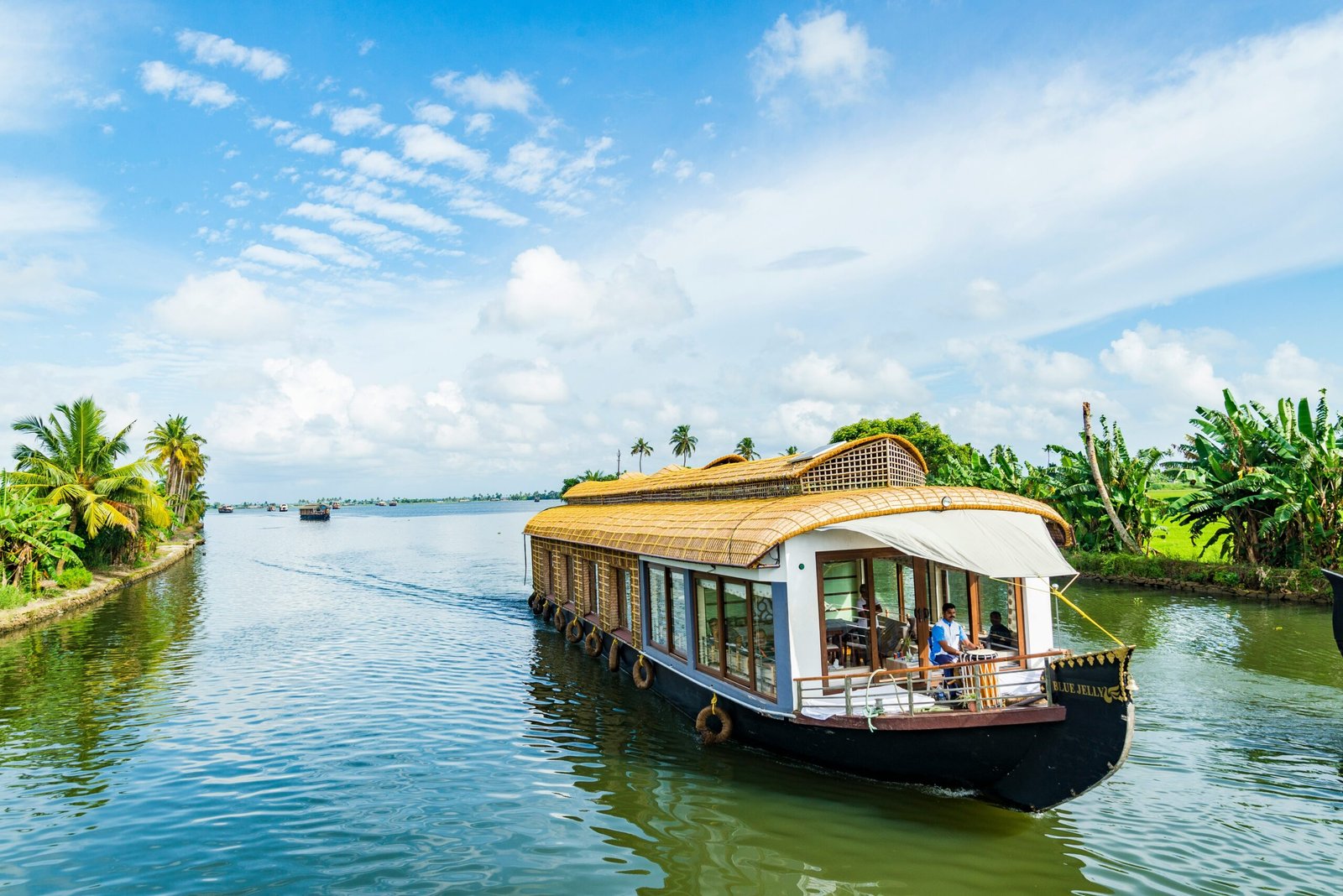
The Hemis Festival at the Hemis Monastery — see May guide for full description. If it falls in June (the Tibetan lunar calendar places it in different Gregorian months each year), the June Ladakh timing is the most climatically perfect for the festival — the rain shadow dry, the mountain passes open, and the monastery landscape at its pre-summer colour.
The Rath Yatra (Chariot Festival) at Puri in Odisha — the annual procession of the enormous wooden chariots carrying the idols of Lord Jagannath, Balabhadra, and Subhadra through the main street of the temple town — is one of the most ancient and most specifically dramatic of the Hindu public festivals. The three chariots, assembled fresh each year from the prescribed wood species and reaching 14 metres in height, are pulled by thousands of devotees through the Bada Danda (Grand Road) from the Jagannath Temple to the Gundicha Temple and back. The Rath Yatra falls on the second day of the bright fortnight of the Ashadha month, typically in June or July.
Kanji — the rice porridge of the Kerala tradition (rice water with the rice cooked until soft, served with the pappadom, pickle, and moru (yogurt curry)) — is in June the most specifically appropriate of the Kerala monsoon foods. The karkidaka kanji (the medicinal rice porridge cooked with the Ayurvedic herbs for the Karkidaka Masam monsoon season, prescribed in the traditional texts as the annual body-cleansing preparation) is specifically available at the Kerala Ayurveda centres and the traditional restaurants from the onset of the monsoon. The rice variety used for the karkidaka kanji — the navara rice (the ancient variety indigenous to Kerala, used in the Ayurvedic njavara kizhi treatment) — is the most specifically medicinal rice available in India.
Skyu — the Ladakhi root vegetable and barley stew, made from the tsampa (barley flour) dough rolled into finger-thick pieces and cooked with the root vegetables (turnip, carrot, and the wild seabuckthorn berry that the Ladakhi valleys produce in abundance) in the meat or vegetable broth — is the June Ladakh highland comfort food. The skyu at the local restaurant in Leh, served in the clay pot with the wood fire visible through the kitchen doorway and the June Ladakhi plateau outside, is the most specifically Ladakhi of the high-altitude food experiences.
The monsoon seafood of Goa — the tisryo (the clams that the Goan rocky inlets produce in abundance during the monsoon, cooked in the coconut milk and the green chilli in the tisryo ambotik curry) and the modso (the lady fish, specific to the Goa-Konkan coast, cooked in the red curry of the Goan tradition) — is in June at its most local and most specifically Konkani. The beach shacks are closed in the monsoon but the local restaurants of the Goa villages serve the most genuinely local seafood of the year — without the tourist season menu modifications.
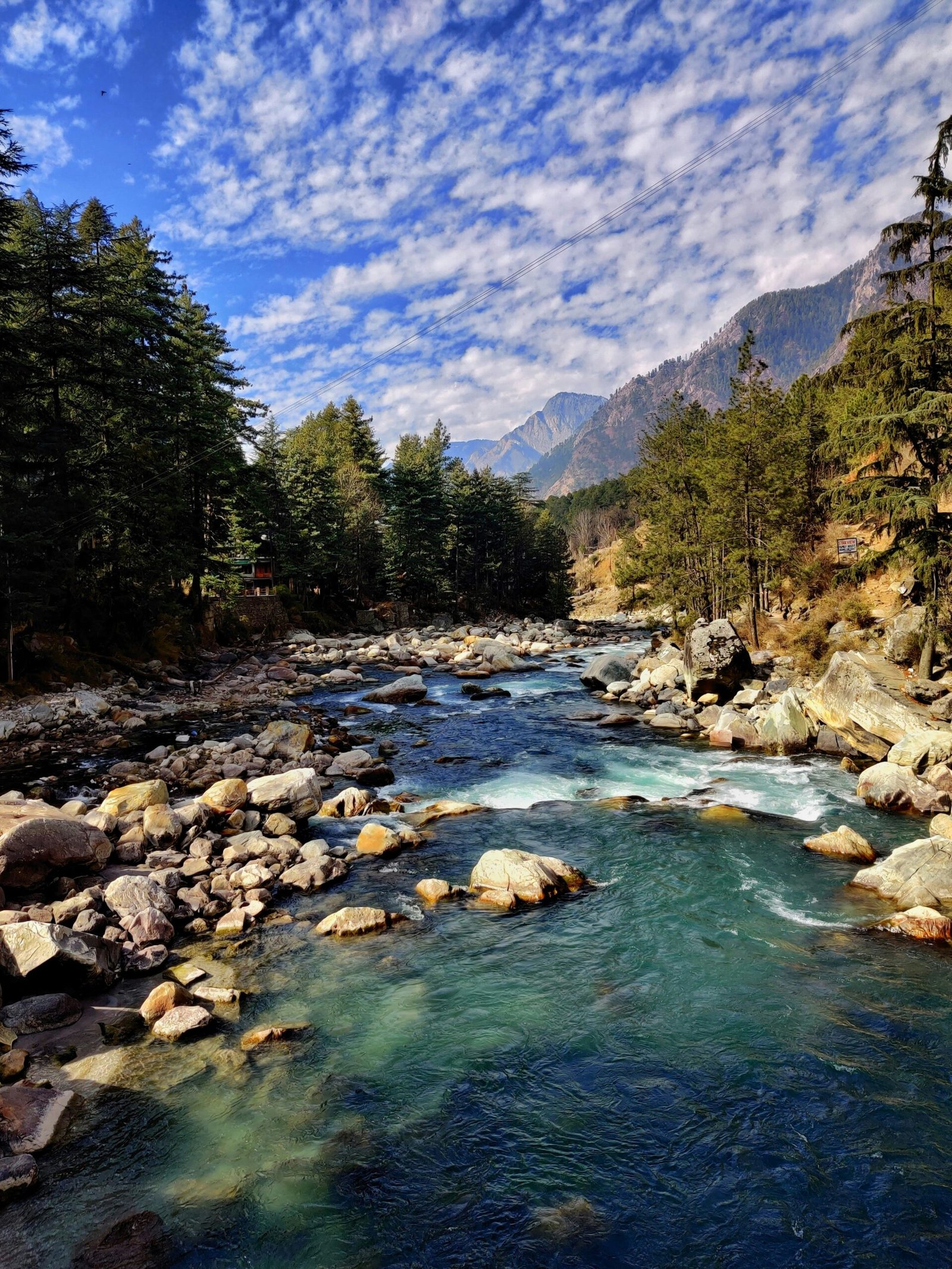
The Dudhsagar waterfall trek — the 11-kilometre train track walk from Castle Rock station (accessible by train from Goa’s Madgaon station) through the Bhagwan Mahavir Wildlife Sanctuary to the base of the four-tier waterfall — is available only during the monsoon, when the waterfall is in flow. The June Dudhsagar is at its first-season power — not the July-August maximum, but the specific quality of a waterfall at the beginning of its season, the white water visible from the approach path and the sound audible from a kilometre above. The trek requires the early morning departure, appropriate rain gear, and the awareness that the railway track crossing requires timing with the train schedule.
The first two days of the Markha Valley trek — the Chilling road crossing and the first camp at Skiu village — are in June the most accessible of the full circuit for the retreat guest who wants a single trekking day alongside the programme. The Skiu approach from the Indus valley produces the first of the Markha Valley’s distinctive painted-wall monastery villages visible from the trail, with the June wildflowers on the path and the June snowmelt streams crossing the valley floor.
The Panchakarma treatment day during the June monsoon — the morning abhyangam (the full-body oil massage with the heated medicated oil), the shirodhara (the continuous oil stream on the forehead), and the afternoon rest in the monsoon rain heard outside the treatment room — is the most specifically Ayurvedic of the India retreat activities and the one that the classical tradition specifically identifies as most effective in the monsoon season. The Kerala Ayurveda centre in June, with the rain on the coconut palm roof and the treatment room at the monsoon ambient temperature, produces the most seasonally aligned of the Panchakarma conditions.
Kerala is in the southwest monsoon from approximately June 1st — Thiruvananthapuram first, Kochi by June 7-10, and the entire state by mid-June. Temperatures at 26-30°C but humidity at 85-90%. The rain is heavy and daily but rarely all-day — the characteristic Kerala monsoon pattern of intense rain followed by clearing is specific to the state’s coastal geography.
Goa receives the monsoon approximately June 7-10 — temperatures at 26-30°C, heavy rain, and the characteristic transformation of the dry beach landscape to the lush green that the January tourist market never sees.
Ladakh remains dry — 15-25°C in the Leh valley, cold at the passes. The sky is at the high-altitude blue that the plateau’s rain shadow produces while the rest of India is grey.
Andaman Islands receive their monsoon in late May-early June. The first two weeks of June are the last accessible window for the outer island dive sites.
Your email address will not be published. Required fields are marked *