
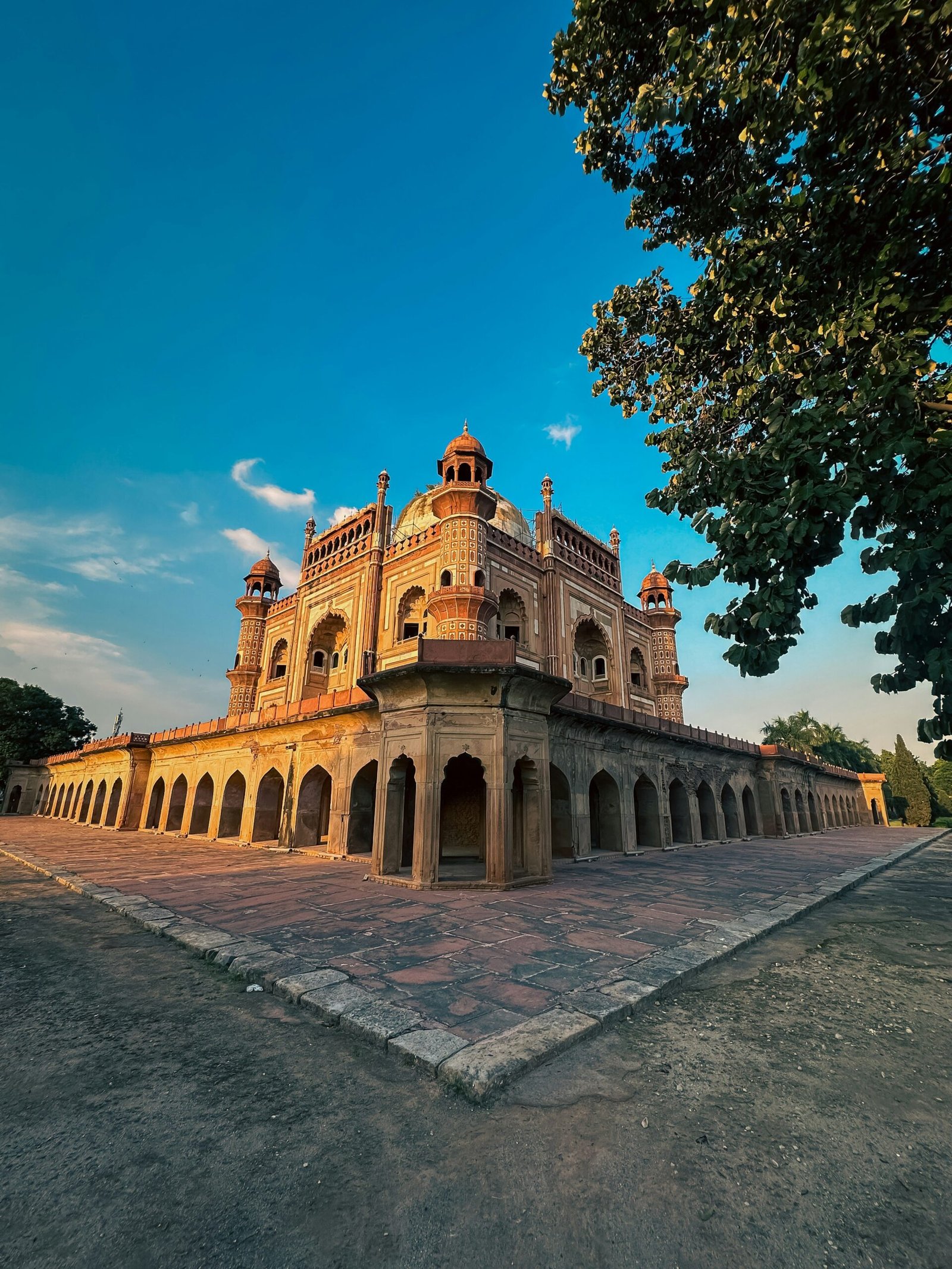
May in India separates the experienced retreat traveller from the first-timer. The plains are hot — genuinely, uncomfortably hot — but the Himalayas are in May at their pre-monsoon best: Ladakh fully open, Spiti accessible from both sides, Dharamsala warming toward its summer character, and the high-altitude passes of Himachal Pradesh and Uttarakhand clear of snow. The hill stations of the Western Ghats — Munnar, Ooty, Coorg — are in May at their coolest and most specifically beautiful before the southwest monsoon arrives in June. A yoga retreat in India in May means choosing the altitude.


May is the month India’s geography works most clearly in the retreat traveller’s favour — the contrast between the plains (unusable) and the highlands (spectacular) produces a clarity of choice that the comfortable December-February period does not require. The Ladakh plateau, the Spiti Valley, the Kullu-Manali valley, the Nilgiri Hills, and the Western Ghats hill stations are all in May at the most accessible and the most comfortable of the year. And the pre-monsoon light — clear, intense, and specifically golden in the highland air — is the light that the landscape photographers and the spiritual seekers both come to the Indian mountains for.
Browse our full yoga retreats in India guide for the complete picture of what the country offers year-round. For the global context of May retreat travel, our yoga retreats in May guide covers every destination worth considering this month.

Ladakh — the high-altitude Buddhist plateau in the former princely state of Jammu and Kashmir, at 3,500-5,000 metres above sea level — is in May in its pre-monsoon dry season, the most accessible and the most visually dramatic month of the year. The Srinagar-Leh highway opens in May (check current year for the opening date), and the Manali-Leh highway opens slightly later in the month. The Leh valley in May has the pre-tourist-season quality — the monasteries, the markets, and the Indus river at the snowmelt volume without the July-August domestic Indian tourist density.
The Hemis Monastery festival (typically June-July — check current year) may fall in late May-June, and the surrounding landscape of the Markha Valley and the Nubra Valley (accessible via the Khardung La pass at 5,360 metres, one of the highest motorable roads in the world) is in May at the pre-summer wildflower stage — the desert meadows beginning their brief annual flowering. The Pangong Tso lake (the 134-kilometre saltwater lake at 4,350 metres, straddling the India-China border) is in May at its most specific colour: the altitude light on the brackish water producing the blue-green that the photographs consistently fail to capture accurately.
Munnar — the hill station in the Idukki district of Kerala, at 1,600 metres in the Western Ghats, with the most extensive tea plantation landscape in South India — is in May at its pre-monsoon cool, the temperatures at 16-24°C and the tea gardens at the pre-monsoon flush stage (the second flush of the year, before the monsoon rains change the leaf chemistry). The Eravikulam National Park above Munnar — the habitat of the Nilgiri tahr (the mountain goat endemic to the Western Ghats, with the Rajamalai plateau herd visible from the park road) — is in May accessible before the seasonal closure.
The Munnar retreat uses the tea estate bungalow infrastructure — the colonial-era planter’s bungalows with the panoramic tea garden views, now converted as retreat accommodation — for the morning yoga on the veranda with the mist in the valley below and the tea garden stretching to the ridge above. The pre-monsoon Munnar in May, with the cloud building over the Ghats in the afternoon but the mornings consistently clear, is the most specifically beautiful month in the tea garden landscape.
Ooty (Udhagamandalam) — the Nilgiri Hills hill station in Tamil Nadu, at 2,240 metres above sea level, accessible by the Nilgiri Mountain Railway (the UNESCO-listed rack-and-pinion train from Mettupalayam) — is in May at the pre-monsoon cool that the domestic Indian tourist market has always come to the Nilgiris for. The Government Botanical Garden in Ooty — the 22-hectare hillside garden with the Toda tribal architecture visible on the surrounding hills and the Italian garden design from 1848 — is in May at the pre-monsoon flowering that the rain season suppresses. The Doddabetta peak at 2,637 metres (the highest point in the Nilgiris) is in May at its clearest view day — the Tamil Nadu plain visible 2,000 metres below on the clear pre-monsoon mornings.
Darjeeling — the West Bengal hill station at 2,042 metres in the Singalila Ridge, with the Kanchenjunga massif (the third highest mountain in the world at 8,586 metres) visible on the clear pre-monsoon mornings — is in May at the first flush tea harvest stage, the most prized of the Darjeeling tea harvests. The first flush Darjeeling — the spring harvest of the muscatel-flavoured tea that the Darjeeling gardens produce between March and May — is at its May development at the auction-quality stage, and the estate visits to the Makaibari, Happy Valley, and Castleton gardens produce the most directly educational of the Indian tea culture experiences.
The Tiger Hill sunrise view in Darjeeling — the pre-dawn jeep from the town to the Tiger Hill platform, arriving before 4am, and watching the first light illuminate the Kanchenjunga snow peaks while the Darjeeling valley is still in darkness — is in May at its most reliable visibility: the pre-monsoon air at its clearest before the June rains bring the cloud that obscures the Himalayan view from the Darjeeling hills.
Buddha Purnima — the full moon of the Vaisakha month, commemorating the birth, enlightenment, and death of the Buddha — falls in April or May depending on the lunar calendar. The Bodh Gaya celebrations (the site of the Buddha’s enlightenment, under the Bodhi Tree that is the direct descendant of the original tree) in Bihar, the Sarnath celebrations (the Deer Park where the Buddha gave his first sermon) near Varanasi, and the Dharamsala Buddhist community observances produce the most specifically Buddhist of the Indian May cultural events.
The Hemis Festival at the Hemis Monastery — the most important festival in the Ladakh Buddhist calendar, held in the Tibetan lunar month of the monkey and typically falling in June-July — may have its preparatory events in May. The festival celebrates the birth of Guru Padmasambhava (Guru Rinpoche) with the Cham dance (the masked monastic dance performed in the monastery courtyard) and the ceremonial unveiling of the Hemis Thangka (the enormous embroidered silk thangka displayed once every 12 years). Check the current year festival date.
The Darjeeling first flush tea — the spring harvest from the Darjeeling Himalayan gardens, with the specific muscatel flavour (the tea-grape character produced by the jassid leafhopper insect that the first flush leaves attract) that no other tea-growing region replicates — is in May at its estate availability. The tea at the Happy Valley or Makaibari estate tasting room in May, prepared in the traditional pre-warming-the-pot and loose-leaf-in-the-cup format of the estate tradition, is the most specific tea experience in India.
The tsampa (roasted barley flour, the staple of the Tibetan and Ladakhi plateau diet, eaten as a porridge stirred with butter tea or as a dry dough kneaded with tea) and the thukpa (the noodle soup of the Tibetan tradition, with the hand-pulled noodles in the meat or vegetable broth and the chilli oil at the table) are the May Ladakh food culture at its most specific. The Ladakhi butter tea (the salt-and-butter tea in the traditional wooden churn) is the altitude acclimatisation drink of the Leh valley — the fat content of the yak butter providing the specific caloric density that the 3,500-metre altitude and the cold require.
The varkey (the flaky layered bread of the Kerala and Nilgiri hill station Christian kitchen, made from wheat flour with the multiple butter layers that the layering produces) and the filter coffee (the South Indian filter coffee of the Brahmin tradition — the coffee decoction brewed through the stainless steel filter and combined with the hot milk in the precise proportion that the Nilgiri café tradition maintains) are the May hill station morning at its most specifically South Indian. The Ooty and Coonoor cafés in May, still in the pre-tourist rush, serve the filter coffee in the traditional stainless steel tumbler and davara (the deep saucer for cooling the coffee by the traditional pouring technique).
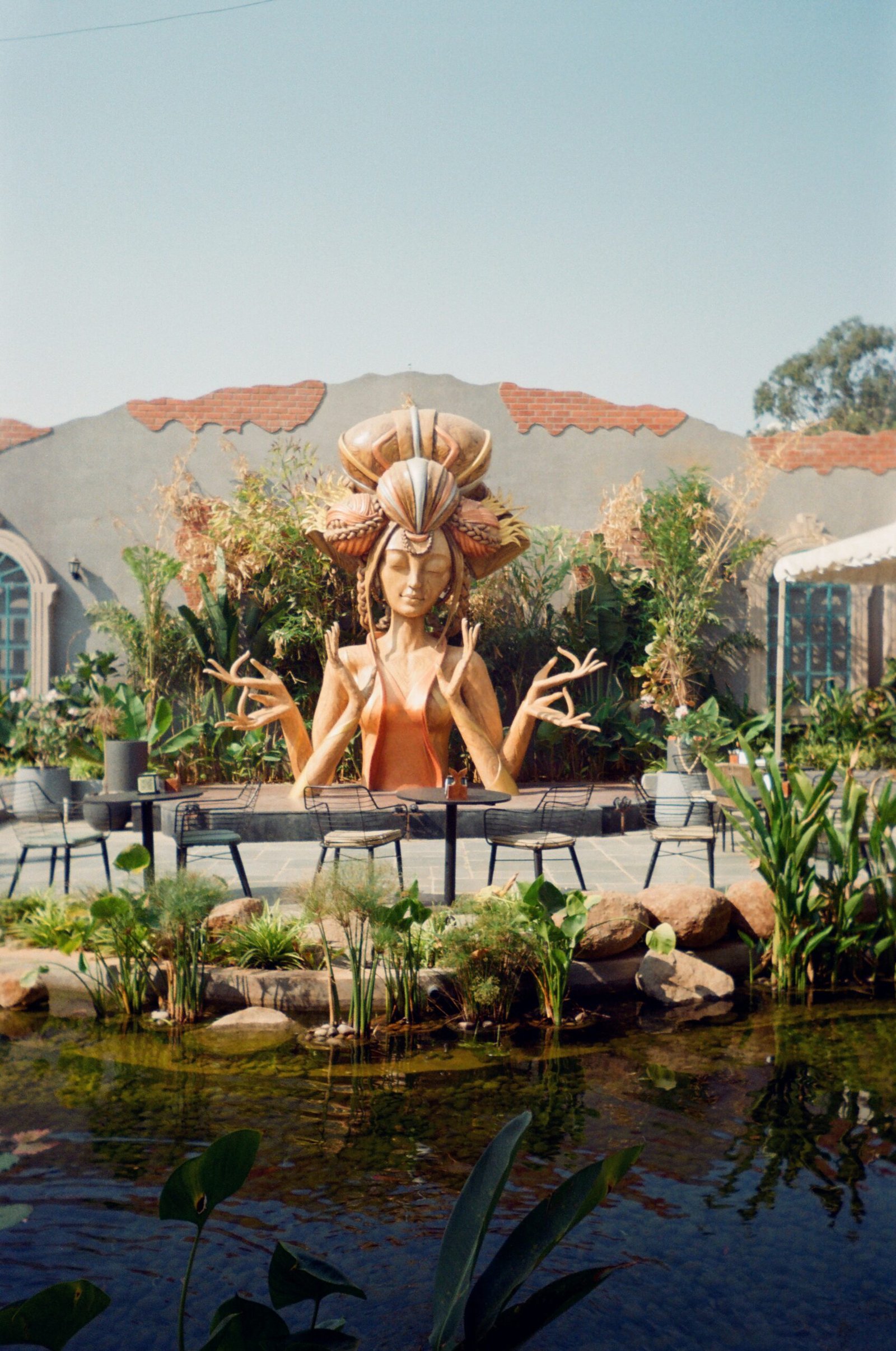
The Pangong Tso sunrise — arriving at the lakeside camping area (the closest accommodation to the lake, at 4,350 metres) the evening before, waking before 5am, and watching the first light on the Kanchenjunga-equivalent silence of the brackish lake surrounded by the bare Ladakhi mountains — is the May India sunrise experience that has no equivalent in the accessible hill stations. The Pangong Tso light at dawn, with the colour of the water changing from pre-dawn grey through green to the specific blue-turquoise that the midday sun produces, is the most specifically extraordinary of the Ladakh landscapes.
The Nilgiri Mountain Railway — the UNESCO-listed rack-and-pinion train from Mettupalayam at the Nilgiri base to Ooty at the summit, a 4.5-hour journey through the deciduous forest and the tea garden landscape — is in May at its pre-monsoon operating condition: the track clear, the rack-and-pinion mechanism working at maximum gradient on the 1:12.5 slope sections, and the view from the open window onto the Nilgiri landscape below the most specifically dramatic of any Indian train journey. The May journey in the early morning from Mettupalayam, arriving at Ooty as the mist clears from the tea garden ridges, is the hill station approach that the road cannot replicate.
The Tiger Hill sunrise — the pre-dawn jeep from Darjeeling to the Tiger Hill platform (8 kilometres, arriving by 4am), the crowd assembling in the dark at the platform, and the Kanchenjunga massif illuminated from east to west as the sun rises — is the May Darjeeling activity that the June monsoon cloud makes increasingly unreliable. May is the last reliable month for the Tiger Hill sunrise view before the monsoon arrives. On the clearest May mornings, the Mount Everest summit is visible 220 kilometres to the northwest.
Ladakh (Leh, Nubra Valley, Pangong Tso) is at 10-22°C in the Leh valley and significantly colder at the high passes. The altitude requires acclimatisation — plan 2-3 days in Leh before any strenuous activity. The pre-monsoon sky is at its clearest of the year.
Munnar and the Kerala Western Ghats are at 16-24°C — cool, misty mornings, clear afternoons before the pre-monsoon cloud builds. The southwest monsoon arrives in Thiruvananthapuram around June 1st and in Munnar approximately one week later.
Darjeeling and the Sikkim Himalayan foothills are at 12-20°C — the pre-monsoon clarity producing the best Kanchenjunga views of the year. The monsoon arrives in Darjeeling in mid-June.
Ooty and the Nilgiris are at 15-22°C — the most comfortable of the south Indian hill stations in May. The southwest monsoon arrives in the Nilgiris in late May-early June.
Your email address will not be published. Required fields are marked *