
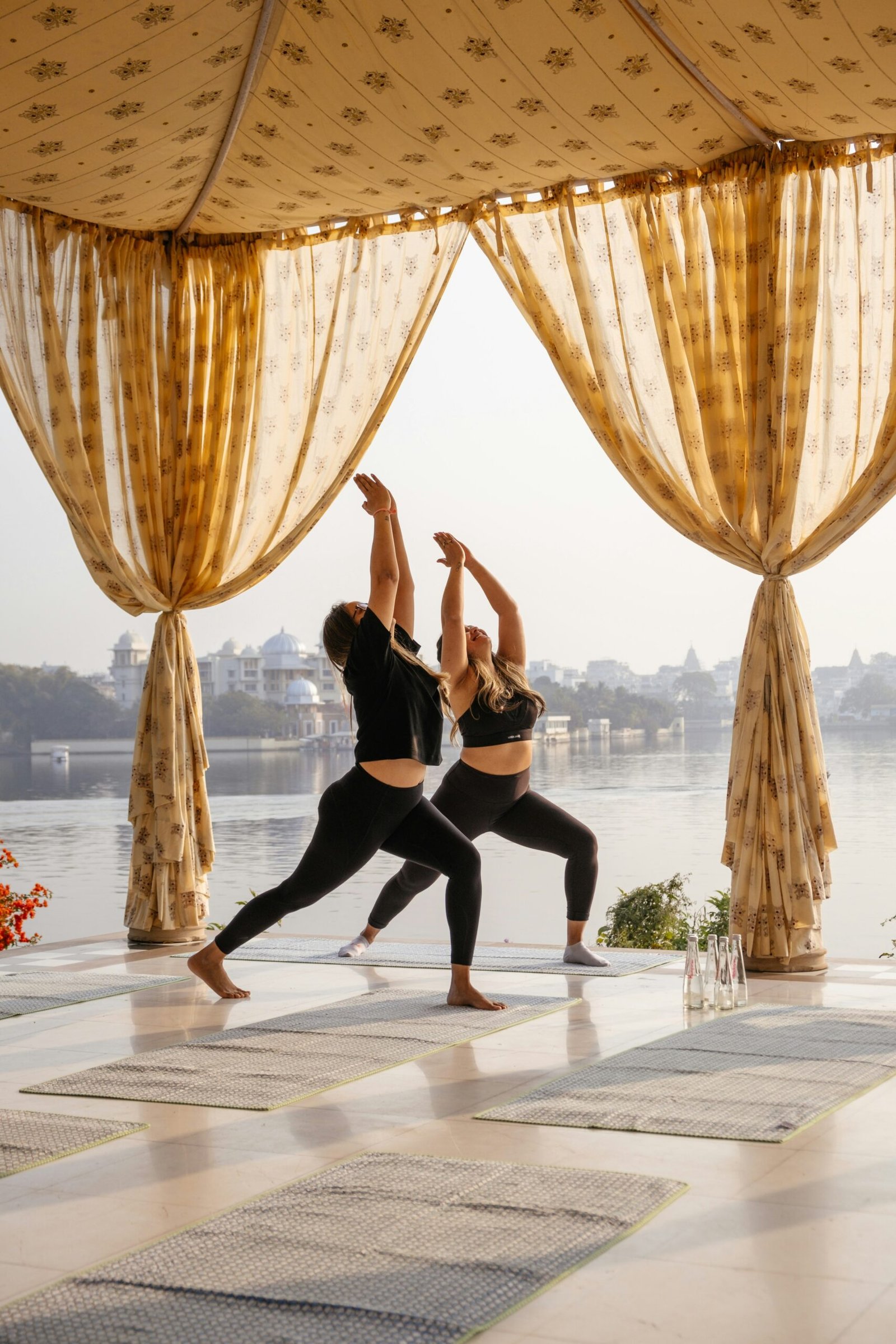
March in India is the peak season’s final full month before the April heat begins to build in the north. The International Yoga Festival in Rishikesh — the largest yoga gathering in India, with teachers from across the country and the world — runs in the first week of March.
Holi, the festival of colour, falls in March and transforms every Indian street into a communal celebration. And the retreat infrastructure across the country is still fully operational before the pre-monsoon period changes the landscape from April onward.


March is the most festival-dense month of the Indian retreat calendar — Holi, the International Yoga Festival, and in some years Maha Shivaratri all falling within the month’s span. The retreat that plans around one of these events produces a week in India that the ordinary programme cannot approach in cultural density. And the last weeks of March — after Holi, before the April heat — have the specific quality of a season drawing to its close: the retreat community at its most practiced and the landscape at the dry season’s most dramatic before the monsoon rains transform it from June.
Browse our full yoga retreats in India guide for the complete picture of what the country offers year-round. For the global context of March retreat travel, our yoga retreats in March guide covers every destination worth considering this month.
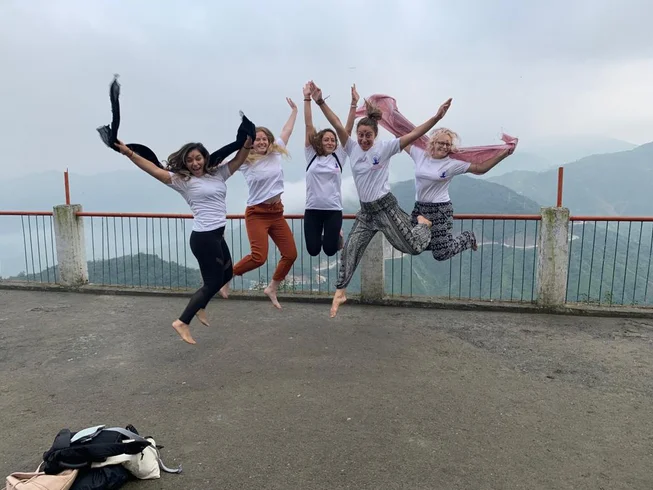
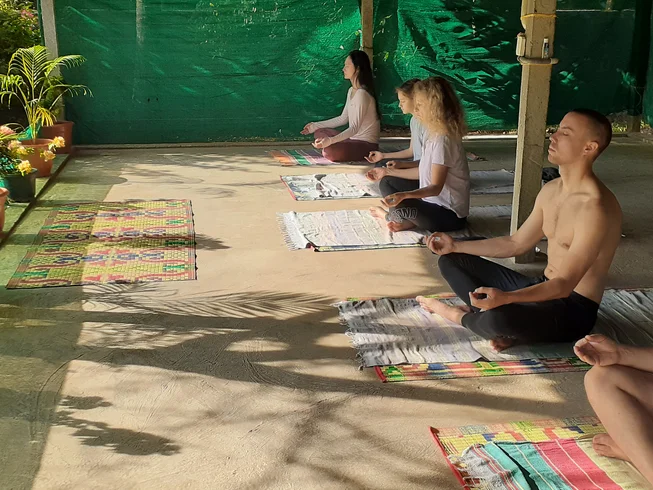
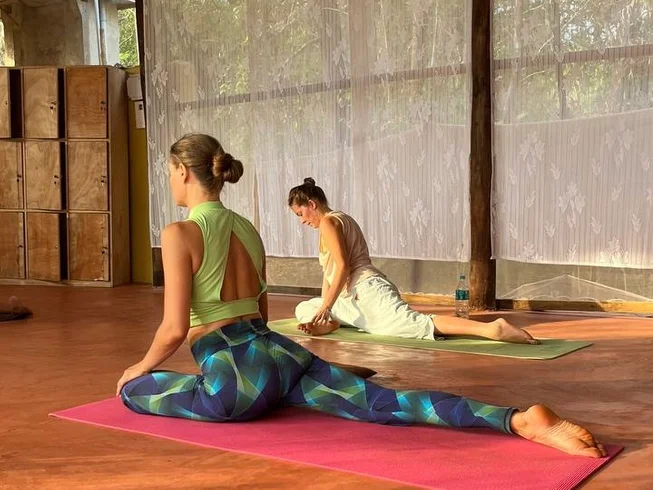
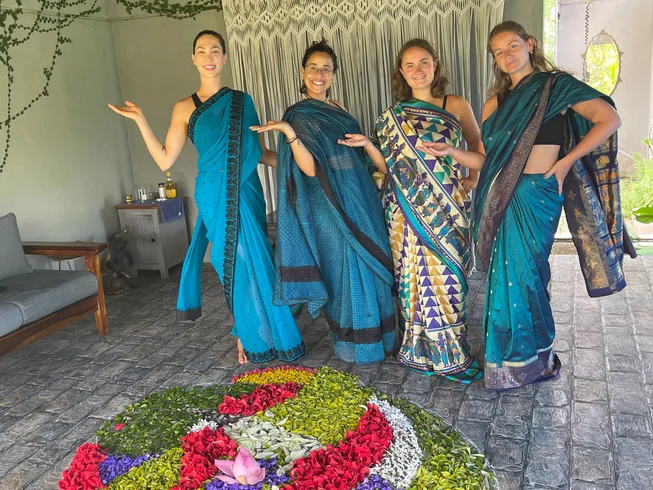
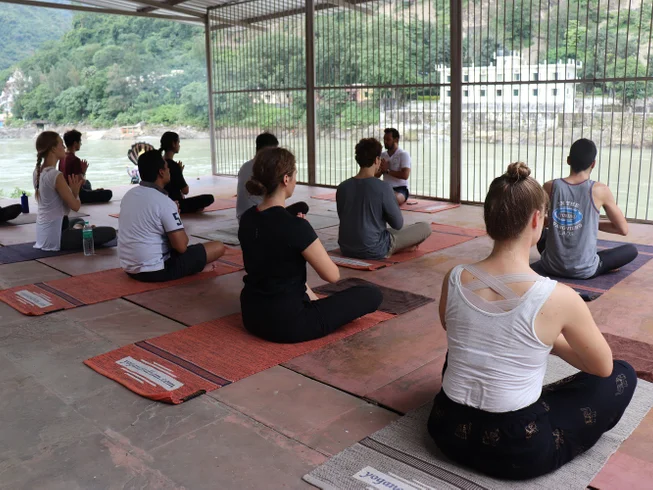
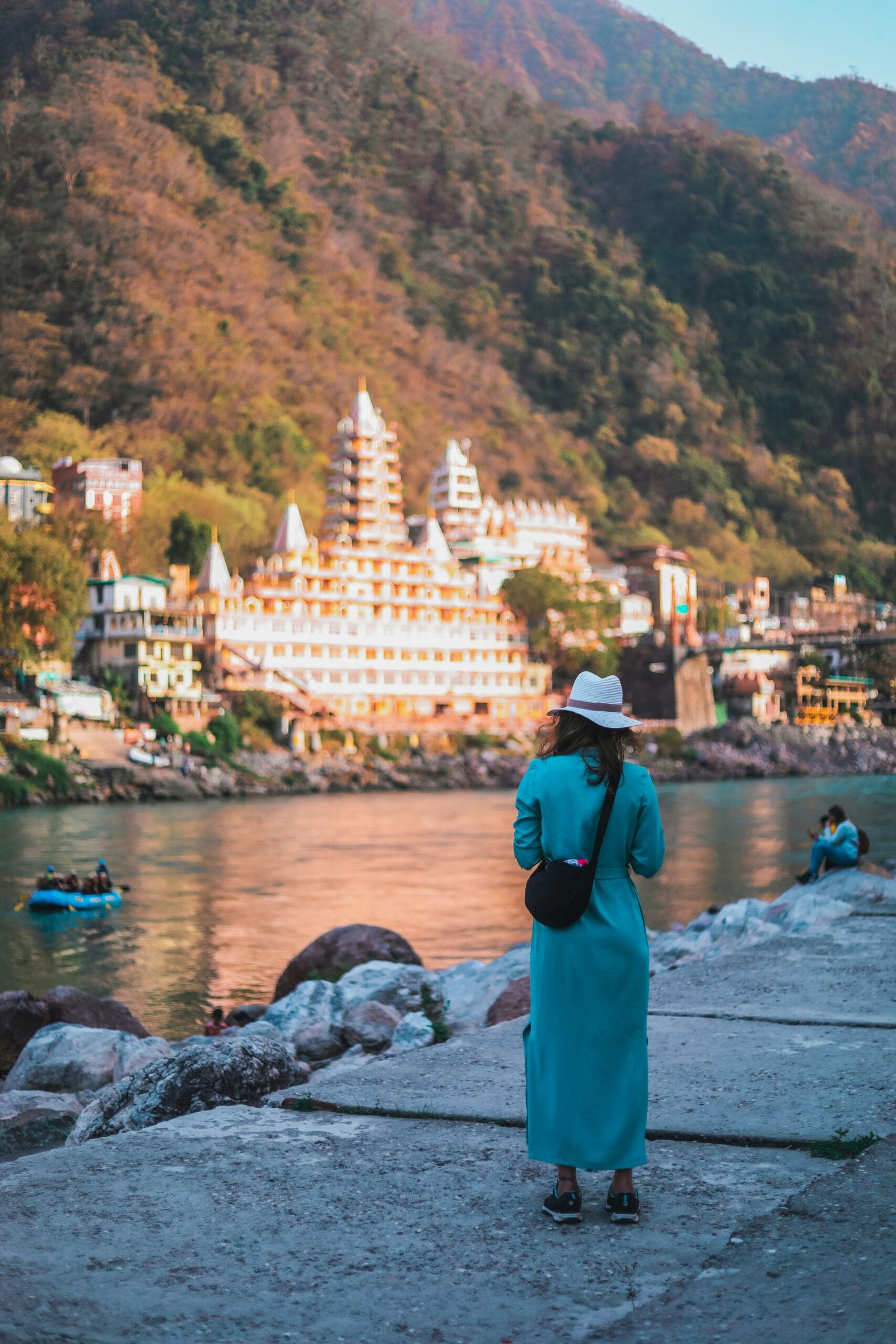
Rishikesh in the first week of March is at its most internationally concentrated yoga moment — the International Yoga Festival (typically March 1-7) brings together the most prominent yoga teachers from India and internationally for seven days of morning sadhana, workshops, and satsangs on the banks of the Ganges. The festival, organised by the Parmarth Niketan ashram, is the largest yoga gathering in India and the one that most directly connects the contemporary international yoga community to the traditional Indian context from which it emerged.
The February-March Mysore-style Ashtanga pilgrim community in the Rishikesh area reaches its peak in March — the practitioners who arrived in January have been in their practice for 2-3 months and are producing the most visible transformation of the retreat stay. The March Rishikesh post-festival week — the last week of March — is the quietest and most locally rooted of the winter retreat season, the festival visitors having gone and the summer tourist not yet arrived.
Vrindavan and Mathura in the Braj region of Uttar Pradesh — the birthplace of Lord Krishna and the landscape of his childhood mythology — is the place to experience Holi in its most specifically devotional and most dramatically visual form. The Vrindavan Holi begins a week before the national Holi date (which falls on the full moon of the Phalguna month, typically in March) with the widow’s Holi at the Gopinath Temple and the Lathmar Holi at Barsana (the village where Radha was born, 45 kilometres from Mathura) — where the women of Barsana beat the men of Nandgaon with sticks as the men defend themselves with shields, the tradition enacted in the same form for generations.
The Banke Bihari Temple Holi in Vrindavan — where the priests spray the entire temple interior and the assembled devotees with coloured powder and water for hours before the national Holi date — is the most concentrated single experience of the festival available anywhere in India.
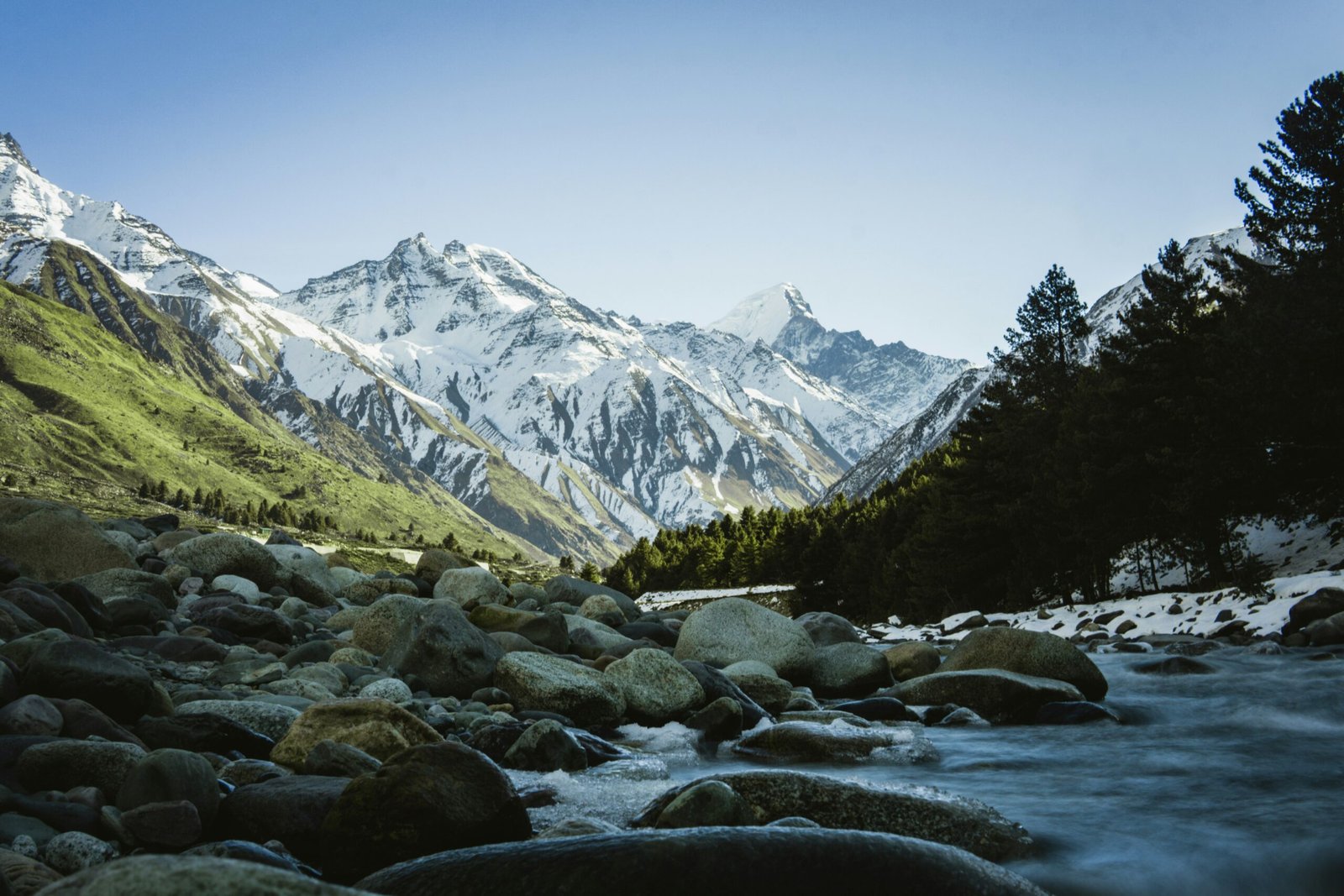
Dharamsala — the hill station in the Kangra valley of Himachal Pradesh, with the McLeod Ganj upper town that is the seat of the Tibetan Government in Exile and the residence of the Dalai Lama — is in March in its last weeks before the pre-monsoon cloud begins to obscure the Dhauladhar range views. The Dhauladhar mountains above McLeod Ganj in March morning — the snow-covered peaks at 4,000-5,000 metres visible above the town in the clear winter air — are at their most dramatically accessible.
The Tibetan Buddhist meditation culture of McLeod Ganj — the Tsuglagkhang Complex (the main temple and the Dalai Lama’s residence), the Tushita Meditation Centre (which runs the most internationally accessible introduction to Tibetan Buddhist meditation in the region), and the Library of Tibetan Works and Archives — is in March at the pre-tourism-season accessibility that the summer domestic India tourism changes entirely. The retreat guest in McLeod Ganj in March has the Tibetan refugee community — the monks, the schoolchildren, the older Tibetans who walked across the Himalayas in 1959 — most visible in their daily life without the July tourist layer.
Hampi — the UNESCO World Heritage ruins of the Vijayanagara Empire capital in Karnataka — is in March at the last comfortable month before the Karnataka summer heat makes the boulder landscape genuinely difficult. The Vittala Temple complex with its stone chariot and the 56 musical pillars (each producing a different musical note when tapped), the Hazara Rama Temple with the most complete narrative friezes in South Indian temple art, and the Lotus Mahal palace complex of the Zenana Enclosure are all in March accessible in the morning before 10am without the midday heat that April produces.
The Tungabhadra river at Hampi in March is at the dry season low — the boulder-crossings accessible by coracle, the Virupaksha Temple visible in the water reflection at the ghat below the bazaar street, and the sunset from the Hemakuta Hill above the temple producing the most dramatically lit of the Hampi evening views.
The International Yoga Festival at the Parmarth Niketan ashram — 7 days, typically March 1-7, with the morning sadhana at 5:30am on the Ganges ghats, the daily workshop programme with the invited teachers, and the evening satsang and aarti — is the most concentrated yoga culture event in India. The festival is open to international participants (registration required, accommodation at the ashram or the nearby guesthouses). The March 1-7 Rishikesh week is the most sought-after retreat week in the Indian calendar and requires booking months in advance.
Holi — the festival of colour, celebrated on the full moon of the Phalguna month — is the most universally observed and the most visually dramatic of all the Indian festivals. The Holika Dahan (the bonfire on the night before the main Holi day, commemorating the burning of the demoness Holika) is followed by Rangwali Holi (the colour day) when the streets fill with the coloured powder and the water guns. In Vrindavan and Mathura, the celebration lasts over a week. In Jaipur, the elephant festival (now largely discontinued but still echoed in the Holi celebrations) adds the Rajasthani dimension. For retreat guests anywhere in India on Holi day, participation in the street celebration is available simply by being present.
See February guide — if Maha Shivaratri falls in March rather than February, the Rishikesh and Varanasi observances are at their most elaborate in the festival-season context of March.
Thandai — the cold milk drink of the Holi tradition, prepared with almonds, fennel seeds, watermelon seeds, rose petals, pepper, cardamom, saffron, and milk, blended and strained — is the most specifically Holi food in the north Indian March kitchen. The thandai in the Braj region of Mathura and Vrindavan is prepared in the traditional form without the bhang (cannabis) addition that the festival mythology associates with it — the retreat kitchen version uses the full spice blend in the milk base and serves it chilled. In Rajasthan, the bhang thandai is a legally specific regional variation consumed specifically on Holi — the cultural context is well-defined and the tradition is specific to the festival day.
Puran poli — the Maharashtra Holi sweet bread of wheat flour stuffed with the chana daal and jaggery filling (puran), rolled thin, and cooked on the tawa with ghee — is the most specifically March Indian sweet bread and the one most available at the Maharashtra and Karnataka retreat kitchens sourcing seasonally. The puran poli is made in large batches for Holi sharing — the retreat kitchen that prepares it on Holi day is participating in the domestic tradition that every Maharashtrian family maintains.
Chaas (buttermilk) — the diluted yogurt drink with the cumin, the coriander, and the curry leaf tempering — is in March becoming the most important of the daily drinks as the temperature begins its upward movement from the February cool. The spiced chaas at the Rajasthan and Gujarat retreat kitchens in March morning, with the cumin tempering in ghee poured over the top, is the most specifically Indian of the heat-management foods — the cooling and digestive properties of the yogurt combined with the digestive spices of the tempering produce the most appropriate March drink in the Indian nutritional tradition.
The Lathmar Holi at Barsana — arriving the week before the national Holi date, watching the women of Barsana beat the men of Nandgaon with decorated sticks as the men defend with shields, the entire event conducted with the Holi songs and the coloured powder — is the most specifically traditional version of the Holi celebration available in India and the one that the Braj region has maintained in its pre-commercial form. The Barsana Lathmar Holi requires the early morning departure from Mathura or Vrindavan (the event begins at approximately 10am), the crowd management of the village main street, and the physical engagement with the colour that the celebration produces.
The Triund summit trek from McLeod Ganj — the 9-kilometre ascent to the Triund meadow at 2,828 metres above sea level, with the Dhauladhar snow peaks immediately above and the Kangra Valley visible 2,000 metres below — is in March at its most dramatic condition: the snow on the peaks at their winter maximum, the trail clear of snow below the tree line, and the summit meadow accessible for the day walk from McLeod Ganj without the overnight camping that the July trekking season produces. The March sunrise at Triund — the Dhauladhar illuminated by the first light above the sleeping Kangra Valley — is the Dharamsala retreat morning at its most specifically Himalayan.
The Vittala Temple stone chariot at Hampi — the 16th-century granite chariot shrine to Garuda (the vehicle of Vishnu), carved from a single block of stone to resemble a temple chariot with rolling stone wheels — is in March accessible in the morning cool before the Karnataka heat builds. The musical pillar hall of the Vittala Temple, where the hollow granite pillars produce the shadja, rishabha, gandhara, madhyama, panchama, dhaivata, nishada (the seven swaras of Indian classical music) when tapped lightly, is the most specifically acoustic of any temple architecture in India and requires the pre-10am visit before the tour groups arrive and the drumming on the pillars begins.
Rishikesh and the Uttarakhand foothills are warming from the January-February cool — 14-24°C in the day, the evenings now comfortable without the January down jacket. The Himalayan views are at their clearest in the first half of March before the pre-monsoon haze begins to build in the valleys.
Rajasthan is at 22-30°C — the desert warming noticeably from February, with evenings still cool at 14-16°C. The Holi festival period (mid-to-late March) brings the first of the spring warmth. The desert landscape is at its driest before the brief spring flowering that some years produces.
Dharamsala and McLeod Ganj are at 10-18°C with the Dhauladhar peaks in full winter snow visible above the town. The March cloud begins to appear in the afternoons of the last week.
Karnataka (Hampi, Mysore) is warming to 24-34°C — comfortable in the morning, hot by early afternoon. The Hampi site visits and the outdoor activities require the early morning start.
Your email address will not be published. Required fields are marked *