
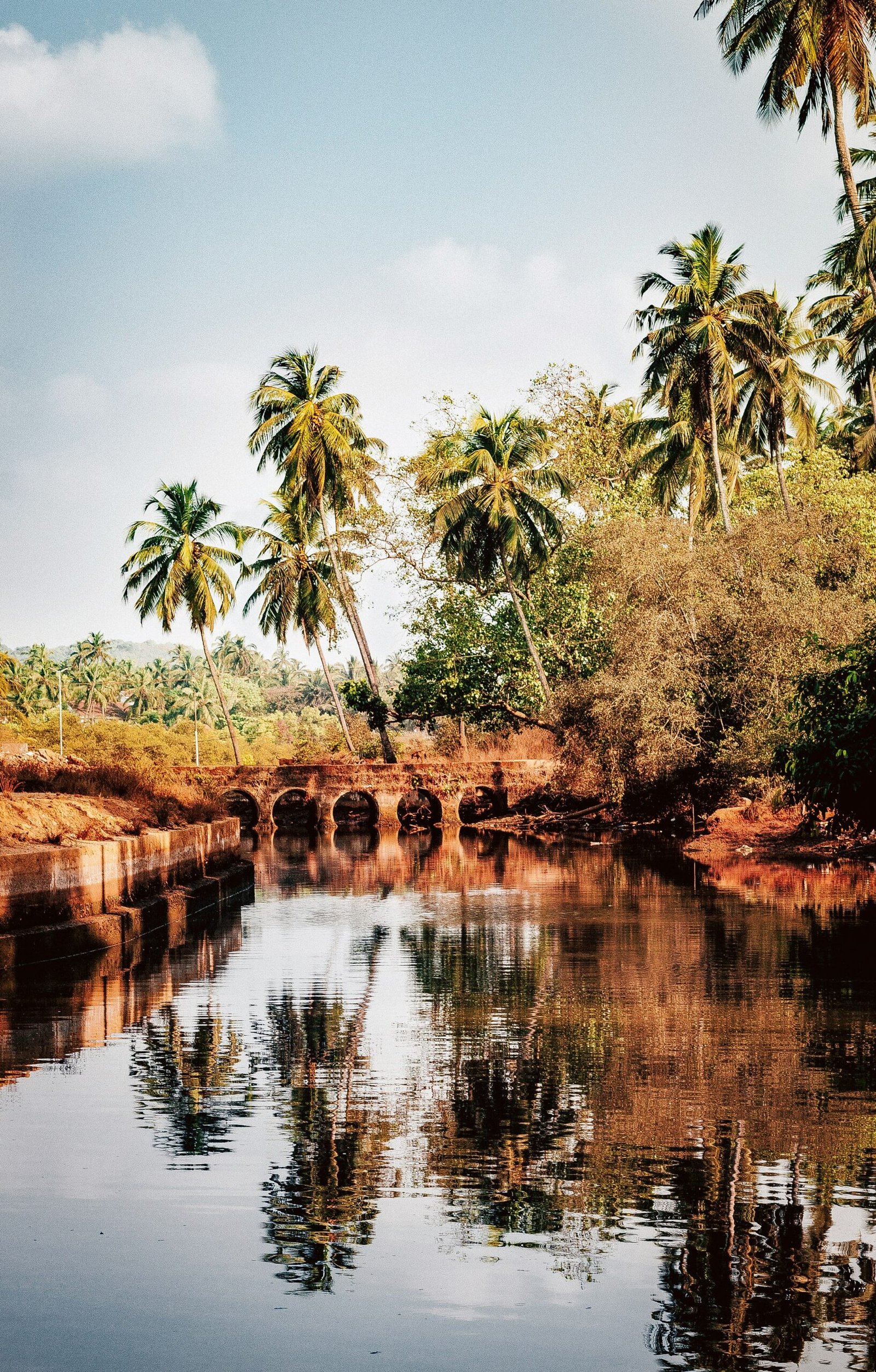
February in India is peak season at its most concentrated — the best weather across the country, the retreat infrastructure at full capacity, and the cultural calendar producing the desert festival at Pushkar, the Kumbh Mela bathing if it falls in February, and the approach of the Rishikesh International Yoga Festival in March.
A yoga retreat in India in February gets the same conditions as January with slightly more festive energy and slightly warmer evenings.


February is the month experienced India retreat practitioners often prefer over January — the post-New Year rush has subsided, the programmes are in their full rhythm, and the country is operating with the settled energy of the peak season at its midpoint rather than its opening. Goa has its most concentrated yoga community. Rajasthan has the desert landscape at its most accessible. Varanasi has the Maha Shivaratri preparations building toward the February or March date. And the approach of the Rishikesh International Yoga Festival in March gives the February practice a specific forward momentum.
Browse our full yoga retreats in India guide for the complete picture of what the country offers year-round. For the global context of February retreat travel, our yoga retreats in February guide covers every destination worth considering this month.
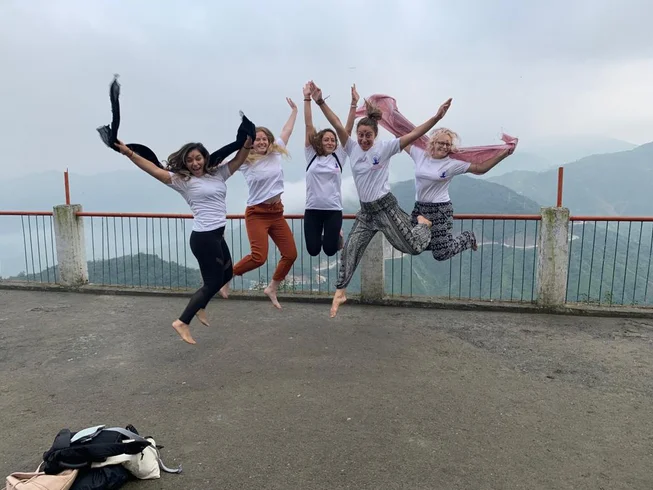
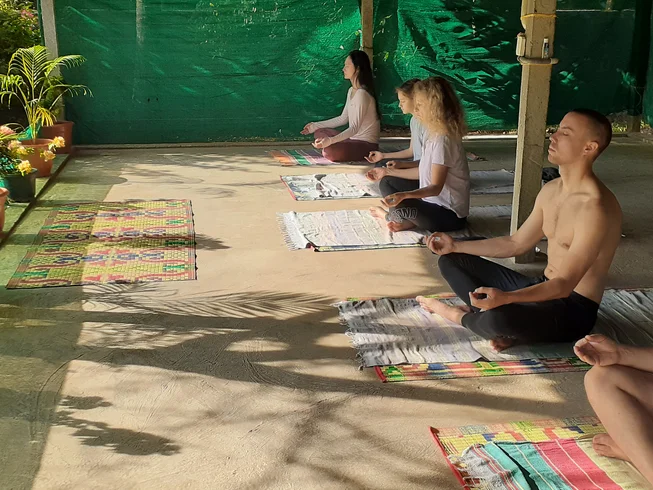
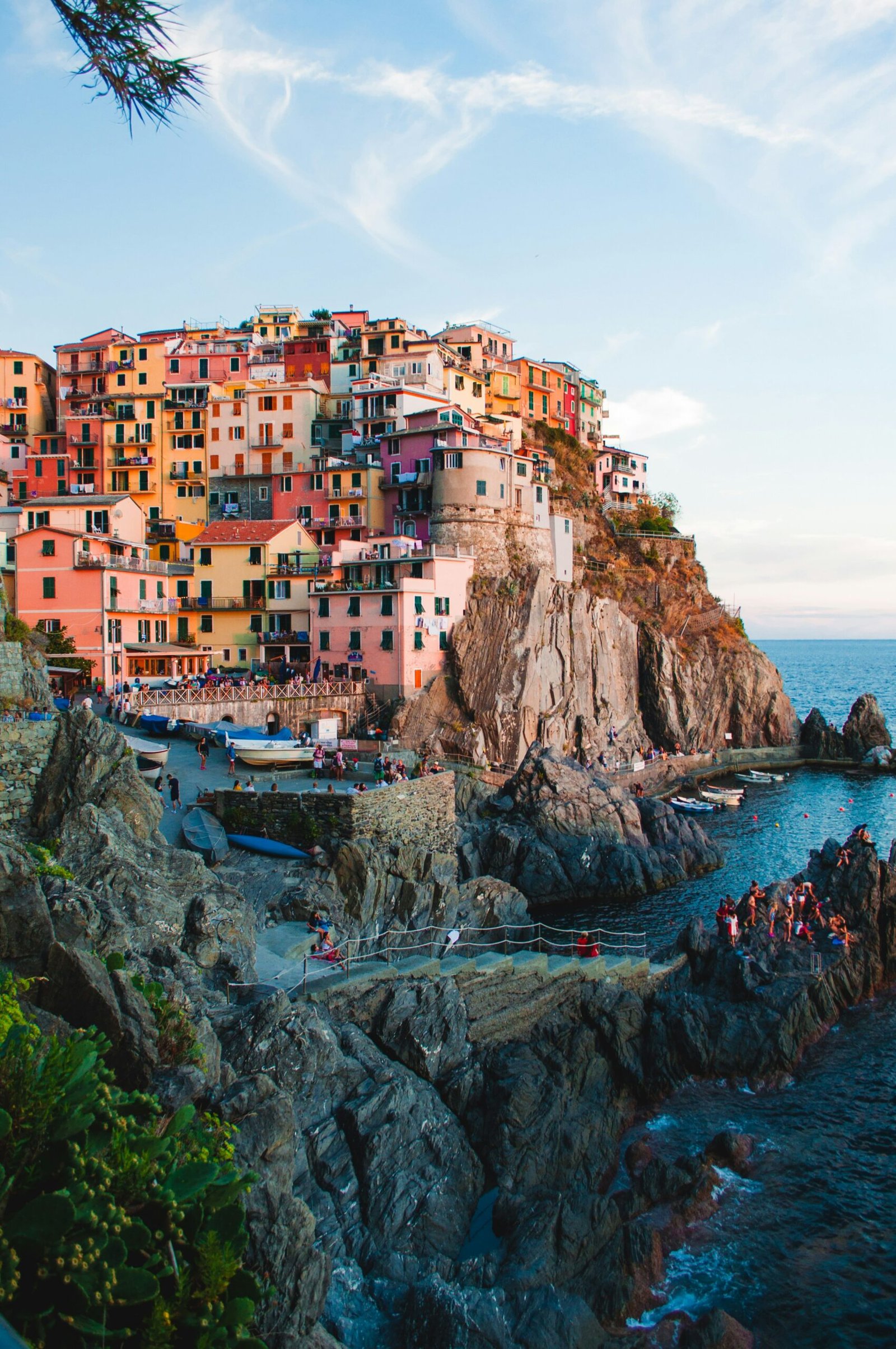
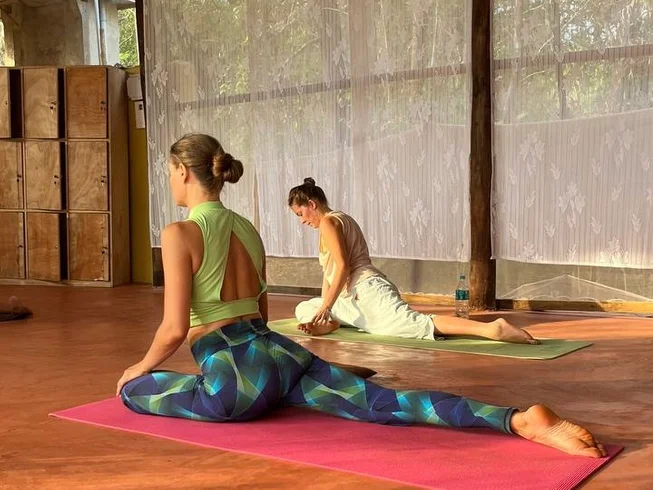
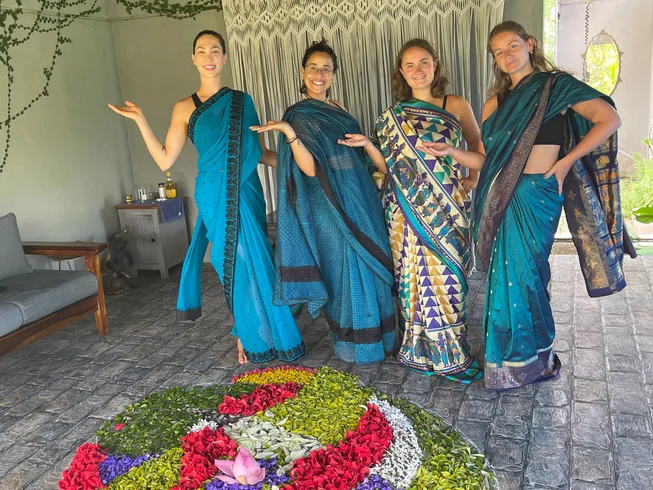
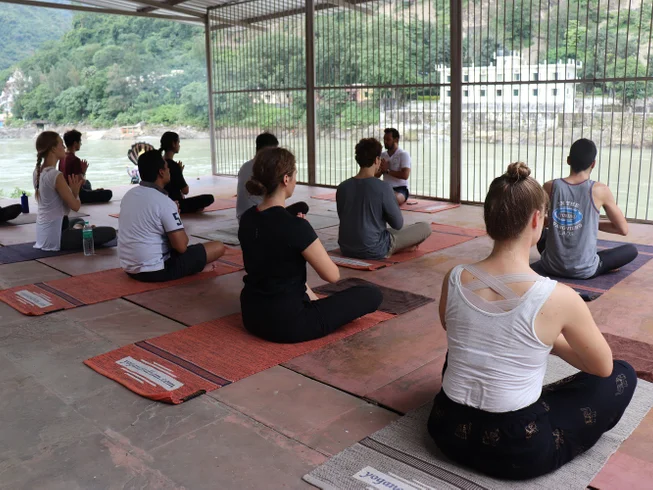
Rajasthan — the northwestern state with the Thar Desert, the fortified cities of Jaipur, Jodhpur, Jaisalmer, and Udaipur, and the most developed heritage hotel culture in India — is in February at its most comfortable: 20-26°C in the day, cool evenings, and no rain. The desert landscape in February has the specific quality of the winter light on the sandstone fortresses and the haveli architecture — warm in colour, low in angle, and specifically beautiful in the early morning before the sun rises fully above the Aravalli ridge.
The retreat centres of Rajasthan use the heritage hotel infrastructure — the converted havelis (the traditional merchant mansions with their courtyard architecture) and the palace hotels of the former royal states — as the retreat base. The combination of the morning yoga in the haveli courtyard, the afternoon excursion to the nearest fort or desert landscape, and the evening at the rooftop restaurant with the city visible below is the specifically Rajasthani retreat format that the flat-landscape retreat destinations cannot replicate.
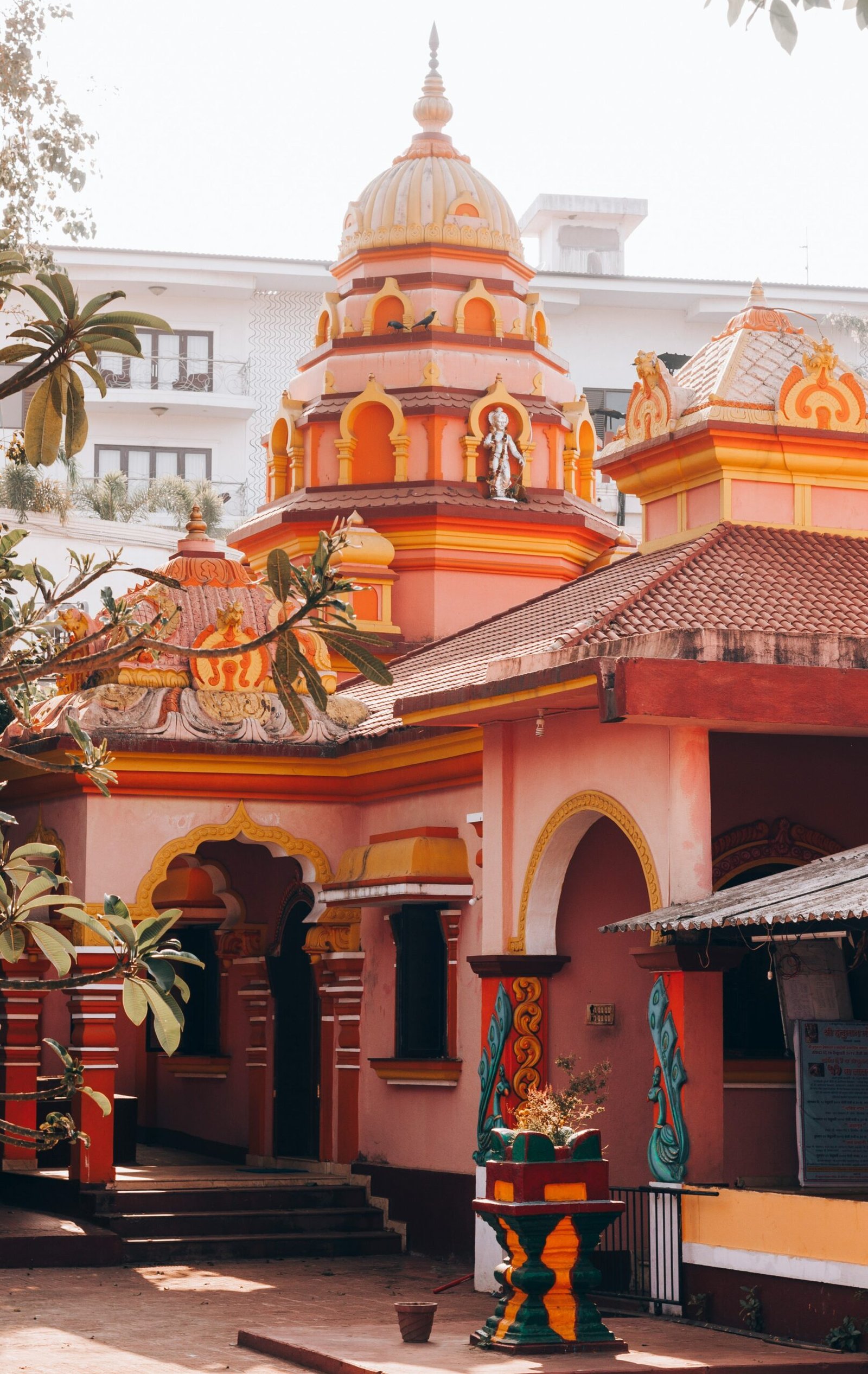
Pushkar — the sacred lake town in the Ajmer district, with the Brahma Temple (the only major Brahma temple in India) and the ghats around the holy lake — is in February at its February quiet between the November Pushkar Camel Fair and the pre-monsoon pilgrimage season. The February Pushkar has the most intimate version of the lakeside town — the holy ghats accessible without the November crowd, the sadhu community at their winter practice, and the specifically pink-and-white architecture of the Pushkar houses and temples in the February morning light.
Varanasi (Benares, Kashi) — the holiest city in Hinduism, on the banks of the Ganges in Uttar Pradesh — is in February at the cool dry season that makes it most accessible. The city in February operates at its full spiritual intensity without the summer heat that makes the ghats genuinely difficult: the Dashashwamedh Ghat aarti at dawn and dusk, the Manikarnika Ghat cremations visible at any hour, and the Vishwanath Temple narrow lanes with the pandits and the pilgrims in the winter light.
For retreat guests who want the most direct engagement with the Indian spiritual tradition at its most unmediated, Varanasi in February is the destination with no equivalent. The city is not comfortable in the Western retreat sense — the lanes are narrow, the sounds intense, and the presence of death at the burning ghat is immediate and unambiguous. But the Varanasi experience — the dawn boat on the Ganges, the Ghat aarti, the ghee lamp floating on the current — is the most specifically Indian of any retreat activity available anywhere in the subcontinent.
The yoga retreat format in Varanasi typically uses a heritage guesthouse on the ghats as the base — the practice space overlooking the river, the early morning row on the Ganges before practice, and the evening aarti as the daily cultural anchor.
Coorg (Kodagu) — the hill district of Karnataka, at 900-1,800 metres altitude in the Western Ghats, with the most developed coffee plantation culture in India and the most specifically dense forest landscape in south India outside Kerala — is in February in its cool, dry highland winter. The arabica and robusta coffee plants are in February at their cherry-ripening stage in the mid-altitude farms, the silver oak trees used as shade cover above the coffee rows at their most specific aesthetic, and the Dubare elephant camp on the Cauvery river at its accessible dry season river level.
The retreat centres of Coorg use the plantation estate infrastructure — the converted estate bungalows of the colonial-era coffee planters — as the retreat base. The morning yoga on the plantation terrace with the coffee rows visible on the hillside below, the afternoon walk through the estate identifying the coffee varietals and the spice plants (the cardamom, pepper, and vanilla of the Coorg understorey), and the evening at the estate hearth with the Kodava traditional food produce the most specifically agricultural of the Indian retreat experiences.
Auroville — the intentional community near Puducherry on the Tamil Nadu coast, founded in 1968 by The Mother (Mirra Alfassa) under the spiritual guidance of Sri Aurobindo, with the Matrimandir golden dome as its physical and spiritual centre — is in February at its dry season operating rhythm. The Matrimandir meditation chamber — the golden sphere of the universal township’s centre, accessible by appointment for the individual meditation session in the white marble interior — is the most specifically contemplative architecture in India and the one that produces the most concentrated individual meditation experience available.
Auroville in February is operating at its full community activity: the organic farms at the dry season production, the solar kitchen (one of the largest solar concentrator kitchens in the world) producing the community lunches, and the international community of 2,800+ residents from 55 countries going about the daily life of the township. The retreat guest in Auroville in February is engaging with the most ambitious of all the Indian spiritual community projects — and the one that takes its own practice the most seriously.
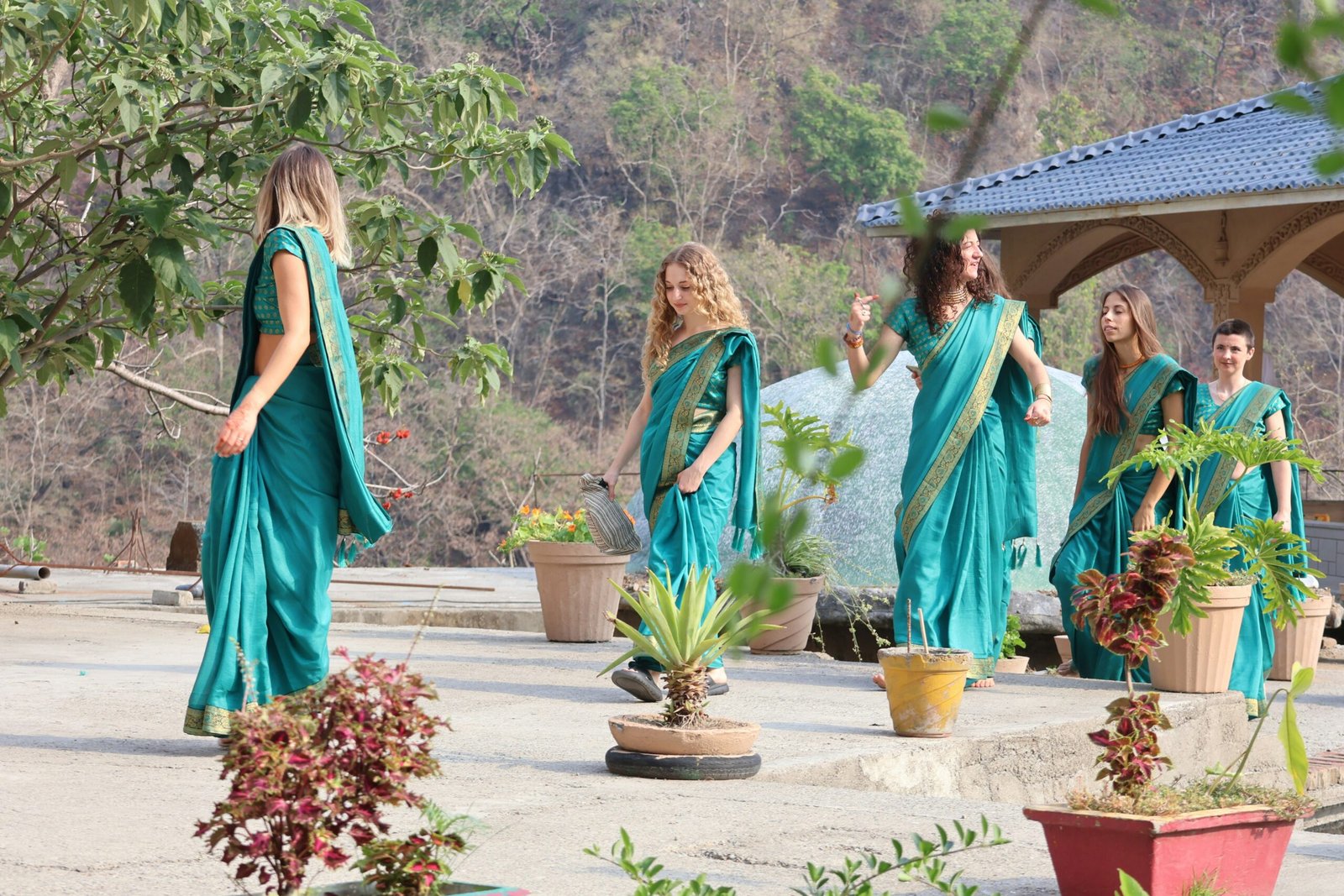
Maha Shivaratri — the great night of Shiva, the most important festival in the Shaivite Hindu tradition — falls on the new moon of the Phalguna month, typically in February or March. The all-night vigil at Shiva temples across India — the chanting of Om Namah Shivaya, the abhishekam (ritual bathing of the Shiva linga with milk, honey, and water), and the devotional energy of millions of practitioners simultaneously — is the most widely observed of the specifically yoga-relevant Hindu festivals. At Varanasi’s Vishwanath Temple and at the Mahakala Temple in Ujjain, the Maha Shivaratri observances are the largest and most specifically powerful.
The Jaisalmer Desert Festival — held in February over three days at the Sam Sand Dunes outside Jaisalmer, with camel races, folk music and dance performances, and the turban-tying competition — is the most internationally known of the Rajasthan winter festivals. For retreat guests based in Rajasthan in February, the excursion to the Jaisalmer Desert Festival is the cultural complement to the haveli yoga practice.
Vasant Panchami — the fifth day of the spring month, when the goddess Saraswati (of knowledge and the arts) is worshipped and yellow is worn as the colour of the spring harvest — is in February a widely observed festival across north India. The Saraswati Puja at the educational institutions and the cultural centres, with the goddess image decorated with flowers and the yellow food (the kesari halwa, the yellow rice) prepared at the household level, is the February north India cultural event most directly relevant to the yoga retreat’s own intention.
Dal baati churma — the most iconic of the Rajasthani dishes, combining the baati (the hard-baked wheat balls, baked in the traditional clay oven), the panchmel daal (the five-lentil mixture cooked with the Rajasthani spice base), and the churma (the coarsely ground wheat sweetened with jaggery and ghee) — is the February Rajasthan traditional meal at the heritage hotel kitchens and the roadside dhabas. The baati in February, baked in the earthen oven at the village dhaba with the desert landscape visible through the doorway, is the most specifically Rajasthani of the Indian retreat food experiences.
The Varanasi chaat culture — the tamatar chaat (the tomato-based spiced chaat specific to Varanasi), the kachori sabzi (the deep-fried pastry with the spiced vegetable filling, the standard Varanasi breakfast at the ghat-side stalls), and the malaiyyo (the winter-only Varanasi dessert of cold-process cow’s milk foam with saffron and pistachio, available only from November through February when the morning cold is sufficient to set the foam) — is in February at its most complete. The malaiyyo specifically requires the February cold — it cannot be prepared after the temperatures rise in March — making it the most specifically February of all Varanasi foods.
The pandi curry (the Kodava pork curry of the Coorg tradition, made with the kachampuli — the black vinegar specific to Coorg extracted from the Garcinia gummigutta fruit — and the whole spice base of the highland kitchen) and the akki rotti (the rice flour flatbread of the Karnataka tradition) are the February Coorg estate kitchen staples. The kachampuli is available only from the Coorg producing cooperatives and has no substitute in the pandi curry — the sour-fermented vinegar producing the specific depth that distinguishes the dish from every other Indian pork preparation.
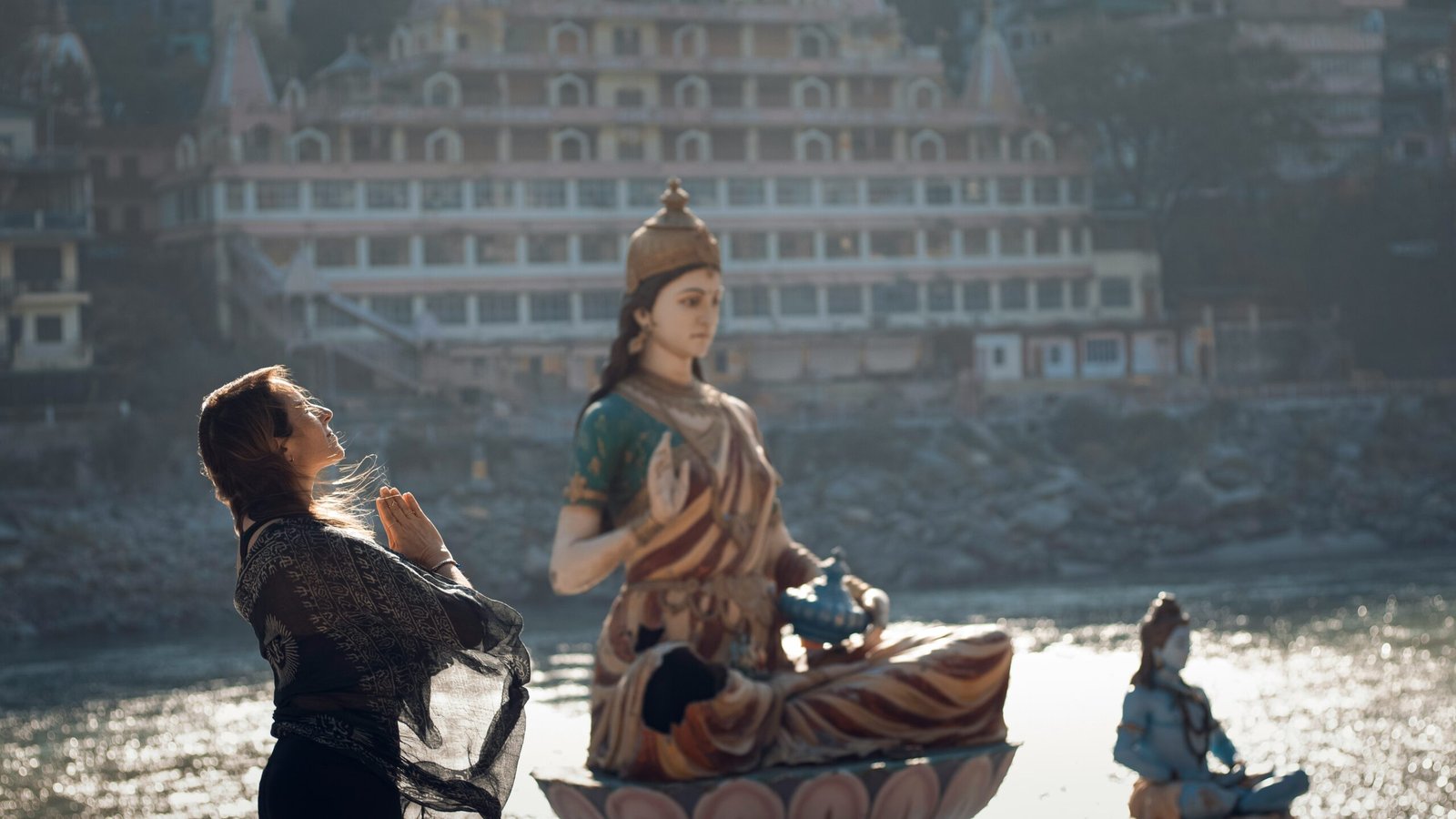
The pre-dawn boat on the Ganges at Varanasi — launching from the Assi Ghat at 5:30am, rowing north past the Dashashwamedh, Manikarnika, and Scindia Ghats as the dawn aarti fires are visible from the water, and returning as the sun rises over the eastern bank (no buildings on the eastern bank — the rule that the sunrise is always visible from the Varanasi waterfront) — is the February India retreat activity that the Rishikesh equivalent approximates but cannot replicate. The scale of the Varanasi ghats, the density of the devotional activity on the water’s edge, and the February morning air over the Ganges produce an experience that requires the city and the season simultaneously.
The Matrimandir individual meditation session — booked in advance through the Auroville visitors’ centre (minimum one day in advance, maximum 6 people per session), the 20-minute meditation in the white marble interior of the golden sphere with the crystal globe at the centre illuminated by natural light — is the most architecturally and acoustically specific meditation space in India. The Matrimandir in February, with the Tamil Nadu winter light entering through the roof aperture at the specific February angle, produces the meditation conditions that the architect Roger Anger designed for the solar cycle — the light position in the interior changes measurably through the year.
The Dubare Elephant Camp on the Cauvery river — the Karnataka Forest Department camp where the domesticated working elephants of the Mysore royal house are based, accessible by coracle across the river from the Dubare road — is in February at the dry season river level, the crossing by coracle most comfortable and the elephant bathing in the river most accessible. The morning elephant bathing and the interaction with the mahouts and their animals at the Dubare camp is in February at the low-tourist-season intimacy that the summer months entirely replace.
Goa continues its dry season peak in February — 26-30°C in the day, the evenings slightly warmer than January at 20-22°C, and the Arabian Sea at its clearest visibility of the year. The conditions are comparable to January with marginally more warmth.
Rajasthan is at 20-26°C in the day with cool nights of 8-12°C in the desert. The February evenings in Jaisalmer require a warm layer after sunset. The desert landscape is at the driest and most visually stark of the winter months.
Varanasi and the Gangetic plain are at 14-22°C — cool mornings and warm afternoons, the most comfortable window for the ghat walks and the river activities. The morning fog that January sometimes produces over the Ganges has largely cleared by February, producing the clearest visibility of the season.
Coorg sits at 16-26°C depending on altitude — cool at the higher estate elevations, warm in the Cauvery valley. The coffee harvest is at or approaching its peak in the mid-altitude farms.
Your email address will not be published. Required fields are marked *