
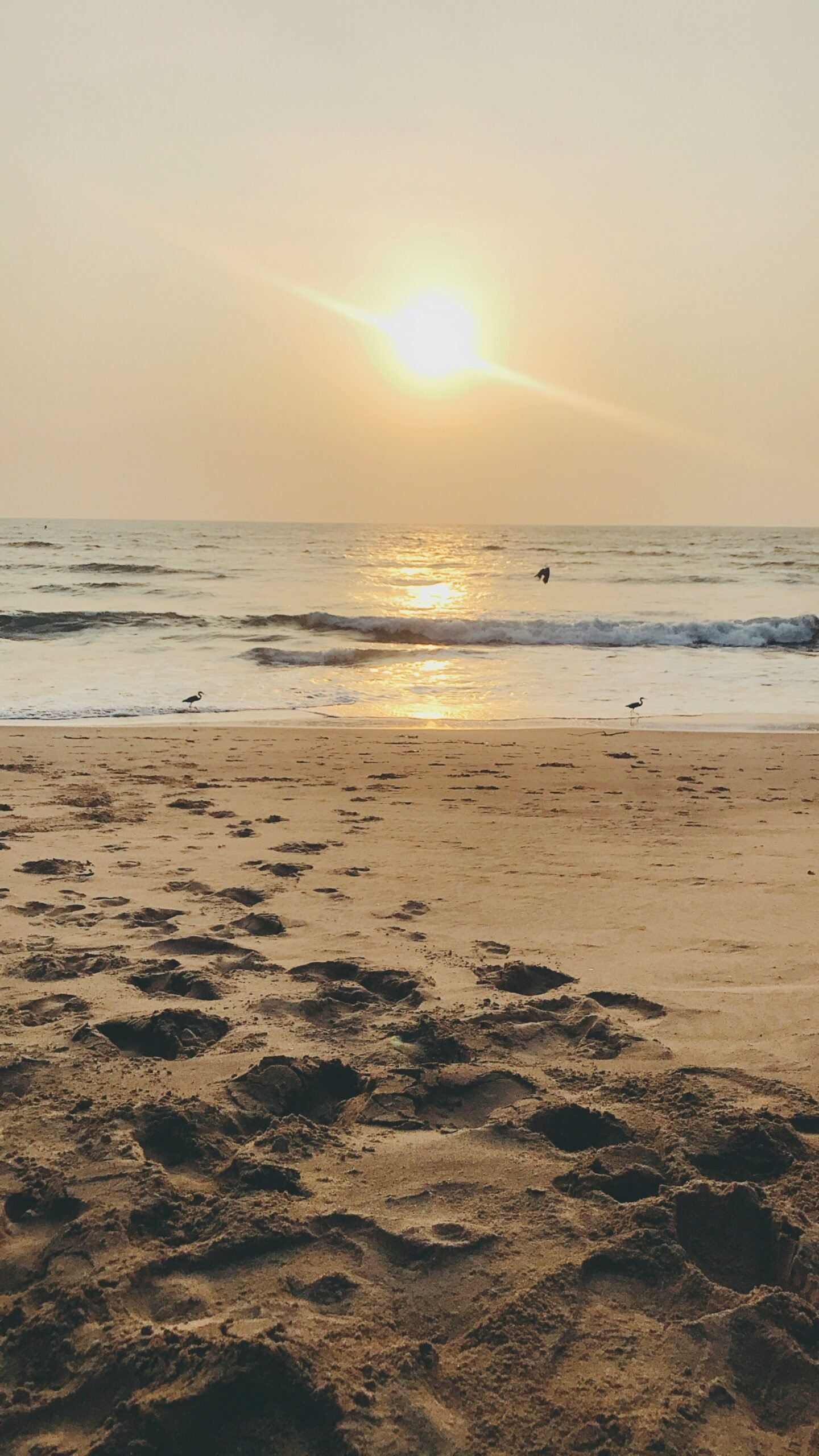
January is the best month of the year for a yoga retreat in India. The monsoon is long gone, the temperatures across the country are at their most comfortable, and the retreat infrastructure — from the Goa beach shalas to the Rishikesh ashrams to the Kerala Ayurveda centres — is at full capacity running its most ambitious programmes.
The post-holiday clarity that January produces in the Western retreat community combines with India’s specific spiritual energy in January to create the most sought-after window in the Indian yoga calendar.


January sits at the centre of India’s peak retreat season — dry, cool, and culturally alive. Goa has its beach festival energy alongside the retreat community. Rishikesh is in the cool highland winter that makes the Ashtanga and meditation practice most focused. Kerala is in its post-monsoon Ayurveda peak, the traditional treatments most available and most effective. And the cultural calendar — the Kumbh Mela cycle, the Pongal harvest festival, the Republic Day ceremonies — gives January an Indian dimension that no other month quite replicates.
Browse our full yoga retreats in India guide for the complete picture of what the country offers year-round. For the global context of January retreat travel, our yoga retreats in January guide covers every destination worth considering this month.
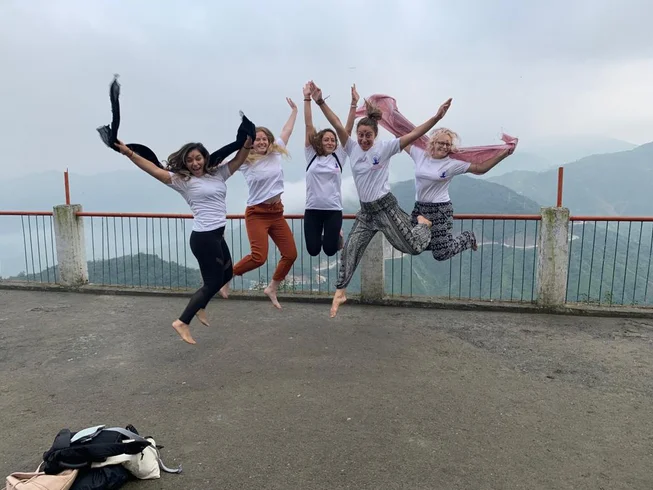
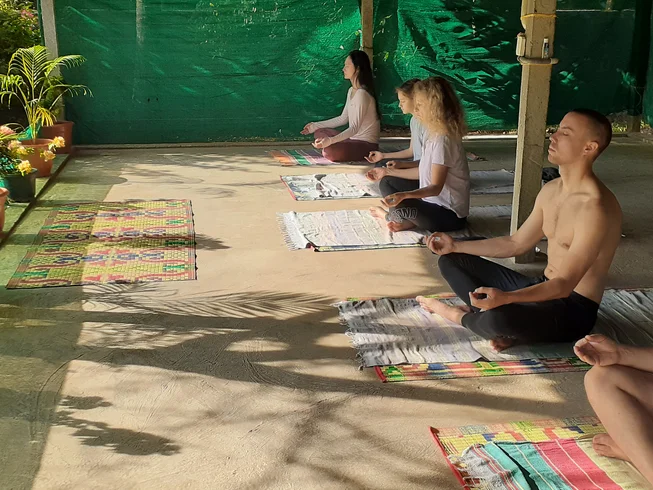
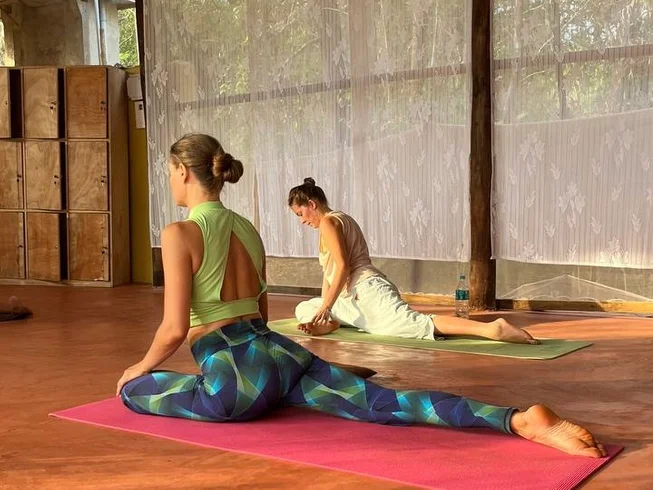
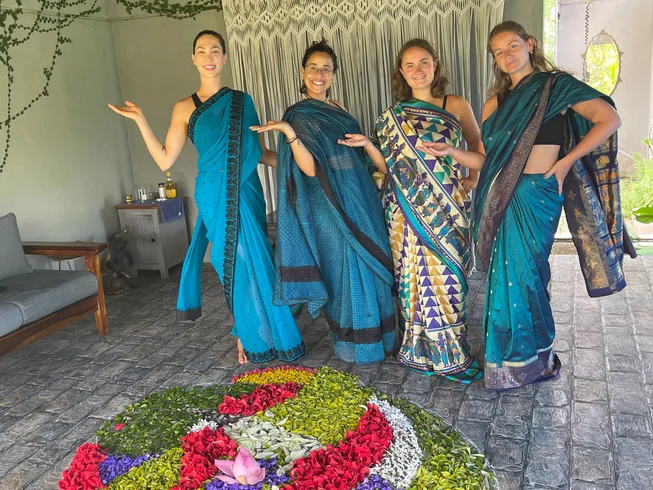
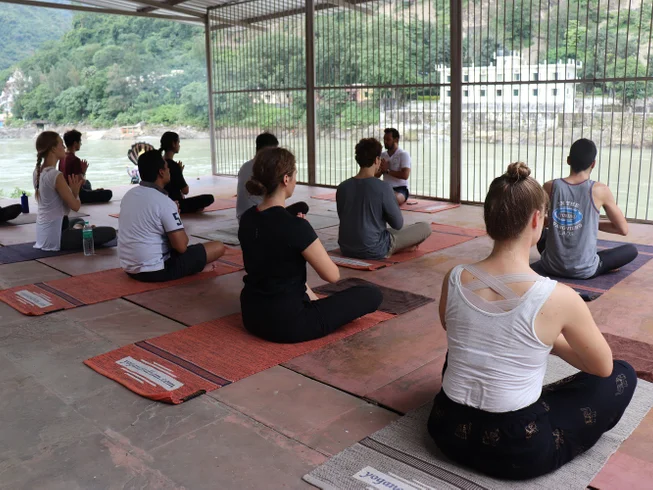
Goa in January is at the peak of its dry season — the Arabian Sea calm and clear, temperatures at 26-30°C, and the retreat community that has accumulated in the north Goa villages of Arambol, Mandrem, Morjim, and Assagao at its January concentration. The yoga infrastructure of north Goa — the open-sided bamboo shalas above the beach, the raw food café culture of the Arambol lake path, and the concentration of international teachers who base themselves here through the dry season — produces a retreat format that is specifically Indian in its cultural context and specifically international in its yoga tradition.
Goa’s January retreat scene has a different character from Bali’s equivalent — the Indian administrative and cultural context, the Portuguese-colonial architecture of the villages, the specific Goan Catholic-Hindu syncretism visible at every junction, and the Konkani, Hindi, and English layering of the local culture produce a retreat environment that no other beach yoga destination approximates. The Arambol beach in January, with the drum circle at sunset visible from the yoga shala terrace and the Arabian Sea at the cliff path below, is the January Goa practice moment that the retreat calendar is built around.
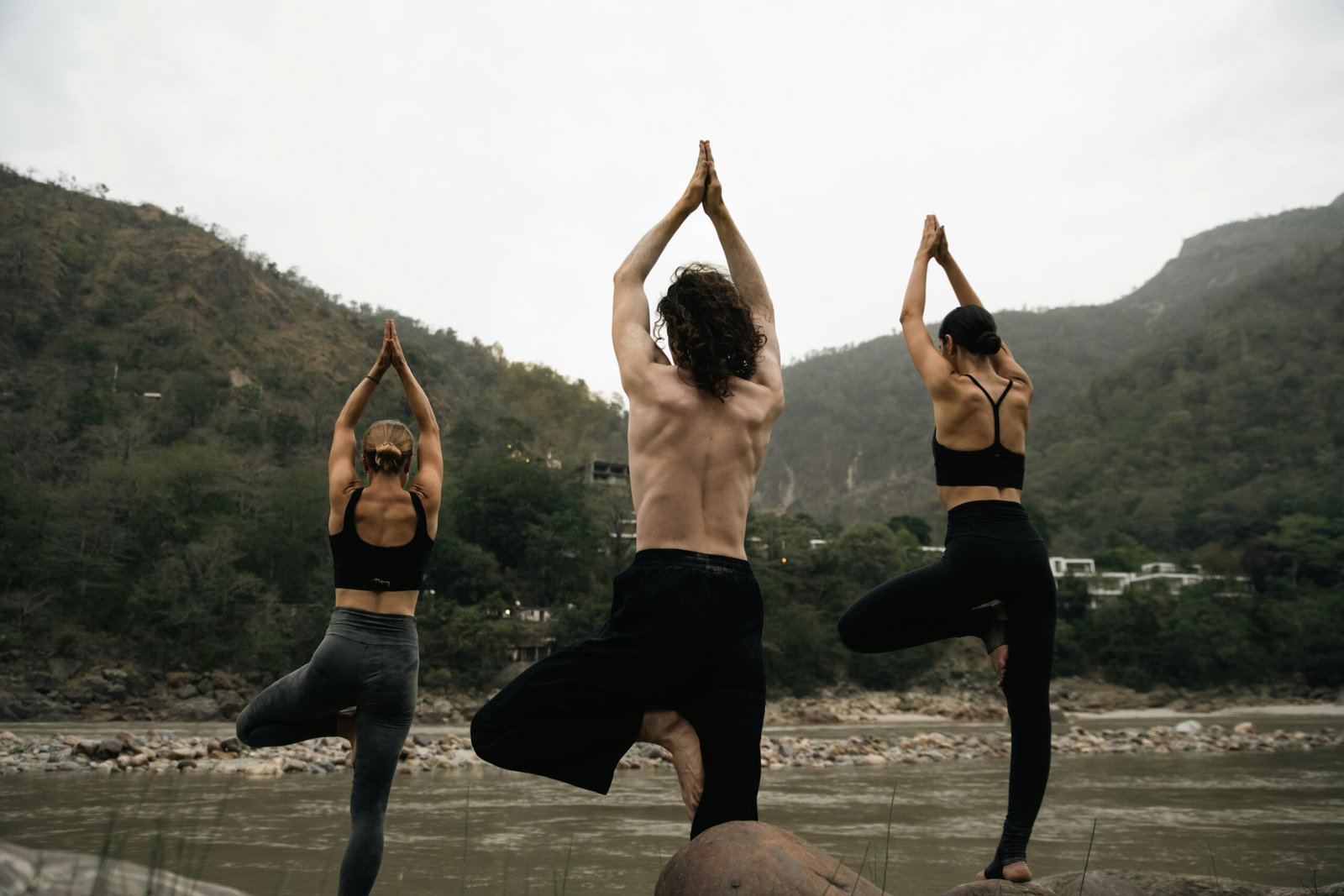
Rishikesh — the holy city on the Ganges at the foothills of the Garhwal Himalayas in Uttarakhand — is in January in the cool highland winter that the yoga tradition here was built around. The temperatures of 8-18°C in the day and 4-6°C at night produce the specific practice conditions that the ashram tradition requires: the pre-dawn Ganga aarti (the flame ceremony at the river ghats) at 5:30am, the morning Ashtanga or Hatha practice in the unheated shala with the Himalayan air, and the afternoon meditation in the riverside ashram halls.
Rishikesh is the most specifically Indian of the yoga retreat destinations — the Parmarth Niketan ashram, the Sivananda Ashram, and the dozens of smaller yoga schools along the banks of the Ganges are in January running their most committed programmes for the practitioners who came specifically for the Indian tradition rather than the international yoga industry’s Rishikesh product. The Lakshman Jhula suspension bridge, the Beatles Ashram (Maharishi Mahesh Yogi’s Chaurasi Kutia, where the Beatles famously stayed in 1968), and the ghats of the Triveni Ghat with the evening aarti are all in January accessible without the summer tourist density.
The International Yoga Festival at Rishikesh runs in the first week of March, but the January Rishikesh has the pre-festival energy of the most serious practitioners arriving for the deep winter practice before the March event activates the mainstream.
Kerala — the southwestern coastal state with the backwaters, the Western Ghats spice forests, and the most developed Ayurvedic healthcare tradition in India — is in January in its post-monsoon dry season, the treatments most accessible and the landscape most open. The traditional Panchakarma cleansing programme — the five-action Ayurvedic detox that requires minimum 7-14 days of preparation, treatment, and recovery — is in January at its best administered conditions: the Kerala climate cool enough for the oil treatments to penetrate effectively, the practitioners available, and the patient’s system ready after the post-monsoon period.
Kovalam on the southern Kerala coast and Varkala (the cliff-top beach 50 kilometres north) are the two most accessible Ayurveda beach retreat bases. Kovalam’s Lighthouse Beach and the surrounding Ayurveda resorts offer the combination of the beach and the clinical treatment that the tourist market expects. Varkala’s cliff path above the Arabian Sea, with the Ayurveda centres in the village above the cliff and the beach below, has a more specifically Indian character — the Janardhana Swami Temple at the cliff edge, the local community at the market stalls, and the January light on the red laterite cliffs producing the most specific January Kerala coastal atmosphere.
Mysore — the Karnataka city where K. Pattabhi Jois developed and taught the Ashtanga Vinyasa system for decades, and where his grandson Sharath Jois continues to teach at the KPJAYI (K. Pattabhi Jois Ashtanga Yoga Institute) — is in January running its authorised teacher-led Mysore-style programmes for the international Ashtanga community that makes the January-March Mysore pilgrimage. The Mysore-style practice — the individualised self-practice format in which each student works through the series at their own pace under the teacher’s individual adjustments — is at the KPJAYI in its most authentic and most sought-after form globally.
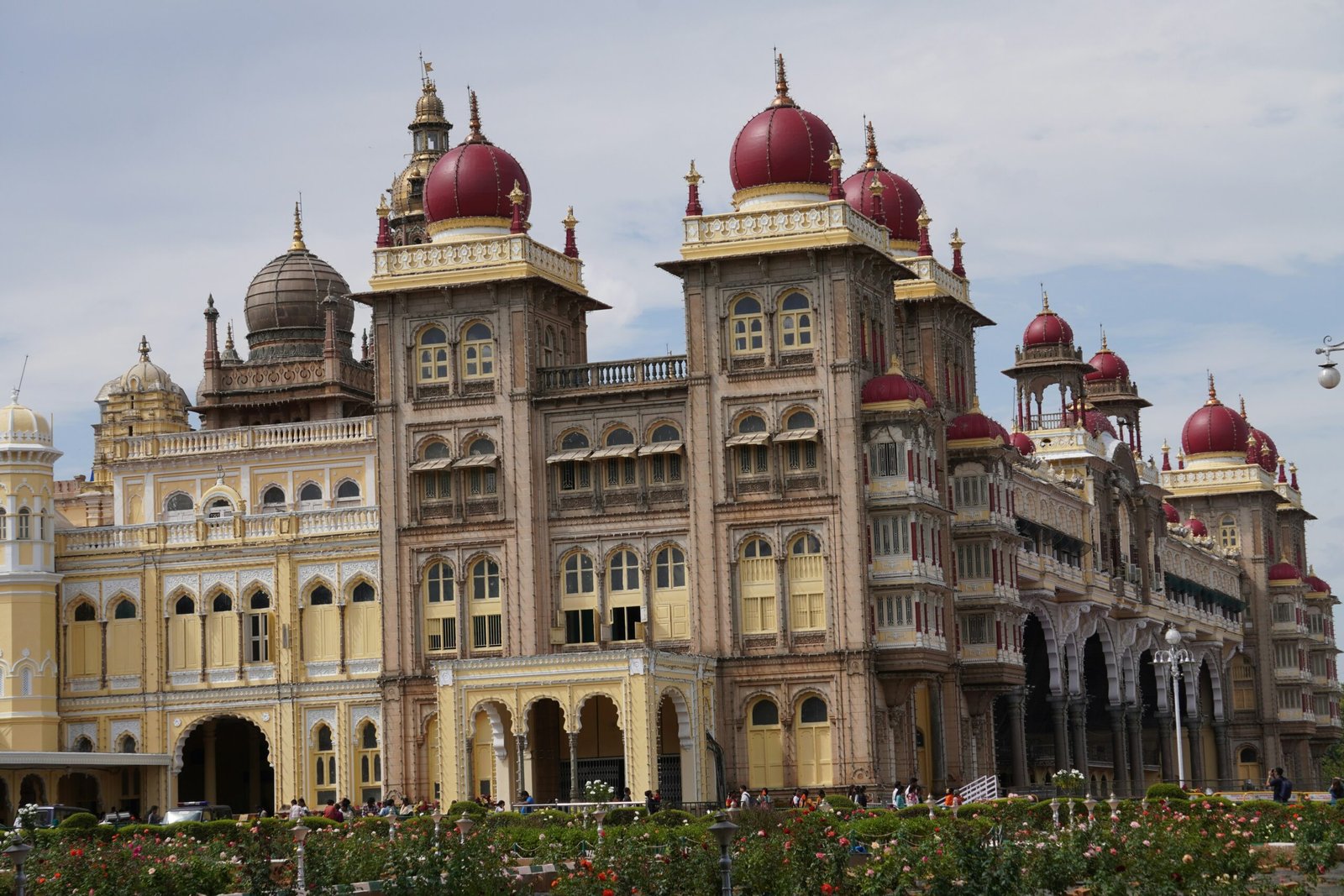
Mysore city itself in January has the specific quality of a city hosting a visiting international yoga community alongside its own Kannada culture: the Mysore Palace illuminated every Sunday and on public holidays, the Devaraja Market with the jasmine garlands and the silk saris of the Mysore weaving tradition, and the Chamundi Hills above the city with the Chamundeshwari Temple at the summit. The January Mysore retreat combines the most rigorous yoga practice tradition in India with the most specifically South Indian of the cultural contexts.
Pongal — the Tamil harvest festival observed over four days from January 14th in Tamil Nadu — is the most important festival in South Indian culture, celebrating the sun’s northward journey (Uttarayan) and the rice harvest. The Pongal dish (the freshly harvested rice cooked in milk in the clay pot until it overflows, the overflow considered auspicious) is prepared in every household on Pongal morning. The Jallikattu (the traditional bull-taming sport, controversial but central to Tamil Pongal culture) takes place at the village level on Mattu Pongal (the third day). In Karnataka and Maharashtra, the same solar festival is known as Makar Sankranti, marked by kite flying and the exchange of tilgul (sesame and jaggery sweets). For retreat guests in South India on January 14th-17th, the Pongal street decorations, the kolam (rice flour patterns) at every doorstep, and the communal cooking at the neighbourhood level produce the most direct engagement with the South Indian agricultural tradition.
Republic Day — January 26th, commemorating the 1950 adoption of the Indian Constitution — is a national holiday observed with military parades at Kartavya Path in New Delhi (the most elaborate military parade in Asia) and at state capitals across the country. For retreat guests in India on January 26th, the Republic Day parade in the nearest state capital is the most specifically civic Indian event accessible without planning.
The Kumbh Mela — the world’s largest human gathering, rotating between Prayagraj, Haridwar, Nashik, and Ujjain on a 12-year cycle — has the Ardh Kumbh (half Kumbh) in Prayagraj every 6 years and the Maha Kumbh every 12 years. When a Kumbh Mela falls in January-February (check the current year), the Shahi Snan (royal bathing processions) at the river confluence produce the most concentrated expression of Hindu devotional practice available anywhere in the world. For retreat guests interested in the deepest dimension of the Indian spiritual tradition, the Kumbh Mela is the specifically once-in-a-cycle event worth planning around.
The Goan fish curry — the red curry of the Konkani kitchen, made with the Kashmiri dried red chilli (which gives the colour without excessive heat), the coconut milk from the Goan coastal palms, the kokum (the souring agent specific to coastal Maharashtra and Goa, with its specific sweet-sour depth), and the day’s catch from the Goan fishing boats — is in January at its most available and most specific at the beach shacks and the local restaurants of the north Goa fishing villages. The January fish supply from the Mandovi and the Chapora river mouths is at its dry season best, and the combination of the fresh catch and the Goan curry tradition produces the most specifically coastal Indian food experience available in the winter retreat season.
The sattvic diet — the yogic diet of pure, clean, and energising foods that the Rishikesh ashram tradition has always associated with the yoga practice — is in January at the ashram dining halls in its most complete form. The morning khichdi (the rice and lentil porridge, the most digestible and most sattvic of the Indian staples), the chai made with the fresh ginger and the Himalayan milk, and the evening daal and roti from the ashram kitchen using the Uttarakhand winter produce (the gahat lentils, the mandua (finger millet) flour for the winter rotis) produce the most specifically Rishikesh of the January retreat food cultures.
The Kerala sadya — the traditional vegetarian feast served on the banana leaf, with the rice, the sambar, the rasam, the avial (the mixed vegetable and coconut curry specific to Kerala), the olan (the white gourd and coconut milk stew), the thoran (the dry vegetable preparations), the pachadi (the yogurt-based condiments), and the payasam (the rice or vermicelli dessert) — is in January at its most complete form at the traditional Kerala restaurants and the Ayurveda retreat kitchens that source the seasonal winter produce. The Ayurvedic dietary principles of the Panchakarma programme align specifically with the January sadya ingredients — the warm, digestive, and grounding food character of the Kerala winter kitchen.
The Ganga aarti — the flame ceremony at the river ghats performed at dawn and dusk, in which the priests offer flame, incense, and flowers to the river goddess — is the most universally accessible of all Indian ritual practices and the one that most directly connects the yoga practice to its spiritual context. The Triveni Ghat aarti at Rishikesh at 5:30am and the more elaborate Har Ki Pauri aarti at Haridwar at dusk (45 minutes from Rishikesh) are the two most powerful versions. The January dawn aarti at Triveni Ghat — the Ganges in the cold highland air, the lamps reflected on the water, and the chanting audible across the river — is the India retreat moment that no studio practice can replicate.
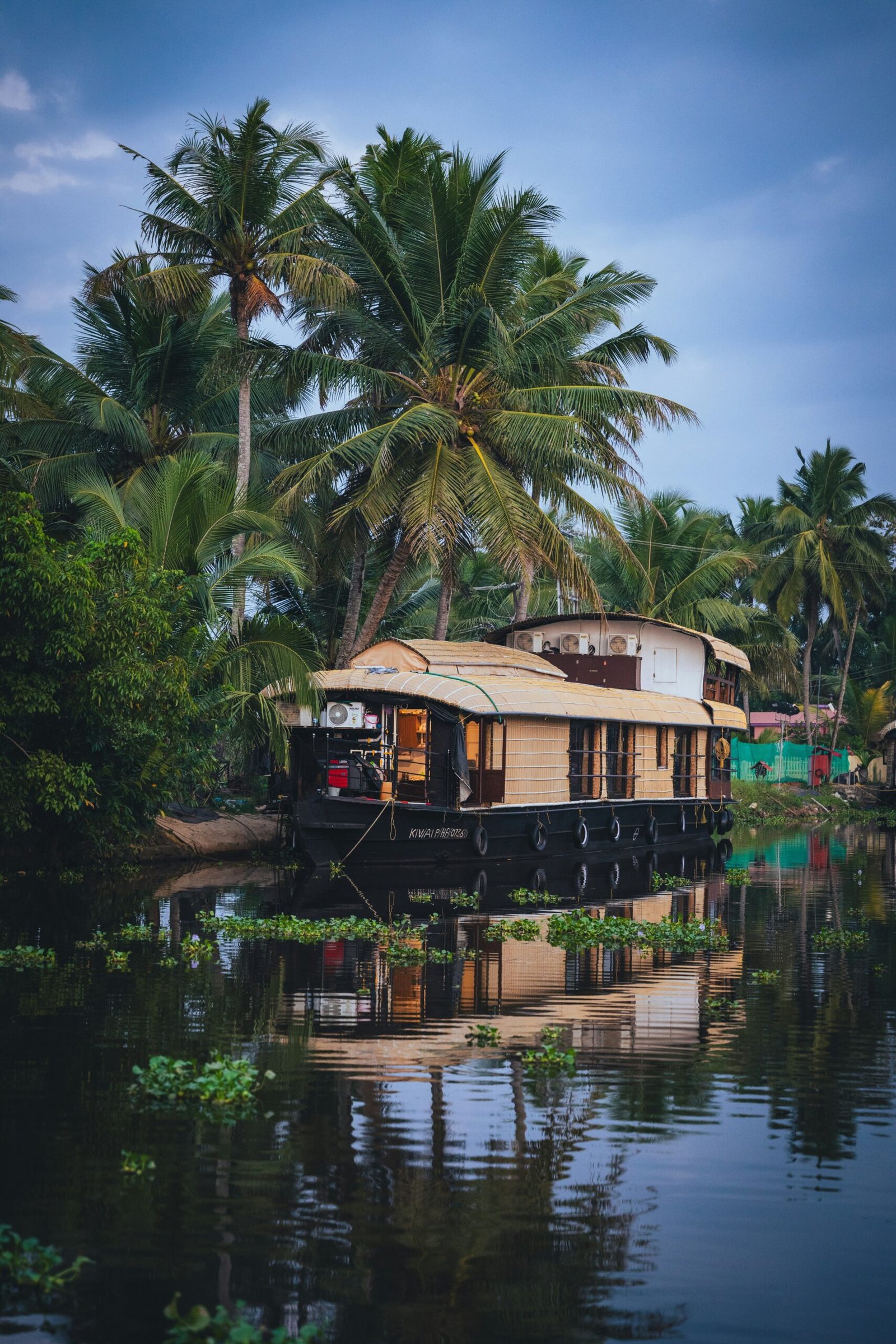
The Kerala houseboat (kettuvallam) on the Alleppey backwaters — the traditional rice barge converted for overnight stays, moving through the canal system between the coconut palm banks, the rice paddy fields, and the fishing communities of the backwater delta — is in January at the dry season clarity that makes the backwater landscape most open. The overnight houseboat from Alleppey, with the January sun setting over the lagoon, the traditional Kerala meal served on the boat, and the dawn on the canal with the fishing boats beginning their morning work, is the January Kerala experience that the Ayurveda programme can incorporate as a mid-retreat day.
Hampi — the UNESCO World Heritage ruins of the Vijayanagara Empire capital in Karnataka, with the Virupaksha Temple, the Vittala Temple (with its famous stone chariot and musical pillars), and the boulder-strewn landscape of the Tungabhadra river bend — is in January at its dry season accessibility. The sunrise from the Matanga Hill above Hampi — the Virupaksha temple visible below in the morning mist, the river visible to the south, and the boulder landscape of the Deccan plateau in every direction — is the January Karnataka morning at its most specific. Hampi is accessible from Mysore by the overnight bus (8 hours) and from Goa by train to Hospet (5 hours) — a realistic day-extension from either retreat base.
Goa is at its most comfortable in January — 26-30°C in the day, 18-20°C at night, and the Arabian Sea calm and clear with excellent snorkelling and diving visibility. The dry northeast monsoon wind keeps the air pleasantly fresh.
Rishikesh and the Uttarakhand foothills are at 8-18°C in the day and cold at night (3-6°C). A warm fleece and a proper down jacket for the dawn aarti are essential. The Himalayan views on clear January mornings extend to the snow-covered peaks above Tehri.
Kerala (Kovalam, Varkala, Alleppey) sits at 26-32°C, the Arabian Sea on the southwest coast calm and warm at 26-27°C. The post-monsoon dry season is fully established and the Ayurveda treatment season is at peak operation.
Mysore and Karnataka are at 18-28°C — warm days and cool evenings, the driest and most comfortable of the Karnataka year. No rain.
Your email address will not be published. Required fields are marked *