
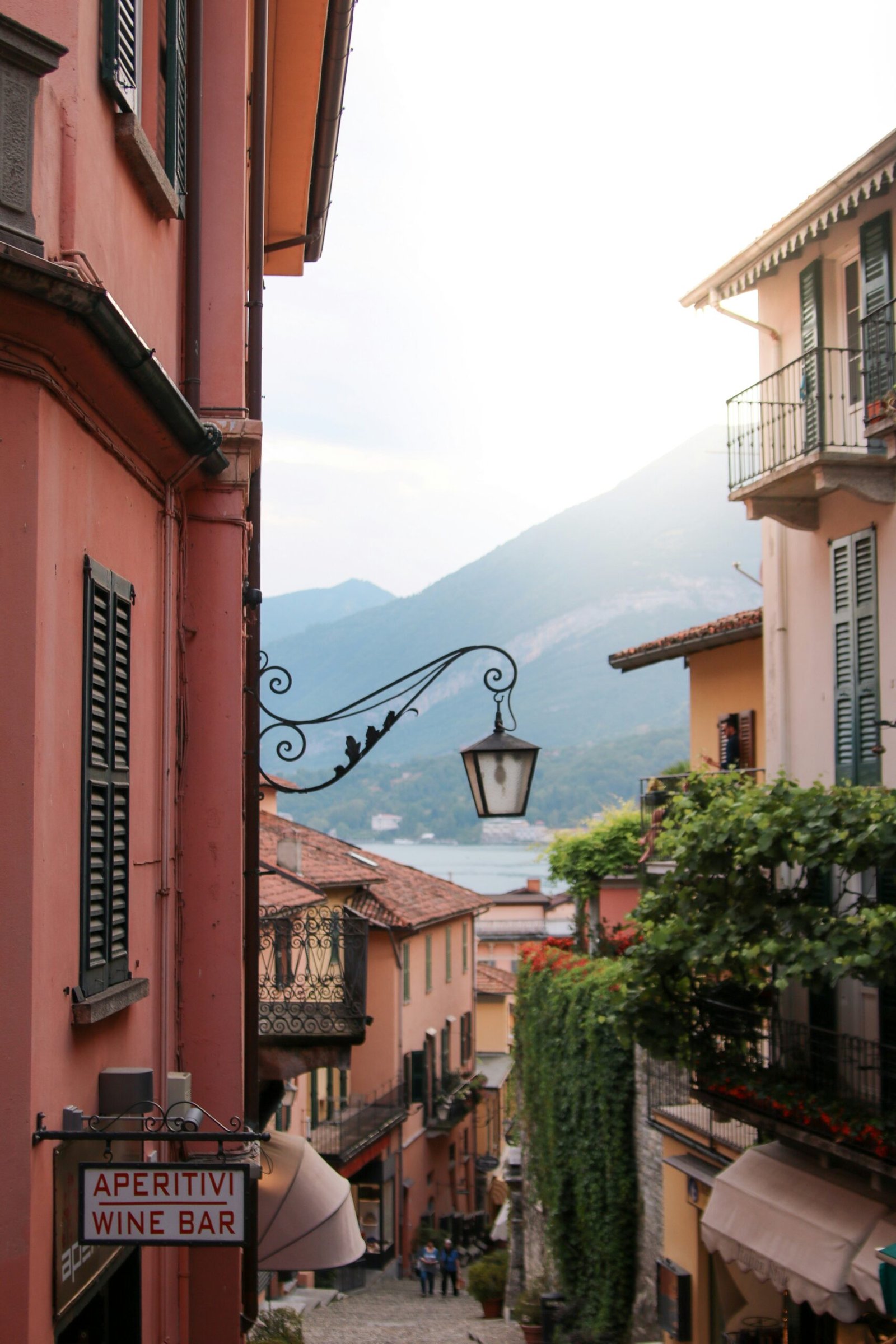
December in Italy is two months in one. The first three weeks are the continuation of November’s quiet — low prices, small retreat groups, mild weather in the south, and the country operating entirely for itself. Then Christmas week arrives and Italy does what Italy does at Christmas: the presepi in the churches, the markets in the piazzas, the Natale dinner on December 24th that is the most food-centred evening of the Italian year. Both versions are worth knowing before you book.


Early December (roughly December 1-20) shares November’s advantages — the olive harvest finishing in the mountain groves, the thermal springs at their dramatic winter steam, and retreat prices at their annual low. Christmas week is a different experience entirely: the domestic travel that fills the ski resorts and the coastal towns at Christmas, the specifically Italian festive traditions, and the food culture of the Italian Christmas table produce a December that is specifically worth experiencing if you go knowing what it involves. Our wellness retreats in Italy guide covers every destination.
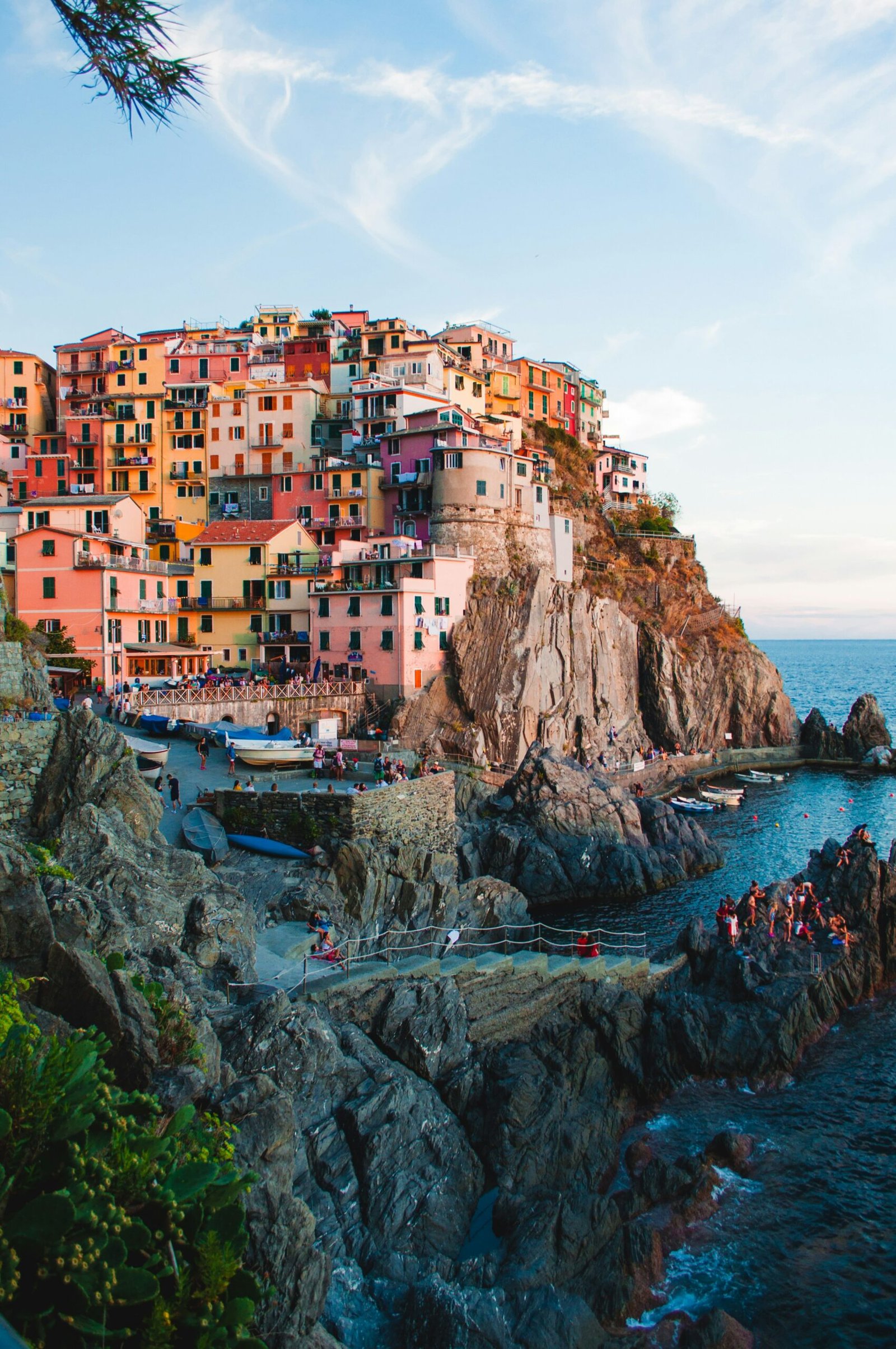
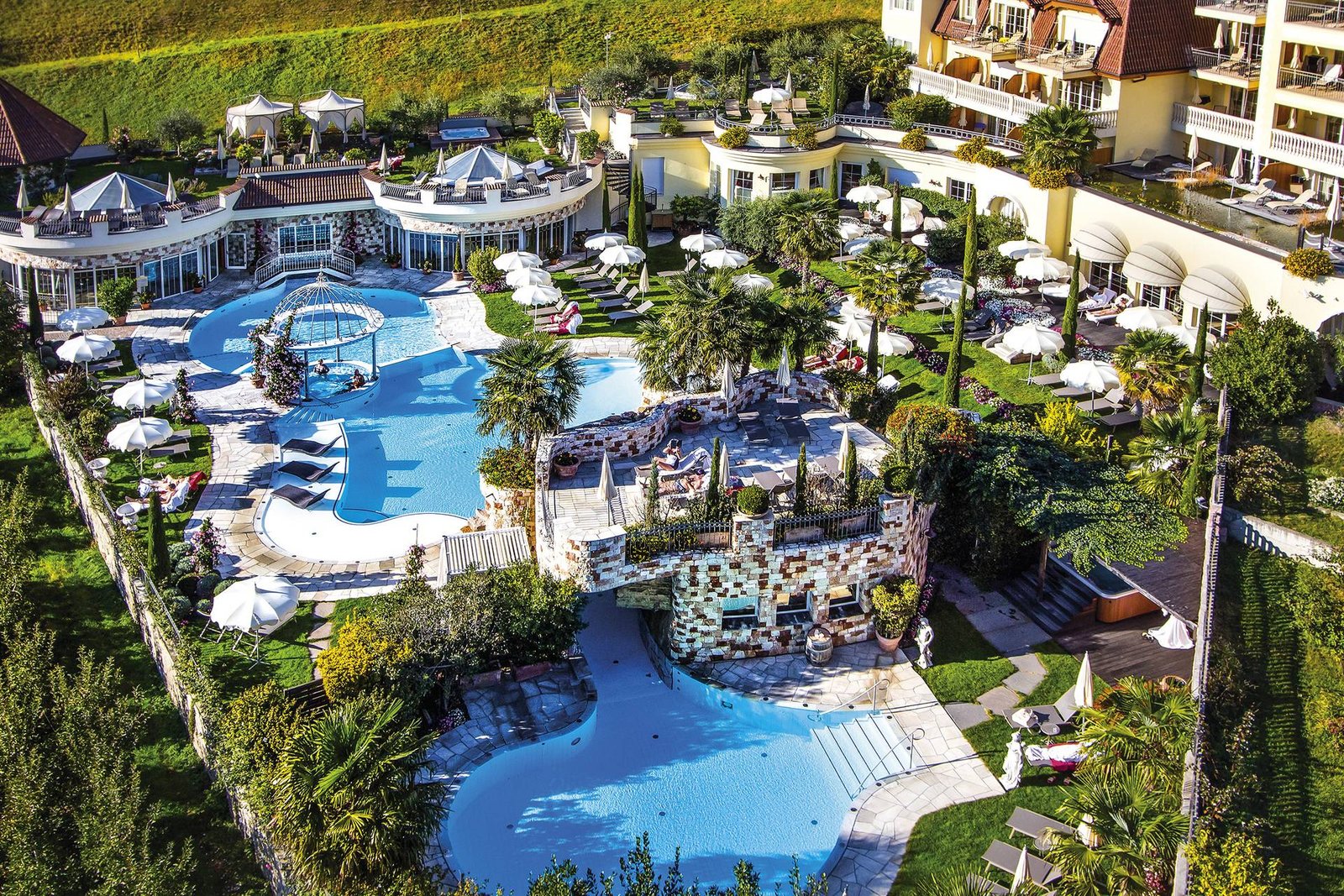
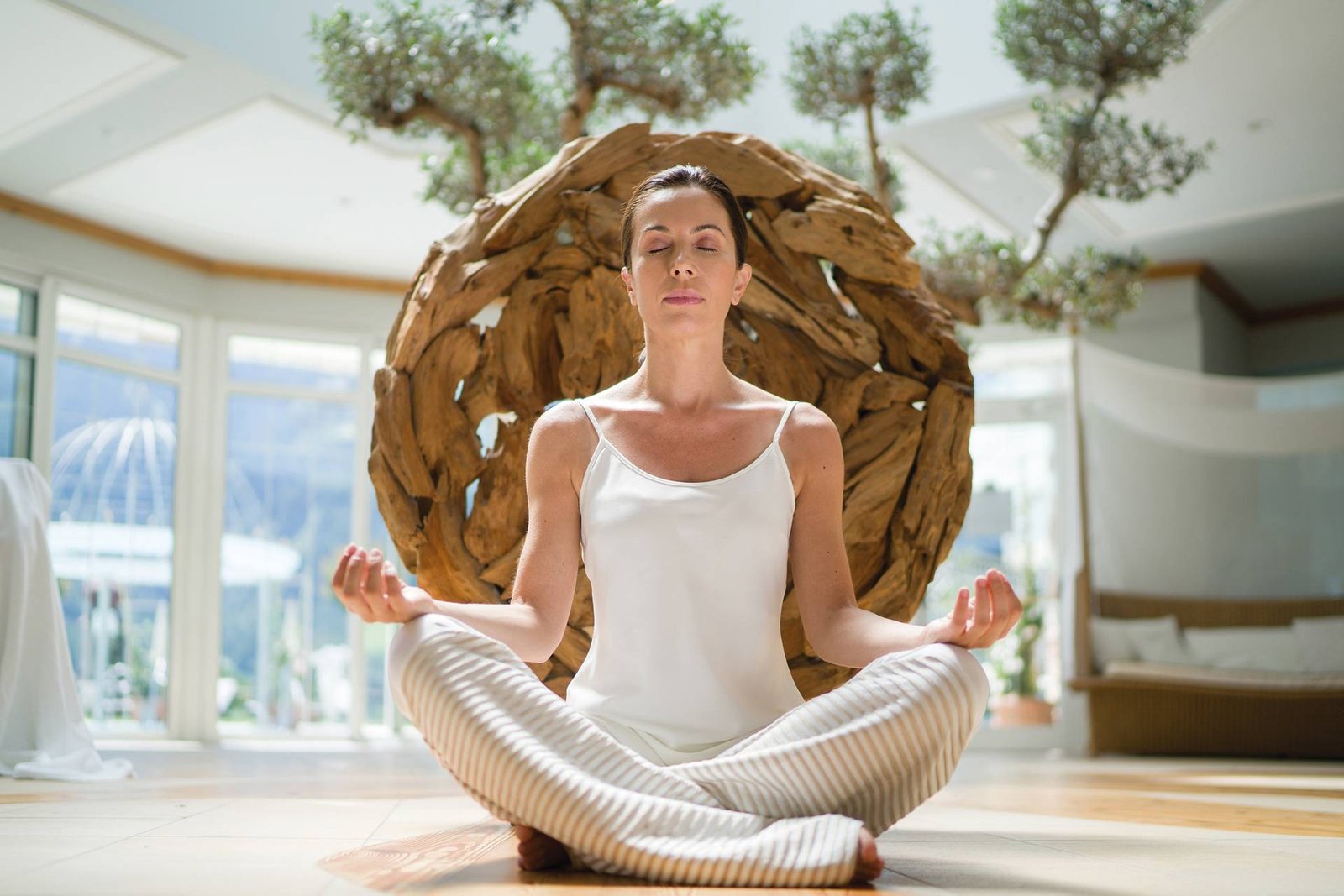
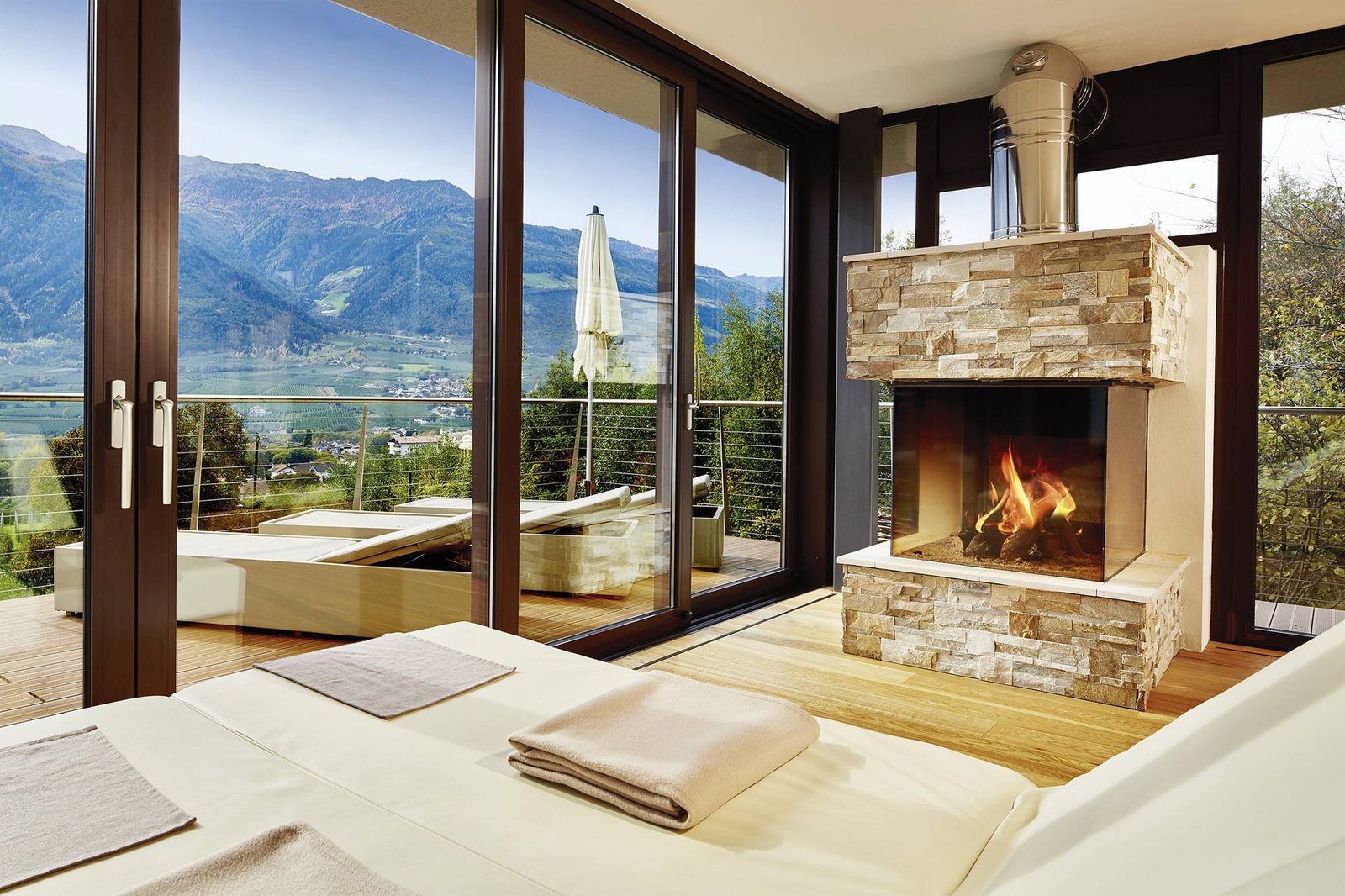
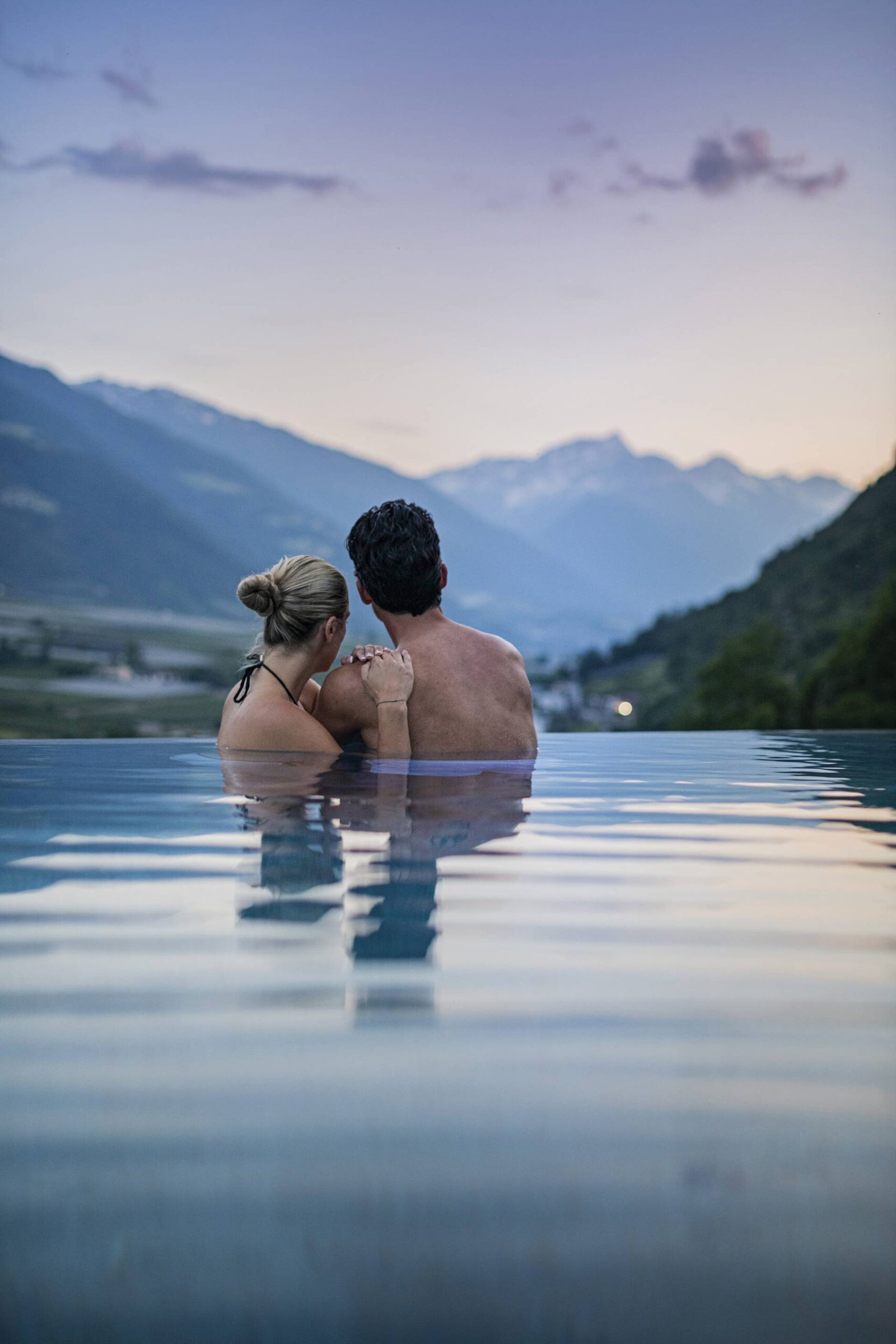
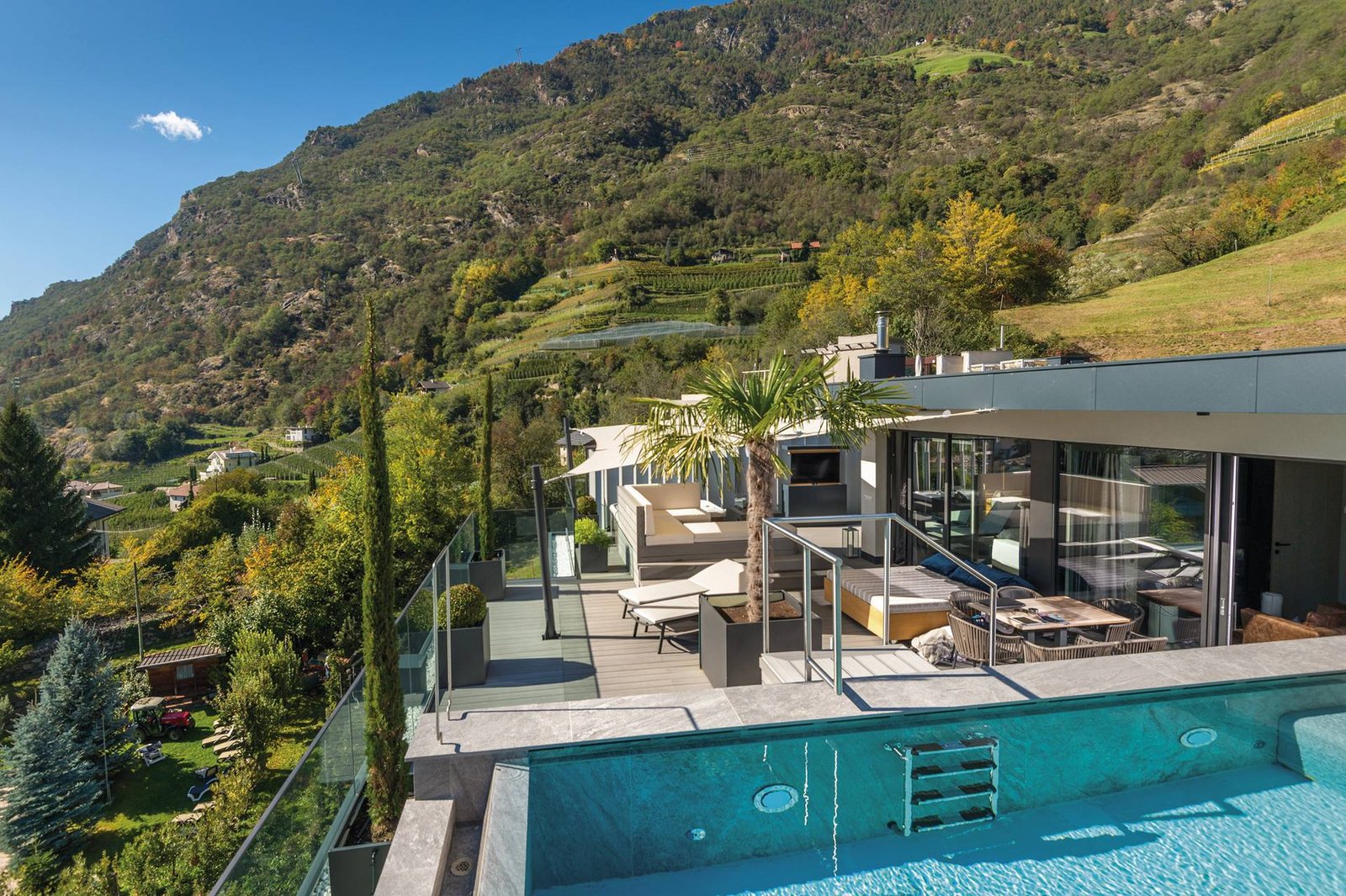
The Dolomites are at the beginning of their winter wellness peak. The snow is guaranteed — the South Tyrolean valleys receive their December snowfall reliably, and the alpine wellness culture that makes this region specifically rewarding in winter is in December at full operation: the outdoor thermal pools with the snow visible on the peaks above, the hay bath treatments using the dried herbs from the July alpine meadow harvest, and the contrast bathing sequences that the -5°C December air makes maximally effective.
Christmas in South Tyrol is the most elaborately festive of any Italian region — the Weihnachtsmärkte (Christmas markets) in Bolzano, Merano, Bressanone, and Brunico are among the oldest and most beautiful in the Alps, running from late November through December 24th. The combination of the alpine wellness programme (morning outdoor thermal pool, afternoon spa circuit) and the Christmas market evening (the mulled wine, the speck and cheese stalls, the handmade decorations in the medieval piazzas) produces a December retreat week that is specifically South Tyrolean and specifically of this season.
The ski season opens in the Dolomite resorts in December — the Sella Ronda and the Alta Badia ski circuits, the Cortina d’Ampezzo area, and the Val Gardena slopes all operational from mid-December — which means the wellness retreat can incorporate skiing or snowshoeing as the outdoor movement element alongside the spa programme for those who want the combination.
Tuscany in December has the thermal springs at their most visually dramatic. The outdoor pools of Saturnia and Bagno Vignoni with the air at 6-10°C and the water at 37-40°C produce the most intense steam of the year — white mist rising from the limestone pools in the December stillness, the surrounding landscape bare and specific in the winter light. Arriving at Saturnia before dawn in December, with no other visitors and the steam dense enough to obscure the far side of the pool, is the thermal experience in its most elemental form.
The olive harvest is finishing its mountain grove run in early December — the last Moraiolo olives of the Chianti hills being pressed in the first weeks of December, the final batches of new oil arriving at the farm gates before the harvest closes for the year. A December retreat in Tuscany that coincides with the last pressing of the season gets the oil at its most fully integrated — not the intense green of October’s first pressing but a rounder, more complex oil that the November and December temperature has matured.
Christmas in Tuscany has a specifically Florentine character that December makes accessible: the presepi (nativity scenes) in the churches of Santa Croce and Santa Maria Novella, the Mercato di Natale in the Piazza Santa Croce, and the Florentine Christmas table with the panettone, the ricciarelli di Siena (the almond biscuits of the Sienese tradition), and the schiacciata con l’uva (the grape focaccia of the Chianti tradition, technically an autumn recipe eaten through December at the Chianti farmhouses).
Sicily in December is the warmest Italian mainland region at this time of year — temperatures of 14-17°C on the southern and western coasts, the citrus orchards of the Etna foothills in full fruit production (the first blood oranges appearing in December), and the Christmas markets of Palermo and Catania with the Sicilian festive food culture at its most elaborate.
Palermo in December has its Christmas pastry culture in full operation: the frutta martorana (marzipan shaped and painted to resemble fruit, produced by the city’s convents since the Norman period), the buccellati (the Christmas fig and nut cookies of the western Sicilian tradition), and the cucciddati (fig and almond pastries specific to the December feast of Santa Lucia on December 13th — the most important December celebration in eastern Sicily, marked with specific foods and the procession of the saint’s statue through Catania).
The spa and thermal offer of Sicily in December — the Terme di Sciacca on the southwestern coast, the thermal hotels of the Termini Imerese area, and the volcanic mud treatments near Vulcano (accessible by ferry year-round) — is at its most accessible. The summer visitors are entirely absent, the thermal facilities are running their smallest and most focused groups, and the Sicilian winter sun that makes the island specifically worthwhile in December is producing the quality of light that the overhead summer sun obscures.
Emilia-Romagna in December is the most food-significant region of Italy at the most food-significant time of year. The region that produces Parmigiano-Reggiano, Prosciutto di Parma, Mortadella di Bologna, Aceto Balsamico di Modena, and Culatello di Zibello is in December doing its most important seasonal work: the Culatello (the most prized of the Italian cured meats, made from the finest part of the pork leg and aged for 14-36 months in the fog-drenched cellars of the Po plain) is being seasoned and hung for the new production cycle, the Parmigiano wheels that were started 24 months ago are being checked for the DOP certification, and the balsamic vinegar of the Modena acetaie is being tested for the consortium’s quality standards.
Wellness retreats in Emilia-Romagna in December are rare but specifically rewarding for those whose wellness includes the serious food culture of the region as a central element. The combination of a food-focused wellness programme, visits to the Parmigiano production facilities and the Culatello cellars of Zibello, and the December festive market of Bologna (one of the finest in Italy) produces a December retreat of unusual cultural depth.
The December South Tyrol thermal circuit is at its winter peak. The outdoor pool at -5°C ambient temperature, the hay bath at 40°C, the sauna circuits using the alpine herb infusions, the contrast plunge — this is the programme in its complete winter form. The research on contrast thermotherapy documents the cardiovascular and autonomic nervous system benefits most clearly in the conditions that December alpine wellness provides: the greatest temperature differential, the most complete physiological response, and the most sustained practice of the year.
The South Tyrolean Christmas markets are a wellness activity in the specific sense of social and sensory nourishment that the wellness tradition recognises alongside the physical treatments. The combination of cold air, warm mulled wine (the Glühwein of the South Tyrolean tradition), the smell of roasted chestnuts, the candlelit stalls, and the communal pleasure of a community celebrating a tradition it has maintained for centuries is the social wellness that no spa treatment provides and that December specifically offers. The Bolzano Christmas market — running since 1991 in the historic Piazza Walther — is among the most beautiful in the Alpine arc.
The Saturnia dawn experience in December is the most specific thermal wellness moment that Italy produces in this month. The thermal cascades at 6am in December: the air at 5°C, the water at 37°C, no other visitors, the steam so dense the far bank is invisible, and the first light beginning to appear above the Maremma hills. This is the thermal spring experience at its most elemental and its most memorable, and it requires December specifically — the temperature differential, the early winter dawn, and the absence of the summer visitors who make the same pool at 2pm in August a different experience entirely.
The Italian nativity scene tradition — the presepe — is in December at its most elaborate. The Neapolitan presepe tradition (the Via San Gregorio Armeno in Naples, where the nativity scene artisans have their workshops, is in December a permanent spectacle of craft and commerce) and the elaborate living nativity scenes of the smaller Italian towns produce a specifically Italian December cultural experience that the retreat context makes more absorbing than visiting as a tourist.
The Italian Christmas Eve dinner (la Vigilia) is a fish-based meal — the Catholic tradition of abstaining from meat on Christmas Eve producing the Italian Christmas table that centres entirely on seafood. Capitone (female eel, specifically eaten in the south on Christmas Eve), baccalà (salt cod in its multiple preparations — alla vicentina in the Veneto, fritto in Rome, con i ceci in Tuscany), and the elaborate seafood antipasto that the coastal regions produce in their specific December versions are the Christmas Eve table at its most specifically Italian. A retreat that spans December 24th and serves the traditional vigilia dinner — the region’s specific version of the fish meal — is offering something that no other evening of the year in Italy replicates.
Artisan panettone — the Milanese Christmas bread, distinguished from the industrial version by the use of natural yeast (lievito madre), long fermentation (36-72 hours), and high-quality butter and candied fruit — is in December available from the artisan producers of Milan, Brescia, and across northern Italy. The difference between artisan and industrial panettone is the difference between a living bread and a preserved product: the artisan version has a specific lightness, a depth of fermented flavour, and a shelf life of weeks rather than months. At a retreat kitchen in northern or central Italy in December that sources from a serious artisan producer, panettone at breakfast is not the Christmas cliché but the year’s finest expression of Italian baking.
Cotechino with lentils — the cotechino (the fresh pork sausage of Modena and Ferrara) slow-cooked and served over lentils on New Year’s Eve — is the Italian New Year’s tradition: the lentils representing money and prosperity for the coming year, the cotechino providing the fat and spice that winter cooking requires. For retreat guests spanning December 31st at a retreat centre in Emilia-Romagna, the cotechino e lenticchie at midnight is the most specifically Italian New Year’s food tradition available.
Ricciarelli — the almond biscuits of Siena, made from almond paste, egg white, and orange zest, soft inside with a cracked icing-sugar surface, with the IGP designation protecting the Sienese origin and the traditional recipe — are the December confection of Tuscany and one of the finest Christmas biscuits produced in Italy. Unlike the panettone, which requires industrial investment to produce well, the ricciarelli can be made at the retreat kitchen from the recipe that the Sienese pastry tradition has maintained since the medieval period. A December retreat in Tuscany that incorporates a ricciarelli baking workshop is doing December specifically well.
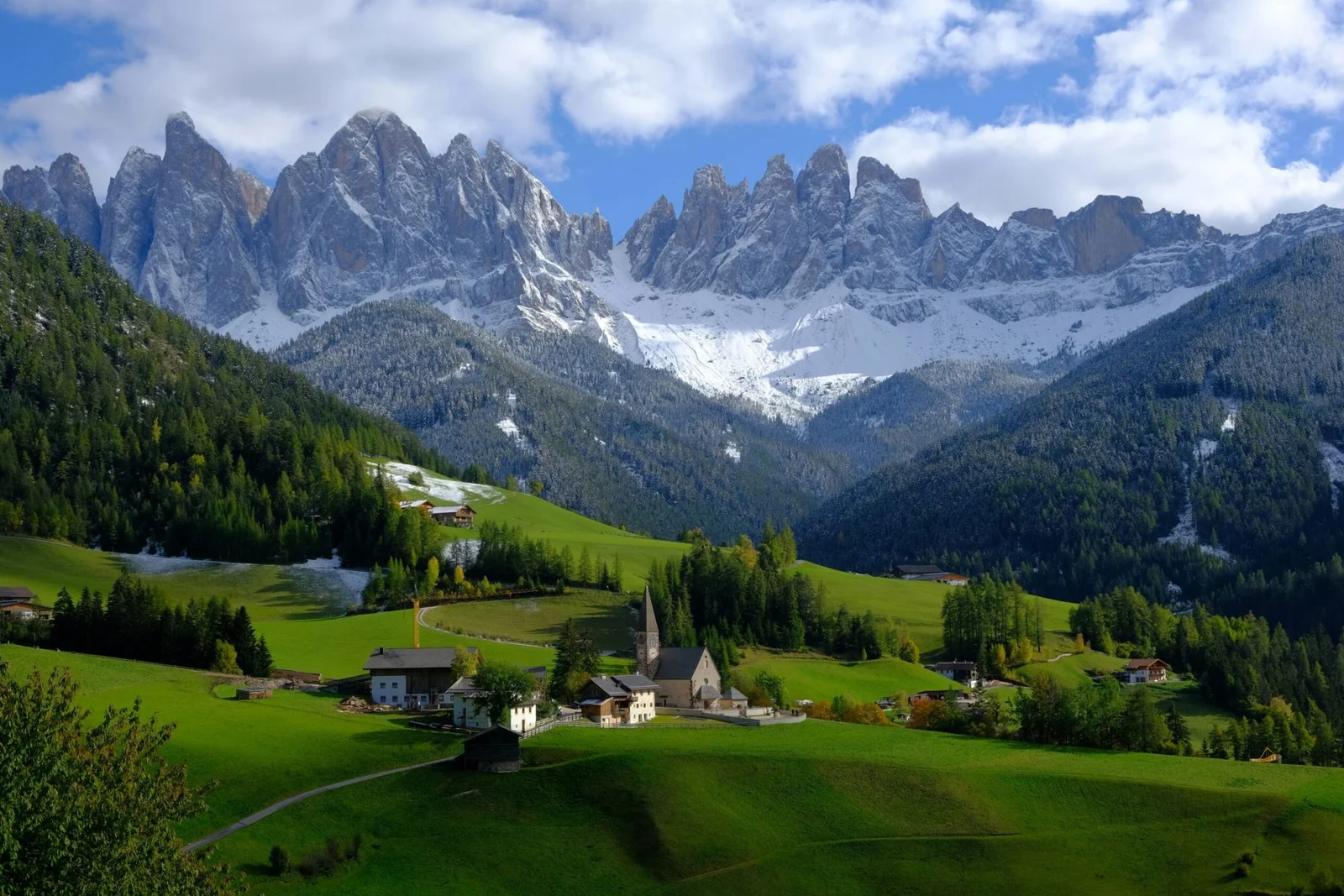
The Weihnachtsmärkte of South Tyrol — Bolzano, Merano, Bressanone, Brunico, and the smaller village markets in Ortisei, Selva di Val Gardena, and Vipiteno — are among the most atmospheric in Europe: the alpine architecture, the snow on the peaks above, the mulled wine and the speck stalls in the medieval piazzas. Running from late November through December 24th, they are the South Tyrolean wellness week’s cultural centrepiece.
The feast of Saint Lucy — December 13th — is the most important December celebration in eastern Sicily (Catania, Siracusa), in the Veneto (Verona, where children receive gifts from Santa Lucia on December 13th rather than from Babbo Natale on December 25th), and in several other Italian regional traditions. The Catania procession of the silver statue of Santa Lucia through the streets of the baroque city is one of the most visually elaborate religious celebrations in Sicily.
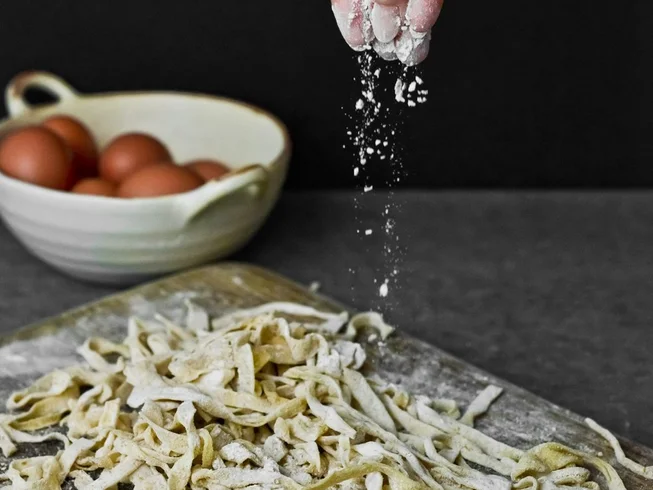
The Italian Christmas centres on the Vigilia dinner on December 24th — the fish meal described above — and the Natale lunch on December 25th: the brodo di cappone (capon broth) with handmade pasta in Emilia-Romagna, the roast lamb in Lazio, the baccalà continuing in various preparations across the country. For retreat guests spanning Christmas at a retreat centre that acknowledges the season, the Italian Christmas table is one of the most food-specific cultural experiences in Europe.
Early December programming is the winter model at its most refined. In the Dolomites, the full thermal and spa circuit runs at maximum capacity. In Tuscany, the thermal spring dawn visit is the daily anchor, with the Florentine Christmas market as the cultural excursion that December provides specifically. In Sicily, the mild temperatures allow afternoon outdoor practice and coastal walks alongside the spa programme.
The Christmas week programming for retreats that operate through the festive period acknowledges the season rather than working around it. The ricciarelli baking workshop on December 22nd. The Christmas Eve fish dinner at the communal table. The South Tyrolean Christmas market on the last evening before the markets close on December 24th. The cotechino e lenticchie at midnight on December 31st. These are not activities appended to the wellness programme — they are the rhythm of December in Italy, and the retreat centres that work with this rhythm produce weeks that feel specifically of a place and a time.
Your email address will not be published. Required fields are marked *