
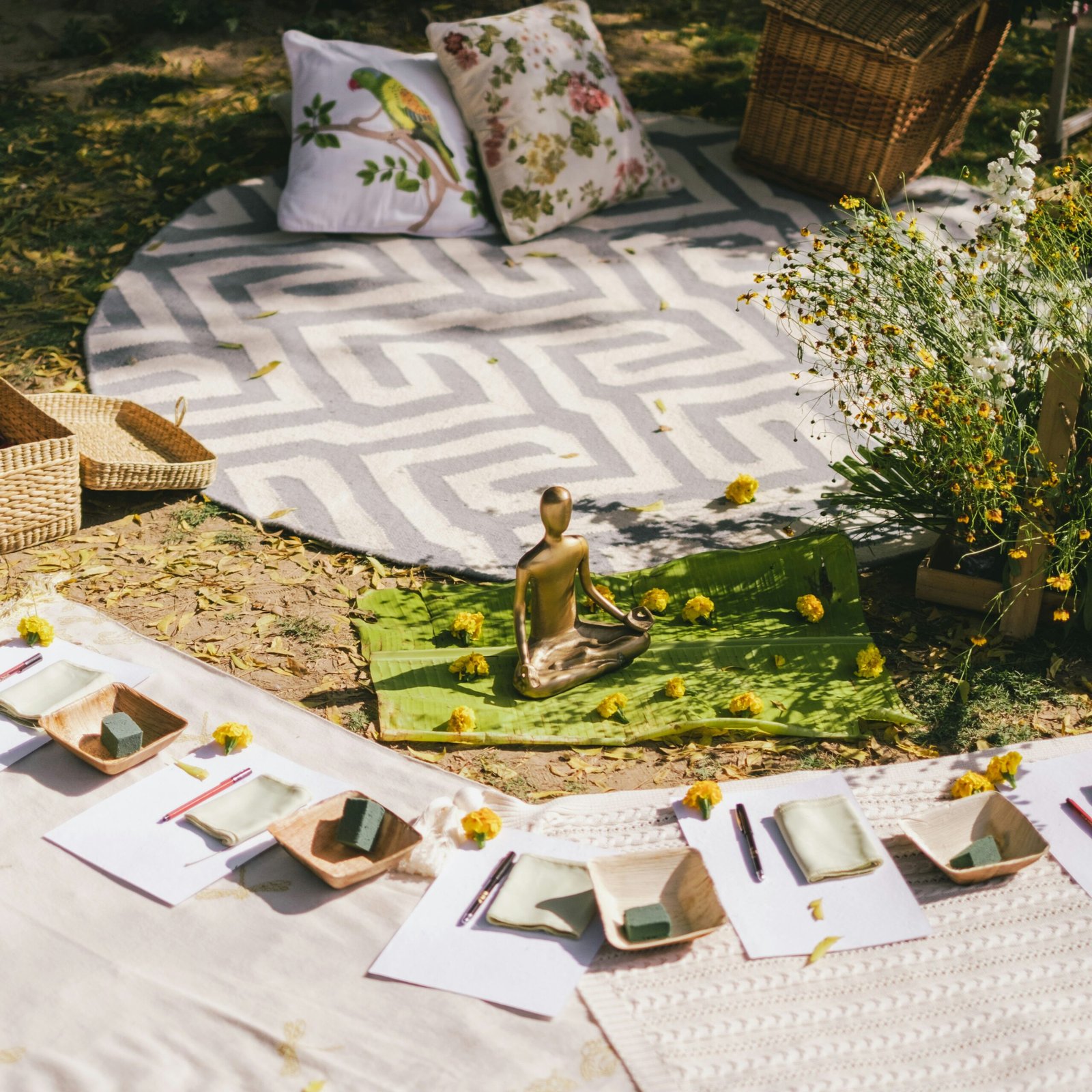
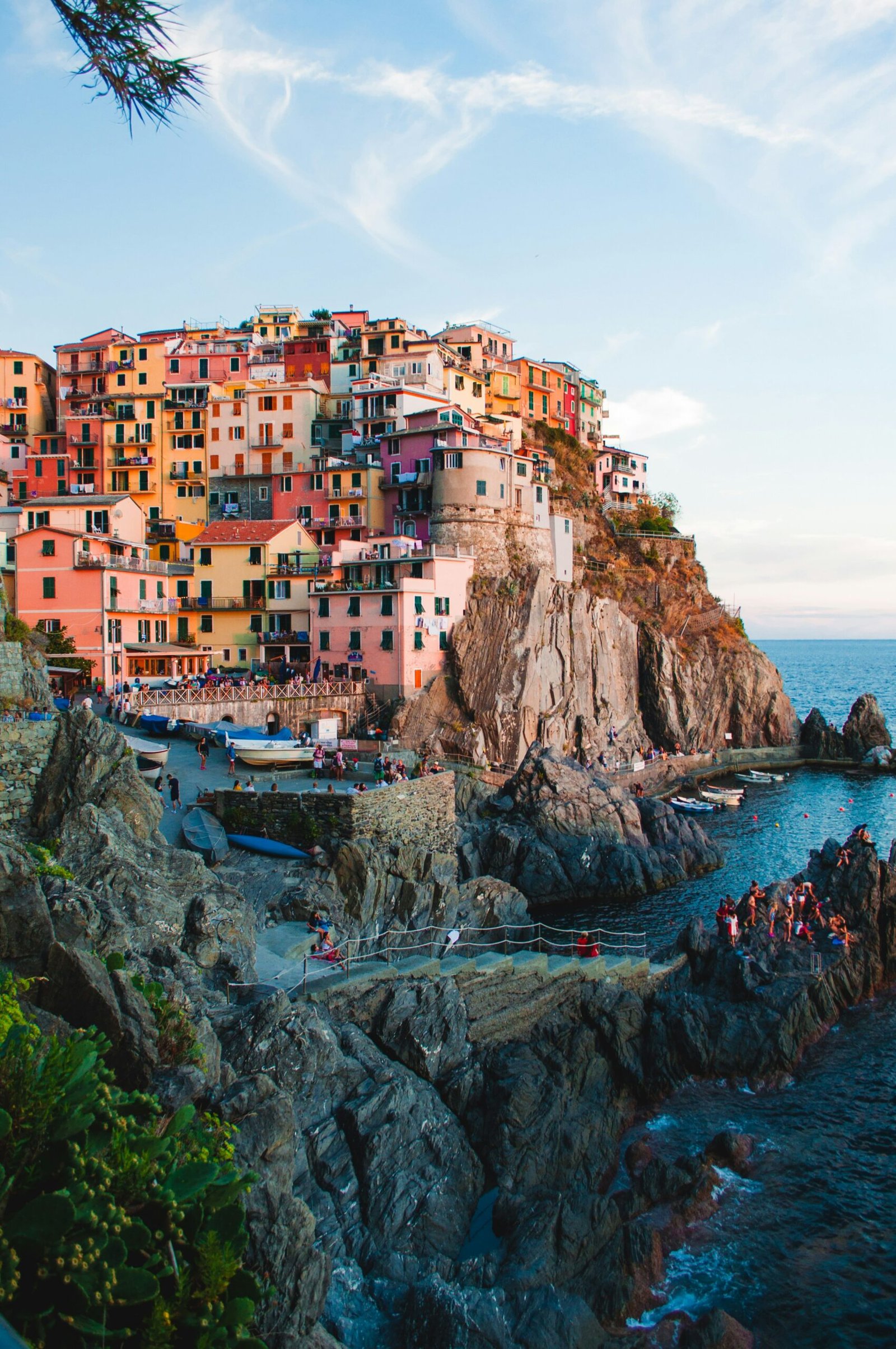
June is the last month before the summer peak makes everything harder. The sea is warm across all Mediterranean coasts for the first time. The days are at their longest. A wellness retreat in June gets you most of what August offers at a fraction of the stress — and in several destinations, the best conditions of the entire year.


June is the best month for the alpine botanical wellness programme. The meadows that were still emerging in May are in June at their wildflower peak — the Alpe di Siusi carpeted in gentian, arnica, and alpine thyme before the July hay harvest begins. The guided botanical walks that connect the spa treatments to the landscape they come from are in June at their most varied and most specific. The high trails are fully open. The outdoor yoga terraces are in operation at any hour.
Our wellness retreats in the Dolomites guide covers the full range. For the broader Italian picture in June, our wellness retreats in Italy in June covers Sardinia, Tuscany, and the Aeolian Islands alongside the Dolomites. Browse the full wellness retreat collection for every destination.
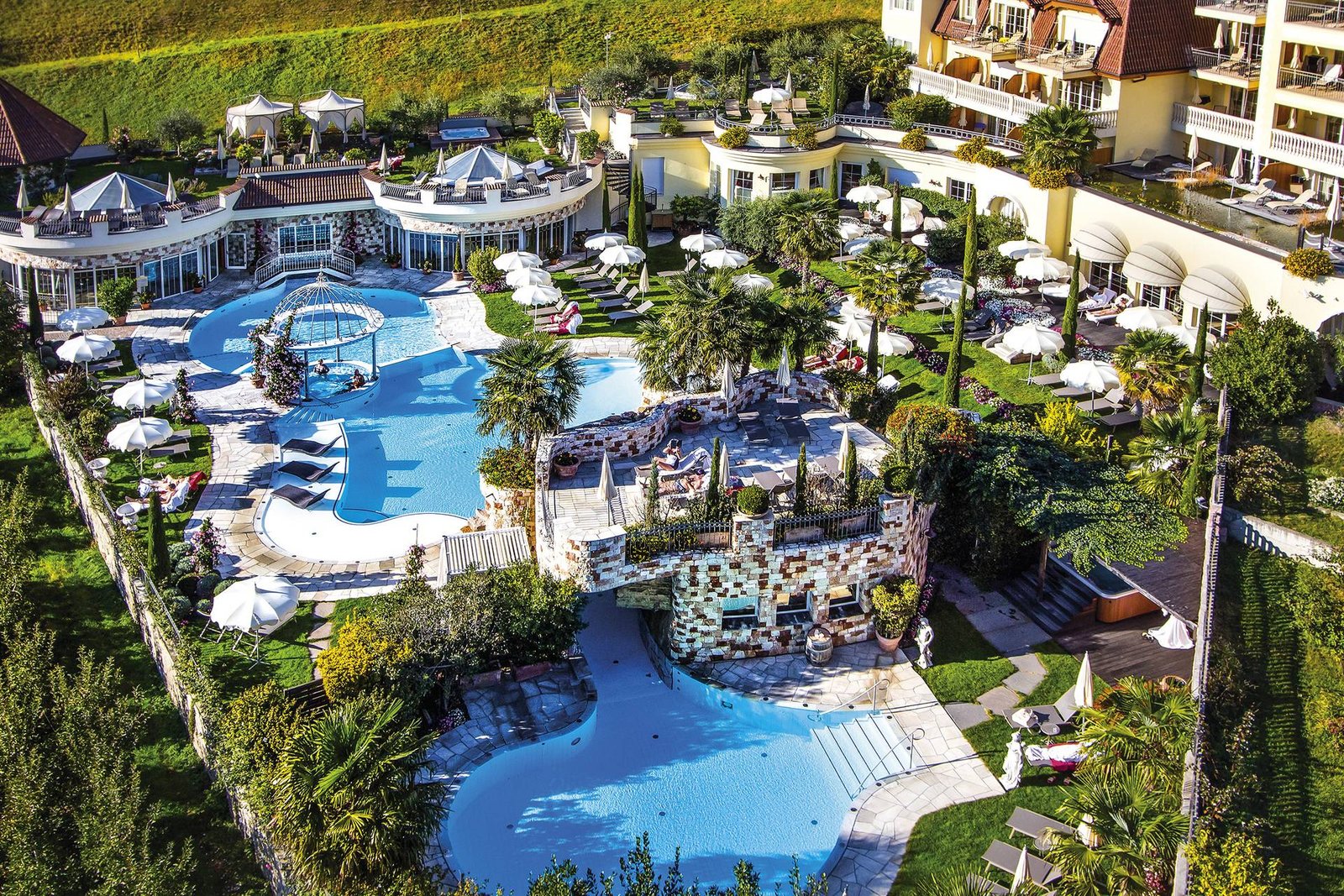
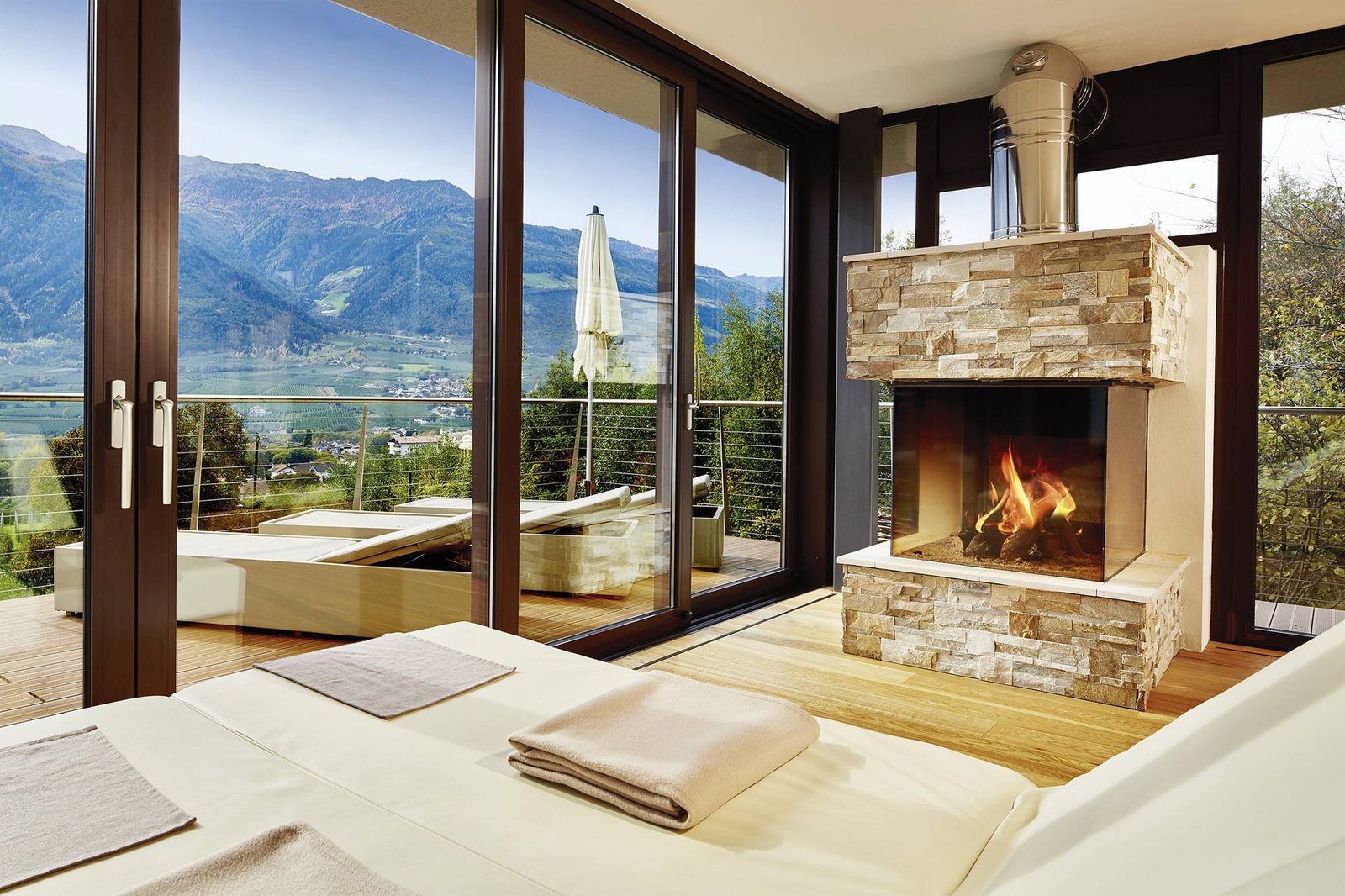
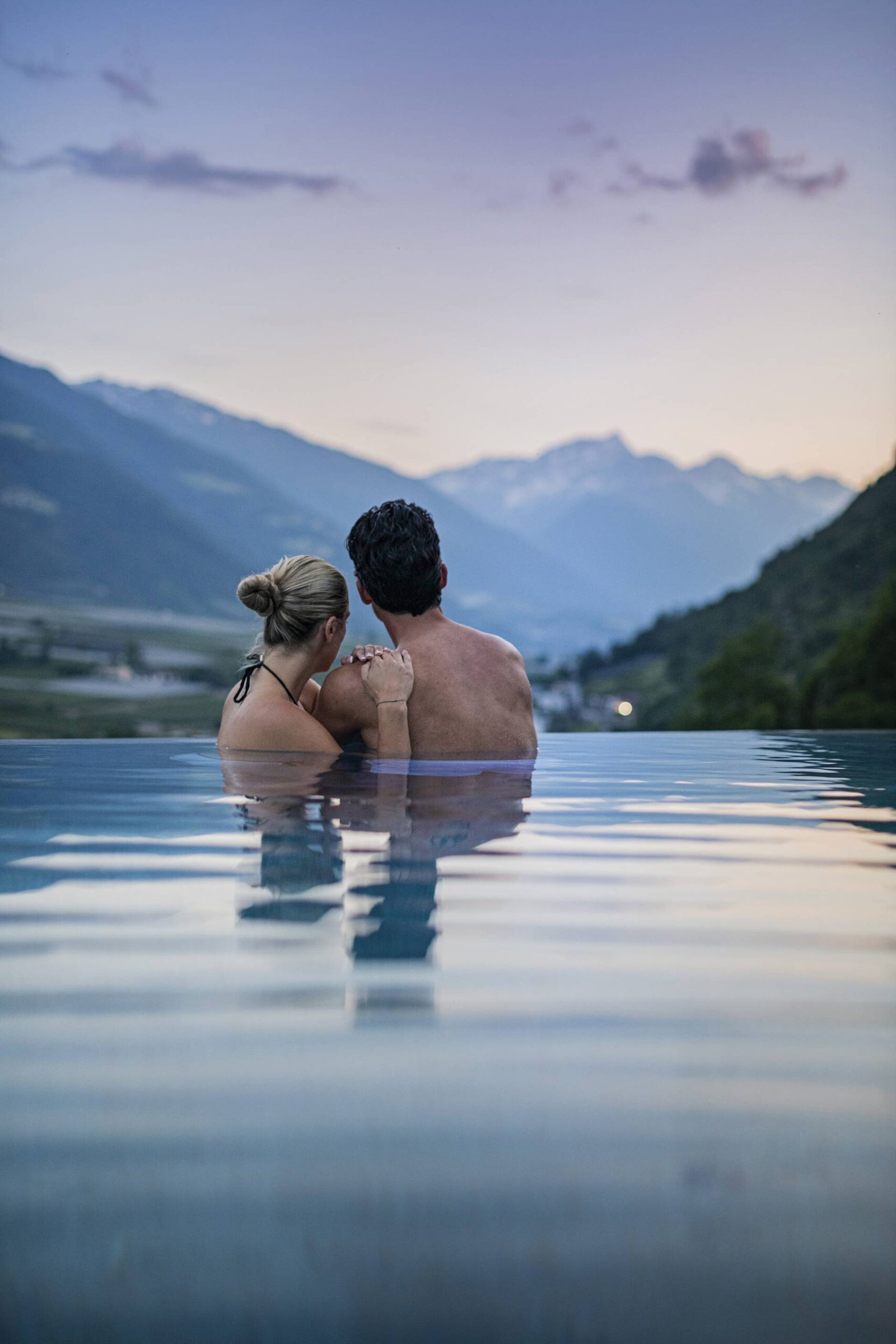
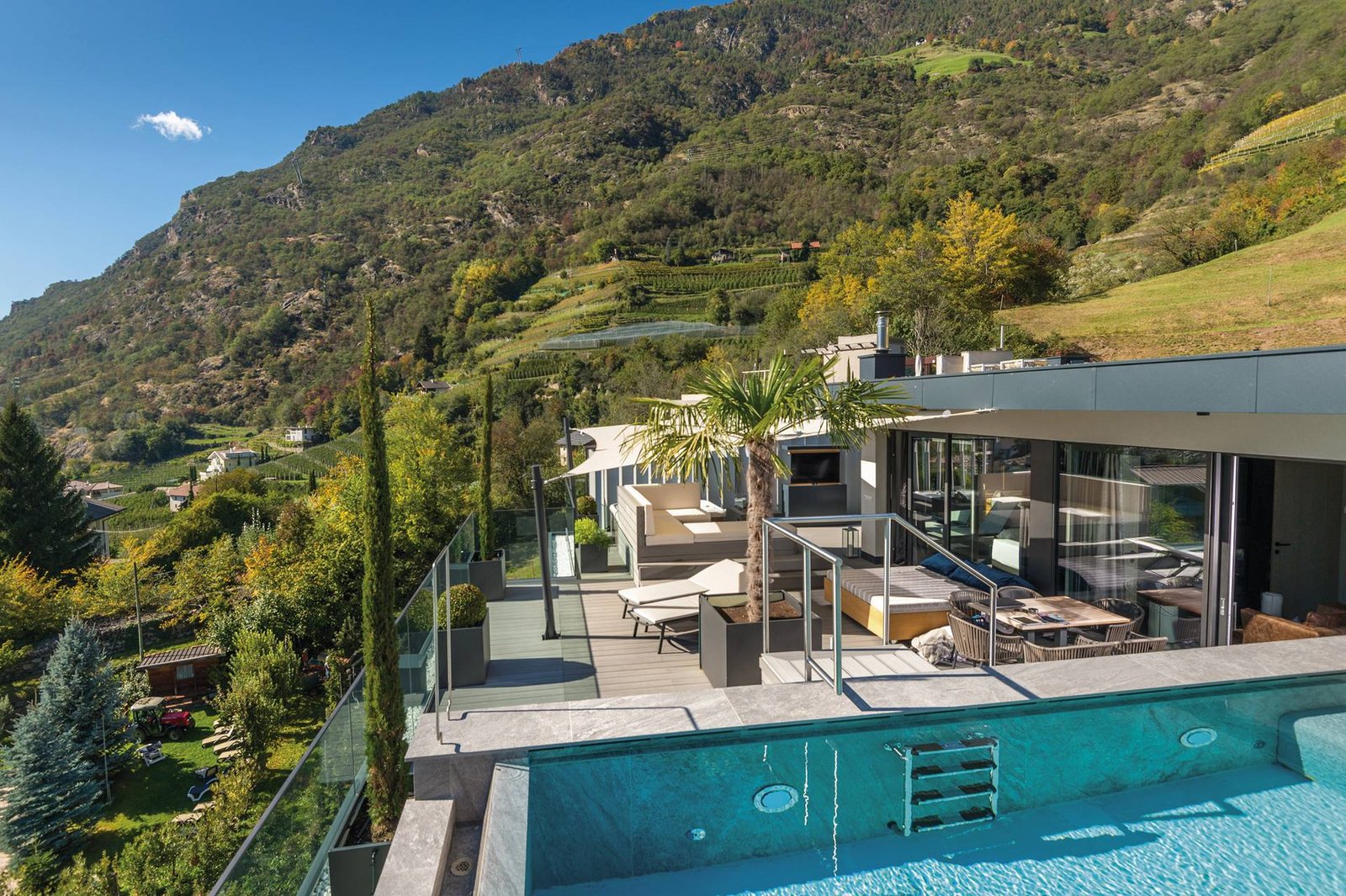
June is the botanical peak of the Dolomite wellness year. The alpine meadows that will be harvested in July for the hay bath treatments are in June producing the full range of species that the treatment relies on: arnica for its anti-inflammatory properties, alpine thyme for its antimicrobial volatile compounds, yarrow for its circulatory effects, and the mountain gentian with its bitter compounds that have been used in alpine medicine since the Roman period. A guided walk with a local botanist in June on the Alpe di Siusi or the Puez-Odle meadows, identifying the plants in their living form before they are harvested and dried, is the kind of experience that connects the spa treatment to its source in a way that no amount of product labelling achieves.
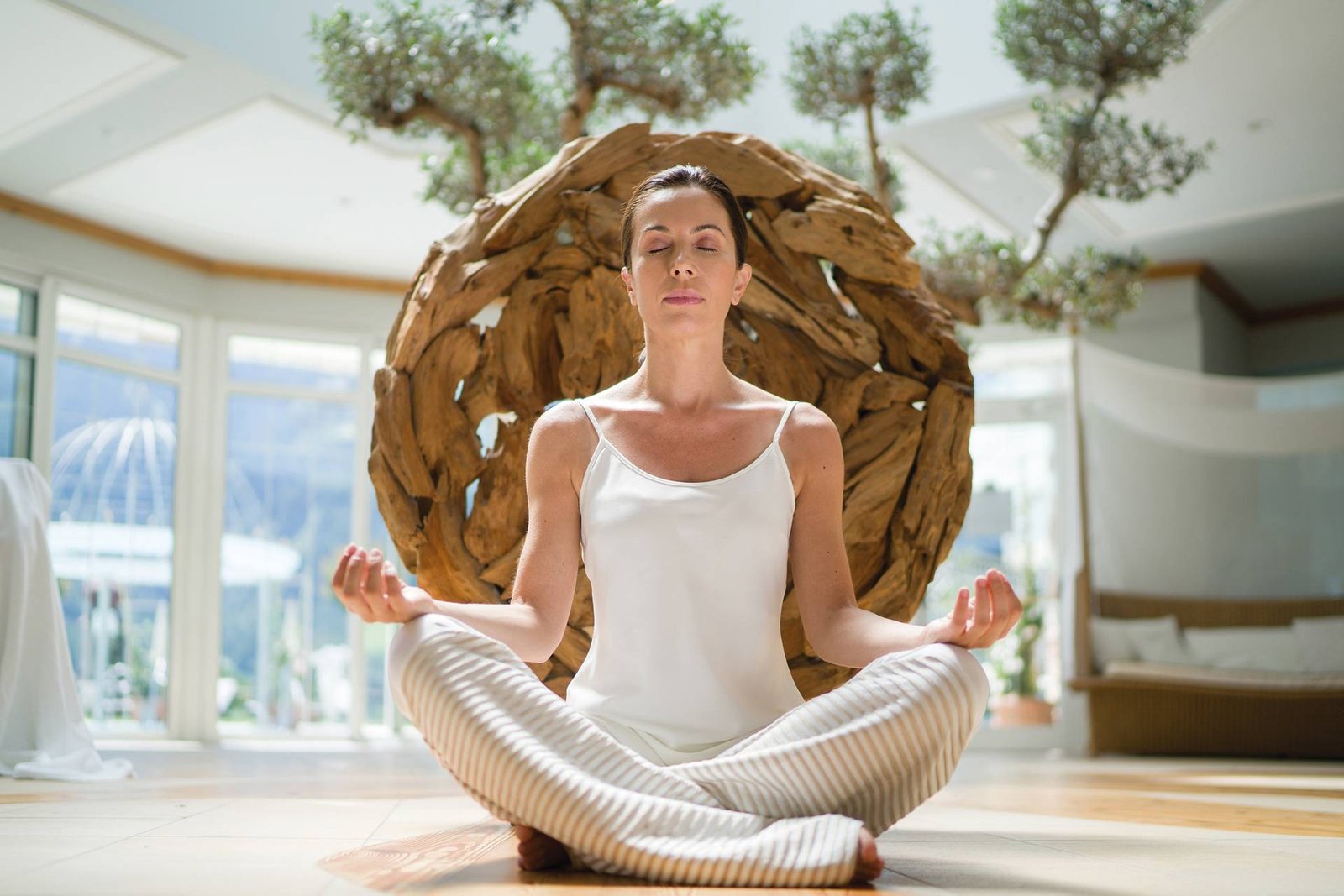
The spa programme in June runs alongside the outdoor activities rather than substituting for them. The Aufguss sauna ceremony runs multiple daily sessions; the hay bath remains bookable through June before the July harvest cycle produces the new supply; and the outdoor thermal pools are in June surrounded by the first full green of the alpine summer rather than the snow of winter. The combination of morning botanical walk, afternoon sauna circuit, and evening outdoor pool in the June light — sunset at around 9pm — is the Dolomites wellness day at its most complete.
The Greek islands in June are fully operational and not yet at the August compression that makes the most popular destinations genuinely difficult. Santorini’s caldera rim path from Fira to Oia — lined with wild capers and sea squill in June — is walkable without the selfie-stick obstacle course of high season. The Mykonos retreat centres on the northern and eastern coasts are running full programmes with availability. And Crete’s south coast, accessible by the ferry that starts running in June, has the Libyan Sea at 21-22°C and the car-free villages of Loutro and Agia Roumeli at a human scale that the road-connected north coast cannot maintain.
The Greek wellness tradition in June draws on the specific natural pharmacy of the Mediterranean spring at its fullest. Wild oregano (rigani) harvested from the hillsides of Crete and the Peloponnese in June is at its maximum essential oil content — the carvacrol and thymol compounds that give it its specific antimicrobial and antioxidant properties are highest in the flowering plant just before harvest. The thyme honey of Crete and the Attic hills, produced from the bees’ June visits to the thyme in bloom, is at its most specific and most nutritionally dense. A wellness retreat in Greece in June that uses these ingredients deliberately in its kitchen and its treatments is working with the landscape’s June pharmacopoeia.
Iceland in June has 20-22 hours of daylight in Reykjavik and 24 hours above the Arctic Circle — the midnight sun producing a quality of light and energy that has no equivalent in any other wellness destination. The geothermal landscape that was most atmospheric in February’s darkness is in June most accessible: the high-temperature geothermal areas of Landmannalaugar in the interior highlands open as the F-roads become passable, the Reykjadalur hot spring river hike runs in full daylight at midnight, and the entire Icelandic outdoor wellness programme — which requires the roads and the weather to cooperate — is in June fully available.
The physiological effects of extended daylight are worth understanding for retreat purposes. The June light in Iceland produces significantly elevated serotonin synthesis and suppresses melatonin production continuously — creating a state of sustained alertness and elevated mood that is the opposite of February’s dark-season experience. For those who struggle with energy and motivation through the winter months, a June Iceland retreat provides a concentrated experience of what the circadian system does when the light signal is at its maximum, and the contrast with the ordinary light environment of northern Europe is physiologically significant.
The Landmannalaugar geothermal area in the southern highlands — accessible from mid-June when the F-roads open — is one of the most specific wellness landscapes in the world: the rhyolite mountains in pink and yellow and green, the natural hot springs emerging directly from the hillside, and the hiking trails through the obsidian lava fields and the snow-patched peaks at an altitude where the air has a specific mineral quality. The natural hot spring pool at Landmannalaugar, with the multicoloured mountains above and the cool highland air around it, is the June Iceland thermal experience at its most specific.
Japan’s tsuyu (rainy season) begins in June in most of the country — the warm, humid rains that last 4-6 weeks and that the Japanese culture has a specific relationship with: the ajisai (hydrangea) blooming in the temple gardens specifically in the rainy season, the matcha tea that the June humidity produces at its most aromatic in the Uji and Shizuoka growing areas, and the quality of a country that has spent thousands of years developing indoor wellness practices precisely because the outdoor season has this interruption.
The onsen culture in June is specifically good for exactly this reason. The contrast between the warm, humid June air outside and the mineral-rich 42°C water of the onsen produces a different experience from the January contrast bathing — less dramatic in temperature differential, more focused on the skin and respiratory benefits of the sulphurous and mineral water. The steam rooms (mushi-buro) of traditional Japanese bathhouses are in June at their most appropriate — the combination of the steam treatment and the outdoor humidity produces a respiratory opening effect that the drier winter months cannot replicate.
The tea ceremony as a wellness practice deserves mention in the June Japan context. The ichigo ichie concept — the idea that each meeting, each moment, occurs only once and should be received with full attention — is as much a mindfulness practice as a social ritual, and the June tea ceremony in Kyoto, using the first shincha (new harvest tea) of the season, connects the practice to the specific seasonal moment in a way that no other month produces.
Portugal in June is at full spring operation before the July heat changes the character of the country. The Algarve is 24-26°C, the surf on the west coast at its spring consistency, and the thalassotherapy centres of the southern coast running their June season. The Alentejo has the last of the spring green before the summer drought turns the plains gold — a specific landscape quality that the summer visitor to Portugal never sees.
The Termas de Monchique in the Algarve highlands are in June surrounded by the full summer vegetation of the serra — the strawberry trees, the lavender, and the wild herbs of the Monchique hills at their June flowering peak — and the walk from the thermal hotel down to the source and back through the aromatic scrubland is a specifically June activity that the thermal programme incorporates as part of the outdoor wellness circuit.
The surf-and-wellness retreat format on the west coast is in June at its most complete. The Ericeira and Sagres area have the spring groundswells at their most consistent, the water at 18-20°C — cold enough for the vigorous post-session recovery shower to feel significant, warm enough for a full morning session to be sustainable — and the community of surfers and wellness practitioners who base themselves here through the spring and summer at its most active. A June week combining morning yoga, mid-morning surf, afternoon rest, and evening practice produces the physical sequence that this coastline specifically enables.
The summer solstice — falling on June 20 or 21 — is the year’s longest day and the astronomical peak of the solar cycle. Across cultures that predate the contemporary wellness industry, the solstice was understood as a threshold: the moment when the light is at its maximum and begins its gradual return toward winter. The yoga and contemplative traditions that form the basis of most wellness retreat programming have always understood this threshold as specifically significant — Surya Namaskar (sun salutation) takes on particular resonance practised at sunrise on the solstice morning, and the tradition of dawn ceremony at the solstice is older than any organised religion.
The physiological significance of the solstice for wellness purposes is related to the circadian rhythm. The solstice represents the maximum light signal available to the human circadian system — the point at which serotonin synthesis is highest, melatonin production is most suppressed, and the body’s internal clock is most fully entrained to the external environment. Research on circadian rhythm and health has documented the downstream effects of circadian alignment — reduced inflammation, improved metabolic function, better sleep quality in the weeks following — that make the solstice a genuinely useful annual anchor point for wellness practice.
The retreat that marks the solstice deliberately — with a dawn practice, a specific meal using seasonal peak ingredients, and an evening reflection — is acknowledging something physiologically real rather than simply performing seasonal ritual.
June marks the beginning of what Ayurvedic tradition calls Pitta season — the fire element dominant, the body generating and managing more heat than in any other time of year. The practical wellness implications are specific and useful regardless of whether Ayurveda is one’s framework.
The body in June is working harder to maintain its core temperature than in any month since August of the previous year. This work has metabolic costs — increased fluid loss through sweat, higher caloric demand for thermoregulation, and the specific inflammatory load that extended heat exposure produces. Research on heat stress and inflammation has documented the pro-inflammatory cytokine response to sustained heat exposure, a response that the specific dietary and lifestyle interventions of the Pitta protocol are designed to counteract.
The wellness retreat in June that schedules outdoor activities in the early morning and late afternoon, prioritises cooling dietary choices at midday (raw salads, cold-pressed juices, cooling herbs like mint and coriander), and incorporates cooling pranayama practices (Sitali, Sitkari) into the daily programme is using the season’s physiology intelligently rather than simply continuing the spring programme into warmer weather.
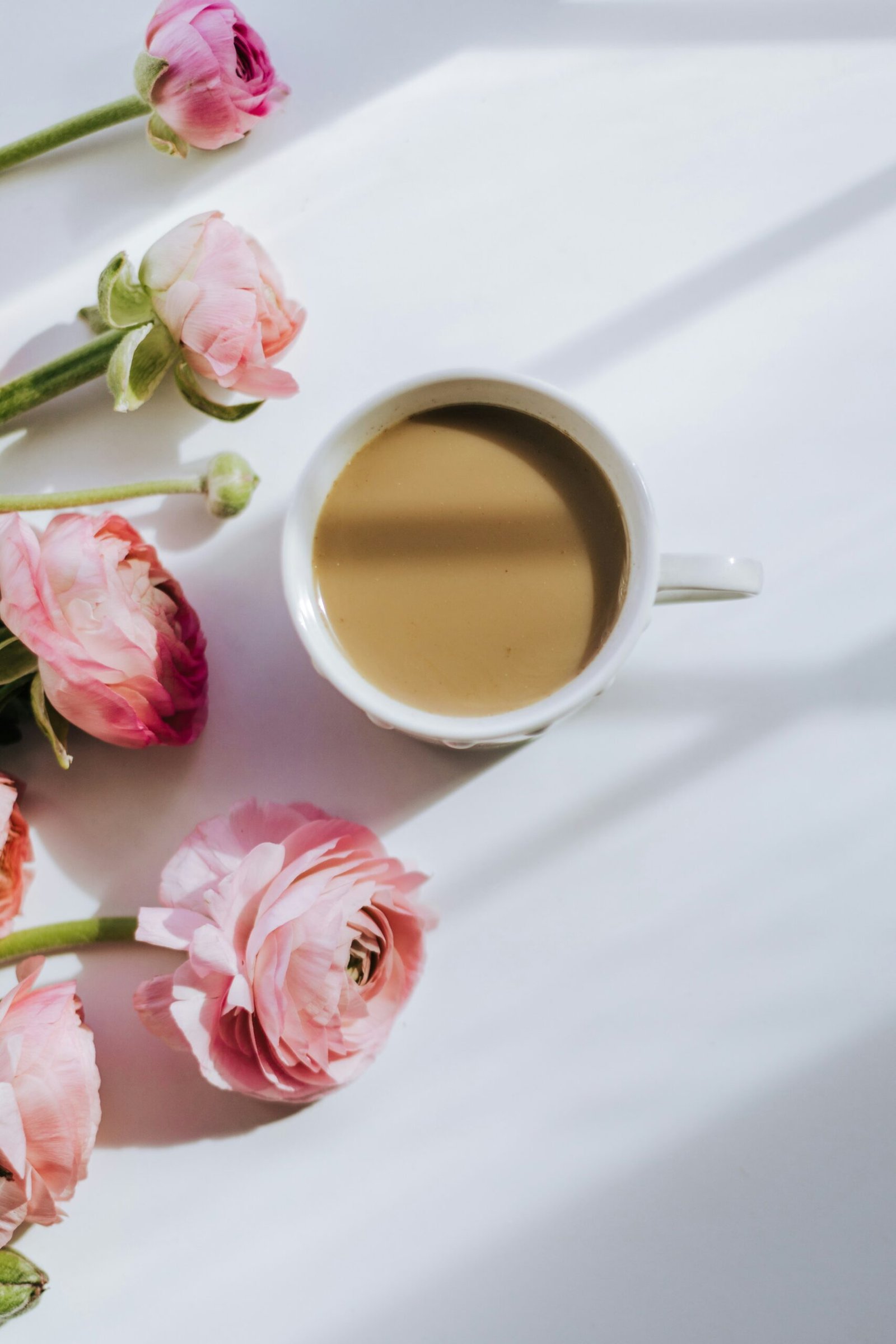
June eating is Mediterranean summer at its most varied — the table producing simultaneously the final spring vegetables (the last asparagus, the artichokes finishing their season) and the first summer arrivals (the first tomatoes warming on the vine, the courgettes and their flowers, the early peaches and apricots in the warmer areas).
Cooling foods deserve specific attention in June. The cucumbers, watermelon, mint, fresh coriander, and coconut water that the warming season specifically requires are not wellness marketing — they are foods with documented cooling properties traceable to their specific phytochemistry. Cucurbitacin in cucumber, lycopene and high water content in watermelon, the rosmarinic acid in mint that has specific anti-inflammatory properties: the June cooling table is nutritionally coherent rather than merely aesthetic.
The olive oil of the previous October harvest, now six to eight months old, is in June at the point in its storage life where the most volatile aromatic compounds have settled and the oil has reached the rounder, more integrated flavour that the most serious producers prefer for their own consumption. A June retreat kitchen that opened a bottle of well-stored single-estate olive oil from the previous autumn and uses it generously on the June salads, the steamed vegetables, and the bread is serving the ingredient at a specific point in its development that the October pressing and the December purchase both contribute to.
Fresh herbs in June — basil, mint, tarragon, chervil, and the wild herbs of the Mediterranean hillsides — are at their maximum aromatic oil content before the summer heat concentrates and then depletes the volatile compounds. A June kitchen garden provides more aromatic intensity per sprig than the same herbs in August or October, making the June retreat kitchen a specific seasonal opportunity for flavour that dried and processed herbs cannot approach.
Your email address will not be published. Required fields are marked *