
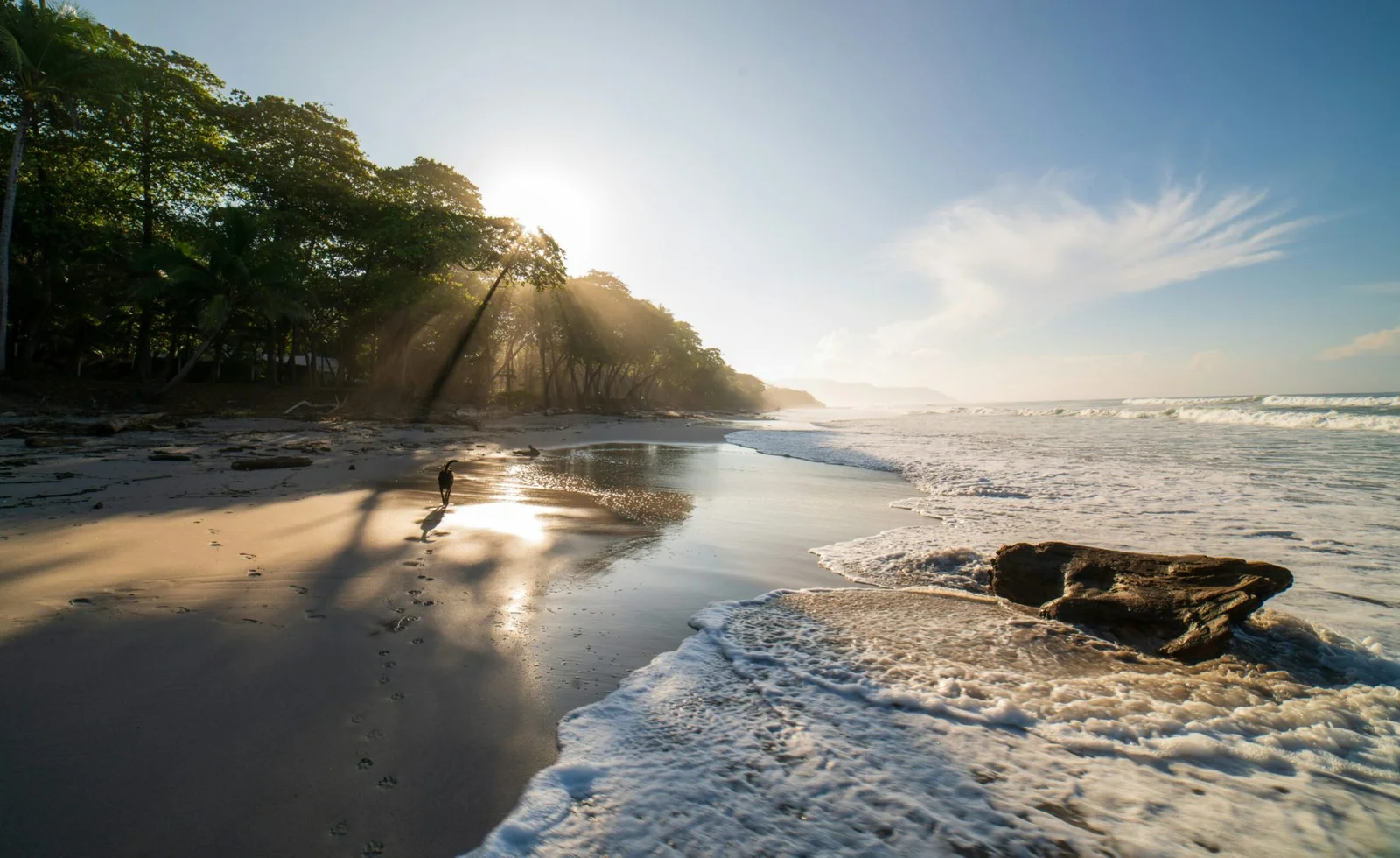
October in Costa Rica is the transition month — the Pacific coast in the final weeks of the wet season, the Caribbean coast in the driest and warmest of its October window, and the wildlife calendar marking the southern humpback whale season’s end alongside the final Tortuguero green turtle nesting. The prices are still at green season levels. And the early October period on the Pacific coast has the specific quality of a landscape about to transition — the forest at its deepest green, the waterfalls still powerful, and the dry season beginning to appear on the horizon.


October is the last month of the Pacific wet season — the rains easing progressively through the month, the afternoons beginning to clear by the last two weeks, and the retreat infrastructure preparing for the dry season return that November and December will bring. On the Caribbean coast, the September-November dry window is in October at its most reliable — the best Caribbean month of the year for outdoor activities, reef snorkelling, and the biological richness of the Atlantic side.
Browse our full yoga retreats in Costa Rica guide for the complete picture of what the country offers year-round. For the global context of October retreat travel, our yoga retreats in October guide covers every destination worth considering this month.

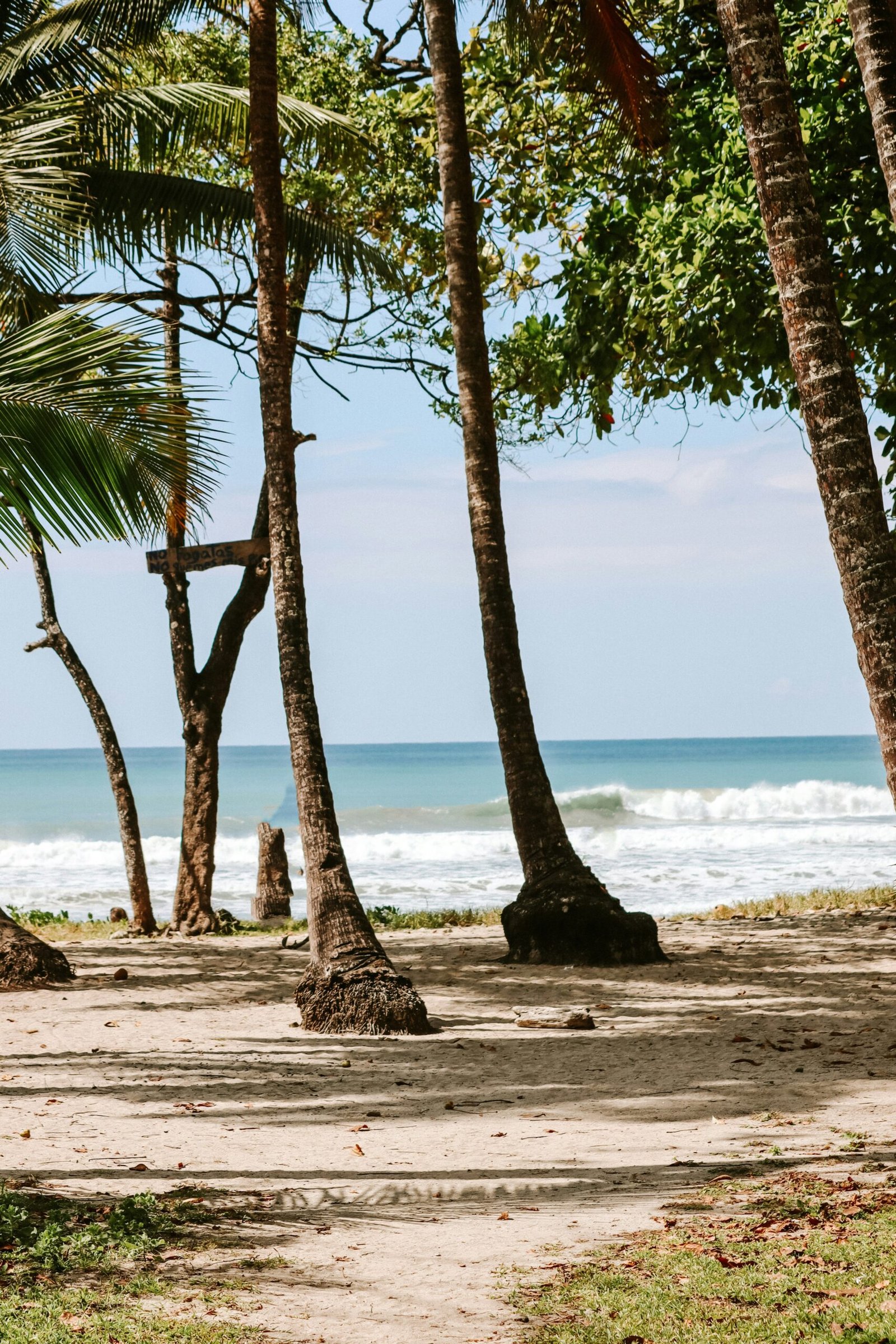
The Caribbean coast in October is at the peak of its September-November dry window — the driest and the sunniest of the Caribbean months, the trade winds producing the conditions that make the eastern coast of Costa Rica most accessible precisely when the Pacific is at its wettest. Puerto Viejo de Talamanca in October is the Caribbean destination at its most specific: the Cahuita coral reef most visible in the October trade-wind clarity, the Salsa Brava reef break producing the best Caribbean surf conditions of the year, and the Afro-Caribbean community culture at its most relaxed and most accessible.
The Manzanillo Wildlife Refuge south of Puerto Viejo — the most pristine of the Costa Rican Caribbean reef and coastal habitats, with the intact coral reef and the sea grass beds that the refuge’s protected status preserves — is in October at its clearest October conditions. The snorkelling along the Manzanillo reef is in October the most productive of any month — the sea clarity maximum, the water at 27-28°C, and the marine life in the October trade-wind conditions most visible from the surface.
The Nicoya Peninsula in the last two weeks of October is entering the early dry season — the afternoon rains diminishing, the morning conditions becoming more consistently clear, and the beaches beginning the transition from the green season’s vivid intensity to the dry season’s golden dryness. The October surf on the Nicoya is in the transition between the south swell (ending) and the northwest swell (beginning) — the surf variable but often producing good conditions as the two swell systems alternate.
Santa Teresa in October has the green season community at its fullest — the long-term residents who have been present through the wet season at their most locally rooted, the prices still at green season levels, and the infrastructure preparing for the November-December dry season return. The October Santa Teresa retreat has the quality of a community at the end of its quiet season: the teachers fully present, the programmes intimate, and the dry season energy building.
The Osa Peninsula in October is seeing the final weeks of the southern humpback whale season (ending October-November) and the final Tortuguero green turtle nesting of the season. The Drake Bay whale watching tours are in October producing the last southern hemisphere whale encounters of the year — the adults and calves preparing their southward migration back to Antarctic waters. The Drake Bay and Corcovado programmes in October have the specific quality of the season ending: the wildlife still present but the peak behind, and the retreat infrastructure operating in the transition between the wet season and the early dry season that November brings to the southern Pacific.
The Wilson Botanical Garden at Las Cruces in the southern highlands near the Panama border — the most extensive botanical collection in Central America, part of the Organisation for Tropical Studies research station network — is in October at the wet season biodiversity peak that the June-October rains produce. The 4,000 palm species (one of the largest palm collections in the world), the heliconia collection, and the primary forest trails through the adjacent Las Cruces forest reserve are in October most alive with the wet season bird and insect activity.
The Wilson Botanical Garden is specifically for the retreat guest with a serious interest in tropical botany — the plant diversity of the collection is extraordinary and the OTS research station naturalist guides who lead the morning walks have the scientific depth that the tourist-oriented natural guides of the main circuit destinations do not approach.
October 12th — Columbus Day in the US, Día de la Raza in Latin America — is observed in Costa Rica as a civic holiday that the country’s relationship with the colonial encounter makes complex and contested. The Costa Rican observation has evolved from a celebration of the Spanish arrival to a more nuanced acknowledgment of the multicultural heritage — the Día de las Culturas framing used by some Costa Rican institutions acknowledges the indigenous, Afro-Caribbean, and Asian contributions to Costa Rican identity alongside the European. For retreat guests, the October 12th holiday is relevant primarily as a day when some services operate on holiday schedules.
The Limon Carnival — the most important Afro-Caribbean cultural event in Costa Rica, held in the city of Puerto Limón on the Caribbean coast in the week around October 12th — is the largest street carnival in Central America with a Caribbean cultural character. The calypso and reggae music, the costume parades, and the specific Afro-Caribbean food culture of the Limón Carnival produce the most concentrated expression of the Caribbean Costa Rican identity available in any annual event. The retreat that incorporates the Limón Carnival as an evening or day excursion from a Puerto Viejo Caribbean retreat base is using October’s most specifically Caribbean cultural moment.
The southern hemisphere humpback whale population is in October preparing its southward migration back to Antarctic waters — the last individuals of the season present in the Costa Rican Pacific in October-November. The Drake Bay whale watching tours in October catch the final encounters of the season.
The Limón Carnival food stalls — the temporary market that the carnival produces on the streets around the Limón market centre — is in October the most concentrated expression of the Afro-Caribbean Costa Rican food culture. The jerk chicken in the Caribbean tradition (the spice paste of allspice, scotch bonnet, and thyme applied to the chicken and cooked over the charcoal grill), the rice and beans in the Caribbean version (the black-eyed peas cooked with the coconut milk and the thyme that distinguishes the Caribbean preparation from the Central Valley’s gallo pinto), and the festival bread (the fried sweet dough of the Jamaican tradition adapted to the Costa Rican Caribbean context) are the Limón Carnival food at its most festive and its most specifically Afro-Caribbean.
The late October Pacific coast market is beginning the transition from the wet season produce to the first early dry season arrivals — the papaya from the lowland plantations at their October abundance, the mamón chino (rambutan) from the Caribbean lowland orchards at their October harvest, and the pitaya (dragon fruit) from the Guanacaste farms at the end of its wet season production.
The Limón Carnival — the October week of Afro-Caribbean music, costume parades, and street food on the Caribbean coast — is the October Costa Rica cultural activity with no dry season equivalent. The calypso and reggae bands performing on the Limón seafront, the costume parade through the city centre, and the street food stalls of the Afro-Caribbean market tradition produce the most specifically Caribbean Costa Rican cultural experience available in any month.
The Manzanillo reef snorkelling — the October trade-wind conditions producing the clearest Caribbean water of the year — is the October Caribbean coast activity at its most productive. The intact coral reef of the Gandoca-Manzanillo Wildlife Refuge, the sea grass beds with the green sea turtles feeding (the post-nesting adults returning to their feeding grounds from Tortuguero in October), and the October trade-wind clarity producing the underwater visibility that the June-August green season suppresses make the October Manzanillo snorkel the most rewarding reef experience of the Caribbean year.
The Wilson Botanical Garden morning walk at Las Cruces — the 3-hour guided tour through the palm collection and the primary forest reserve with the OTS naturalist guide — is the October southern highlands retreat activity for the botanically curious. The October wet season is the peak of the garden’s biological activity: the palm fronds at their most vivid, the heliconia flowers most numerous, and the forest-edge bird diversity at the October transition between the wet season and the early dry season.
Your email address will not be published. Required fields are marked *