
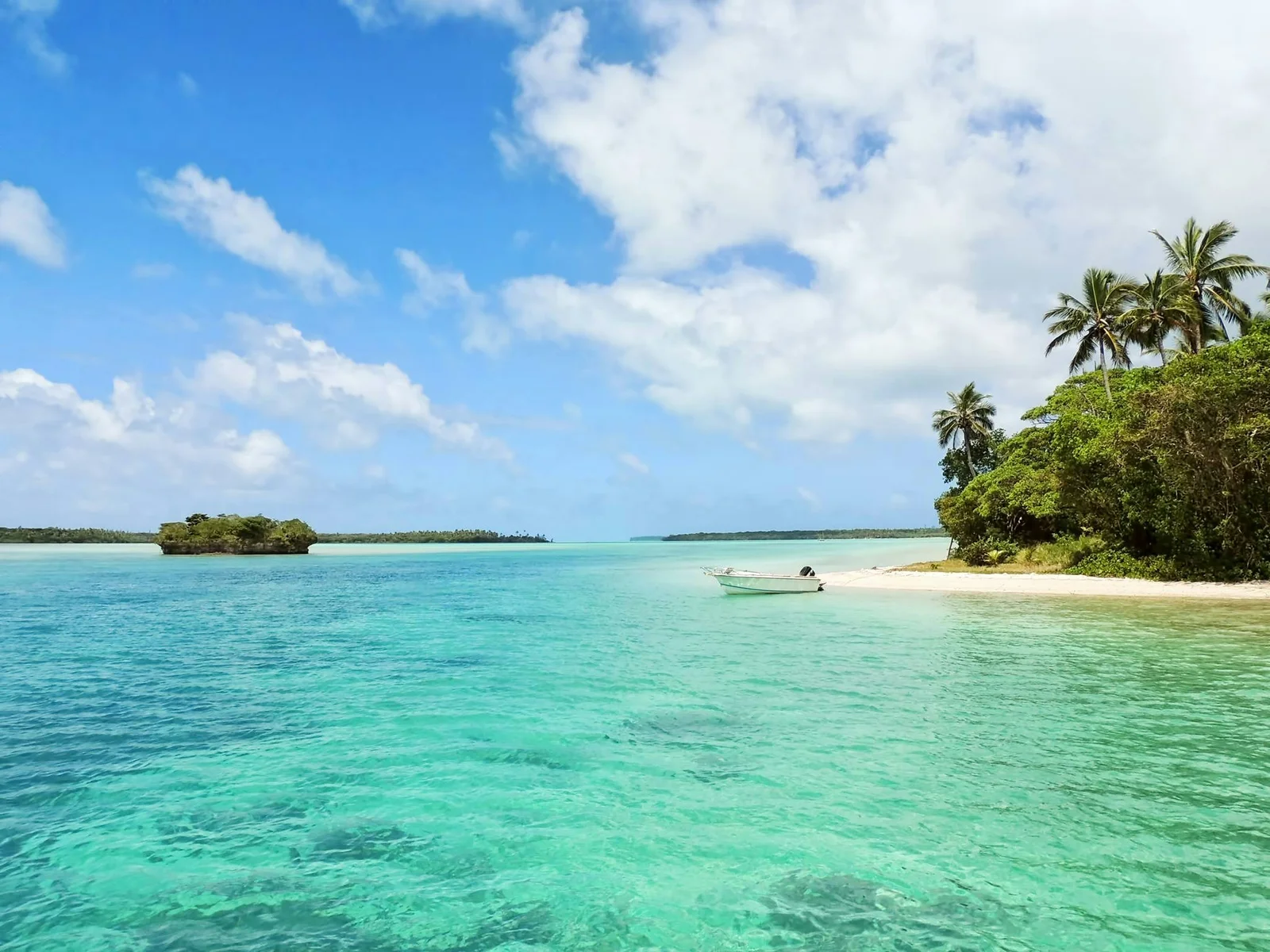
August in Costa Rica is the green season at its most intense — the rains at their heaviest, the waterfalls at maximum volume, and the wildlife calendar producing the olive ridley mass nesting at Ostional, the continuation of the southern humpback whale season, and the Tortuguero green turtle nesting still at high activity. The Pacific surf is at its annual peak from the south swell. A yoga retreat in Costa Rica in August uses the season fully or it doesn’t work.


August is the wettest month of the year on most of the Pacific coast and the period when the green season’s character is most concentrated. The retreat infrastructure is operating, the prices are still in the green season range, and the natural events are extraordinary. The olive ridley mass nesting at Ostional — one of the most dramatic wildlife spectacles in the Americas — reaches its August intensity. The Pacific surf at the south-swell breaks is at its annual maximum. And the forest is at its most alive, the biological activity responding to months of accumulated rain.
Browse our full yoga retreats in Costa Rica guide for the complete picture of what the country offers year-round. For the global context of August retreat travel, our yoga retreats in August guide covers every destination worth considering this month.

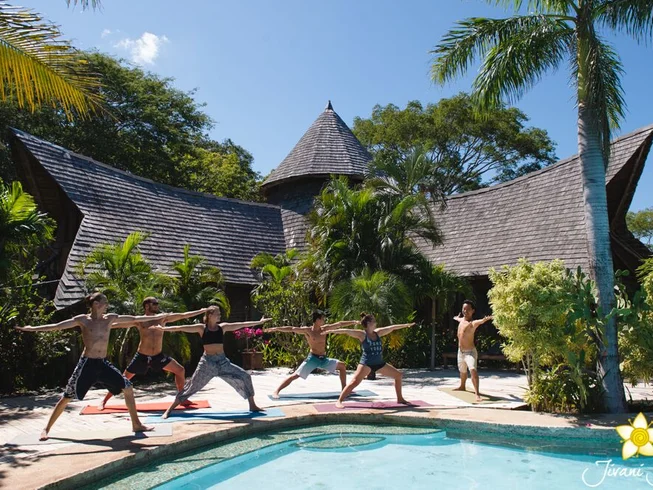
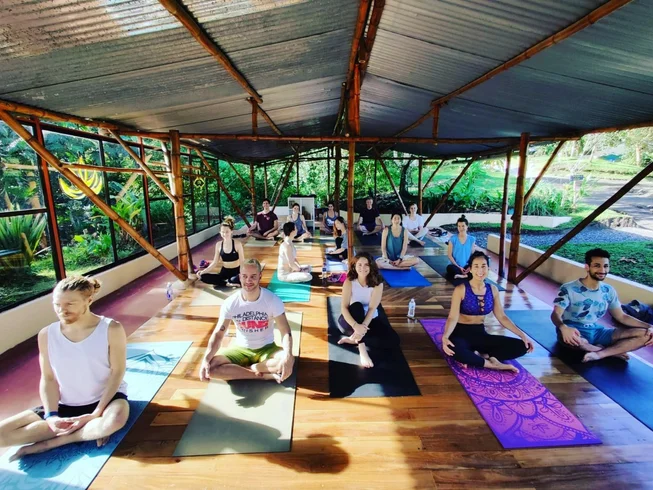
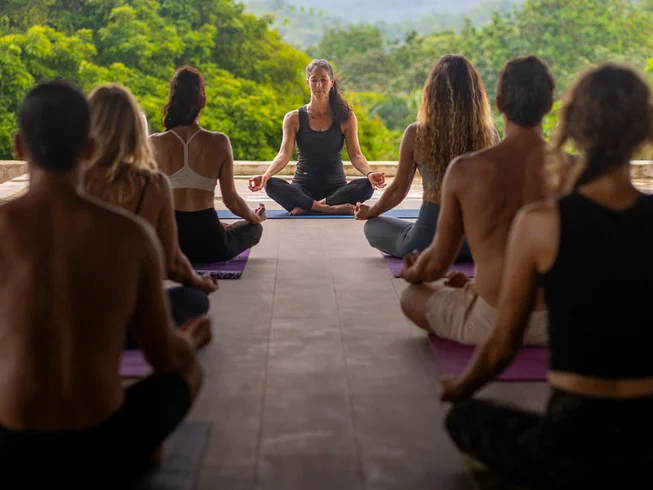
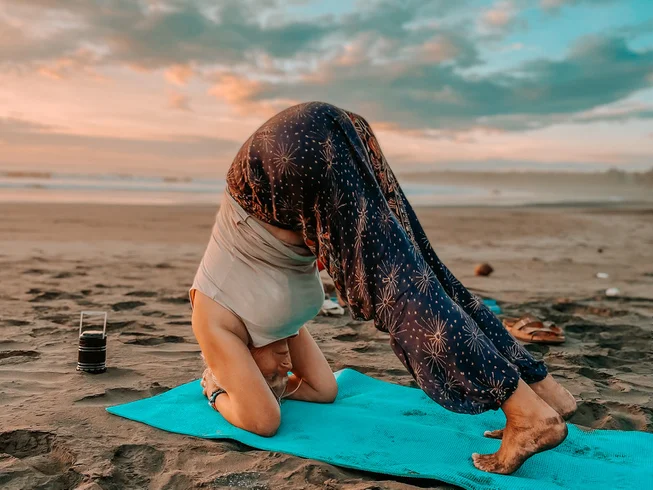
Nosara in August has the Ostional Wildlife Refuge 8 kilometres to the north at the peak of its olive ridley sea turtle mass nesting (arribada). The olive ridley arrivals at Ostional occur on a roughly monthly cycle at the new and full moon, and the August arrivals are among the most dramatic of the year — the beach covered with tens of thousands of simultaneously nesting turtles, the arriving females literally climbing over the departing females, the sheer biological intensity of the event producing what the wildlife biologists call the most dramatic animal behaviour spectacle in the Americas.
The Ostional community cooperative manages the access to the nesting beach and the sustainable harvest programme (the local community is permitted to harvest a portion of the eggs from the first days of the arrival, when the eggs would otherwise be destroyed by subsequent nesting females — a programme that provides community income while supporting overall conservation). The guided tours during the August arrivals — operated by the cooperative guides who understand the protocols — are the most responsible way to access the nesting beach.
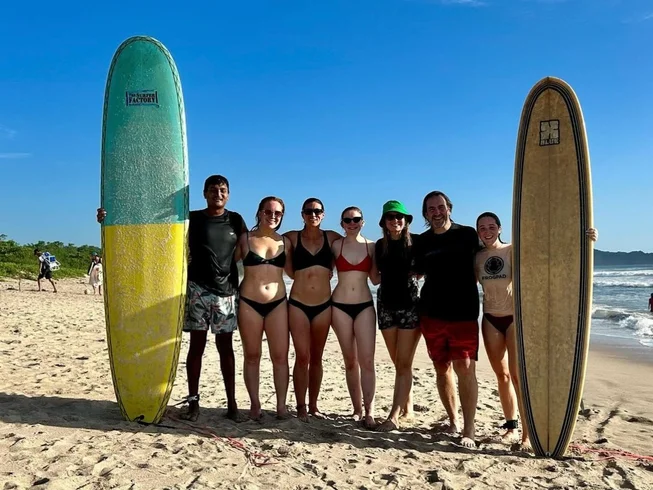
The Pacific coast surf breaks in August are at the annual south swell maximum — the swells generated in the Southern Ocean in July and August arriving at the Costa Rican Pacific coast with the maximum fetch and the maximum energy of the year. Playa Hermosa near Jacó (consistently rated one of the best beach breaks in Central America), Playa Naranjo in the Santa Rosa National Park (the most remote and the most powerful left-hand point break in Costa Rica, accessible only by boat or a 12-kilometre hiking trail), and the Ollie’s Point on the northern Nicoya (the right-hand point break north of Santa Rosa, named by the crew of the Iran-Contra affair supply plane that used the adjacent airstrip) are all in August producing the conditions that the surf community specifically comes for.
For retreat guests who surf at the intermediate to advanced level, August on the Pacific coast is the peak of the Costa Rican surfing year — the waves more powerful, more consistent, and more varied than any dry season month produces. The surf-and-yoga retreat format is most complete in August: the morning yoga preparing the body for the afternoon session, the evening restorative practice recovering it afterward.
Monteverde in August is at the deepest point of its cloud forest wet season — the mist thick and persistent, the epiphytes dripping, and the forest floor vibrating with the frog and insect activity that the accumulated rain months produce. The three-wattled bellbird — the most distinctive sound of the Monteverde cloud forest, the single metallic bonk call audible from hundreds of metres — is in August at its August calling activity, the males calling from the cloud forest emergent trees above the reserve.
The Monteverde Hummingbird Garden — the feeding station outside the Monteverde Reserve entrance where multiple hummingbird species are reliably visible at the sugar water feeders — is in August at its wet season species diversity: the green hermit, the purple-throated mountaingem, the coppery-headed emerald (endemic to Costa Rica), and the violet sabrewing (the largest hummingbird in Central America) all present at the feeders in the wet season.
Río Pacuare — the whitewater river in the Caribbean lowlands, consistently rated one of the top ten whitewater rivers in the world — is in August at its August green season flood stage, the most powerful water conditions of the year. The Class III-IV rapids of the Pacuare gorge — the Dos Montañas canyon section with the vertical walls of primary rainforest above the river — are in August at their full volume, and the multi-day rafting and retreat combination on the Pacuare (staying at the riverside lodges in the canyon) is the August Costa Rica adventure retreat that has no equivalent in terms of immersive rainforest access.
The Río Pacuare Lodge — the 20-acre rainforest reserve accessible only by the river or by aerial tram, with yoga and spa facilities alongside the whitewater rafting — is in August at its most specifically extraordinary: the river at flood stage, the canyon walls most vivid green, and the waterfall that drops into the river from the canyon wall above the lodge at its August maximum volume.
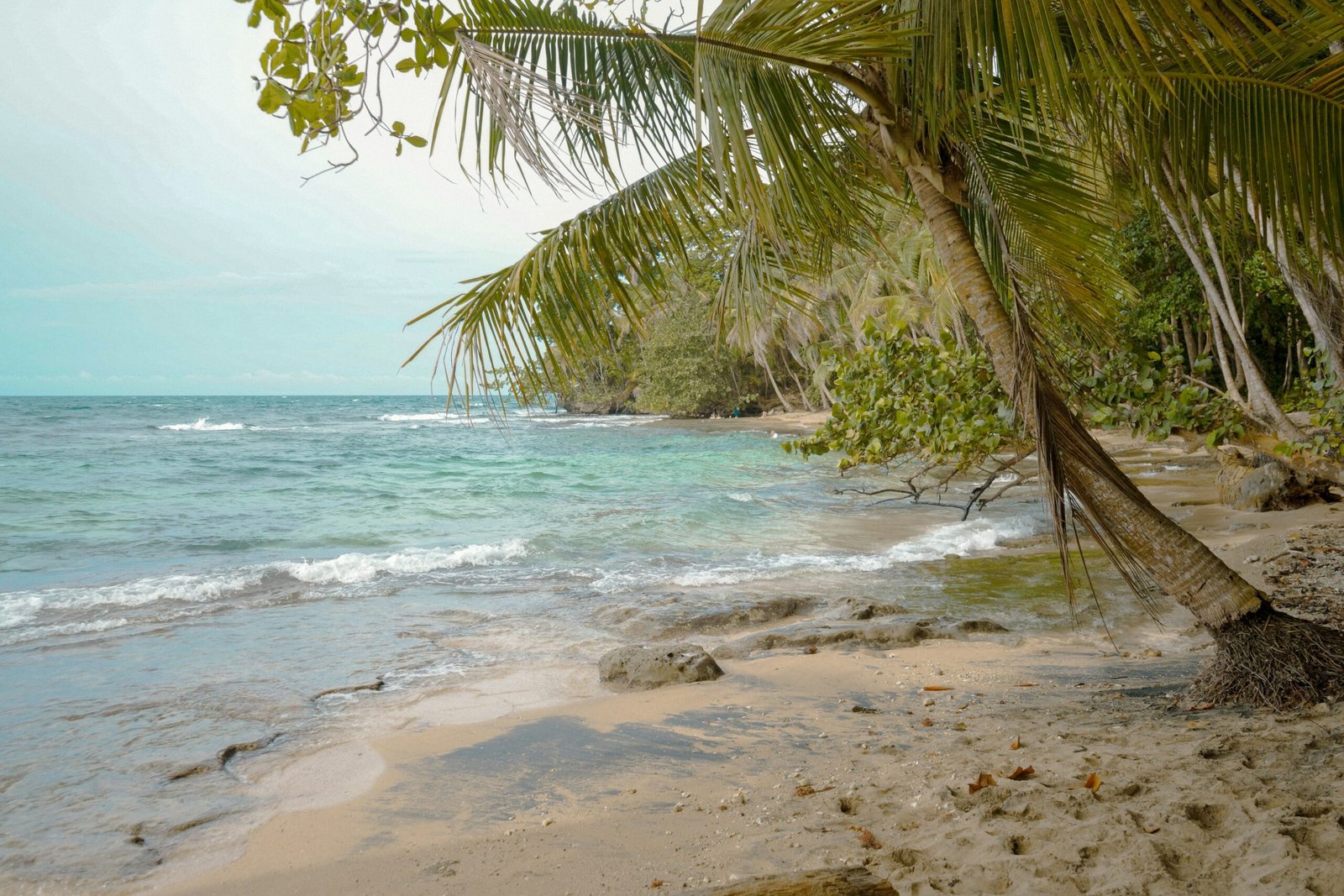
The mass nesting arrivals (arribadas) at Ostional occur approximately monthly — synchronized with the lunar cycle, the arrivals most intense in the 5-8 days following the quarter moon. The August arrivals are among the largest of the year, with some August events producing more than 200,000 individual turtles nesting on a single beach over a 3-5 day period. The exact timing of the arrival cannot be predicted with more than a few days’ notice, as it depends on the specific combination of lunar phase, water temperature, and wave conditions that triggers the synchronised arrival.
August 2nd — the feast of the Virgen de los Ángeles, the patron saint of Costa Rica — is the most important religious pilgrimage day in Costa Rica. The La Negrita — the small, dark stone figure of the Virgin discovered in a cave in Cartago in 1635 — is the object of the annual pilgrimage from San José to the Basilica of Our Lady of the Angels in Cartago, a journey of 22 kilometres that hundreds of thousands of Costa Ricans make on foot, many completing the walk barefoot. The overnight walking pilgrimage from San José on the night of August 1st-2nd is the most specifically Costa Rican religious-cultural event of the year — the entire stretch of the highway from San José to Cartago covered by pilgrims through the night, the cafeterias and refreshment points that the parish communities set up for the walkers, and the arrival at the Cartago basilica at dawn producing a collective human ritual that no other event in Costa Rica replicates.
Arroz con leche (rice pudding with cinnamon and vanilla, the Costa Rican version thicker and denser than the European equivalent, made with the full-fat cow’s milk of the highland dairy farms) is the August green season comfort dish at the highland sodas and the retreat kitchens that source from the local dairy. The August rains and the cooler highland evenings make the rice pudding specifically appropriate in a way that the January dry season does not — the warm sweet dish after the wet evening practice is the August highland comfort food.
Chiverre (the malabar gourd, Cucurbita ficifolia) — the large, striped squash with white flesh used in the Costa Rican dulce de chiverre (the candied squash preserve of Holy Week tradition, but also available through the green season) and in the empanadas de chiverre — is in August available at the highland markets in its wet season abundance. The empanada de chiverre — the corn masa pastry filled with the candied squash paste — is the specific Costa Rican pastry that no other country produces, and the August market stall version, still warm from the comal, is the empanada at its most immediate.
The arrival night at Ostional — when the advance olive ridley scouts appear at the beach edge in the afternoon, the first wave of the mass arrival following after dark, and the beach surface in the morning covered with the tracks of tens of thousands of individual turtles — is the August Costa Rica wildlife event that has no equivalent in scale or intensity anywhere else in the Americas. The cooperative guide tours during the arrival provide access to the nesting beach in the early stages of the arrival — before the density makes close approach impossible — and the experience of standing on a beach where the arriving turtles are literally arriving in waves from the surf is the most concentrated single wildlife event available in Costa Rica.
The multi-day Pacuare rafting and retreat — two or three days on the river at the Pacuare Lodge, with morning yoga on the riverside platform, afternoon whitewater rapids through the canyon, and evenings in the rainforest — is the August adventure retreat format that uses the flood stage river conditions to produce the most powerful rafting of the year. The August Pacuare is for those who want the river at its most dynamic rather than its most manageable — the Class IV rapids at full August water level require the guide team’s expertise and the participant’s willingness to commit to the water.
The overnight pilgrimage walk from San José to Cartago on the night of August 1st-2nd — participating in the most specifically Costa Rican religious cultural event of the year, walking through the night on the highway with hundreds of thousands of fellow pilgrims — is the August retreat activity that no advance booking can create and that the retreat context makes most fully meaningful. The physical experience of the 22-kilometre overnight walk, the community of the pilgrims sharing the road, and the arrival at the Cartago basilica as the August dawn breaks is the most specifically Costa Rican of any activity available in any month.
Your email address will not be published. Required fields are marked *