
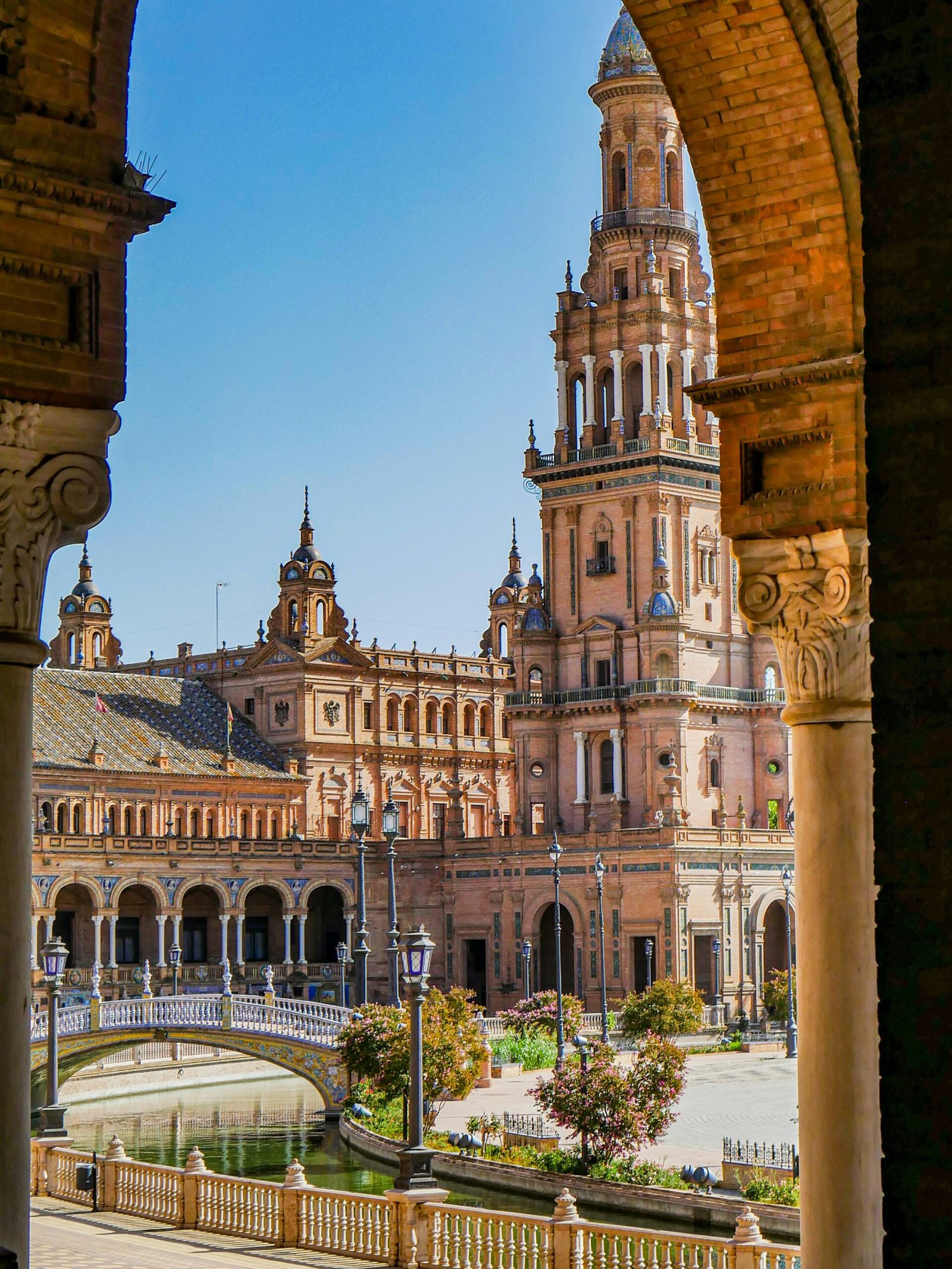
November in Spain is for those who prioritise quality over convenience. The popular destinations have emptied. Prices are at their autumn low. The Canary Islands are doing their winter thing — warm, uncrowded, fully operational. Andalusia has its best light of the year. And the country in November has a honesty about it that peak season never allows.


November is the quietest month of the Spanish retreat calendar outside of February. The October visitors have gone, the Christmas crowd has not yet arrived, and the retreat infrastructure is running for those who specifically chose this month. The Canary Islands are warm. The Andalusian coast is mild. The northern mushroom season is finishing. Our full Spain yoga retreats guide covers every region.
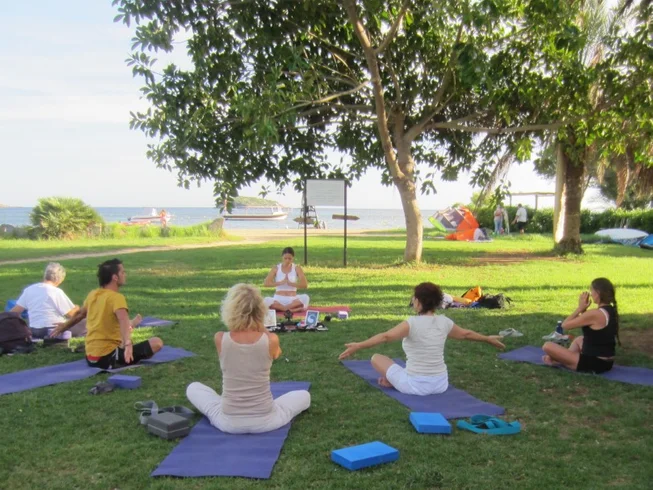
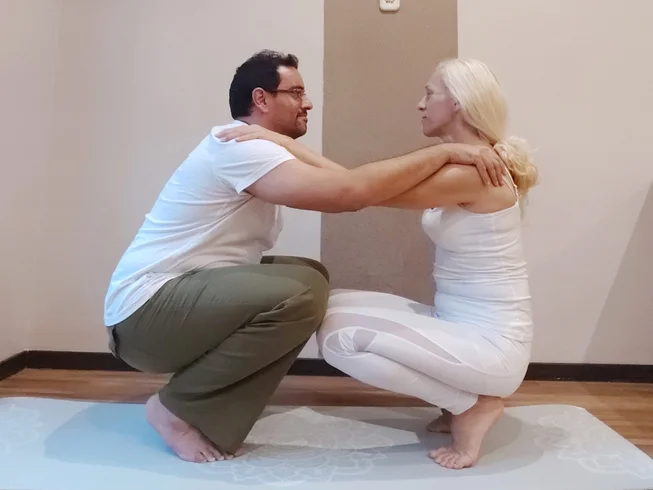

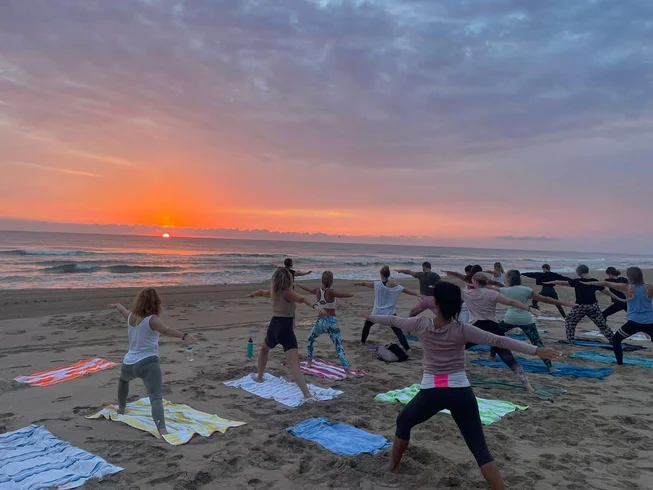
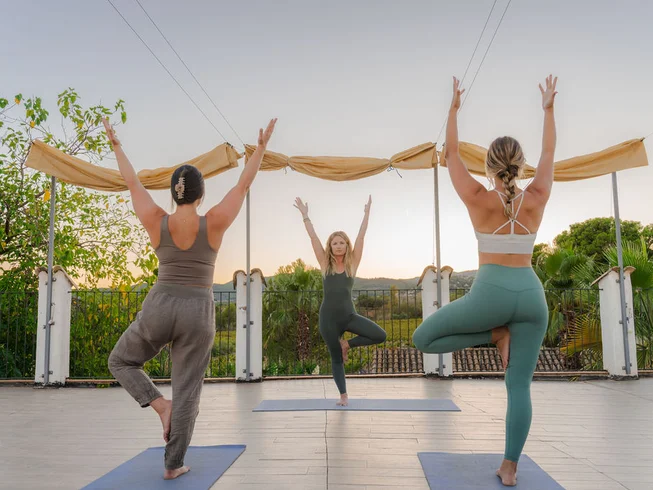
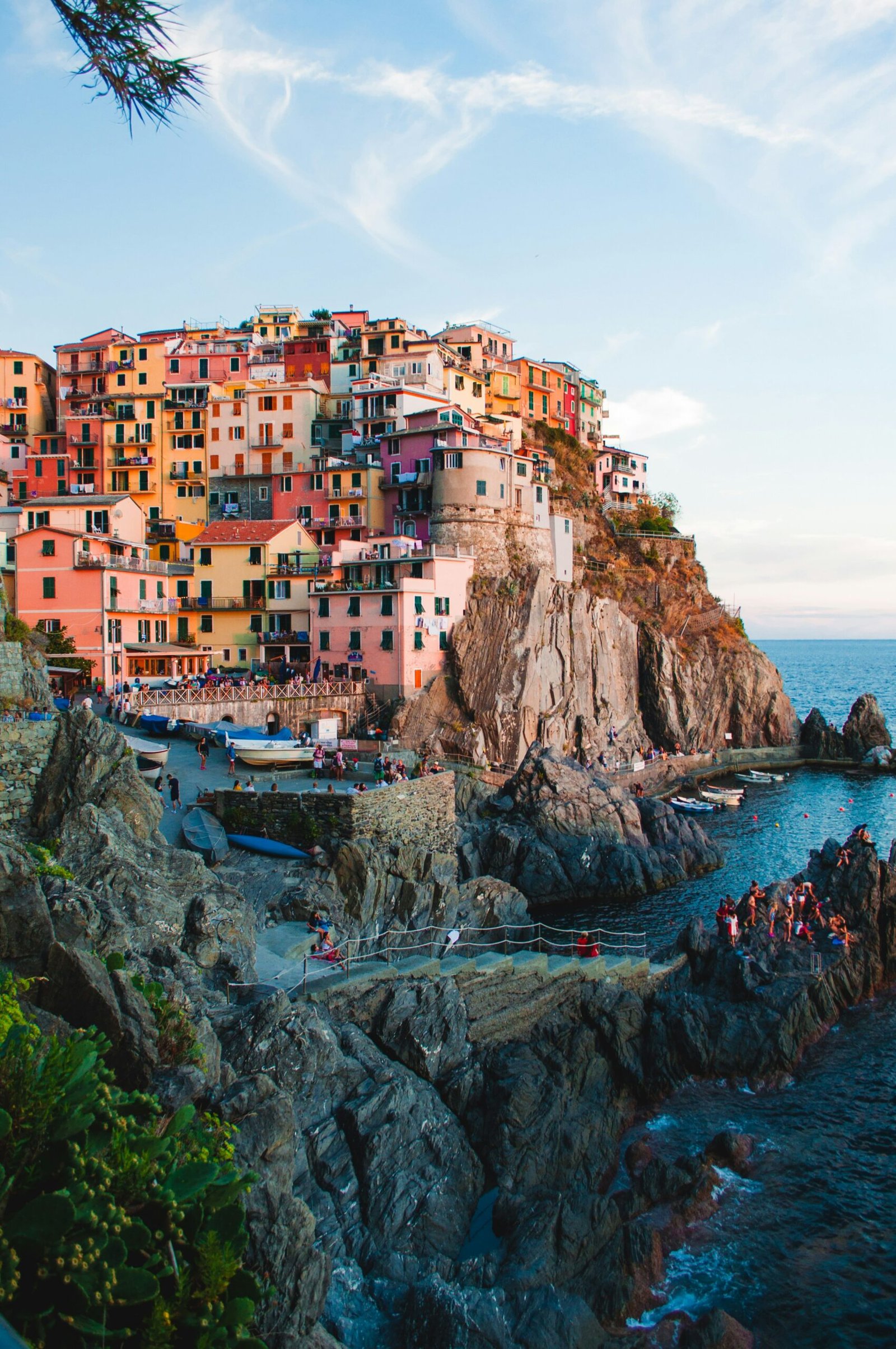
The Canary Islands in November are the most sensible warm-weather retreat option in Europe at this time of year. Tenerife and Gran Canaria sit at 22-24°C — warmer than the Algarve in November, warmer than the Costa del Sol, and with the outdoor practice conditions that the mainland cannot offer in November.
Tenerife in November has a specific quality: the island is transitioning from its October animation to the quieter winter mode, and the retreat programmes running in November are the most focused of the year. The Teide National Park — the volcanic caldera at 2,300 metres, with the 3,715-metre peak above — is fully accessible in November, and the combination of coastal yoga practice and afternoon hikes through the lunar landscape of the caldera produces a retreat week that the island’s summer character cannot replicate.
Gran Canaria in November has the inland walking routes at their most comfortable — the Roque Nublo massif, the Tejeda caldera, and the Tamadaba pine forest are at 20-22°C in November, warm enough for all-day hiking without the summer heat that makes the same trails demanding in August.
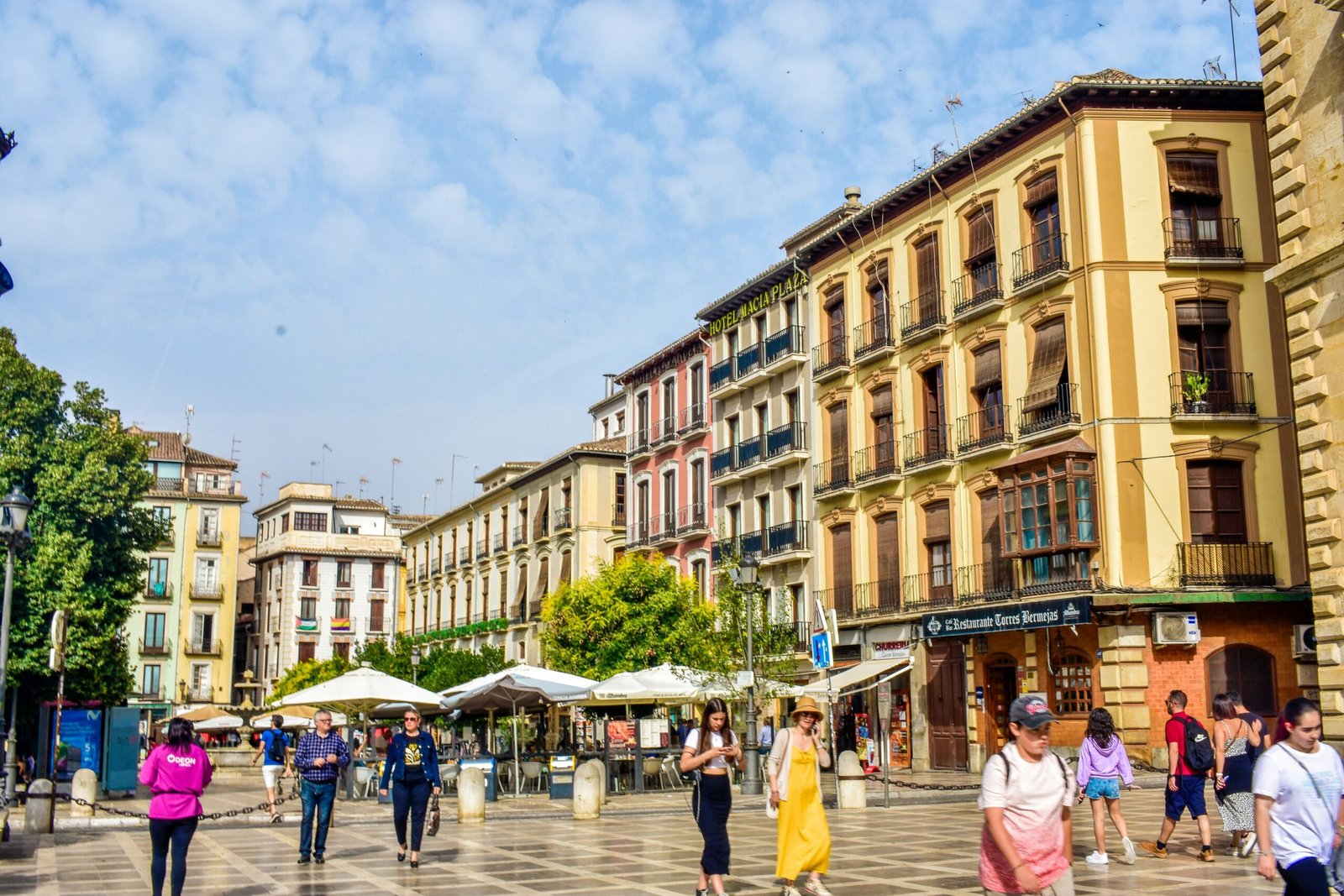
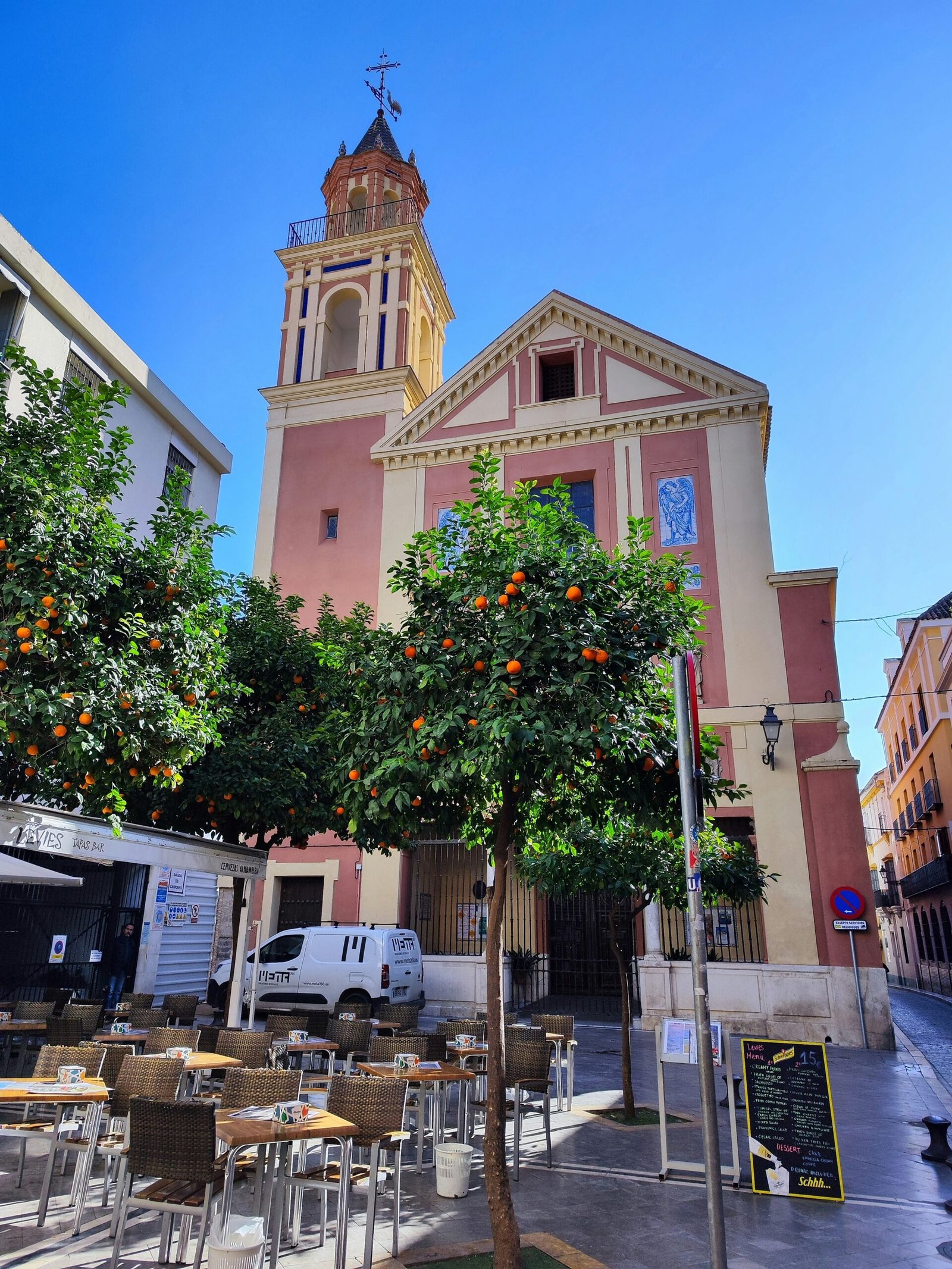
Málaga in November is one of Spain’s most underrated winter destinations. The city sits on the Mediterranean at 18-20°C in November — the warmest mainland Spanish city in winter — with a food culture that has improved dramatically over the past decade and a historic centre that is genuinely worth exploring without the summer crowds.
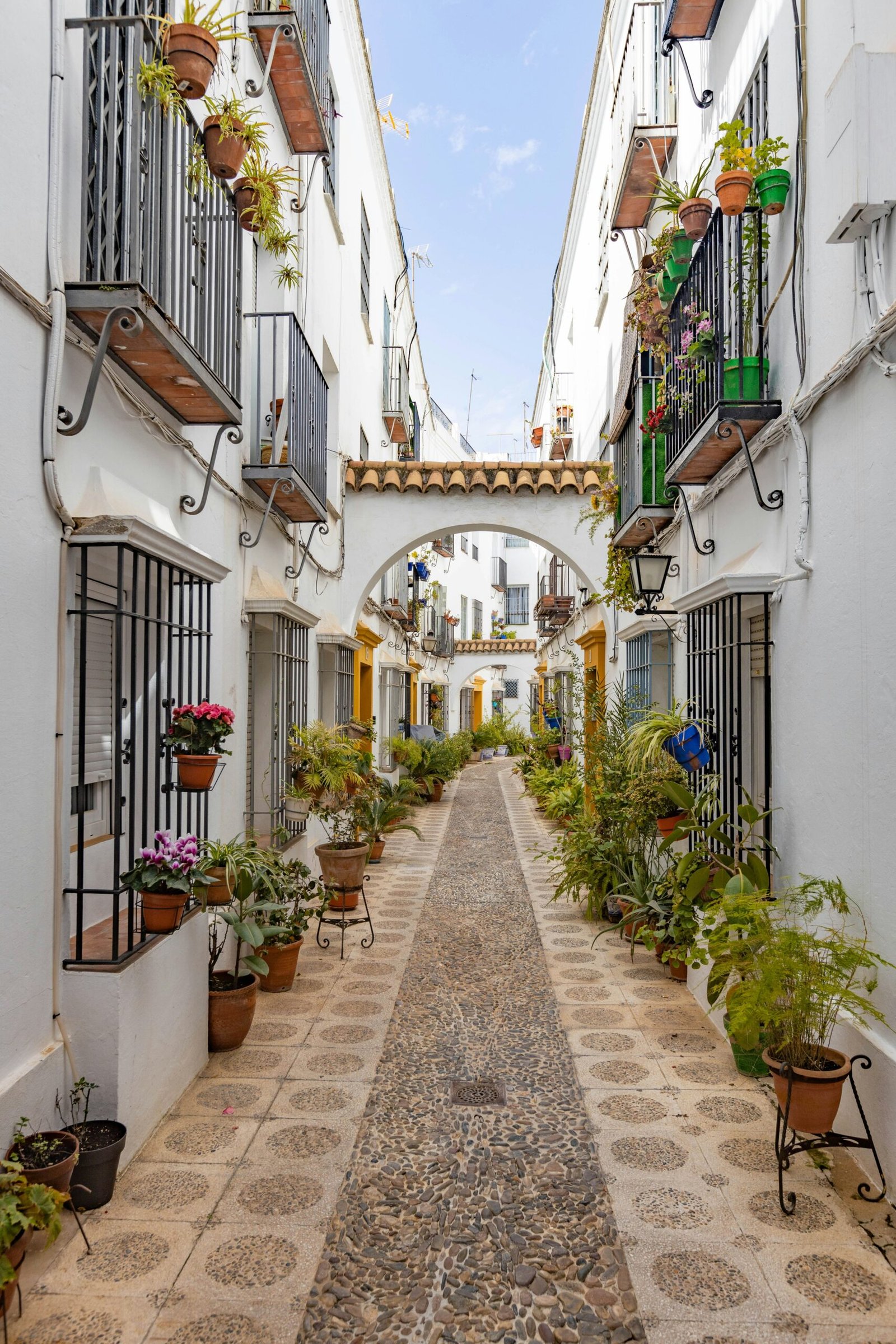
The Axarquía — the mountainous interior east of Málaga, a landscape of white villages, subtropical fruit orchards, and Moorish irrigation channels — is in November at its most atmospheric. The avocado and subtropical fruit harvest running through October and November produces a landscape of fruit-heavy trees against the mountain backdrop, and the villages of Frigiliana, Nerja, and Cómpeta are accessible in November without any tourist infrastructure competing with their actual character.
Retreat programmes in the Málaga and Axarquía area in November combine morning yoga in the coastal warmth with afternoon excursions into the mountain interior. Our yoga retreats in Andalusia guide covers the broader Andalusian context. — the raisin vineyards of the Axarquía, the subtropical orchards, and the Moorish water channels (acequias) that irrigate the mountain terraces using a system unchanged since the eighth century.
Navarra in November is the mushroom season at its final peak before the first mountain snows close the higher forest floors. The oak and beech forests of the Selva de Irati — one of the largest beech and fir forests in Europe, on the Navarran side of the Pyrenees — produce boletus, rebozuelos, and trompetas de la muerte through November, and the villages of Ochagavía and Roncesvalles (the starting point of the Camino Francés) are in November quiet, forested, and specifically worth visiting.
Pamplona in November has none of the Sanfermines energy of July — it is a compact Navarran city going about its business, the old city walkable in an hour, the pintxos bars serving the local population. The combination of a Navarra retreat base with day excursions to the Selva de Irati for mushroom walks and evenings at Pamplona pintxos bars makes a specifically autumnal programme that has no equivalent elsewhere in Spain.
The Costa de la Luz in November is the Atlantic Andalusian coast at its most wild and most empty. The beaches between Tarifa and the Portuguese border — Bolonia, Zahara de los Atunes, Los Caños de Meca, El Palmar — are enormous, backed by dunes or pine forest, and in November have none of the summer wind-sport crowd that the Tarifa area specifically attracts.
Vejer de la Frontera — the white hilltop village above the Costa de la Luz, 45 minutes from Cádiz — is in November the retreat destination that food-conscious travellers specifically come for. The village has developed a small but serious food scene built around the local tuna, the Retinto beef (a PDO cattle breed specific to this area), and the atún de almadraba (the bluefin tuna caught using the ancient almadraba trap system in the straits between April and June, then preserved for the rest of the year). Retreat programmes in the Vejer area in November combine yoga with cooking workshops using these ingredients and coastal walks on the empty November beaches.
November is the final month of the wild mushroom season before the first mountain frosts end it. The rovellons (saffron milk caps) from the Catalan pine forests, the boletus from the Pyrenean beech woods, and the trompetas de la muerte (black trumpets) from the Basque and Navarran forests are all at their November peak before the cold closes the season. At a restaurant in Navarra or the Empordà in November, the mushroom dishes on the menu reflect what was collected that week, which is the correct way for seasonal cooking to work.
The preserved almadraba bluefin tuna from the spring catch is now at the point in its curing where it is at maximum flavour. The mojama (salt-cured tuna loin, sliced thin) and the huevas de atún (cured tuna roe) from the Barbate and Zahara de los Atunes producers are the November products of the almadraba tradition — eaten as tapas with olive oil and almonds, or as part of the increasingly sophisticated tuna cuisine that Cádiz province has built around this ingredient.
Miel de caña — sugarcane molasses from the subtropical coast between Málaga and Granada (the only sugarcane growing region in Europe) — is a November product harvested at the end of the subtropical crop season. Thick, dark, and intensely sweet, used in the traditional Andalusian sweets of the region and drizzled over fresh cheese at breakfast. Finding it at a market in Frigiliana or Nerja in November, bought directly from the producer, is one of those specifically regional food experiences that requires being in the right place at the right time of year.
November is the beginning of cocido season across the Spanish interior — the slow-cooked chickpea and meat stew that requires a cold day to appreciate fully, which November provides. At the traditional restaurants of Madrid, Ávila, and Segovia that have been serving cocido since the nineteenth century, ordering it in November is the correct seasonal decision. The same applies to fabada asturiana in Asturias — the white bean and chorizo stew that is the Asturian winter dish — now appearing on menus as the temperature justifies it.
November 1st (All Saints’ Day) is a national holiday in Spain, celebrated by visiting cemeteries and eating the traditional buñuelos de viento (airy fried pastries dusted with sugar) and huesos de santo (marzipan cylinders filled with egg yolk cream). The combination of the All Saints food culture and the mushroom season in the first week of November makes this a specifically autumnal moment in the Spanish culinary calendar.
One of Spain’s oldest jazz festivals, running through November in Madrid’s teatro venues. International and Spanish artists, a mix of ticketed and free performances, and the specific atmosphere of a cultural city finding its winter indoor rhythm after the summer outdoor season.
The Ibero-American Film Festival in Huelva — one of Spain’s oldest film festivals, focused on Latin American and Iberian cinema — runs over ten days in November. For retreat guests based in Andalusia, a day trip to Huelva during the festival adds a cultural dimension to the retreat week.
November programming is the most inward-facing of the autumn. The outdoor practice that September and October offered continues in the Canary Islands and on the Andalusian coast, but in Navarra and the north the shorter days and cooler temperatures shift the balance toward indoor sessions, evening restorative practice, and the hammam that cold evenings make genuinely useful rather than optional.
The mushroom excursion in Navarra or the Catalan forests is the November programming event with no equivalent in any other month. Retreat centres that build a guided mushroom forage into their November week — a morning in the forest with someone who knows which species are edible and where they grow — are offering an experience that connects participants to the landscape in the most literal way possible.
The cooking workshop takes on a specific character in November. Learning to prepare the mushrooms collected that morning, or to make the preserved tuna dishes of the Cádiz coast, or to cook the subtropical fruit of the Axarquía into the confections that the region produces — these are November cooking sessions that could not happen in any other month and that produce the kind of food that tastes specifically of where it was made.
Is November a good month for a yoga retreat in Spain? For those who value quiet, low prices, and seasonal specificity, yes. The Canary Islands are warm and fully operational. Andalusia and the Mediterranean coast are mild. The mushroom season and the atún de almadraba tradition are specifically of this month. The retreat infrastructure is at its most available and most affordable.
Which part of Spain is warmest in November? The Canary Islands at 22-24°C year-round. On the mainland, Málaga at 16-20°C is the warmest coastal city. The Costa de la Luz is similarly mild but windier. The interior drops to 8-14°C.
Is the Axarquía region near Málaga worth visiting specifically in November? Yes. The subtropical fruit harvest, the Moorish villages without tourists, the avocado and mango orchards, and the retreat programmes that use the local food culture make the Axarquía in November specifically rewarding. It requires going slightly off the main Málaga tourist circuit, which is precisely the point.
What if I want to extend into December? December splits between the quiet early month that resembles November, and the Christmas-New Year period that brings Spain’s second-busiest travel period. See our yoga retreats in Spain in December guide for what changes.
Your email address will not be published. Required fields are marked *