
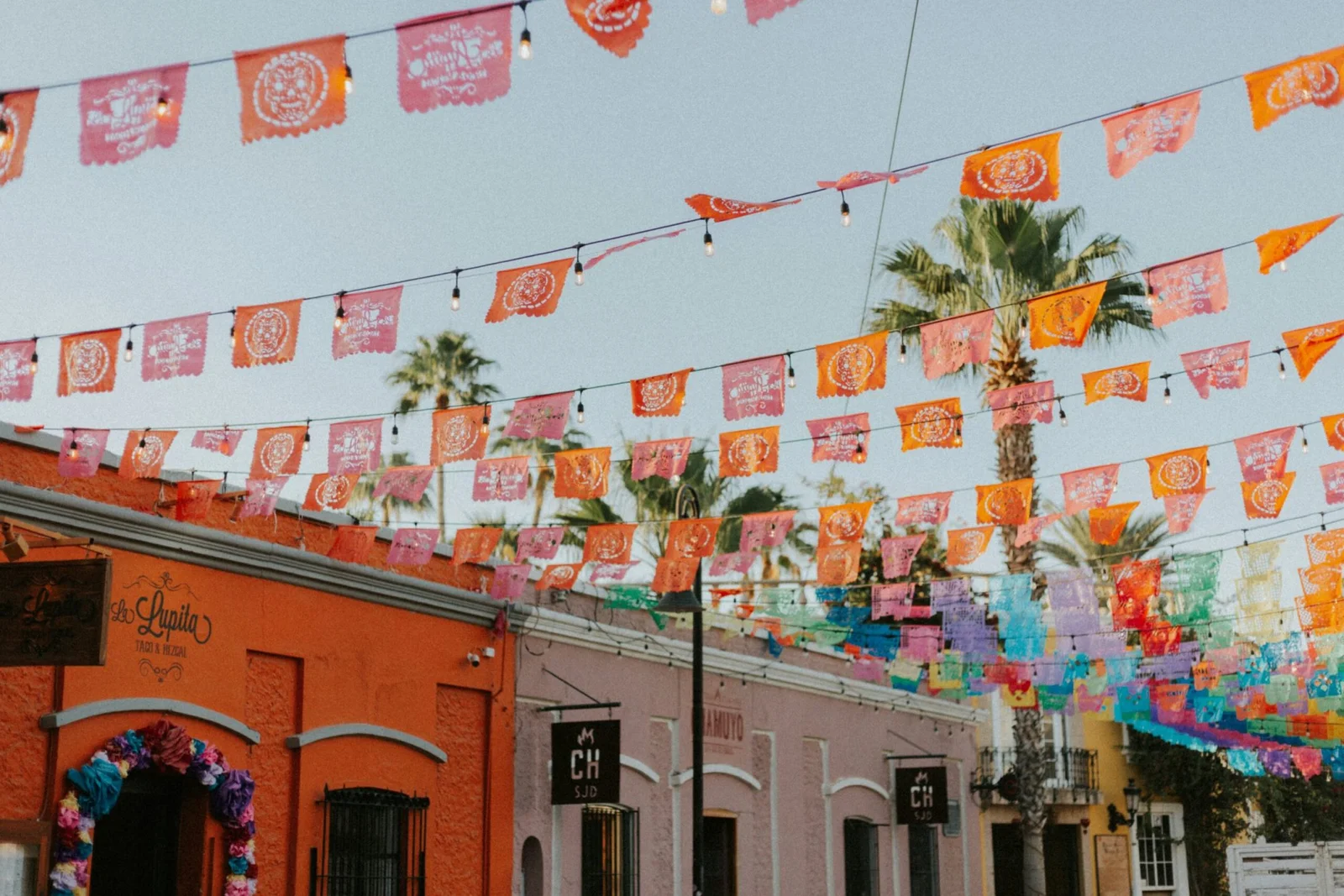
February in Mexico is the month of Candelaria, Carnival, and the peak of the gray whale season in Baja. The dry season continues across the Pacific coast and the Yucatán. The highland cities are at their coolest and most culturally specific. And the retreat infrastructure across the country is at full capacity before the spring break crowds of March arrive. A yoga retreat in Mexico in February rewards those who plan around the month’s specific character rather than treating it as a generic winter escape.


February is the last truly quiet month before spring break transforms Mexico’s most popular retreat destinations. The Pacific coast, the Yucatán, and the highland cities are all fully operational in the dry season, and the cultural calendar — Candelaria on the 2nd, Carnival in Veracruz and Mérida, Valentine’s Day — gives February a festive dimension that January lacks. The whale watching in Baja reaches its annual peak. And the retreat centres across the country are running their most focused programmes before the March influx.
Browse our full yoga retreats in Mexico guide for the complete picture of what the country offers year-round. For the global context of February retreat travel, our yoga retreats in February guide covers every destination worth considering this month.

Mérida — the colonial capital of the Yucatán, the largest city on the peninsula and one of the most culturally specific in Mexico — is in February at its most animated of the cool dry season. The Carnival of Mérida (one of the oldest in Mexico, running for a week before Ash Wednesday) transforms the city with parades, music, and the specific Yucatecan Carnival culture that combines the Spanish tradition with the Maya community’s own festive forms. The Paseo Montejo — the wide boulevard lined with the Beaux-Arts mansions of the Henequen-era hacienda owners — is in February the Carnival parade route, the floats and the comparsas (dance troupes) processing past the 19th-century architecture under the February night sky.
Beyond Carnival, Mérida in February is the base for the Ruta Puuc archaeological circuit — the cluster of late Classic Maya sites (Uxmal, Kabah, Sayil, Labná, Xlapak) in the low hills south of the city that the dry season makes most accessible. The Uxmal archaeological zone — the largest and most architecturally refined of the Puuc Maya cities, with the Pyramid of the Magician and the Governor’s Palace as its centrepieces — is in February accessible without the summer heat and tourist density that makes the site genuinely difficult in July and August.
The hammock culture of Mérida — the city produces the finest hand-woven hammocks in Mexico, the traditional sleeping furniture of the Yucatán that the Maya heritage and the colonial cotton trade produced together — is at its most accessible at the workshops of the Barrio de Santiago and the Mercado Lucas de Gálvez in February. A retreat that incorporates a hammock workshop visit as a cultural afternoon is using the specifically Meridano craft tradition.
Baja California Sur in February is at the absolute peak of the gray whale season — the San Ignacio Lagoon and the Laguna Ojo de Liebre (Scammon’s Lagoon) hosting the largest concentration of gray whales in the world as the mothers nurse their January-born calves before the March migration north begins. The gray whale calves in February are 4-6 weeks old — active enough to approach the observation pangas, curious enough to surface within touching distance, and still young enough that the mothers are protective and present alongside them. The whale watchers’ accounts of physical contact with the calves — a gray whale calf’s rostrum against a human palm is reported by those who experience it as unlike any other wildlife encounter — are most frequently from February.
The Todos Santos on the Pacific coast of Baja — the arts town at the base of the Sierra de la Laguna mountains, 70 kilometres north of Cabo San Lucas — is in February at its most culturally specific. The Hotel California (the building that the Eagle’s song may or may not reference — the claim is contested), the Todos Santos Film Festival that runs in the first week of February, and the gallery and studio culture of the town’s arts community make it the most specifically culturally interesting of the Baja Peninsula destinations for a retreat week.
The Riviera Maya — the coastal strip from Playa del Carmen to Tulum — is in February in the middle of its dry season with the Caribbean at 26-27°C and the northeast trade winds producing the conditions that the kitesurfers at Playa del Carmen’s Punta Brava come specifically for. The Great Mesoamerican Reef — the second-largest barrier reef system in the world, running along the full length of the Riviera Maya coast — is in February producing its best diving and snorkelling conditions of the year: visibility of 30-40 metres at the offshore sites, the whale sharks beginning their seasonal aggregation at Isla Mujeres from February through September.
Playa del Carmen in February has the ferry connections to Cozumel — the island 18 kilometres offshore with the most developed dive infrastructure on the Caribbean coast — running at full capacity. The Palancar Reef and the Santa Rosa Wall on Cozumel’s western side are in February at their peak conditions: the current producing the drift dives that make Cozumel specifically known, the visibility in the clear Caribbean water making the coral formations visible from the surface above.
Guanajuato — the colonial mining city in the central Mexican highlands, a UNESCO World Heritage Site, and one of the most architecturally extraordinary cities in Mexico — is in February at its best: the temperature at 18-22°C, the city’s famous callejones (the narrow alleyways connecting the hills above the main streets) in the dry season clarity, and the Festival Internacional Cervantino not yet in season (it runs in October) but the cultural infrastructure of the city at full operation.
The retreat centres in Guanajuato and the surrounding Bajío agricultural region are small and locally specific — the converted haciendas with their courtyard practice spaces and the hillside guesthouses above the city’s teatro district. February in Guanajuato has the Alley of the Kiss (Callejón del Beso — the narrowest alleyway in the city, where the balconies of the opposing houses almost touch) at its quietest without the Day of the Dead crowds of November, and the Mercado Hidalgo at the full operation of the dry season market.
The Guanajuato mummy museum (the Museo de las Momias) — the preserved naturally mummified bodies of Guanajuato residents from the 19th century, displayed in the museum above the city’s old cemetery — is one of those specifically Mexican engagements with death that the yoga tradition’s practice of awareness of impermanence makes specifically resonant. A retreat that incorporates a mummy museum visit as a contemplative exercise in impermanence is using Guanajuato’s most specific cultural offering in its most yoga-appropriate context.

Día de la Candelaria — the Feast of the Purification, February 2nd — is one of the most deeply rooted festivals in the Mexican Catholic and indigenous calendar. The person who found the baby Jesus figure in the rosca de reyes on January 6th is obligated to provide the tamales and atole for the Candelaria celebration — the custom linking the two festivals in a chain of communal obligation that runs through the January-February social calendar. At the local level, Candelaria is the feast of the blessing of the seeds — the agricultural dimension of the festival connects it to the pre-Columbian planting calendar that the Catholic overlay preserved rather than replaced. In San Juan de los Lagos in Jalisco, the Candelaria pilgrimage brings hundreds of thousands of devotees to the Basilica; in Oaxaca and Chiapas, the community-level ceremonies are more intimate and more specifically indigenous.
The Mexican Carnival runs in the week before Ash Wednesday — the date varying annually. The Veracruz Carnival is the most internationally known, considered one of the largest in Latin America. The Mérida Carnival is the oldest in Mexico, with the parade on the Paseo Montejo. The Mazatlán Carnival on the Pacific coast is one of the most elaborate. For retreat guests, Carnival provides a specifically Mexican festive dimension to the February week — whether as active participation (the parades, the dancing, the specific regional foods of the Carnival period) or as cultural observation that the retreat context makes more absorbing than the tourist experience.
The Festival de la Ballena Gris (Gray Whale Festival) in Guerrero Negro — the town adjacent to the Laguna Ojo de Liebre on Baja California Norte — celebrates the peak of the whale season in February with guided lagoon tours, educational exhibitions, and the specific festive energy of a Mexican town whose annual identity is built around the whale migration. The festival typically runs over a February weekend and is the most community-rooted of the Baja whale watching events.
Tamales — the masa dough filled with mole, pork, chicken, rajas (roasted pepper strips), or the sweet versions with fruit and cinnamon, wrapped in corn husks or banana leaves and steamed — are the Día de la Candelaria food by tradition. The tamale culture of Mexico is regional to an extraordinary degree: the Oaxacan tamale in the banana leaf (tamal oaxaqueño) is different from the Yucatecan pib (the slow-cooked underground tamale), the Veracruz tamal de rajas, and the central Mexican corn-husk versions that most international visitors know. February 2nd specifically produces the tamale supply at its most abundant and most varied, the markets of every Mexican city selling from dawn.
Atole — the warm masa-and-water drink flavoured with cinnamon, vanilla, or chocolate — is the traditional Candelaria accompaniment to the tamale. The champurrado (the chocolate-thickened version) is the February breakfast drink of the Mexican kitchen, and the retreat kitchen that serves it alongside the Candelaria tamales is providing the most specifically seasonal February Mexican breakfast available.
The Carnival period produces specific foods across the Mexican coastal cities. In Veracruz, the huachinango a la veracruzana (red snapper in the tomato, olive, and caper sauce of the Veracruz tradition) is the Carnival period fish dish at its most specifically local. In Mazatlán, the chilorio (the shredded pork in the ancho chile and spice marinade, a Sinaloan specialty) appears at the Carnival food stalls. The marquesitas (the Yucatecan crepes filled with Edam cheese and cajeta or Nutella, rolled into a cylinder around the filling) are the Mérida Carnival street food.
The Baja California seafood culture in February is at its dry season best. The Puerto Nuevo lobster — the small, sweet Pacific spiny lobster of the Baja coast, traditionally served with butter, rice, and flour tortillas at the fishing village restaurants south of Ensenada — is in February available at the most local prices of the year, before the spring and summer tourism elevates the market. The Ensenada fish tacos — the battered and fried white fish in a corn tortilla with cabbage, crema, and salsa, a preparation specific to this stretch of the Baja coast — are in February at the freshest and most direct from the Ensenada fishing fleet.


The San Ignacio Lagoon gray whale encounter in February — the small panga approaching the whale mothers and calves in the protected UNESCO biosphere reserve lagoon — is the most specific wildlife experience available in Mexico at any time of year. The whales approach the boats voluntarily, the behaviour that researchers have called friendly whale behaviour and that has no satisfactory scientific explanation beyond the apparent curiosity of the animals. February is the peak of this behaviour — the calves old enough to be active and mobile, the mothers relaxed enough to allow the approach. The tour operators at San Ignacio are all locally based and regulated by the biosphere reserve management.
The Uxmal archaeological zone runs a sound and light show on the Pyramid of the Magician on weekend evenings through the dry season, with the February version specifically worth attending: the projection of colour onto the white limestone pyramid surfaces, the narration of the Maya creation mythology, and the site visible in the February night air without the summer heat that makes the evening shows uncomfortable in July. The Uxmal show is among the most technically sophisticated of the Mexican archaeological sound and light productions.
The Mérida walking architecture tour through the Paseo Montejo mansions — the French Beaux-Arts, Spanish Colonial, and early Modernist buildings that the henequen boom of the 1880-1920 period produced — is in February at its most accessible. The February morning temperatures of 22-24°C make the walking tour genuinely comfortable, and the ex-haciendas in the surrounding towns (Hacienda Yaxcopoil, Hacienda Sotuta de Peón) are in February accessible without the summer tourist volume and with the henequen processing equipment and the sisal fibre production visible as living history rather than static exhibit.
Your email address will not be published. Required fields are marked *