
December in Morocco splits cleanly into two versions: early December is quiet, affordable, and genuinely lovely — the November calm continuing into the first three weeks of the month. Then Christmas week arrives, the riads fill, the prices jump, and Marrakech does its festive thing at full volume. Both versions are valid. Just know which one you are booking.


Early December (roughly December 1-20) is the continuation of November’s advantages: low prices, genuine retreat availability, mild weather, and a Morocco functioning at its own pace. Marrakech at 15-20°C is comfortable for outdoor practice in the warmest part of the day. The Sahara is cold at night and magnificent by day. The surf on the Atlantic is at its seasonal peak. The hammam transitions from pleasant to essential.
Late December (December 21-31) is a different country. The Christmas school holiday crowd fills Marrakech, Agadir, and the better-known retreat centres. Prices double. Book early or accept what remains. For those who specifically want the festive energy of Morocco at Christmas and New Year, it delivers — Jemaa el-Fnaa on New Year’s Eve is an experience worth having once. For those who want the restorative retreat, aim for the first three weeks of the month.
Our full Morocco retreat guide covers every region and helps you plan around December’s two personalities.
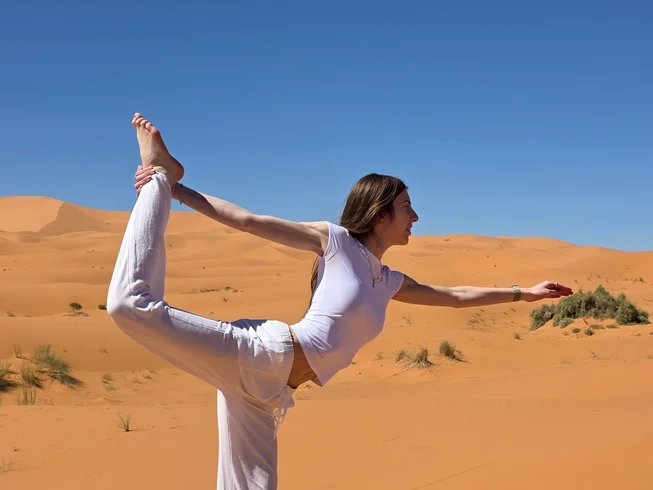
Agadir in December is doing what it was designed for. The city was built as a modern resort after the 1960 earthquake and its purpose — reliable winter sunshine, long beach, warm enough for outdoor practice year-round — is most evident in December when the rest of Morocco has put on a coat. Temperatures hold at 18-22°C, the sun reliable, and the beach walkable in a light jacket at any hour.
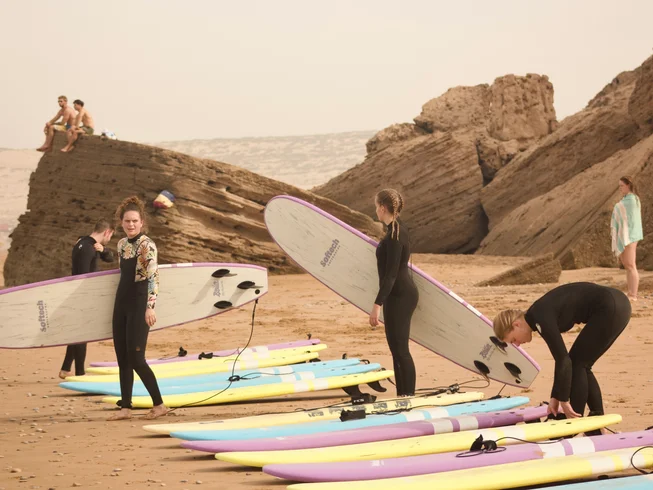
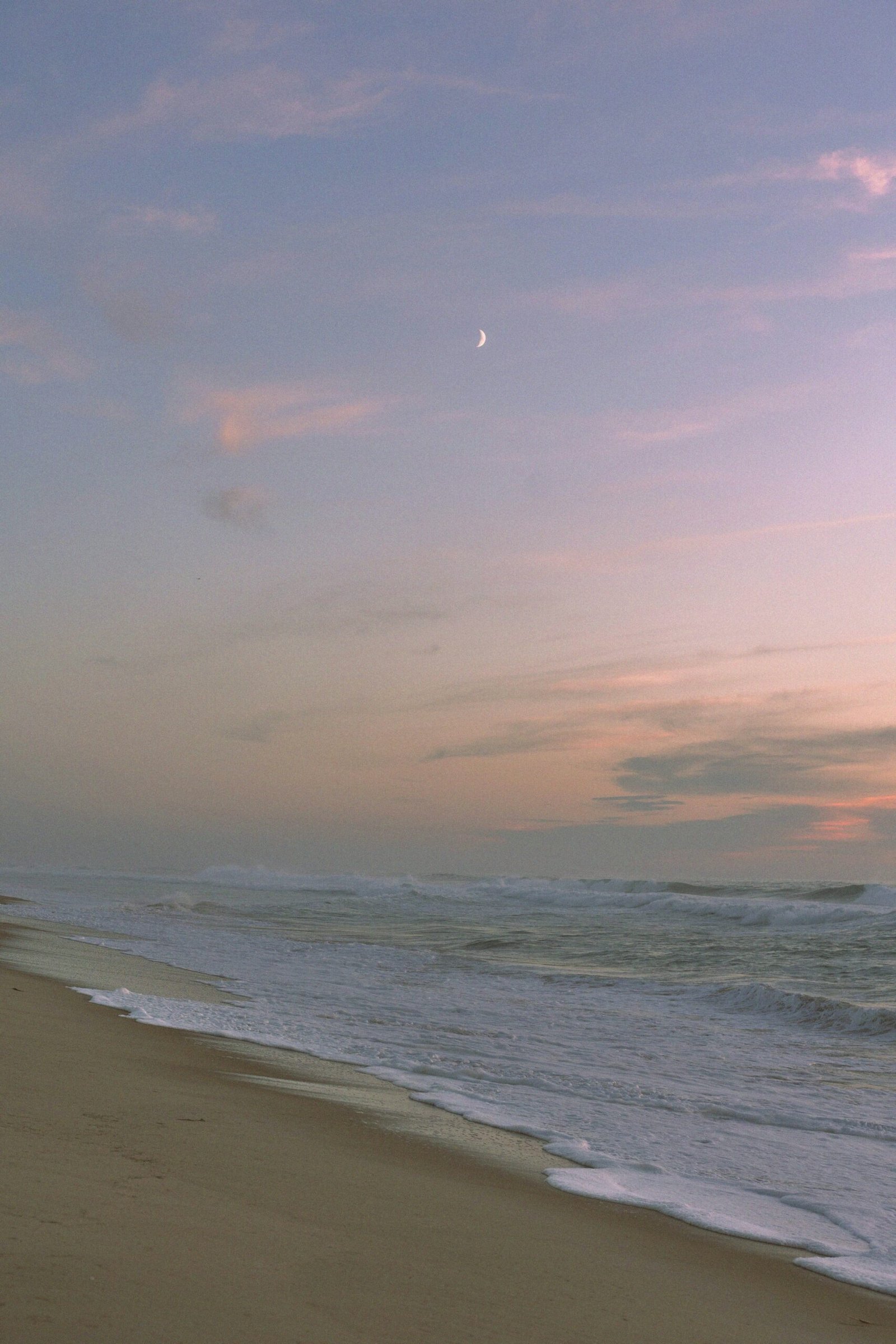
The surf around Taghazout in December is at its most powerful of the year: the North Atlantic storm systems are at peak intensity and the breaks around Anchor Point are producing waves that draw experienced surfers from across Europe specifically for this month. For retreat guests who want the full surf-yoga experience at maximum surf quality, December is the month and the coast is the place. The water is cold (17-18°C, requiring a 4-3mm wetsuit), but the waves are worth it.
For a complete picture of what this coast offers in winter, our yoga retreats in Agadir guide covers the full range from Agadir city to Taghazout.
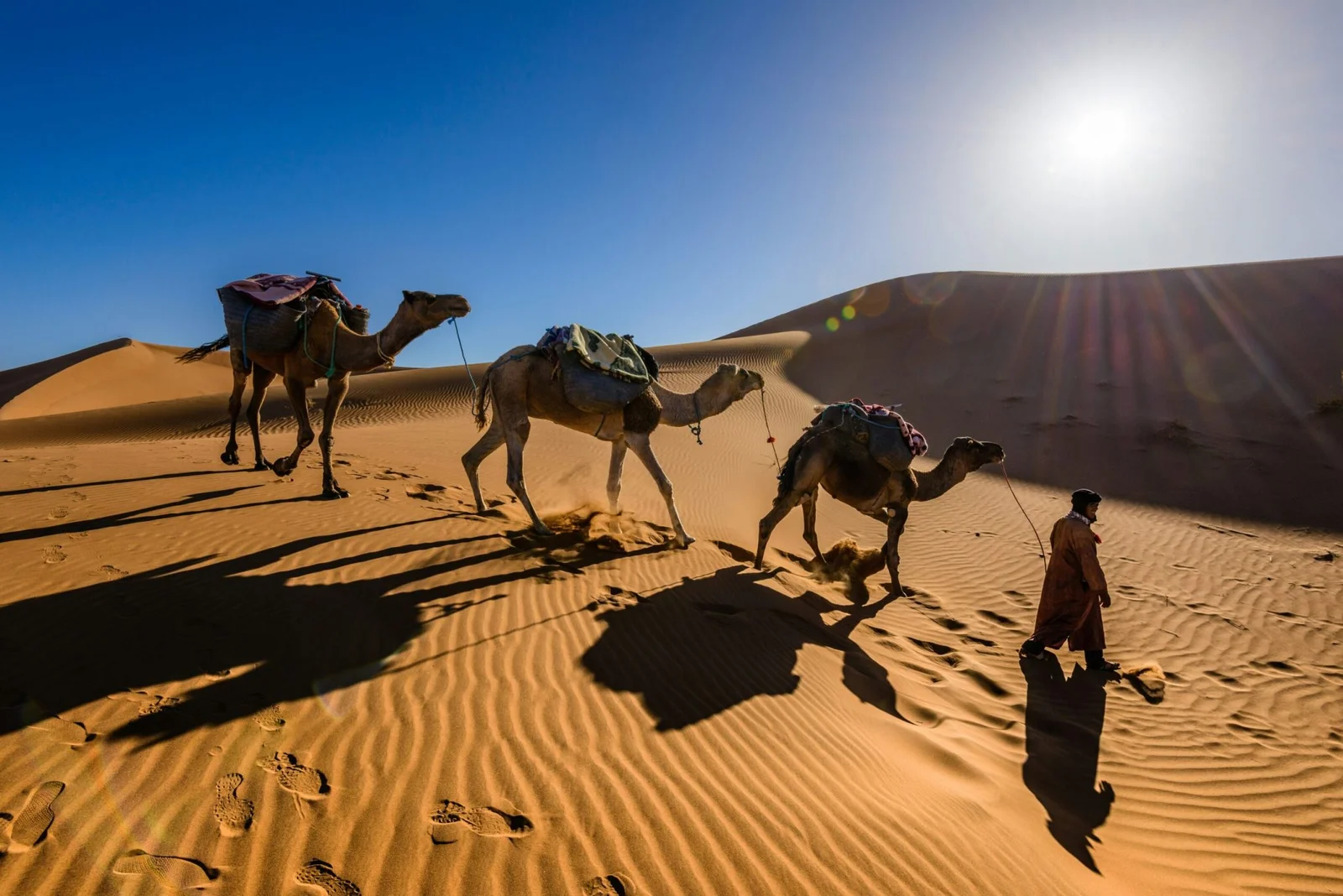
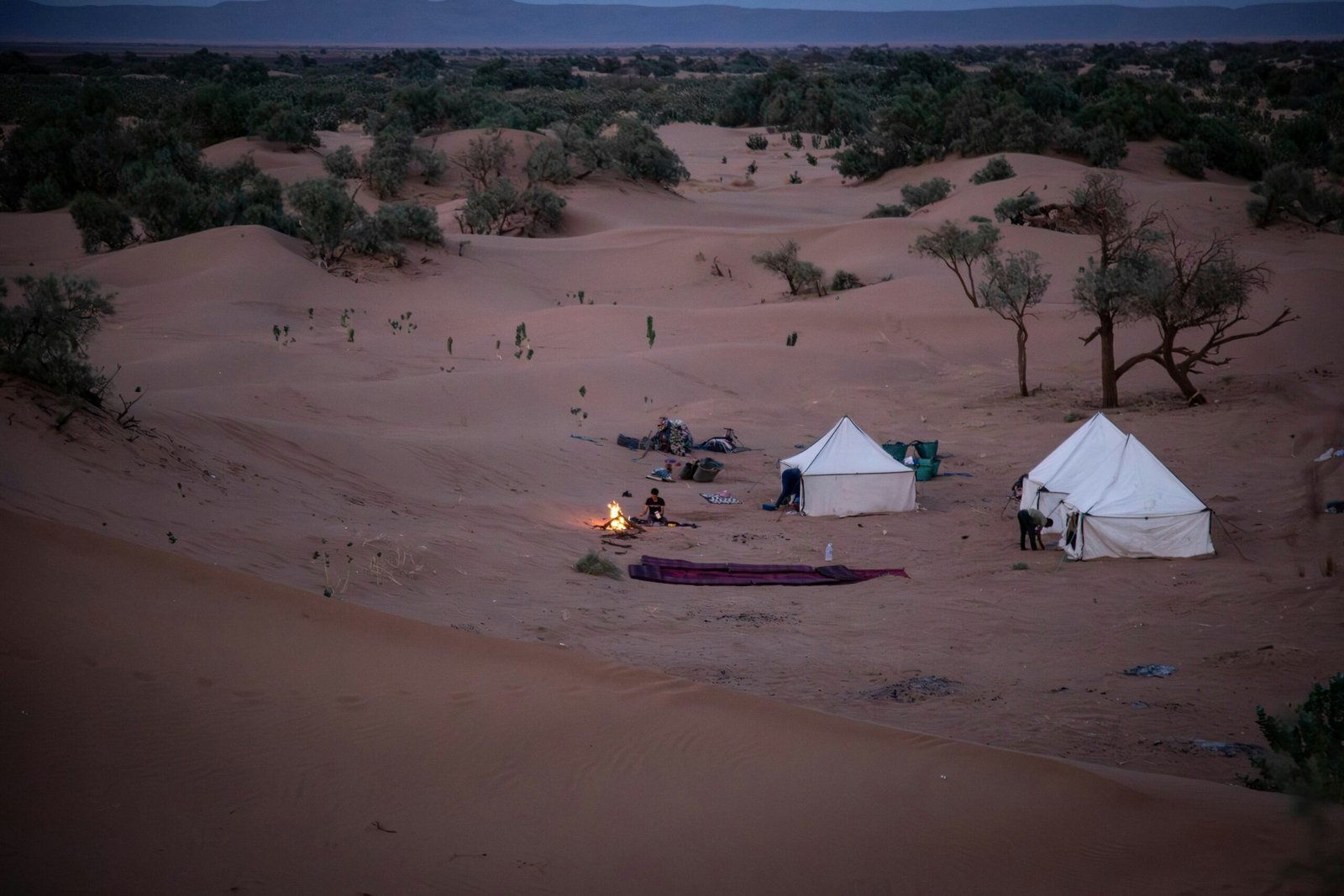
The Sahara in December is one of the most powerful retreat environments Morocco offers in any month — but it requires accepting and embracing the cold rather than managing it. Nights drop to near freezing at Erg Chebbi: the temperature at 2am in the desert in December is a genuinely cold experience, and sleeping in a desert camp requires the heavy blankets that good camps provide or a serious sleeping bag.
What the cold produces is extraordinary. The winter sky over Erg Chebbi in December is the clearest of the year: no atmospheric moisture, no dust, and the Milky Way of sufficient brightness to read by in theory. The desert silence in December is complete in a way that the busier months cannot guarantee. Sunrise practice on the dunes in December — breath visible, sand still cold from the night, the light shifting from black to purple to orange over the erg — is the most elemental and most memorable version of desert yoga practice.
The approach to the Sahara in December through the Draa Valley adds a specific dimension: the valley date palms stripped of their fruit, the kasbahs against grey winter sky rather than blue summer, and the pre-Saharan landscape in its most austere and honest form.
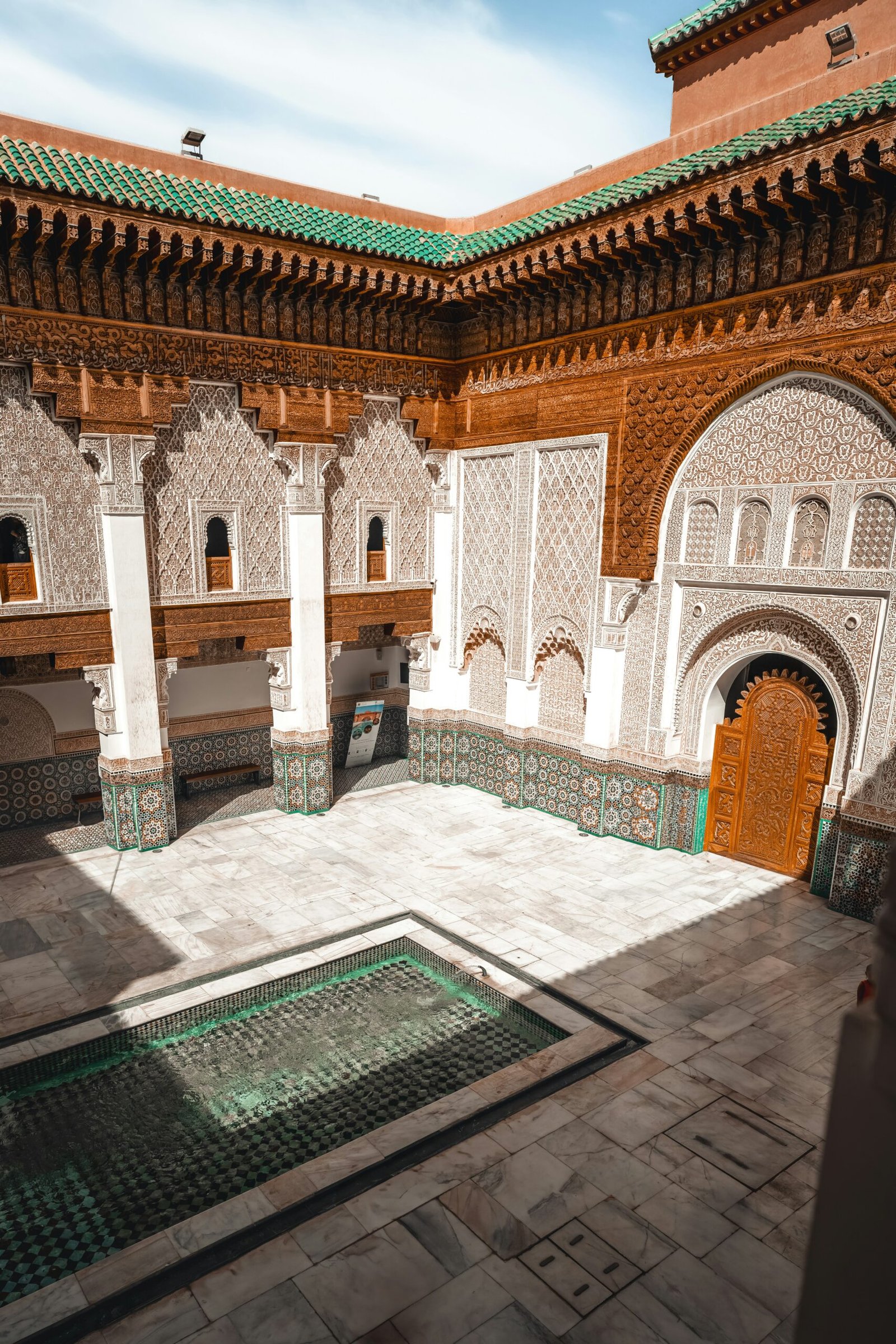
December is Marrakech’s hammam month — the time when the ritual steam bath transitions from a pleasant option to something that makes structural sense in the context of the day. The city in December (10-18°C) is cool enough that stepping from a cold medina corridor into a properly heated hammam room produces a contrast that the body welcomes as genuinely restorative rather than merely pleasurable.
Early December Marrakech has the quality that November offered: the souks navigable, the riads available, and the city in its honest winter mode. The Jemaa el-Fnaa in early December has evening energy without the August performance — the food stalls fully operational, the musicians present, and the crowd a genuine mix of Marrakchi families and the small number of visitors who know to come in December rather than in April.
Late December Marrakech is a different experience: the Christmas and New Year visitors filling the better riads, the prices reflecting this, and the medina with a festive energy that is entirely its own. The Berber Christmas — which is not Christmas but the general atmosphere of a city that has learned to enjoy the European holiday season — produces a Marrakech that is animated rather than authentic, but that has its own pleasures.
Morocco’s ski resort at 2,650 metres opens in December when the Atlas has received sufficient snowfall, which in a normal year means the last two weeks of December. Oukaïmeden is not the Alps — it has a handful of pistes, basic ski rental, and infrastructure that reflects its primarily Moroccan visitor base — but it is genuinely functional, and the combination of morning skiing or snowshoeing with afternoon yoga and evening hammam in a lodge at altitude creates a retreat format that is available in Morocco in December specifically and almost nowhere else in Africa.
The drive from Marrakech to Oukaïmeden (74 kilometres, about 1.5 hours) passes through the Oukaimeden Valley with views of the snow-covered Atlas ridgeline. The plateau at the resort in December, with snow on the ground and the peaks above, looks unlike any other Morocco landscape in any other month. Retreat centres in the area are limited but the ones that operate in winter skiing season offer something genuinely distinctive.
Essaouira in December is the town at its most local. The summer Gnawa Festival crowd is six months away, the August kitesurfers are gone, and the medina belongs to the craftspeople and residents who live there year-round. The Alizé winds in December are at their year’s most intense — 40-50 knots on the strongest days, which means outdoor yoga is a committed choice rather than a comfortable one. But the medina in winter, with the blue and white lanes quiet and the waves audible from the ramparts, has a beauty that the summer version, for all its energy, cannot match.
The argan oil pressing season is active in December in some cooperatives, and the winter light on the whitewashed walls of the medina — low, golden, specific to this latitude in December — is the light that the painters who lived here were trying to capture. A December Essaouira retreat, with indoor practice, hammam, and medina exploration in the morning before the afternoon wind builds, is a complete and genuinely restful week.
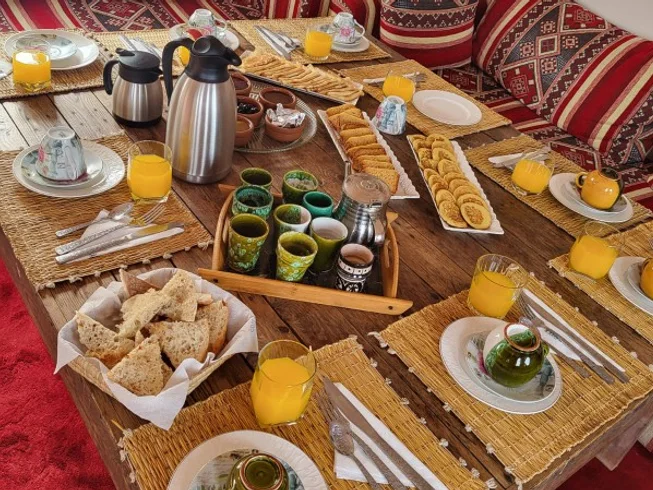
The Moroccan orange season peaks in December. The navel oranges from the Souss plain around Agadir reach full sweetness in December — large, thin-skinned, intensely flavoured, and pressed at street carts for juice that costs a few dirhams and tastes unlike anything processed. Blood oranges begin their season in late December, their flesh deepening from pink to dark red as the month progresses. A glass of fresh-squeezed mixed orange at a Marrakech street cart in December is one of the simplest and most specific seasonal pleasures the country offers.
Kaab el ghazal — gazelle horns — are Morocco’s most elegant pastry and appear in their greatest quantities in December, when celebrations and family gatherings create demand that the rest of the year does not. The crescent-shaped almond and orange-blossom paste filling inside a thin, crisp pastry shell, dusted with icing sugar: not too sweet, not too rich, and eaten with mint tea in the specific way that makes them better than they would be alone. Every Moroccan has a strong opinion about whose kaab el ghazal are best; finding the best patisserie in whatever city you are in is a worthwhile December pursuit.
Rfissa — the chicken, lentil, fenugreek, and msemen dish associated with major celebrations — appears frequently in December. The month contains the beginning of the Moroccan holiday season, various family gatherings around the Islamic calendar events, and the general atmosphere of winter celebration that gives traditional Moroccan restaurants an excuse to serve their most generous dishes. Ask for it specifically at a riad restaurant in December — it is rarely on printed menus but deeply satisfying when a cold walk through the medina has left the body needing exactly this.
The fresh dates of September and October are now dried and pressed into the forms that sustain communities through winter: pressed date blocks from the Tafilalt, date paste mixed with almonds and argan oil, and the loose dried varieties that appear at every market stall. The dried Medjool in December — slightly chewy, intensely sweet, with a concentrated complexity that the fresh version spreads across a more delicate flavour — is a different ingredient from the September harvest and worth buying in quantity to take home.
December tagines are at their most warming: lamb with prunes, almonds, and cinnamon cooked for three hours until the sauce has reduced to something almost syrupy; chicken with preserved lemon, olives, and saffron in its winter version where the saffron quantity increases; kefta tagine (spiced minced lamb meatballs in a tomato and egg sauce) that is specifically winter street food in Marrakech, served at the kefta stalls in the medina from late afternoon. The riad kitchens in December are at their most generous, understanding that cold evenings create an appetite that summer never produces.
Early December, dates vary annually. When it falls in December rather than November, FIFM brings an international creative community to Marrakech for screenings, industry events, and the general animation of a city hosting something it takes seriously. Free screenings in medina spaces, red carpet events, and the particular energy of Marrakech when it is simultaneously itself and something larger.
December 21. The shortest day of the year is marked by a growing number of retreat centres in Morocco with specific programming: sunrise practice at the year’s latest dawn, intention-setting ceremonies, and the particular significance of the turning point between darkness and the return of light. In the Atlas or at a Sahara camp, this practice has a quality of elemental simplicity that the same yoga sequence in a city studio cannot replicate.
December 31. Marrakech on New Year’s Eve is animated rather than spectacular — the Jemaa el-Fnaa does not rival Times Square, but it has its own energy. Riad rooftop dinners with the medina below and the Atlas visible in the distance, followed by the general noise and celebration of a city that has adopted the Gregorian new year as an occasion, make for a genuinely pleasant ending to a retreat week. For something more austere and more memorable, New Year’s Eve in a Sahara camp — fire, stars, and the complete silence of the desert at midnight — is the option that people describe for years.
Your email address will not be published. Required fields are marked *