
January is Morocco’s best-kept secret. The heat is gone, the summer crowds are a distant memory, and the country is almost entirely yours. Atlas peaks carry snow. Marrakech medinas are quiet. Prices drop. And the light, that specific low winter light, makes everything look like a painting.


This is peak season for those in the know. Weather in January is mild and clear across most of Morocco: 18-22°C in Marrakech, cooler in the mountains, genuinely warm on the Agadir coast. Outdoor yoga is comfortable from dawn to mid-afternoon. Riad courtyards are quiet. Retreat centres have space. The whole country feels like it has been lent to you specifically.
The one caveat: riads without proper heating get cold at night, and January evenings in Marrakech drop to 8-10°C. Before booking, check that your retreat centre has actual heating in the rooms, not just a courtyard heater. The best ones do. The ones that don’t will tell you January is “mild” and technically not lie.
Our full Morocco retreat guide covers every region if you want to compare options before committing to a month.
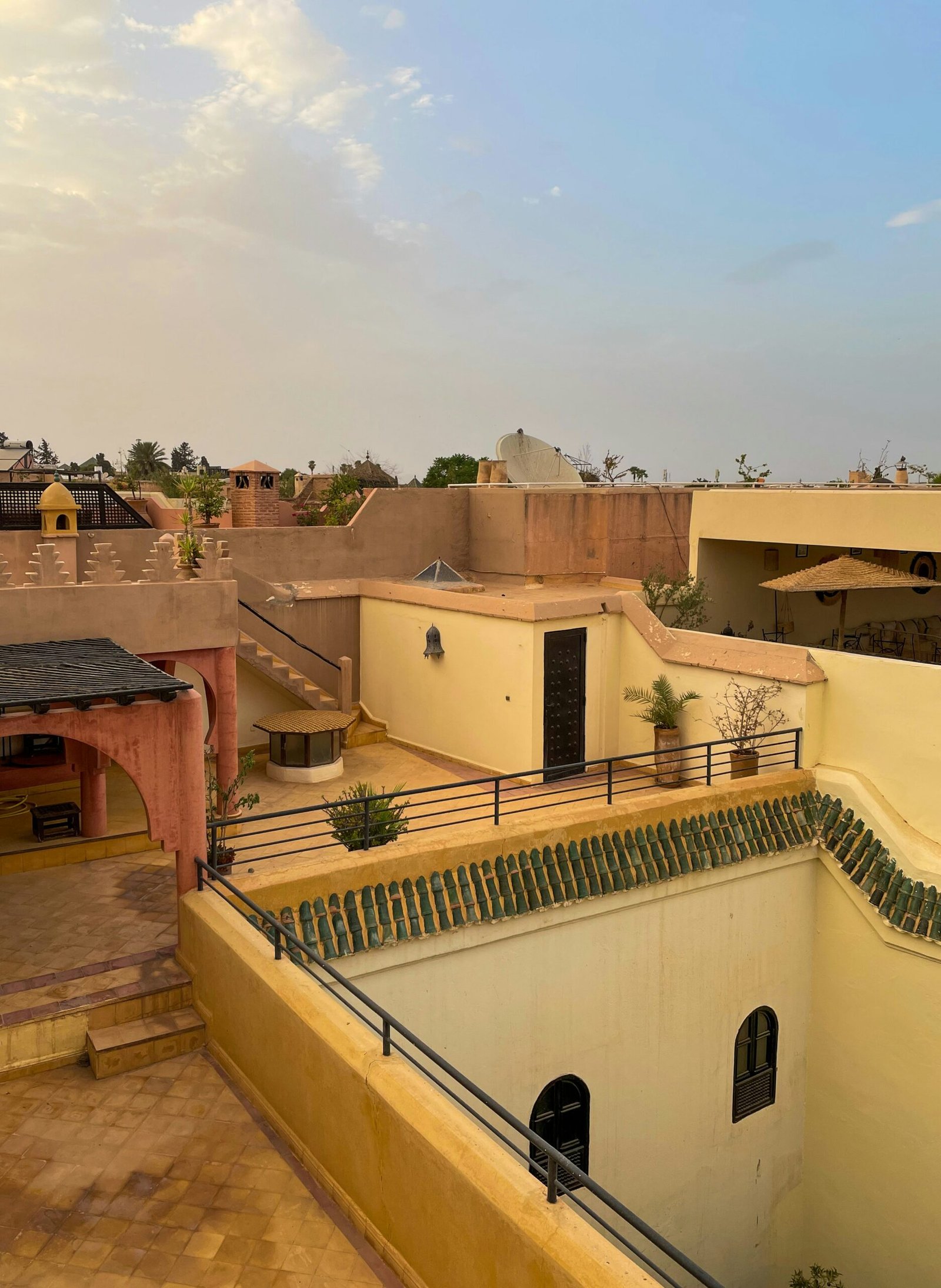
Marrakech in January is the city stripped back to its essentials. The medinas belong to the people who live in them. You can walk through the souks without being followed, sit at a cafe in Jemaa el-Fnaa without being approached, and book a table at a good restaurant at 8pm without a reservation. The riad gardens are quiet but not dead: orange trees heavy with fruit, the first narcissus appearing in sheltered corners, and the smell of wood smoke from hammam furnaces and bakery ovens that defines Marrakech in winter.
Retreat programming in January in Marrakech leans toward indoor practice and hammam, which suits the season. Morning yoga in a heated riad studio, afternoon hammam, evening cooking class: this is the January retreat template that works. The hammam experience in cold weather is qualitatively different from summer, the contrast between the cold riad corridors and the steam room more dramatic, the post-hammam rest more complete.
What to do beyond the retreat: Bahia Palace and Badi Palace are at their most visitable in January, with none of the summer crush. The Yves Saint Laurent Museum near Jardin Majorelle is worth half a day. The tanneries in the medina are less pungent in cool weather. The weekly Berber market at Ait Ourir (30 minutes south) on Tuesdays is one of the most authentic rural markets accessible from Marrakech, visited almost entirely by local farmers and traders rather than tourists.
The High Atlas in January is snow-capped above 2,000 metres and properly cold at night in the villages. The Oukaïmeden ski resort, Morocco’s highest at 2,650 metres, is usually operational from December through February, making it possible to combine morning skiing with afternoon yoga, which is a niche combination but a genuinely enjoyable one. Retreat centres in Imlil and the Ourika Valley that operate in January do so with wood fires, thick blankets, and the mountain isolation that reaches its peak in winter when the day-trippers from Marrakech stay away.
The hiking trails below 2,000 metres are accessible year-round. Above that, snow and ice require proper equipment and local guide knowledge. A guided walk from Imlil through the lower Azzaden Valley in January, with snow on the ridges above and the river running clear below, is one of those experiences that justifies coming to Morocco in winter specifically. For the full Atlas experience, our Atlas Mountains retreat guide covers what the mountains offer across seasons.
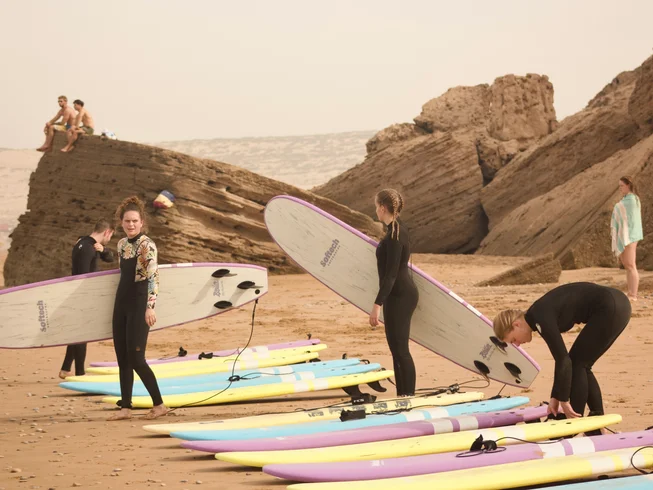
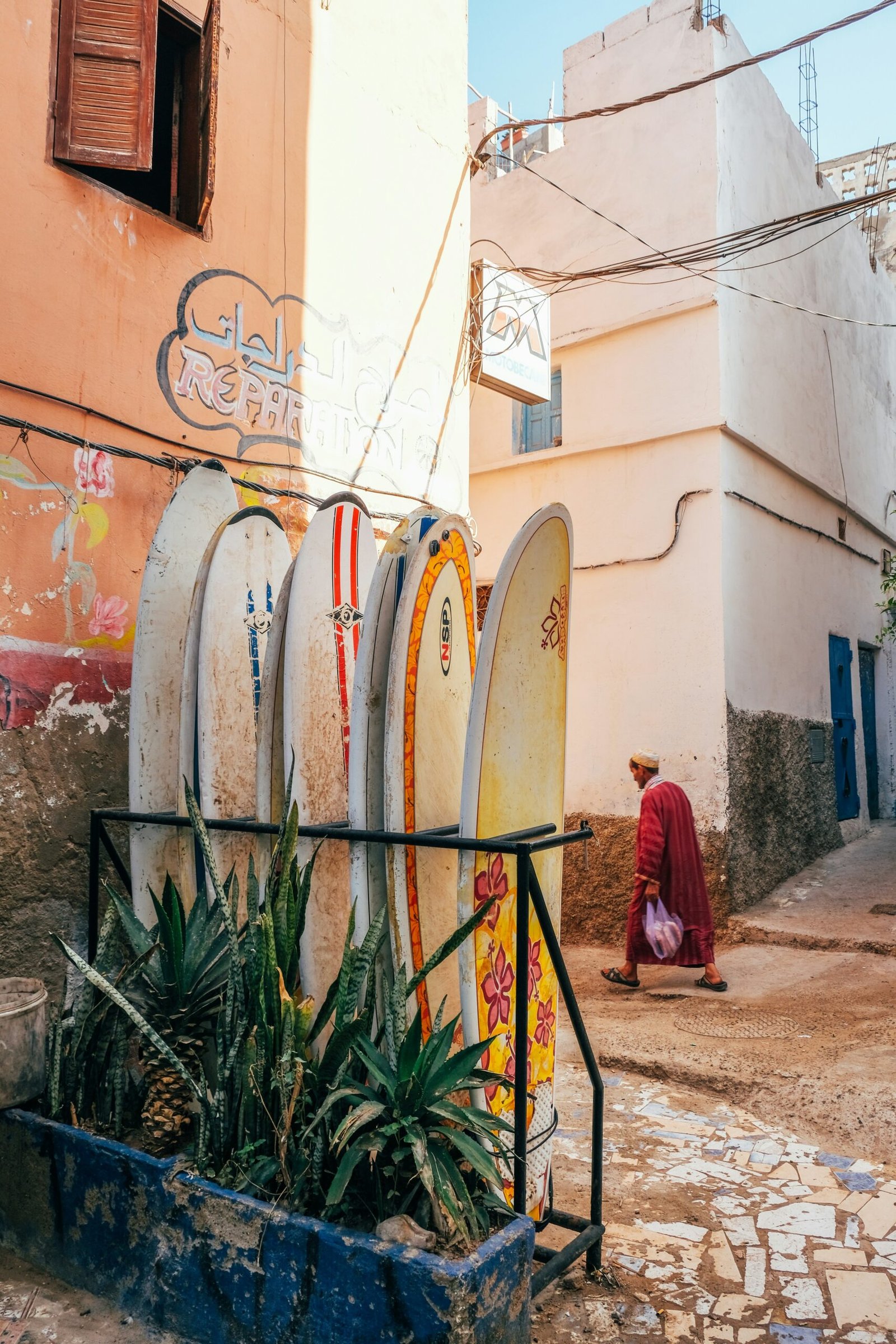
For those who need warmth and sun above all else, Agadir is the January answer. Temperatures hold at 20-23°C year-round on the coast, the beach is long and walkable, and the Atlantic surf is at its most powerful and consistent: January is one of the three best months for surfing on the Morocco coast. The surf camp and yoga retreat infrastructure around Taghazout is fully operational, and while the beach culture is quieter than summer, the core of the surf-yoga community that makes this coast interesting is very much present.
The Souss-Massa National Park, 30 kilometres south of Agadir, is at its best in January for birdwatching: the winter migration brings flamingos, northern bald ibis (one of the world’s rarest birds), herons, and raptors to the coastal wetlands in numbers that the summer season does not produce.
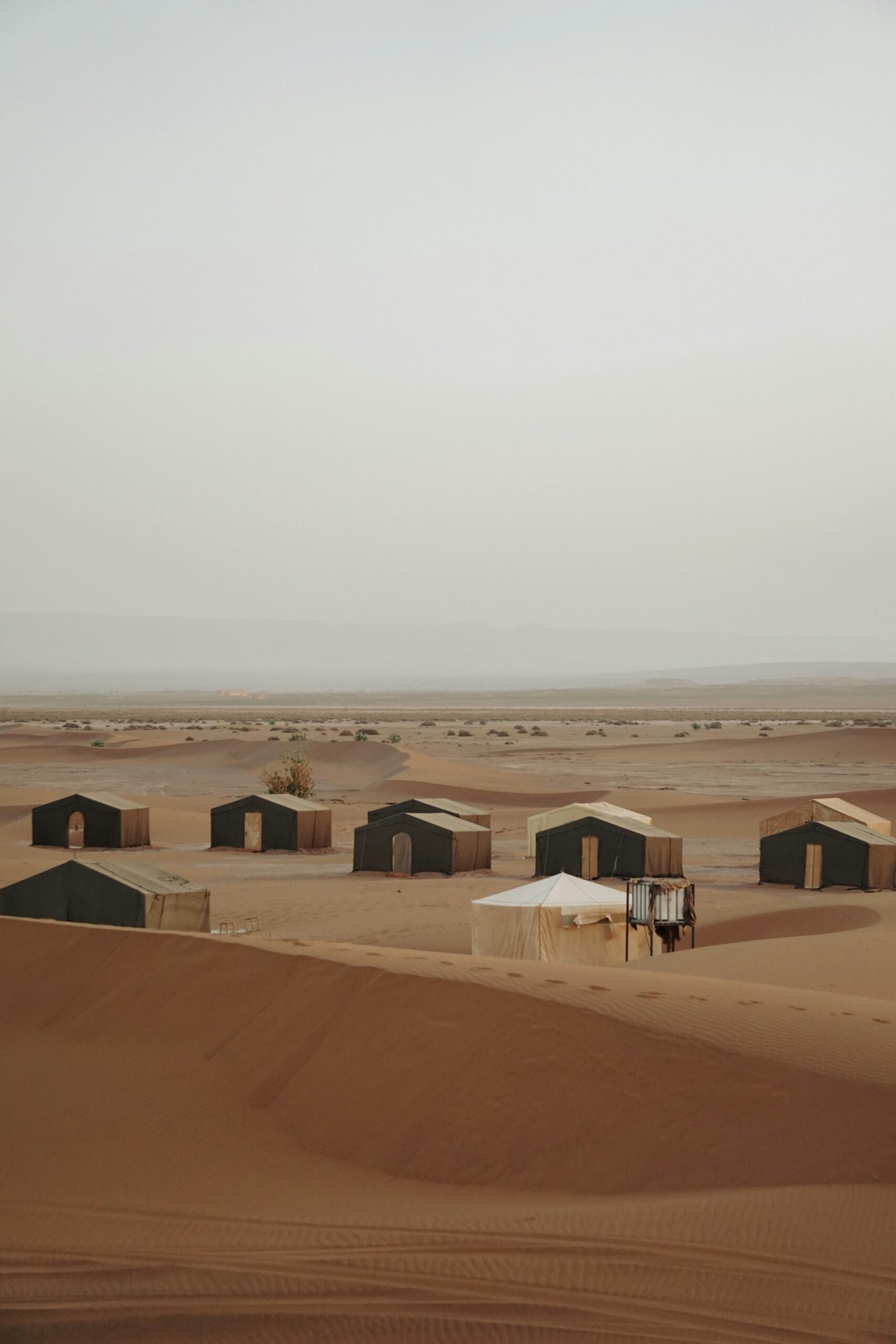
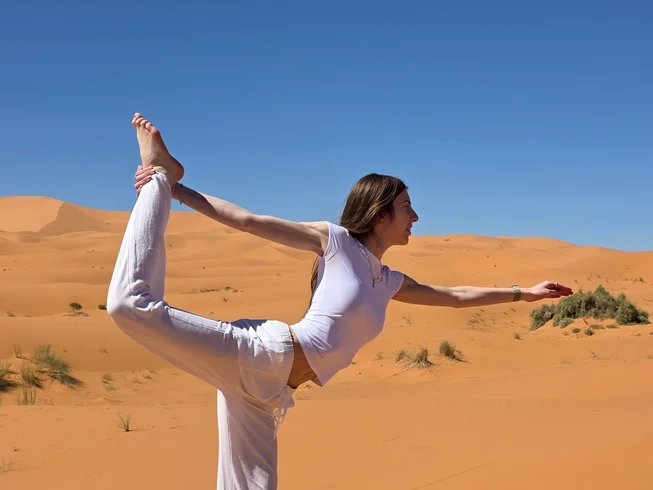
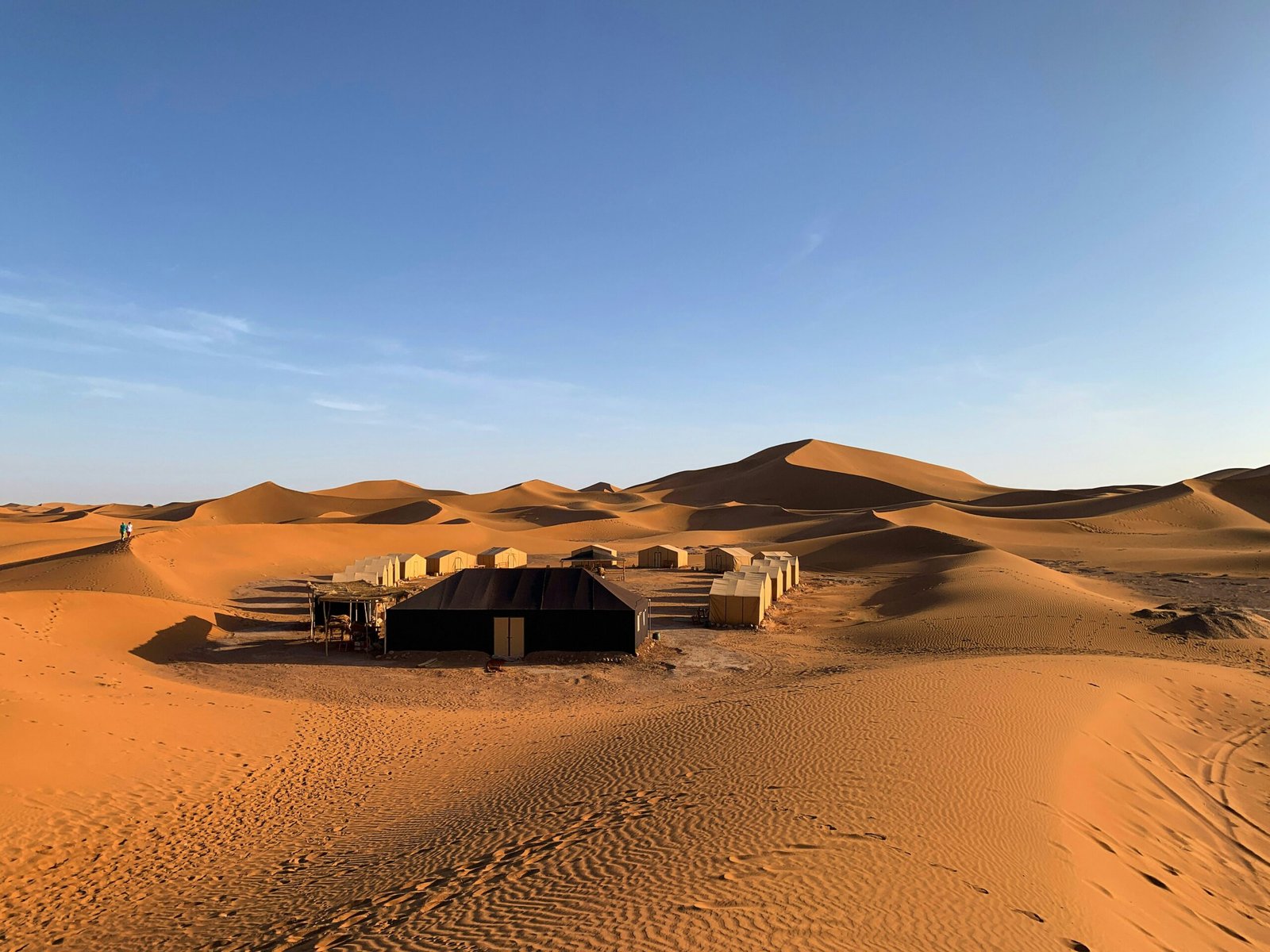
The desert in January is cold at night, genuinely cold, dropping close to freezing in Erg Chebbi and Erg Chigaga. Days are pleasant at 18-22°C, clear, and dry. The cold nights are part of the point: sleeping in a desert camp under serious blankets, waking before dawn to practice yoga on the dunes as the sun rises over the erg, then returning to breakfast around a fire. The desert in January has almost no other visitors. The silence is complete.
January is citrus season across Morocco, specifically the peak of the orange and clementine harvest. Blood oranges from the Souss plain around Agadir appear in the markets in January, intensely coloured and flavoured, and the fresh-squeezed orange juice sold from street carts for a few dirhams is one of those specific seasonal pleasures that only exists for a few weeks. Moroccan navel oranges in January are at full sweetness. The clementines from the Berkane region in the northeast travel to markets across the country in crates that are broken open on every street corner.
The winter kitchen in Morocco is dominated by warming, slow-cooked dishes. Lamb tagine with dried fruits and almonds is the January version of the dish at its richest: prunes and apricots that have been absorbing spices for hours alongside lamb that has cooked to the point of falling apart, the sauce reduced to something almost syrupy with saffron and cinnamon. Retreat kitchens serve this throughout the winter months and it is exactly right for a cold evening.
Harira deepens in January. The national soup, already substantial with its chickpeas, lentils, tomatoes, and lamb, appears in its most nourishing winter form: thicker, more generously spiced, and served with a piece of fresh-baked bread from the communal oven. At the street carts in Marrakech, a bowl of harira at breakfast costs almost nothing and sets up the body for a cold morning of practice better than almost anything else.
Rfissa is a Fez specialty that appears on Marrakech tables in winter: a rich preparation of chicken cooked with lentils, fenugreek, and a blend of spices called mesfouf, served over torn msemen flatbread that absorbs the sauce. It is a celebratory dish associated with births and special occasions but available at traditional restaurants in winter months. Rich, warming, and specifically Moroccan in a way that lighter dishes are not.
Bissara, the pureed broad bean soup eaten for breakfast from street carts, is a January staple. Flavoured with cumin, paprika, and olive oil, eaten with more olive oil poured over the top and bread for dipping, it is one of those dishes that costs almost nothing and provides genuine sustenance. The broad bean season begins in January with dried beans; the fresh beans come later in spring.
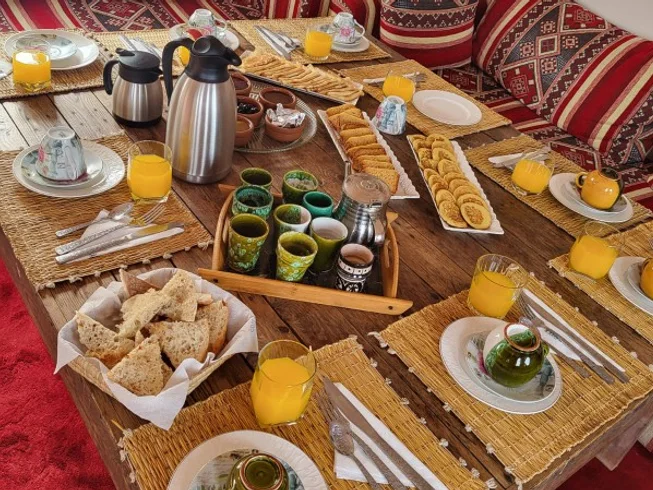
Atay: mint tea is not seasonal, but the relationship with it changes in January. In summer it is refreshing. In January it is necessary. The ritual of the three glasses, poured from a height, sweetened heavily, consumed slowly, becomes the day’s organising principle: morning tea before practice, tea after the hammam, tea with the evening meal. Every serious retreat centre understands this and keeps the pot going.
For restaurant meals, Dar Yacout in Marrakech serves traditional Moroccan feasting in a theatrical riad setting that makes more sense in January (the warmth of candles and the smell of incense against cold corridors) than in summer. La Maison Arabe has one of the best traditional kitchens in the city and is less crowded in January than at any other time of year.
The Marrakech Marathon (late January, dates vary by year) brings several thousand runners through the city and the palm grove on one of the better urban marathon courses in Africa. It is not a festival in the traditional sense but it brings an interesting community to Marrakech for a weekend and gives the city a mild sporting energy. The finish line in the palm grove near the Menara gardens is worth watching.
Islamic calendar events: Depending on the year, January may include Mawlid (the Prophet’s birthday, celebrated with music, processions, and communal meals) or the approach of Ramadan in some years (the Islamic calendar shifts approximately 11 days earlier each Gregorian year). Check the current year’s Islamic calendar before travelling, as Ramadan changes the country’s rhythm significantly: restaurants closed by day, cities transformed at iftar (sunset), and a social energy that is genuinely worth experiencing if approached with respect and understanding.
Berber cultural calendar: The Amazigh New Year (Yennayer) falls on January 13th by the Berber calendar, a date that celebrates the Berber identity that predates Arabic Morocco by thousands of years. In the Atlas villages and in Berber communities across the country, Yennayer is marked with specific traditional foods (particularly couscous with seven vegetables and dried fruits), music, and family gatherings. Retreat centres in the Atlas that are locally managed often celebrate it and invite guests to participate.
Desert festivals: The Moussem of Tan-Tan and various smaller desert cultural events take place in the far south in January, celebrating nomadic Berber culture with music, equestrian displays, and traditional crafts. Timing and format vary year to year; check local Moroccan cultural calendars for current dates.
Weather: Marrakech 8-22°C (cold nights, mild days). Atlas Mountains: below freezing at night above 1,500m, 10-15°C days. Agadir: 13-23°C, reliably warm. Sahara: near freezing at night, 18-22°C days. Rain is possible anywhere but unlikely to last more than a day or two.
What to pack: Warm layers are essential everywhere except Agadir. A proper down or fleece jacket, thermal base layers, and waterproof outer layer. Comfortable walking shoes. Light layers for warmer afternoons. Do not underpack warmth for a riad stay: the beautiful tiled floors and high ceilings that make these buildings magical in summer make them genuinely cold in January.
Prices: 20-40% lower than peak season (April, October, and Christmas week). Riads that cost 150 euros in October are bookable for 90-100 euros in January. Flights are at their annual low. Retreat programmes with January pricing reflect this.
If February works better with your schedule, the almond blossom in the Atlas valleys peaks around February 5-20 and is one of Morocco’s most specific seasonal pleasures. Our yoga retreats in Morocco in February guide covers what the month offers and how it compares to January.
January changes the rhythm of a Morocco retreat in ways that are worth understanding before you book. The season does not just affect the weather — it shapes the entire structure of a week’s programming, and the best retreat centres in Morocco have adapted specifically for winter rather than simply running their summer schedules with extra blankets.
The day starts later than in summer. Sunrise in January comes after 7:30am, which pushes the morning practice back from the pre-dawn sessions that work in July. A typical January morning begins with tea in a heated common room at 7am, yoga at 7:30 or 8am in a studio that has been warming since 6am, and breakfast afterward in the riad courtyard if the day is clear or inside if it is not. This is a gentler start than the 6am summer routine, which suits a season oriented toward restoration rather than intensity.
Hammam is central to January programming in a way it is not in other months. The best retreat centres schedule hammam sessions two or three times across a week rather than the once that summer programmes typically include. The logic is simple: the cold makes the hammam’s heat feel more necessary, the contrast between a cold riad corridor and a properly hot steam room is more dramatic, and the post-hammam rest — lying wrapped in towels in a warm room while the body adjusts — produces a quality of physical stillness that the mat sometimes cannot. A January retreat that does not integrate hammam seriously is missing the point of the season.
Indoor afternoon programming fills the space that outdoor activities occupy in warmer months. Cooking classes are the most common: learning to make harira or a winter tagine in the riad kitchen, with the smell of cumin and cinnamon filling the building, is a specifically January pleasure. Breathwork and meditation sessions that might feel slightly effortful in the outdoor heat of July feel entirely natural in a candlelit riad salon in January. Moroccan calligraphy workshops, music sessions with local Gnawa musicians, and Arabic tea ceremony classes are offered by some retreat centres specifically in the winter months when outdoor excursions are weather-dependent.
The late afternoon walk through the medina, which is a standard element of most Marrakech retreat programmes, takes on a different quality in January: the light fades by 5:30pm, and the medina in the hour before and after sunset in January, with the lanterns lit, the charcoal sellers doing their evening business, and the calls to prayer echoing over the rooftops, is genuinely atmospheric in a way the bright summer version is not. Some retreat centres build a deliberately slow medina walk into the January programme at this specific hour.
Evening practice is usually yin or restorative in January, oriented toward the nervous system downregulation that cold weather and shorter days naturally support. Candlelit yin yoga in a warm riad salon after dinner, with rain on the roof tiles and the city quiet outside, is a specific January retreat experience worth seeking out rather than settling for.
Is Morocco too cold for a yoga retreat in January? Not for most people who pack correctly. Marrakech days are genuinely pleasant at 18-22°C, and indoor yoga studios in well-run riads are heated. The issue is evenings and early mornings in riads without heating, which can be uncomfortable. Ask specifically about room heating before booking. If warmth is a priority, the Agadir coast is the correct choice: 20-23°C year-round.
Is January a good time to visit the Sahara? Yes, with preparation. Cold desert nights require serious sleeping bags or the heavy blankets that good camps provide. Days are pleasant and clear. The desert in January has almost no visitors, which is either a feature or a concern depending on what you want. If you are going, pack a warm layer for evening practice and accept that sunrise on the dunes at 7°C is cold and also one of the better experiences this country offers.
Are restaurants and attractions open in January? Yes. January is low season but not closed season. All the major sites in Marrakech are open. Restaurants are operational. Some Atlas Mountain retreat centres close for the winter (check before booking), and some Sahara camps reduce programming, but the main infrastructure is fully functional.
Should I choose January or February for a Morocco retreat? February has almond blossom in the Atlas valleys (one of Morocco’s most specific seasonal pleasures) and slightly warmer days as spring approaches. January is quieter and cheaper. Both are excellent shoulder-season options. The almond blossom, which peaks roughly February 5-20, is the main reason to choose February over January if timing is flexible.
Your email address will not be published. Required fields are marked *