
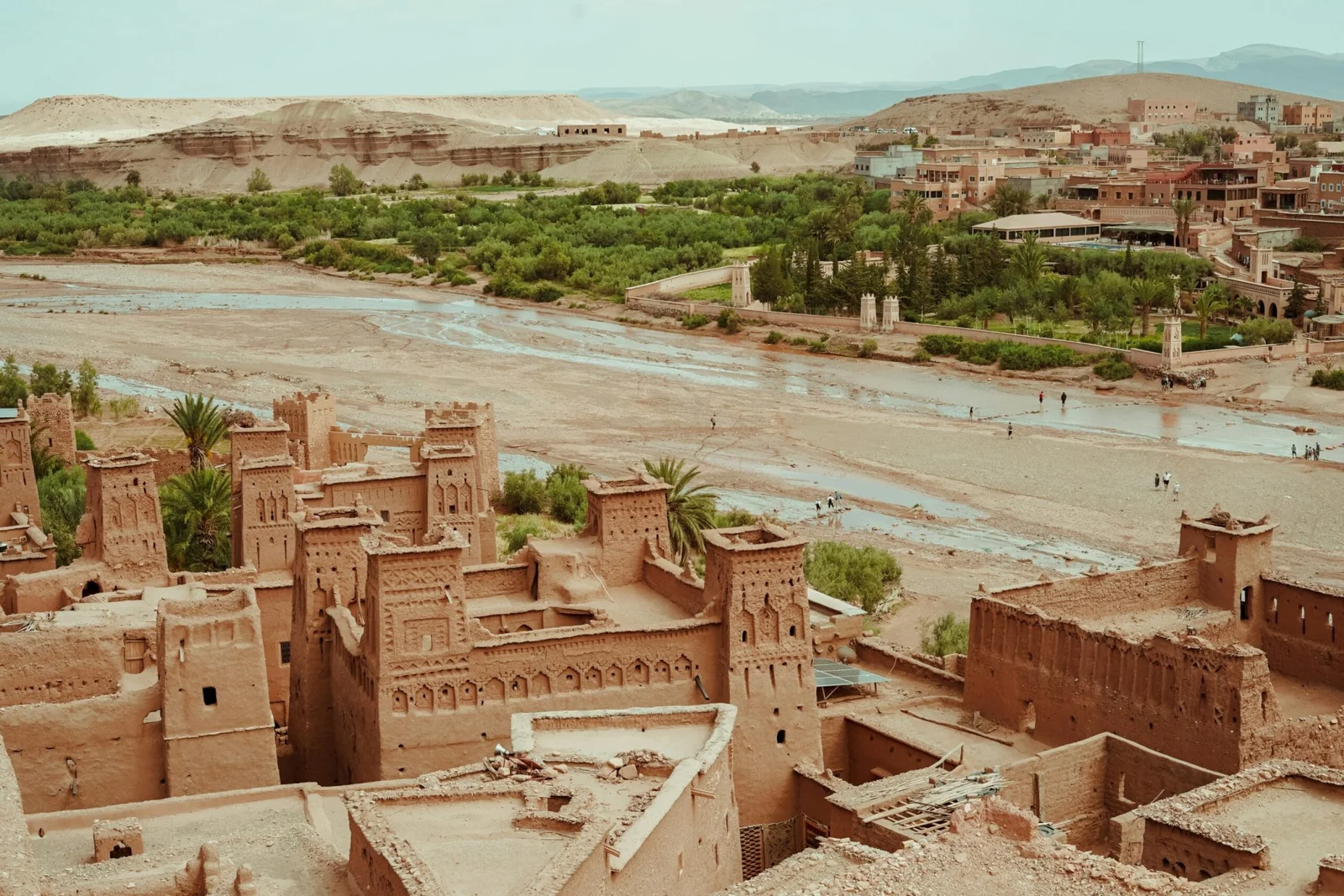
June divides Morocco into two countries: a hot interior where Marrakech bakes at 38°C by afternoon, and a cool Atlantic coast where Essaouira’s wind keeps the temperature at a pleasant 22°C all day. The Gnawa World Music Festival turns the coast into one of Africa’s great music events for four days. The choice of where to go in June is basically a question of how you feel about heat.


If you are going to Morocco in June, go to the coast. Essaouira is at its best: the Alizé trade winds provide natural air conditioning, the light is extraordinary, and the Gnawa Music Festival fills the town with energy for four days in late June. Taghazout and Agadir are similarly well-positioned: warm and sunny but kept comfortable by the Atlantic breeze. The Solstice falls in June and several retreat centres in the Atlas and on the coast build specific programming around it. Our full Morocco retreat guide covers every region if you want to understand the full picture before committing to June.
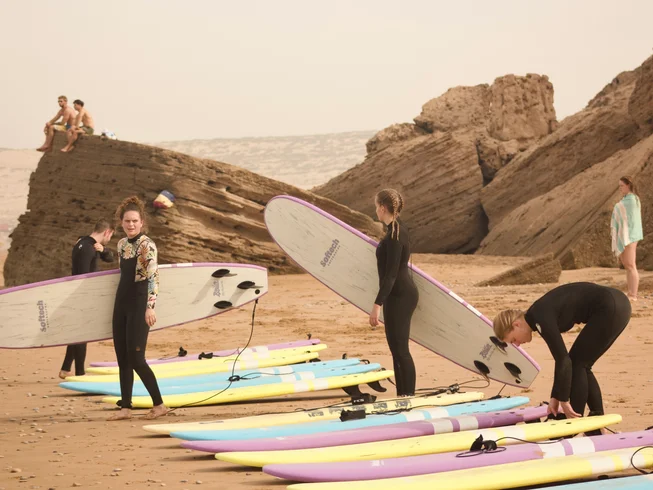
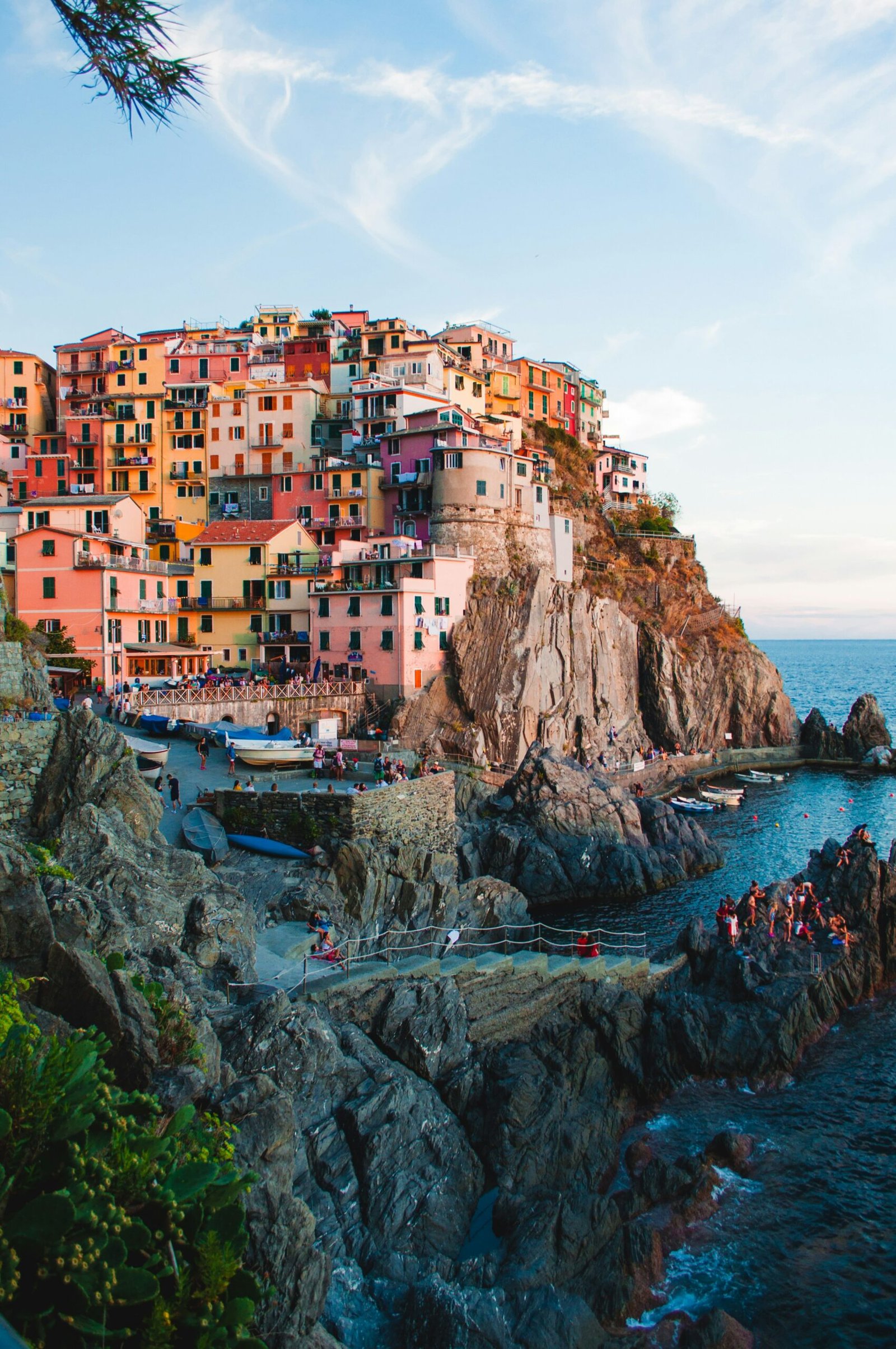
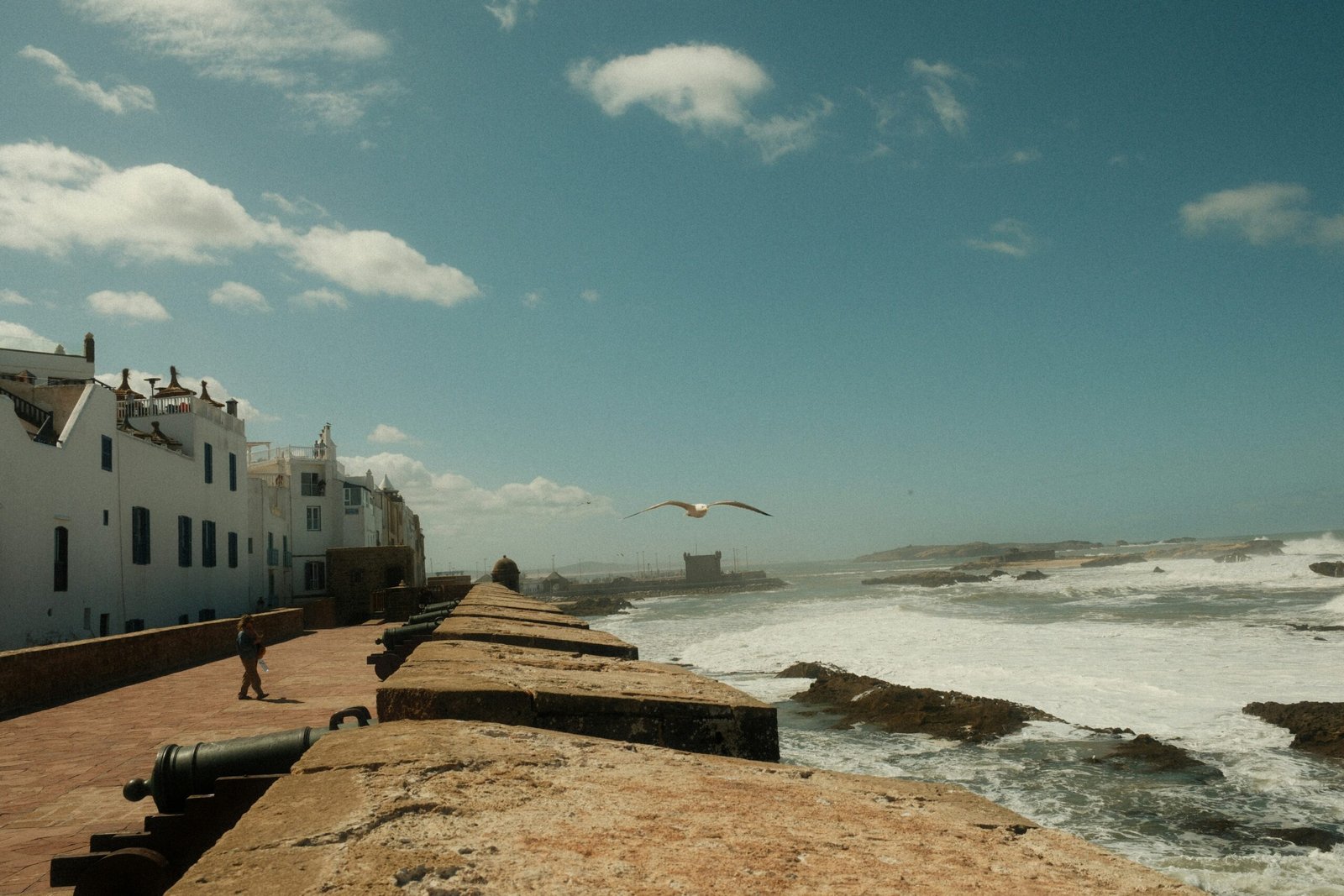
Essaouira in June is the most compelling case for visiting Morocco in summer at all. While the rest of the country struggles with heat, the Alizé winds that blow almost every day keep the coastal temperature at 20-24°C — genuinely comfortable for outdoor practice, rooftop yoga, and medina exploration at any hour. The town in June has an energy that the quieter winter months lack: the Gnawa Festival brings tens of thousands of visitors for four days, the creative community that defines Essaouira is fully present, and the beach south of the medina is functioning at its summer best.
The Gnawa World Music Festival (usually the third week of June) is the anchor event. Free outdoor concerts on multiple stages in and around the medina, featuring Gnawa masters from across Morocco alongside international artists in jazz, blues, soul, and electronic music. The combination of extraordinary music in an extraordinary setting, with the Atlantic visible from the performance areas, is unlike anything else in Morocco and is worth building a retreat week around. Our Essaouira retreat guide covers the town in full detail.
Chefchaouen in June is the Rif Mountain answer to the coast. At 600 metres altitude in the northern Rif, temperatures stay around 25-28°C even in June — noticeably cooler than the Marrakech interior and without the wind dependency of Essaouira. The blue medina lanes in June morning light, before the midday heat builds and before the summer tourist peak that July brings, are at their most photogenic and most quiet.
The hiking above the town into the Rif forests — cedar, cork oak, and wild herb-covered hillsides — is excellent in June before the summer dryness sets in. Retreat centres in Chefchaouen are small and few, but the ones that operate here offer a genuinely different Morocco: northern, Rif Berber rather than Atlas Berber, and with a cultural atmosphere shaped by its history as a city that was off-limits to non-Muslims for centuries. The medina is genuinely medieval in parts and the quality of its craft production — particularly weaving and leather — reflects centuries of guild tradition.
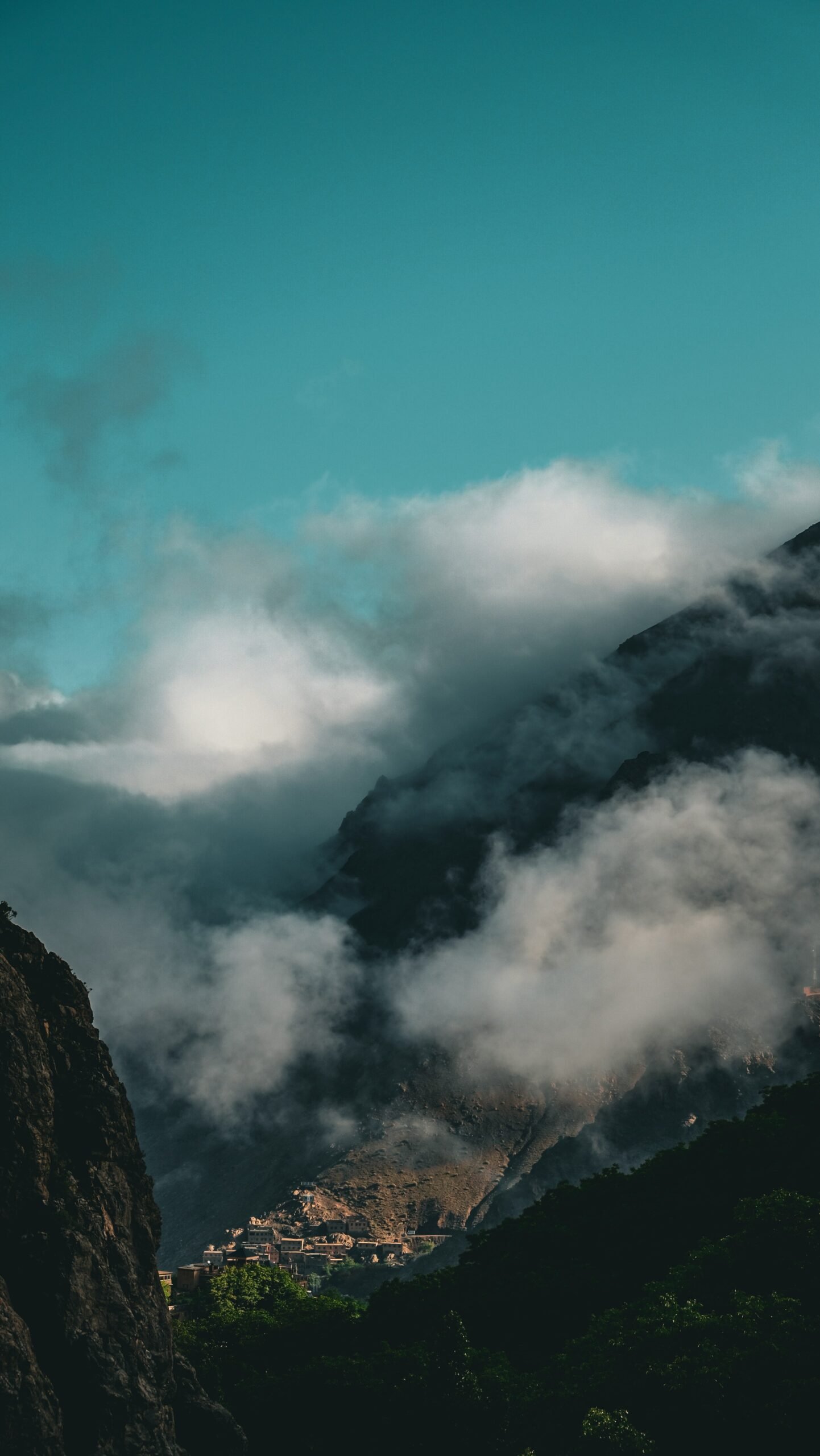
At 2,000 metres and above, the Atlas in June is the coolest mountain option in Morocco. The high pastures are fully open, the Berber herders have moved their flocks to the summer grazing grounds, and the trails above Imlil and through the Azzaden Valley are at their best: warm days, cool nights, and the physical clarity that altitude and thin air produce in practice. The combination of a morning yoga session at 1,800 metres and a full-day hike to a mountain pass at 3,000 metres is the June Atlas programme at its most rewarding.
Toubkal is still ascendable in June, with the summit snow stable and the approach trails fully clear. June and early July are arguably the best months for the climb: not the extreme cold of winter, not the afternoon thunderstorms that August can bring, and the days long enough to complete the ascent comfortably. Retreat centres near Imlil that offer Toubkal as an optional summit day are at their most competent in June.
The surf drops off significantly in June as the North Atlantic storm systems that powered the winter swells move north. What the coast offers instead is consistent small surf ideal for beginners, warm water, and a beach that is fully operational without the August crowds. Agadir in June is doing what it does best for families and first-time visitors: reliable sun, warm sea, long beach, easy infrastructure.
The retreat scene in Taghazout in June shifts toward yoga-first programming rather than surf-first, as the waves that brought the winter crowd ease into conditions better suited to beginners and paddleboarders. Retreat centres that offer both disciplines adapt their schedules accordingly, and June is often when the yoga teaching quality is highest as centres invest in the best teachers for the beginning of the summer season.
Midelt sits at 1,500 metres on the plateau between the High and Middle Atlas ranges, a town most Morocco travellers pass through without stopping. In June it is worth stopping. The surrounding landscape is dramatic high steppe: wide open plateau, the flanks of Jbel Ayachi (3,757 metres) visible to the south, apple orchards producing the first of the season’s fruit, and a quality of silence that the more visited Atlas destinations no longer offer. A handful of retreat centres operate in this area, combining yoga with hiking in genuinely remote terrain. June temperatures are perfect at 25-28°C by day, cool at night, and the apple orchards in early fruit make the landscape unlike anything else in Morocco.
Water becomes essential. Pools or plunge pools in riads aren’t luxuries—they’re necessities for managing heat. Hammam sessions work wonderfully in June heat—the contrast of cool resting rooms with hot steam rooms, ending with cold rinses, provides genuine relief.
The cherry season from the Sefrou region and the Middle Atlas valleys is at full peak in June. The Cherry Festival in Sefrou (usually the second week of June) celebrates the harvest with music, processions, and a cherry queen — one of Morocco’s most charming small-town festivals. Beyond the festival, fresh Moroccan cherries sold in paper cones at Marrakech and Fez markets are exceptional: small, dark red, intensely sweet, and priced so low they almost feel like a mistake. Apricots from the Draa and Dadès valleys appear from mid-June: the Moroccan apricot, grown for flavour rather than transport durability, has a sweetness that bears no relation to the supermarket version.
Watermelon arrives in June and will be everywhere through September. In Marrakech in the heat, a wedge of cold watermelon bought from a street cart for a few dirhams is the correct response to an afternoon at 38°C. The Moroccan watermelon in June, grown in the Souss plain and the Tadla region, is not the pale, diluted version of European supermarkets: it is dark pink, cold from the cart’s ice, and sweet enough to make you understand why the fruit matters.
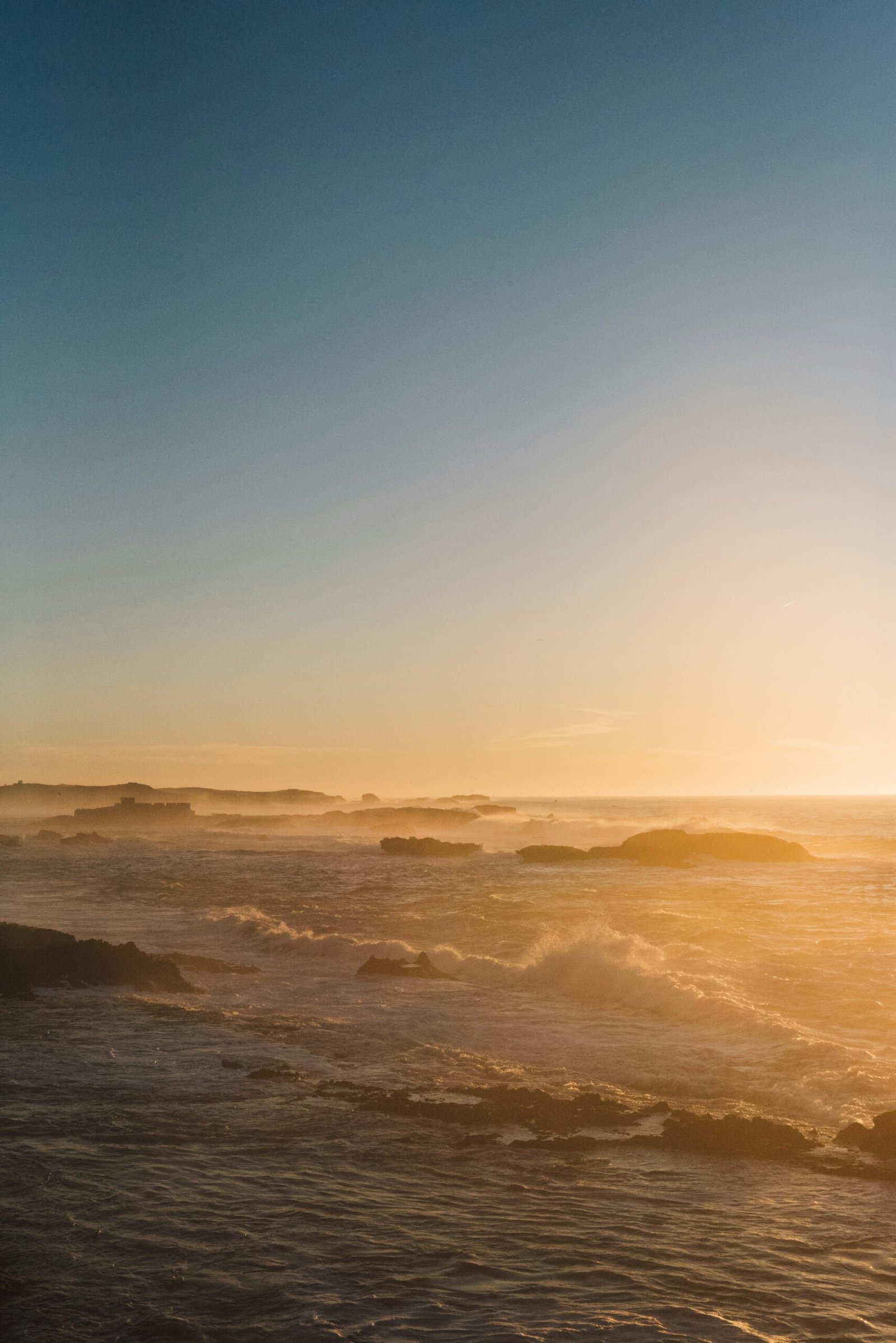
The Atlantic in June is producing excellent seafood: sardines at their summer best, grilled over charcoal at the Essaouira port stalls with chermoula and bread. Sea bass, sole, and the first cephalopods of the summer season appear on coastal restaurant menus. At the Essaouira port during Gnawa Festival week, the street food around the medina walls combines the best of both worlds: grilled fish and fresh juice eaten while Gnawa music drifts over the walls from the festival stages.
June is the month of the final spring honey harvest before the summer dryness reduces flower availability. Atlas mountain honey from hives kept in wildflower and thyme terrain is collected in June and is at its most aromatic: darker and more complex than the lighter spring varietals, with a depth that reflects the full season of mountain flowers. Buying directly from a mountain guesthouse or a beekeeper near Imlil or Azrou in June produces honey that is genuinely worth carrying home carefully.
Four days in the third week of June (exact dates vary annually). Free outdoor concerts on multiple stages in and around the medina. The programming combines Gnawa masters with international artists in a genuinely world-class festival that happens to be free. The audience is a mix of Moroccan families, international music enthusiasts, and retreat guests from across the coast. Book accommodation in Essaouira three to four months in advance for festival week — it is the most-booked period of the year for the town.
Usually the second week of June. Three days of music, processions, and cherry-focused food in a Middle Atlas town 30 kilometres south of Fez. The most accessible rural festival in northern Morocco.
June 20-21. Several retreat centres in Morocco — particularly in the Atlas and on the Atlantic coast — build specific programming around the Solstice: sunrise practices at the longest dawn of the year, intention-setting ceremonies, and the particular energy of the year’s maximum light. Not a traditional Moroccan event but increasingly a retreat calendar anchor point.
Sometimes extends into early June (check current-year dates). Free outdoor concerts in Rabat, one of Africa’s largest music festivals, accessible by train from Marrakech in three hours.
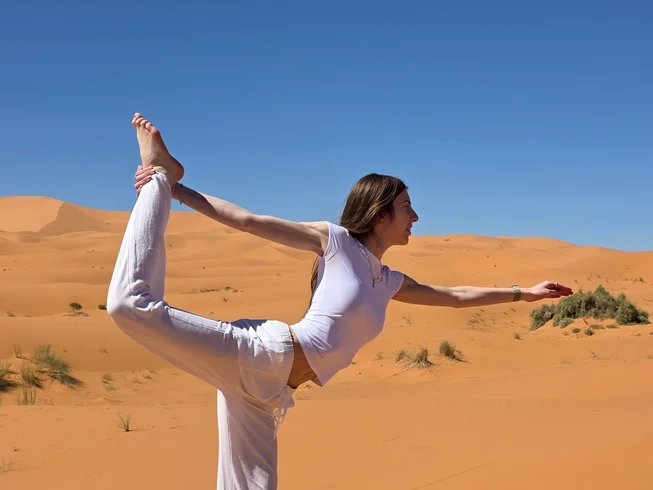
June programming divides cleanly by geography. On the Atlantic coast, the full outdoor schedule runs without modification: beach yoga at dawn, practice on rooftop terraces at any hour, medina exploration in the evening. In the Atlas, early morning practice takes advantage of the cool mountain air before the day warms, with hiking in the most comfortable part of the morning and afternoon practice when the temperature peaks and drops again.
The Gnawa Festival transforms Essaouira retreat programming for four days in a way that no other event in Morocco quite replicates. Retreat centres in and around the town incorporate the festival into the week’s schedule: evening practice before the late-night concerts, mornings structured around recovery, and the festival itself treated as a legitimate wellness experience rather than a distraction from practice. The music is genuinely healing in the Gnawa tradition — rooted in spirit possession ceremonies designed to restore balance — and experienced practitioners often find that four days of Gnawa music does something to the nervous system that seated meditation cannot always reach.
The Solstice, where retreat centres mark it, typically involves the earliest practice of the year at the longest dawn, followed by the most contemplative evening session at the longest dusk. In the Atlas at 2,000 metres, this creates a 15-hour window of light that structures the day completely differently from any other time of year.
Your email address will not be published. Required fields are marked *