


The Douro Valley: Autumn Colour
October is the Douro’s most visually dramatic month. The vine leaves that were green through summer and red-streaked at harvest in September now turn fully amber, orange, and deep red through October — the terraced schist slopes a composition of colour above the river that makes the valley in October one of the most photographed landscapes in Europe. The harvest is finishing in the first week of October, and the quintas are moving from the urgency of picking to the quieter work of fermentation and cellar management.
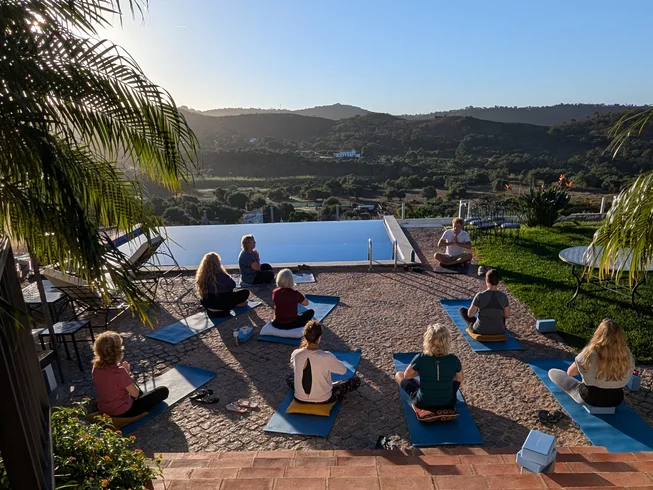
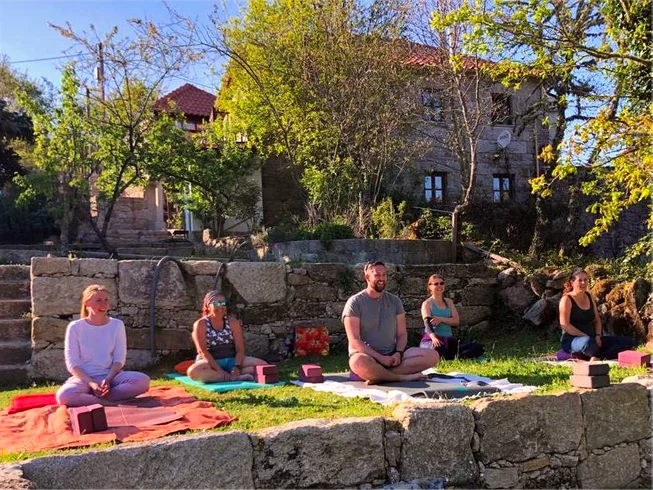
Yoga retreat programmes in the Douro in October run in the post-harvest calm: the valley is quieter than September, the quintas have time for guests, and the autumn colour walks through the terraces — which in September were busy with harvest workers — are now available for the contemplative walking that the landscape specifically invites. A morning Hatha session on a quinta terrace above the river, followed by an afternoon walk through the turning vines with a glass of the previous year’s wine at the end, is the October Douro retreat day at its most complete.
The Douro train journey from Porto — two and a half hours along the river, one of the most scenic rail routes in Europe — is worth doing in October specifically for the autumn colour visible from the windows. Retreat programmes that begin with the train from Porto rather than a car transfer are acknowledging the journey as part of the experience.
For the full valley picture, our Douro Valley yoga and wine retreats guide covers the region in detail.
Sintra and the Serra
Sintra in October is at its most atmospheric. The Serra da Sintra forest turns in October — the imported exotic species that the nineteenth-century romanticism of the Pena Palace and Monserrate gardens planted alongside the native pines produce a range of autumn colour unusual in Portugal. The mist that the Serra generates from the Atlantic moisture settles lower and more frequently in October, and the combination of turning leaves, Atlantic mist, and the romantically impractical architecture of the royal estates produces a landscape that is specifically October.
Retreat programmes in Sintra in October lean toward contemplative and restorative formats — the setting enforces this. Meditation-heavy mornings in a quinta garden with the mist burning off the Serra above, afternoon walks through the forest to the Pena Palace or the ruins of the Convento dos Capuchos (a sixteenth-century monastery of extraordinary austerity built into the granite boulders of the Serra), and evening Yin in a heated studio as the October damp settles outside.
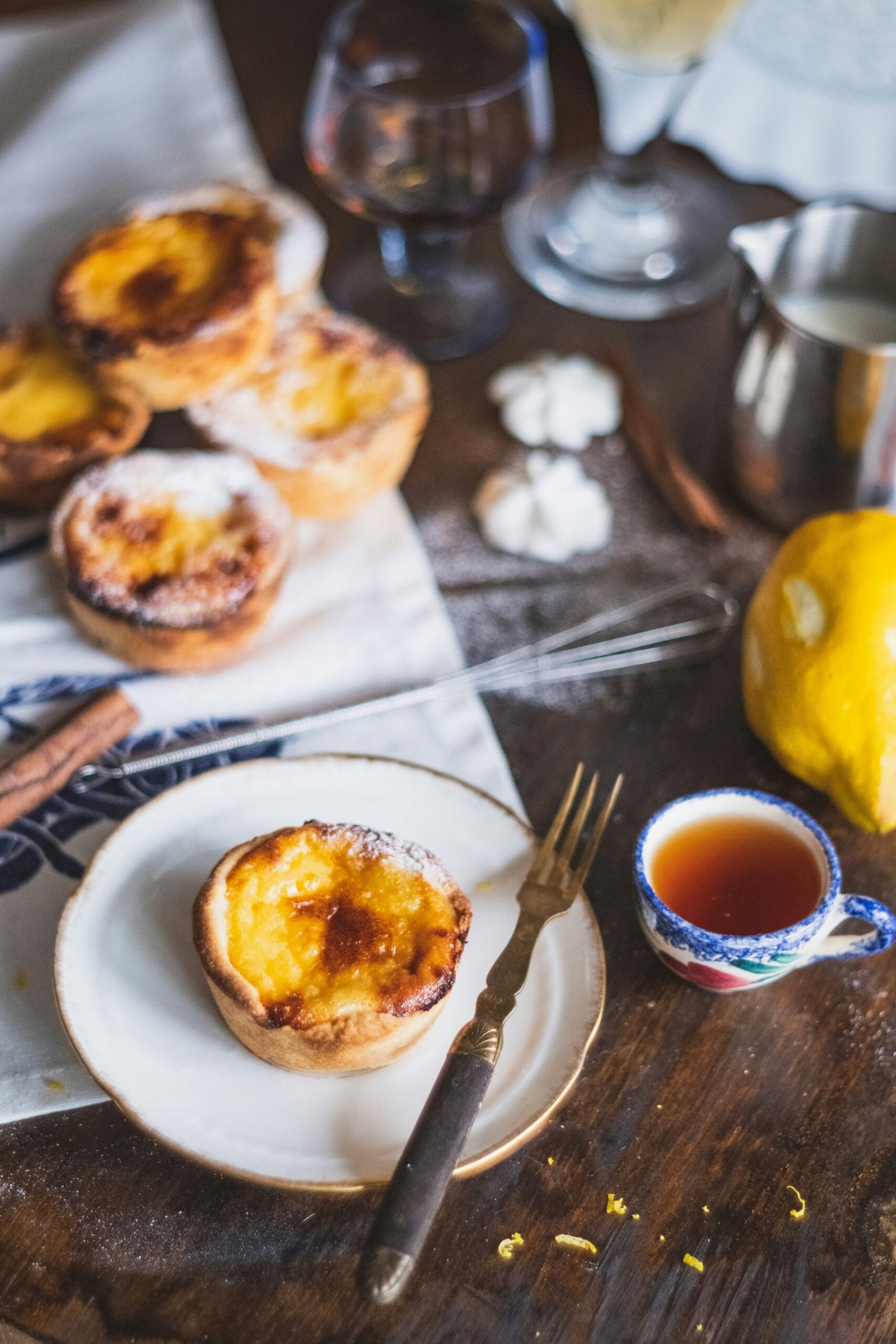
The Sintra gastronomy in October is at its autumn best: travesseiros (the puff pastry and almond cream pillows specific to Sintra’s pastry tradition), queijadas de Sintra (small cheese tarts made from fresh ewe’s milk), and the wild mushroom dishes that the Serra forests produce specifically in October.
The Algarve: First of the Olive Harvest
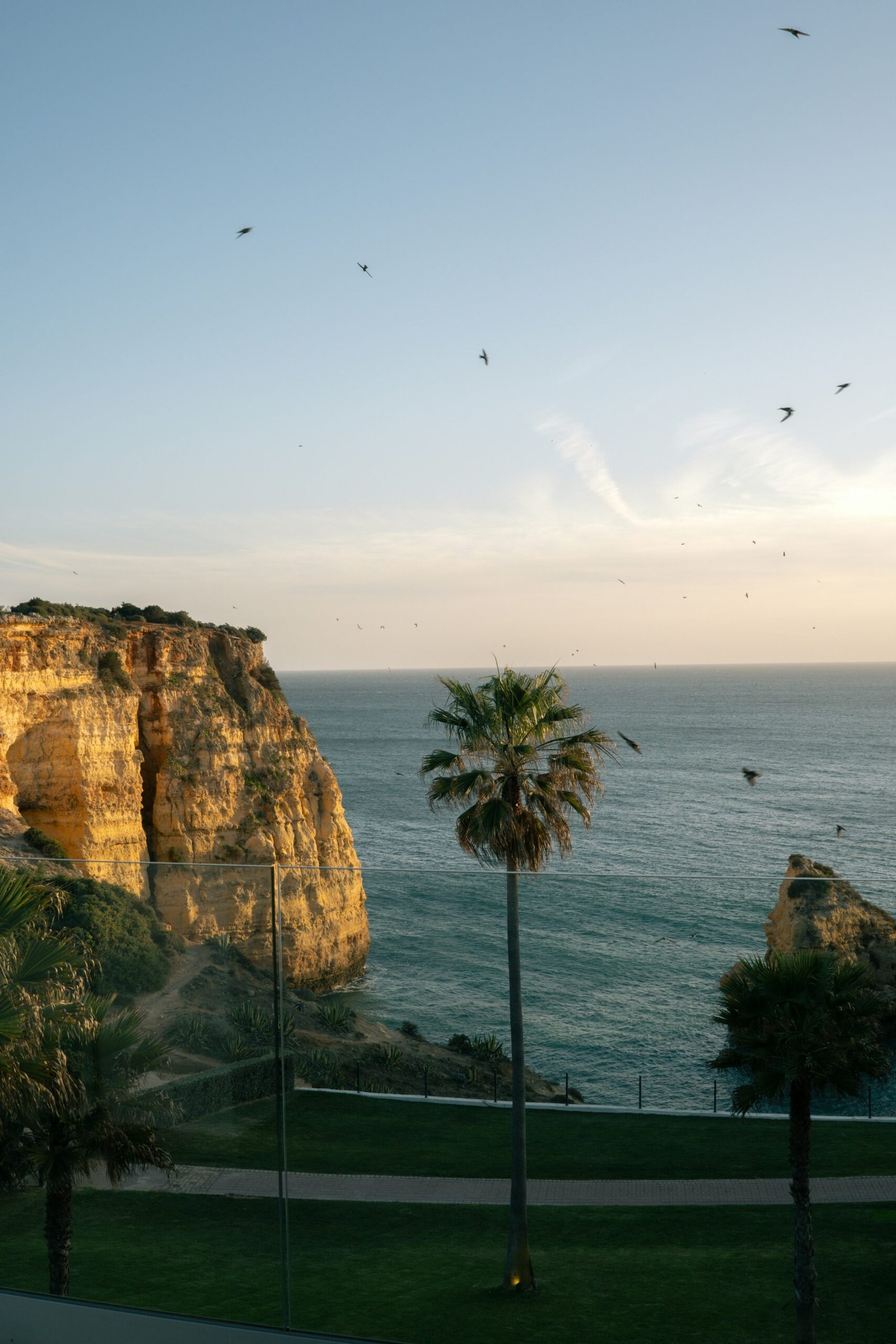
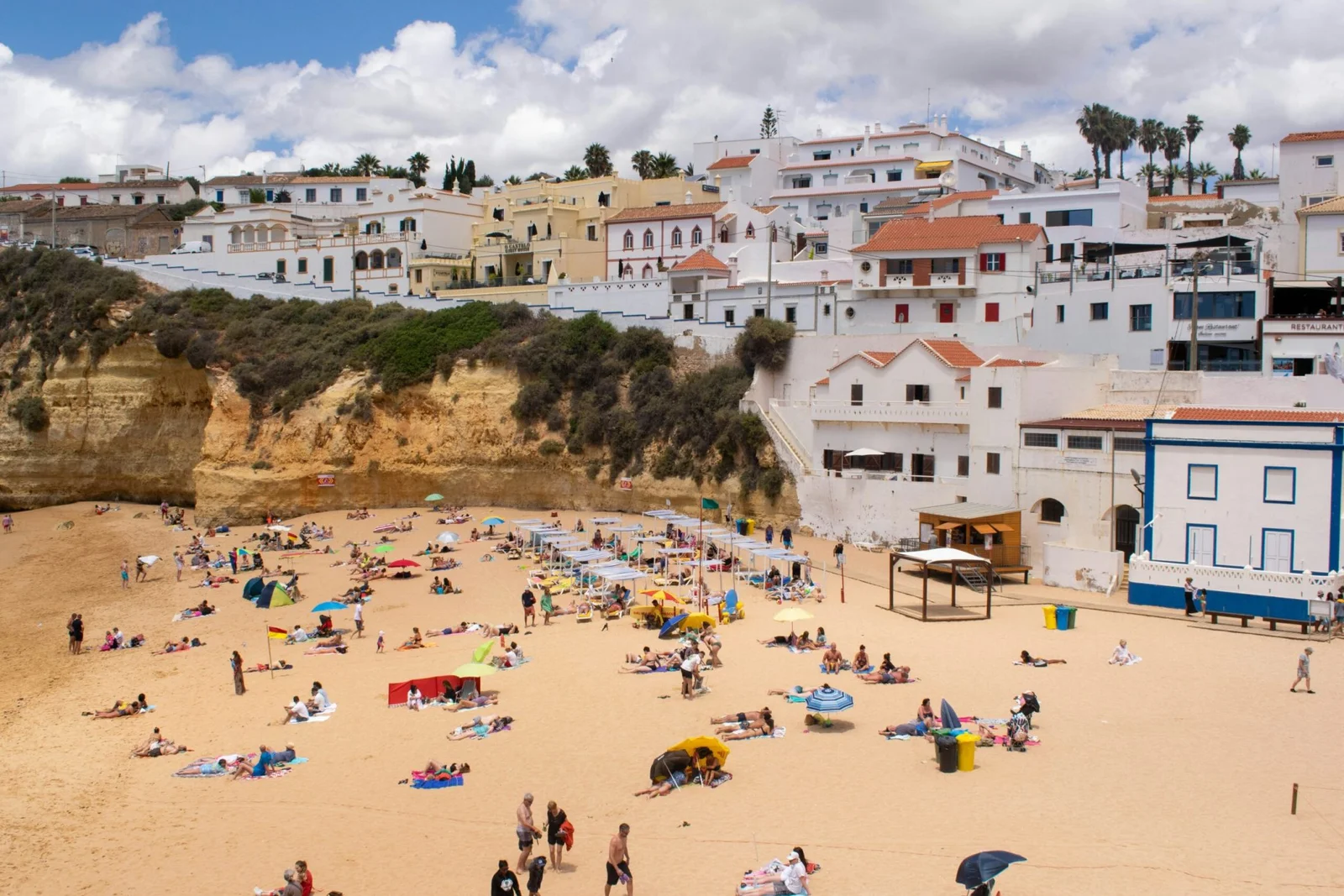
The Algarve in October is doing its second-best work of the year after September, and for those who missed September it delivers almost identical conditions with slightly cooler temperatures. Temperatures of 22-26°C, sea still at 19-20°C on the southern coast, and the tourist infrastructure operating at a pace that produces the retreat experience rather than fighting it.
The olive harvest begins in the Algarve hinterland and the Serra de Monchique in October. The black and green olives that have been growing through summer are picked in October — some by hand from nets spread under the trees, some by mechanical vibration of the branches. The communal olive presses in the villages run day and night for six weeks from October, and the smell of fresh-pressed oil is specific to this month in this landscape. Retreat centres near olive-producing areas that incorporate a harvest morning into their October programming are offering the kind of seasonal specificity that makes a retreat feel of a place rather than just in one.
The western Algarve in October has the surf building from the first autumn Atlantic swells — conditions that are excellent for intermediate surfers and the beginning of the serious surf season that will peak in January and February.
Comporta and the Tróia Coast in Autumn
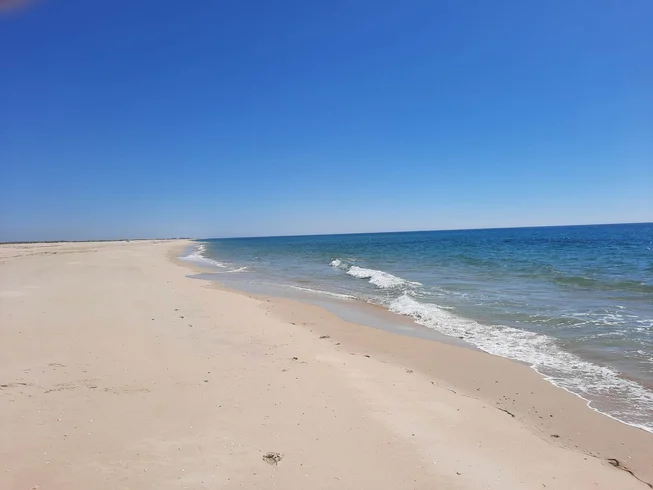
Comporta in October is the destination at its most genuine. The design-conscious summer crowd has returned to Milan and Paris, the rice fields have been harvested and the paddies are reflective gold in the October light, and the village returns to the character it has when nobody is watching. The beach in October — still warm enough for swimming in the first three weeks, with the sea at 19-20°C — is empty in a way that July and August make structurally impossible.
The estuary in October has a specific quality: the flamingos that use the Sado estuary as a winter feeding ground begin arriving in October, the dolphins that are resident year-round are more visible in the calmer autumn conditions, and the light on the water in the late October afternoon is the low golden light that the summer sun, too high in the sky, cannot produce.
Retreat programmes in Comporta in October run their most contemplative format of the year: morning beach practice in the October stillness, afternoons on the estuary by boat, and the long October evenings — sunset at 6:30pm by the end of the month — that make the retreat day feel naturally complete rather than artificially ended.