
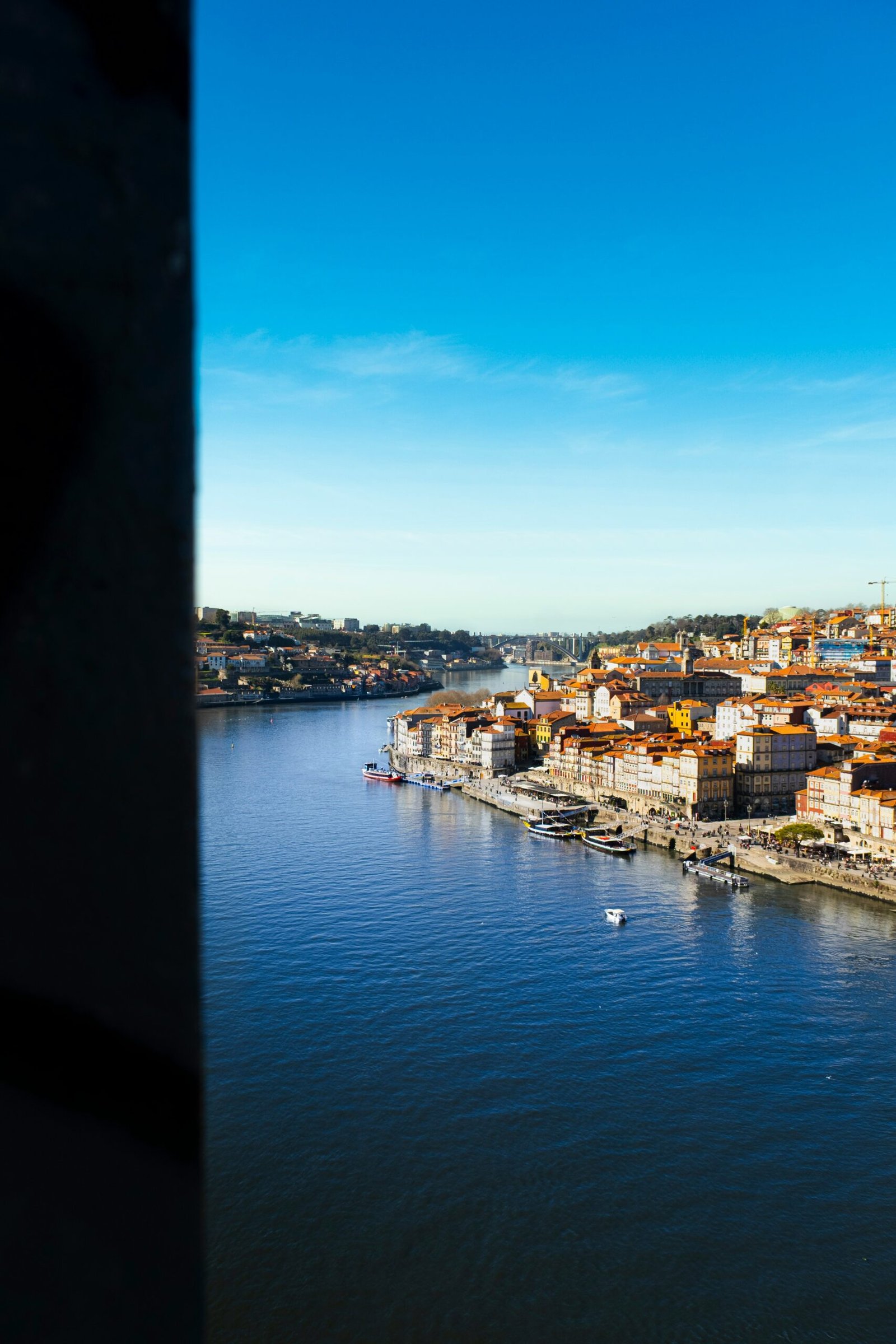
January in Portugal is not what most people picture when they think wellness retreat. There are no guaranteed beach days.
The ocean is cold. But the Algarve is mild at 16-18°C, the retreat centres are intimate, the prices are at their annual low, and the country is almost entirely yours. For those who know, January is one of the better months to go.


Portugal stays genuinely open in January. The Algarve averages over 300 days of sun per year and January is among the milder winter months in Europe — cool mornings, warm afternoons, and the Atlantic surf at its most powerful and consistent.
Retreat centres that stay open in January do so because the format works: small groups, lower prices, and a quality of attention that peak season rarely delivers. Our full Portugal yoga retreats guide covers the full range of options if you want to compare before committing to January.
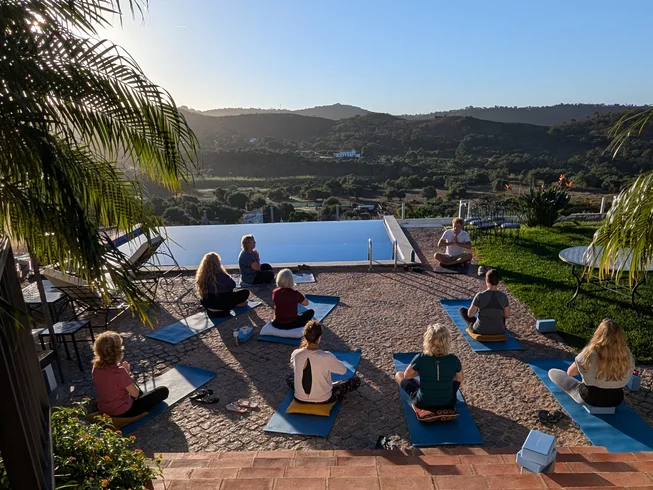
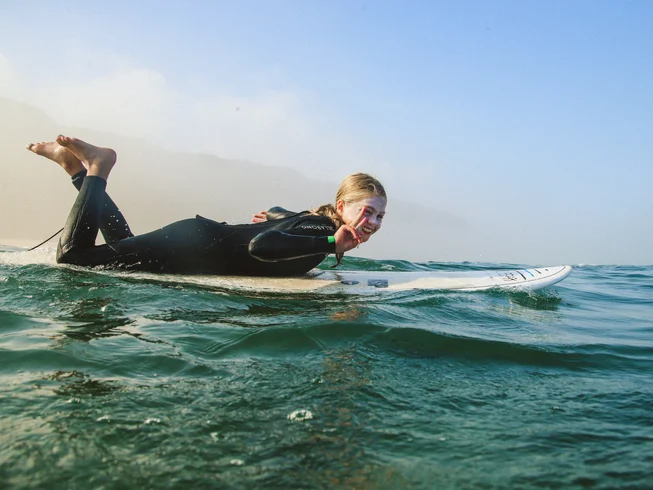
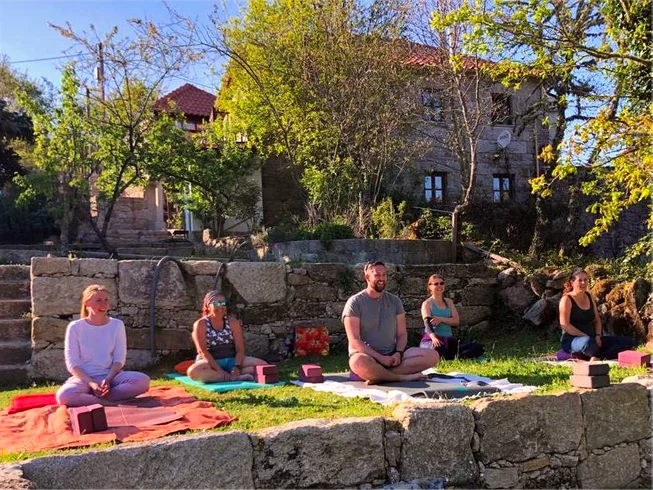
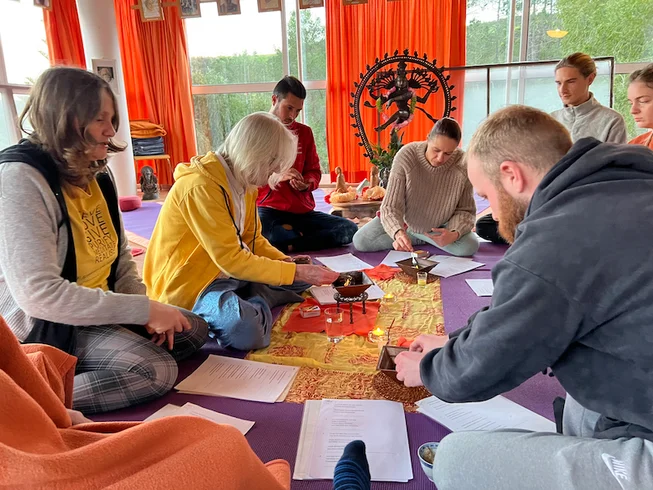
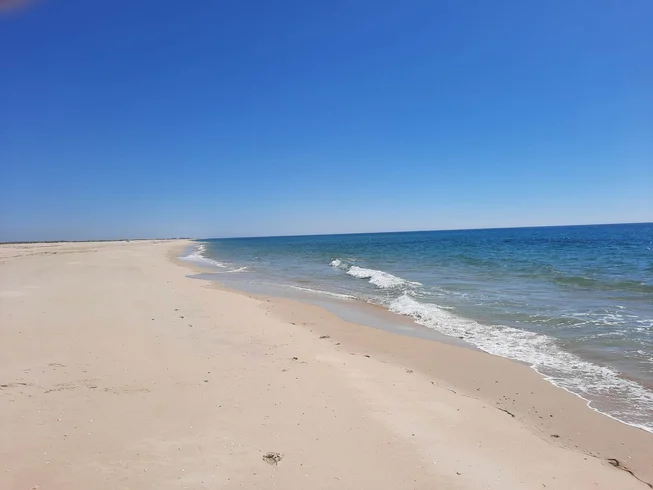
The Algarve is the obvious January choice, and for good reason. The south coast gets more winter sun than anywhere else in Portugal, temperatures hold at 16-18°C through January, and the infrastructure — retreat centres, venues, teachers — stays fully operational when other regions quiet down. Outdoor morning practice is realistic. The sea is too cold for most people to swim without a wetsuit, but the beaches are empty and long and excellent for walking.
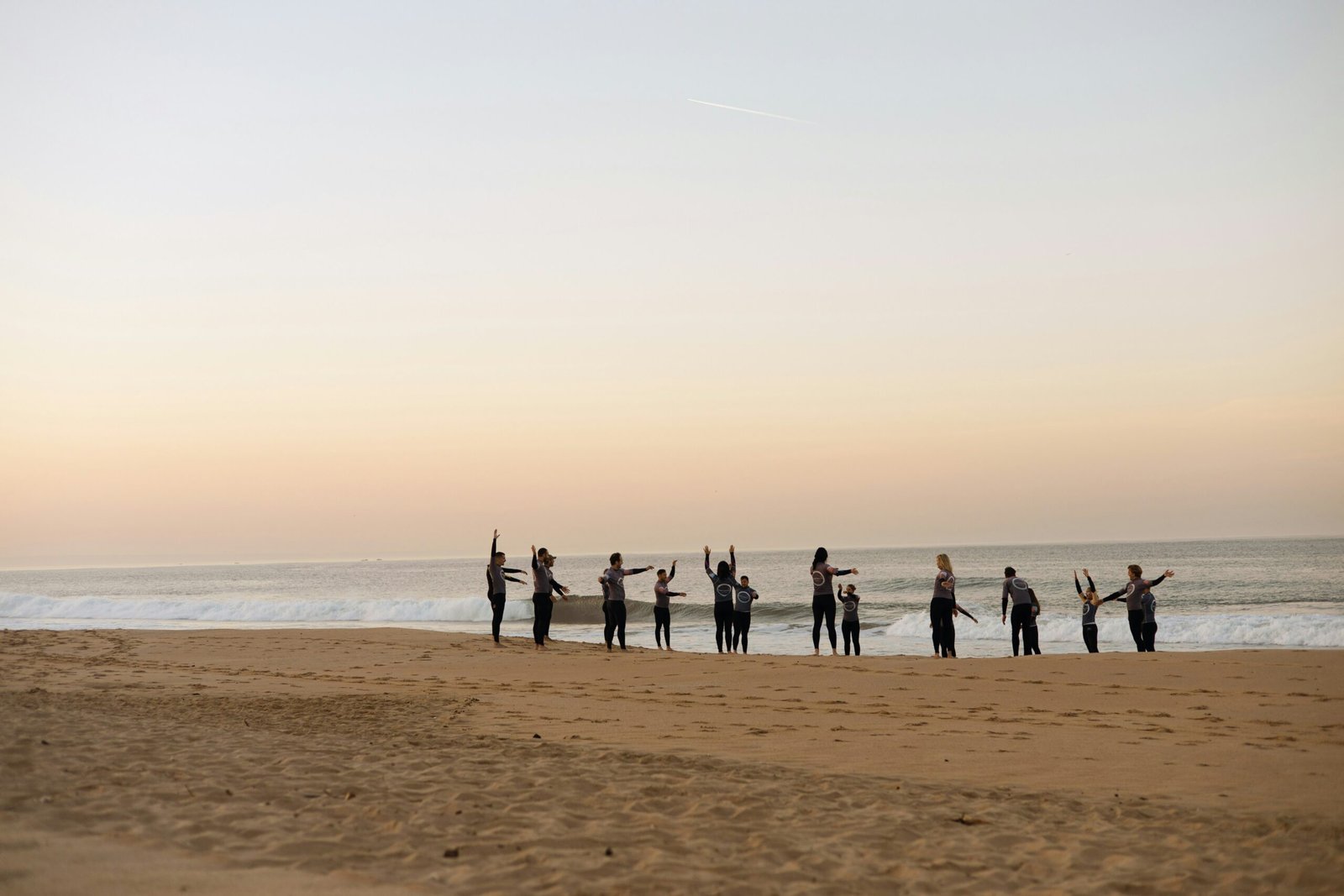
The western Algarve around Aljezur, Carrapateira, and the Costa Vicentina is particularly good in January. The surf is at its most powerful — long Atlantic swells producing consistent waves on beaches that are almost entirely empty. Surf-and-yoga retreat programmes that operate year-round concentrate here, and January gives you the best surf conditions of the year in the fewest crowds.
The retreat experience in January Algarve has a specific quality: groups are small (6-10 people is typical), the staff-to-guest ratio improves, and teachers have time for individual attention that August programmes cannot offer. A week in January that costs 30-40% less than the same week in summer is not a lesser version of the experience. It is often a better one.
Ericeira in January is the town in its working mode. The international summer community of surfers and practitioners thins considerably, but the core of serious year-round residents remains — teachers who chose Ericeira as a base rather than a seasonal stop, surfers who are here specifically for the winter swell, and the Portuguese families who have always lived here. The retreat experience in January Ericeira is more local in character than at any other time of year.
The surf is excellent. Ribeira d’Ilhas and Coxos — two of the breaks within Europe’s only World Surfing Reserve — are at their most active from November through March. January is not beginner surf month in Ericeira; the Atlantic is powerful and the conditions demand awareness. Retreat programmes here in January tend to calibrate accordingly: intermediate and experienced surfers get the best conditions of the year, beginners get careful spot selection and smaller group attention.
Yoga programming in January Ericeira leans toward the restorative and contemplative end. The short days and powerful ocean create a natural rhythm that supports inward-facing practice. Evening yin sessions after a day of surf or coastal walking feel earned rather than scheduled.
Sintra in January is at its most atmospheric: the forested hills of the Serra often wrapped in mist, the Moorish ruins and royal palaces without the summer queues, and a quality of stillness that the October through March window specifically offers. The forest walks that form the backbone of Sintra retreat programming are best done in the cool and quiet of winter.
Retreat programmes in Sintra in January lean toward meditation-heavy and restorative formats. The setting discourages the active, socially busy programmes that work in summer. What it offers instead is a particular quality of interior attention that the combination of forest, mist, and short days naturally supports.
Lisbon Airport is 40 minutes away, making this the lowest-friction retreat option near a major European hub. A day in Lisbon before or after the retreat adds a cultural dimension — the city is compact, walkable, and genuinely interesting — without the summer heat and tourist density that can make it overwhelming.
The Alentejo in January is the quietest version of Portugal’s quietest region. The cork oak forests are bare, the rolling plains have the particular stillness of winter agricultural land between seasons, and the whitewashed villages see almost no visitors. Retreat centres operating here in January typically run small groups specifically because January suits small-group, inward-facing formats best.
The food culture of the Alentejo is specifically good in January. Black pork from the regional Alentejano pig, slow-cooked in the traditional manner. Caldo verde — kale and potato soup — that is specifically a winter dish. Bread from wood-fired communal ovens, produced daily in the villages. The retreat kitchen in January Alentejo has ingredients that summer does not produce.
January is orange season along the Algarve coast and in the Alentejo groves. Portuguese navel oranges in January are at full sweetness — thick-skinned, intensely flavoured, and pressed at street carts for fresh juice that costs almost nothing. Blood oranges begin appearing from mid-January, darker and more complex, with a slight tartness behind the sweetness. Clementines from the Setúbal peninsula are at their seasonal peak.
The Atlantic in January produces excellent bacalhau (salt cod), the national ingredient and the foundation of dozens of traditional preparations. Bacalhau à Brás (shredded cod with eggs and potatoes), bacalhau com natas (with cream), and the simpler bacalhau assado (grilled over charcoal) are all January staples. Percebes (barnacles harvested from the Atlantic rocks) appear at their freshest — expensive, strange-looking, and tasting precisely of the cold ocean they came from.
Caldo verde is Portugal’s most comforting soup: kale, potato, olive oil, and a slice of chouriço, made in every household and every restaurant through the winter months. Feijoada (a bean and meat stew, the Portuguese predecessor to the Brazilian version) is a January dish in the Alentejo — heavy, warming, and made for cold evenings. Açorda alentejana — a bread soup with garlic, olive oil, coriander, and poached egg — is one of those dishes that makes perfect sense the moment the temperature drops.
Pastéis de nata are available year-round but eaten in greater quantities in winter, when the warm custard against a cold morning makes more sense. Bola de Berlim (a Portuguese doughnut with custard filling) appears at bakeries throughout January. The pastry culture of Portugal is genuinely excellent and January is when you eat it without guilt.
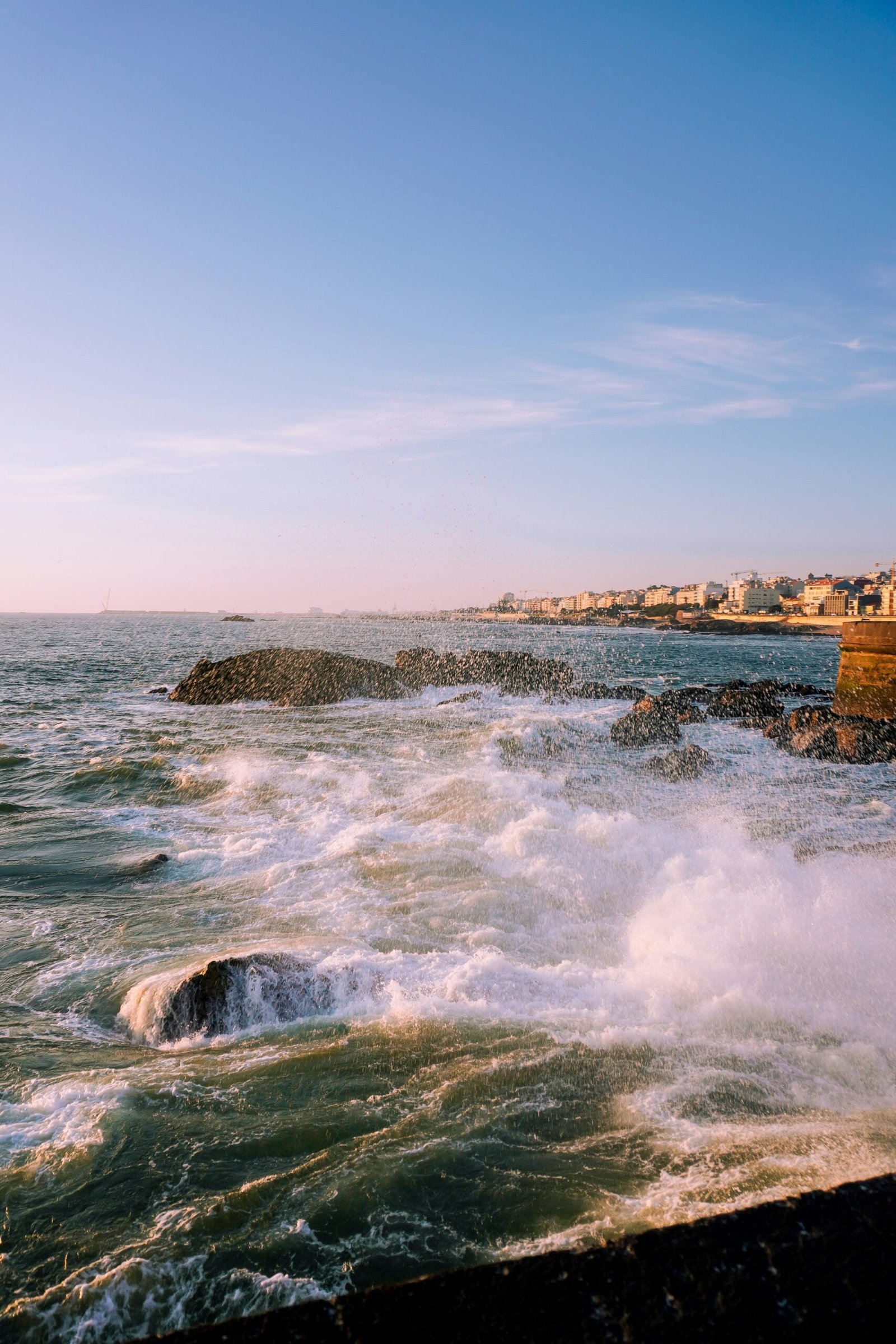
January is the peak of the Atlantic surf season. The North Atlantic storm systems that generate Portugal’s best waves are at maximum intensity in January, and breaks from Ericeira north through Peniche to Nazaré are producing conditions that serious surfers travel specifically to find. Nazaré — 90 minutes north of Lisbon — occasionally produces the biggest surfed waves in the world in January. Even if you are not surfing, watching the tow-in sessions at Praia do Norte in January is one of the more extraordinary spectacles available anywhere in Europe.
Carnaval falls in February or early March depending on the year, and the preparations begin in January in some towns. Torres Vedras, north of Lisbon, holds what is considered Portugal’s most elaborate Carnaval celebration — the decorations and float construction are visible and increasingly festive through January as the preparations build.
The first two weeks of January in Portugal have a specific quality: the Christmas and New Year visitors have left, the country has returned to its own rhythm, and the domestic tourists who fill Lisbon and Porto in summer are at home and at work. This fortnight is the quietest period of the year and one of the best for retreat travel.
January retreat programming in Portugal is the most inward-facing of the year. The short days, cool temperatures, and minimal external stimulation naturally support contemplative practice, and the best retreat centres work with this rather than against it.
Morning practice starts slightly later than in summer — 8am rather than 7am — allowing for natural light and a slightly warmer start. Sessions tend toward grounding styles: Hatha, slow Vinyasa, or Yin, with a pranayama or meditation component that summer programmes sometimes omit. The physical setting, whether a wood-heated studio in Sintra or a south-facing terrace in the Algarve, shapes the practice in ways that are specific to January.
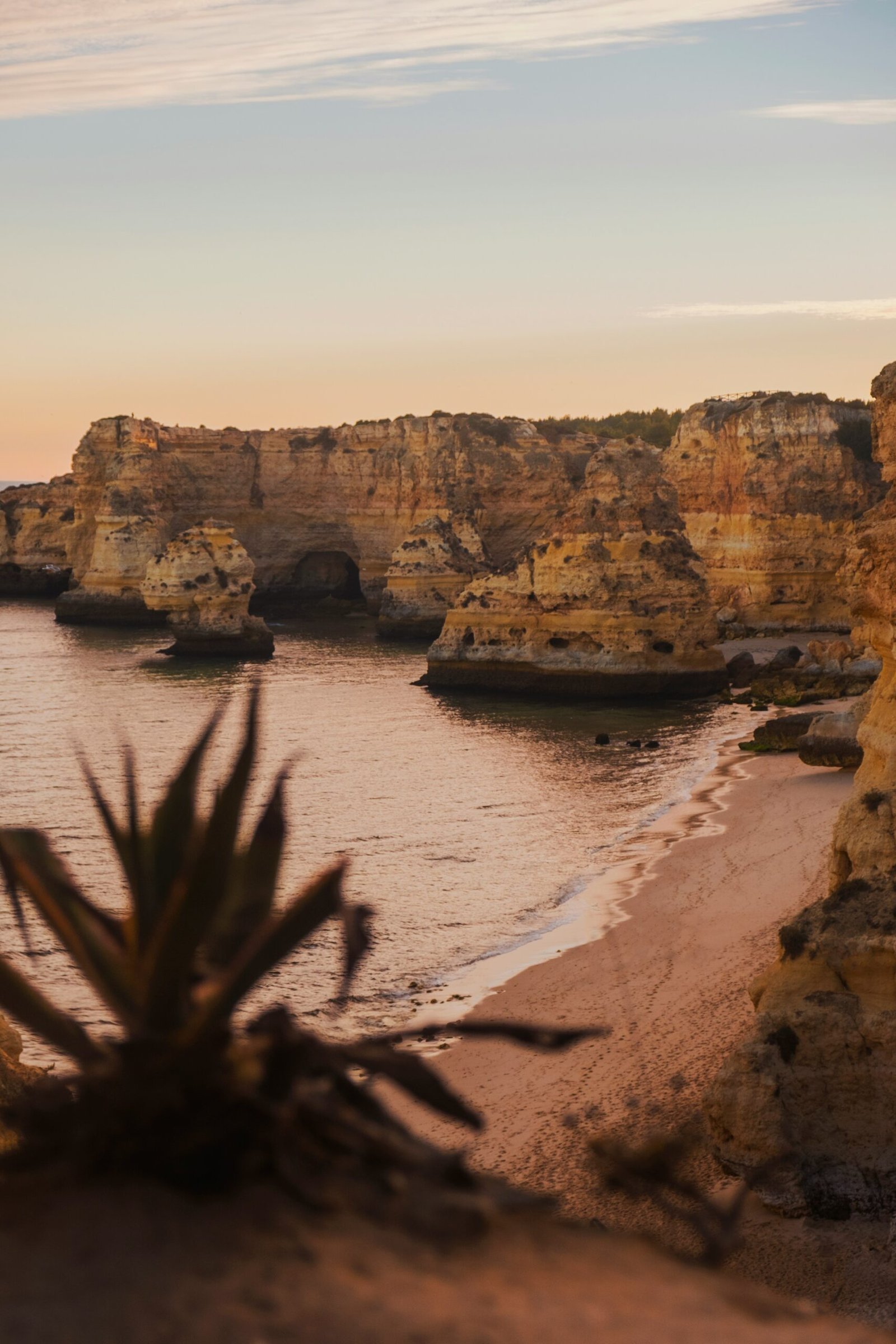
Afternoon programming is the most flexible time. Coastal walks in the Algarve with the winter Atlantic to one side and the limestone cliffs to the other. Forest walks in Sintra or the Alentejo with the silence of bare trees and cold air. Hammam or bodywork sessions that feel genuinely necessary rather than optional. Cooking workshops using the seasonal January kitchen.
Evening practice is restorative and often candlelit — yin yoga, yoga nidra, or a guided meditation that closes the day without stimulating it. Dinner is communal and unhurried, typically eaten earlier than in summer (8pm rather than 9:30pm) because the darkness and the cold make early evenings feel right.
The groups in January retreats tend to be more self-selected than summer groups. People who chose January specifically are not there by accident of school holiday availability. They came because they wanted January — the quiet, the prices, the intimacy. The group dynamic that emerges from this shared deliberateness is often the best part of the week.
Is January a good month for a yoga retreat in Portugal? Yes, particularly for those who value quiet, low prices, and small groups over warm weather and beach culture. The Algarve is mild enough for outdoor practice and the retreat infrastructure stays fully active. The experience is different from summer — more inward-facing, more intimate, less social — and for many people that is precisely the point.
Which part of Portugal is best for a January retreat? The Algarve for warmth and reliability. Ericeira for surf and Atlantic energy. Sintra for forest, mist, and contemplation. The Alentejo for complete quiet and the most authentic version of rural Portugal. The right choice depends on what you need from the week.
Is the weather good enough for outdoor yoga in January? In the Algarve, yes — January afternoon temperatures of 16-18°C are comfortable for outdoor practice in the sun. Early morning practice requires a warm layer everywhere. In Sintra and the north, outdoor practice happens but is weather-dependent. Most January programmes have indoor studio backup as standard.
How does January compare to February for a Portugal retreat? January is quieter and cheaper. February has almond blossom in the Algarve — one of Portugal’s most specific seasonal pleasures — and is slightly warmer as spring approaches. Both are excellent low-season months. See our yoga retreats in Portugal in February guide for what the following month offers.
Your email address will not be published. Required fields are marked *