
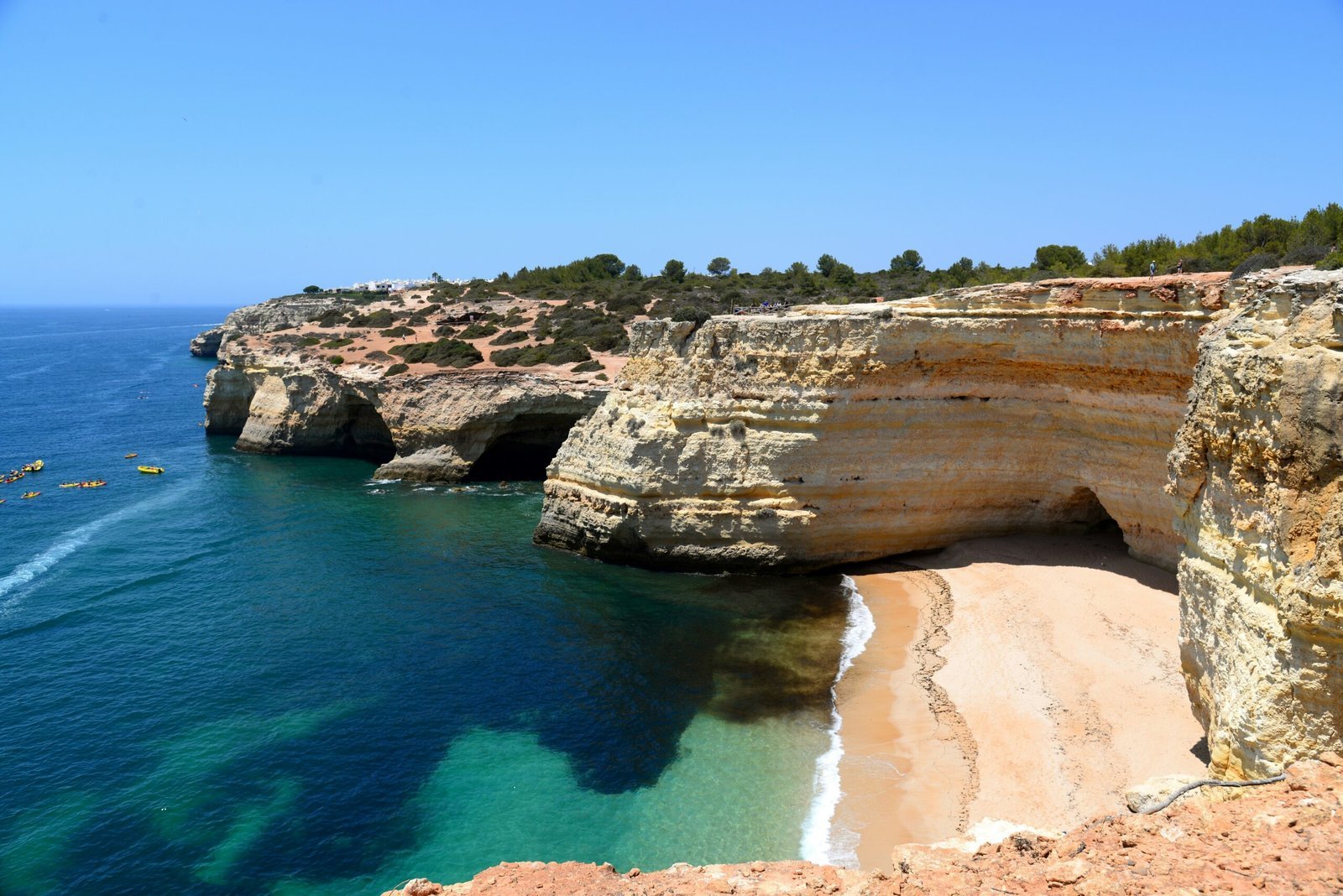
The Algarve is Portugal’s most established region for retreat travel — and also its most varied. The western coast near Aljezur is a different world from the central stretch around Lagos, which is different again from the quieter eastern Algarve around Tavira. Each area has its own character, its own type of retreat, and its own reasons to choose it.
This guide breaks down what each part of the Algarve actually offers for yoga and wellness retreat travel, what formats are available, when to go, and what a typical week looks like on the ground.


The practical case for the Algarve is straightforward. Faro Airport connects directly to most major European cities, often in under three hours. The climate averages over 300 days of sunshine per year, with mild winters that keep outdoor morning practice viable year-round. The retreat infrastructure — venues, teachers, established programmes — has been developing since the early 2010s and is now mature enough to support a wide range of formats and budgets.
Beyond logistics, the landscape contributes something real. The Atlantic coast here is among the most dramatic in Europe: limestone cliffs cut to the sea, long beaches backed by dunes, and — on the western Costa Vicentina — protected coastline with almost no development. That physical environment affects how a retreat week feels. Space and natural scale tend to shift perspective in ways that a city spa week doesn’t.
The Algarve also stays meaningfully active through winter, which distinguishes it from many Mediterranean retreat destinations that effectively shut down from November to March. For people with flexibility on timing, this makes it one of the more reliable year-round options in Europe.
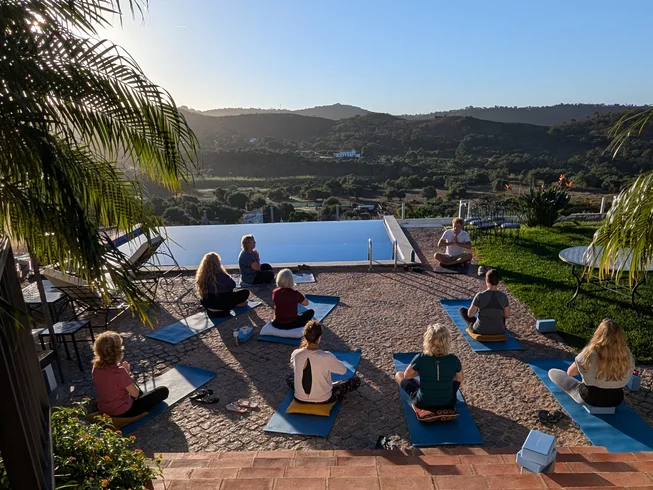
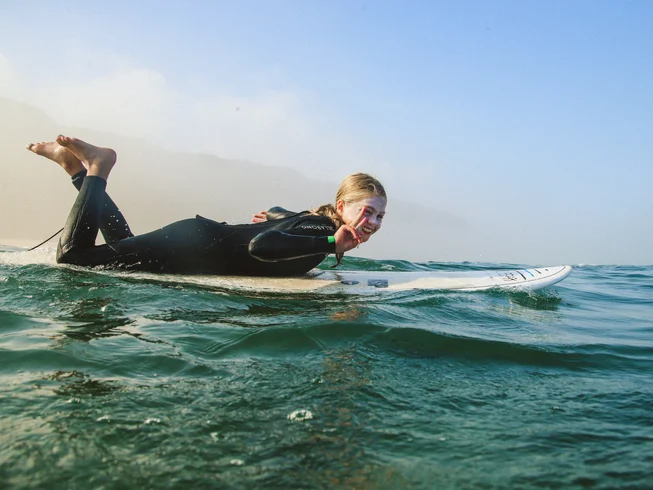
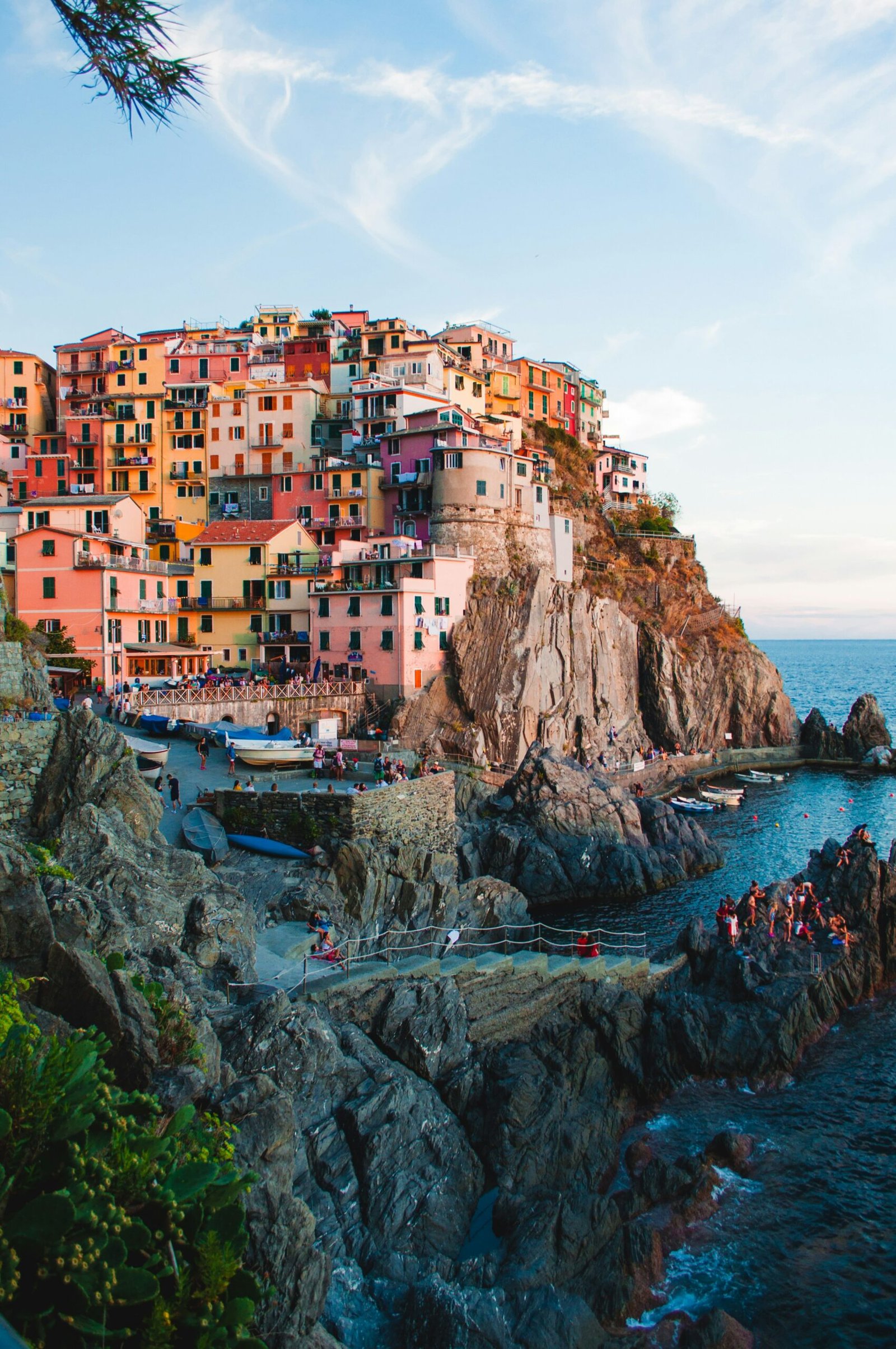
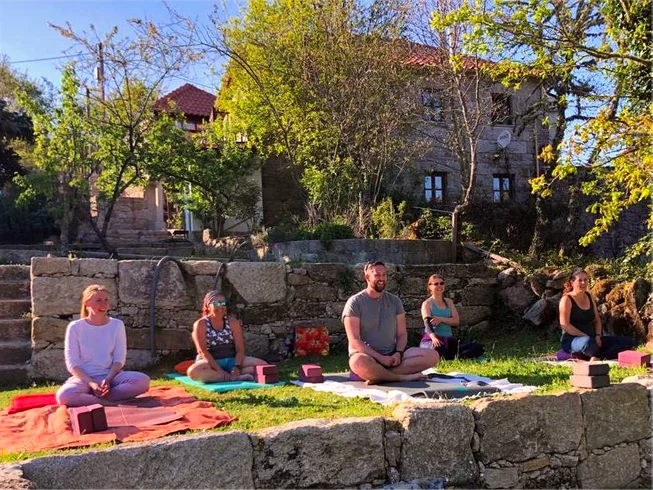
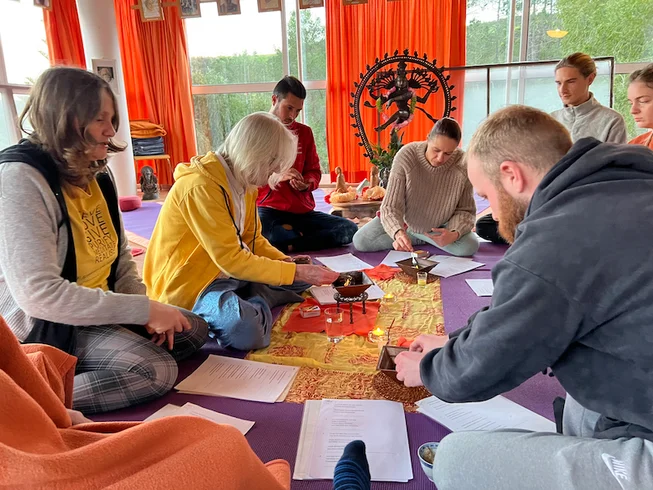
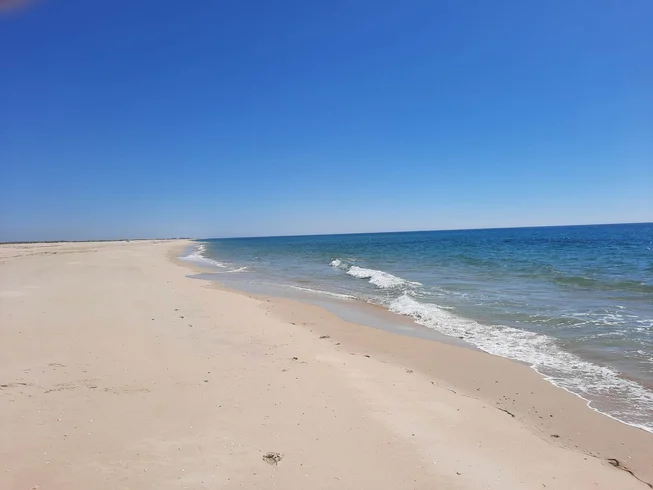
The western Algarve sits within the Southwest Alentejo and Vicentine Coast Natural Park, one of Europe’s largest protected coastal areas. Development is tightly restricted, which means the landscape is genuinely wild — red sandstone cliffs, empty beaches, Atlantic surf, and almost no tourism infrastructure beyond small surf camps and retreat venues. Our surf and yoga Portugal guide covers this format in detail.
Retreats here tend to be smaller, more rustic, and often eco-committed by necessity as much as philosophy. The surf is consistent from autumn through spring, which is why this stretch dominates Portugal’s yoga-and-surf retreat market. Days typically start early with practice before the wind picks up, followed by time in the sea or on a board, and communal evenings with locally sourced food.
Best for: surf and yoga combinations, eco-focused retreats, active formats, and people who want genuine remoteness without travelling far from Faro or Lisbon.
The central Algarve has the strongest concentration of established retreat venues — boutique villas, converted farmhouses, and purpose-built wellness centres within easy reach of the coast. The landscape is less wild than the west but still striking: golden limestone formations, sheltered coves, and clear water. Sagres sits at the southwestern tip of Europe and has a particular quality of exposure and openness that attracts retreat programmes specifically designed around that setting.
Programmes here tend to offer more variety: yoga styles range from Ashtanga and Vinyasa to Yin and restorative, and many venues run spa and treatment offerings alongside the practice. Our September guide covers what this month specifically offers across the Algarve and beyond. Groups are slightly larger on average than on the west coast, and the area has better restaurant and café options for free time. A good middle ground between comfort and seclusion.
Best for: first-time retreat travellers, mixed yoga and spa formats, people who want coastal access with a higher standard of accommodation.
The eastern Algarve receives far fewer retreat visitors than the west or centre, which is largely the point. The landscape shifts here — flatter, calmer, defined by the Ria Formosa lagoon system, salt flats, and long barrier islands with calm shallow water. Tavira is one of the most architecturally intact towns in Portugal and has a pace that matches its surroundings.
Retreats in this area tend to be smaller and quieter, with a stronger emphasis on meditation, restorative practice, and slow living. The environment suits contemplative formats — there’s less activity on offer, which is either a drawback or the entire point depending on what you’re looking for.
Best for: restorative and meditation-focused retreats, solo travellers, people who specifically want quiet over activity, and anyone seeking the Algarve without the Algarve crowds.
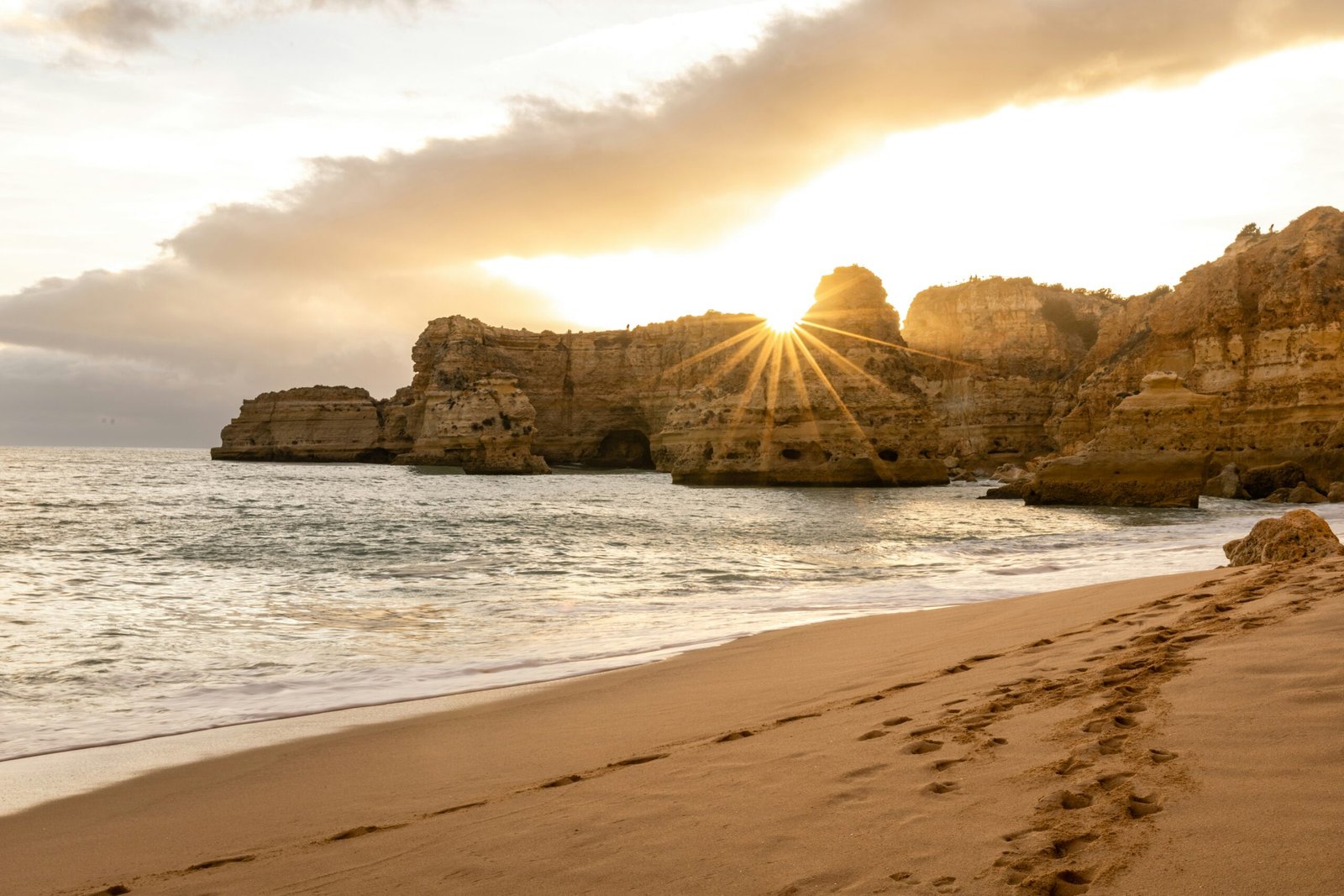
Across the different areas, most Algarve retreats share a similar daily rhythm. Morning practice runs early — usually 7:30 or 8am — before the heat builds and before the day’s mental noise has a chance to set in. This session tends to be more active: Vinyasa, Ashtanga, or Hatha, depending on the teacher’s style. Breakfast follows, usually communal and often substantial.
Afternoons are typically unstructured or loosely programmed — a hike along the Rota Vicentina coastal trail, a surf lesson, time at the beach, or simply rest. This free period is not incidental; it’s where much of the actual integration of the practice happens. Evening sessions are usually quieter: Yin yoga, restorative, pranayama, or meditation, designed to close the day rather than stimulate it.
Accommodation ranges from shared rooms in eco-lodges on the west coast to private rooms in boutique villas in the central Algarve. Most retreats include all meals, and food is a serious part of the programme — plant-forward, locally sourced, and genuinely good rather than functional.
Group sizes vary: the west coast runs smaller (6–12 people), the central Algarve can go up to 16–20. Single room supplements apply at most venues — confirm before booking if you’re travelling solo.
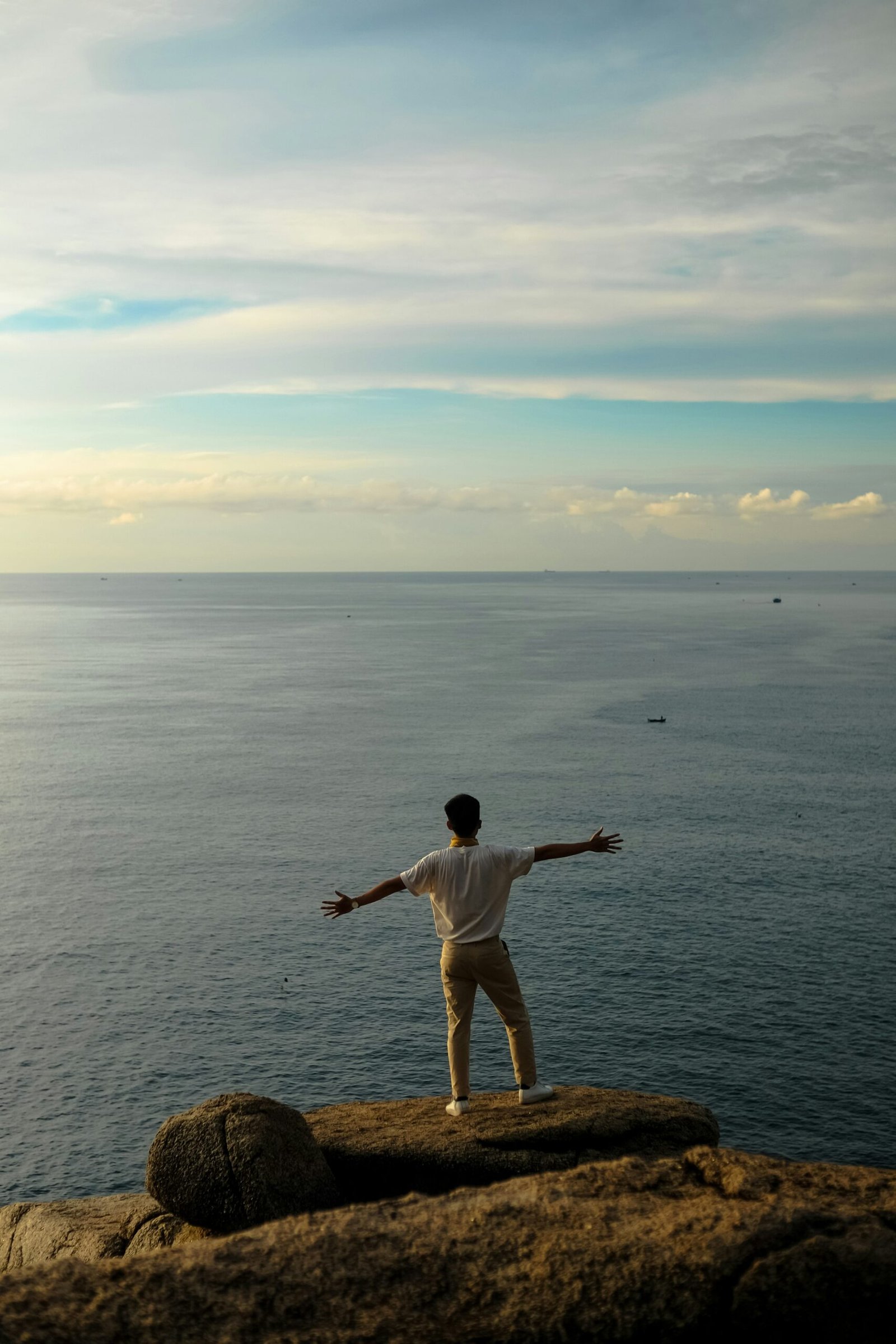
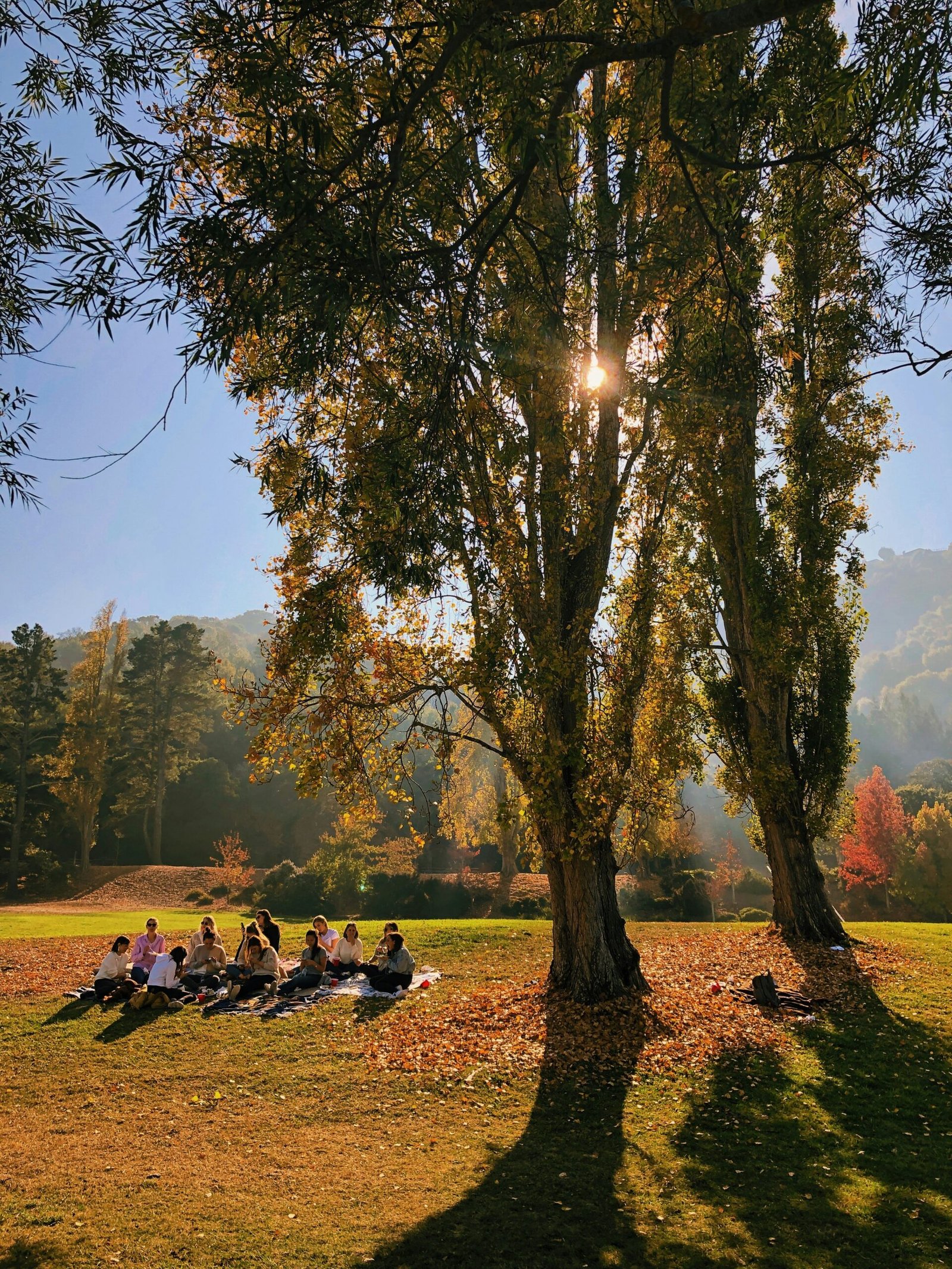
Warm days, cool evenings, green landscape, and relatively few tourists outside of Easter week. Sea temperatures are still cool (16–17°C) but manageable. Surf is good on the west coast. One of the best windows for outdoor practice and nature walks. Prices are mid-range and availability is good with reasonable advance notice.
Hot and busy, particularly in July and August. The central Algarve gets crowded with general tourism; the west coast is more insulated. Retreat schedules shift to early morning and late evening sessions to avoid midday heat. Sea temperatures reach 20–22°C. Book at least three to four months ahead — availability tightens significantly and prices are at their highest. Surf and yoga combinations work best in this season.
The best overall window for most retreat formats. Sea is at its warmest (21–23°C), crowds have thinned since August, prices drop, and the light is exceptional. Many venues run their longest and most intensive programmes in this period. Surf remains good on the west coast through October and into November.
Genuinely mild by northern European standards — average highs of 16–18°C in January, with regular sun and minimal rain compared to the rest of Europe. Tourist infrastructure is quiet. Groups are small, prices are lowest, and the atmosphere is well-suited to restorative, meditation, and slower-paced formats. Sea is too cold for most people to swim in, but outdoor practice remains realistic through the winter months.
The most common mistake when booking an Algarve yoga retreat is treating the region as a single destination. It isn’t. The west coast, central Algarve, and eastern Algarve are distinct enough in character that the wrong choice for what you need will affect the whole week. Match the area to the format — wild coast for active and eco-focused programmes, central for comfort and variety, east for quiet and contemplation.
Browse Om Away’s curated yoga retreats in Portugal, including programmes across the Algarve — all reviewed for quality of teaching, environment, and programme structure.
Your email address will not be published. Required fields are marked *