
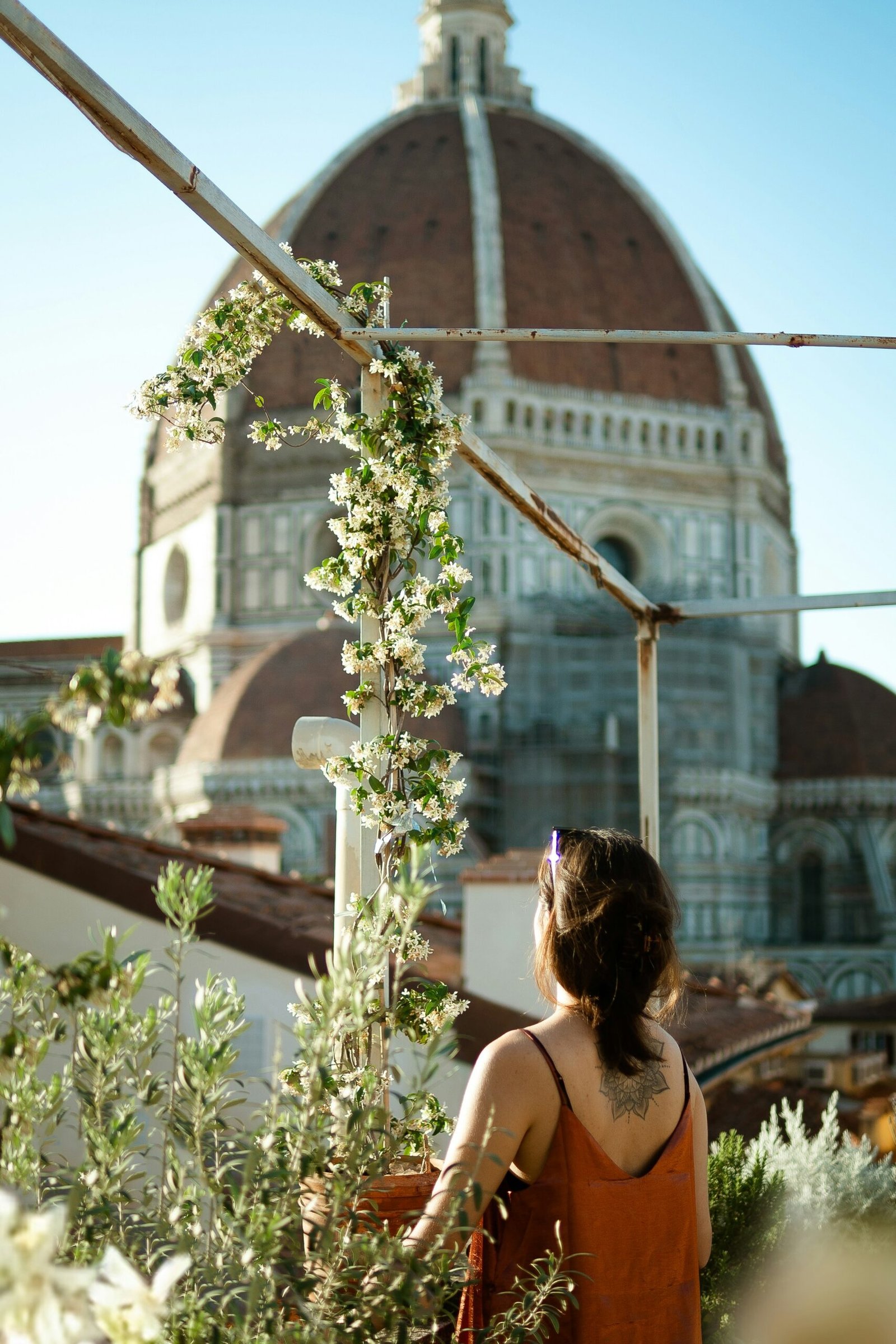
May is the last good-value month before the summer prices arrive. The sea crosses 20°C on the southern coasts, the lakes are in full spring flower, Tuscany has its famous golden light before the summer haze, and the thermal springs are still operating without the August pressure. The retreat infrastructure is running at its most varied and energetic. The food — the first cherries, the strawberries at peak, the wild herbs — is specifically of this month. Book in May and get Italy at its most complete without paying the July premium.


May has the best overall conditions of the spring season with prices not yet at summer peak. The sea is swimmable on the Amalfi Coast and in Sicily. The lakes are at their most beautiful. Tuscany and Umbria are running their full outdoor wellness programme for the first time since October. Our wellness retreats in Italy guide covers every region and format.
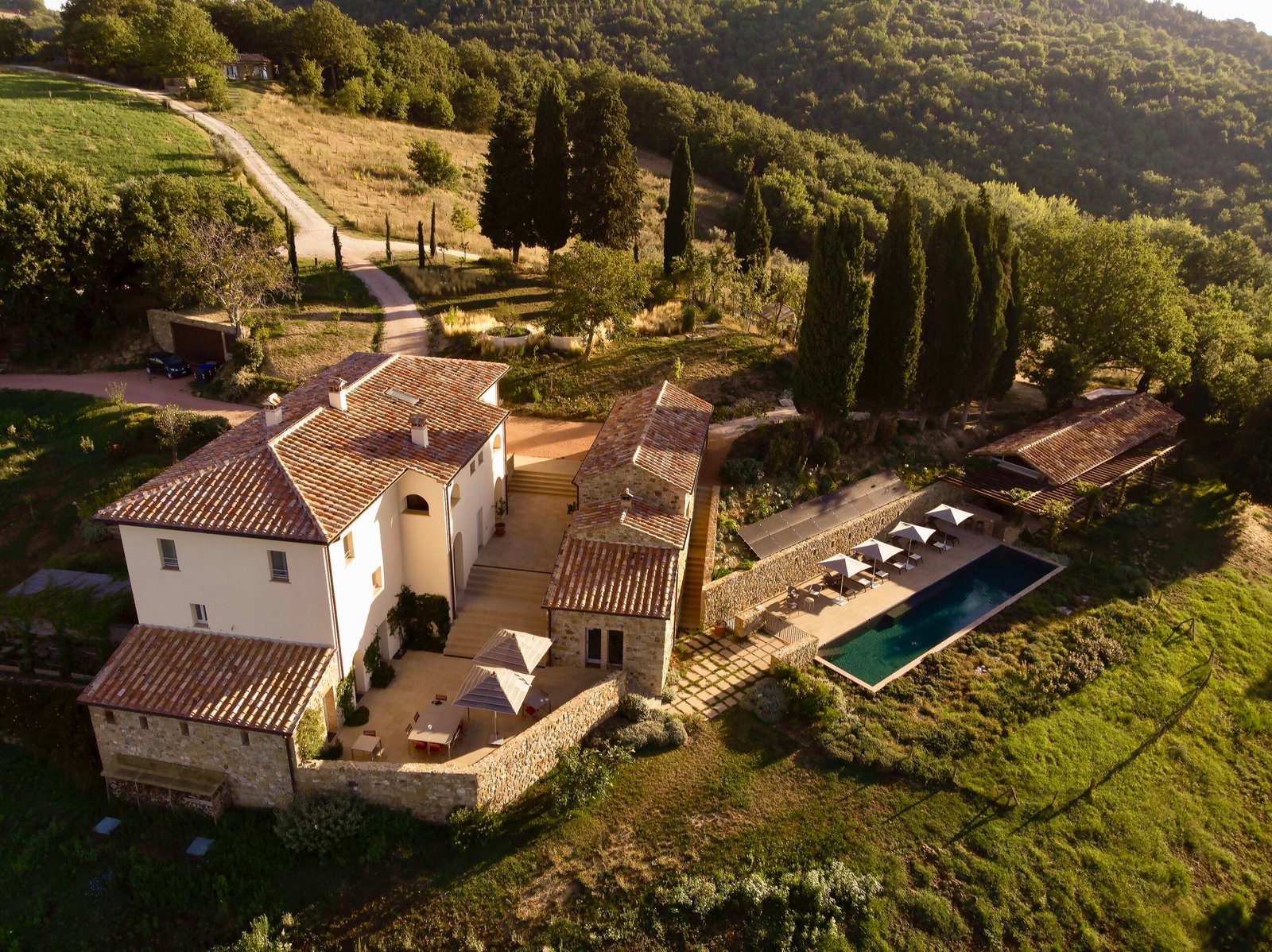
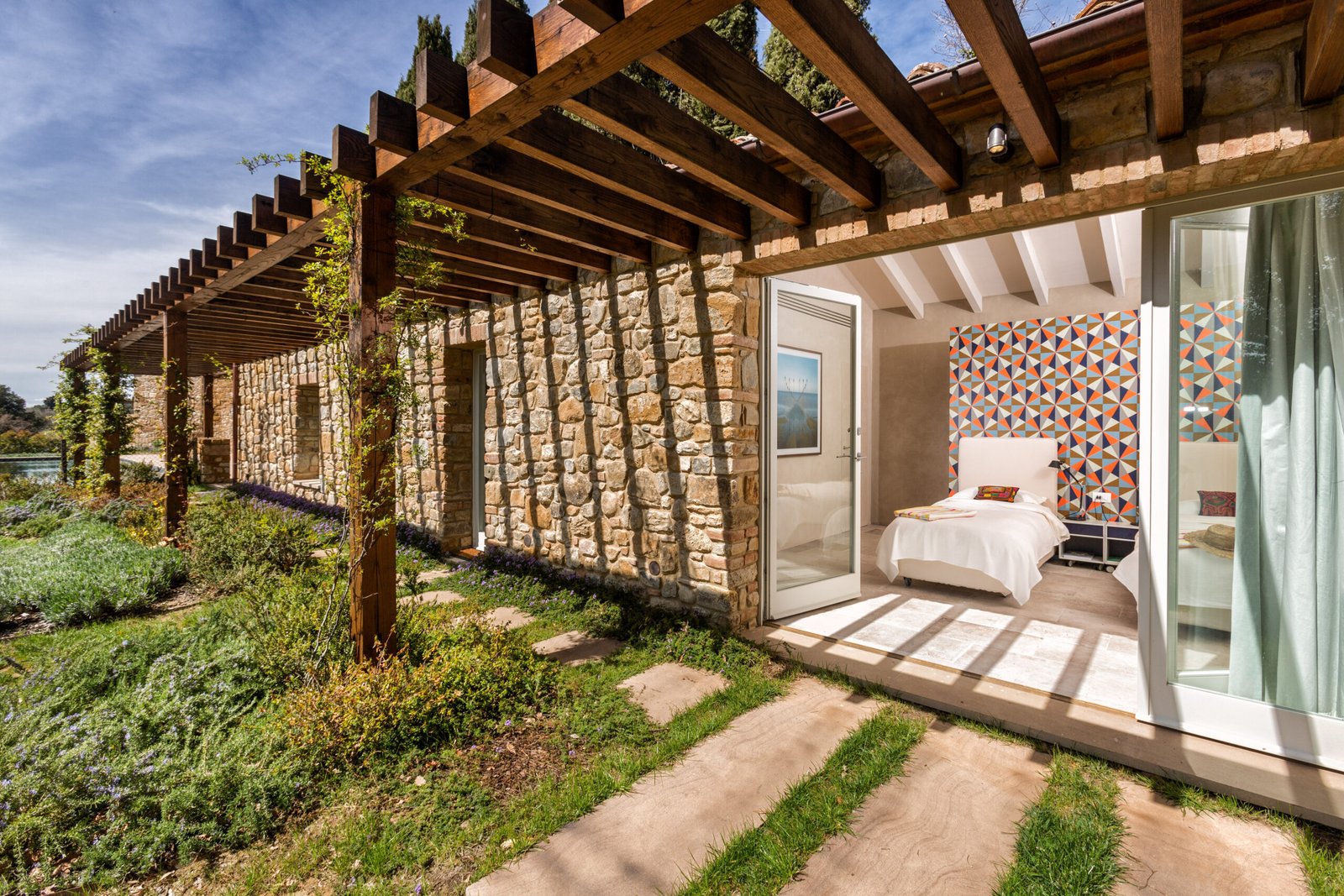
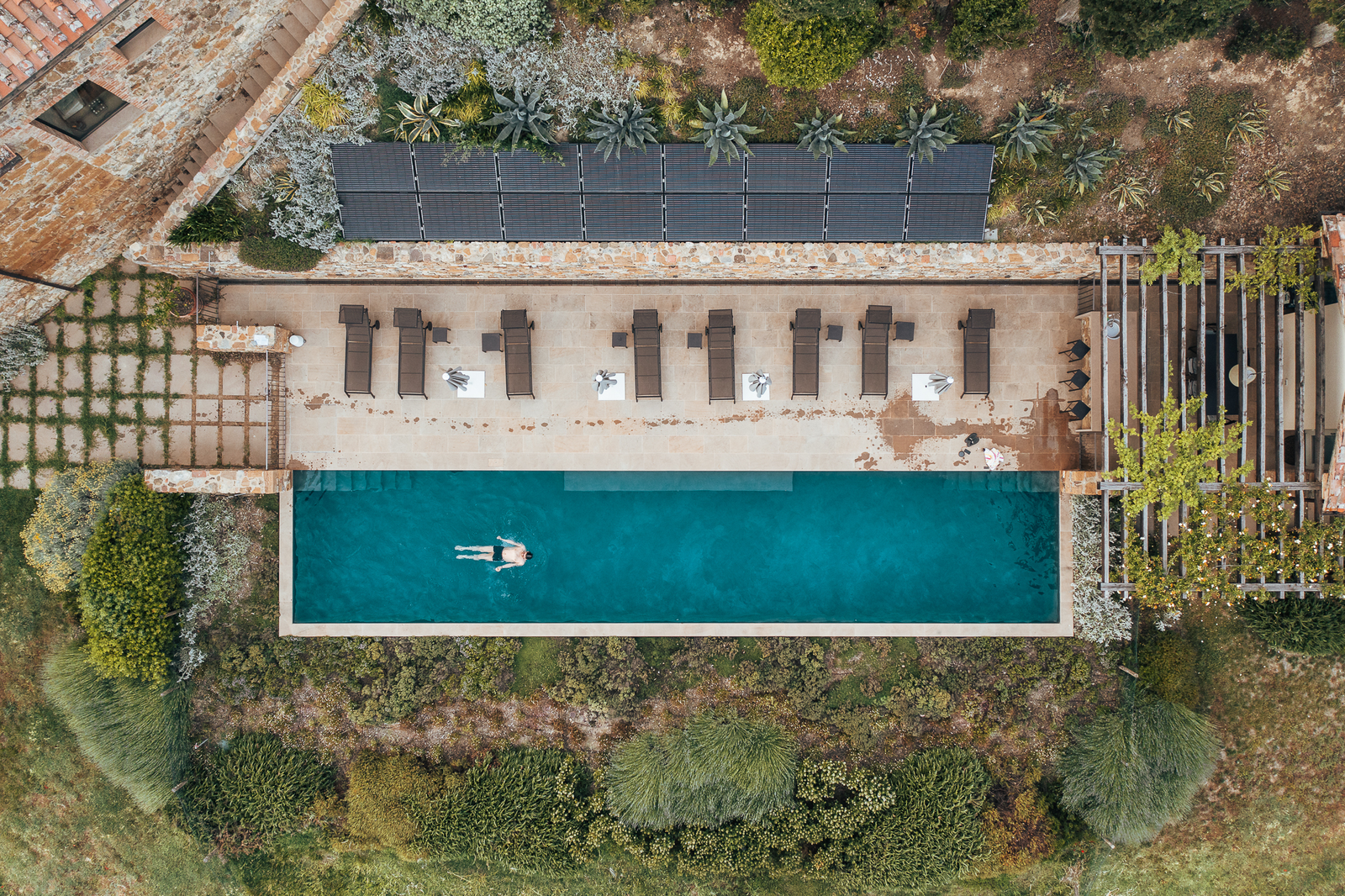
The Amalfi Coast in May is the destination doing its best work of the year. Temperatures of 20-24°C, the sea crossing 19-20°C on the most sheltered bays, the lemon harvest at its peak on the terraced groves above Ravello and Praiano, and the tourist infrastructure fully operational without the compression of July. The Path of the Gods (Sentiero degli Dei) is at its most walkable in May — cool enough for a full morning’s hiking, the wildflowers still on the upper slopes, the sea visible below in the specific spring light.
Ischia in May is the thermal island at its best. The volcanic springs that feed the island’s thermal parks are producing their most accessible experience of the year: the outdoor pools at 30-38°C surrounded by the May garden in flower, the thalassotherapy facilities using the mineralised Ischian seawater at the start of the season, and the island’s beach culture beginning without the August density. The ferry from Naples takes 45 minutes; from Pozzuoli 30 minutes. The Negombo thermal park in Sant’Angelo, set in a botanical garden above the sea, is the most beautiful thermal facility in Italy and in May is operating before the summer queues form.
The Phlegraean Fields (Campi Flegrei) west of Naples — the active volcanic area with the Solfatara crater, the Lago d’Averno, and the ancient Roman port of Puteoli — are in May at their most comfortable for the walking tours that combine geological, archaeological, and wellness dimensions in a way that no other Italian landscape can replicate.
Tuscany in May has the light that Italian photography has always sought. Lower than summer, warmer in tone, and specifically golden in the late afternoon on the cypress roads and the wheat fields of the Val d’Orcia — this is the light that makes Tuscany look the way it does in the images, and May is the month it is most consistently present.
The thermal springs are still operating without the summer crowds in May, but the experience is now specifically spring: the surrounding landscape at its most varied and colourful, the wildflowers on the hillsides above Saturnia, and the outdoor walk from the parking area to the cascades through fields that are genuinely beautiful in May light. The thermal soak in May Tuscany is the same water as in January but in a completely different sensory context.
The wine estates of Chianti and Montalcino are in May beginning to offer barrel tastings of the previous year’s vintage — the Brunello and Barolo producers conducting their spring evaluations, the Chianti Classico cooperatives opening their cellars for the first spring tastings. For a wellness retreat that incorporates the Tuscan food and wine culture as a central element, May is the month when the agricultural cycle is most active and most accessible.
Lago di Garda in May is the Italian lake destination at its spring best — the most accessible of the major lakes (direct trains from Milan, Verona, and Brescia), the most varied in landscape (the southern shores flat and resort-oriented, the northern end increasingly Alpine with the Dolomiti di Brenta visible above Riva del Garda), and in May operating at a pace that suits a wellness week rather than a beach holiday.
The olive oil culture of Lake Garda — the northernmost olive-growing area in Italy, producing an oil with a delicate flavour profile completely unlike the robust Sicilian and Apulian varieties — is in May between harvests but at the point where the previous season’s oil is being consumed at the lakeside restaurants and retreat kitchens that take their sourcing seriously. The Garda olive is a PDO product and the lakeside frantoiani (oil mills) that offer spring tastings of the stored oil provide a specifically Garda food experience.
The western shore of Garda — Salò, Gardone Riviera, Gargnano — has the most intact Liberty-era villa architecture in Italy, the extraordinary Vittoriale degli Italiani (the villa compound of the poet Gabriele D’Annunzio, left exactly as he used it), and the specific quality of a lakeside culture that the Fascist period preserved in amber in a way that is architecturally extraordinary. A wellness retreat based on the western shore in May with a Vittoriale morning excursion is using the cultural and landscape dimensions of the lake specifically.
Calabria in May is the Italian wellness destination that the mainstream retreat circuit consistently misses. The toe of Italy’s boot — the stretch between Tropea on the Tyrrhenian coast and the Ionian coast above Reggio Calabria — has in May the best sea temperature on the Italian mainland (20-22°C), the most intact traditional food culture (the ‘nduja, the bergamot, the Tropea red onion, the Ciro wine), and a landscape of Greek temples (the Parco Archeologico di Locri Epizefiri), Byzantine monasteries, and wild mountain interior (the Sila and Aspromonte national parks) that the summer tourism barely touches.
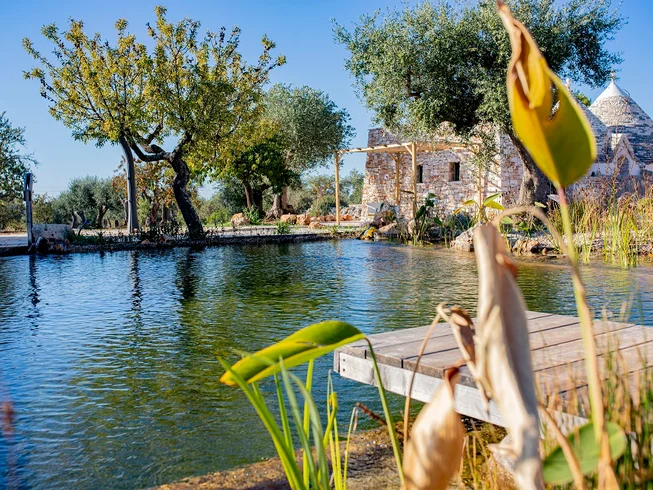
Wellness retreats in Calabria in May are rare but specifically rewarding. The farmhouse and masseria properties that operate here combine the Calabrian food culture with the coastal and mountain landscape in a way that no other Italian region can replicate, and May — before the domestic summer visitors from Milan and Turin arrive — is the month when the experience is most authentic and most accessible.
May marks the beginning of genuine sea swimming on the Italian southern coasts. The Amalfi Coast bays reach 19-20°C in May, Calabria reaches 20-22°C, and Sicily 20-21°C. The sea at this temperature is warm enough for sustained swimming without the thermal shock that April still produces, and the clarity of the May water — before the summer boat traffic and the heat-induced algae that characterise August — is the best of the year. Sea swimming in the morning as the wellness activity that precedes the thermal treatment or the meditation session produces a physical sequence that the retreat format specifically enables.
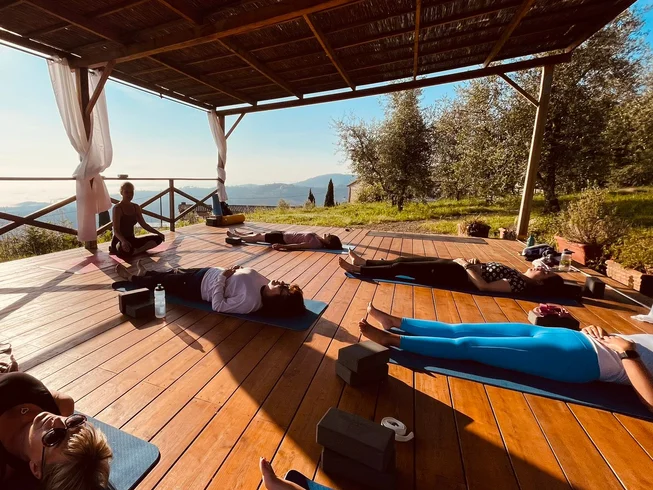
May is the month outdoor wellness practice becomes fully available across all Italian regions. Morning yoga on the Amalfi Coast terrace at 7am, a Pilates session in the Tuscan agriturismo garden, a guided movement practice on the Garda lakeshore — all of these are possible in May without heat management at any hour of the day. The outdoor practice in May Italian light, specifically the morning light of the hour after sunrise, produces a quality of sensory experience that the indoor studio cannot replicate and that the overhead summer sun changes entirely.
The Tuscan and Veneto wine estates in May are conducting their first spring tastings of the current vintage. For wellness retreats that incorporate the Italian food and wine culture as a therapeutic rather than indulgent element — the polyphenols of Sangiovese, the resveratrol of the Venetian Corvina grape, the specific antioxidant compounds of the Sicilian Nero d’Avola — May is the month when the tasting experience is most connected to the agricultural cycle that produces it. The winemaker conducting a May barrel tasting is sharing something in progress rather than something complete, which has a different quality of engagement.
The May detox at Italian wellness retreats completes the spring transition that March began. The full range of spring ingredients is now available simultaneously — the artichokes finishing, the asparagus at peak, the wild herbs fully developed, the first cherries and strawberries arriving — and the retreat kitchen in May has more seasonal variety than any other month of the year. The detox programme in May is the least restrictive of the year because the ingredients provide the nutritional support naturally: the bitter greens, the high-fibre legumes, the antioxidant-rich berries, and the first of the summer’s intensely coloured fruits.
Wild strawberries (fragole di bosco) from the Alpine foothills and the Apennine forests appear at northern and central Italian markets from mid-May. Tiny, intensely flavoured, and available for a narrow window before the cultivated varieties take over the market, they are one of those specifically seasonal Italian ingredients that require being in the right place at the right time. At a retreat kitchen in the Lake Garda or Lake Como area in May that sources from the local markets, wild strawberries with local cream and a touch of grappa is the specific dessert that the season provides and that no other month can replicate.
White asparagus from Bassano del Grappa in the Veneto — grown under soil in the specific clay terrain of the Bassano area, harvested from April through May, and considered the finest white asparagus in Italy — is at its May peak. The DOP designation protects the authenticity of the Bassano asparagus, and the spring festival (Mostra Mercato dell’Asparago di Bassano) that accompanies the harvest produces a food market and tasting experience worth a day trip from a Veneto or Lake Garda retreat base.
Cherries from Vignola in the Emilia-Romagna hills — the Durone variety, large, dark red, and with a flavour intensity that has made Vignola cherries the reference standard in Italy since the fourteenth century — are at their May peak. The cherry festival (Sagra della Ciliegia) in Vignola in late May celebrates the harvest with tastings and food markets. The cherries themselves — eaten fresh, in clafoutis, in the traditional cherry jam, or with the local Lambrusco — are the May fruit that the wellness kitchen uses both at the breakfast table and in the evening dessert.
Pecorino di Fossa — the cheese matured in underground pits (fosse) in the Romagna and Marche tradition, producing an intensely pungent, crumbly sheep’s milk cheese that is extracted from the pits in November but at its best eating point in May after several months of ambient maturation — is one of the most specific seasonal cheeses in Italy. At a retreat kitchen in Emilia-Romagna or Le Marche that sources from the small producers who still maintain the fossa tradition, the May pecorino served with a drizzle of chestnut honey is an ingredient experience that requires knowing about and seeking out.
Throughout May, Naples opens its normally inaccessible private palazzi, archaeological sites, and historic churches for free visits as part of the Maggio dei Monumenti cultural programme. For wellness retreat guests combining a Campania programme with a Naples day, May is the best month to be in the city: the underground Roman aqueducts, the private courtyards of the Spanish Quarter, and the baroque churches of the centro storico are all accessible in ways that the rest of the year does not allow.
May is the festival month for spring ingredients across northern and central Italy. The Sagra dell’Asparago di Bassano (Veneto), the Sagra del Tartufo Bianco Pregiato (Acqualagna, Marche — the spring truffle rather than the winter variety), and dozens of smaller local sagre celebrating the first strawberries, the cherries, and the spring lamb all take place through May. For retreat guests based in the relevant regions, the local sagra is the most direct access to the seasonal food culture that the retreat kitchen is sourcing from.
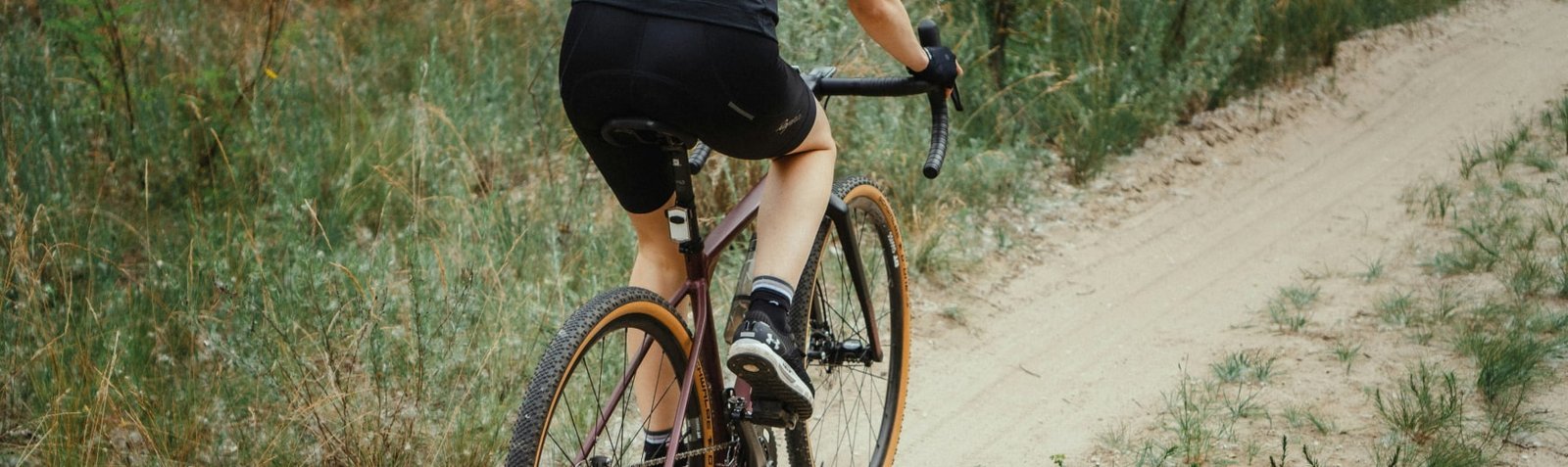
Italy’s national cycling race traverses the country through May, producing a moving spectacle of professional cycling that passes through the landscapes that wellness retreats are based in. A stage finish in a Tuscan hill town or a mountain pass stage through the Dolomites visible from the retreat’s terrace: for those interested in Italian sporting culture, the Giro in May adds a dimension that is specifically of this month.
May programming is the most complete version of the outdoor spring schedule. Morning practice on open terraces at 7am is standard everywhere. Sea swimming as the post-practice activity on the Campanian and Calabrian coasts. The afternoon excursions — the Path of the Gods, the Garda villa gardens, the Chianti wine estate tasting — are possible without heat management or timing constraints.
The food dimension of May retreat programming is at its seasonal peak. The May market visits — the asparagus at Bassano, the cherries at Vignola, the wild strawberries at the Alpine foothills markets — produce retreat kitchen meals of a specific seasonal quality that winter cannot approach. A cooking workshop in a Campanian retreat in May, using the morning Ischia market ingredients, produces a quality of seasonal engagement that cannot be scheduled into existence at any other time of year.
The sea swimming session as a wellness activity — not a holiday pleasure but a deliberate physical practice — is available in May in Italy for the first time since October. The combination of morning movement practice, sea immersion, thermal treatment, and afternoon rest produces the full wellness sequence that the best Italian retreat programmes offer and that May conditions make specifically complete.
Your email address will not be published. Required fields are marked *