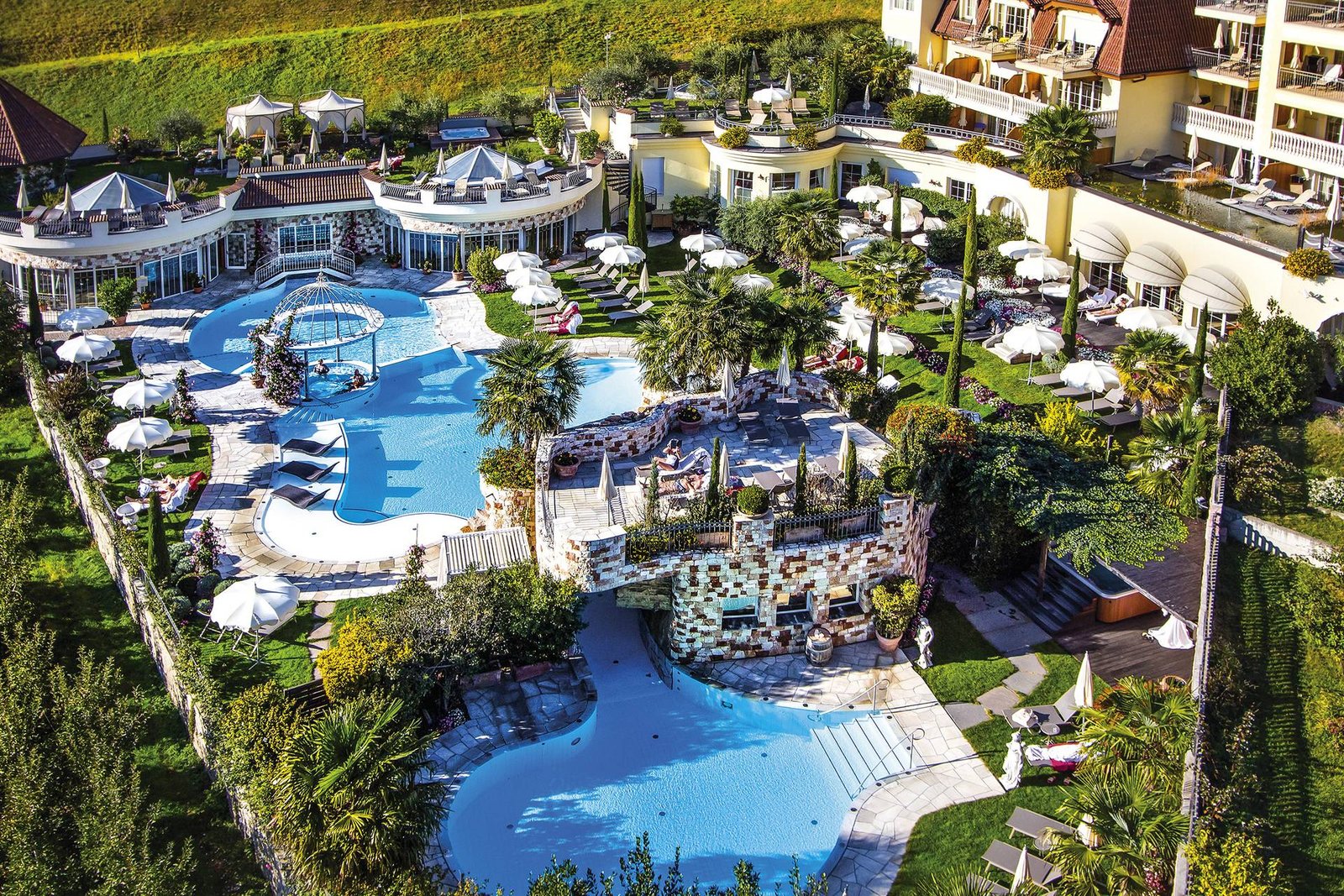
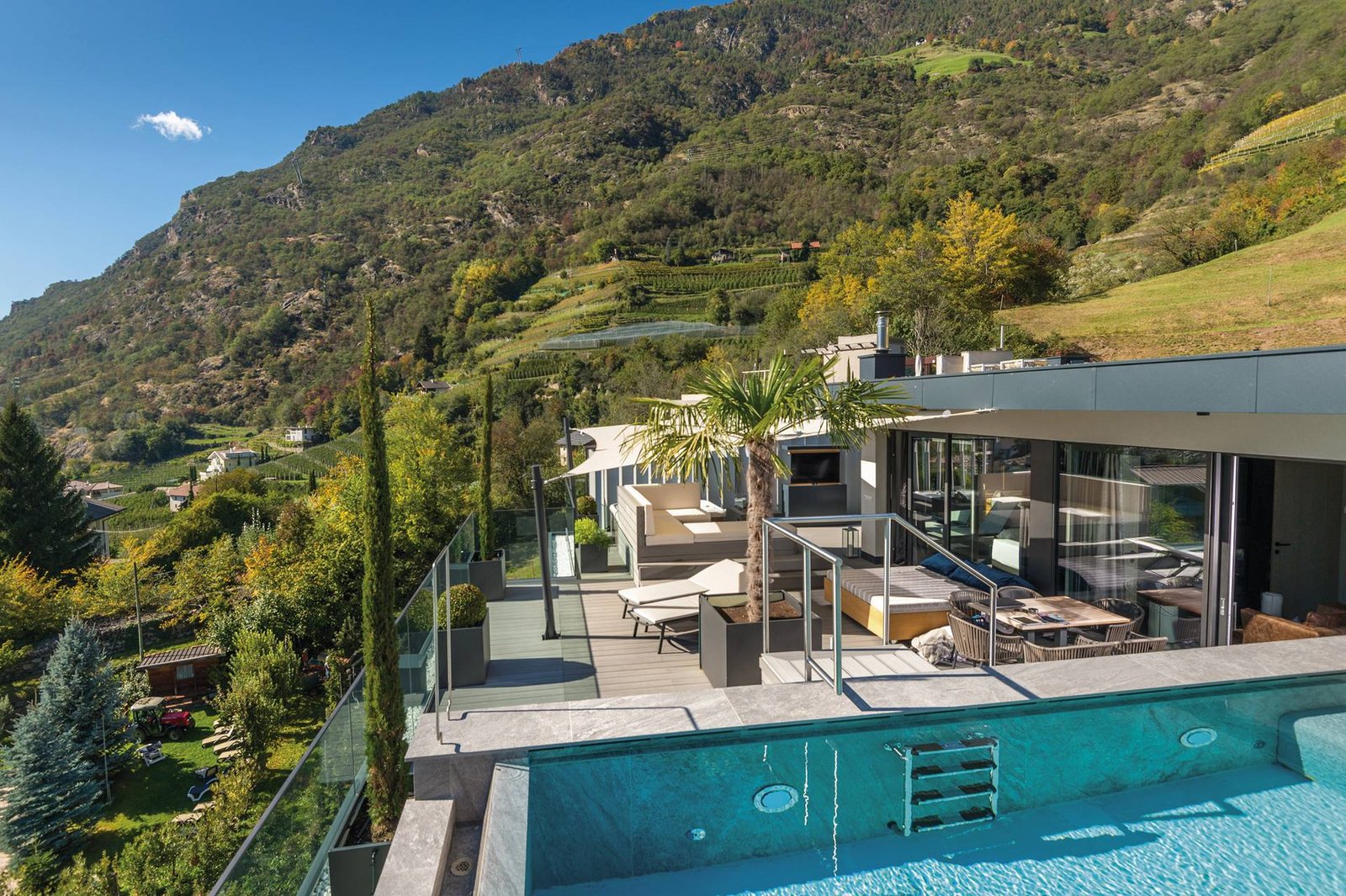
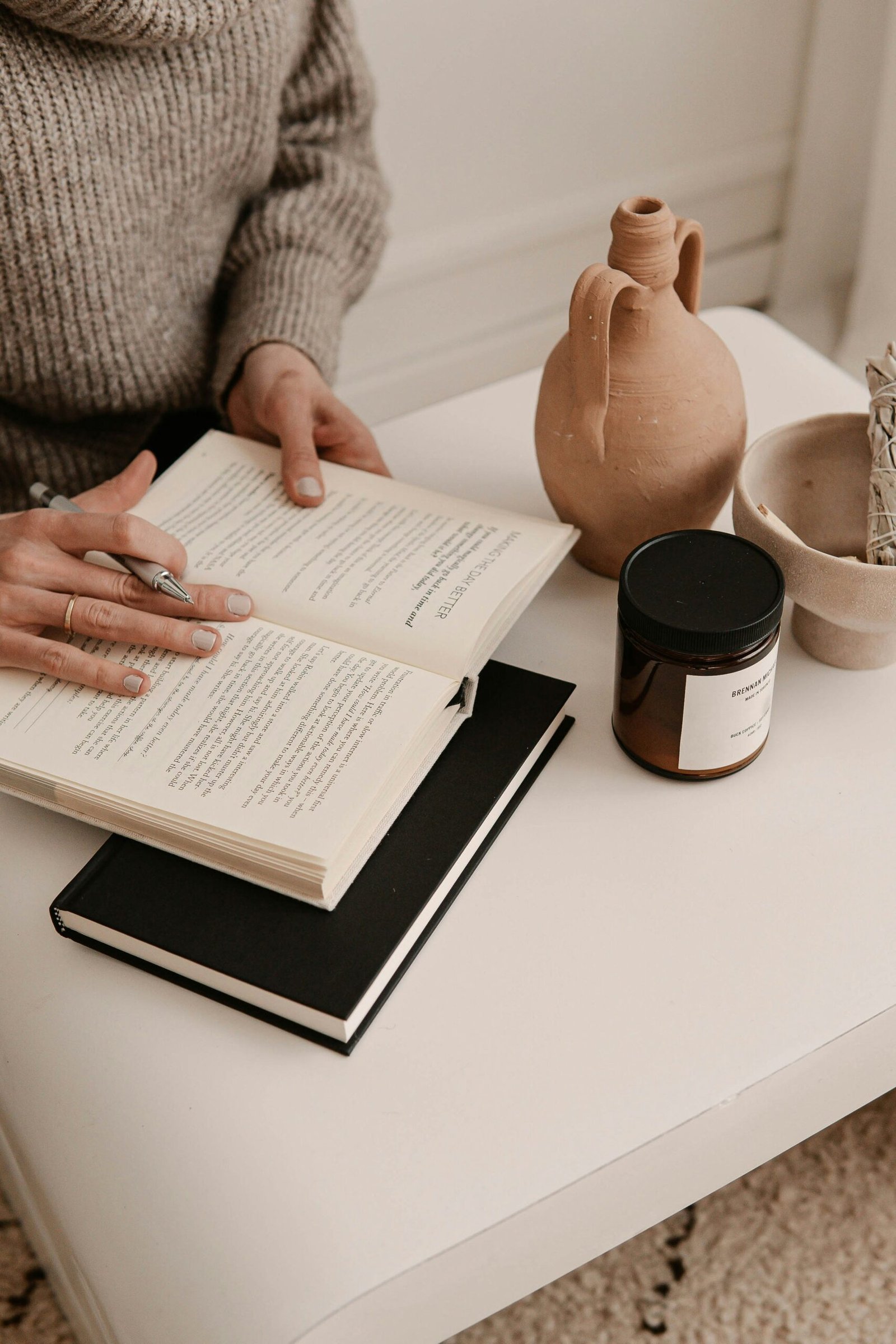
Swimming pool and patio with umbrellas and lounge seating in a sunny resort setting for a relaxing wellness retreat in december

december wellness retreats

December divides into two distinct retreat experiences. Early December — the first three weeks — shares November’s quietness, low prices, and the specific quality of a year winding down before the Christmas noise arrives.

Christmas week is a different proposition: prices rise, the festive energy of the destination becomes part of the experience, and the retreat that acknowledges the season rather than ignoring it produces something genuinely of December. Both are worth knowing before you book.

AUTHOR

Om Away

DATE PUBLISHED

January 19, 2026

Share This Article

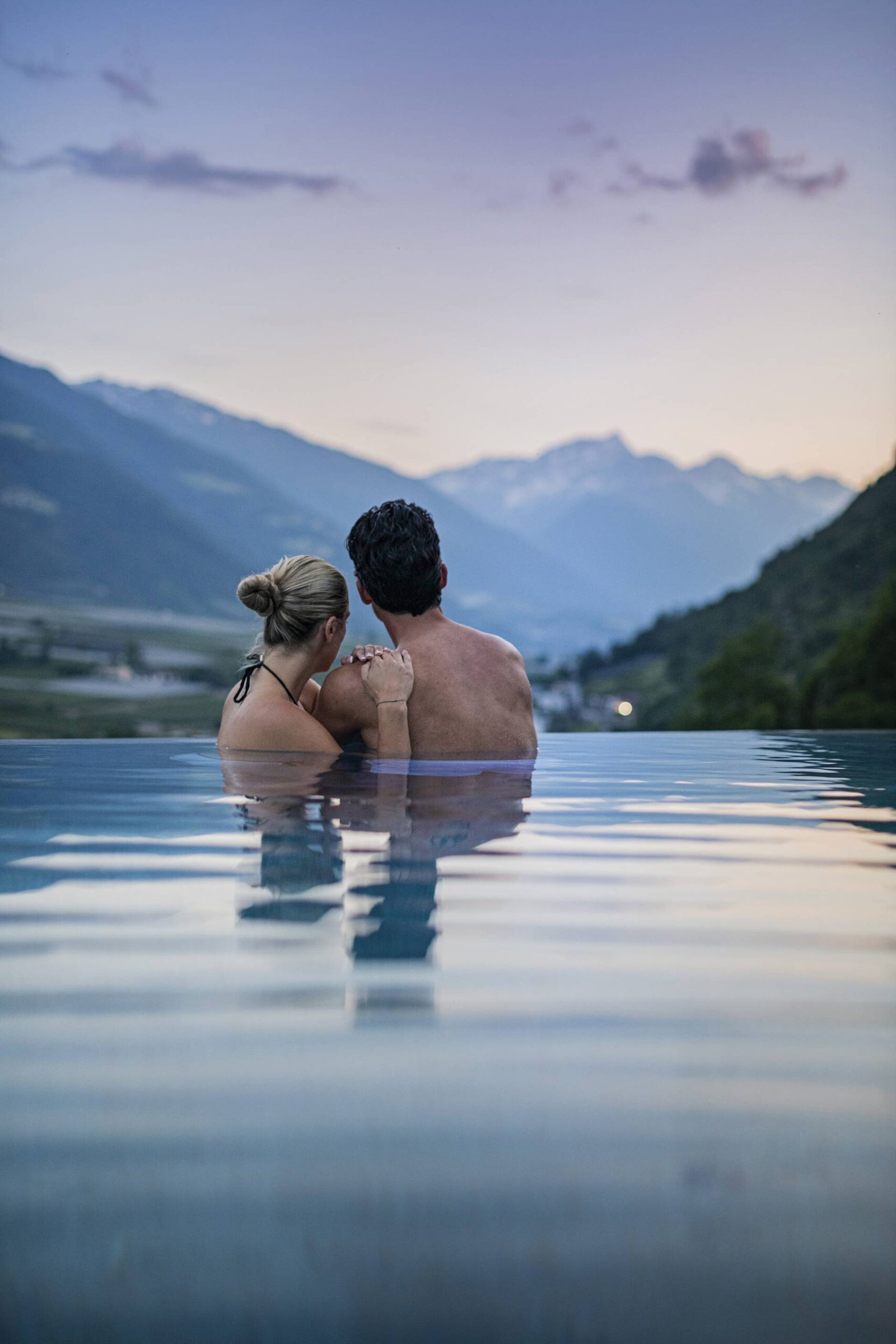
The Dolomites in December: Full Winter Wellness

December is the Dolomites spa season at full operation — the outdoor thermal pools with the snow on the valley floor, the hay bath using the summer herb supply at its most fully dried, the Aufguss ceremony running daily with the alpine herb infusions, and the ski season in full swing on the high slopes. The Christmas markets of South Tyrol — Bolzano, Merano, Bressanone, Brunico — run from late November through December 24th, adding a specifically South Tyrolean festive dimension to the spa week.


For the broader Italian December picture, our wellness retreats in Italy in December covers Sicily, Tuscany’s thermal springs in winter, and Emilia-Romagna’s food culture alongside the Dolomites. Browse the full wellness retreat collection for every destination.

mindfulness nature

Integrated Wellness Retreat. Italy, Dolomites region

Sensorial Journey 6. Italy, Dolomites region

Glowing Flow Immersive Retreat. Italy, Dolomites region

Wellness for Two – 6 days. Italy, Dolomites region

Energy and Healing for Two. Italy, Dolomites region

Women Retreat. Italy, Dolomites region

Where to Go for a Wellness Retreat in December

The Dolomites, Italy

December in the Dolomites is the winter wellness season at its most complete. The outdoor thermal pools at -5 to 0°C ambient temperature produce the most dramatic steam of the year and the most complete cardiovascular contrast response of any month. The hay bath — using the summer herb supply at its most concentrated after months of drying — is at its most aromatic. The ski season is in full operation from mid-December, meaning the mountain infrastructure is complete for those who want to combine skiing or snowshoeing with the spa programme.

The South Tyrolean Christmas markets are running from late November through December 24th in the towns of Bolzano, Merano, Bressanone, and Brunico, and in the smaller village markets of Ortisei, Selva, and Vipiteno. The combination of a morning outdoor thermal pool, an afternoon snowshoe walk, and an evening Christmas market in the candlelit village square is using December in the Dolomites at its most specifically seasonal. Our wellness retreats in the Dolomites covers the full December and winter programme.


Morocco: Warm and Quiet

Morocco in December is the warmest European-orbit wellness destination that combines genuine cultural depth with winter temperatures. Marrakech at 14-18°C in the day is ideal for outdoor morning practice, the medina walks, and the Atlas excursions. The city in December has returned entirely to itself — the major tourist season is over, the riads are priced at their winter rates, and the hammam, the souks, and the medina are operating for their own population rather than for visitors.

The Atlas Mountains in December are in their specific winter form: the Toubkal and the high passes above 3,000 metres snow-covered, the Berber villages of the Ourika and Asni valleys doing their winter work, and the mountain light in December at the specific angle that the summer’s overhead sun entirely changes. The hammam circuit in December is at its most immediately appropriate — the kessa exfoliation, the beldi soap, the ghassoul clay, and the argan oil massage in the context of cool December days produces the full therapeutic sequence that the summer heat makes partially redundant.

The Sahara routes in December — the camel trekking and desert camp programmes south of Merzouga — are at their most elemental: the desert nights cold (5-8°C), the days warm (18-22°C), and the stargazing from the desert camps at its annual best without the summer heat shimmer that reduces visibility. The silence of the desert in December, without the spring and autumn tour groups, is the version of the experience that the itinerary-focused traveller never quite reaches.


Crete: Open Year-Round

Crete in December is one of the few Mediterranean islands that functions as a wellness retreat destination through the winter, and early December is when the year-round properties are at their most accessible. The temperatures of 14-17°C on the south coast are mild enough for coastal walks, the Libyan Sea at 18-19°C for the committed swimmer, and the Cretan food culture in December at its most traditional: the melomakarona (honey, olive oil, and walnut cookies of the Christmas tradition), the kourabiedes (almond shortbread dusted with icing sugar), and the vasilopita (the New Year’s cake with the hidden coin) all produced by the village bakeries from early December.

The archaeological sites of Crete in December — Knossos, Phaistos, Akrotiri on Santorini accessible by ferry — are at their most accessible and most specific: no guided tour queuing, the winter light on the ancient stones at its most atmospheric, and the landscape context visible in the winter clarity that the summer haze conceals. The wellness retreat based in the Chania or Rethymno area in December with morning spa sessions, afternoon archaeological excursions, and the Cretan Christmas food culture as the evening anchor is using December Crete in its most complete form.


Thailand: Peak Season

December is among the best months of the year for a wellness retreat in Thailand. The dry season on the Gulf coast is fully established — Koh Phangan, Koh Samui, and the Samui Archipelago at 28-30°C, the sea at 27-28°C, and the retreat infrastructure at maximum capacity. The Christmas and New Year period brings the energy of the international wellness community specifically to the islands — the retreat centres that programme the solstice practice, the year-end reflection, and the New Year sunrise meditation are offering a December experience that combines peak physical conditions with specific contemplative intent.

Chiang Mai in December is the northern Thailand option: temperatures of 20-24°C in the day and 10-14°C at night — the coolest month of the northern year and the one that makes the mountain environment most specific. The Loi Krathong festival (floating lanterns on the river, if it falls in December rather than November depending on the lunar calendar) and the December flower festival of Chiang Mai add cultural dimensions to the retreat week. The Doi Inthanon National Park in December has the mountain trails in their clearest-air conditions of the year.


Japan: Winter Onsen at Full Depth

December in Japan is the winter onsen season — the temperature differential between the cold mountain air and the 42°C mineral water at its maximum, the snow on the surrounding landscape, and the rotenburo (outdoor hot spring bathing) producing the most dramatic steam and the most complete cardiovascular response of any month. The December onsen experience in Nozawa Onsen (Nagano), Kinosaki (Hyogo), and Beppu (Oita) is the same practice that January offers but with the specific cultural overlay of the Japanese New Year preparations — the osechi (New Year’s food preparation), the kadomatsu (bamboo and pine decorations at entrances), and the specific quality of a Japan that is internally oriented toward the year-end in ways that the tourist-focused seasons obscure.


The ryokan in December has the kaiseki dinner using the winter’s most specific ingredients: the fugu (puffer fish, the most technically demanding ingredient in Japanese cuisine) in season from October through March, the kani (snow crab) from the Japan Sea at its December peak, and the yuzu citrus at its most fragrant in December use — yuzu-infused onsen baths being a specifically winter tradition in Japan that combines the therapeutic properties of the hot spring water with the aromatic volatile compounds of the yuzu skin.

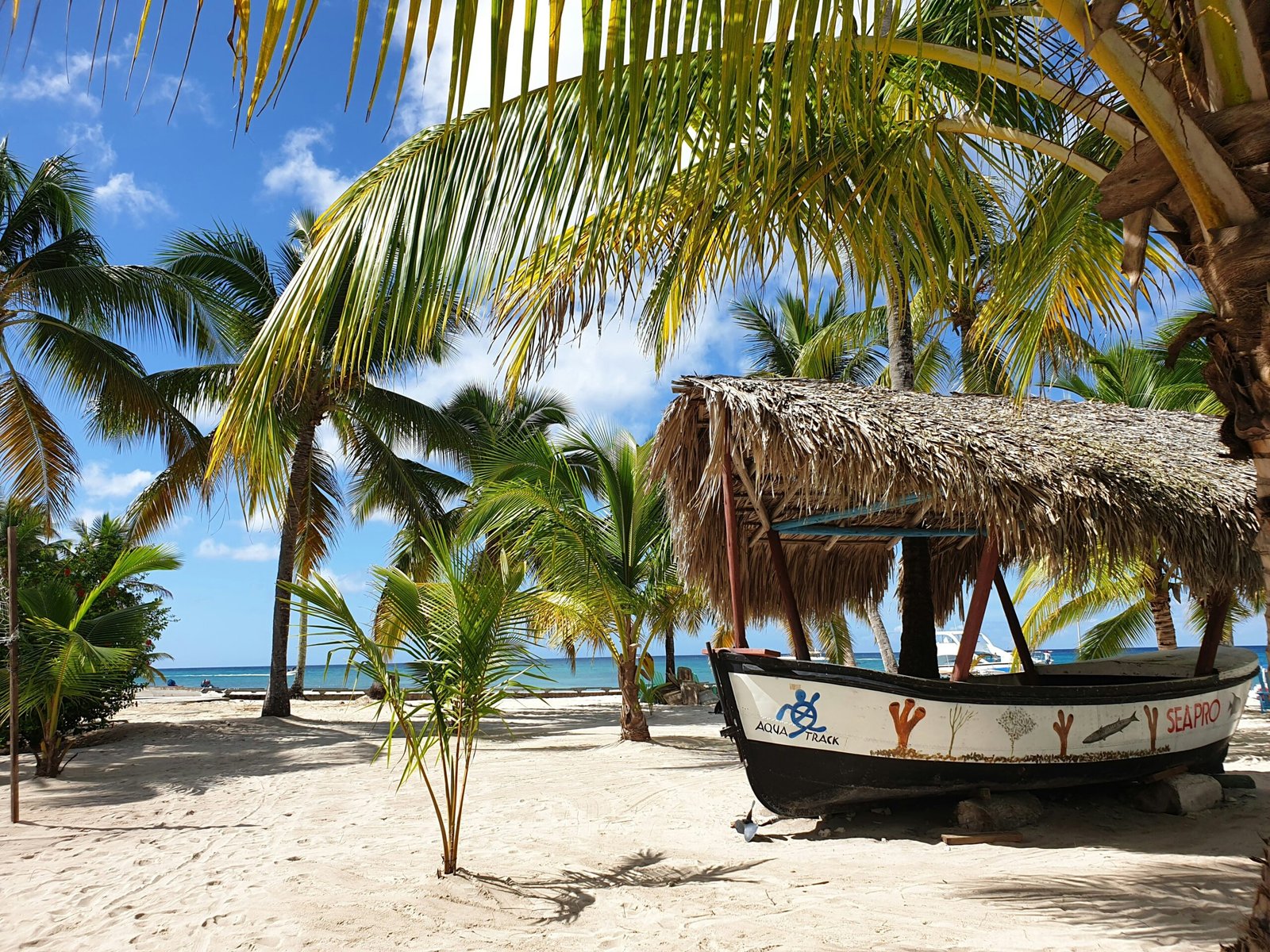
Boat resting on a tropical beach with palm trees on Saona Island, capturing a peaceful retreat escape in the Caribbean.

The Winter Solstice and Wellness

The winter solstice — December 20th or 21st — is the shortest day of the year and the astronomical beginning of winter. The yoga and contemplative traditions that form the basis of most wellness retreat programming have always understood the solstice as a threshold — the moment when the light is at its minimum and begins its return, when the year pivots on its axis. Research on circadian rhythm and seasonal health has documented the downstream physiological effects of the annual light minimum: reduced serotonin synthesis, extended melatonin production, and the immune and metabolic shifts that the season produces.


The retreat that marks the solstice deliberately — a dawn practice on December 21st, a specific meal using the winter’s peak seasonal ingredients, and an evening reflection — is acknowledging a physiologically real threshold rather than simply performing seasonal ritual. The day after the solstice is, by a single minute, longer than the day before: the turn has happened, and the body’s circadian system registers this before the conscious mind does.


The solstice practice traditions across cultures — the fire festivals of the Celtic and Norse traditions, the Inti Raymi of the Andean cultures (the winter solstice in the southern hemisphere falls in June, but the December version is honoured in some Andean communities), the Dongzhi festival of Chinese tradition — all share the recognition that the solstice is the year’s most significant threshold. The wellness retreat that positions itself at this threshold, regardless of cultural tradition, is offering its participants an annual anchor point that the rest of the year looks back to.

Deep Winter Spa: The Physiology of Cold-Season Wellness

December is the month when the thermal contrast protocols of the spa tradition — the sauna, the cold plunge, the outdoor pool — produce their most complete physiological response. The temperature differential in the Dolomites in December, between the -5°C ambient and the 85°C sauna or the 37°C outdoor pool, is at its annual maximum. Research on cardiovascular adaptation to thermal stress has documented that the magnitude of cardiovascular response to the sauna is directly related to the temperature differential between the sauna environment and the recovery environment — making December the month when the documented benefits are most fully produced.


The cold exposure component in December has the additional benefit of the seasonal immune challenge. Research on cold exposure and immune activation has documented the increase in natural killer cell counts following cold water immersion — an effect that is most practically relevant in December when the cold and flu season is at its peak. The twice-daily cold plunge that the Dolomite spa circuit provides in a December retreat week is not incidental to the immune support that winter wellness requires — it is the most direct intervention available.


Sleep management in December deserves specific attention in the wellness retreat context. The combination of the maximum darkness of the year (making sleep onset easier but sometimes depth more difficult), the social stimulation of the festive season, and the alcohol and dietary excess that December culturally encourages all affect sleep quality in ways that the retreat can specifically address. The sleep protocol — consistent bedtime and wake time, blackout curtains, temperature-controlled sleeping environment, no screens after 9pm, and the magnesium glycinate that has documented sleep-improving effects — is the December wellness intervention that produces the most immediately measurable benefit.

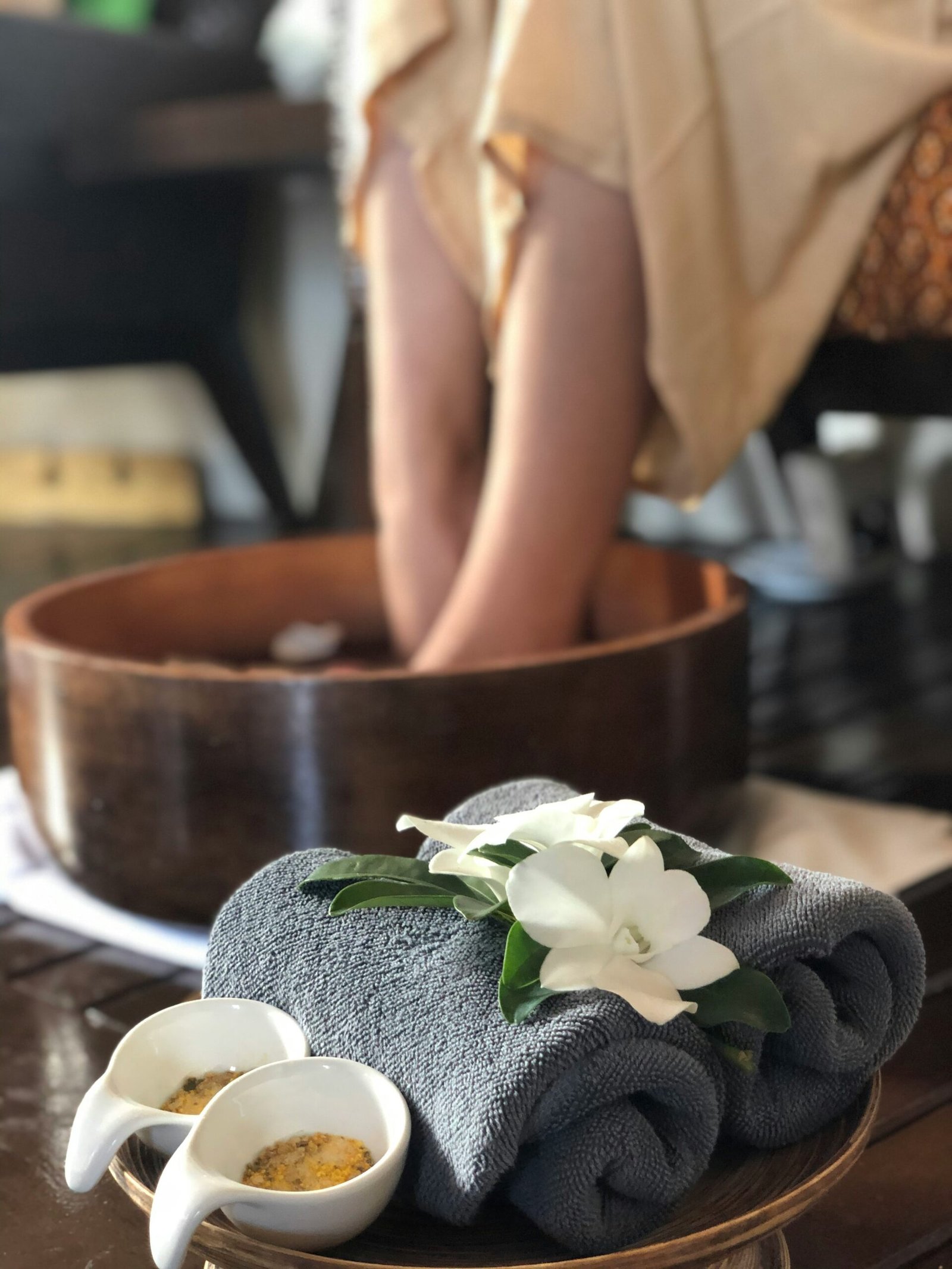
erson soaking both feet in a wooden bowl during a calming spa-style foot ritual with flowers nearby.
Person in a gray sweater holding a sheet of paper in a quiet wellness setting, suited to retreat journaling or reflection.

Eating Well in December

December eating is the year’s most culturally loaded — the festive season’s food traditions overlay the seasonal nutritional logic in ways that the wellness retreat navigates rather than ignores. The distinction between nourishing December food and depleting December excess is at its most practically important in this month.

The foods that December produces and that the body genuinely needs in the coldest month — warming spices, generous healthy fats, protein-dense preparations, warm broths — are not in contradiction with the festive tradition. The slow-cooked lentil soup with ginger and turmeric, the roasted root vegetables with olive oil and rosemary, the bone broth that the Italian and Japanese traditions both produce in December as a winter staple: these are genuinely festive foods that are simultaneously genuinely supportive of the winter body’s specific needs.

What the retreat provides the distance from is the excess specifically: the alcohol that disrupts the sleep that December already makes difficult, the sugar that destabilises the energy and mood that the shorter days already challenge, and the processed foods that the festive marketing makes ubiquitous and that the body, at peak winter physiological challenge, is least equipped to handle.

The Christmas table foods that deserve specific attention are the ones that are both culturally authentic and nutritionally supportive: the pomegranate at its December peak (the anthocyanins and punicalagins with documented cardiovascular-protective properties), the clementines and mandarins of the December citrus peak (the vitamin C most bioavailable from the fresh whole fruit), and the dark chocolate of the Christmas confection tradition (the flavanols at concentrations above 70% cocoa with documented endothelial-protective effects).

FAQs: December Wellness Retreats

  1. Is early December or Christmas week better for a wellness retreat? They serve different intentions. Early December (December 1-20) is the quietest and most affordable — comparable to November in atmosphere and price, with the addition of the Christmas market culture beginning in the alpine destinations. Christmas week is specifically festive — higher prices, more animated destinations, and the cultural weight of the season making the experience more complex but potentially more meaningful. For those for whom the retreat is specifically about stepping outside the Christmas complexity, early December is the answer. For those who want the December festive culture inside a wellness framework, Christmas week is the choice.
  2. Is Morocco genuinely warm enough for outdoor wellness practice in December? Yes. Marrakech at 14-18°C in the day is comfortable for outdoor morning yoga and the medina walks. The evenings drop to 8-10°C and require a warm layer. The Atlas mountains are cold and require full winter gear for the day excursions. The hammam in this context is not a spa luxury but a genuinely appropriate thermal response to the December temperature — exactly as it was designed for.
  3. Is the winter solstice worth timing a retreat around specifically? Yes, for those who take the contemplative dimension of wellness seriously. The solstice is a physiologically real threshold — the body’s circadian system responds to the light minimum in ways that the research documents. The retreat that marks it with a dawn practice and an evening reflection is providing an annual anchor point that is difficult to create in ordinary life. The Dolomites, Morocco, and Crete all offer December retreat centres that programme around the solstice deliberately.
  4. Is Thailand a good choice for a December wellness retreat over European destinations? For those who want heat, sea, and the full outdoor programme without cold management: yes. Thailand in December has the best conditions of its year and the retreat infrastructure at maximum capacity. The tradeoff is the distance and the cultural distance from whatever December means personally — the retreat that matters most in December may be the one that is closest to what the year has been, which for many European practitioners means a European destination even in winter.
  5. Is the Dolomites worth visiting in December if I’ve already been in January? Yes — they are meaningfully different. December has the Christmas markets, the ski season opening, and the specific quality of a mountain community preparing for the winter before the holiday visitors arrive fully. January has the full winter quiet after the Christmas period, the ski season at capacity, and the spa programme without the festive dimension. Both are worth experiencing; they produce different retreat weeks.

Share Your Thoughts

Your email address will not be published. Required fields are marked *

Leave a Reply

Your email address will not be published. Required fields are marked *