
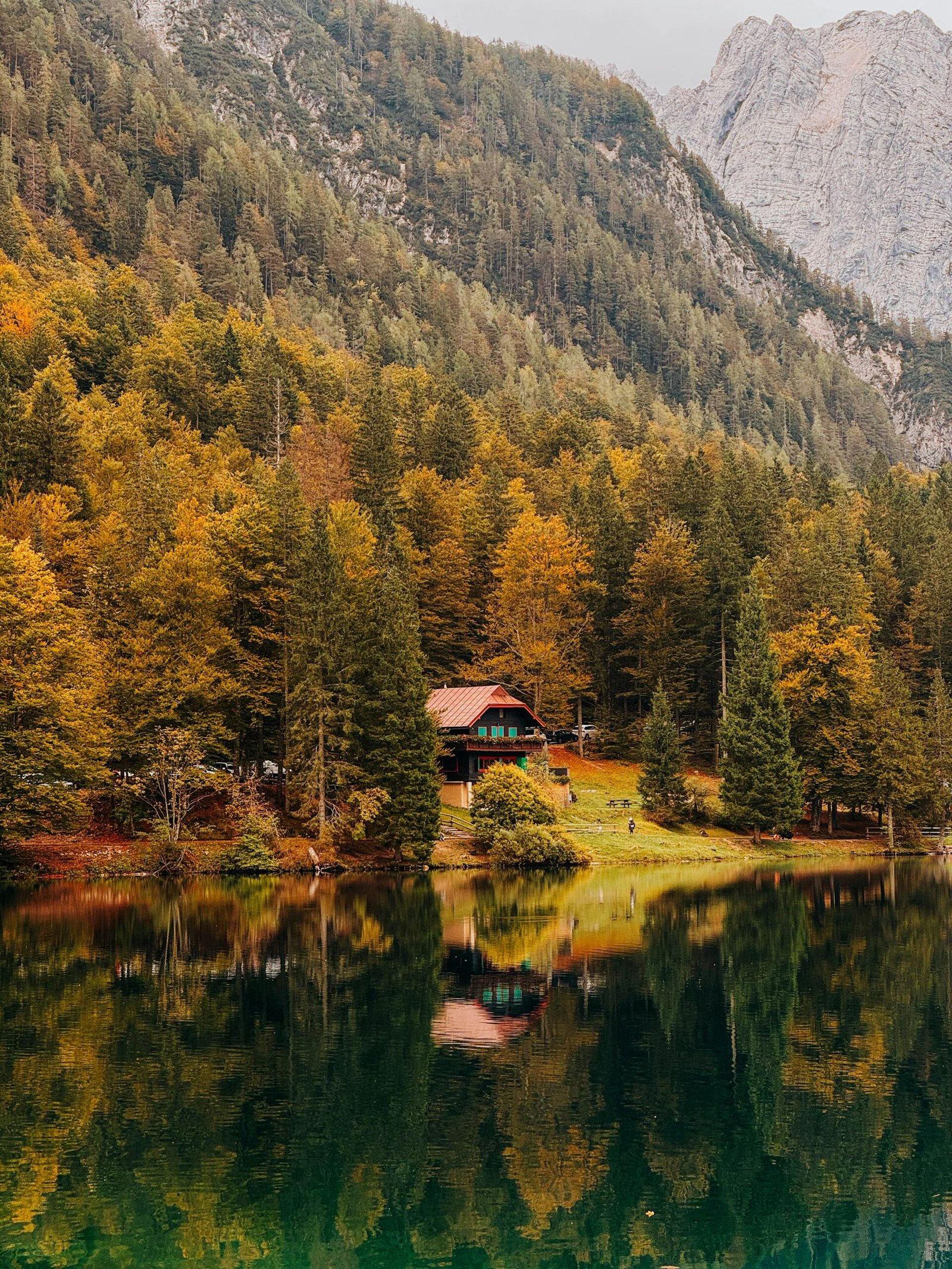
October is the golden month of the wellness retreat calendar. The olive harvest is beginning across the Mediterranean. The white truffle of Piedmont is at its October intensity. The Dolomite larch forests are turning yellow and amber.
The sea is still warm enough to swim on the southern coasts. And the prices are noticeably below what the same retreats cost in August. October rewards those who know about it.


October is the larch forest season in the Dolomites — the needles of the larch trees turning from green to gold and amber in the second and third weeks of the month, producing the most dramatic autumn colour display in the Alps. The spa programme is at full autumn operation with the freshly dried summer herb supply for the hay bath at its most aromatic, the outdoor thermal pools in the most visually specific setting of the year, and the high trails closing progressively as the first snow arrives on the peaks.
For the broader Italian October picture, our wellness retreats in Italy in October covers Tuscany’s olive harvest, the Langhe truffle season, and Umbria alongside the Dolomites. Browse the full wellness retreat collection for every destination.
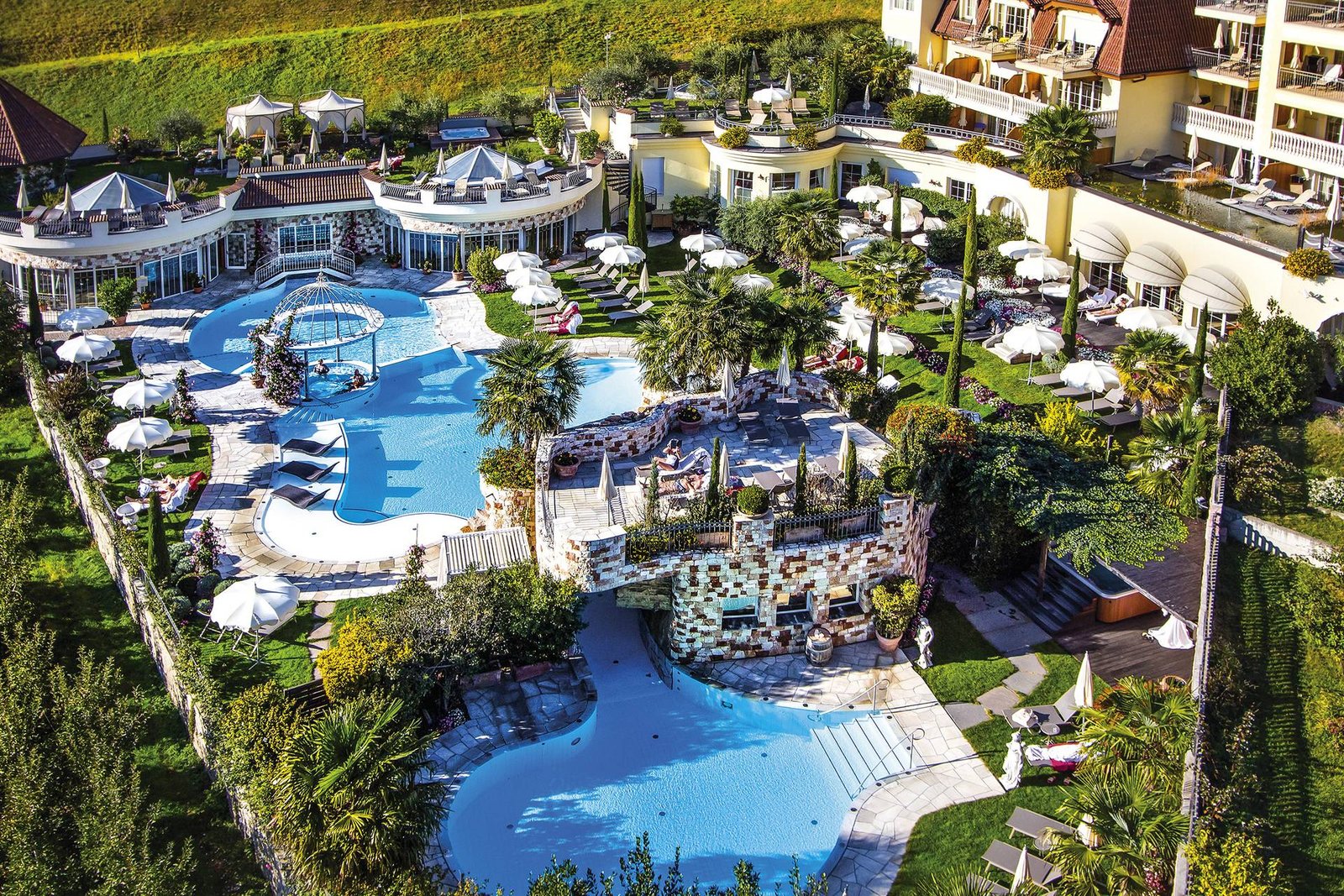
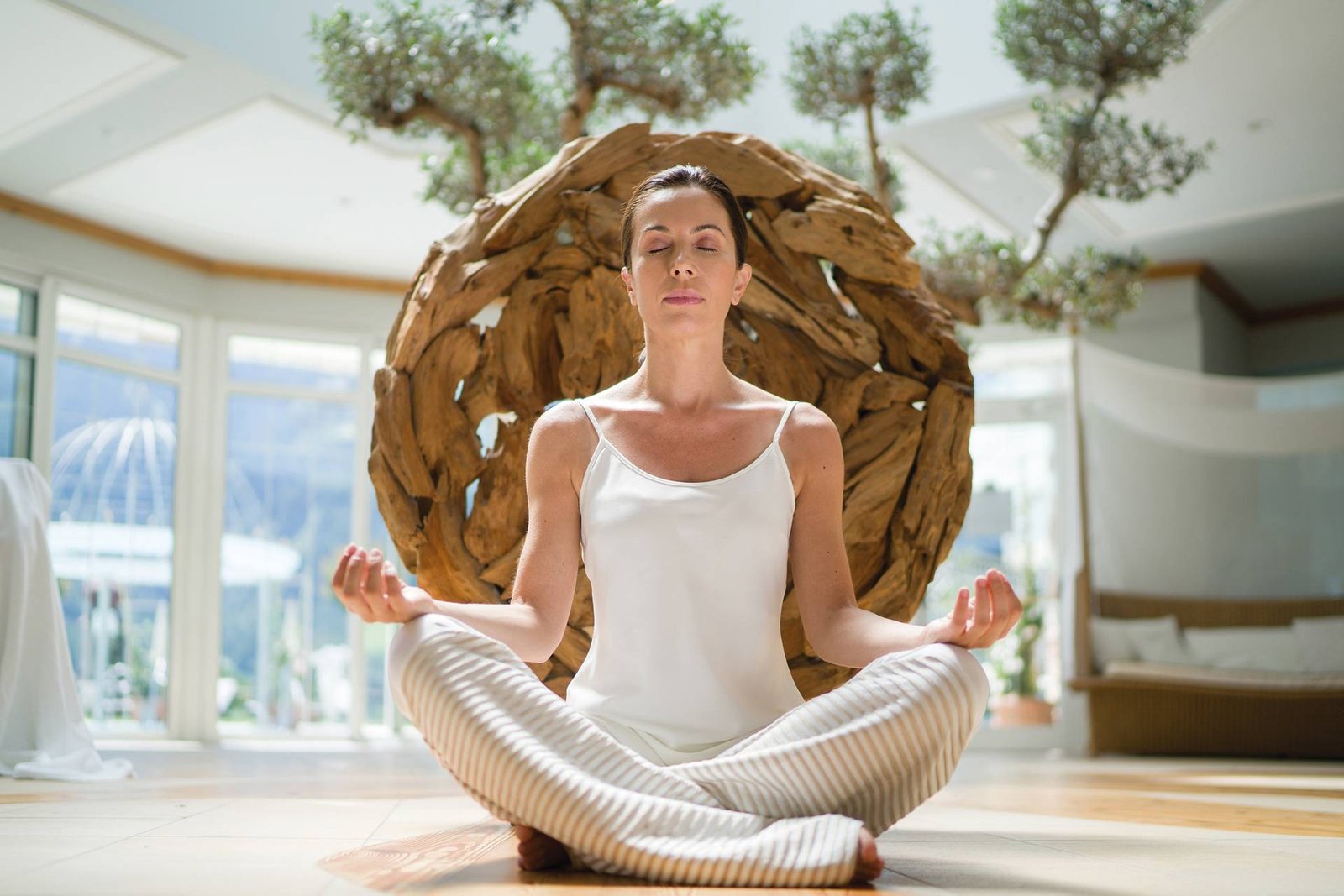
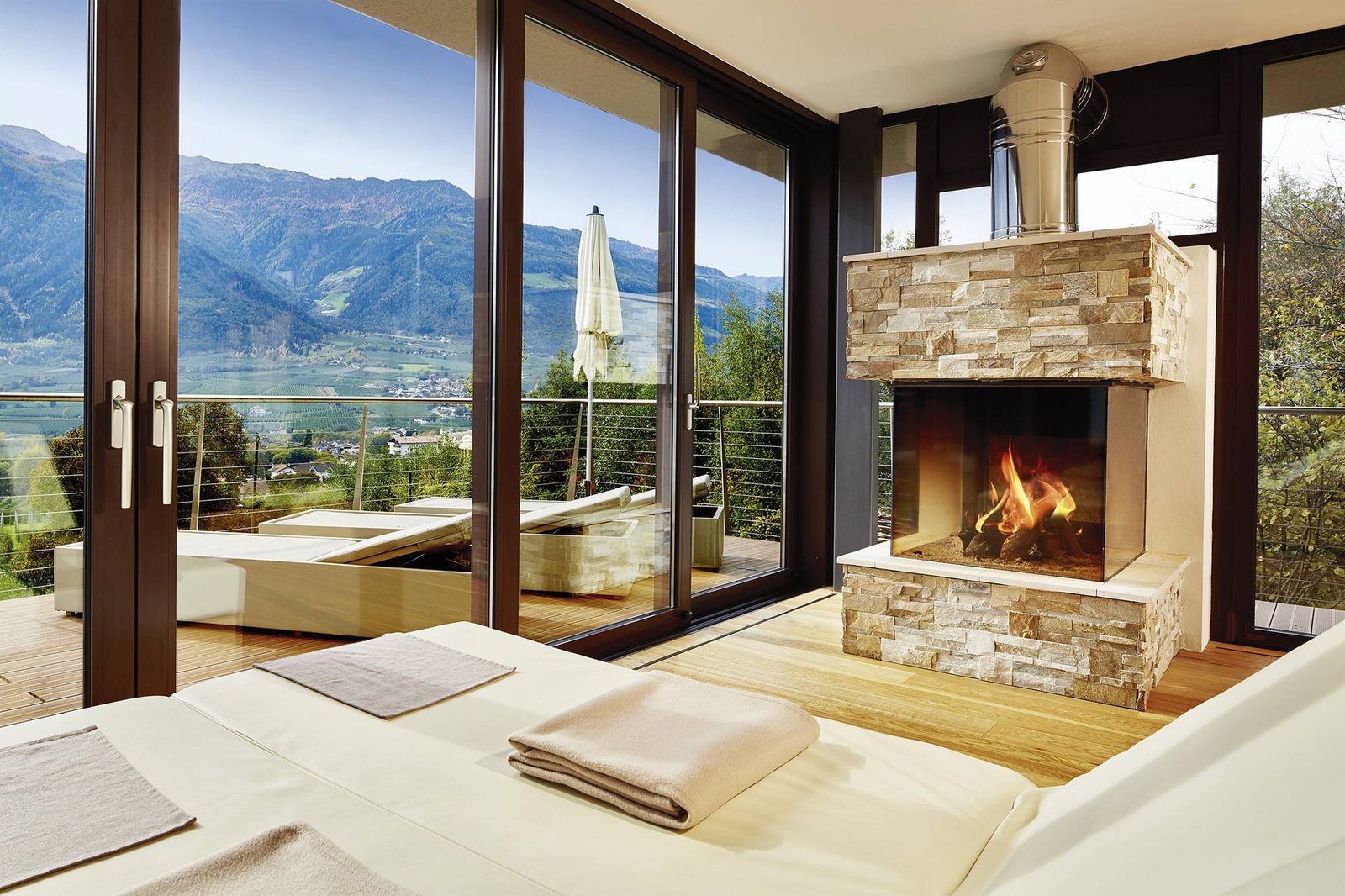
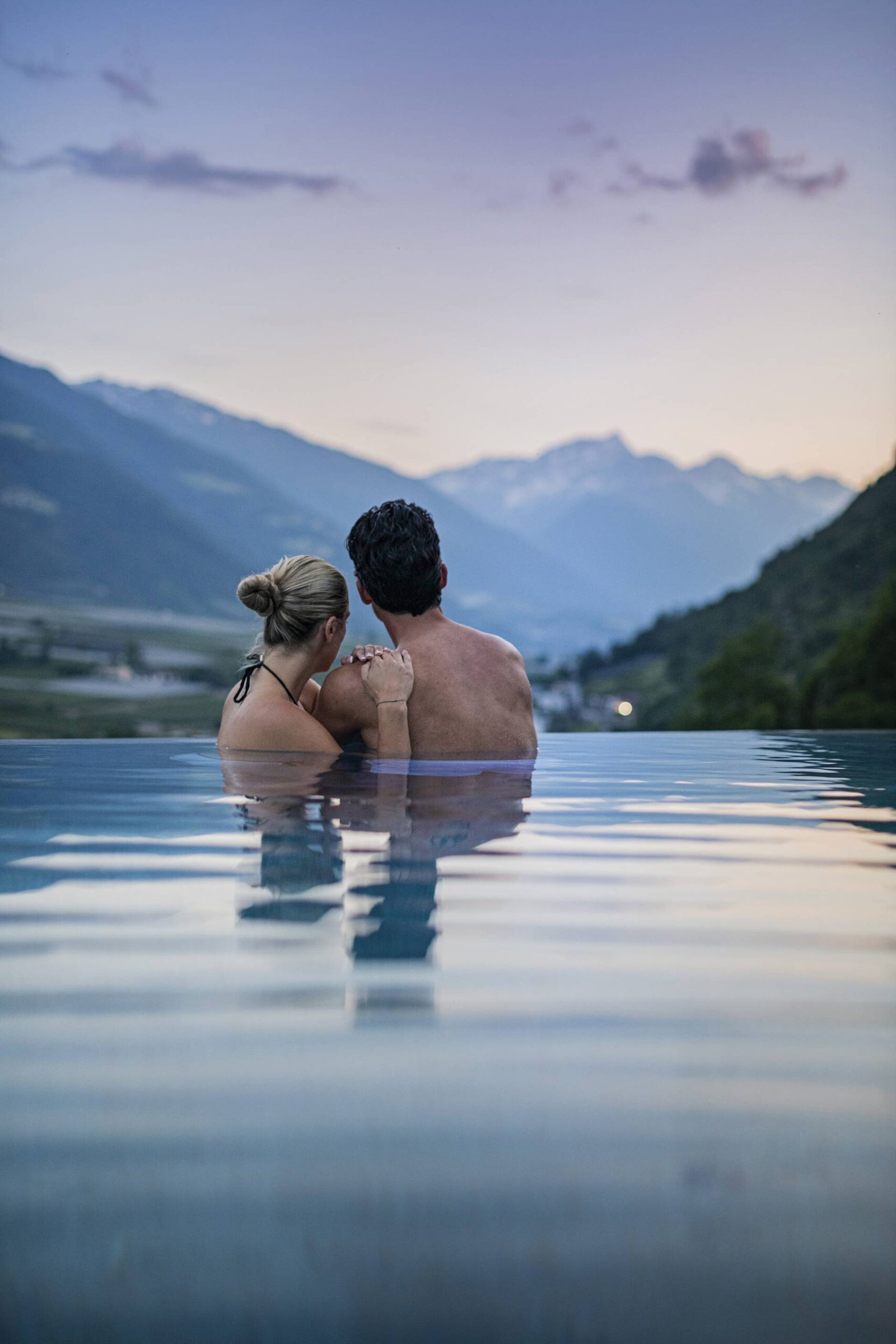
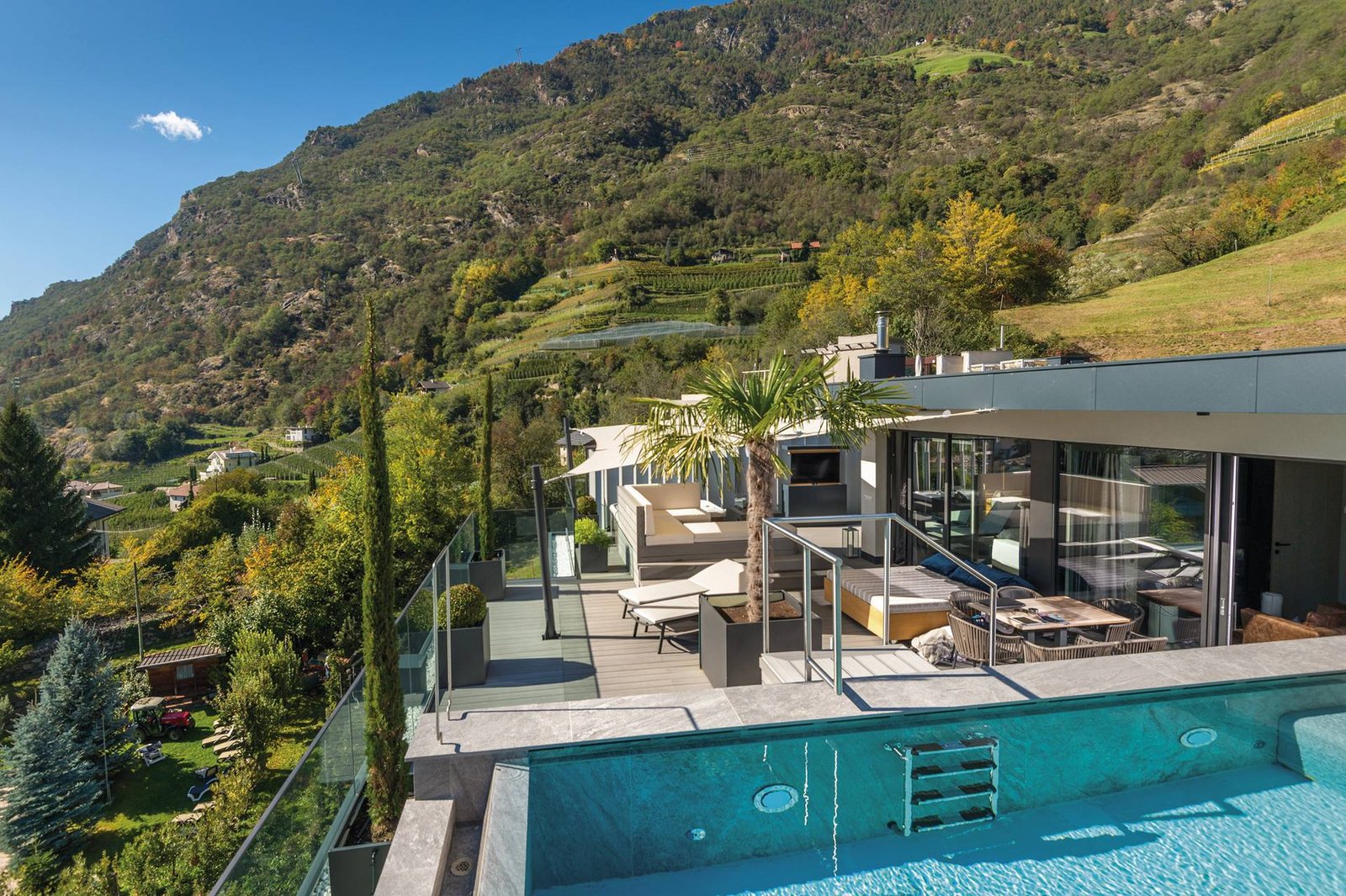
October in the Dolomites is the larch forest at its peak colour — the Val di Funes below the Odle group, the Alpe di Siusi above the Val Gardena, and the Pragser Wildsee area in the Alta Pusteria all producing the golden-amber larch colour that peaks in the second and third weeks of October. The spa programme has returned to its full autumn-winter emphasis: the outdoor thermal pools at their most atmospheric in the October cool, the hay bath using the most aromatic herbs of the year from the July-August harvest, and the sauna programme at full daily schedule.
The lower valley trails remain accessible through October, and the combination of a morning trail walk through the larch colour and an afternoon spa circuit is the October Dolomites day that the summer cannot produce and that November’s first snowfall will change. Our wellness retreats in the Dolomites guide covers the full range of October properties and programmes.
October is the beginning of the Italian olive harvest — the most important annual event in the food calendar of Tuscany, Umbria, and the southern Italian regions. The frantoi (olive presses) begin running in mid-October as the first lowland groves are harvested, and the new-season oil — bright green, intensely peppery, with a polyphenol concentration that stored oil progressively loses — is available at farm gates and cooperative outlets from late October.
Research on the polyphenol content of fresh-pressed extra virgin olive oil has documented the specifically high concentrations of oleocanthal and oleuropein in the early-harvest oil — compounds that decrease significantly during storage and that make fresh-pressed October oil nutritionally distinct from the commercially bottled versions. A retreat kitchen in October Tuscany or Umbria that opens a bottle of oil pressed the previous week is serving a genuinely different ingredient.
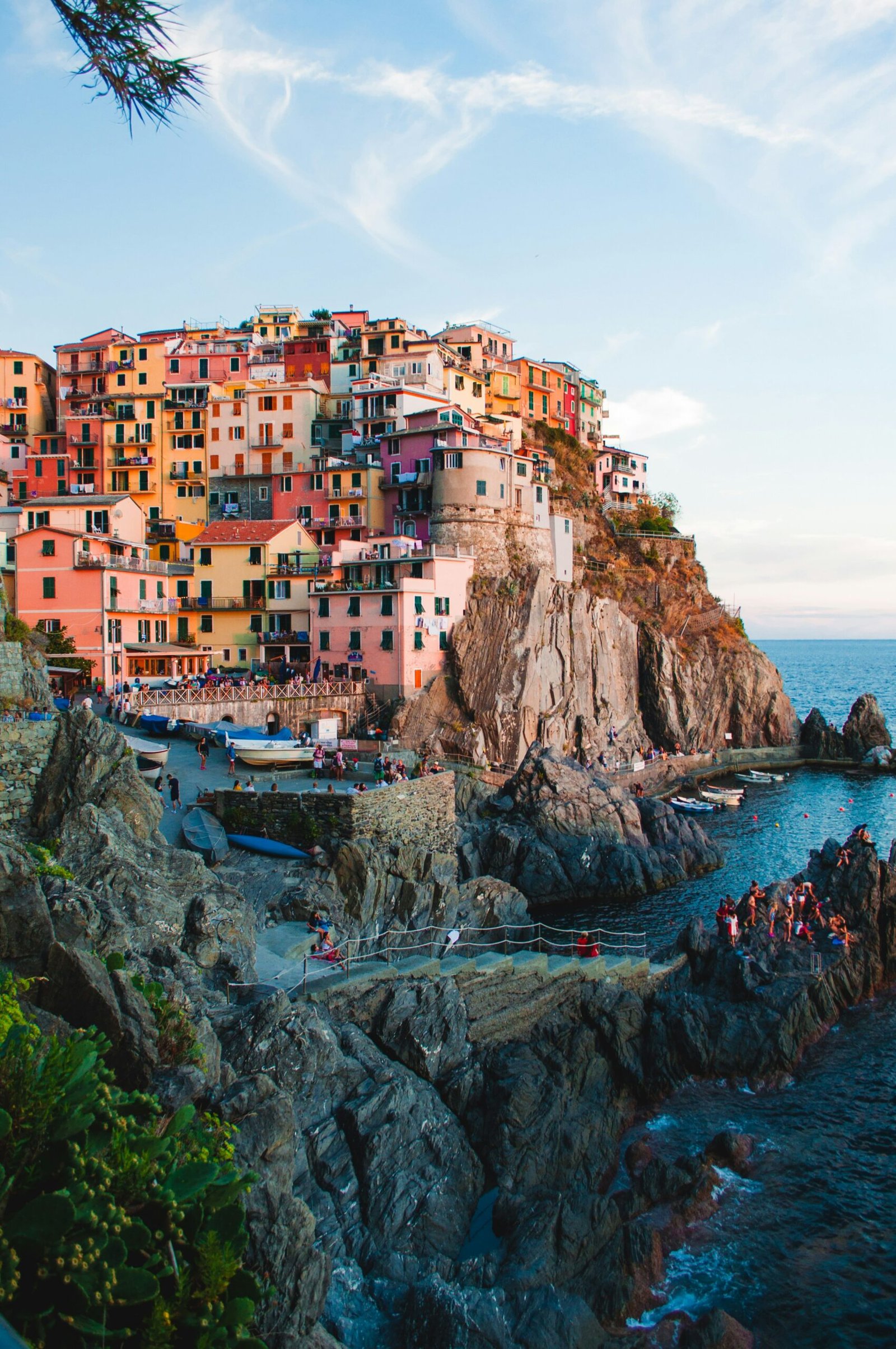
The thermal springs in October have the surrounding landscape at its most painterly — the Saturnia cascades surrounded by the golden Maremma, the Bagno Vignoni piazza-pool with the October light on the Val d’Orcia hills — and the air temperature (14-18°C) producing the comfortable thermal contrast that makes October the most photographically specific thermal month of the year.
October is the peak month of the Piedmont white truffle season. The Langhe hills — the area around Alba producing the tuber magnatum pico that is the most expensive food ingredient by weight produced in Europe — are in October at their maximum. The Fiera del Tartufo Bianco di Alba runs every weekend of October and November, the morning mist (nebbia) that gives the Nebbiolo grape its name settling in the valleys below the vine-covered hills, and the Barolo and Barbaresco estates completing their harvest alongside the truffle season.
The wellness dimension of the truffle is less discussed than its culinary dimension but worth acknowledging. The white truffle’s specific aromatic compounds — androstenol, dimethyl sulphide — have been studied for their neurological effects, and the specific quality of attention that the truffle’s scent produces (the reason that truffle dishes are always served with theatrical presentation rather than simply plated) is a wellness dimension that the retreat kitchen serving fresh October truffle is inadvertently providing.
October is the beginning of Morocco’s best retreat season and the month when the country is most specifically rewarding for wellness travel. The Marrakech temperatures of 22-26°C are ideal for outdoor morning practice. The Atlas Mountains are in October producing the walnut harvest in the Ourika and Ait Benhaddou valleys, the first snow on the Toubkal above 4,000 metres, and the specific quality of October light on the ochre medina walls that the summer entirely changes.
The hammam circuit in October is at its most rewarding — the cooling temperatures making the hot room of the traditional hammam feel specifically appropriate, and the argan oil massage that follows the kessa exfoliation using the oil from the October cooperative production. The Atlas trekking season is in October at its best: the summer heat gone, the trail conditions dry and clear before the winter snow closes the high passes, and the Berber villages of the Toubkal region accessible with a quality of autumn light on the mountain landscape that the spring and summer versions of the same trails cannot replicate.
Japan’s koyo (autumn foliage) season moves southward through October — beginning in Hokkaido in late September and reaching Tokyo and Kyoto in November, with the Japanese Alps (Nagano, Gifu, Toyama) and the Nikko mountain area in Tochigi at their peak in October. The onsen culture in October has the specific quality of the contrast between the first autumn cold and the 40-42°C mineral water — the temperature differential beginning to produce the cardiovascular response that the January onsen maximises but that October initiates.
The Kyoto autumn in October — before the November peak that the international tourism calendar has discovered — has the temple gardens showing the first colour without the November crowd that makes Arashiyama and Higashiyama difficult to move through. The traditional ryokan in the mountain onsen towns of Kinosaki, Nozawa, and Yamagata are in October at their most intimate: small groups, the autumn menu using the matsutake mushroom (the Japanese equivalent of the European truffle, with its specific pine-forest aroma), and the onsen at the moment when its therapeutic contrast becomes most physiologically relevant.
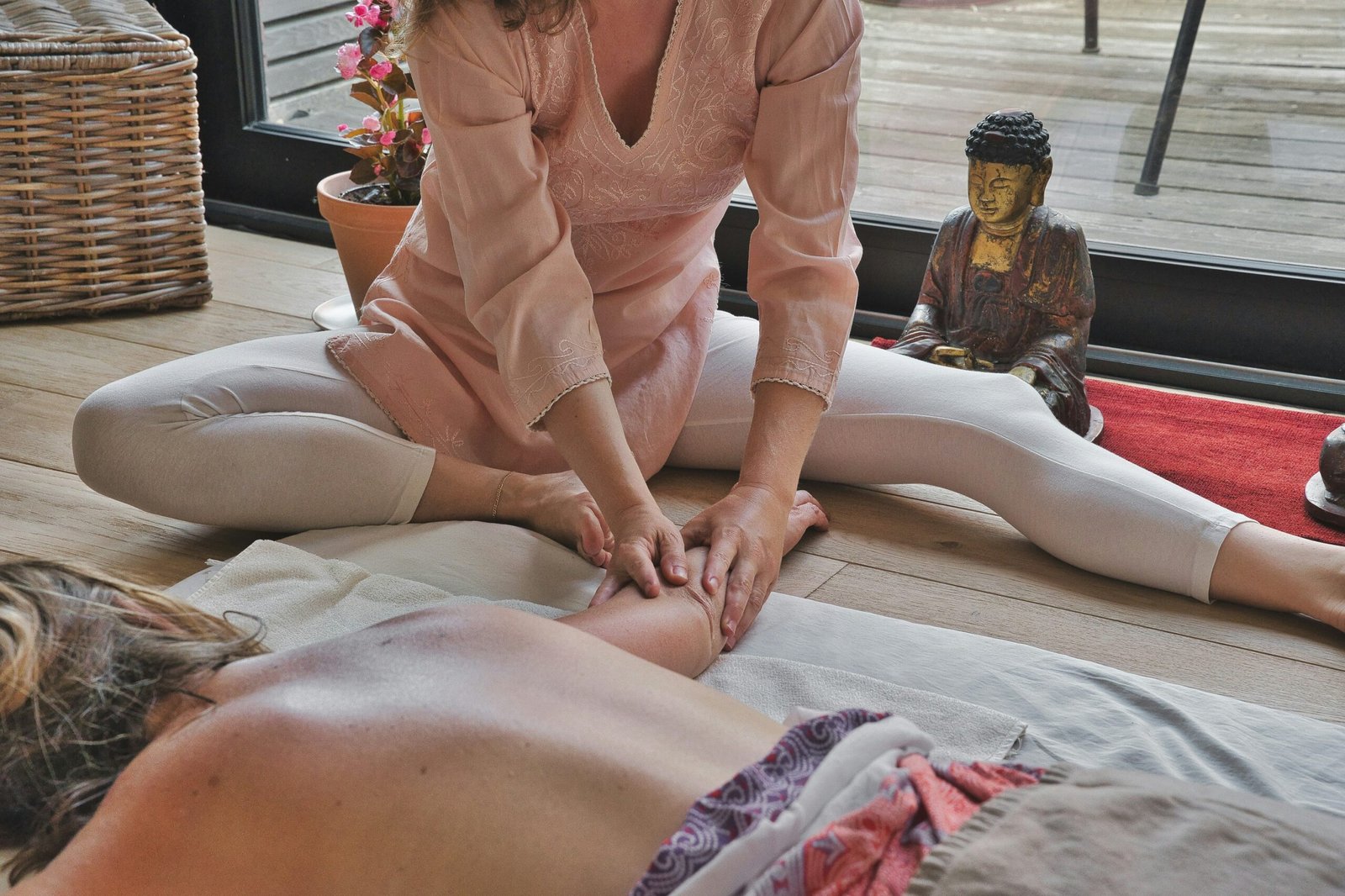
October marks the beginning of the cold and flu season in the northern hemisphere, and the wellness retreat that addresses the immune system specifically in October is doing something practically useful rather than seasonally generic. Research on the seasonal variation of immune function has documented the specific autumn immune activation — the increase in natural killer cell activity and the elevation of certain inflammatory markers — that occurs as temperatures drop and the body prepares for the pathogen exposure of winter.
The thermal contrast treatments that the Dolomite spa circuit, the Japanese onsen, and the Moroccan hammam all provide have documented effects on immune function. Research on sauna use and respiratory infections found reduced incidence of common colds in regular sauna users — an effect attributed to the hyperthermia produced by the sauna impairing viral replication and stimulating heat shock protein production. October is the month when this benefit is most practically relevant: the first cold-season pathogens are circulating, and the twice-weekly sauna that the retreat provides in concentrated form is the most effective single intervention for reducing susceptibility.
Vitamin D supplementation in October is worth discussing at the wellness retreat because October is the month when solar UVB intensity drops below the threshold needed for endogenous vitamin D synthesis at latitudes above approximately 35°N (covering most of Europe, the continental US, Japan, and northern China). The October retreat that incorporates vitamin D testing or supplementation as part of its nutritional protocol is addressing a specific and widespread October deficiency rather than offering generic wellness advice.
October eating is among the most nutritionally dense of any month — the root vegetables, squashes, chestnuts, pomegranates, and late-season greens that the autumn harvest provides are simultaneously some of the most flavourful and most nutrient-rich foods of the year.
The new-season olive oil is the October food experience that is most specifically unavailable in any other month. The oleocanthal compound in fresh-pressed extra virgin olive oil — which produces the characteristic throat burn of high-quality oil — has been shown in research to have similar anti-inflammatory mechanisms to ibuprofen, at the concentrations present in early-harvest oil. The October wellness kitchen that drizzles the new oil over everything is providing a specific anti-inflammatory intervention in a form that requires no prescription and tastes extraordinary.
Chestnuts from the Apennine and Dolomite forests — the Marrone del Mugello from the Florentine hills, the Castagna del Monte Amiata from the Tuscany-Lazio border — are in October at their peak: roasted over charcoal at the mountain sagre, incorporated into the pasta and the polenta of the northern Italian autumn table, and available at the forest foraging walks that the October retreat in the Italian mountains can organise. The nutritional profile of the chestnut — high in complex carbohydrates, low in fat, rich in B vitamins and potassium — is specifically suited to the energy demands of the transition from summer to winter.
Your email address will not be published. Required fields are marked *