
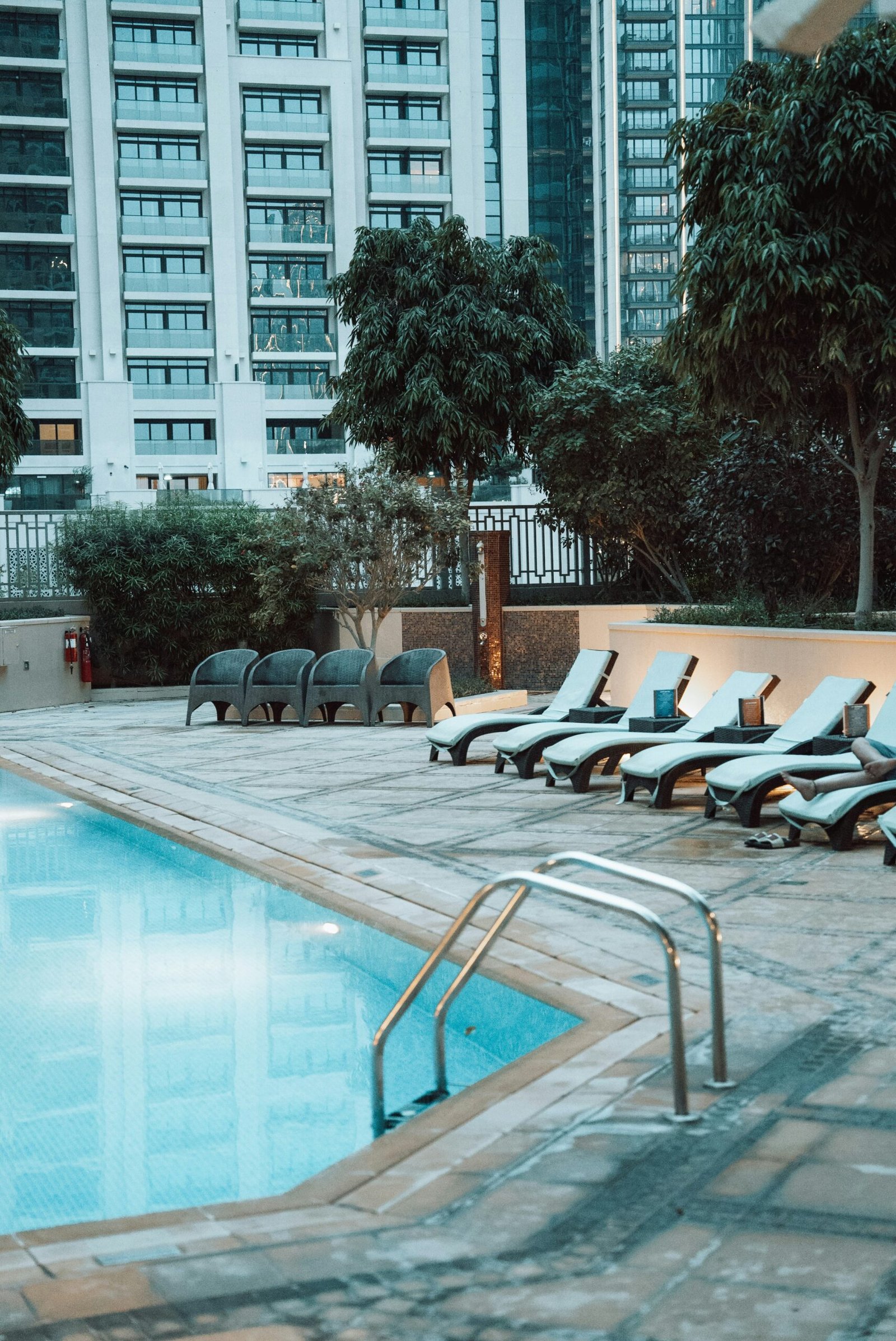
September is when the retreat calendar returns to itself. The August visitors go home almost overnight after the first weekend of the month. The sea — carrying the accumulated warmth of July and August — is at its annual peak temperature.
The harvest is beginning across the Mediterranean and Alpine regions. And the wellness retreat centres have space, rested staff, and prices that are noticeably below August. Go in September.


September in the Dolomites is the transition from summer outdoor to autumn spa. The high trails are still fully open, the hay harvest is finishing and the dried herbs are going into the barn for the winter treatments, and the larch forests of the Val di Funes and the Alpe di Siusi are beginning to turn from green to gold. The Aufguss sauna ceremonies resume their full programme with the newly dried herb supply. For those who want the Dolomites experience with the summer outdoor access and the returning winter spa emphasis, September is the most complete month of the year.
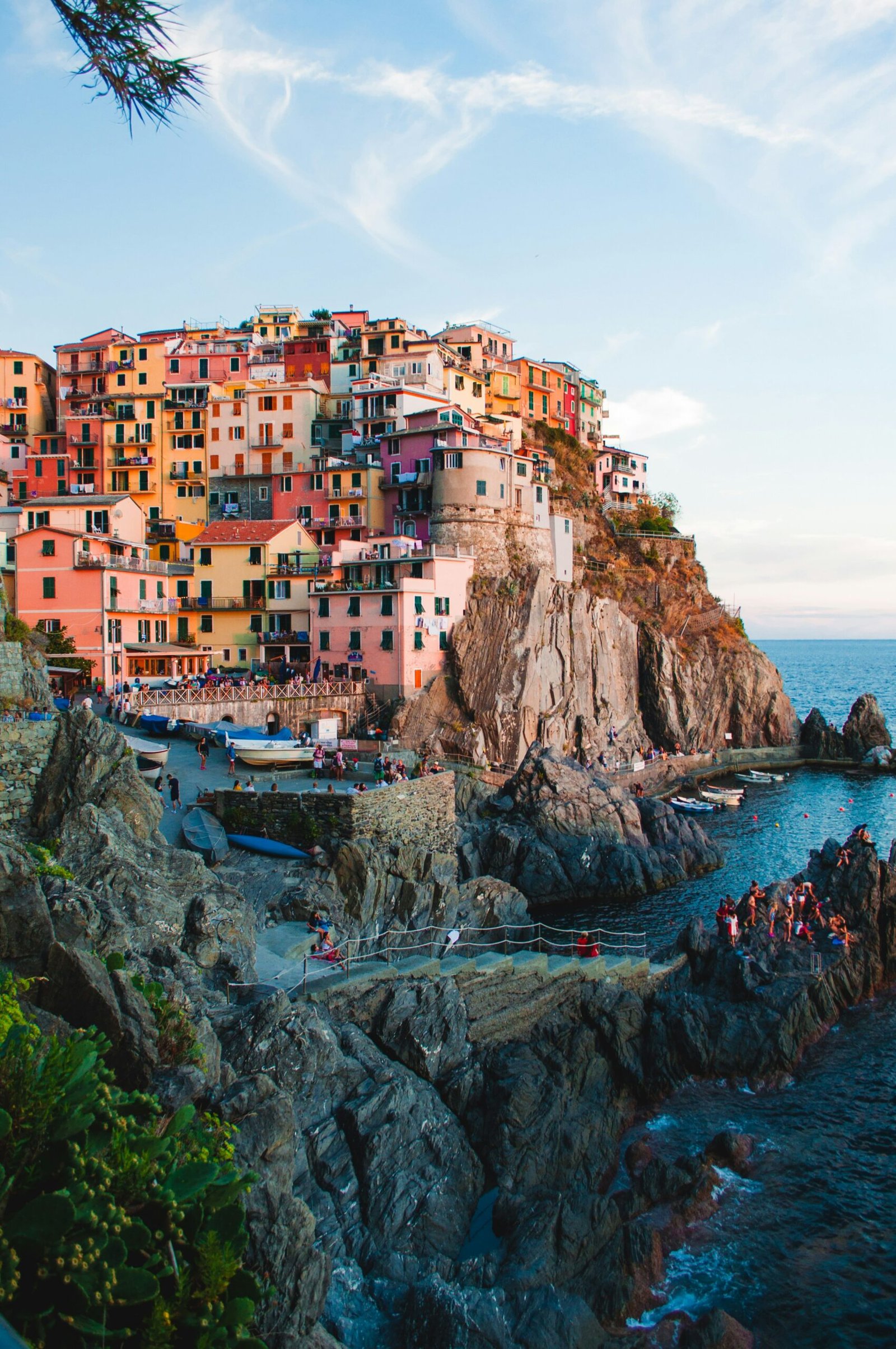
For the broader Italian September picture, our wellness retreats in Italy in September covers Tuscany’s wine harvest, the Langhe truffle season opening, and Lake Garda alongside the Dolomites. Browse the full wellness retreat collection for every destination.
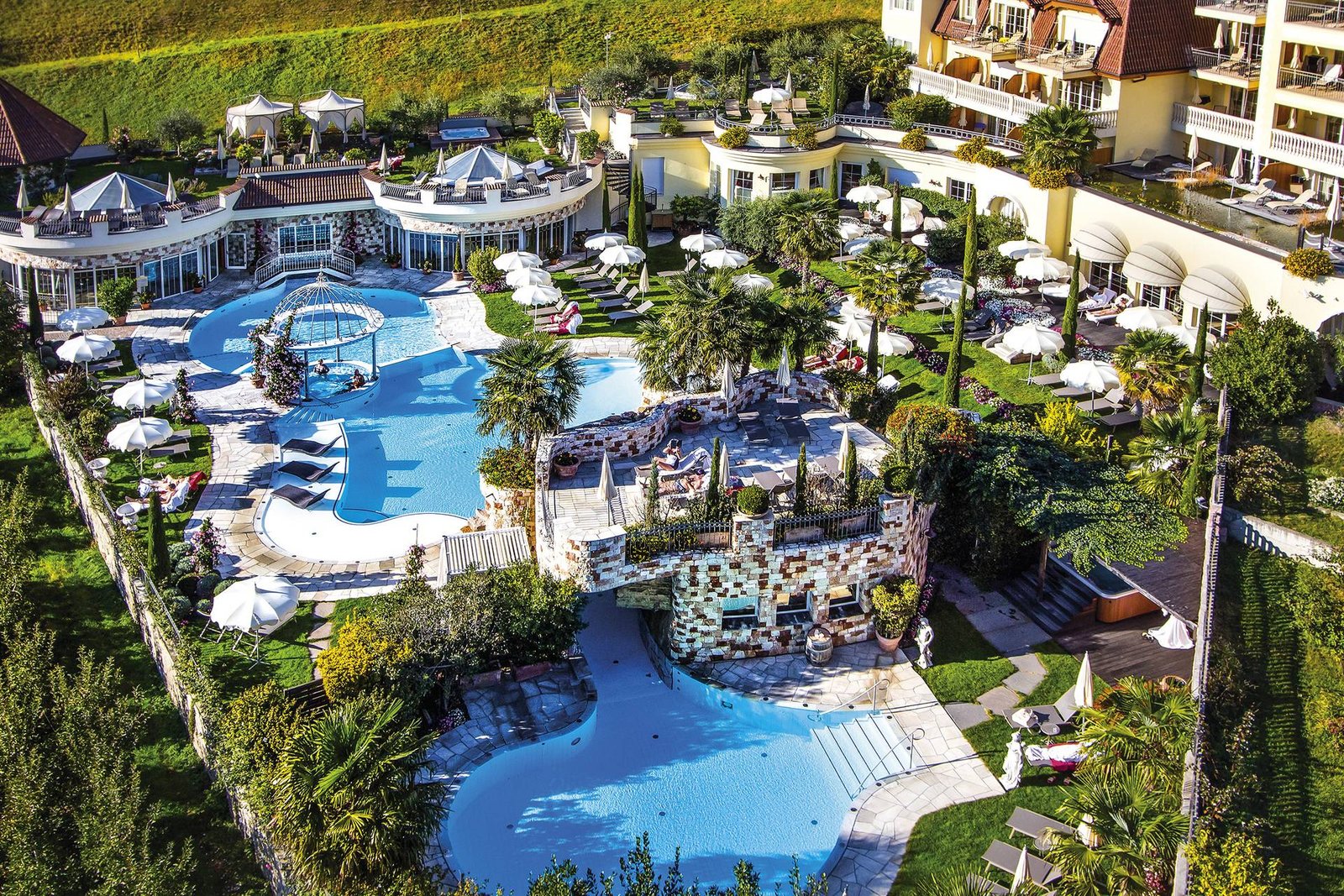
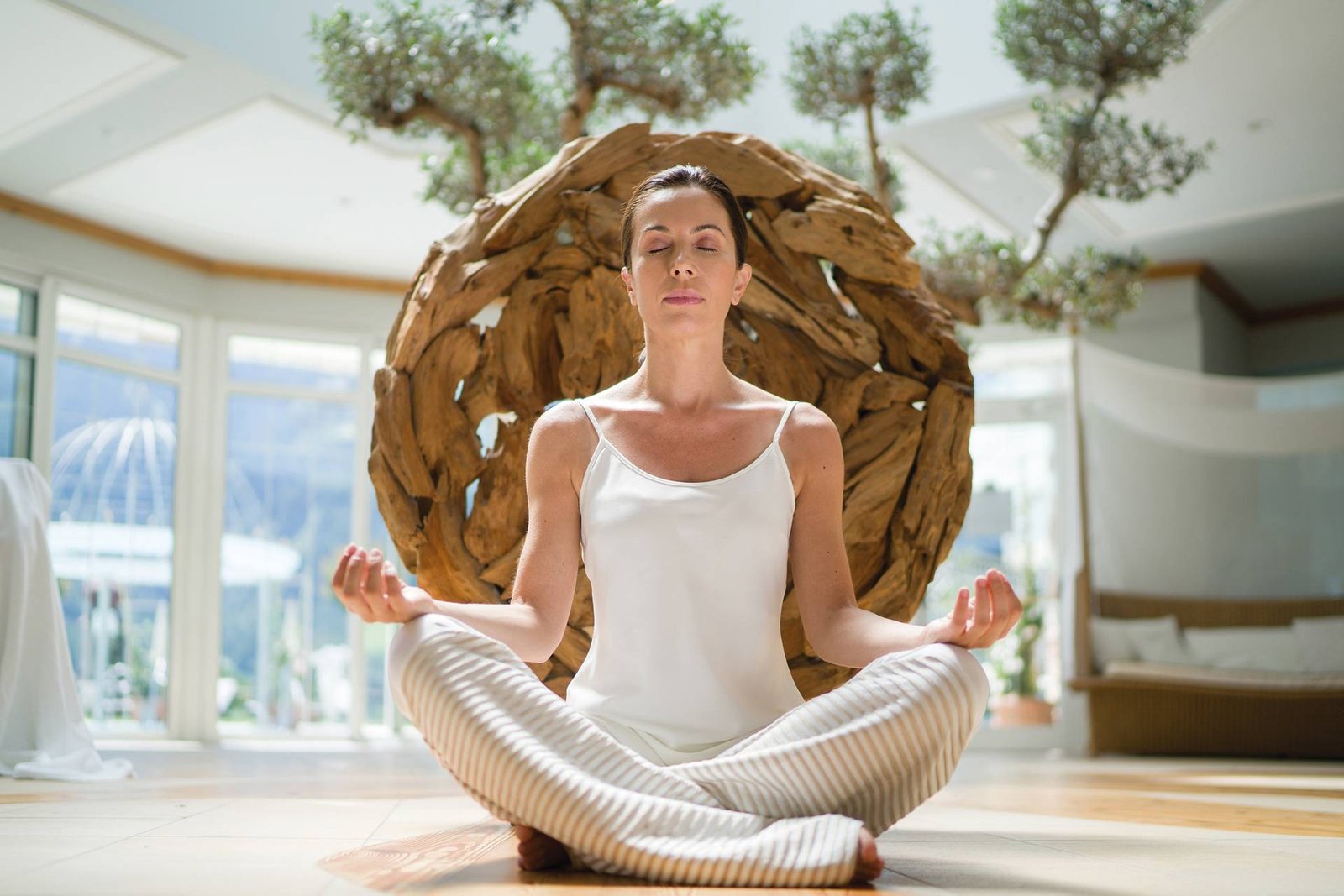
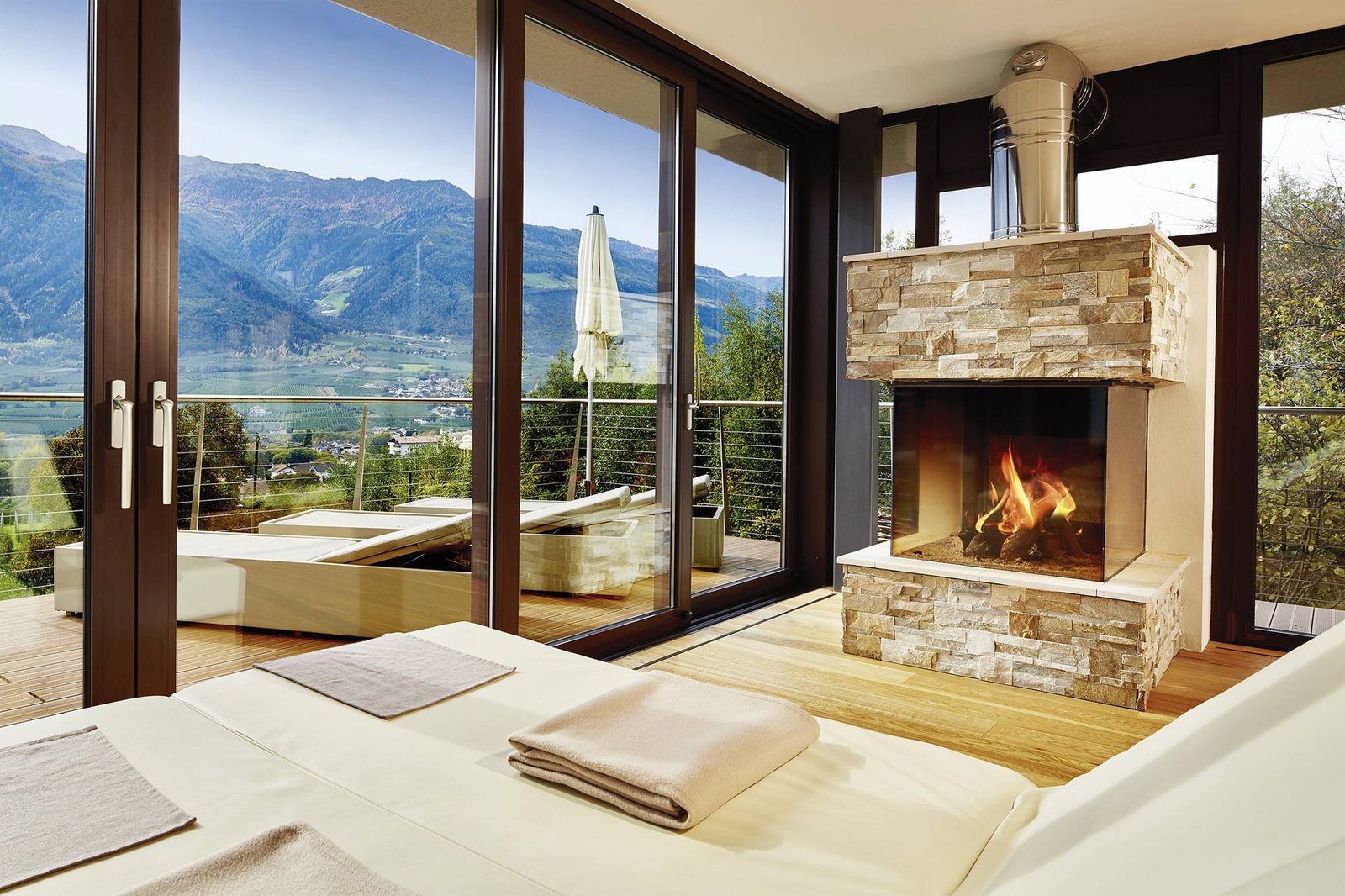
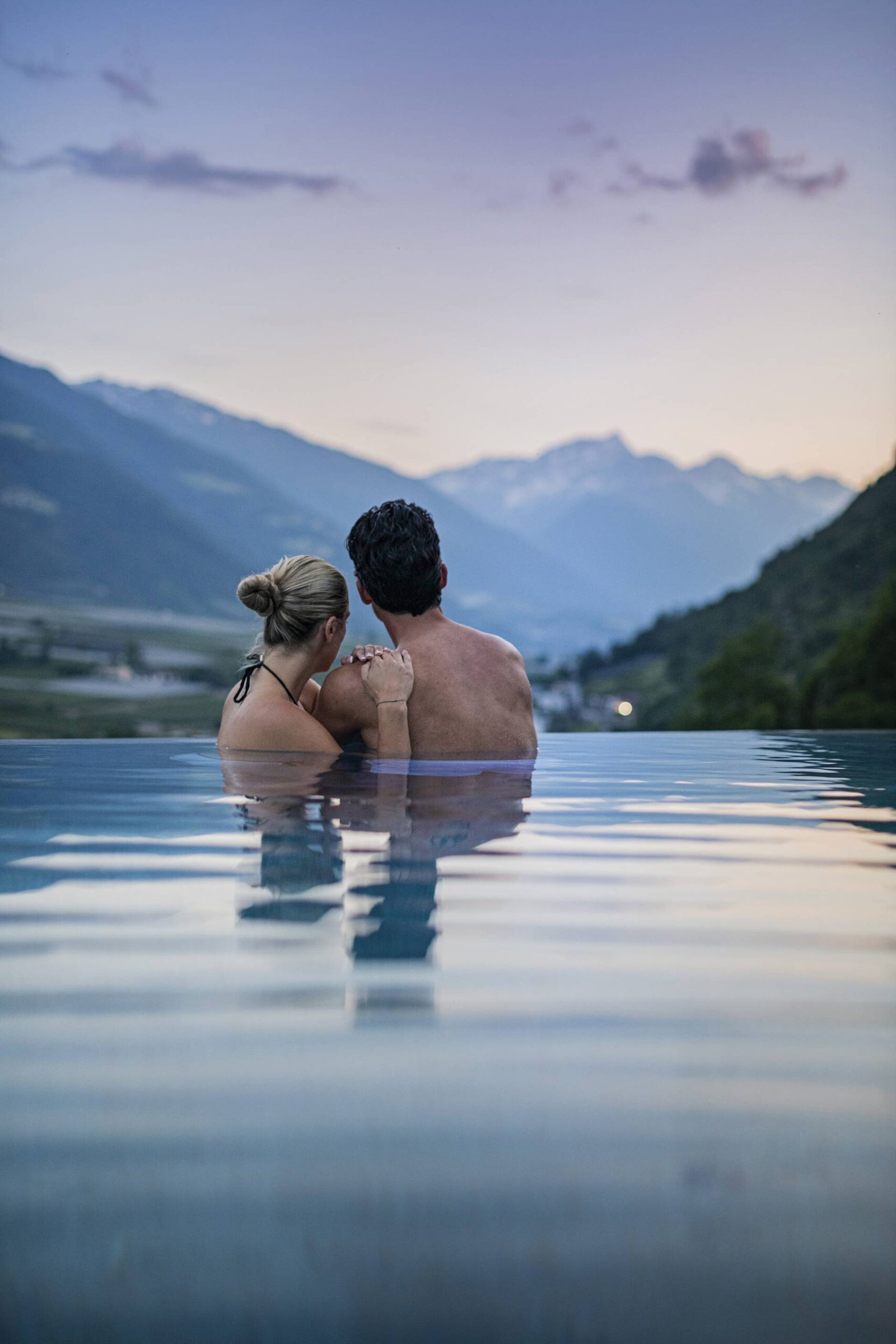
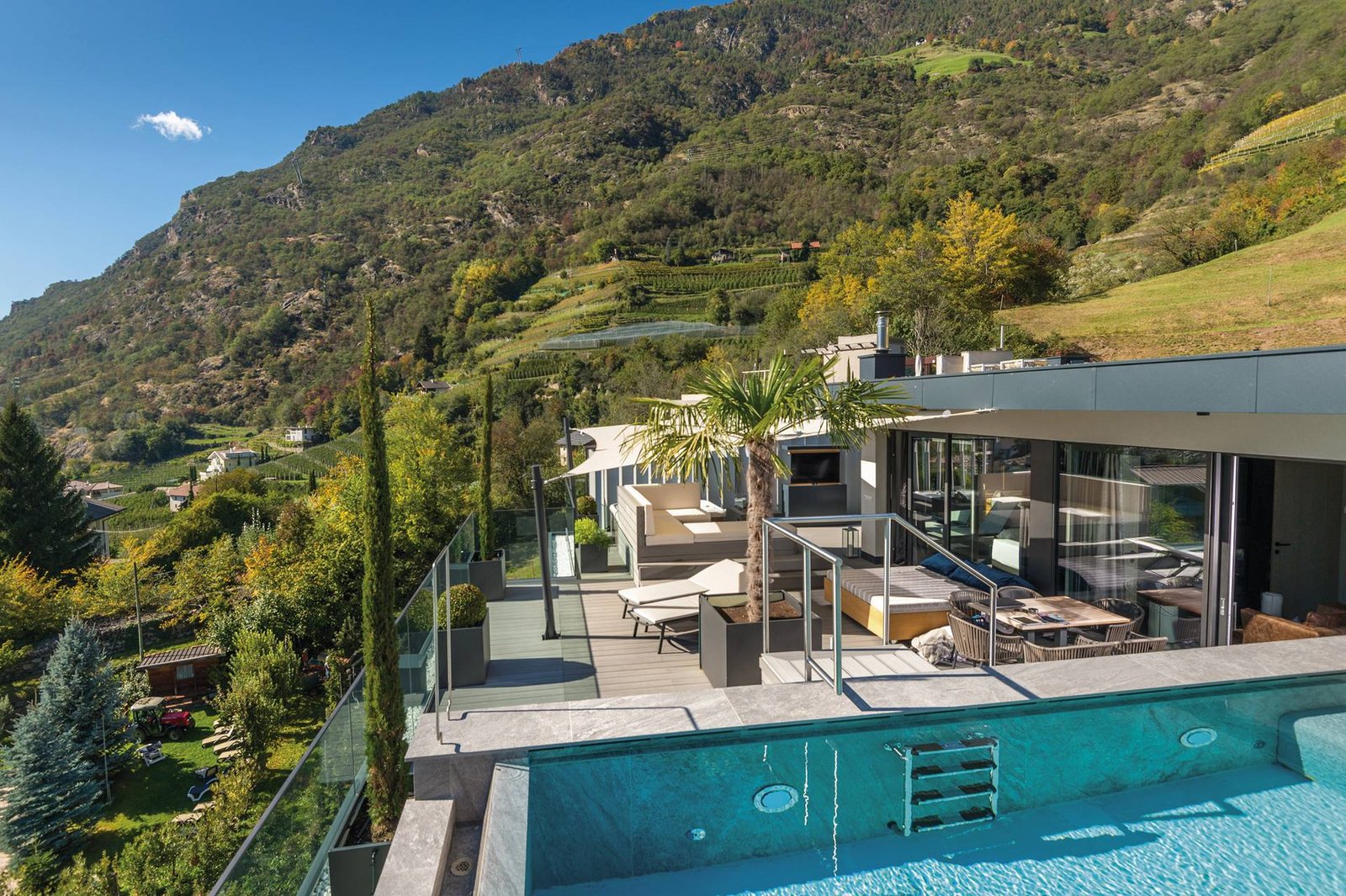
September in the Dolomites is the best month of the alpine year for those who want both the outdoor and the spa programme simultaneously. The high trails are fully open until mid-month. The larch forests — the Val di Funes, the Alpe di Siusi, the Pragser Wildsee area — are beginning their autumn colour in the second and third weeks of September, the needles turning from green to gold and amber in a progression that photographers specifically plan their autumn around. The spa programme is at full capacity with the freshly dried summer herb supply for the hay bath and Aufguss treatments.
The valley temperatures of 18-24°C in September are the most comfortable of any month for the combination of outdoor movement and thermal treatment — warm enough for morning hiking in a light layer, cool enough for the afternoon sauna circuit to feel genuinely restorative rather than redundant. Our wellness retreats in the Dolomites guide covers the full range of properties and the September programme in detail.
September is the Tuscan wine harvest — the Chianti, Montalcino, and Montepulciano estates in September picking the grapes that will become the vintages of the following years. The retreat centres in the Val d’Orcia and the Chianti hills that incorporate a harvest morning — watching the grapes sorted and pressed, tasting the new must alongside the previous year’s finished wine — are offering a specifically September experience that no other month provides.
The thermal springs in September have the warmth of the water (37-40°C) against an air temperature of 20-24°C — the most comfortable version of the outdoor thermal experience, warm enough to walk between the pools without discomfort, cool enough for the post-bath rest on the grass to feel genuinely restorative. The Saturnia cascades in September, with the summer visitors gone and the surrounding Maremma landscape in its golden late-summer form, are the thermal experience at its most specific and its most accessible simultaneously.
September in the Greek islands is the month that experienced travellers plan their year around. The August compression — every ferry full, the streets of the Cycladic towns difficult to move through — eases from the first weekend of September with a speed that is almost startling. The sea at 24-25°C on the Cyclades and 25-26°C on the south Cretan coast is the warmest of the year, carrying the accumulated heat of summer into conditions that the summer crowds made difficult to enjoy.
Naxos in September is the last Cycladic island to close its retreat centres before winter, and September has the specific quality of a place that has been fully alive all summer and is now settling into a more sustainable version of itself. The Naxian wine producers of the Tragaia valley, the Graviera cooperatives producing the first autumn milk cheese, and the Naxian potatoes at their harvest — September Naxos has a food culture operating at full autumn production that the summer months, focused on tourism, partially obscure.
Crete in September — both the accessible north coast and the ferry-only south coast — has the sea at its warmest and the island at its most its own. The Minoan archaeological sites (Knossos, Phaistos, Gortyna) are accessible without the summer queue management. The south coast villages of Loutro and Hora Sfakion are still operating the ferry but with the summer pressure gone.
September marks the end of the monsoon in most of India, and the retreat infrastructure responds accordingly. Kerala’s southwest coast — Kovalam, Varkala, Alleppey — is in late September transitioning from monsoon to dry season: the landscape intensely green from the rains, the Ayurvedic centres in the traditional towns reopening their full programmes, and the backwaters of Alleppey at their most lush and their most specific.
Rishikesh in September is the mountain town transitioning from monsoon to the autumn trekking season. The Ganges is running at full post-monsoon volume, the ghats closer to the water than in the dry season, and the yoga schools and ashrams that the monsoon contracted are in September rebuilding toward the October-November peak. The window between monsoon end and peak season arrival is one of the best times to be in Rishikesh: the teachers present, the atmosphere genuine, and the prices still well below October.
September is the beginning of Morocco’s best retreat window. The summer heat that made Marrakech inadvisable for outdoor practice has broken — temperatures in the city drop to 24-28°C in September, warm but manageable. The Atlas foothills are in September doing something specific: the walnut harvest in the Ourika Valley, the first snow on the peaks above 3,000 metres visible from the city, and the specific quality of September light on the ochre walls of the medina that the summer’s harsh overhead sun completely changes.
The hammam culture in September is at a specifically good moment: the summer heat that made the hot room of the traditional hammam feel excessive is gone, and the cooling temperatures make the thermal circuit — hot room, kessa exfoliation, cold rinse, argan oil massage — feel appropriate and restorative rather than simply warm. The Essaouira retreat centres on the Atlantic coast are in September running their autumn programmes in the conditions that the alizé wind and the post-summer quiet combine to produce.

September is the integration month — the moment when the summer’s accumulated experiences, stimulation, and physical output can finally be processed rather than simply added to. The body in September is still warm and open from the summer months but is no longer managing the thermoregulatory load that July and August imposed. Energy is returning to a more sustainable baseline. Sleep quality is improving as the nights lengthen and cool.
The wellness retreat in September catches this transition and can do something productive with it. Research on the seasonal variation of the human immune system has documented the specific autumn immune activation that occurs as temperatures drop and the body prepares for the cold season — a process that the September wellness retreat, with its combination of outdoor movement, thermal treatment, and nutritional support, can specifically reinforce.
The harvest dimension of September wellness — the wine harvest in Tuscany and the Langhe, the beginning of the olive harvest in the warmer groves, the walnut and hazelnut harvest across the Mediterranean hills — provides a specific cultural and agricultural context that makes the September retreat feel grounded in the natural cycle rather than extracted from it. The retreat kitchen in September is using ingredients at the peak of their annual development, and the connection between what the land is doing and what appears on the plate is at its most direct and most instructive.
September is the optimal month for marine wellness — the seawater carrying the accumulated warmth of summer (22-26°C across the Mediterranean) while retaining the mineral concentration that summer dilution and algae growth progressively reduce through July and August. The thalassotherapy centres of the Sardinian, Ischian, and Portuguese Atlantic coasts are in September running their post-summer programmes in the most therapeutically complete sea conditions of the year.
Research on the seasonal variation of seawater mineral content has documented that the autumn sea maintains higher concentrations of magnesium, calcium, and trace minerals than the summer sea that has been warmed, diluted by freshwater runoff, and biologically active through the hottest months. The September thalassotherapy session delivers the warmest water temperature of the year combined with the most mineralised post-summer seawater — a combination that no other month provides.
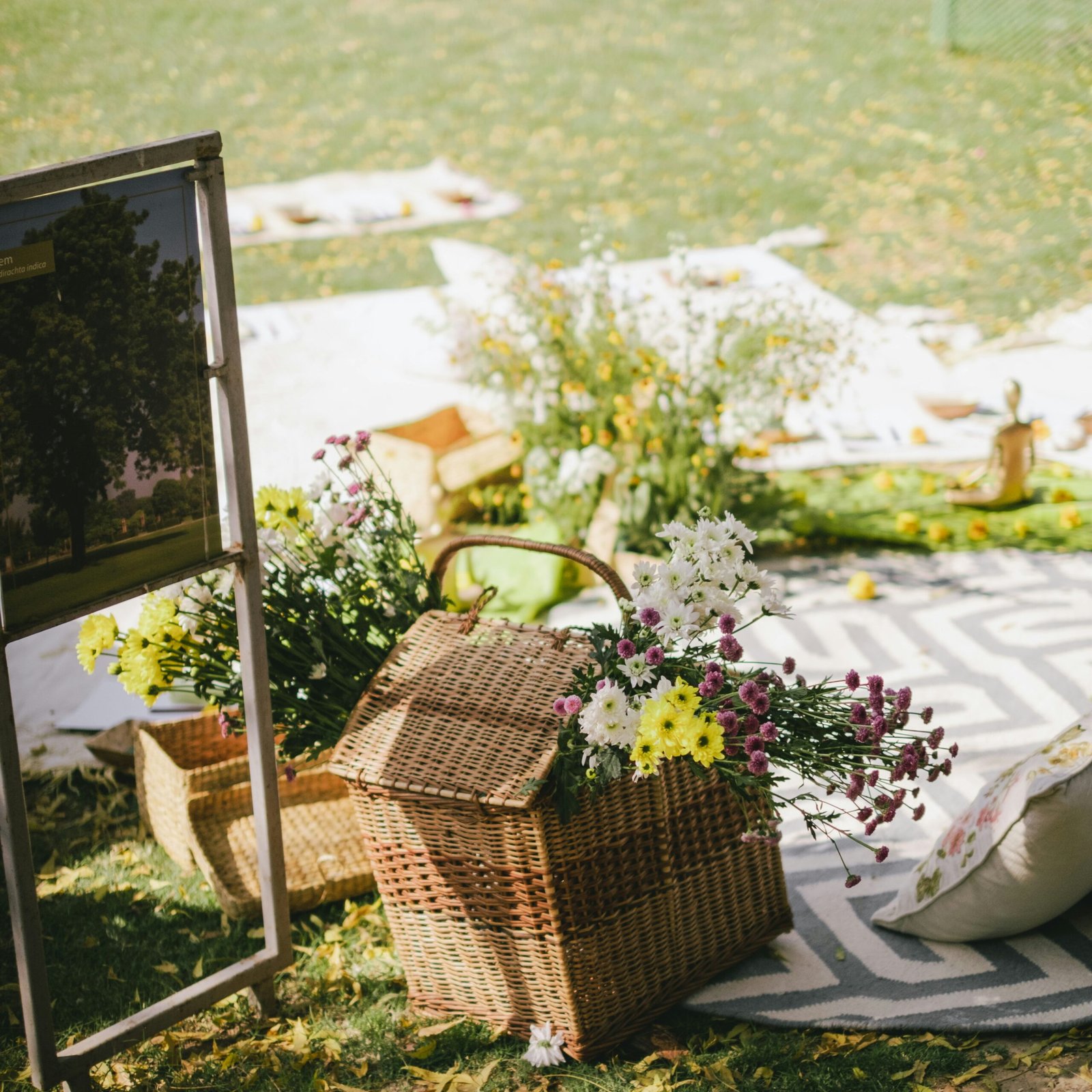
September eating is the transition table — the last of the summer produce alongside the first of the autumn. The tomatoes are at their deepest September sweetness, the aubergines at their most flavourful before the autumn cool changes their character, and the figs at their September peak. Simultaneously, the first chestnuts are appearing in the mountain markets of the Apennines and the Dolomites, the new-harvest walnuts at their September freshness, and the pomegranates of the Mediterranean beginning their season.
The nutritional logic of September eating is the transition from cooling to warming: reducing the raw foods and cold preparations of July and August, increasing the slightly warmer and more substantial preparations that the cooling days begin to require. The minestrone that Italian cuisine builds around the September vegetable surplus — tomatoes, courgettes, beans, and the first of the autumn greens — is the September transition dish that bridges the summer and autumn tables with specific nutritional intelligence.
The wine harvest produce — the new must pressed from the September grapes, the vin santo in its early production at the Chianti estates, and the grape must cookies (mostaccioli) that the southern Italian tradition makes from the September harvest — are September foods that require the season specifically and that the wellness kitchen incorporating them is providing a genuinely seasonal experience.
Your email address will not be published. Required fields are marked *