
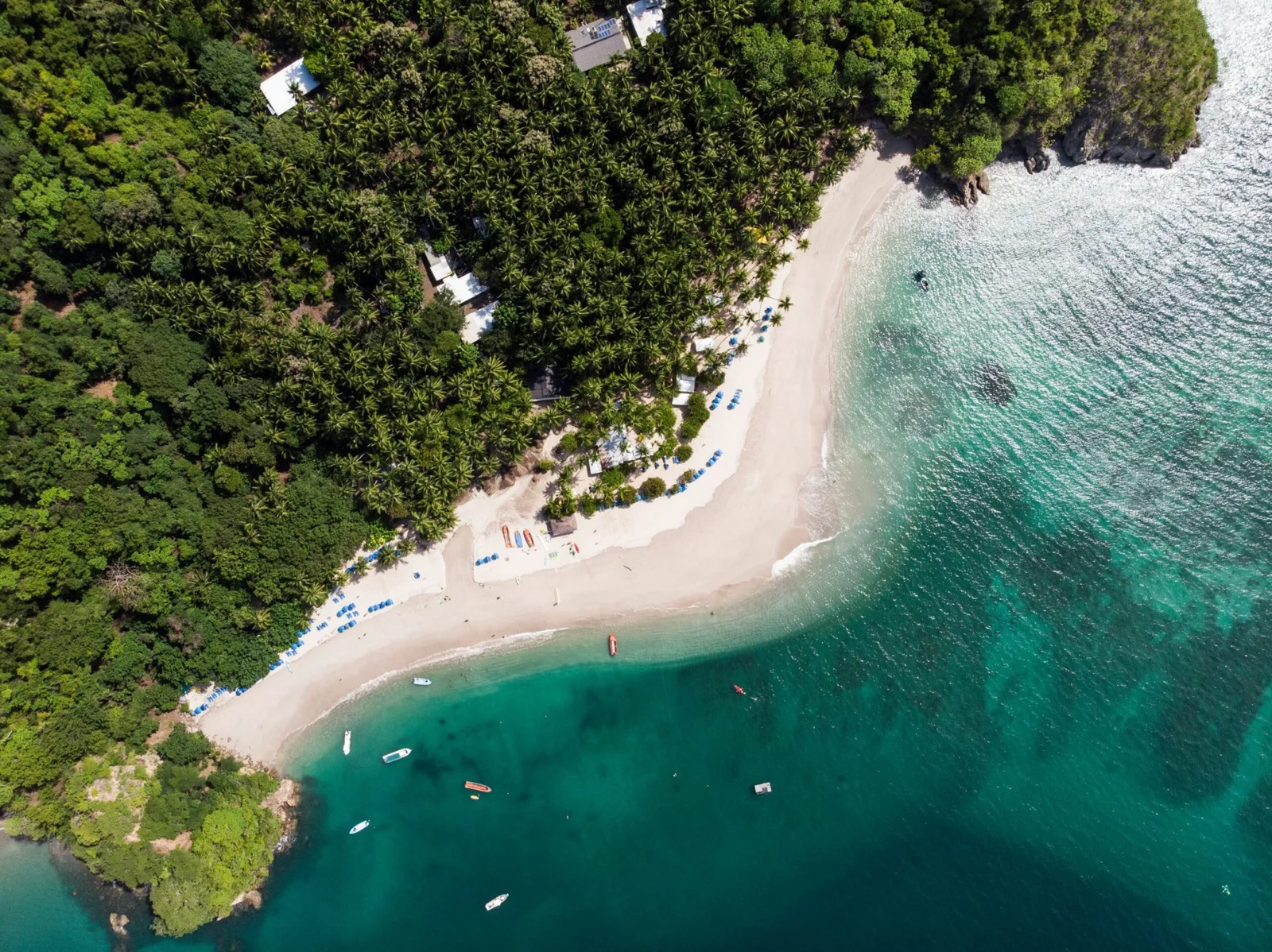
September in Costa Rica is the month the Caribbean coast enters its own dry season window — the flip side of the Pacific wet season producing dry conditions on the eastern side of the country from September through November. The Pacific coast is still in the wet season, but the wildlife calendar has the southern humpback whales approaching their season’s end, the olive ridley nesting continuing at Ostional, and the Caribbean offering the specific biodiversity of its dry window. A yoga retreat in Costa Rica in September rewards those who know which coast to choose.


September is when the geographic duality of Costa Rica is most useful for retreat planning. The Pacific coast is in its September wet season — the rains heavy, the surf still powerful, and the wildlife calendar still producing the whale and turtle cycles. The Caribbean coast — Puerto Viejo, Cahuita, Tortuguero — is entering its own September-November dry window, the trade wind pattern producing drier conditions on the Atlantic side precisely when the Pacific is at its wettest. September on the Caribbean side produces the conditions that the dry season Pacific offers in January — and at the same low green-season prices.
Browse our full yoga retreats in Costa Rica guide for the complete picture of what the country offers year-round. For the global context of September retreat travel, our yoga retreats in September guide covers every destination worth considering this month.

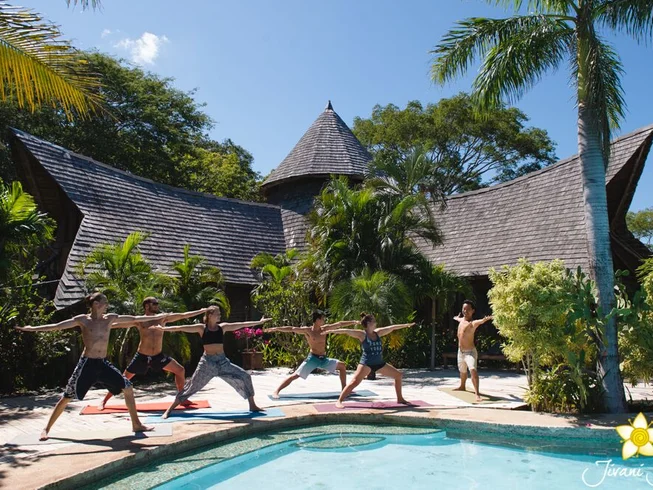
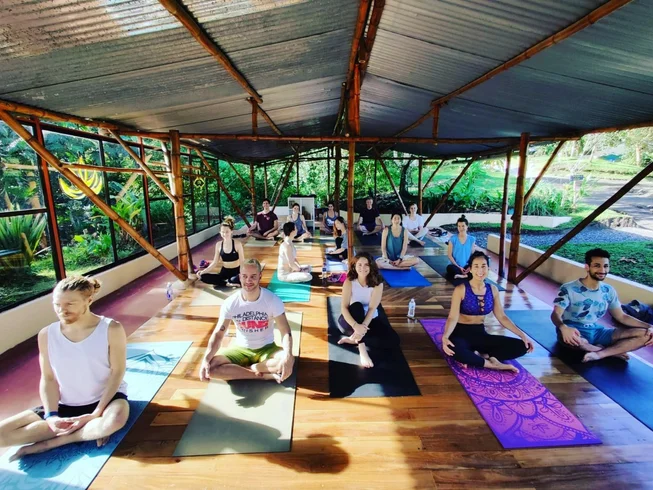
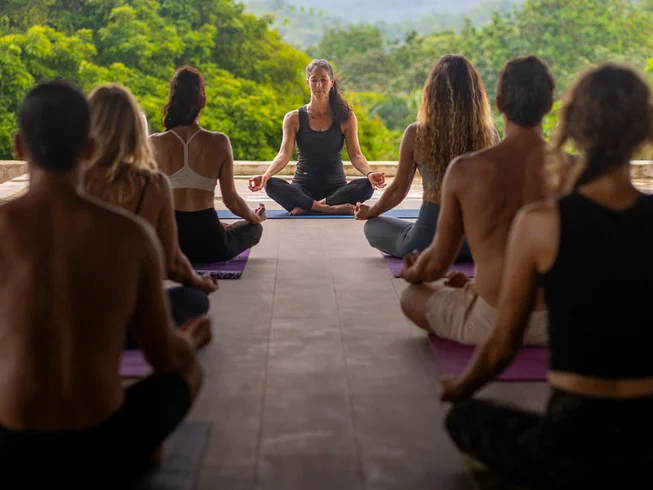
Puerto Viejo de Talamanca in September is in one of the better months of the Caribbean calendar — the trade winds reducing the rain and the Salsa Brava reef break producing the northeast swell that the Caribbean trade season generates. The Cahuita National Park coral reef is in September accessible for snorkelling with the September sea clarity that the dry trade-wind period produces. The Gandoca-Manzanillo Wildlife Refuge mangrove and sea grass systems are in September at the biodiversity level that the September conditions favour.
The Afro-Caribbean culture of Puerto Viejo is most visible in September — the Día de la Cultura Afro-Costarricense (August 31st, the anniversary of the 1949 constitutional recognition of Afro-Costa Rican citizenship) having just passed, the community in the post-celebration energy that the August 31st events produce. The traditional Calypso music of the Caribbean coast, the rondón (the Caribbean coconut-based stew with fish and root vegetables), and the pan bon (the heavily spiced Caribbean sweet bread) are at their most culturally specific in the September coastal community context.
The Bribri and Cabécar indigenous territories of the Talamanca mountains — the most intact pre-Columbian cultural communities in Costa Rica, accessible by boat and trail from Puerto Viejo and the Sixaola border area — are in September in the period between the heavy rainy season of June-August and the full dry window of October-November. The community-run cultural tours through the Bribri territory (the Yorkin community, accessible by boat on the Río Sixaola, and the Kekoldi indigenous reserve outside Puerto Viejo) are in September operating their most locally-rooted programmes — the community members present, the agricultural cycle of the September period visible in the cacao groves and the yuca plantings, and the cultural transmission (the traditional medicine, the mythology, the weaving) most accessible in the September community rhythm.
The Bribri cacao tradition — the Theobroma cacao cultivation that predates the European contact by centuries, the specific Bribri varieties and preparation methods that the Sea Turtle Conservancy and the community cooperatives are working to preserve — is in September at the fruit stage: the cacao pods turning yellow, red, and purple on the trunks and branches of the shade-grown trees, and the September cacao harvest beginning in the warmer coastal sections of the Talamanca territory.
Guayabo National Monument — the most important pre-Columbian archaeological site in Costa Rica, with the cobblestone roads, aqueducts, and ceremonial mounds of a city that may have housed 10,000 people at its peak between 1000 BCE and 1400 CE — is in September accessible by the highland road from Turrialba, with the September conditions producing the most dramatic cloud forest context for the site. The Guayabo archaeological zone is surrounded by the Turrialba cloud forest — the same ecosystem that produces the Turrialba volcano (one of the most active in Costa Rica) visible from the site on clear mornings.
The Guayabo site is rarely on the retreat calendar despite being the most archaeologically significant location in Costa Rica — the cobblestone roads that emerge from the forest, the stone-lined water channels still flowing after 2,000 years, and the burial mounds in the primary forest provide the most direct evidence of the pre-Columbian civilisation that the tourist-oriented La Fortuna and Monteverde circuits do not acknowledge.
Dominical on the southern Pacific coast is in September in the wet season with the south swell producing the most powerful September conditions of the Pacific year at the southern breaks. The Playa Dominical beach break — recommended only for experienced surfers in the south swell season — is in September producing the conditions that the experienced surfers who specifically seek the southern Pacific come for. The retreat centres in the hills above Dominical — using the jungle setting and the Pacific views rather than direct beach access — are in September running their green season programmes with the least tourist competition of the year.
September 15th — Costa Rican Independence Day (the anniversary of the 1821 declaration of independence from Spain) — is the national day celebrated with school parades, the desfile de faroles (the lantern parade in which children carry hand-made lanterns through the streets on the evening of September 14th), and the specific patriotic energy of the Costa Rican civic identity. The lantern parade on the evening of September 14th is the most child-oriented and most community-rooted of the Independence celebrations — the school groups moving through the darkened streets with their lanterns, the Costa Rican Independence anthem audible from the school bands, and the community gathering on the sidewalks producing the most specifically Costa Rican domestic civic moment of the year.
The cacao harvest in the Bribri and Cabécar territories begins in September and October, and the community cooperatives that have been developing the artisanal cacao and chocolate tradition in the Talamanca region hold harvest celebrations and educational tours around the beginning of the harvest. The APPTA cooperative (the Talamanca-based organic agriculture cooperative that produces the most internationally recognised Costa Rican organic cacao) holds its September-October harvest activities at the Bribri community centres accessible from Puerto Viejo.
Rondón (run-down stew) — the signature dish of the Afro-Caribbean Costa Rican kitchen, made from the coconut milk run-down (boiled until thick) with fish, yuca, plantain, breadfruit, and whatever root vegetables the kitchen has — is the September Puerto Viejo food experience at its most specific. The rondón tradition on the Costa Rican Caribbean coast has the same culinary roots as the Jamaican run-down and the Nicaraguan Caribbean coast versions — the African and Caribbean diaspora traditions combining the coconut cooking method with the local tropical root vegetables and the Pacific and Caribbean fish. At the small family restaurants of Puerto Viejo in September, the rondón is the dish that the local community eats rather than the dish produced for tourist expectations.
Pan bon — the Costa Rican Caribbean spiced sweet bread, made with molasses, anise, ginger, and the dried fruit tradition of the English Caribbean diaspora — is the September Puerto Viejo bakery speciality. The pan bon at the Caribbean bakeries of Puerto Viejo and Cahuita — dense, spiced, and specifically different from the Central Valley bread culture — is the most distinctive of the Costa Rican regional bread traditions. The September visit to the Puerto Viejo central market, with the pan bon and the Caribbean fruit (the breadfruit at its September fruiting and the marang and jackfruit from the Caribbean fruit trees) is the most specifically Caribbean Costa Rican food morning available in any month.
The Caribbean version of the tamal de elote — the fresh corn tamale of the wet season, wrapped in the banana leaf rather than the Pacific coast’s corn husk, with the Caribbean kitchen’s coconut milk addition to the masa — is the September Caribbean-Pacific food bridge available at the market stalls of the Caribbean lowland communities. The coconut-masa version of the fresh corn tamale is specifically Caribbean Costa Rican and specifically September — the banana leaf wrapping, the coconut fragrance in the masa, and the wet season corn providing a combination that no other month and no other coast simultaneously produces.
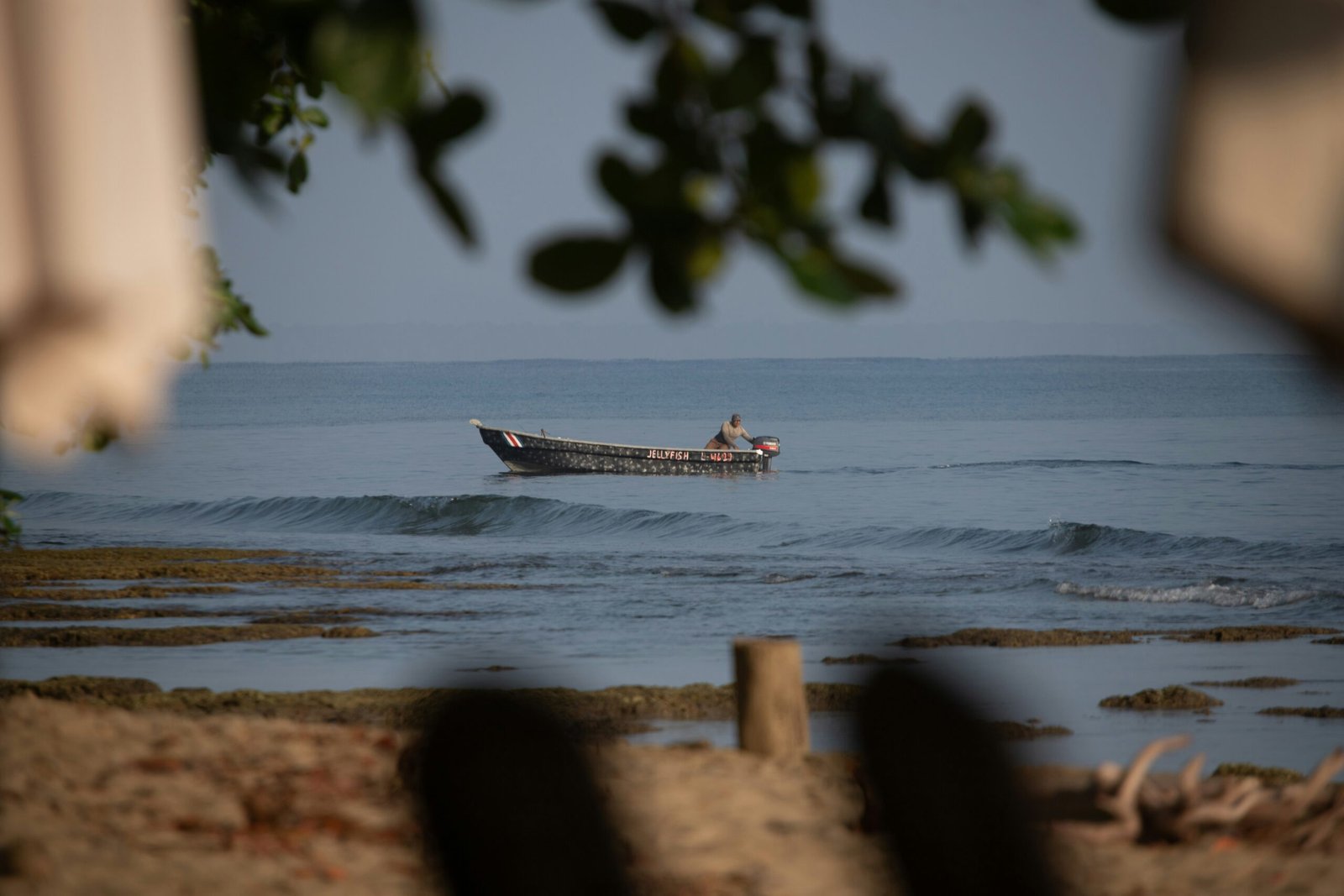
The Bribri territory cultural tour from Puerto Viejo — the boat journey on the Río Sixaola to the Yorkin community, or the guided walk through the Kekoldi reserve — is the September Costa Rica retreat activity that provides the most direct access to the pre-Columbian cultural tradition that survives in the Americas. The Bribri guide’s explanation of the cacao mythology (the cacao pod as the spirit container of the Bribri cosmology, the chocolate drink as the ritual offering to the dead), the traditional medicine plants identified on the forest walk, and the community-prepared rondón and pan bon at the Yorkin visitor centre are the September Bribri experience in its most educational and most respectful form.
The Guayabo National Monument morning visit — arriving at the site opening (8am) and walking the cobblestone roads and the aqueduct system with the park ranger guide — is the September cultural excursion from the Central Valley retreat that the tourist circuit ignores. The site in September is surrounded by the cloud forest in its wet season density, the water in the 2,000-year-old stone channels flowing visibly, and the site accessible without competition — the average daily visitor count at Guayabo is a fraction of the La Fortuna or Monteverde visitor numbers.
The Cahuita National Park reef snorkelling — the coral reef system along the park’s coastal trail accessible by wading or snorkelling from the park’s beach — is in September at the Caribbean dry-window clarity. The Cahuita coral reef is the most accessible and the most intact of the Atlantic Costa Rica reefs (the Manzanillo reef further south is more pristine but less accessible), and the September sea conditions — the trade wind pattern producing calmer and clearer water than the June-August period — give the reef its best September visibility of the green season.
Your email address will not be published. Required fields are marked *