

September is when Portugal exhales. The August crowds dissolve almost overnight after the first weekend of the month.
The sea is at its warmest — carrying the full heat of summer but without the summer density. The light shifts to something lower and more golden. Prices drop. And the country settles into the unhurried autumn rhythm that experienced Portugal travellers plan their year around.


September is consistently the month most experienced Portugal retreat travellers choose when asked which month they prefer. The conditions are close to perfect — warm sea, warm days, cool evenings, minimal crowds, and prices noticeably lower than August.
The harvest is beginning across the country simultaneously: grapes in the Douro and the Minho, grain in the Alentejo, figs and almonds on the coast. Our full Portugal yoga retreats guide covers every region for those still deciding.
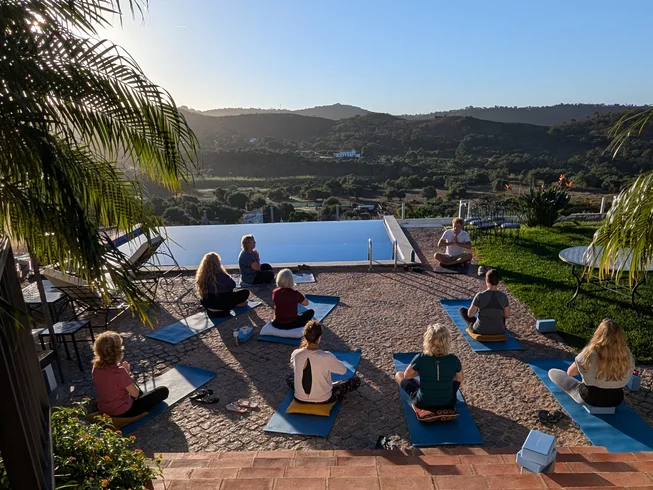

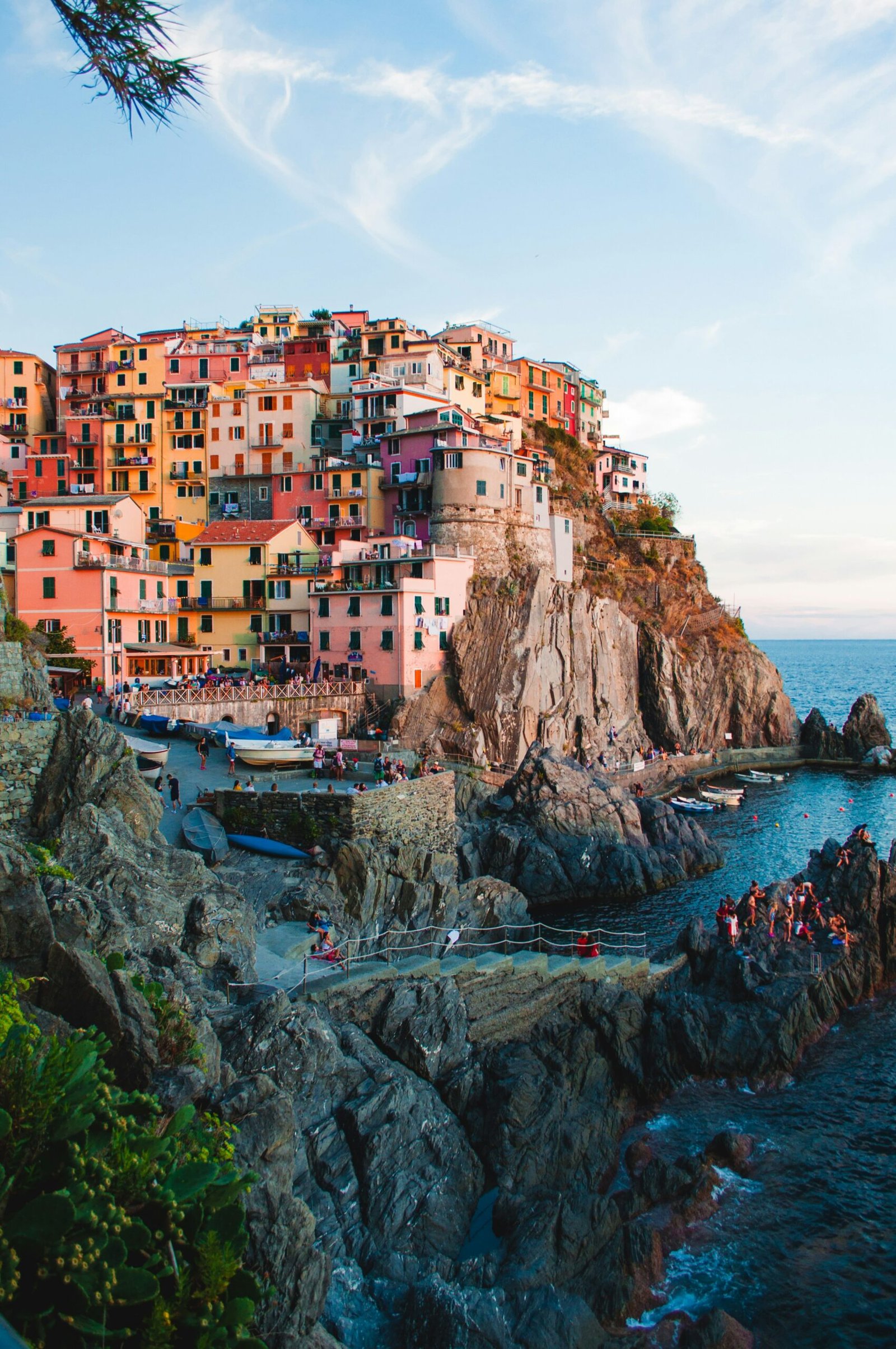
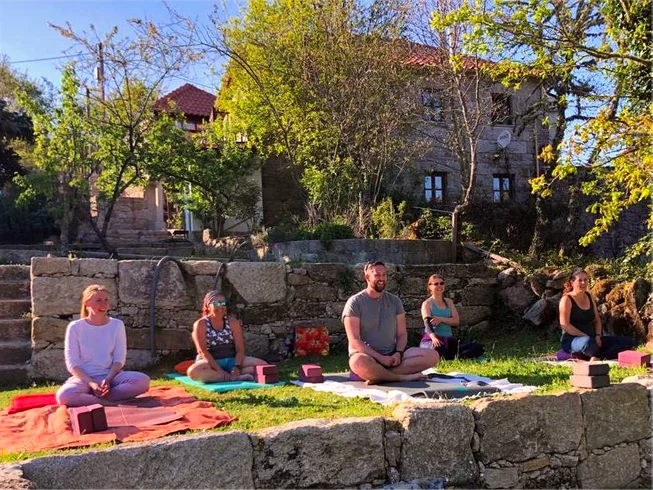
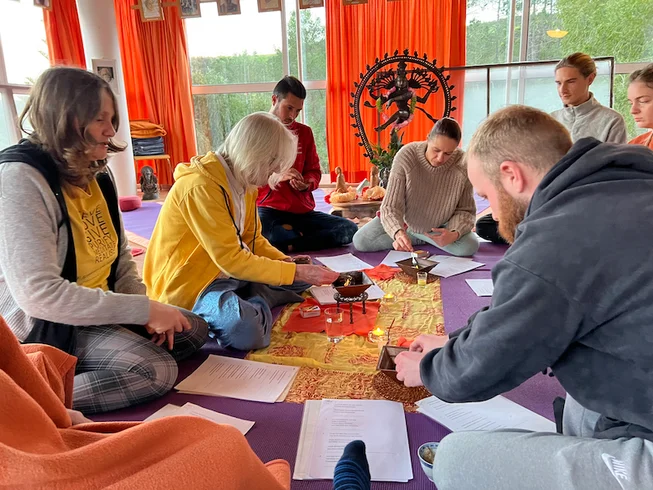
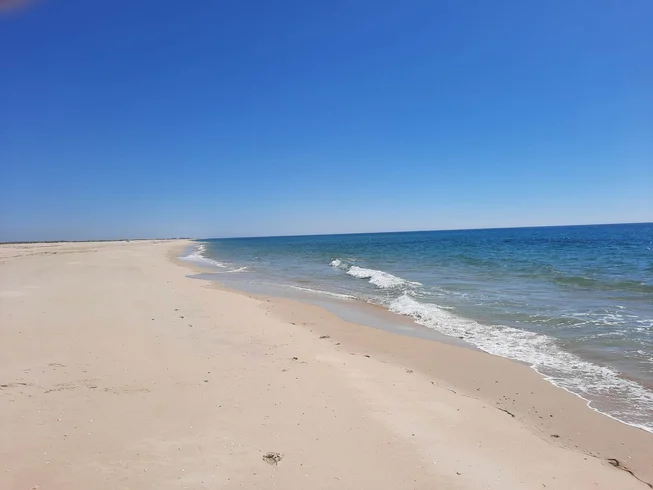
September is the Alentejo at its harvest peak. The wheat and sunflower fields that were golden and tall through July and August have been cut, and the landscape takes on the particular quality of a working agricultural region between seasons: the stubble fields, the cork oaks in their post-harvest state with the stripped red-brown bark still exposed, and the white villages shimmering in the September heat that is genuinely warm (28-32°C) but no longer brutal.
The Alentejo wine harvest begins in earnest in September. The vineyards around Évora, Reguengos de Monsaraz, and Vidigueira — the three main wine-producing areas of the region — are harvested through September and into October. The smell of fermenting grape must from the cooperative wineries fills the villages at night, the tractors and trailers run the roads between the vineyards and the adega, and the sense of a community doing something it has always done at the time it has always done it is one of those specifically Alentejo September experiences.
Retreat programmes in the Alentejo in September incorporate vineyard and harvest visits as core activities. A morning yoga session in a converted herdade, an afternoon walking the harvest at a family quinta with the winemaker explaining what September specifically produces, and an evening tasting of the previous year’s vintage in a cellar that smells of wood and wine — this is the September Alentejo retreat at its most complete.
For everything the Alentejo offers as a retreat destination, our yoga retreats in the Alentejo guide covers the region in full.
Cascais in September is the coastal town at its most civilised. The August compression — every restaurant full, every beach umbrella taken, the train from Lisbon standing room only — eases from the first weekend of September. What remains is a town with all the infrastructure of peak season but with space in it again: tables available at good restaurants, parking on the seafront, and the particular quality of a resort town that has exhaled without yet closed.
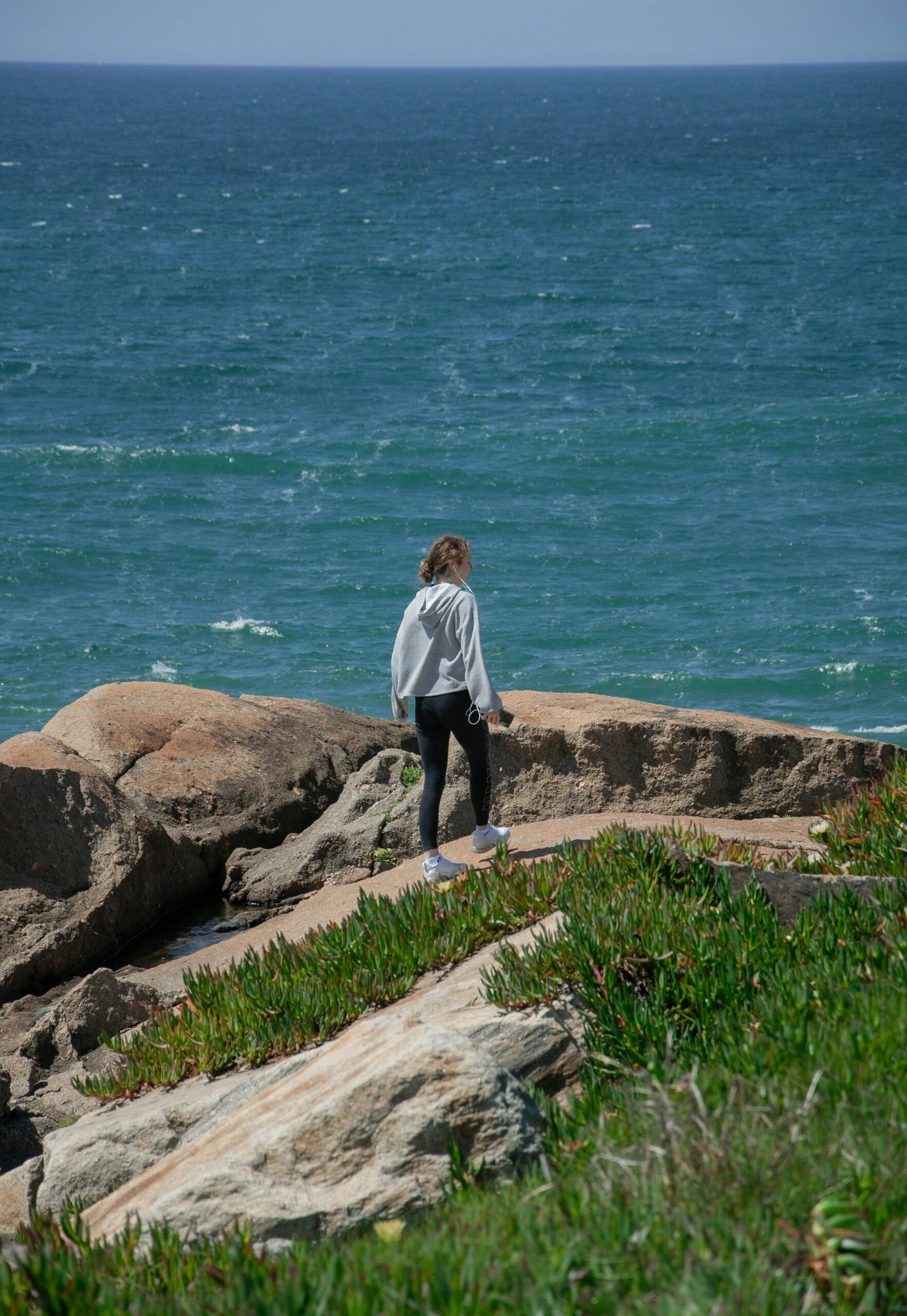
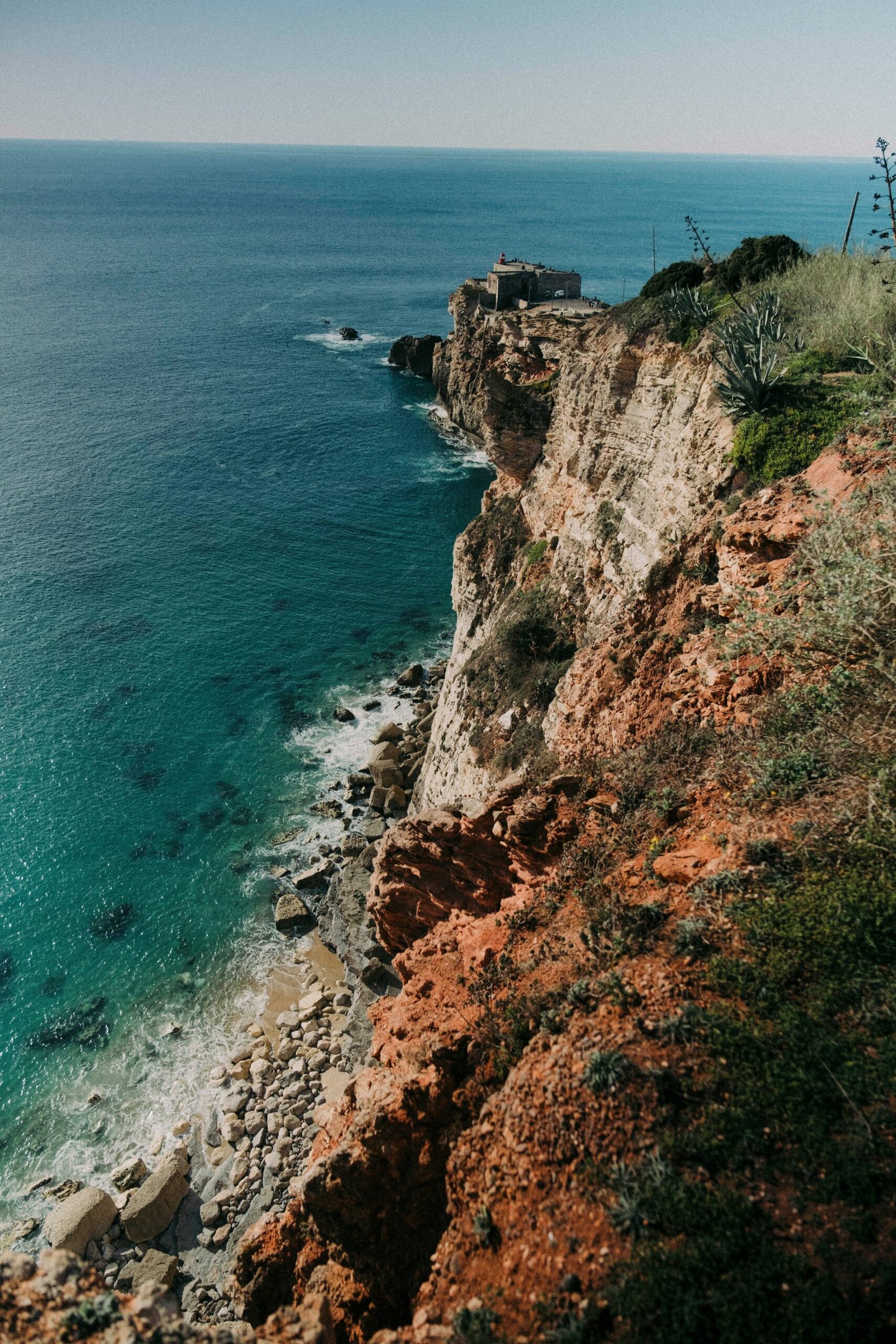
The sea at Cascais in September is at 21-22°C — the warmest of the year, carrying the accumulated heat of July and August. The beaches south of the town, and Guincho north toward Sintra, are swimmable at any hour without a wetsuit. The September evening light on the Estoril coast, lower than summer and warmer in tone, is the light that the Belle Époque casino culture that built this coastline was trying to complement.
Retreat programmes in the Cascais area in September run their most complete outdoor schedule of the autumn: morning practice on coastal terraces, afternoon ocean swimming, evening Yin as the temperature drops to a comfortable 20-22°C. The day’s rhythm in September Cascais is the summer rhythm without the summer’s excess.
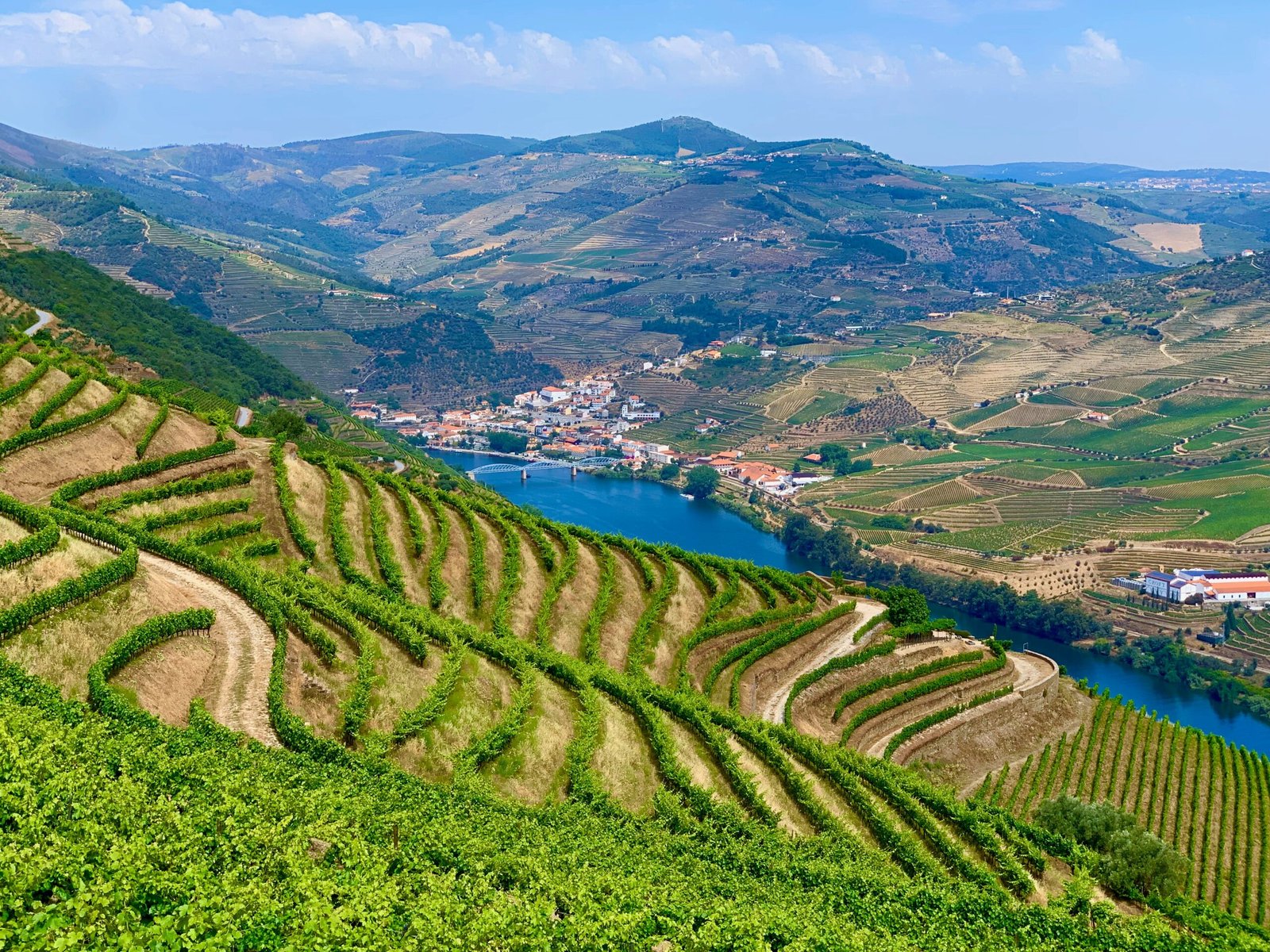
The Douro Valley in September is the harvest in progress. The grapes are being picked from the terraced schist slopes from the last week of September onward, the quintas are busy with harvest workers and the smell of fermenting must, and the valley has the energy of a place doing its most important annual work. The vintage — the port wine harvest — is one of the most labour-intensive and most visually spectacular agricultural events in Europe, and September in the Douro puts you at the centre of it.
Yoga retreat programmes in the Douro Valley in September are running their flagship weeks specifically for the harvest. The morning practice above the river — the mist still on the valley floor at 7am, the quintas visible on the opposite slope, the first grape pickers moving through the terraces — is the September Douro retreat moment that participants describe for years.
The harvest dinner at a quinta in September — long tables outside, the estate’s wine being poured generously, the food made from the garden and the surrounding farms, the winemaker at the end of the table talking about what this year’s harvest will produce — is a version of the communal retreat meal that no indoor dinner can replicate.
For the full Douro retreat picture, our Douro Valley yoga and wine retreats guide covers the valley across all seasons.
The Azores in September offer a second weather window after August — slightly cooler (22-25°C), with rainfall beginning to increase but still manageable, and the whale watching season transitioning from its summer sperm whale peak to the autumn arrivals of blue and fin whales. The volcanic landscape at Sete Cidades and Furnas is still fully accessible, the hot springs are running, and the hydrangea season that defines the islands visually is still present in the higher altitude areas.
September in the Azores is the month with the best balance of good weather and lower prices. August visitors have returned to mainland Europe, the September visitors are those who specifically chose the month rather than defaulting to school holiday availability. The retreat community that forms in September in São Miguel is more intentional and more quietly focused than the August one.
Prices Drop Significantly
We’re talking 25-30% less than August prices for essentially the same experience. A yoga retreat that costs €1,800 in July might be €1,250 in September. Same accommodation, same food, same instruction—just better value because you showed up after the peak season rush.
Flights get cheaper too. Rental cars. Hotels if you’re extending your stay. September rewards you for patience with significant savings across the board.
The Locals Return
Portuguese people vacation in August, just like the tourists. In September, everyone’s back at work and normal life resumes. This means restaurants return to serving actual Portuguese food instead of tourist-friendly bland versions. Cafés fill with locals having their morning coffee. Markets sell vegetables to feed families rather than performing for visitors.
You experience authentic Portugal again instead of tourist Portugal. People have time to chat, to recommend their favorite spot, to share a story. The country returns to itself.
Fresh grapes from the harvest appear at markets throughout September — table varieties from the Setúbal peninsula, the Alentejo, and the Douro eaten fresh from the bunch, with a sweetness and flavour that the same grapes dried into raisins cannot preserve. The Moscatel de Setúbal — the dessert wine produced from the Setúbal peninsula’s Moscatel grapes, harvested in September — is worth tasting at the source: sweet, orange-scented, and with a flavour that is specifically of these schist slopes facing the Sado estuary.
September figs are the last of the year — the black fig (figo preto) at its maximum ripeness before the autumn rains arrive. The dried fig and almond combinations specific to the Algarve — morgado de figo, the pressed fig cake filled with almonds and spiced with cinnamon and anise — are being made in September from the fresh harvest and are at their most flavourful bought direct from the producer.
Bacalhau à lagareiro — salt cod roasted in olive oil with garlic and potatoes, finished with a generous pour of the new-season olive oil — is the September version of Portugal’s national ingredient at its most celebratory. The dish requires good olive oil and honest cod, both of which September produces in quantity. It appears at traditional restaurants throughout Portugal in September and is worth ordering as the olive oil’s quality makes itself apparent in the dish.
The first pressing of the olive harvest begins in the Alentejo and the Trás-os-Montes in late September in warm years. The oil from the first September pressing — bright green, intensely peppery, with a freshness that commercial oil loses within weeks of pressing — is available at farm gates and weekly markets before it enters the distribution chain. Drizzled over fresh bread with coarse salt, it requires nothing else and demonstrates why Portugal is one of the world’s great olive oil producers.
Throughout September across the Douro, Alentejo, and Minho. The vendimia is not a festival but an agricultural event of genuine scale and specific beauty. Most retreat programmes in wine-producing regions incorporate a harvest visit as a core September activity. The quintas that welcome retreat guests during harvest week are offering something that cannot be replicated in any other month.
One of Europe’s longest-running political and cultural festivals, held on the Setúbal peninsula south of Lisbon over the first weekend of September. Music, food stalls, political debate, and the particular atmosphere of a festival that has been running since 1976 and knows exactly what it is. Not the most obvious retreat companion, but for those interested in Portuguese political culture and good music in an outdoor setting, worth knowing about.
September is the month of local festas across Portugal — the summer’s agricultural cycle completing, the harvests in progress, and the communities celebrating with the specific energy of a year’s work coming to fruition. Almost every village and town holds its annual fair or festival in September or October. Ask your retreat host what is happening locally — a moagem (grain milling festival), a feira de artesanato (craft fair), or a local adega opening its new vintage for a public tasting are the kinds of events that require local knowledge to find and reward those who do.
September retreat programming is the most complete version of the outdoor autumn schedule. The heat management that July and August required is largely gone by mid-September, the days are still long enough for outdoor evening practice, and the harvest context gives the week a purposeful seasonal energy that spring and summer programmes cannot quite replicate.
Morning practice in September moves back outdoors fully — 7am on a terrace in the Alentejo or Cascais or the Douro is warm enough for a single layer and light enough to see the landscape clearly. The September light at this hour, lower than summer and warmer in tone, is the light that retreat guests photograph and try to describe when they return home.
The harvest excursion — whether a Douro vineyard, an Alentejo quinta, or an olive grove in the Serra de Monchique — is the September programming event that distinguishes the month from any other. It is not a scheduled session but it produces more genuine presence and more real conversation than most sessions do. Something about being in a working landscape at its most purposeful moment, with the people who made the thing you are about to taste, creates conditions for attention that the yoga mat is also trying to create.
Evening practice in September benefits from the temperature drop that the shorter days produce. An 18-20°C evening in the Alentejo after a day of 30°C heat is the physical context for Yin yoga that the climate provides without effort. The body arrives at the evening session warm, open, and ready to release in a way that requires considerable work to produce artificially in a studio.
Your email address will not be published. Required fields are marked *