
March is when Portugal shifts. The almond blossom of February gives way to wildflowers across the Alentejo plains, the Atlantic coast warms noticeably, outdoor practice becomes comfortable from mid-month, and the country starts moving toward spring with a momentum that is genuinely worth being present for.


March is the beginning of Portugal’s best season, and it arrives with more force than most visitors expect. Temperatures in the Algarve reach 18-22°C by mid-month, comfortable for outdoor practice at any reasonable hour. The Alentejo plains are covered in wildflowers — poppies, asphodels, wild irises — in the last two weeks of the month. The surf on the Atlantic coast is still strong. And the retreat infrastructure is moving into its spring mode, with more outdoor programming, more hiking, and more of the outside-facing retreat experience that winter keeps mostly indoors.
Our full Portugal yoga retreats guide covers every region and format if you are still deciding where to go.
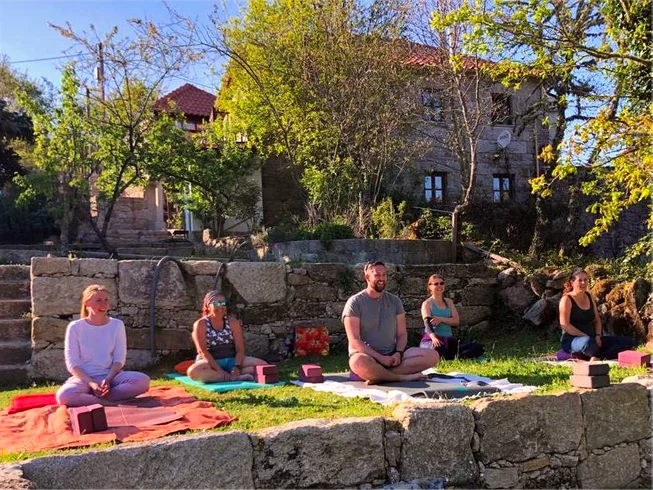
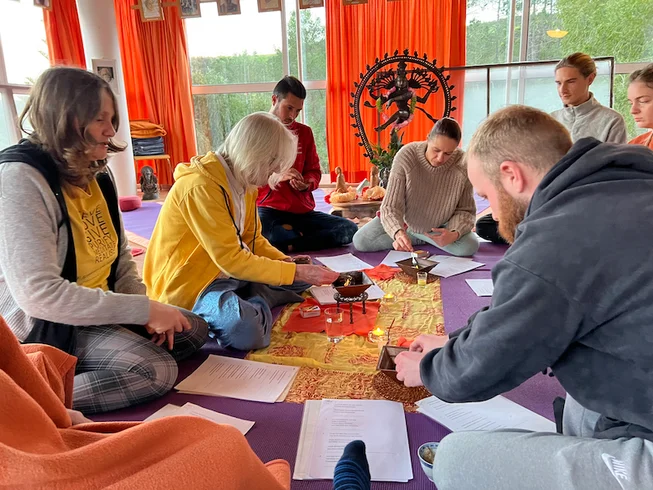
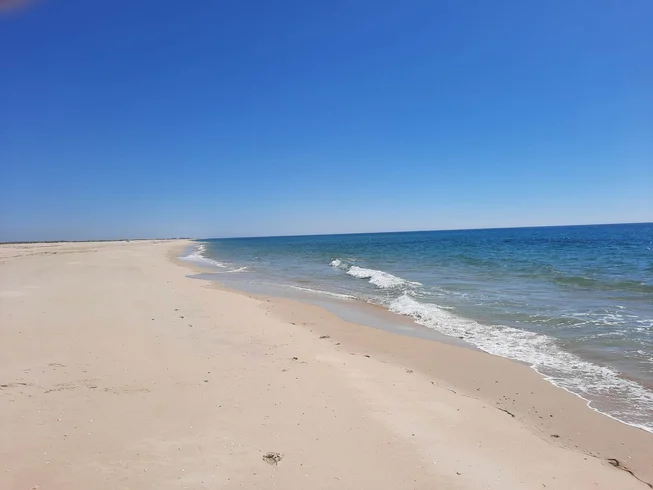
March is the Alentejo’s finest month, and the case for going specifically in March rather than any other time of year is the wildflowers. The plains between Évora and Beja, the cork oak hillsides of the Serra de São Mamede, and the rolling farmland around Monsaraz transform in the last two weeks of March into something that stops people mid-walk: poppies in deep red, asphodels in white, wild irises and orchids in the verges, and the particular quality of a landscape that has been accumulating energy through winter and is releasing it all at once.
Retreat centres in the Alentejo in March incorporate guided wildflower walks into their programming as a matter of course. The combination of a morning yoga session in a converted herdade, a half-day walk through flowering plains with a local botanist or guide, and an afternoon Yin session in the warm garden light produces a quality of sensory and physical experience that is specifically of this month.
The food is at its spring best. Fresh broad beans appear at market stalls from early March, and the Alentejo cooking that uses them — broad bean soup with coriander and poached egg, broad beans sautéed with chouriço and spring onion — is specifically of this season.
For everything the Alentejo offers as a retreat destination, our yoga retreats in the Alentejo guide covers the region in detail.
The Algarve in March is moving toward its spring peak with noticeable speed. Temperatures climb from the February range of 14-18°C to a March average of 18-22°C, outdoor morning practice becomes comfortable from the first week of the month, and the wildflowers that have been building since February are now fully present on the hillsides behind the coast.
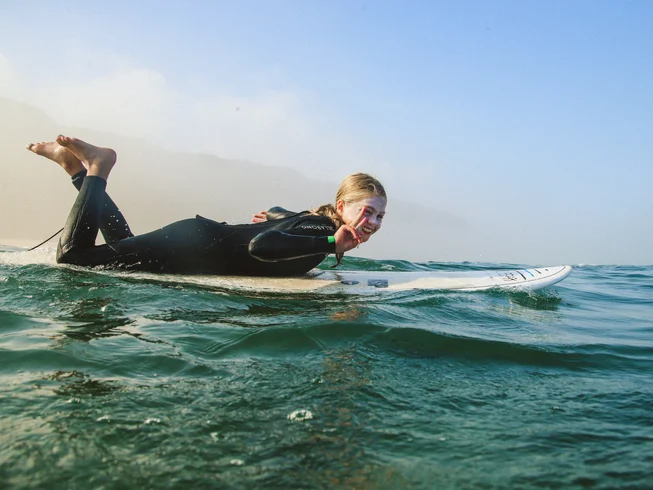
The western Algarve’s surf is still excellent in March — the North Atlantic storm systems that powered January and February are easing but have not yet given way to the smaller summer swells. March surf on the Costa Vicentina offers the last weeks of the serious winter season, with conditions that intermediate and advanced surfers specifically target before the spring transition.
The orchid season in the Algarve is a March phenomenon almost entirely unknown to visitors. The limestone hillsides of the Barrocal region between the coast and the Serra de Monchique host over 30 species of wild orchid, flowering from late February through April. A guided orchid walk is one of those Algarve experiences that requires a local guide and produces genuine surprise.
Ericeira in March is transitioning from its winter core to its spring social mode. The serious surf community that spent the winter on the Atlantic breaks is still present, but the first international visitors of the spring season begin arriving in March, and the village’s café and restaurant scene responds with the energy of a place returning to life.
The surf in March is at the point of transition — still powerful enough for serious surfers in the first half of the month, beginning to moderate into more accessible conditions for intermediates and beginners by the second half. This makes March the most logistically useful month for mixed-level retreat groups: the conditions cover a wider range of ability than any other month.
The wildflower hiking accessible from Ericeira — the coastal paths north toward São Lourenço and south toward Mafra, and the inland routes through the Sintra-Cascais Natural Park — is at its spring best in the last two weeks of March. Morning practice on a cliff-edge terrace followed by a two-hour coastal wildflower walk and an afternoon yin session is the March Ericeira retreat day at its most complete.
March is the Douro at its most dramatic green. The terraced vineyards that were bare and austere through winter are producing their first growth, the river is running high from winter rains, and the almond blossom of January and February is giving way to the peach and cherry blossom that turns the valley pink and white for three or four weeks in late March.
The combination of cherry blossom on the terraces, the Douro running fast below, and the quintas (wine estates) opening their grounds after winter for the first vineyard walks of the season makes March a specific and rewarding time to be in the valley. Retreat programmes in the Douro in March incorporate vineyard walks and quinta visits as central activities rather than optional extras — the landscape in March makes this natural.
For everything the valley offers, our Douro Valley yoga and wine retreats guide covers the region in full.
Exceptional Value
March pricing sits at the very bottom of the annual curve, typically 35-40% less than summer rates. When you’re saving this much, you can upgrade from a shared room to private, extend from a week to ten days, or add extra spa treatments all within the same budget you’d spend for a basic summer experience.
Broad beans (favas) are the March vegetable and they are central to Portuguese spring cooking. The fresh favas appearing at market stalls from early March are a completely different ingredient from the dried beans of winter bissara — lighter, sweeter, and specifically of the season. Açorda de favas — the bread soup base of the Alentejo made with fresh beans instead of the dried version — is a March dish that is impossible to reproduce authentically any other month. Favas com chouriço (broad beans with chouriço, olive oil, and spring onion) is served as a starter at almost every restaurant in the Alentejo in March.
Asparagus grows wild in the Alentejo and is collected by foragers from March onward. Wild Portuguese asparagus is thinner and more intensely flavoured than cultivated varieties, and it appears at the better Alentejo restaurants in March specifically. Ervilhas tortas (mangetout, literally “twisted peas”) are a Portuguese spring vegetable that appears in salads and light sautés at retreat kitchens through March. Strawberries from the Ribatejo and the Alentejo coast begin appearing in the last week of March — small, intensely sweet, and sold in punnets at market stalls for prices that feel implausible to anyone accustomed to supermarket strawberries.
Petiscos — the Portuguese version of tapas — are at their best in spring when the seasonal ingredients are most varied. A plate of ameijoas à bulhão pato (clams with garlic and coriander), a bowl of fresh broad beans, a slice of queijo de Évora (the hard sheep’s cheese of the Alentejo), and a glass of local white wine at a restaurant terrace in the March afternoon sun is the Portuguese spring lunch at its most specific and most enjoyable.
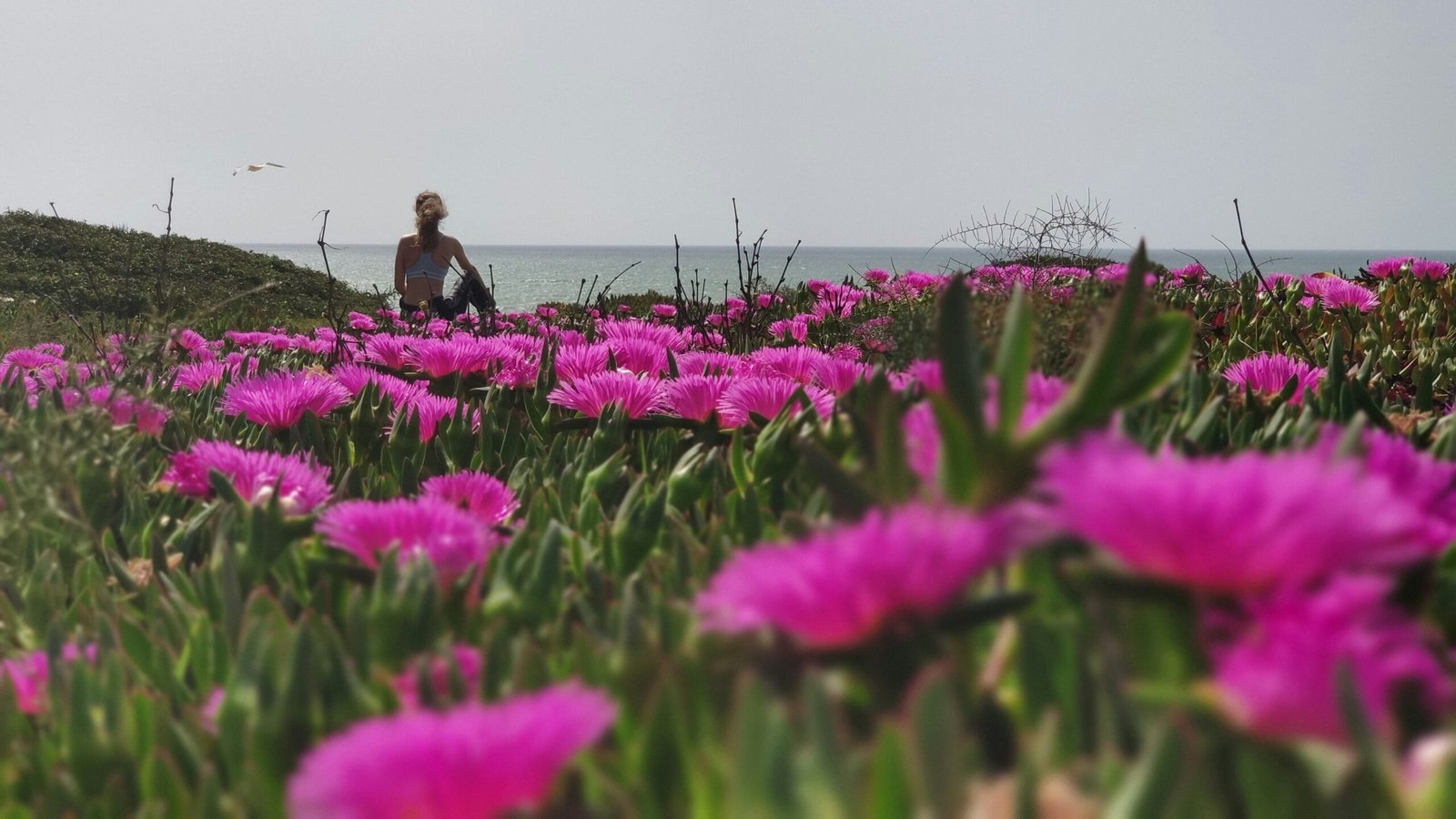
Not a festival but an event, the wildflower season across the Alentejo and the Algarve hinterland peaks in the last two weeks of March and the first two of April. The display is weather-dependent — a wet winter produces more flowers — but in most years March delivers a landscape transformation that is genuinely spectacular. Retreat centres in both regions typically incorporate wildflower excursions into their March programmes.
Easter falls in March some years (check current-year dates). When it does, it brings a moderate increase in European visitors, particularly to Lisbon and the Algarve coast. Holy Week processions in towns like Braga, Óbidos, and Évora are among the most visually dramatic religious ceremonies in Portugal — worth attending if your retreat schedule permits. The week after Easter is usually quieter and often offers the best conditions of the late March window.
March sometimes hosts WSL surf competitions at Peniche and Ericeira when the Atlantic swell window is optimal. Check current-year schedules — watching competition surf at Supertubos in Peniche on a clear March morning is one of the more extraordinary free spectacles available on the Portuguese coast.
March is the month retreat programming transitions from winter to spring mode, and the shift is significant. The hammam-centred, indoor-prioritised schedule of January and February gives way to a programme that finally goes fully outside — and that transition is one of the more physically and emotionally satisfying changes a retreat week can offer.
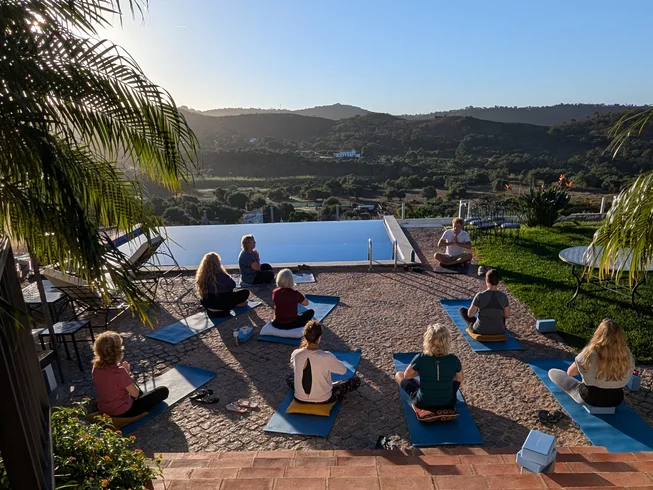
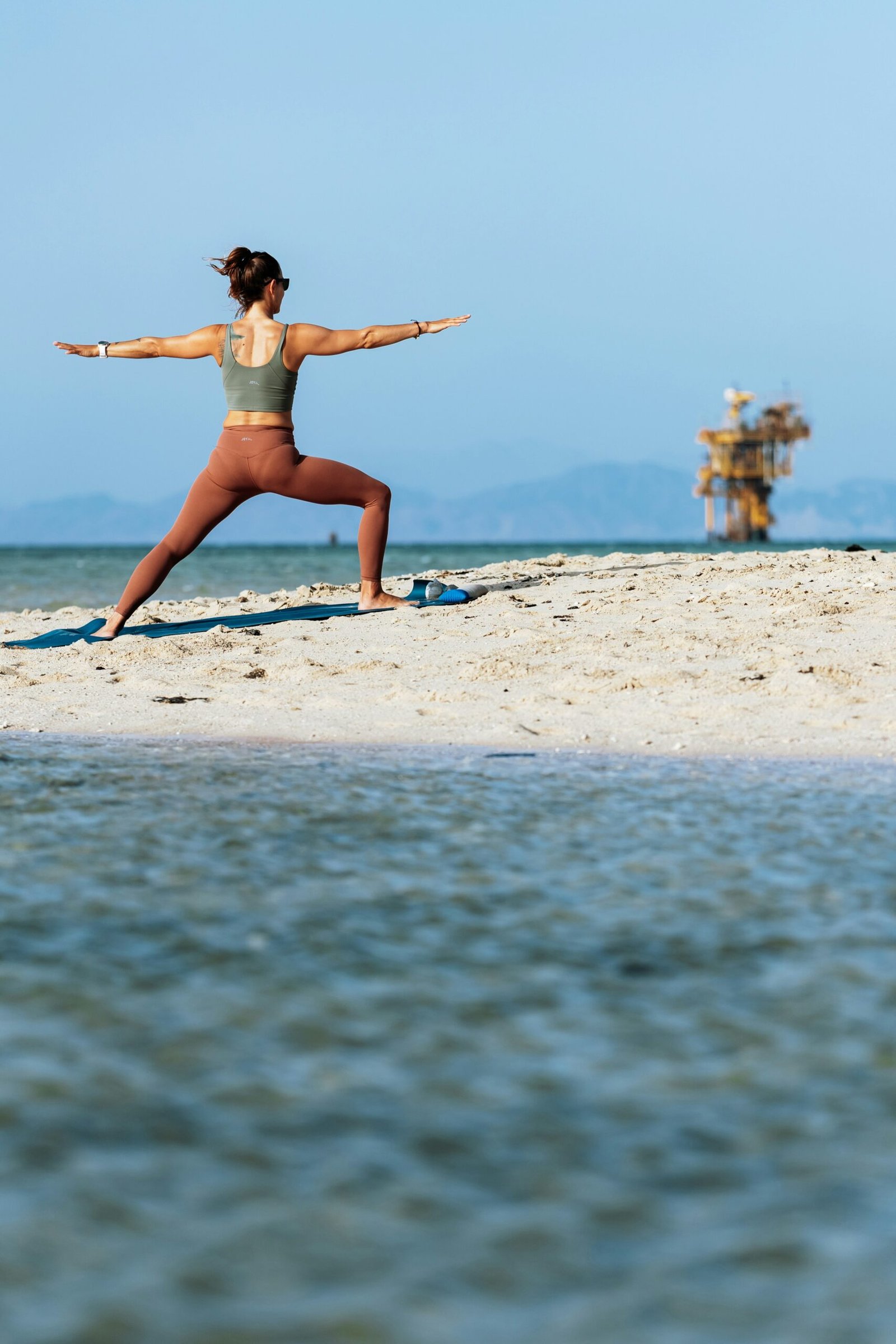
Morning practice moves outdoors in March. Rooftop practice at 8am in the Algarve is possible from the first warm week of the month. Outdoor practice on a wooden deck facing the Alentejo plains, with wildflowers visible in the fields below, is available in the last two weeks. The quality of morning light in March — lower than summer, warmer than winter, specifically golden in the early hour — makes outdoor practice in Portugal in March one of the more quietly extraordinary experiences the retreat calendar offers.
The wildflower walk is the March programming event with no equivalent in other months. Retreat centres in the Alentejo and the Algarve hinterland that build a guided wildflower walk into their March week are giving participants an experience that is specifically of this place and this moment — not transferable to any other destination or any other season.
Evening practice in March begins to extend later as the days lengthen. A Yin session at 6pm rather than 5pm, followed by dinner on a terrace in the last of the daylight, marks the shift from winter retreat rhythms to the outdoor evening culture that defines Portuguese spring.
Your email address will not be published. Required fields are marked *