
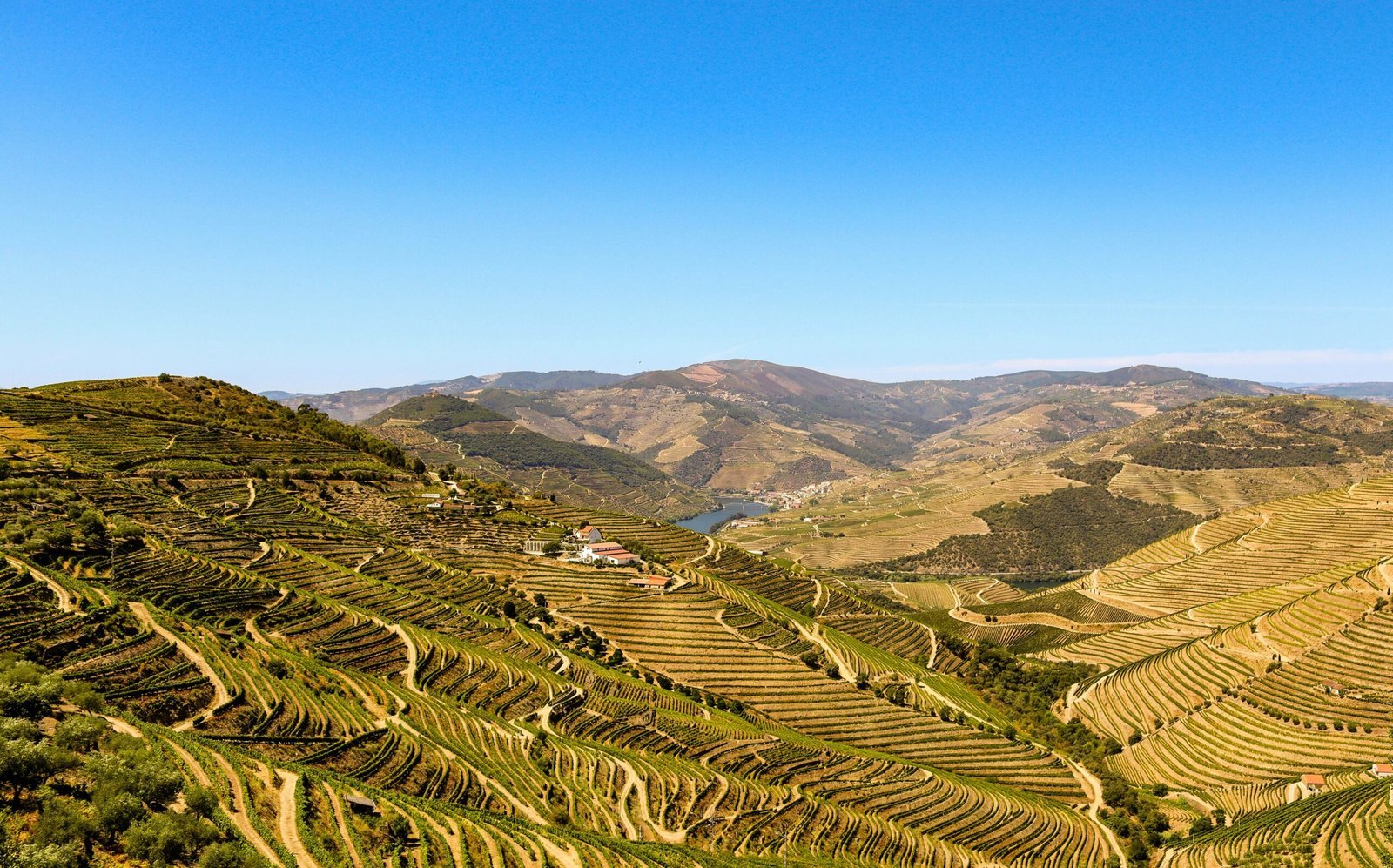
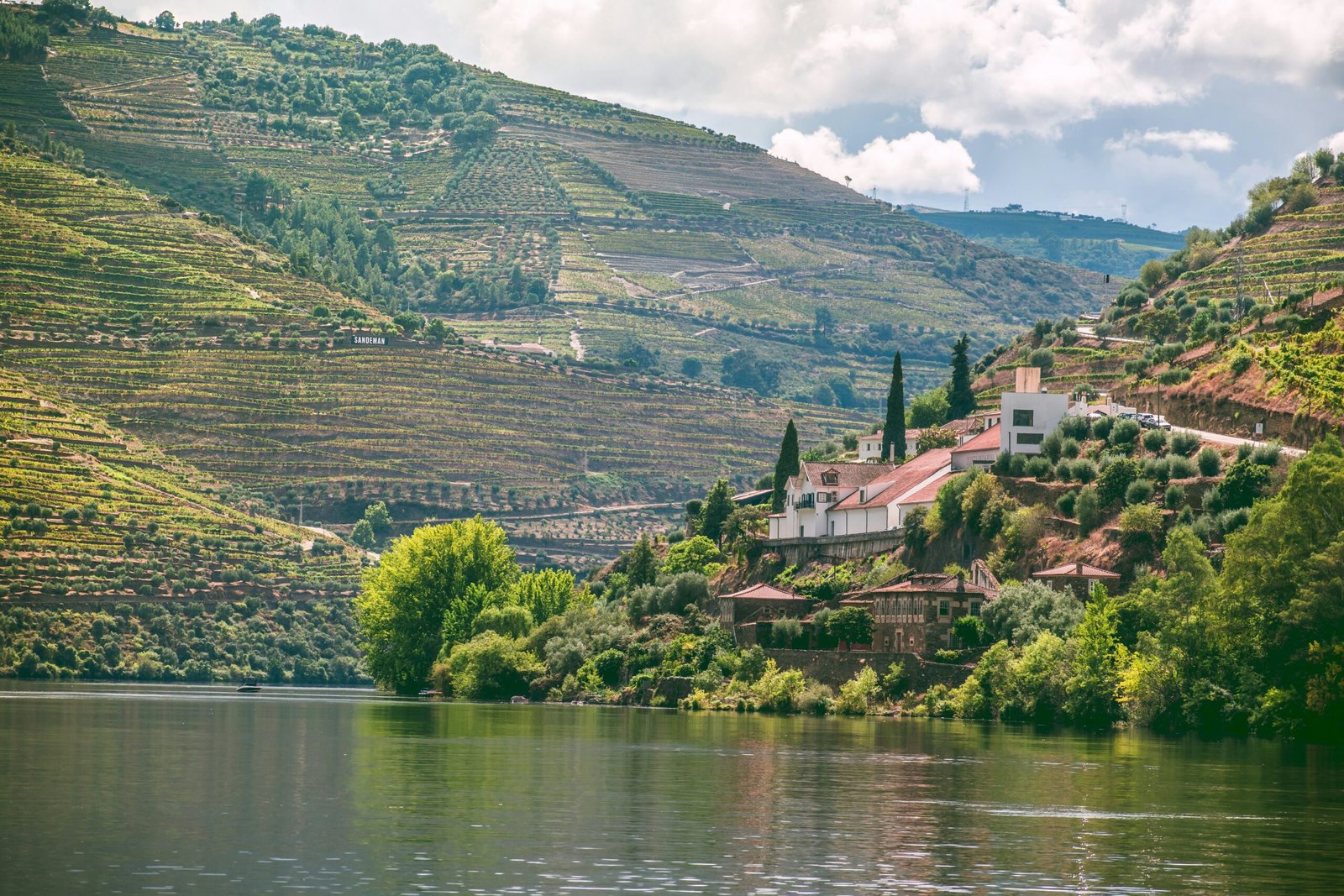
The Douro Valley is one of the oldest wine regions in the world and one of Portugal’s most visually dramatic landscapes — terraced vineyards cut into steep schist hillsides along 200 kilometres of river. It is also, increasingly, home to a small but well-established yoga retreat scene that uses this setting deliberately: the pace of winemaking, the rhythm of the seasons, and the physical scale of the valley all create conditions well-suited to slowing down. Our Portugal yoga retreats guide covers the full range of formats across the country if you want to compare options before committing to the Douro.
Yoga and wine retreats in the Douro are not detox programmes. They’re something more interesting — structured wellness weeks that take the pleasure of the region seriously alongside the practice, and treat the combination as coherent rather than contradictory. This article covers what these retreats actually look like, which part of the Douro suits them best, when to go, and what to look for before booking.


The combination of yoga and wine is less counterintuitive than it sounds. Both are slow practices in a culture that moves too fast. Both ask for attention — to the breath, to the glass, to what’s in front of you. And the Douro, as a setting, enforces a particular quality of presence. The river valley is too large and too quiet to ignore; the terraced vineyards too painstaking in their construction to rush past. The landscape does a lot of the retreat work before any class begins.
The Douro’s quintas — traditional wine estates, many of them centuries old — provide the most distinctive retreat accommodation in Portugal. Stone-built manor houses with terracotta roofs, interior courtyards, and terraces overlooking the river. Practising yoga on a terrace above the Douro at dawn, before the valley fills with morning heat, is a genuinely different experience from a studio class or a coastal retreat.
The food culture of the region reinforces this. Douro cuisine is built around almonds, olives, game, river fish, and the estate’s own wine — ingredients that are local, seasonal, and produced with the same attention to craft that wine production demands. Retreats that work with this tradition rather than importing a generic wellness menu tend to be significantly better experiences.
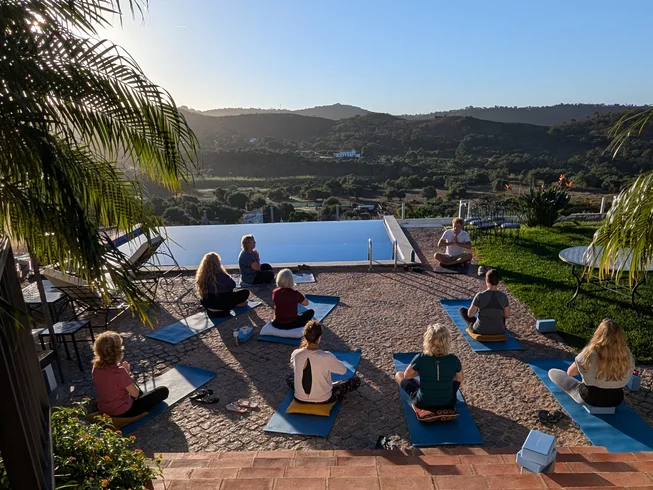
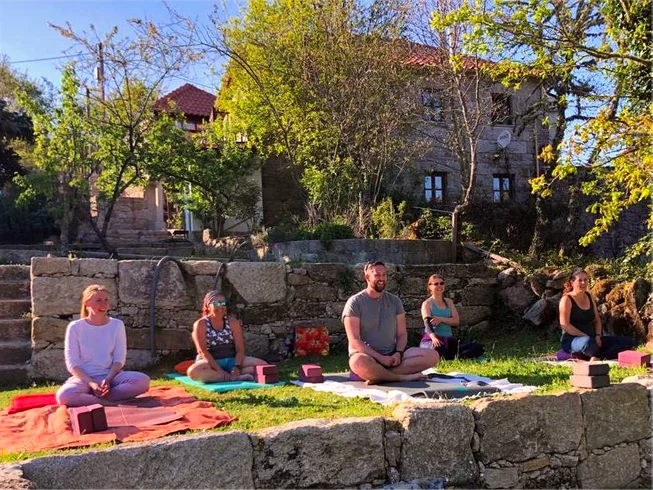
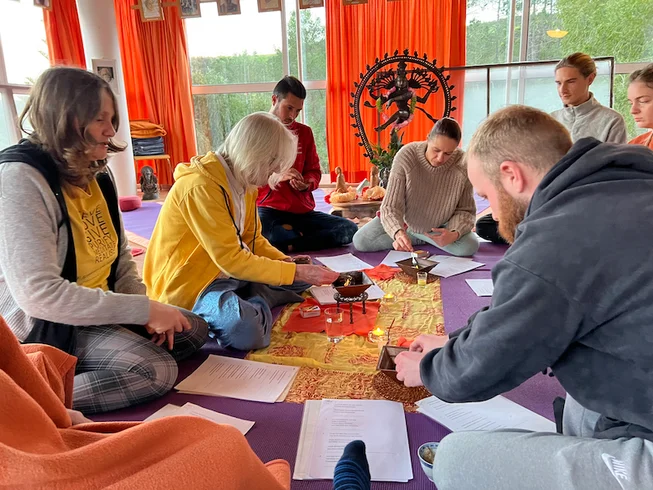
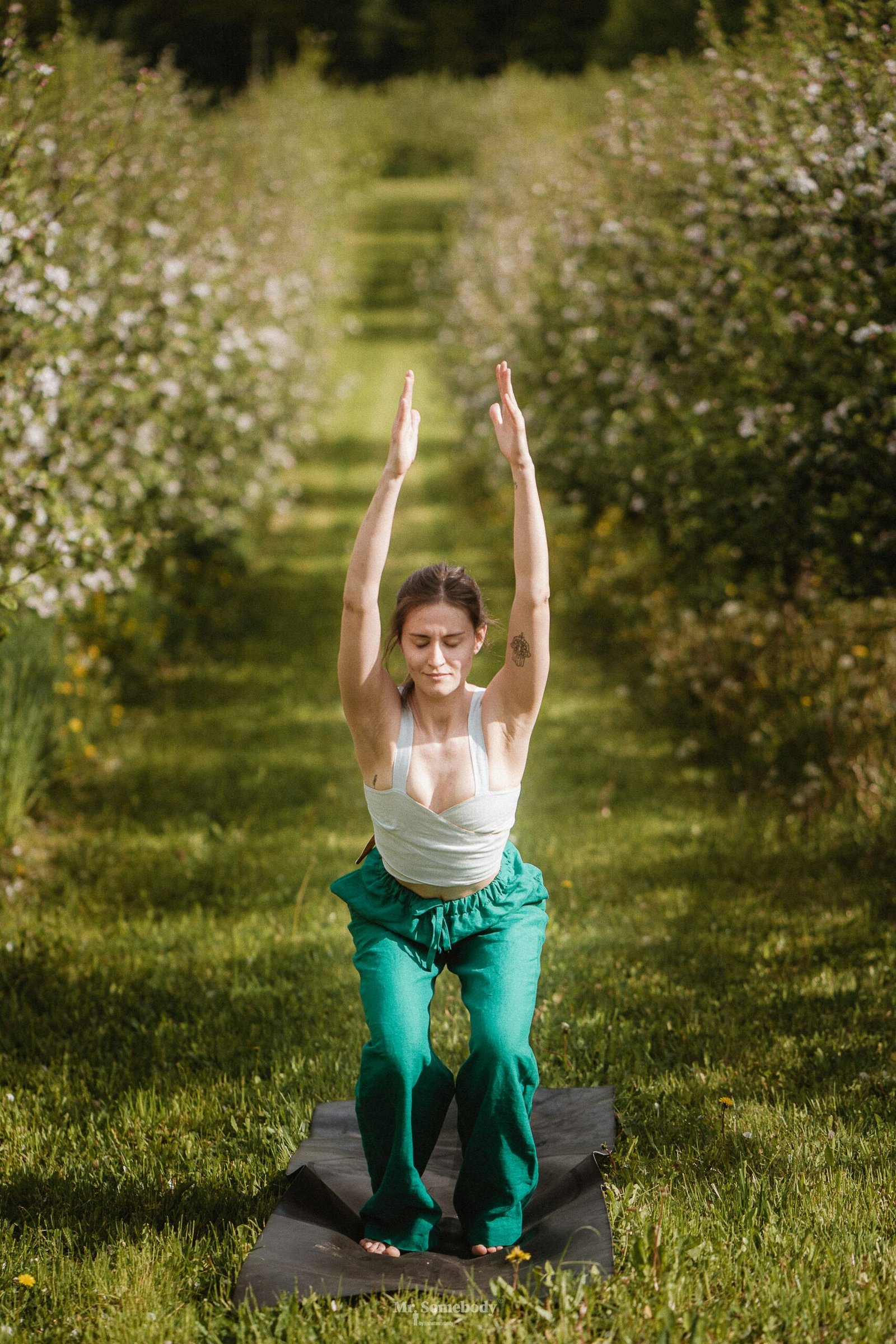
Sessions typically start early — 7 to 8am — before the day heats up and while the valley mist is still on the river. The style leans toward grounding, deliberate practices: Hatha, slow Vinyasa, or Yin, often with a pranayama or meditation component. The physical setting discourages fast-paced flow classes; the aesthetic of the valley is too unhurried for it. Good retreat teachers in the Douro adapt their programme to this.
The wine element varies considerably between programmes — and it’s worth understanding the difference before booking. At the lighter end, a daily glass with dinner and a single estate visit. At the more immersive end, guided mindful tasting sessions with a sommelier, harvest participation in September and October, and a structured exploration of how terroir, patience, and attention in winemaking parallel the same qualities in yoga practice.
The better programmes treat wine as a sensory education rather than a social lubricant. Tasting slowly, paying attention to what’s in the glass, understanding how the schist soil and river microclimate express themselves in flavour — this is a mindfulness practice, and the retreat structure should make that connection explicit rather than leaving it as a pleasant add-on.
Afternoons in the Douro are structured around the valley. Boat trips on the river, walks through the terraced vineyards, visits to small family-run quintas, olive oil tastings, swimming in a pool overlooking the water. Some retreats include cooking sessions using estate produce. The pace is deliberately slow — the valley doesn’t reward rushing and most programmes reflect this in how they use the afternoon hours.
A restorative or Yin session in the late afternoon or early evening closes the practice day. Dinner is typically the main social event — communal, unhurried, often eaten outside on a terrace as the light drops behind the hills. A glass of wine from the estate, chosen to accompany the food, is a standard part of this. Evenings tend to end early; the valley is quiet by 10pm and the darkness in the Douro, away from city light, is full.
The Douro Valley begins roughly 100km east of Porto and extends to the Spanish border. The designated wine region — the Douro Demarcada, the oldest protected wine region in the world, established in 1756 — covers the middle and upper sections of the valley. Most yoga retreat venues operate in the lower and middle Douro, within two to three hours of Porto by road or train.
The landscape is defined by the terraces — dry stone walls built over centuries to create flat planting surfaces on near-vertical schist hillsides. This is one of the most labour-intensive agricultural systems in Europe, and the visual result is striking in every season. Spring brings new green growth; summer is golden and hot; autumn turns the valley amber and red during harvest; winter is bare and austere, the river running higher.
The train line from Porto through the Douro Valley is one of the most scenic in Europe and a practical way to reach retreat venues without hiring a car. Porto itself — 90 minutes to two hours from most Douro retreat locations — is worth a day before or after the retreat.

Quiet, cool, and often rainy. The valley has a stark beauty in winter. Small groups, lower prices, and a contemplative atmosphere. Suited to more inward-facing formats — meditation, restorative yoga, journalling. Not ideal if outdoor activity is a priority.
If your primary interest is the wine and harvest experience specifically, aim for the last week of September or first two weeks of October. This is when picking is most active, the estates are at their most engaged, and the evening temperatures are ideal for outdoor dinners.
These retreats suit people who want a wellness week that doesn’t require renouncing pleasure — where the point is integration rather than restriction. The Douro’s pace is slow enough to support genuine practice, and the wine culture is serious enough to take seriously as part of the experience rather than treating it as a guilty indulgence tacked on to justify the holiday.
If you want a detox week, this is not the format. If you want a week that teaches you to pay attention — to your breath, your body, what’s in your glass, and the landscape in front of you — the Douro Valley delivers that with unusual consistency.
Browse Om Away’s curated yoga retreats in Portugal, including programmes in the Douro Valley — reviewed for quality of teaching, venue character, and programme structure.
Your email address will not be published. Required fields are marked *