how to chose a yoga teacher or a yoga retreat host

How to choose a yoga teacher or host you can trust

Booking a yoga retreat requires handing someone a significant amount of trust — your time, your money, and often your emotional state. The teacher or host running that retreat will shape every day of your experience. Knowing how to evaluate them properly, before you pay a deposit, is one of the most practical things you can do.

This guide covers what qualifications actually matter, what communication tells you before you arrive, and which warning signs are worth taking seriously.

AUTHOR

Om Away

DATE PUBLISHED

January 16, 2026

Share This Article

Qualifications matter — but they're not the whole picture

The baseline to look for is a Yoga Alliance certification: a 200-hour RYT (Registered Yoga Teacher) for general teaching, or a 500-hour RYT for more advanced or specialist instruction. These aren’t just letters — they indicate that a teacher has completed a standardised curriculum covering asana, anatomy, philosophy, and teaching methodology.


That said, certification alone doesn’t make someone a good retreat leader. A 200-hour certificate takes as little as four weeks to complete. What matters alongside it is continued practice, mentorship, and real teaching experience — ideally at least two to three years of regular classes before leading a residential retreat.


Look for teachers who reference their lineage or training influences. Someone who studied under a specific tradition (Iyengar, Ashtanga, Scaravelli, etc.) or completed advanced training in areas like trauma-informed yoga, yoga nidra, or breathwork has invested in depth, not just credentials.

under the tuscan sun_3

The Sanctuary for the Soul – the VIP Experience – Italy, Tuscany

the sweet earth retreat_4

The Sweet Earth Retreat – Italy, Tuscany

under the tuscan sun_1

Explore Tuscany: Retorno a Calma

7 Day Yoga, Relaxation, Wine Tasting and Olive Oil Tasting in the Heart of Tuscany, Italy

Bicycle

5 Day Private Couples Retreat The Art of Connection in Sardinia, Italy

7 Day Italian Cooking, Tour and Yoga Holiday in Puglia, Italy

Watch how they communicate before you book

Send a message before booking. It’s one of the most reliable things you can do. A trustworthy teacher will respond with attention — they’ll answer your actual question, ask something back, and not default immediately to a payment link.

A rushed or templated reply tells you something. So does a response that’s overly effusive or that makes promises no week-long retreat can realistically keep (“completely transform your life,” “heal your trauma,” “find your purpose”).


Pay attention to tone. Does their communication feel like a sales funnel or a conversation? The way they engage with a prospective guest is a reliable preview of how they’ll manage group dynamics on the retreat itself.

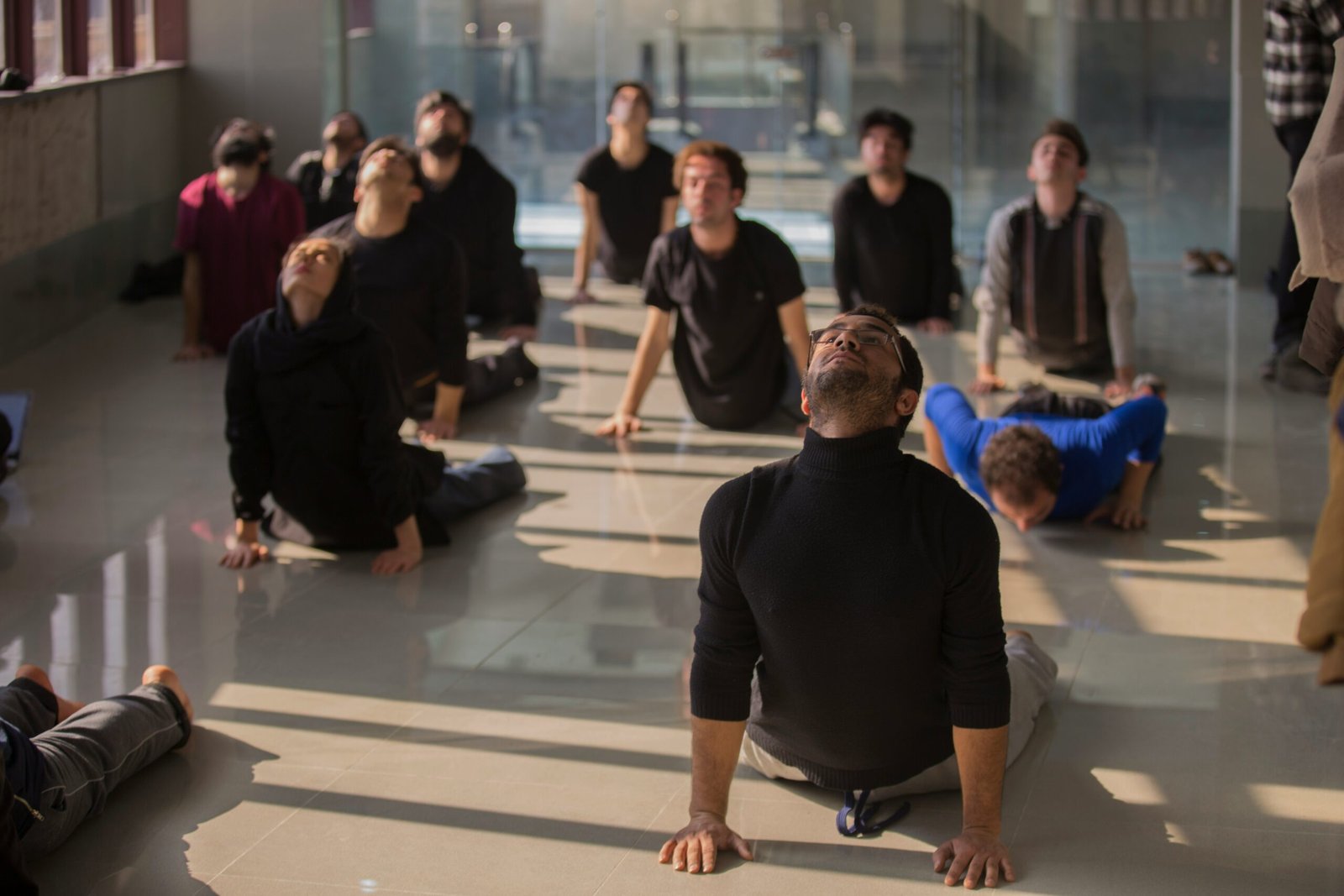
A diverse group of yoga students practicing cobra pose in a bright studio, illustrating the inclusive and professional guidance provided by a certified yoga instructor.

What a safe, professional retreat structure looks like

Beyond the teacher’s personal qualities, the retreat’s structure itself tells you a great deal. Here’s what to look for in the programme details:

  • A daily schedule that includes built-in rest time — not back-to-back sessions from 6am to 9pm
  • Clear information about physical adjustments policy (consent should be explicit, not assumed)
  • A stated approach to mixed ability levels, with modifications offered for all poses
  • Separate people managing logistics (meals, rooms, transfers) from the teaching programme
  • A published cancellation and refund policy — the absence of one is a red flag
  • Realistic group sizes: 8–16 participants allows for individual attention; larger groups require additional support staff

When logistics and teaching are handled by the same person, both tend to suffer. The best retreats operate with a clear division: the host manages the environment, the teacher manages the practice.


Trauma awareness: why it matters even if you're "fine"

Yoga retreats regularly surface emotions that don’t appear in a regular weekly class. The combination of reduced stimulation, sustained breathwork, and physical practice creates conditions where unprocessed emotional material can rise unexpectedly. This is not a malfunction — it’s often part of genuine healing.


The question is whether your teacher knows how to support it. Teachers with additional training in trauma-sensitive yoga, somatic work, or nervous system regulation are better equipped to hold that space without forcing a particular outcome or making someone feel like their reaction is a problem.


It’s reasonable to ask a prospective teacher directly: “How do you handle emotional responses that come up during the retreat?” A good answer will be grounded and calm. A dismissive one — or one that treats emotional release as the goal rather than a possibility — is worth noting.

A yoga instructor leading a class on a sandy beach with rocky cliffs, illustrating the specialized expertise required to host a safe and professional outdoor yoga retreat.
A professional yoga instructor providing a safe physical adjustment to a student, demonstrating the technical expertise and personalized attention found in a high-quality wellness retreat.

How to research a teacher before committing

Watch them teach

Most teachers have recorded classes on YouTube, Instagram, or their own website. Watch at least 15–20 minutes. Notice whether they offer modifications without being asked, how they handle mistakes (their own and students’), and whether they seem more interested in teaching than performing.


Read reviews carefully

Generic five-star reviews that say “amazing experience” tell you very little. Look for specific, detailed testimonials that describe what actually happened — how the teacher responded to a difficulty, how the group was managed, what the daily rhythm felt like. Negative reviews are also informative: is the feedback dismissed, or was there a thoughtful response?


Check their professional presence

A professional teacher will have a clear training history listed somewhere — on their website, their Yoga Alliance profile, or in their retreat listing. If you can’t find any background information and the only thing visible is aspirational photography, that’s a gap worth questioning.


Ask for references if you need them

For higher-cost retreats or longer programmes, it’s entirely reasonable to ask if you can speak briefly with a past participant. A teacher who has nothing to hide will generally say yes.

Red flags worth taking seriously

  • Promises of transformation with no detail about how — “life-changing,” “healing journey,” “find yourself” without any programme substance behind the words.
  • Vague or shifting schedules, or a refusal to share the daily programme before booking.
  • One person managing teaching, cooking, accommodation, and administration alone — a structural setup that creates burnout and blurred boundaries.
  • Language that positions the teacher as spiritually superior or as the source of answers — “I’ll show you the way,” “trust the process” used to deflect legitimate questions.
  • No clear cancellation policy, or a policy that only appears after payment.
  • Pressure to commit quickly — urgency tactics (“only 2 spots left!”) that prevent you from asking questions.
 
The right teacher doesn’t make you dependent — they make you more capable

A trustworthy yoga teacher or retreat host is someone who makes the practice accessible, the environment safe, and their own presence unremarkable — because everything is running as it should. You don’t leave thinking about them; you leave thinking about what shifted in you.

That’s the mark of someone who has genuinely earned the role. And it’s entirely findable, once you know what you’re looking for.

All teachers and hosts featured on Om Away are independently reviewed. Browse our curated yoga retreats in ItalyGreeceMoroccoPortugal, and Spain.

FAQs: How to Choose a Yoga Teacher or Host You Can Trust

1. What qualifications should a yoga retreat teacher have?
At minimum, a 200-hour RYT certification from a Yoga Alliance-accredited school. For retreat leaders specifically, a 500-hour certification and at least two to three years of teaching experience is a stronger indicator of readiness to hold a residential group safely.
2. How do I know if a yoga teacher is right for my level?
Watch a recorded class before booking. Look for whether they offer pose modifications without prompting, and check that the retreat listing explicitly states it’s suitable for your level. If it’s unclear, ask — a good teacher will give you a straight answer.
3. What’s the difference between a yoga teacher and a retreat host?
A teacher leads the yoga and wellness programme. A host manages the logistics — accommodation, meals, transfers, and the overall environment. On well-run retreats these are separate roles. When the same person does both, the quality of each often suffers.
4. Should I check reviews before booking a yoga retreat?
Yes, but look for specific, detailed reviews rather than generic praise. The most useful testimonials describe concrete situations: how the teacher handled a difficulty, what the daily rhythm felt like, how the group was managed. Detailed negative reviews with a thoughtful response are often more reassuring than wall-to-wall five stars.
5. What are the biggest red flags when booking a yoga retreat?
Vague programme details, no published cancellation policy, transformation promises with no substance behind them, and pressure to book quickly. Any teacher or host who can’t or won’t answer direct questions before you pay is telling you something important.
6. Can I speak with the teacher before booking?
You can always send a message — and you should. Most reputable teachers welcome a brief conversation before a booking, particularly for longer or more intensive retreats. If that request is declined or ignored, factor it into your decision.

Share Your Thoughts

Your email address will not be published. Required fields are marked *

Leave a Reply

Your email address will not be published. Required fields are marked *