Woman meditating by the sea during a peaceful Thailand yoga retreat

The real benefits of going on a yoga retreat

A yoga retreat offers far more than a break from daily life. It creates space for genuine physical renewal, mental clarity, and emotional balance — benefits that research shows can persist for weeks after you return home. Whether you’re seeking stress relief, deeper self-awareness, or simply a reset, stepping away from routine and immersing yourself in mindful practice may be one of the most effective investments in your own wellbeing.

AUTHOR

Om Away

DATE PUBLISHED

January 16, 2026

Share This Article

The Real Benefits of Going on a Yoga Retreat

We live in a world that mistakes busyness for productivity and stillness for laziness. Chronic stress, digital overload, and fragmented attention have become the norm — and most of us have simply adapted to it, without realising how much it costs us.

That’s why yoga retreats are quietly becoming a modern necessity. Not as a luxury, but as a genuine tool for recovery and realignment — spaces where the nervous system learns to slow down, and the mind rediscovers its own quiet.

People arrive expecting to stretch. They leave having been stretched in ways no posture can reach. This isn’t a holiday. It’s a recalibration of how you live.

under the tuscan sun_3

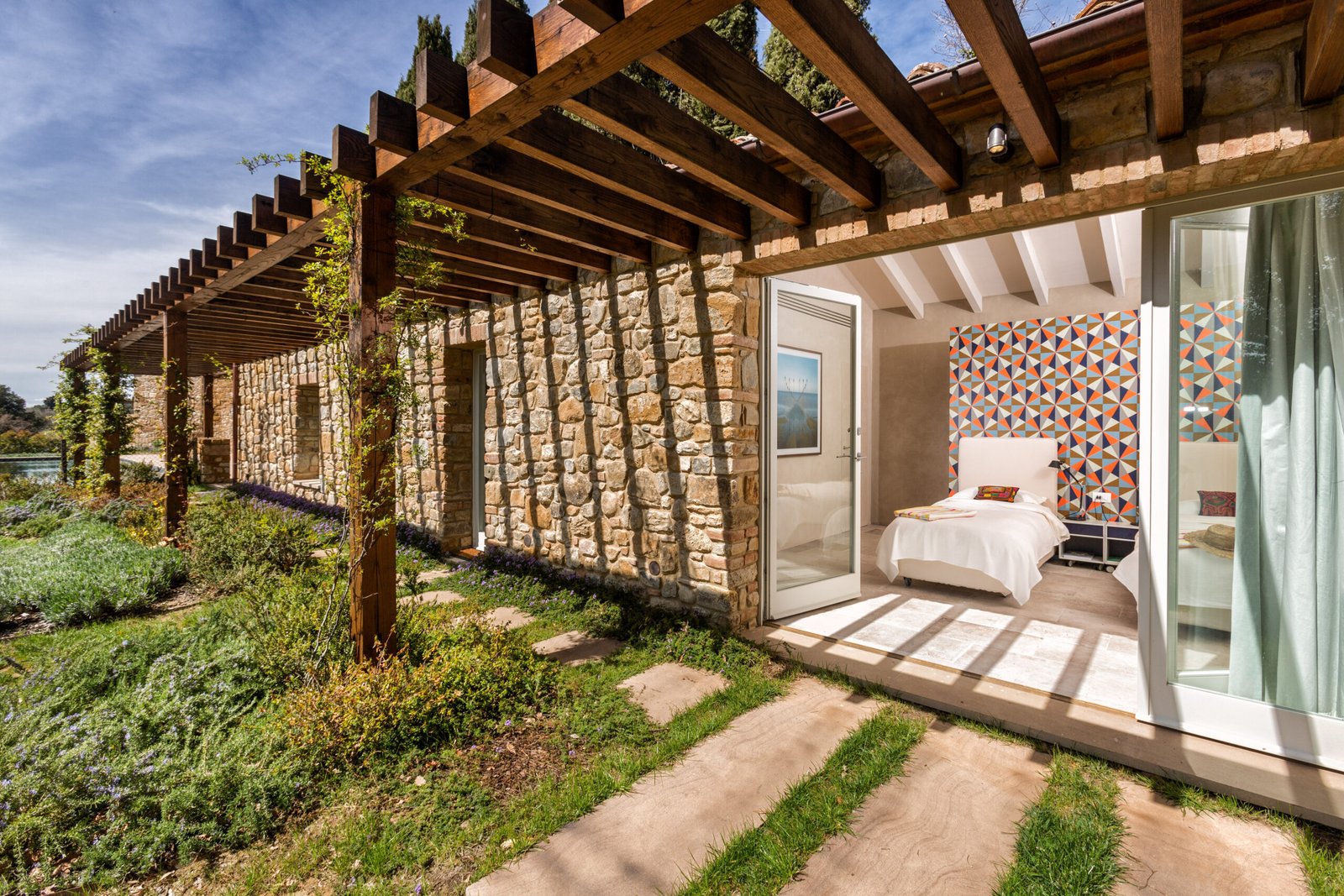
The Sanctuary for the Soul – the VIP Experience – Italy, Tuscany

the sweet earth retreat_4

The Sweet Earth Retreat – Italy, Tuscany

under the tuscan sun_1

Explore Tuscany: Retorno a Calma

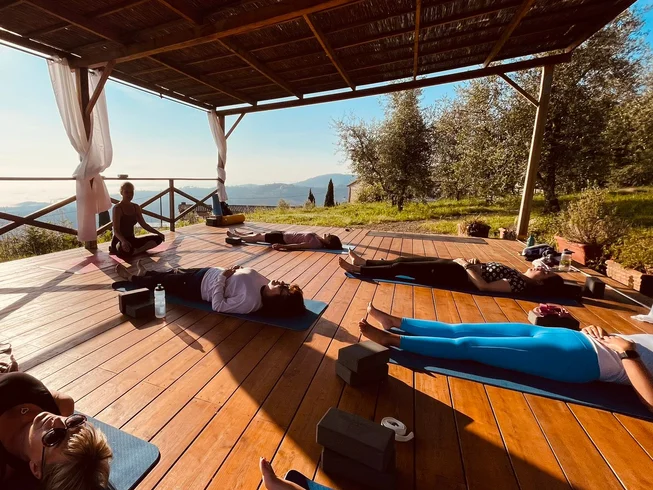
7 Day Yoga, Relaxation, Wine Tasting and Olive Oil Tasting in the Heart of Tuscany, Italy

Bicycle

5 Day Private Couples Retreat The Art of Connection in Sardinia, Italy

7 Day Italian Cooking, Tour and Yoga Holiday in Puglia, Italy

Your body returns to its natural rhythm

One of the most underrated benefits of a yoga retreat is the restoration of your body’s natural rhythm. When you eat when hungry, sleep when tired, and move when inspired — free from alarm clocks and back-to-back meetings — something fundamental shifts.

The body stops operating in a state of perpetual urgency. Energy levels stabilise. Sleep deepens. Digestion improves. This isn’t indulgence; it’s biological coherence — the state your body was designed to operate in.

You feel lighter not because you’ve escaped your life, but because your life has stopped chasing you.

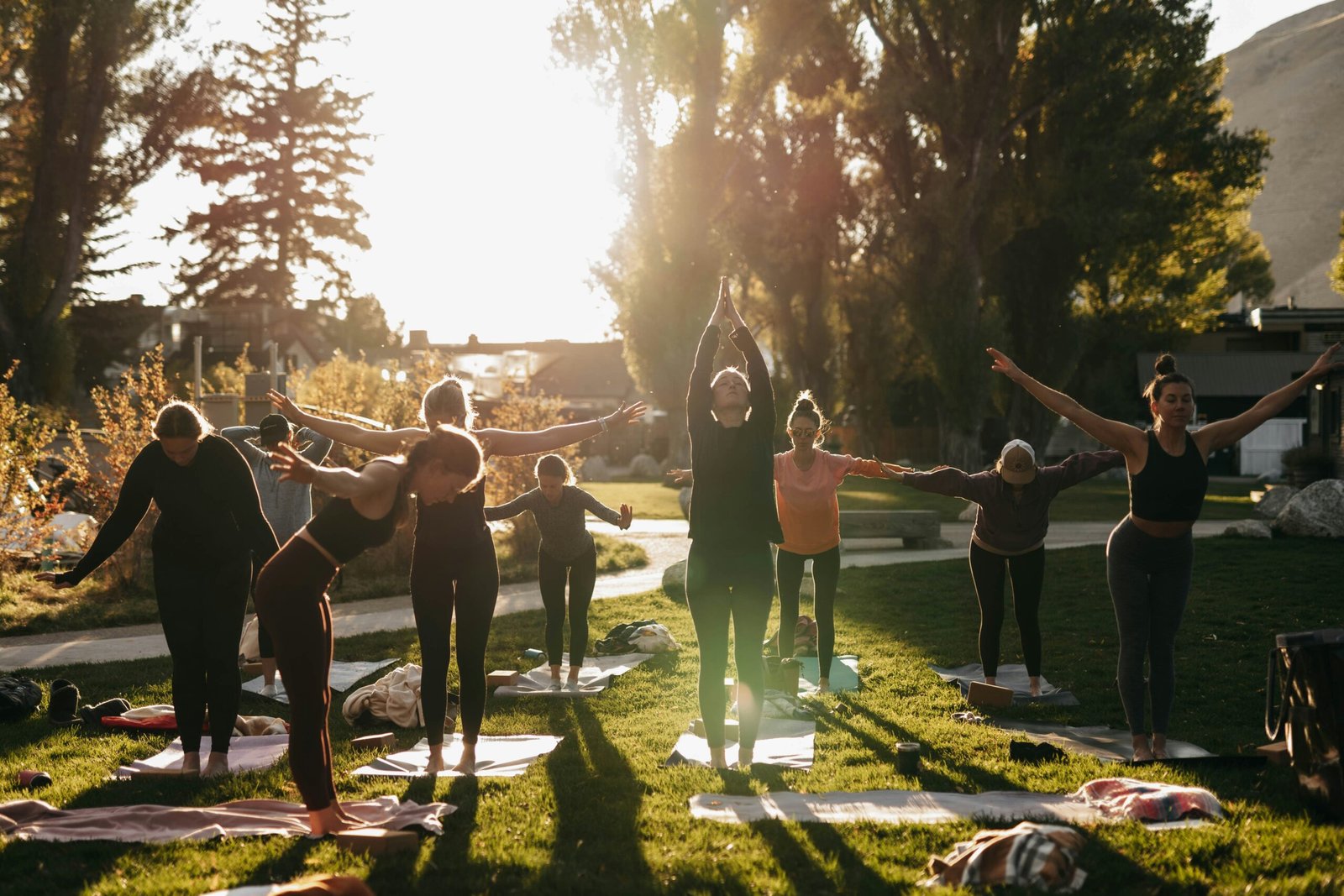
A group of women practicing synchronized yoga poses on a grassy lawn at sunset, highlighting the community and collective energy found in a group yoga retreat.

Mental clarity: when silence becomes productive

At first, silence feels uncomfortable — even awkward. We’re so conditioned to noise that its absence can feel unsettling. But within a day or two, something changes.

The mental chatter begins to slow. Unfinished thoughts surface and resolve. Emotions that had been buried under the pace of daily life finally get the space they need to be named and processed.

By the middle of a week-long yoga retreat, many participants report a quality of focus they haven’t experienced in years — not forced, but natural. When the brain stops defending itself against overstimulation, clarity returns as a matter of course.

Meaningful connection — without the performance

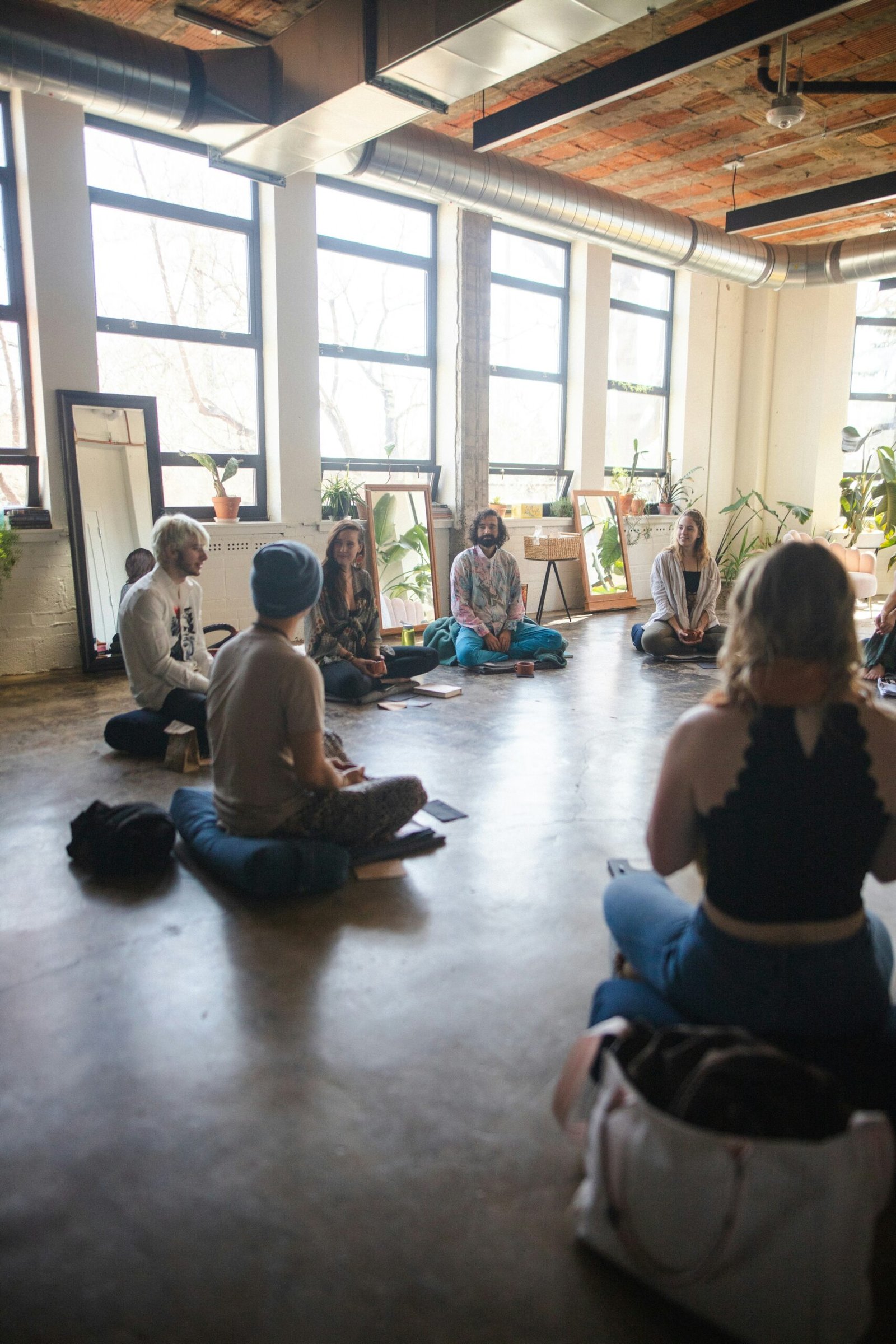
One of the most surprising benefits people describe after a yoga retreat is the quality of human connection they experienced. Retreats strip away the social scripts we normally follow — the roles, the status, the curated versions of ourselves we present online.

Instead, you share a mat, a meal, a sunrise, and a moment of vulnerability with people who are also simply trying to find their way back to themselves. That kind of connection — earned not through achievement but through presence — is rare. And for many, it’s one of the most healing parts of the entire experience.

Why simplicity feels like the greatest luxury

A yoga retreat reframes your relationship with simplicity. Slow meals. Unhurried conversations. Surroundings that ask nothing of you. At first it can feel almost boring — until you realise that what you’re feeling isn’t boredom. It’s peace.

When your senses are no longer being competed for, they recalibrate. Food tastes better. Colours look richer. Rest feels genuinely restorative rather than something you earn.

The minimalism of a retreat isn’t aesthetic — it’s therapeutic. And it tends to follow you home.

The benefits of a yoga retreat last longer than you'd expect

This is where the science becomes genuinely compelling. Studies on yoga retreat participants consistently show elevated wellbeing markers — including reduced cortisol, improved mood, and lower anxiety — sustained for up to six weeks after returning home. Not days. Weeks.

The reason is deeper than relaxation. A retreat gives your nervous system a sustained period of safety. In that window, the body and mind relearn how to self-regulate — how to find equilibrium without external props. And self-regulation, once recovered, becomes a resource you carry with you.

In short: the retreat ends, but its effects do not.

You reconnect with who you were before life got loud

A good yoga retreat doesn’t transform you into someone new. It returns you to someone familiar — the version of yourself that existed before the constant demands, the packed schedule, the low-grade anxiety of modern life took over.

It’s not escape. It’s reunion.

When you come back, the world looks essentially the same. But something in the way you meet it has shifted. You move a little slower. You listen more carefully. You’re less reactive and more intentional. That’s not a side effect of the retreat — that’s the point of it.

How to bring the retreat home with you

Not all retreats are the same, and choosing poorly can undermine the very benefits you’re seeking. Here’s what to look for:

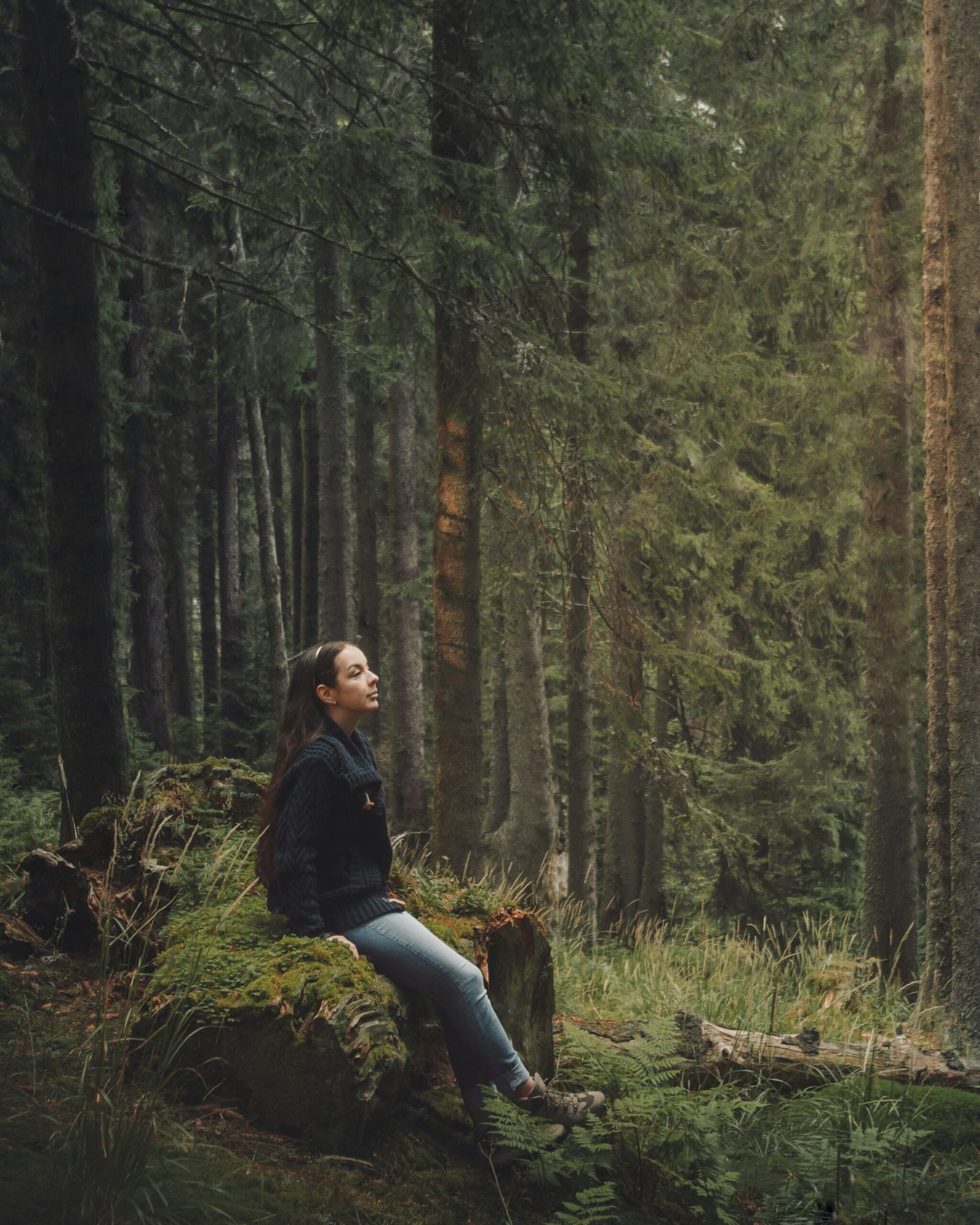
Location matters — not just aesthetically, but psychologically. Natural landscapes — mountains, coastlines, countryside — have measurable restorative effects on the nervous system. Retreats set in places like Tuscany, Morocco, Greece, or Portugal tend to offer this environmental shift alongside the practice.

Consider the structure. Some people thrive in highly scheduled retreats with multiple sessions per day; others need more unstructured time for integration. Know which you are before you book.

Look at the facilitators. Are they experienced and credentialled? Do they have a clear philosophy that resonates with you? The quality of teaching determines the depth of experience.

Check group size. Smaller groups (8–16 people) typically allow for more personal attention and deeper connection than larger programmes.

Finally, be honest about your intention. Are you there to deepen your practice, recover from burnout, or simply rest? A retreat aligned with your real reason for going will always serve you better than one that just looks good on paper.


The real benefit of a yoga retreat is not what happens during the week — though much does. It’s what doesn’t: no rushing, no performing, no fragmenting your attention between sixteen demands at once.

In that absence, something extraordinary becomes possible. You remember how to be fully present. And in a world designed to keep you everywhere but here, that is no small thing.

If you’ve read this far, you’re not just curious — you’re ready. Explore our curated yoga retreats in ItalyMoroccoGreecePortugal, and Spain — and find the one that calls to you.

How to choose a yoga retreat that's right for you

Not all retreats are the same, and choosing poorly can undermine the very benefits you’re seeking. Here’s what to look for:

Location matters — not just aesthetically, but psychologically. Natural landscapes — mountains, coastlines, countryside — have measurable restorative effects on the nervous system. Retreats set in places like Tuscany, Morocco, Greece, or Portugal tend to offer this environmental shift alongside the practice.

Consider the structure. Some people thrive in highly scheduled retreats with multiple sessions per day; others need more unstructured time for integration. Know which you are before you book.

Look at the facilitators. Are they experienced and credentialled? Do they have a clear philosophy that resonates with you? The quality of teaching determines the depth of experience.

Check group size. Smaller groups (8–16 people) typically allow for more personal attention and deeper connection than larger programmes.

Finally, be honest about your intention. Are you there to deepen your practice, recover from burnout, or simply rest? A retreat aligned with your real reason for going will always serve you better than one that just looks good on paper.

FAQs: The Real Benefits of Going on a Yoga Retreat

1. What are the main benefits of a yoga retreat?
The main benefits include significant stress reduction, improved mental clarity, better sleep quality, increased physical flexibility and strength, and a deeper sense of self-awareness. Research also shows measurable improvements in mood and emotional regulation that persist for weeks after the retreat ends.
2. Can a yoga retreat improve mental health?
Yes — and the evidence is substantial. Regular yoga and meditation practice has been shown to reduce symptoms of anxiety and depression, lower cortisol levels, and improve overall emotional regulation. A retreat creates the conditions for these benefits to compound by offering a sustained, immersive experience rather than isolated sessions.
3. Do yoga retreats help reduce stress?
Yes. Retreats combine physical movement, breathwork, meditation, and rest in a low-stimulation environment — a combination that actively reduces cortisol and adrenaline while increasing parasympathetic nervous system activity (the body’s rest-and-digest mode). Most participants report noticeably lower stress levels within the first 48 hours.
4. What physical benefits can I expect from a yoga retreat?
Expect improvements in flexibility, muscle tone, posture, and energy levels. Many participants also report better sleep quality, improved digestion, and a general sense of physical lightness. The benefits are amplified by the consistency of daily practice — something that’s far easier to maintain in a retreat setting than in everyday life.
5. Do yoga retreats improve focus and mental clarity?
Yes. Yoga and meditation enhance concentration, memory, and cognitive function by reducing mental noise and promoting present-moment awareness. Many participants describe a quality of mental clarity by the middle of a retreat that they haven’t experienced in years — not forced, but effortless.
6. Are the benefits of a yoga retreat long-lasting?
Studies show that wellbeing improvements from yoga retreats can be sustained for up to six weeks post-retreat. The key factor is whether participants maintain some version of their practice after returning home. Even a daily 15–20 minute yoga or meditation session is enough to preserve the core benefits.
7. Is a yoga retreat suitable for beginners? 
Absolutely. Most yoga retreats welcome all levels, including complete beginners. In fact, a retreat can be an ideal starting point — the immersive structure and expert guidance mean you’ll learn more in a week than you might in months of occasional classes. Just look for retreats that explicitly list “all levels welcome” or “beginners welcome” in their description.

Share Your Thoughts

Your email address will not be published. Required fields are marked *

Leave a Reply

Your email address will not be published. Required fields are marked *