
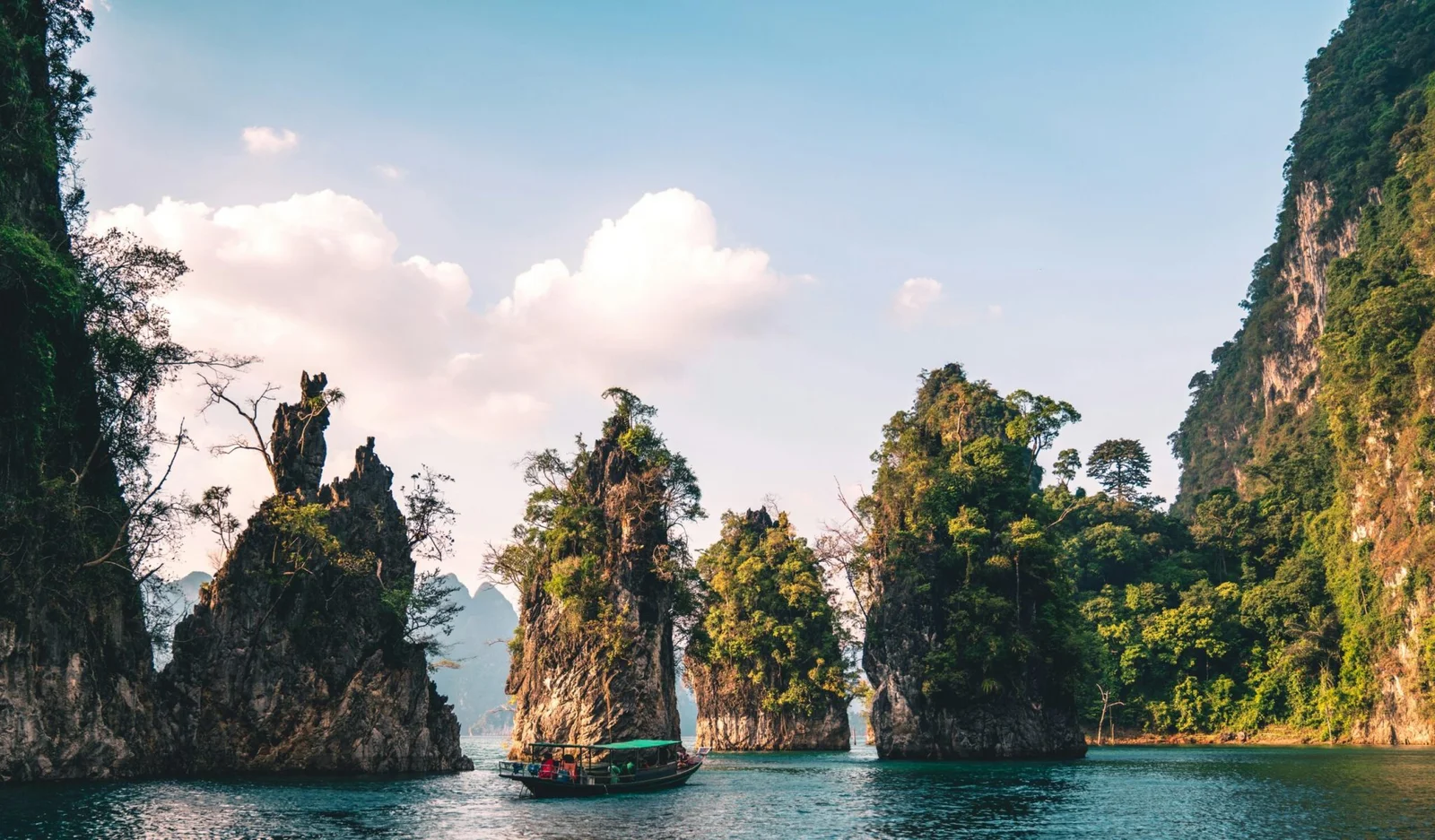
Der Juli ist in Thailand die Hochsaison – der regenreichste Monat im Großteil des Landes, der Dschungel in seiner intensivsten Form und die Auswahl an Yoga-Retreats entsprechend begrenzt. Die Reiseziele, die sich im Juli anbieten, sind gerade wegen des Regens so attraktiv, nicht trotz ihm. Wer im Juli ein Yoga-Retreat in Thailand plant, sollte wissen, welche Region des Landes die richtige ist und warum sich die Reise gerade in der Regenzeit lohnt.


Der Juli ist der regenreichste Monat des Jahres an der Andamanenküste und im Norden. Gleichzeitig ist die Golfküste – Koh Samui und die östlichen Inseln – im Juli am trockensten und zuverlässigsten. Die Dschungelgebiete im Landesinneren präsentieren sich in voller Pracht. Die Retreat-Zentren, die im Juli geöffnet bleiben, haben ihre Programme in der Regel speziell an die Bedingungen angepasst und bieten mehr als nur das Programm aus der Trockenzeit.
Durchstöbern Sie unser komplettes Angebot Yoga-Retreats in Thailand Dieser Leitfaden bietet einen umfassenden Überblick über das ganzjährige Angebot des Landes. Für einen globalen Überblick über Reisen im Juli-Urlaub empfehlen wir Ihnen unseren Leitfaden. Yoga-Retreats im Juli Der Reiseführer umfasst alle Reiseziele, die diesen Monat eine Überlegung wert sind.
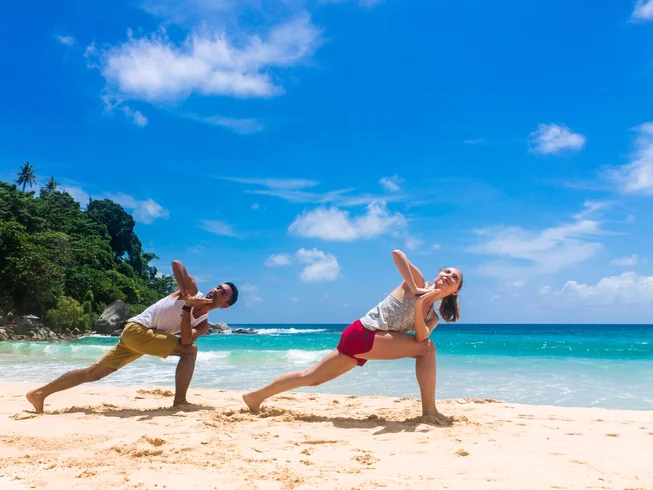
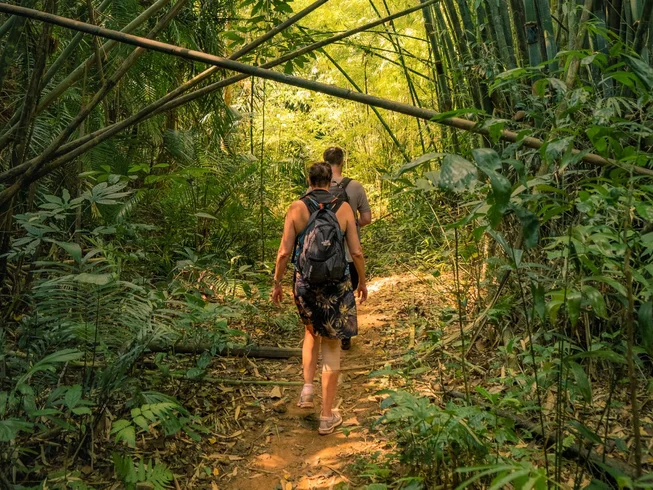
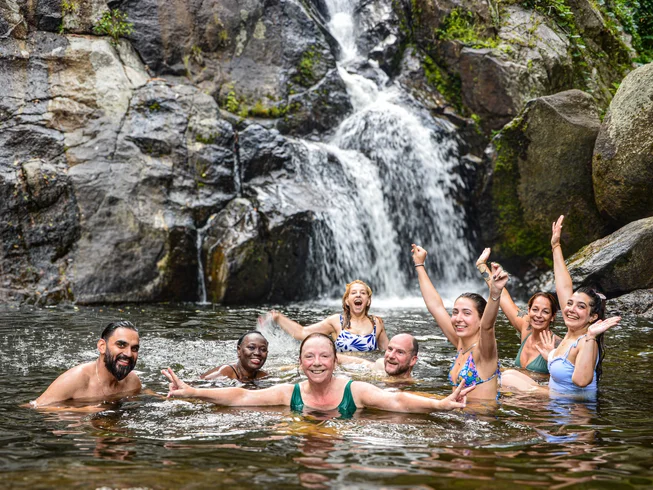
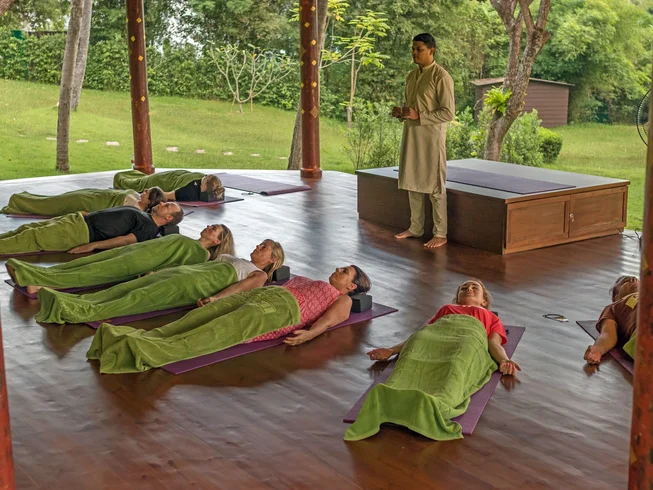
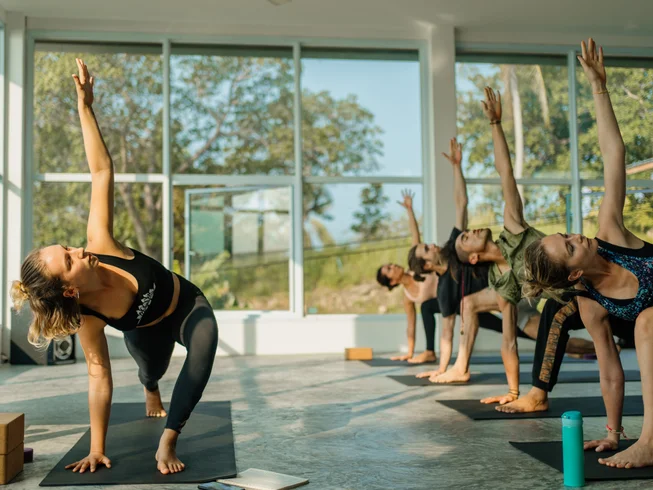
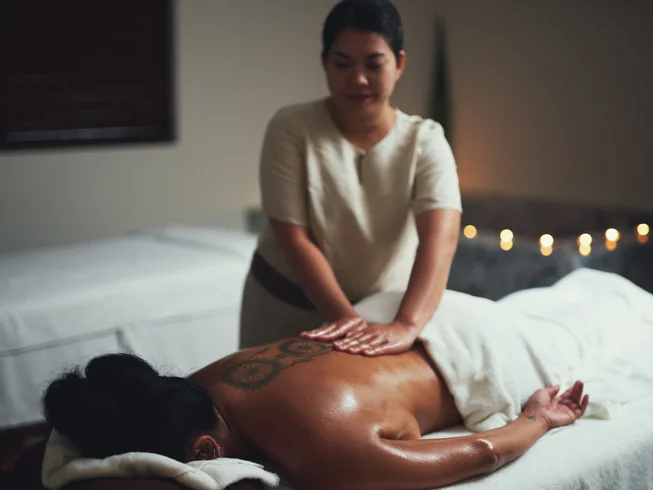
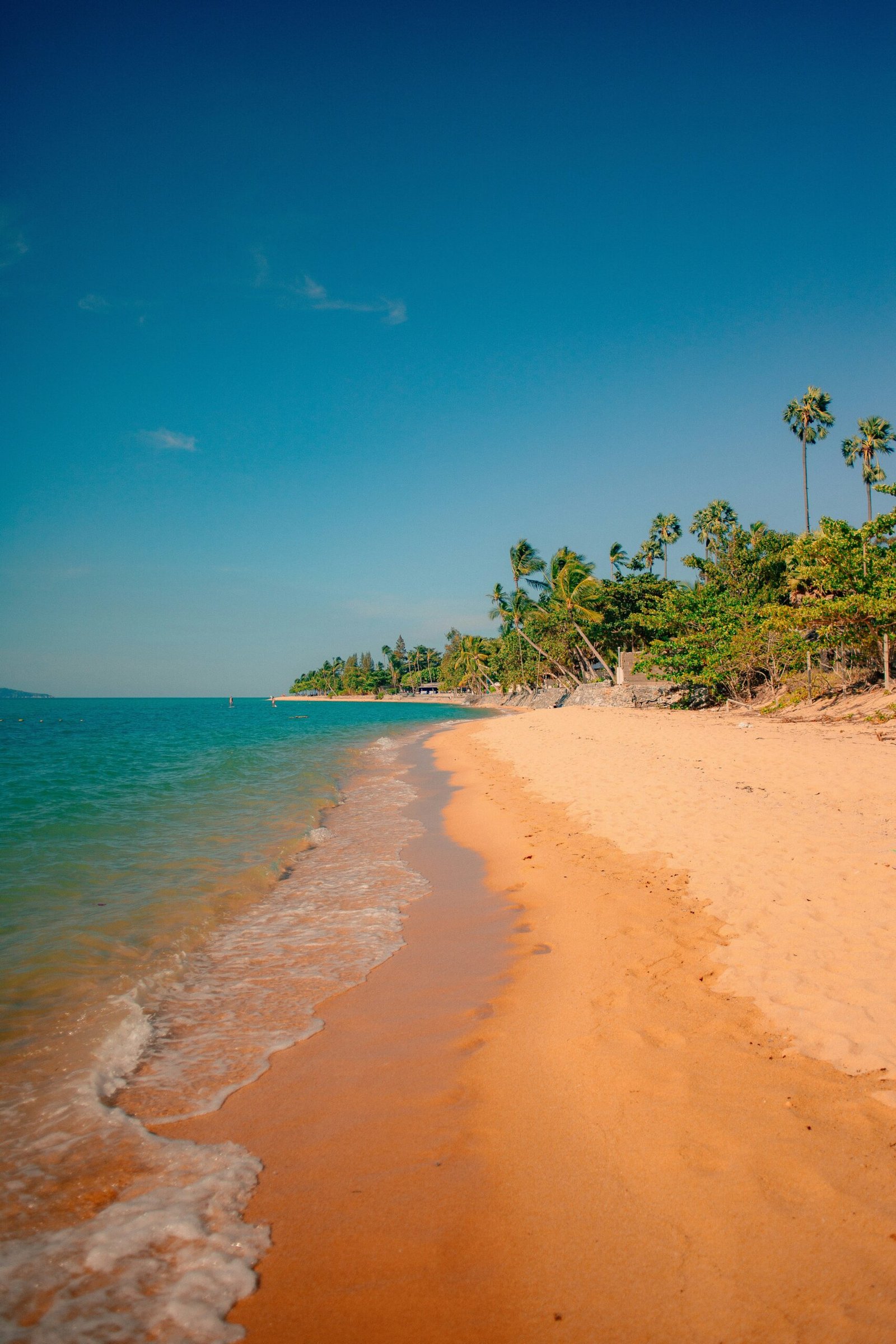
Koh Phangan Der Juli bietet die besten Bedingungen des Jahres – die Insel folgt dem Wettermuster des Golfs von Thailand, wodurch die Trockenzeit von Juni bis September und nicht von November bis April dauert. Juli auf Koh Phangan Klare Morgenstunden, gelegentliche Nachmittagsschauer, und eine Meerestemperatur von 29-30 °C. Die Srithanu-Retreat-Gemeinschaft befindet sich im Juli auf ihrem internationalen Sommerhöhepunkt – die europäische Sommerferienzeit bringt Praktizierende gezielt auf die Insel, und die Retreat-Zentren bieten ihr vielfältigstes Programm des Jahres an.
Der Agama Yoga Schule Im Nordwesten der Insel finden im Juli die intensiven Lehrerfortbildungsprogramme statt – ein 28-tägiges Programm, das Teilnehmer aus Europa, Nordamerika und Australien anzieht, die den Juli gezielt wegen der Kombination aus Trockenheit im Golf von Mexiko und dem Fortbildungskalender der Schule wählen. Yoga-Retreat auf Koh Phangan Und die kleineren, unabhängigen Shalas der Srithanu-Region sind im Juli voll ausgelastet, wobei das morgendliche Üben auf den offenen Holzplattformen über den Kokospalmen in der vollen Juli-Luftfeuchtigkeit eine besondere Übungsumgebung schafft, die die kühlere Jahreszeit nicht nachahmen kann.
Der Vollmondparty Der Strand von Had Rin erreicht im Juli seinen internationalen Sommerhöhepunkt – die größte Besucherzahl des Jahres. Für die Gäste des Retreats im Nordwesten der Insel ist dies geografisch abgelegen und für die Retreatwoche praktisch irrelevant.
Koh Tao im Juli ist am jährlicher Tauchgipfel — die Trockenzeit im Golf von Mexiko bietet die beste Sicht und die ruhigste See des Jahres für die Tauchplätze der Insel. Walhai-Saison Die im Februar begonnene Aktion ist auch im Juli noch aktiv, mit Sichtungen bei Segelfelsen und die Südwestgipfel Im Juli, während der Trockenzeit am Golf von Mexiko, sind Tauchgänge häufiger als zu jeder anderen Jahreszeit. Die Tauchschulen auf Koh Tao bieten im Juli die meisten Zertifizierungskurse an – Open Water Diver, Advanced Diver und Rescue Diver –, wobei die internationalen Sommergäste die Nachfrage ankurbeln und die erfahrenen Tauchlehrer den Unterricht durchführen.
Der Yoga- und Tauch-Kombinations-Retreat Das, was Koh Tao im Juli ermöglicht – das morgendliche Training auf der Bungalowterrasse über der Bucht, der Nachmittagstauchgang auf 20–30 Meter Tiefe und die abendliche Meditation, während die Sonne hinter dem im Westen sichtbaren Koh Phangan untergeht –, ist im Juli in seiner vollen Pracht zu erleben. Die Insel ist im Juli zwar gut besucht, aber nicht überlaufen – der fehlende Flughafen begrenzt die Ankünfte, was auf Koh Samui und Phuket nicht möglich ist.
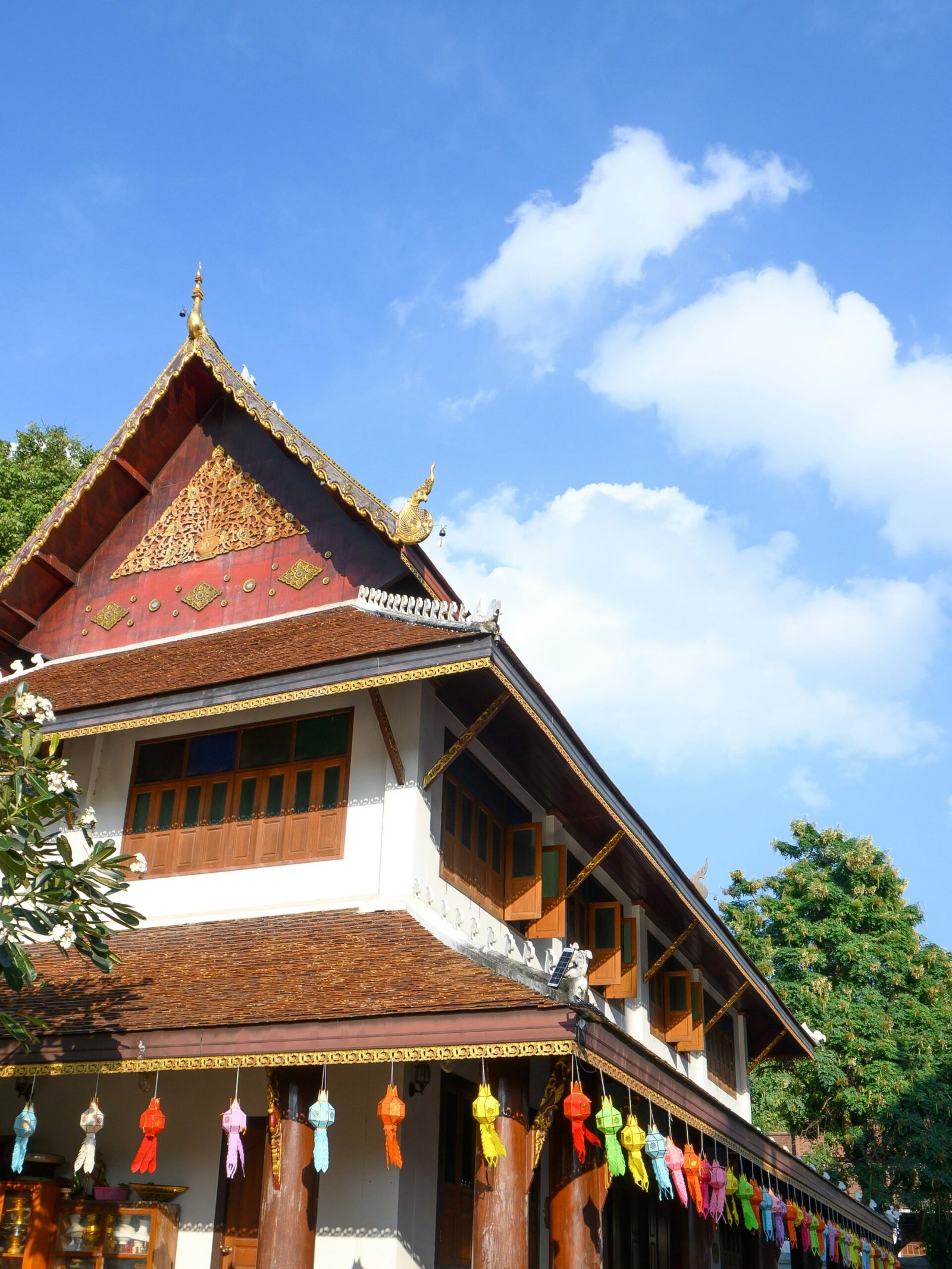
Chiang Mai im Juli Die Stadt befindet sich mitten in der Regenzeit – der Regen setzt typischerweise nachmittags oder abends ein, die Morgenstunden sind oft klar. Im Juli präsentiert sich die Stadt mit der besonderen Atmosphäre des thailändischen Sommers: Der Stadtgraben ist mit Wasser gefüllt, die Tempelhöfe erstrahlen nach dem täglichen Regen in frischem Grün, und der Berg über der Stadt ist nur gelegentlich durch die Wolken sichtbar. Die morgendlichen Übungen im Freien, die beim Januar-Retreat angeboten wurden, sind im Juli an klaren Morgen möglich; an regnerischen Morgen wird stattdessen das speziell für die Retreat-Zentren konzipierte Indoor-Programm angeboten.
Der Meditations-Retreat-Kultur Die Hochsaison in Chiang Mai ist im Juli am intensivsten. Meditationsprogramm im Suan Dok Tempel Die kostenlose Meditation und der Dharma-Vortrag am Montagabend, die allen Besuchern offenstehen und von den Mönchen des Wat Suan Dok geleitet werden, finden im Juli während der buddhistischen Fastenzeit Khao Phansa statt, wenn die Mönche im Kloster residieren und nicht reisen und das Lehrprogramm am beständigsten ist. Vipassana-Zentren In den Hügeln oberhalb der Stadt werden im Juli ihre Retreats für die engagiertesten Teilnehmer angeboten – diejenigen, die sich bewusst für Chiang Mai in der Regenzeit entschieden haben, anstatt auf die kühlere Jahreszeit zu warten.
Der Nachtbasar und die Sonntags-Fußgängerzone Im Juli sind die Märkte in der Altstadt von Chiang Mai auch im Regen geöffnet – die Markisen sind ausgefahren, die Händler sind trotz des Wetters präsent, und die abendliche Atmosphäre der überdachten Märkte im Regen erzeugt eine ganz besondere Juli-Qualität von Chiang Mai, die die klaren Abende der kühleren Jahreszeit nicht bieten.
Khao Yai Nationalpark — die UNESCO-Welterbestätte zwei Stunden nordöstlich von Bangkok, der drittgrößte Nationalpark Thailands bei 2.168 km² — ist im Juli am lebendigsten. Die Regenfälle der Regenzeit schaffen die für den Park so typischen Wasserfallbedingungen: die Haew Narok Wasserfälle (80 Meter, das höchste Gebäude im Park) und das Haew Wang Wasserfall Im Juli laufen sie mit voller Lautstärke, sind noch in einem Kilometer Entfernung hörbar und erzeugen den Nebel, der den umliegenden Wald im Julilicht erstrahlen lässt.
Der Tierwelt Khao Yai reagiert im Juli auf den Regen mit maximaler Aktivität: Asiatische Elefanten (eine Population von etwa 200-300 Tieren im Park), die sich auf den Pfaden durch den Wald bewegen, die in der Regenzeit im Schlamm sichtbar werden, die Gibbons Morgens rief er aus dem Blätterdach, und die Nashornvögel Sie nisten in den hohlen Bäumen des Urwaldes. Nachtsafari Die offene Jeep-Tour durch die Graslandschaften des Parks nach Einbruch der Dunkelheit bietet im Juli die Möglichkeit, Wildtiere zu beobachten. bellende Hirsche, Zibetkatzen und Stachelschweine die von den in der Trockenzeit weniger aktiven Tieren selten geliefert werden.
Retreatzentren am Rande des Parks nutzen Khao Yai als Ausgangspunkt für ein Outdoor-Programm im Rahmen eines Bangkok-freien Retreat-Konzepts – nah genug an der Hauptstadt für eine bequeme Anreise, aber dennoch naturbelassen genug für echte Ablenkung. Die Bedingungen im Juli – wenn der Regen den Park in seiner lebendigsten Form erstrahlen lässt – machen ein Retreat in Khao Yai im Juli besonders lohnend im Vergleich zu einem ähnlichen Aufenthalt im Februar.
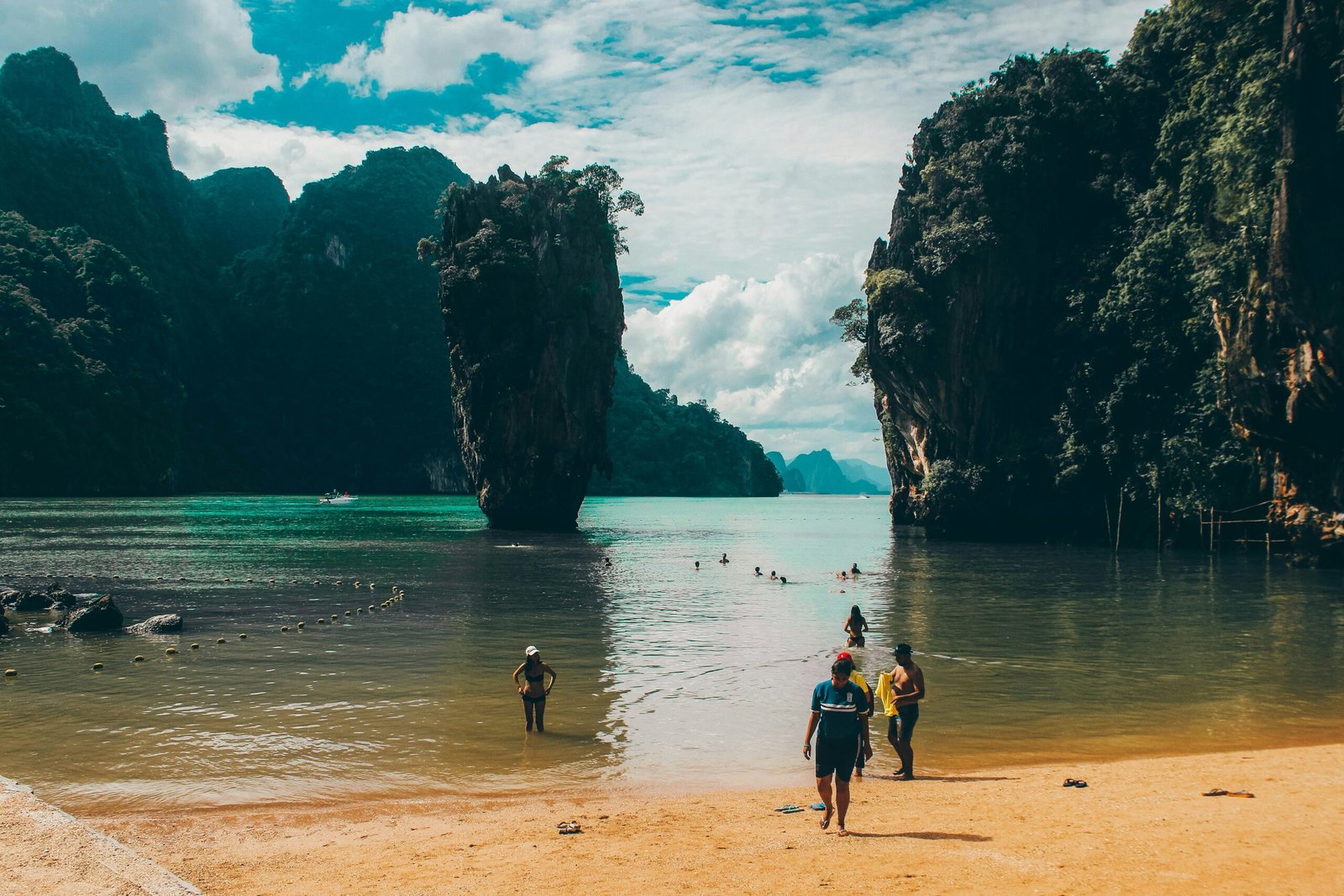
Khao Phansa Die buddhistische Fastenzeit, die am Tag nach Asalha Bucha beginnt, dauert von Juli bis Oktober. Während dieser drei Monate bleiben die Mönche traditionell in ihren Heimatklöstern, anstatt zu reisen, die Lehrprogramme sind am beständigsten, und die buddhistische Laiengemeinschaft intensiviert ihre Verdienstpraxis. Kerzenprozessionen zu Beginn von Khao Phansa und der Robenopferzeremonien (Tak Bat Thewo), die bestimmte Momente während der Fastenzeit markieren, gehören zu den authentischsten thailändischen religiösen Veranstaltungen, die den Gästen der Exerzitien zugänglich sind.
Der Ubon Ratchathani Kerzenfest Das Kerzenfest von Ubon, das zu Beginn von Khao Phansa, üblicherweise Ende Juli, stattfindet, ist eines der visuell beeindruckendsten Ereignisse Thailands. In der Isaan-Stadt Ubon Ratchathani werden kunstvolle Bienenwachsskulpturen gefertigt (die größten wiegen mehrere Tonnen), die in einer Prozession durch die Stadt getragen und anschließend den Tempeln für die Fastenkerze gespendet werden. Die Größe und die handwerkliche Perfektion der Skulpturen – ganze buddhistische Kosmologieszenen aus Bienenwachs – machen das Kerzenfest von Ubon zu einem jener typisch thailändischen Ereignisse, die im internationalen Veranstaltungskalender oft übersehen werden.
Asalha Bucha Wenn der Vollmond im Juli statt im Juni stattfindet (abhängig vom Mondkalender), ist dies der nationale Feiertag zur Erinnerung an Buddhas erste Lehrrede. Die Kerzenprozessionen in den Tempeln des Landes markieren den Beginn der Khao-Phansa-Klausurzeit. Bitte beachten Sie den aktuellen Mondkalender.
Phi Ta Khon Das Geisterfest von Dan Sai in der Provinz Loei findet je nach Kalender des Mediums möglicherweise im Juli statt. Eine ausführliche Beschreibung finden Sie im Artikel vom Juni.
Durian — die große, stachelige Frucht mit dem berühmt-intensiven Geruch und dem puddingartigen Fruchtfleisch, die Thailands Besucher in begeisterte Fans und entschiedene Abweichler spaltet — erreicht im Juli in den südlichen Obstgärten von Chanthaburi, Rayong und der Provinz Surat Thani ihren Höhepunkt. Monat Sorte (goldenes Kissen) und die Chanee Die Durian-Sorte Gibbon aus den Obstgärten von Chanthaburi erreicht im Juli den Reifegrad, für den Durian-Liebhaber extra nach Thailand reisen. Der Geruch, der in Hotellobbys und öffentlichen Verkehrsmitteln verboten ist, ist an der Quelle das Signal für die Frucht im exakt richtigen Moment ihrer Reife.
Für Gäste, die zum ersten Mal Durian probieren: Am besten isst man ihn frisch vom Baum und nicht abgepackt an den Touristenmärkten. Auf den Durian-Farmen in Chanthaburi und an den Marktständen des Nachtmarkts in Surat Thani im Juli wird die Frucht auf Bestellung geöffnet – zu Preisen, die die Angebote in den Hotel-Minibars von Bangkok geradezu lächerlich erscheinen lassen.
Rambutan Im Juli erreicht die Vegetationsperiode in den südlichen Obstgärten ihren Höhepunkt. Langsat Die kleinen, gelben Früchte, die in Büscheln wachsen, mit ihrer leicht harzigen Schale und dem süß-sauren, durchscheinenden Fruchtfleisch, haben in den südlichen Provinzen Thailands im Juli Saison. Weniger bekannt als Rambutan oder Mangostan, zählt die Langsat zu den erfrischendsten Früchten der thailändischen Regenzeit. Die leichte Bitterkeit der Schale weicht dem süß-sauren Fruchtfleisch, das in den Obstgärten von Surat Thani und Nakhon Si Thammarat im Juli seine jährliche Höchstreife erreicht.
Der Pilze der Regenzeit Die Wälder Nordthailands präsentieren sich im Juli von ihrer vielfältigsten und am besten zugänglichen Seite. het thon (Austernpilze), die het khon (Strohpilze) und die het rachi (Wildpilze aus den Bergwäldern von Chiang Mai) tauchen im Juli auf den Märkten im Norden zu Preisen auf, die dem saisonalen Überfluss entsprechen – weit unter den Preisen, die in Restaurants in Bangkok für dieselben Zutaten verlangt werden. Kochkurs in Chiang Mai Eine Unterrichtseinheit, die einen Besuch auf dem Pilzmarkt im Juli einbezieht und die saisonalen Pilze im Unterricht verwendet, bietet eine spezifische Juli-Zutat, die der Pilzmarkt im Januar in der Trockenzeit nicht bieten kann.
Der grünes Curry (kaeng khiao wan) der thailändischen Küche verwendet Zutaten, die in der Regenzeit am duftendsten sind: die frische grüne Chilischoten, Zitronengras, Galgant, Kaffir-Limettenblätter und Thai-Basilikum Die Juliregen bringen die Pflanzen in ihrer reichhaltigsten Form an ätherischen Ölen hervor. In einer Küche eines Retreats in Chiang Mai oder auf Koh Phangan, die ihre Currypaste im Juli aus dem Garten der Regenzeit und nicht vom Markt der Trockenzeit bezieht, besitzt das grüne Curry eine Frische und einen Duft, die das gleiche Gericht im Januar zwar annähernd erreicht, aber nicht ganz.
Der Nachtsafari im Khao Yai Nationalpark Im Juli bietet die offene Jeep-Tour durch die Graslandschaften des Parks nach Einbruch der Dunkelheit die ergiebigste Möglichkeit zur Tierbeobachtung im thailändischen Reisekalender. Die Regenzeit im Juli macht die Bellende Hirsche, Dschungelkatzen, Zibetkatzen und Stachelschweine dass die nächtliche Safari aktiver und sichtbarer ist als in der Trockenzeit. Glühwürmchen Entlang der Waldstraße zu Beginn der Juli-Nachtsafari, sichtbar in der ersten dunklen Stunde vor Mondaufgang, entsteht im Regenwald der Regenzeit ein Lichtspektakel, das in der Trockenzeit kein Äquivalent hat.
Der Durian-Plantagen von Chanthaburi Die Provinz – drei Autostunden östlich von Bangkok – ist im Juli während der Haupterntezeit für Bauernhofbesichtigungen geöffnet. Durian-Farm-Erlebnis — Mit dem Besitzer durch den Obstgarten zu spazieren, der die Unterschiede zwischen den Sorten erklärt, den Pflückern mit ihren langen Stangen beim Ernten der Früchte aus den Baumkronen zuzusehen und die frisch geöffneten Früchte am Tisch des Bauernhofs zu essen — ist ein typisches Juli-Erlebnis, das sowohl die Jahreszeit als auch die Quelle gleichzeitig erfordert.
Der Ubon Kerzenfestival Der Beginn von Khao Phansa ist für alle, die sich für thailändische buddhistische Kultur und Kunsthandwerk interessieren, die Reise von Bangkok oder Chiang Mai wert. Die Wachsskulpturen – manche fünf bis sechs Meter hoch und ganze Szenen aus den Jataka-Erzählungen (den früheren Leben Buddhas) darstellend – werden von Kunsthandwerkern geschaffen, die monatelang an dem Wachs arbeiten. Die Prozession durch die Stadt Ubon und die Installation in den Tempeln verbinden das visuelle Spektakel mit der religiösen Zeremonie auf eine Weise, die das Ereignis gleichzeitig zu einer kulturellen Darbietung und einem authentischen Akt des Glaubens macht.
Ihre E-Mail-Adresse wird nicht veröffentlicht. Erforderliche Felder sind mit * markiert